


Welcome to Tenney Industries


FEATURED PRODUCTS
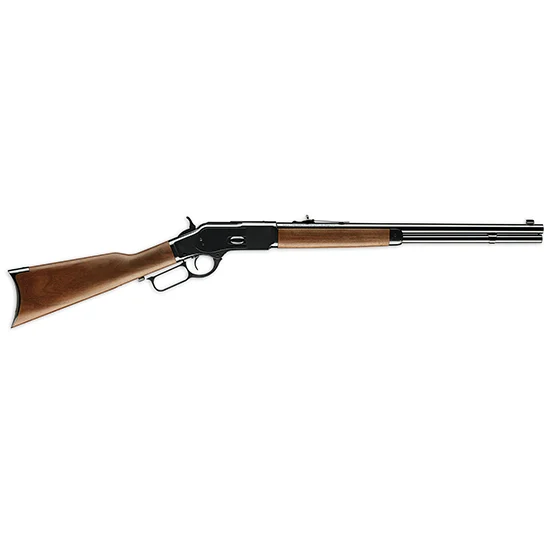
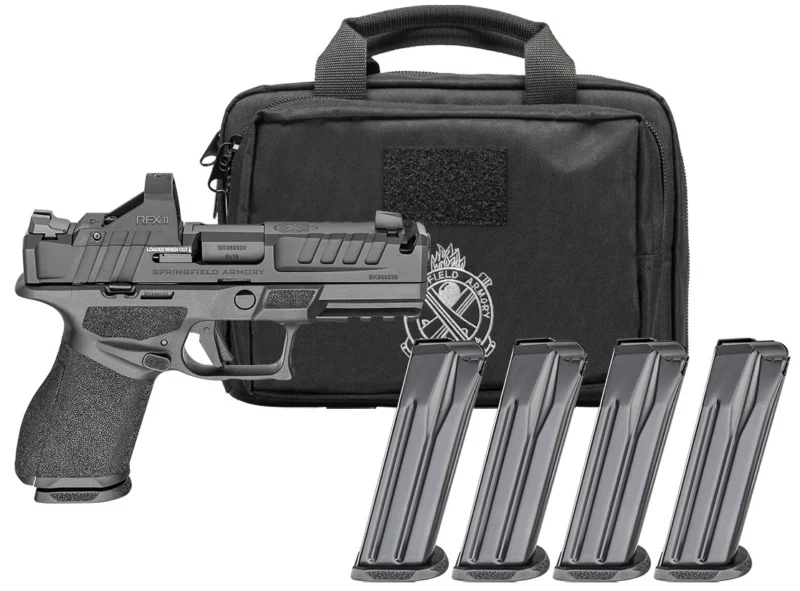

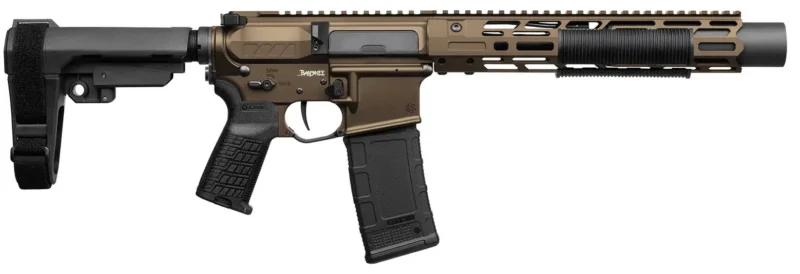
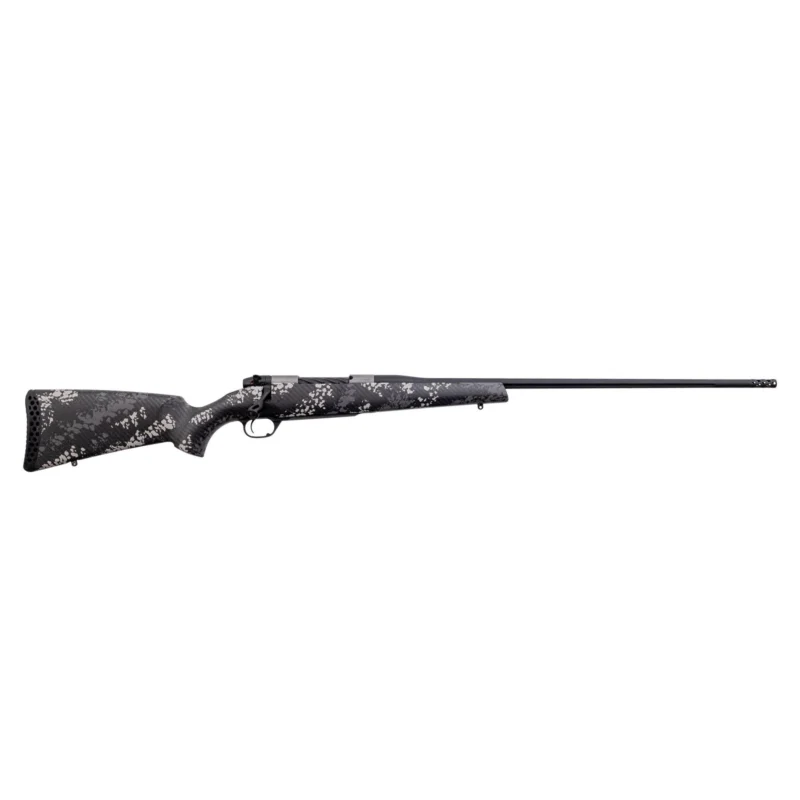




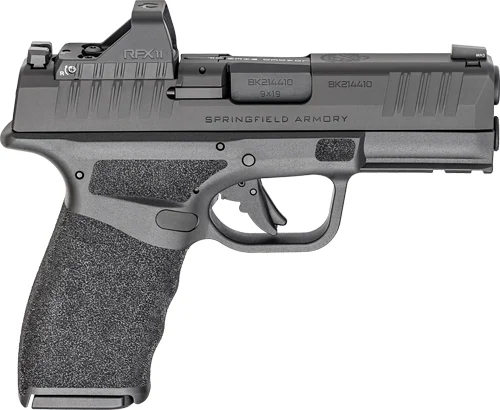
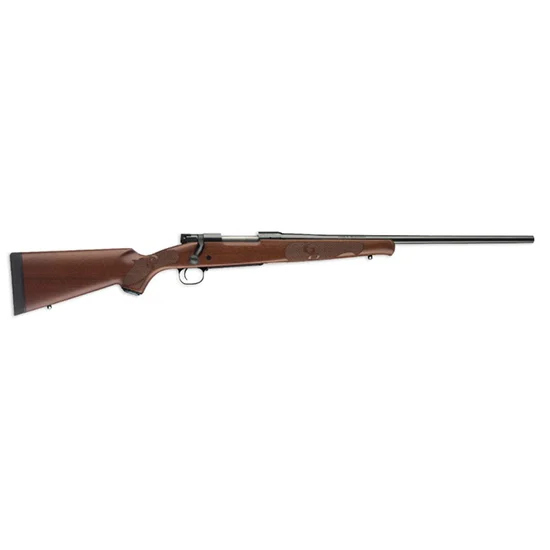


Tenney Industries supports:


Tenney Industries Gallery


WHAT OUR CUSTOMER SAY


Very knowledgeable and conscientious. Jake will do right by you. A++ business! If you are into hunting or firearms for any other reason you won't be disappointed.

Great guy to deal with and very knowledgeable goes above and beyond for the customer.

Great Gun Shop in West Michigan! Jake and his team are very helpful! Good amount of inventory and if he doesn’t have it, he will get it quickly!


I've purchased my share of tools from a variety of stores in different states but have had the best experience and fastest service at tennys. Very friendly and the guy knows his stuff. I recommend you check him out for all your 2a needs.


I've done a lot of business with Jake here over the past couple of years. He does a great job on repairs and can get Firearms at low prices. He also has a pretty decent inventory of used Firearms of All Sorts as well as Scopes and red dots. He stands behind his work and is an all-around great guy knows a lot!

Knowledgeable and trustworthy. Appreciate having a guy like Jake in the area for gun and ammo needs

You will not find a better guy to do business with. This little shop has just about anything you need. If he don’t have it on the shelf he can get it. This is exactly what Ludington needed.

I have used Tenneys as an FFL, as a gun smith, and have purchased many guns from the gun store side of the business…. It’s been flawless and professional service every time, He is a joy to talk to and his gun knowledge is in matched, Jake goes out of his way to make sure all of your firearms needs are met, it’s an awesome small town gun store. I always look forward to going back.


Jake helped us with a third party transfer of my father's vintage rifle. Friendly and knowledgeable.


Had Jake order a gun for me. Gun came in fast, was able to purchase at a great price in only a few days. Top notch service!
my cerakote looks awesome great guy with tons of knowledge and great customer service
jake did a very professional job threading a barrel and doing some cerakote for me. he's reasonably priced and quick with turnaround times (very rare with gunsmiths)
Understanding the Basics of Modern Firearms from a Gun Shop in Ypsilanti, MI
Modern firearms are intricate tools designed with precision, functionality, and safety in mind. Understanding their core components and functionalities is essential for responsible ownership and use. This foundation ensures that firearm users can operate their equipment safely and effectively while minimizing the risk of accidents.
Key Components of a Firearm from Handgun Stores in Ypsilanti, MI
- Barrel: The long metal tube through which the bullet travels when fired.
- Action: The mechanism responsible for loading, firing, and ejecting cartridges. Common types include bolt-action, lever-action, semi-automatic, and pump-action.
- Trigger: The lever that initiates the firing sequence when pressed.
- Magazine (for certain firearms): A storage device that holds ammunition before it’s loaded into the chamber.
- Stock or Grip: Provides stability and support during aiming and firing.
Component Function Example Features Barrel Guides bullet trajectory Rifled barrels improve accuracy Action Operates loading & firing process Includes semi-auto or manual systems Trigger Engages firing sequence Adjustable triggers available Types of Modern Firearms Found in Retail Gun Stores in Ypsilanti, MI
- Handguns (Pistols & Revolvers): Compact firearms primarily designed for one-handed use. Handguns are popular for personal protection due to their portability but demand consistent training to handle safely.
- Rifles: Long-barreled firearms ideal for precision shooting at longer distances. They’re commonly used in hunting or marksmanship sports.
- Shotguns: Distinguished by their smoothbore barrels; these firearms are effective at shorter ranges and often used in hunting or home defense situations.
- Specialized Firearms (e.g., Carbines): A hybrid style offering compact size with rifle-like functionality.
Ammunition Basics with a Gun Dealer in Ypsilanti, MI
- Cartridge Case: Houses all other components.
- Primer: Ignites gunpowder when struck by the firing pin.
- Powder (Propellant): Produces gas pressure to propel the projectile forward.
- Bullet (Projectile): The object expelled from the barrel towards a target.
Safe Handling Practices When Learning About Guns for Sale in Ypsilanti, MI
- Never point a firearm at anything you’re not prepared to destroy.
- Always treat every firearm as if it’s loaded until you’ve verified otherwise.
- Be sure of your target—and what’s beyond it.
This basic understanding lays a foundation for responsible firearm use while ensuring safety remains a top priority in all circumstances
Essential Firearm Safety Rules from the Best Gun Store in Ypsilanti, MI
Firearm safety is a critical component of responsible gun ownership. Understanding and adhering to fundamental safety rules reduces risks, prevents accidents, and fosters a culture of responsibility. Below is a detailed breakdown of key principles every gun owner or handler should prioritize.
The Four Cardinal Rules of Firearm Safety from a Local Gun Store in Ypsilanti, MI
- Never assume a firearm is unloaded, even if someone else assures you. Always check it yourself.
- When handling or passing a firearm, verify its status by visually inspecting the chamber and magazine before proceeding.
- Maintain proper trigger discipline by keeping your finger indexed along the frame.
- Only place your finger on the trigger once your sights are on the target and you’ve made the decision to fire.
- Be mindful of where your firearm’s muzzle is pointing at all times.
- A “safe direction” means one where an accidental discharge would not injure anyone or cause unintended damage (e.g., toward the ground).
- Always identify your target with certainty to avoid errors such as mistaking objects or people for threats.
- Be aware of what lies behind, above, or near your target—bullets can over-penetrate or ricochet.
Additional Safety Best Practices When You Buy Guns in Ypsilanti, MI
- Proper Storage Practices: Ensure firearms are stored securely when not in use:
- Use gun safes, lockboxes, or trigger locks to prevent unauthorized access.
- Store ammunition separately from firearms whenever possible.
- Unloading When Not in Use: Keep firearms unloaded unless they are actively being used for self-defense or practice at a range.
- Transporting Safely: When traveling with firearms:
- Keep guns unloaded during transport.
- Store them in appropriate cases with locking mechanisms.
- Follow local laws regarding firearm transportation.
Gun Range Etiquette at a Firearms Store in Ypsilanti, MI
Adhering to safety protocols at shooting ranges is equally essential:
– Always follow posted range rules and instructions from range officers.
– Confirm that any firearm you bring fits within the range’s caliber limits.
– Wear proper eye and ear protection at all times while on site.Equipment Purpose Safety Glasses Protects eyes from debris and gases Hearing Protection (earmuffs/earplugs) Shields hearing from loud noise levels Teaching Safety to New Users at an Arms Store in Ypsilanti, MI
If introducing someone new to firearms:
– Start by reviewing these core safety rules with them thoroughly before allowing hands-on handling.
– Guide them slowly through loading/unloading procedures in controlled environments like ranges with supervision present.By following these essential rules rigorously each time you handle a firearm, both experienced owners and newcomers can help reduce risks while promoting responsible use among peers and community members alike.
Why Firearm Training and Education Matter with Gun Dealers in Ypsilanti, MI
Proper firearm training and education are integral to responsible gun ownership. They not only enhance safety but also promote the ethical use of firearms, helping owners develop the skills and mindset necessary to handle firearms responsibly. Whether you’re a seasoned gun owner or a first-time buyer, understanding why training matters can make a significant difference in how you approach ownership.
Enhancing Safety with Gun Stores Around Me
- Understand how their specific firearm functions, including loading, unloading, and cleaning processes.
- Operate their firearm safely in various environments.
- Reduce accidental discharges by teaching safe handling practices.
Training courses often cover essential safety rules such as always pointing the muzzle in a safe direction, keeping your finger off the trigger until ready to shoot, and being aware of your target and what’s beyond it.
Improving Proficiency at a Gun Store Near Me
- Marksmanship: Developing accuracy through proper grip, stance, breathing techniques, and trigger control.
- Familiarity: Gaining comfort with specific weapon models or calibers you may own or plan to use.
- Situational Awareness: Learning how to assess circumstances where a firearm may need to be used for personal defense or other purposes.
Regular practice combined with professional guidance ensures that you feel confident using your firearm when required while minimizing errors.
Legal and Ethical Considerations for Gun Shops Near Me
Legal Considerations Ethical Considerations Federal and state regulations on ownership Respecting others’ comfort around firearms Laws on concealed carry and open carry Avoiding unnecessary risk or display Safe transport across jurisdictions Using firearms only as necessary Understanding your responsibilities as an owner can help avoid legal troubles while fostering respect for others in your community.
Building Confidence with Handguns Near Me
- React appropriately during high-pressure situations.
- Practice decision-making that prioritizes safety.
- Develop mental preparedness for emergencies.
This level of preparation fosters responsible ownership by ensuring individuals are emotionally equipped to make quick but measured decisions when needed.
Choosing the Right Training Program with Gun Dealers Near Me
- Beginner Classes: Focused on basic operation, safety protocols, and foundational shooting skills.
- Advanced Courses: Designed for experienced users looking to improve tactical skills or defensive shooting techniques.
- Specialty Programs: Covering niche areas like hunting safety or competitive shooting sports.
Seek certified instructors with proven expertise who offer hands-on instruction combined with classroom learning.
The Ongoing Importance of Education with a Gunsmith Near Me
Firearm education doesn’t stop after one course. Regularly updating knowledge about firearm technology advancements or changing laws ensures long-term responsible ownership. Additionally, continued practice hones skills over time while reinforcing good habits.
By prioritizing training and education from reputable sources, gun owners demonstrate their commitment not just to personal safety but also to broader societal responsibility surrounding firearms ownership.
Building Long-Term Responsible Ownership Habits with the Best Gun Shops in Ypsilanti, MI with the Best Gun Stores in Ypsilanti, MI
Regular Maintenance and Inspection
Firearms require routine maintenance to ensure they function safely and reliably. Neglect can lead to malfunctions, which may pose safety risks during use.
- Cleaning: After each use, clean your firearm to remove residue, dirt, or moisture that could impact performance.
- Inspection: Check for worn parts such as springs or screws that may need replacement.
- Professional Servicing: Have your firearm inspected periodically by a qualified gunsmith to identify potential issues.
Frequency Maintenance Task Notes After Every Use Clean barrel, lubricate moving parts Prevents residue buildup Monthly Perform safety checks on firing mechanism Identify wear or damage early Annually Professional gunsmith inspection Ensures optimal functionality Keeping Up with Relevant Laws
Gun laws frequently change at federal, state, and local levels. Understanding these changes is vital for complying with regulations around purchasing, possession, transportation, and storage.
- Subscribe to newsletters from reputable organizations or government agencies.
- Attend community education events focused on firearm laws.
- Maintain a record of your permits and licenses; renew them before expiration.
Proactively staying informed prevents unintentional violations while reinforcing the importance of responsible ownership.
Training as an Ongoing Process
Training does not stop once you’ve passed an initial course or obtained a permit. Periodic refresher courses help you stay sharp in terms of both technical skills and safety practices.
- Advanced marksmanship programs
- Self-defense workshops
- Scenario-based training sessions
- Consider practicing with instructors who specialize in new techniques or methods.
- Join local ranges or clubs for regular practice opportunities in controlled environments.
This ongoing commitment strengthens personal responsibility while enhancing proficiency.
Responsible Storage Evolving Over Time
Storage needs may shift as circumstances change—such as having children in the home or acquiring additional firearms. A habit of reassessing storage solutions ensures continued compliance with best practices.
Tips for adapting storage needs: 1. Upgrade safes or locking mechanisms as needed to maintain security. 2. Use biometric safes for faster access if self-defense becomes more prominent in your usage. 3. Regularly evaluate storage locations based on accessibility and potential risks (e.g., theft).
Adapting how you secure firearms demonstrates responsibility toward both family members and community safety.
By integrating regular maintenance routines, staying informed about evolving laws, continuing education through training programs, and reassessing storage practices as needs evolve, firearm owners can foster lifelong habits rooted in safety and accountability—all hallmarks of responsible ownership practices that benefit both individuals and society at large.
Building Long-Term Responsible Ownership Habits
Responsible firearm ownership doesn’t end after acquiring and learning to use a firearm. It is a continuous journey that requires commitment to safety, legal compliance, and the well-being of those around you. Developing long-term habits ensures that firearms are handled properly under all circumstances, reducing risks and promoting responsible behavior over time.
Commit to Regular Training and Practice
- Skills Maintenance: Proper handling, aiming, and firing techniques can deteriorate without practice. Regular training at a licensed shooting range helps retain proficiency.
- Scenario-Based Training: Explore advanced courses that simulate real-life situations such as defensive scenarios or malfunction drills for increased preparedness.
- Dry Fire Practice: Practice trigger control and other techniques at home with an unloaded firearm in a safe direction. This reinforces muscle memory without requiring live ammunition.
Keep Up With Legal Updates
Firearm laws vary by jurisdiction and may change over time. Staying informed ensures compliance with new regulations concerning:
– Licensing requirements.
– Magazine capacity limits or restrictions on specific firearm models.
– Safe storage mandates or transport guidelines across state lines.Research local government websites or consult with legal professionals to stay updated.
Invest in Proper Storage Solutions
Storage Solution Description Best For Gun Safes Heavy-duty safes with combination locks or biometrics for maximum security. Long-term storage for multiple firearms. Trigger Locks Devices that block the trigger mechanism from being engaged. Additional layer of security alongside other measures. Lockable Cabinets Lightweight but secure options for controlled access. Storing firearms away from children. Create a Routine for Maintenance
Firearms must be kept clean and functional to ensure reliability when used responsibly:
1. Inspect After Use: Check for fouling in barrels or signs of wear on components after each use. 2. Clean Regularly: Use appropriate tools like bore brushes, cleaning rods, lubricants, and cloths for proper maintenance. 3. Test Functionality: Confirm moving parts operate smoothly after reassembly.Establishing a cleaning routine also allows owners to familiarize themselves further with their firearm’s mechanics.
Engage With the Firearm Community Responsibly
Participating in discussions within shooting clubs or forums can promote better understanding of responsible ownership practices: – Share expertise while respecting others’ knowledge levels. – Discuss experiences related to safety improvements or relevant technologies. – Avoid sharing unsafe practices or misinformation regarding firearms use.
Foster Respectful Conversations About Firearms
As part of being a responsible owner: – Educate family members about firearm safety without encouraging fear. – Address misconceptions about firearms by sharing factual information backed by evidence.