


Welcome to Tenney Industries


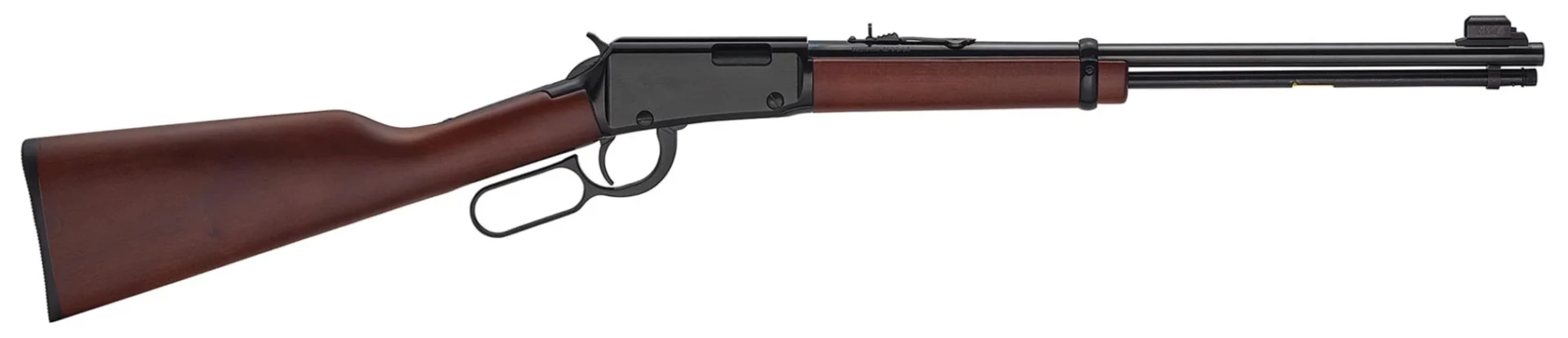
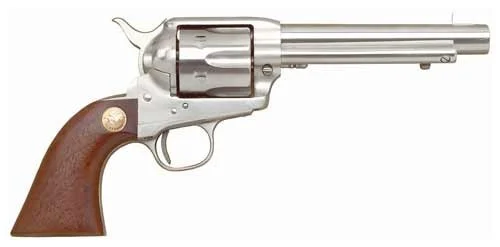
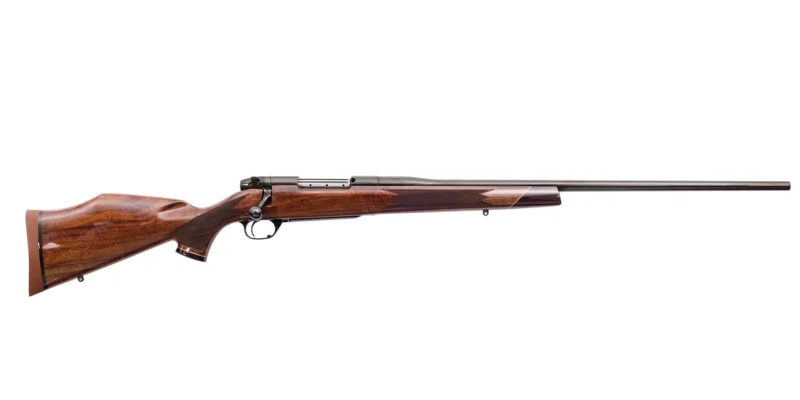
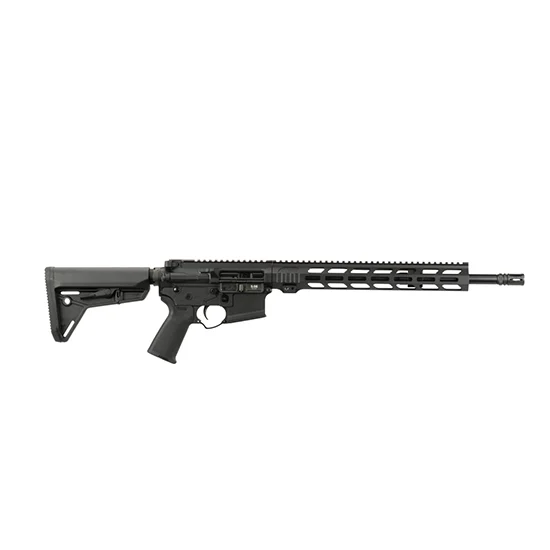
FEATURED PRODUCTS

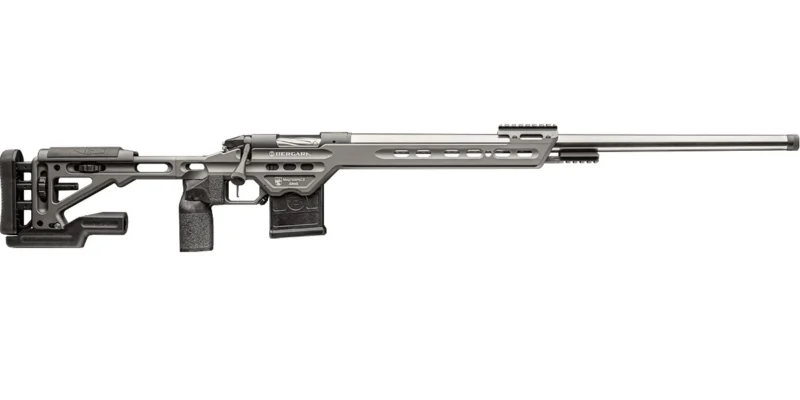

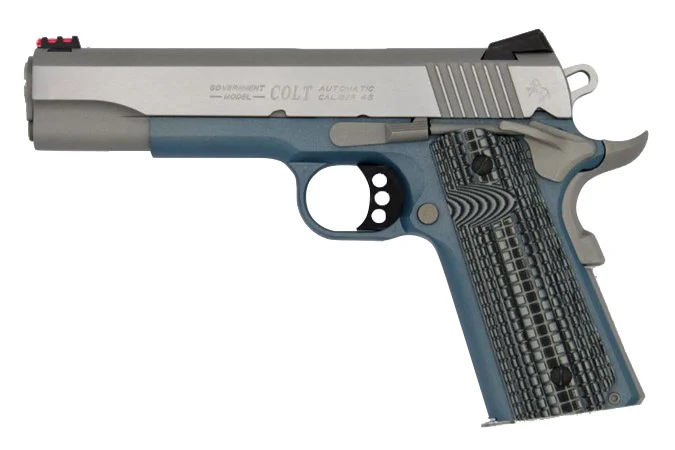
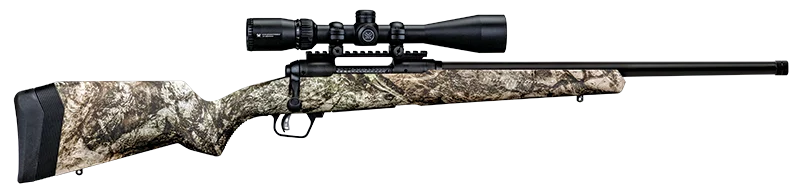

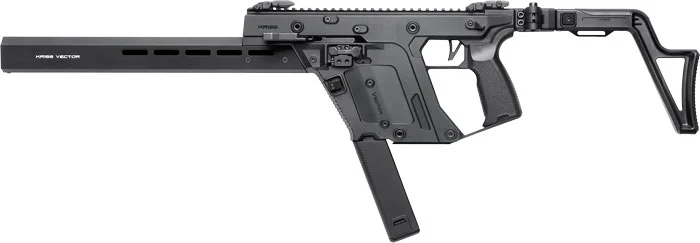


Tenney Industries supports:


Tenney Industries Gallery


WHAT OUR CUSTOMER SAY


Very knowledgeable and conscientious. Jake will do right by you. A++ business! If you are into hunting or firearms for any other reason you won't be disappointed.

Great guy to deal with and very knowledgeable goes above and beyond for the customer.

Great Gun Shop in West Michigan! Jake and his team are very helpful! Good amount of inventory and if he doesn’t have it, he will get it quickly!


I've purchased my share of tools from a variety of stores in different states but have had the best experience and fastest service at tennys. Very friendly and the guy knows his stuff. I recommend you check him out for all your 2a needs.


I've done a lot of business with Jake here over the past couple of years. He does a great job on repairs and can get Firearms at low prices. He also has a pretty decent inventory of used Firearms of All Sorts as well as Scopes and red dots. He stands behind his work and is an all-around great guy knows a lot!

Knowledgeable and trustworthy. Appreciate having a guy like Jake in the area for gun and ammo needs

You will not find a better guy to do business with. This little shop has just about anything you need. If he don’t have it on the shelf he can get it. This is exactly what Ludington needed.

I have used Tenneys as an FFL, as a gun smith, and have purchased many guns from the gun store side of the business…. It’s been flawless and professional service every time, He is a joy to talk to and his gun knowledge is in matched, Jake goes out of his way to make sure all of your firearms needs are met, it’s an awesome small town gun store. I always look forward to going back.


Jake helped us with a third party transfer of my father's vintage rifle. Friendly and knowledgeable.


Had Jake order a gun for me. Gun came in fast, was able to purchase at a great price in only a few days. Top notch service!
my cerakote looks awesome great guy with tons of knowledge and great customer service
jake did a very professional job threading a barrel and doing some cerakote for me. he's reasonably priced and quick with turnaround times (very rare with gunsmiths)
Understanding the Basics of Firearm Ownership with a Gun Shop in Trenton, MI
Owning a firearm involves more than simply purchasing one. It requires understanding the legal, practical, and ethical responsibilities that come with ownership. For beginners, this section provides key insights into what firearm ownership entails and how to navigate it responsibly.
Legal Considerations for Gun Dealers in Trenton, MI
Before acquiring a firearm, familiarize yourself with the laws in your region or country. Gun regulations vary significantly based on location, so knowing your rights and obligations is critical.
- Licensing Requirements: Many areas require firearm owners to obtain a license or permit. This process may involve background checks, fingerprinting, or even completing a safety course.
- Age Restrictions: Verify age limitations in your jurisdiction; these laws dictate who is legally allowed to purchase and own firearms.
- Prohibited Firearms: Some types of firearms may be restricted or banned outright. Research which models are permissible in your area.
- Transport Laws: Learn how to legally transport firearms. This often includes specific guidelines for how and where guns must be stored during transit.
Legal Aspect Key Consideration Licensing Background checks, safety course requirements Ownership Age Minimum age conditions for purchasing/owning Prohibited Firearms Certain models may not be allowed Transportation Rules about carrying or moving firearms safely and legally Financial Responsibilities When Shopping at the Best Gun Stores in Trenton, MI
Firearm ownership comes with ongoing costs that go beyond the initial purchase price.
- Initial Purchase Costs:Firearm prices can range from hundreds to thousands of dollars depending on the make, model, and features.
- Ammunition:Regular practice requires ammunition purchases, which can add up over time.
- Storage Solutions:Secure gun safes or lockboxes are essential investments for responsible owners.
- Maintenance Expenses:Guns require regular cleaning and occasional repairs to maintain functionality.
Ethical Responsibility in the Best Gun Shops in Trenton, MI
Being a responsible gun owner means prioritizing safety at all times.
- Safe Usage: Never use firearms recklessly; respect them as tools with serious consequences if misused.
- Community Impact: Be mindful of how your actions as an owner influence those around you.
- Prevent Unauthorized Access: Take steps to ensure that unauthorized individuals—especially children—cannot access your firearms.
Familiarizing Yourself With Types of Firearms From Handgun Stores in Trenton, MI
- Handguns (Pistols & Revolvers):Compact options suitable for self-defense or recreational shooting.
- Rifles:Long-barreled firearms often used for hunting or sport shooting.
- Shotguns:Versatile weapons commonly used in hunting birds or clay target shooting.
Each type serves unique purposes; understanding their differences will help you choose one suited to your needs.
By understanding these foundational concepts surrounding firearm ownership—legal frameworks, financial implications, ethical considerations—you’ll set yourself up for responsible ownership from day one without compromising safety or compliance with laws
Essential Firearm Safety Rules for Every Owner in Retail Gun Stores in Trenton, MI
Safety is the cornerstone of responsible firearm ownership. These guidelines not only protect you but also safeguard those around you.
The Four Cardinal Rules of Gun Safety for Gun Stores Around Me
- Even if you believe a gun is unloaded, always handle it as though it’s ready to fire.
- Perform a physical and visual check to verify whether the chamber or magazine contains ammunition.
- A “safe direction” means that even in an accidental discharge, no one will be harmed, and minimal property damage will occur.
- Identify your target clearly before shooting.
- Understand what lies behind or near your target, as bullets can penetrate objects or miss entirely.
Additional Firearm Safety Practices to Know from a Gun Store Near Me
- Understand Your Firearm Familiarize yourself with how your specific gun operates—its safety mechanisms, loading/unloading process, and maintenance requirements—by thoroughly reading its manual.
- Inspect Your Firearm Regularly Check for wear, damage, or malfunctions to ensure it operates safely.
- Avoid Alcohol or Drugs When Handling Guns Never combine firearms with impairing substances that could cloud judgment or coordination.
- Use Proper Ammunition Only load your firearm with ammunition designed for that specific make and model. Incompatible ammunition can cause catastrophic malfunctions.
Table: Common Safety Risks & Precautionary Measures
Risk Precautionary Measure Accidental discharge Always keep finger off trigger until ready to shoot; store guns unloaded when not in use Unauthorized access Use secure storage solutions like safes or lockboxes Misfires due to poor maintenance Regularly clean and inspect firearms Safe Habits Around Others When Handling Handguns Near Me
- Communicate clearly about when a gun is loaded or being handled.
- Avoid horseplay; guns should never be treated casually.
- Store firearms securely when not in use to prevent unauthorized handling by children or visitors.
By following these essential safety rules and practices consistently, firearm owners can significantly reduce risks while fostering responsible habits within their households and communities.
Choosing Secure Storage Solutions for Firearms from the Best Gun Store in Trenton, MI
Proper storage of firearms is one of the most critical responsibilities of gun ownership. Safe and secure storage not only ensures that firearms are kept out of unauthorized hands but also minimizes accidental discharges and theft. Below, we will explore key considerations for selecting secure firearm storage solutions that align with safety, accessibility, and legal requirements.
Key Factors to Consider When Choosing Firearm Storage with a Gun Dealer in Trenton, MI
- Accessibility: Strike a balance between quick access in emergencies and preventing unauthorized use.
- Capacity: Consider the number of firearms you own and any future additions to your collection.
- Locking Mechanism: Look for reliable locks such as biometric systems, combination locks, or keyed locks.
- Legal compliance: Be aware of local laws regarding firearm storage in your area.
- Durability & Build Quality: Ensure the material is tamper-proof and can withstand potential theft attempts.
- Fire and Water Resistance: Some safes offer protection against fire or water damage.
Types of Firearm Storage Solutions for Guns for Sale in Trenton, MI
Several types of firearm storage solutions are available depending on your needs, budget, and level of security required.
Storage Solution Features Ideal Use Case Gun Safes Heavy-duty steel construction with advanced locking mechanisms Long-term storage for multiple firearms Lockboxes Portable or compact size with basic locking systems Storing a single firearm securely at home Biometric Safes Fingerprint recognition for quick access Fast access while preventing unauthorized use Trigger Locks Affordable devices that disable trigger mechanisms Additional security layer for individual guns Wall-Mounted Racks Lockable racks that store guns vertically Limited space with easy visibility Concealment Furniture Furniture designed to hide firearms discreetly For blending security with interior aesthetics Best Practices for Safe Firearm Storage from a Local Gun Store in Trenton, MI
- Store Ammunition Separately Always store ammunition in a separate location from your firearm to reduce risks during unauthorized access.
- Educate Household Members Ensure all members in your household are aware of firearm safety rules but do not disclose where weapons are stored unless necessary.
- Regularly Inspect Locks & Security Features Periodically check safes, locks, or other mechanisms for wear-and-tear or malfunctions.
- Use a Dehumidifier in Safes Prevent moisture buildup inside safes by using a dehumidifier rod or silica gel packs.
- Secure During Travel When transporting firearms, use lockable cases approved by federal guidelines.
Complying with Legal Responsibilities to Buy Guns in Trenton, MI
In some states or countries, laws mandate specific types of gun safes based on capacity or locking mechanisms. Non-compliance can result in fines, confiscation, or other legal penalties. It’s vital to stay informed about regulations in your jurisdiction.
By investing time into selecting secure firearm storage solutions tailored to your needs while following recommended practices above, you not only elevate household safety but also fulfill an essential duty as a responsible gun owner.
Why Firearm Education and Training Matter at an Arms Store in Trenton, MI at a Firearms Store in Trenton, MI
Firearm education and training are critical components of responsible gun ownership. They not only ensure the owner’s safety but also contribute to the safety of others around them. Whether you’re a beginner or someone with prior experience, investing time in training helps build confidence, competence, and awareness when handling firearms.
Benefits of Firearm Education and Training from Gun Dealers Near Me
- Proper handling techniques to avoid accidental discharges.
- Understanding how firearms function mechanically.
- Learning how to identify malfunctions and resolve them safely.
- Familiarity with federal, state, and local firearm laws regarding usage, transportation, and ownership.
- Insights into self-defense laws and appropriate use-of-force guidelines.
- Accuracy improvement through practice drills like target shooting.
- Building muscle memory for safe loading/unloading procedures under stress.
- Enhancing decision-making skills in high-pressure situations through scenario-based training.
Types of Firearm Training Available with a Gunsmith Near Me
Type of Training Purpose Who It’s For? Basic Safety Courses Covers fundamental firearm safety rules, proper handling techniques, and maintenance basics Beginners Concealed Carry Courses Focuses on carrying a concealed weapon legally and responsibly Those seeking concealed carry permits Defensive Shooting Courses Prepares participants for self-defense scenarios Intermediate to advanced users Advanced Tactical Training Involves complex drills like moving while shooting or engaging multiple targets Experienced firearm owners Hunting-Specific Programs Examines ethical hunting practices, wildlife regulations, and shooting accuracy in outdoor settings Hunters Choosing the Right Instructor or Program
Selecting the right instructor is as important as choosing the right firearm.
- Certifications:Ensure that instructors are certified by reputable organizations like the NRA (National Rifle Association) or USCCA (United States Concealed Carry Association).
- Experience:Look for trainers with real-world experience in law enforcement or military service who can provide practical insights.
- Teaching Style:Opt for someone who can explain complex concepts in an approachable manner suited to beginners.
- Facility Quality:Choose programs conducted in safe environments with proper equipment.
Practical Tips for Ongoing Education
- Attend regular refresher courses to keep your skills sharp.
- Practice safe dry-firing at home (ensure your firearm is unloaded first).
- Join local gun clubs or communities where you can participate in group trainings.
- Subscribe to reliable online resources that offer tutorials on new techniques.
A commitment to education transforms firearm owners from novices into responsible stewards of public safety while helping them gain confidence in their abilities through focused learning experiences.
Why Firearm Education and Training Matter
Firearm education and training are vital components of responsible gun ownership. Beyond simply owning a firearm, understanding how to handle, store, and use it safely can help prevent accidents, misuse, or injury. Whether you are a beginner or an experienced firearm owner, continuous education and practice build confidence and competence.
The Importance of Education in Firearm Ownership
Education lays the foundation for responsible handling and ownership.
- Understanding Local Laws: Gun laws vary significantly between regions. Knowing the regulations in your area ensures compliance with requirements such as permits, concealed carry rules, transport restrictions, and storage mandates.
- Learning Safe Practices: Proper handling techniques reduce the risk of accidental discharge or unsafe use. This includes learning where to point the muzzle at all times (e. g.
- Recognizing Different Types of Firearms: Familiarity with various firearms—such as handguns, rifles, and shotguns—ensures users understand their mechanical differences, ammunition needs, and purposes.
Benefits of Professional Firearms Training
Training offers hands-on experience under professional guidance. This is particularly helpful for beginners but also valuable for seasoned owners looking to refine their skills.
- Safe Handling Skills Through training courses:
- Participants learn proper loading/unloading procedures.
- They practice safe holstering techniques for handguns.
- Training builds muscle memory for critical safety maneuvers.
- Improved Accuracy Many training programs teach marksmanship fundamentals:
- Grip stance
- Sight alignment
- Trigger control Practicing these skills not only enhances precision but also promotes responsible use by ensuring accuracy under pressure.
- Emergency Preparedness Instructors often cover scenarios such as home defense or personal protection:
- How to respond safely during high-stress situations.
- Recognizing when (and when not) to use a firearm defensively.
- Maintenance Knowledge Training frequently includes instruction on cleaning and maintaining firearms—a critical part of ensuring functionality and longevity.
Types of Training Available
Type Description Basic Safety Courses Designed for new owners; covers foundational safety rules & operation Concealed Carry Classes Focused on legalities & techniques for carrying a concealed weapon Defensive Shooting Teaches practical self-defense strategies in controlled environments Advanced Tactical Training For experienced shooters; includes drills like moving targets & rapid fire Lifelong Learning
Firearm education doesn’t stop after one course. Regular training reinforces good habits while helping owners stay updated on changes in technology or legal requirements. Additionally, joining shooting clubs or associations provides ongoing opportunities for peer learning and skill-building.
By investing time into both foundational education and regular training sessions, you help ensure that your approach to gun ownership prioritizes safety, responsibility, and preparedness at all times.