


Welcome to Tenney Industries


FEATURED PRODUCTS


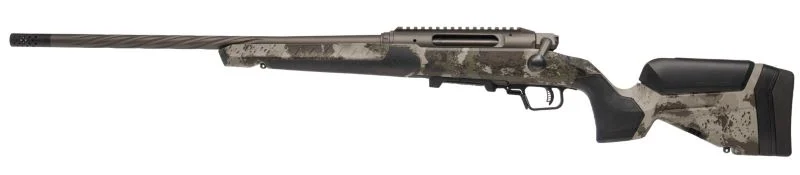



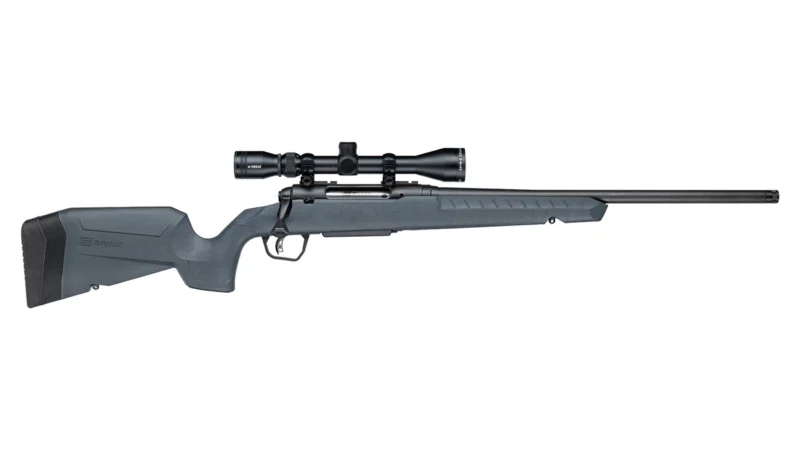




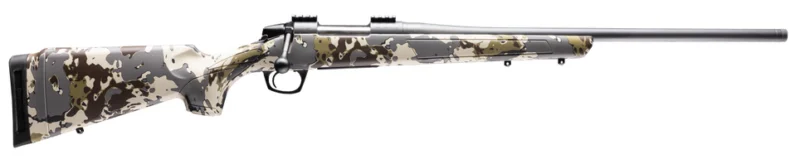
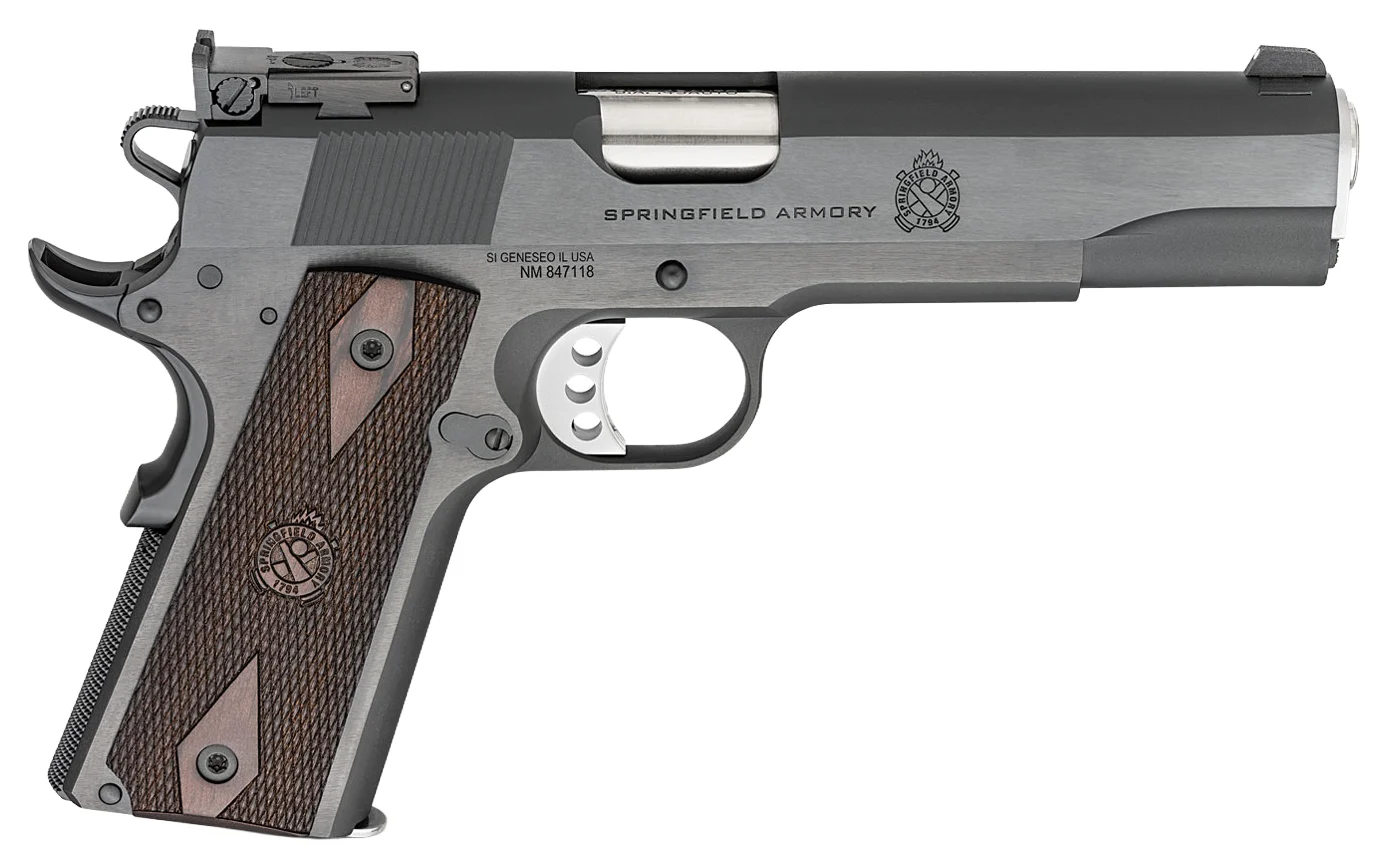


Tenney Industries supports:


Tenney Industries Gallery


WHAT OUR CUSTOMER SAY


Very knowledgeable and conscientious. Jake will do right by you. A++ business! If you are into hunting or firearms for any other reason you won't be disappointed.

Great guy to deal with and very knowledgeable goes above and beyond for the customer.

Great Gun Shop in West Michigan! Jake and his team are very helpful! Good amount of inventory and if he doesn’t have it, he will get it quickly!


I've purchased my share of tools from a variety of stores in different states but have had the best experience and fastest service at tennys. Very friendly and the guy knows his stuff. I recommend you check him out for all your 2a needs.


I've done a lot of business with Jake here over the past couple of years. He does a great job on repairs and can get Firearms at low prices. He also has a pretty decent inventory of used Firearms of All Sorts as well as Scopes and red dots. He stands behind his work and is an all-around great guy knows a lot!

Knowledgeable and trustworthy. Appreciate having a guy like Jake in the area for gun and ammo needs

You will not find a better guy to do business with. This little shop has just about anything you need. If he don’t have it on the shelf he can get it. This is exactly what Ludington needed.

I have used Tenneys as an FFL, as a gun smith, and have purchased many guns from the gun store side of the business…. It’s been flawless and professional service every time, He is a joy to talk to and his gun knowledge is in matched, Jake goes out of his way to make sure all of your firearms needs are met, it’s an awesome small town gun store. I always look forward to going back.


Jake helped us with a third party transfer of my father's vintage rifle. Friendly and knowledgeable.


Had Jake order a gun for me. Gun came in fast, was able to purchase at a great price in only a few days. Top notch service!
my cerakote looks awesome great guy with tons of knowledge and great customer service
jake did a very professional job threading a barrel and doing some cerakote for me. he's reasonably priced and quick with turnaround times (very rare with gunsmiths)
Essential Firearm Safety Principles for Handgun Stores in Sylvan Lake, MI from a Gun Shop in Sylvan Lake, MI
Firearm safety is paramount in ensuring that both gun owners and those around them are protected from harm. Adhering to these principles reduces the risk of accidents and promotes responsible ownership. Below, we outline the core principles every firearm owner should follow.
The Four Universal Rules of Firearm Safety from a Local Gun Store in Sylvan Lake, MI from the Best Gun Store in Sylvan Lake, MI
- Verify the status of your firearm each time you pick it up or hand it to another person.
- Even during practice or cleaning, maintaining this principle can prevent tragic injuries.
- Always identify your target clearly and know what lies behind it in case your shot misses or penetrates through an object.
- This principle is crucial for preventing unintended damage or injury.
Additional Safety Practices for Gun Dealers in Sylvan Lake, MI
- Regular training and education: Participate in safety training courses offered by certified instructors to deepen your knowledge.
- Personal protective equipment (PPE): Wear hearing protection and safety glasses when using firearms at ranges or outdoor spaces.
- Inspect firearms regularly: Check that all parts are functioning correctly before using a firearm.
A Table for Quick Reference of Common Do’s & Don’ts:
Do’s Don’ts Double-check if a firearm is unloaded Assume any gun is safe without inspection Use proper storage solutions when not in use Leave firearms unattended or accessible Practice safe handling routines consistently Ignore signs of wear or malfunction Follow all legal requirements Use firearms under the influence Importance of Knowledge Over Assumptions When Visiting the Best Gun Shops in Sylvan Lake, MI
Many firearm accidents stem from assumptions rather than facts—for example, believing a gun isn’t loaded when it actually is or neglecting basic precautions during routine activities like cleaning or transporting weapons.
By understanding these essential principles and internalizing them as habits rather than one-time actions, individuals can create safer environments where firearms are handled with respect for both their power and their potential risks.
Essential Firearm Safety Principles
Firearm safety is the cornerstone of responsible gun ownership. Developing a thorough understanding of foundational safety principles ensures not only your well-being but also the safety of others in your community. These principles must be followed at all times, whether you are at home, on the range, or in any situation involving firearms.
The Four Universal Rules of Firearm Safety
The following four rules form the foundation of firearm safety.
- Double-check for an empty chamber whenever handling or passing a firearm.
- This rule applies whether you’re handling a loaded or unloaded firearm.
- This prevents accidental discharges caused by reflex movements.
- Identify your target clearly and assess what lies behind it to avoid unintended damage or harm.
- This principle applies in hunting, range shooting, and home defense situations.
Additional Safety Considerations When You Buy Guns in Sylvan Lake, MI
- Transporting Firearms Safely
When transporting firearms: - Ensure they are unloaded.
- Use cases or bags specifically designed for secure transport.
- Keep ammunition stored separately from firearms during transit.
- Be Aware of Your Environment
Whether practicing at a range or cleaning your firearm at home: - Ensure that bystanders understand basic firearm safety and stay out of harm’s way.
- Avoid distractions while handling firearms.
- Regular Maintenance
Properly maintaining your firearm helps prevent malfunctions that could lead to accidents: - Clean your firearm after every use according to manufacturer guidelines.
- Inspect for wear or damage regularly, such as cracks or loose parts.
A Safety Checklist for a Firearms Store in Sylvan Lake, MI
Task Completed? Confirmed firearm is unloaded? ✅ Checked muzzle direction? ✅ Assessed environment? ✅ Inspected for mechanical issues? ✅ By adhering to these essential principles, you create a foundation for responsible gun ownership that prioritizes safety above all else.
Understanding Basic Firearm Components and Finding Guns for Sale in Sylvan Lake, MI with a Gun Dealer in Sylvan Lake, MI at Retail Gun Stores in Sylvan Lake, MI
A foundational step in understanding firearms is gaining a clear knowledge of their essential components. This understanding not only deepens your technical familiarity but also enhances safety, as it allows responsible handling and maintenance. Below is a detailed breakdown of the most common parts of a firearm, their functions, and practical insights into their operation.
Key Components of Firearms from an Arms Store in Sylvan Lake, MI
- A cylindrical tube through which the projectile (bullet) exits the firearm.
- Types:
- Rifled Barrel: Contains spiral grooves that spin the bullet for enhanced stability and accuracy.
- Smoothbore Barrel: Lacks rifling, generally used in shotguns for firing pellets or slugs.
- Maintenance Tip: Regularly clean the barrel to prevent residue build-up that can affect performance.
- The mechanism that loads, fires, and ejects cartridges.
- Types of actions:
- Bolt Action: Operated manually by manipulating a bolt.
- Lever Action: Uses a lever to chamber rounds.
- Semi-Automatic Action: Automatically chambers a new round after each shot.
- The part you engage to fire the weapon, consisting of several interconnected components like the trigger, sear, and hammer or striker.
- Stores ammunition before it is loaded into the chamber.
- Magazines are often detachable in modern firearms.
- Revolvers use a rotating cylinder instead of magazines.
- Capacity Varies: | Type | Approximate Capacity | |———————|———————-| | Handgun Magazine | 5-20 Rounds | | Rifle Magazine | 10-30 Rounds |
- Rifles and shotguns typically have stocks designed for shoulder placement.
- Handguns have grips optimized for one or two-hand use.
- Where ammunition is loaded before firing occurs (part of or adjacent to the barrel). Always check this area visually and physically during safety checks.
Firearm Component Maintenance for Gun Stores Around Me
Proper care ensures longevity and safe operation.
- Clean all accessible components after each session using appropriate cleaning solvents and brushes.
- Check moving parts (e. g. , action mechanisms) for wear or damage.
- Lubricate components per manufacturer recommendations while avoiding over-lubrication.
- Inspect magazines or cylinders for dirt, rust, or signs they require replacement.
Why Understanding Components Matters When Searching for a Gun Store Near Me
- It enables effective troubleshooting if something malfunctions while operating a firearm at a range or in other controlled environments.
- It fosters respect for the mechanics behind firearms while demystifying their function for new users.
Understanding Basic Firearm Components
Having a solid understanding of the basic components of a firearm is critical for safety, responsible use, and effective training. This knowledge not only enhances your confidence in handling firearms but also ensures that you can maintain them properly. Below, we break down the primary components of most firearms and their functions.
Key Components of a Firearm Found in Gun Shops Near Me
- Rifled barrels (used in most rifles and pistols) have grooves that impart spin to the bullet for stability and accuracy.
- Smoothbore barrels (commonly found in shotguns) lack these grooves and are designed for firing pellets rather than single bullets.
- The mechanism that loads, fires, and ejects cartridges or shells.
- Common types of actions include bolt-action, lever-action, pump-action, semi-automatic, and fully automatic systems.
- For rifles and shotguns: The stock is the part you hold against your shoulder to stabilize the firearm. It’s often made of wood or synthetic materials for durability.
- For handguns: The grip is designed to fit comfortably in your hand to improve control during firing.
- A device that stores ammunition before it’s fed into the chamber. Magazines can be fixed (internal) or detachable.
- They vary in size and capacity depending on the firearm type.
- Part of the barrel where ammunition is loaded before being fired.
- Proper inspection of this component is essential during safety checks to ensure no live rounds are present.
- Includes the trigger itself as well as internal mechanisms like sears or strikers that initiate firing when pulled.
- Used for aiming at a target with precision.
- Iron sights are basic alignment tools on most firearms.
- Scopes or red-dot optics are advanced aiming aids used primarily on rifles for greater accuracy at longer ranges.
Firearm Types & Their Components
Firearm Type Unique Features & Components Common Uses Handgun Compact size; typically includes a slide (semi-auto). Self-defense, target shooting Rifle Long barrel; designed for precision at long distances. Hunting, sport shooting Shotgun Smoothbore barrel; uses shells with pellets or slugs. Hunting birds/small game; home defense Revolver Cylindrical magazine (“cylinder”) holds multiple rounds. Personal defense Why Knowing These Components Matters When Searching for Gun Dealers Near Me
- Safety First: Understanding how each part works ensures safe operation under various circumstances—from loading ammunition to disassembling it for cleaning.
- Maintenance: Proper cleaning involves knowing which parts need lubrication versus thorough scrubbing after use.
- Confidence & Responsibility: Familiarity reduces hesitation while handling firearms responsibly around others.
By learning these fundamental components and their purposes, you lay an essential foundation for progressing toward advanced skills like marksmanship or maintenance techniques while ensuring everyone’s safety at all times during firearm usage situations.
Understanding Basic Firearm Components
To develop a responsible and safe approach to firearms, understanding their basic components is fundamental. Each part of a firearm serves a specific function, and knowing how these components work together can enhance both safety and effective use. Below, we’ll explore the essential parts of most modern firearms, their roles, and their importance.
Key Firearm Components from a Gunsmith Near Me
- This is the long, cylindrical tube through which the projectile (bullet) is fired.
- Barrels are rifled in most firearms (grooved internally) to impart spin on the bullet for better accuracy.
- Types of barrels vary between smoothbore (common in shotguns) and rifled for other firearms like rifles or handguns.
- Often referred to as the “heart” of the firearm, the action consists of all moving parts responsible for loading, firing, and ejecting cartridges or ammunition.
- Bolt-action: Requires manual cycling by pulling back a bolt.
- Semi-automatic action: Automatically chambers the next round after firing but requires one trigger pull per shot.
- Lever-action: Operated by pulling a lever to load and eject rounds.
- Pump-action: Common in shotguns; involves sliding a pump handle back and forth.
- The magazine holds ammunition before it’s chambered into the firearm’s firing mechanism.
- Magazines may be detachable or fixed depending on firearm design.
- The trigger initiates firing when pulled by releasing a controlled mechanical force on the firing pin.
- The trigger guard encircles this mechanism to prevent accidental discharge while carrying or handling.
- For rifles or shotguns: The stock provides support against your shoulder for stability during shooting.
- For handguns: The grip is designed for ergonomic control during use.
- Tools used to align your aim with accuracy:
- Iron sights (traditional).
- Scopes or red-dot optics (modern advancements).
How These Components Work Together
When you pull the trigger: 1. The firing pin strikes the primer in the cartridge base inside the chamber (located at one end of the barrel).
2. The primer ignites gunpowder inside the cartridge case, creating gas pressure that propels the bullet down through the barrel at high velocity. 3. Afterward, semi-automatic or automatic systems will cycle to eject spent casings and reload fresh cartridges from the magazine automatically if applicable.Practical Tips for Familiarizing Yourself with Firearm Components
- Study Your Firearm’s Manual:Every model has slight differences in design; reading its manual ensures you understand its specific mechanisms fully.
- Attend Hands-On Training:Professional instructors often include breakdowns of components as part of beginner firearm courses.
- Disassemble Safely:Most firearms are designed to be field-stripped (disassembled) for cleaning purposes; practice doing so safely following proper instructions from your manual.
Understanding these fundamental elements helps not only in safe handling but also in ensuring proper maintenance over time—key aspects underpinning responsible firearm ownership.