


Welcome to Tenney Industries


FEATURED PRODUCTS
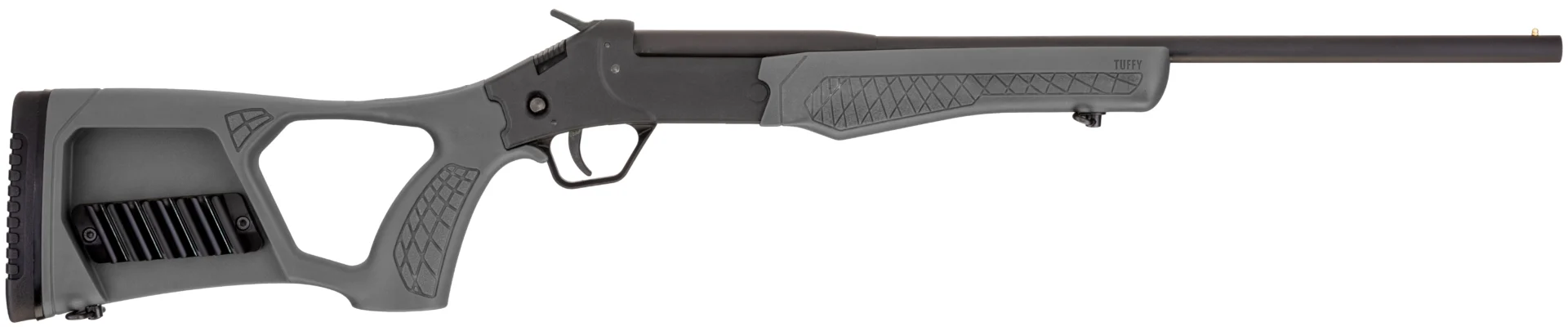

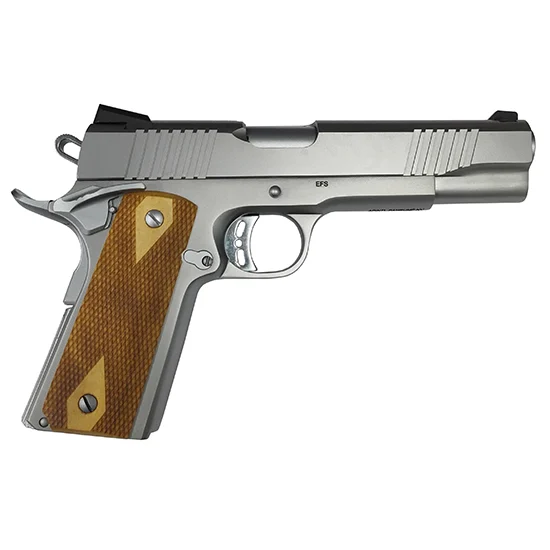
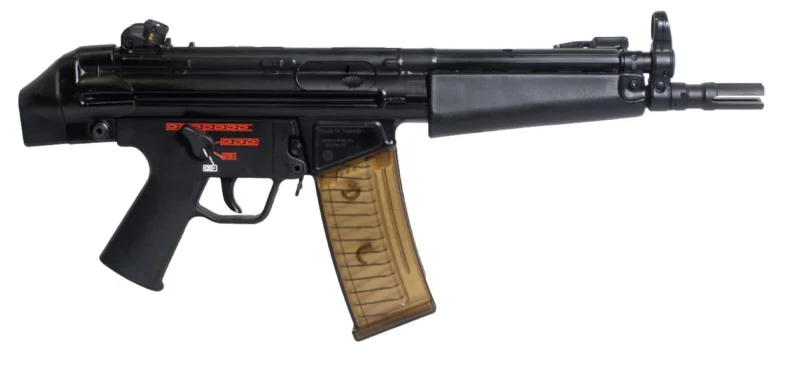
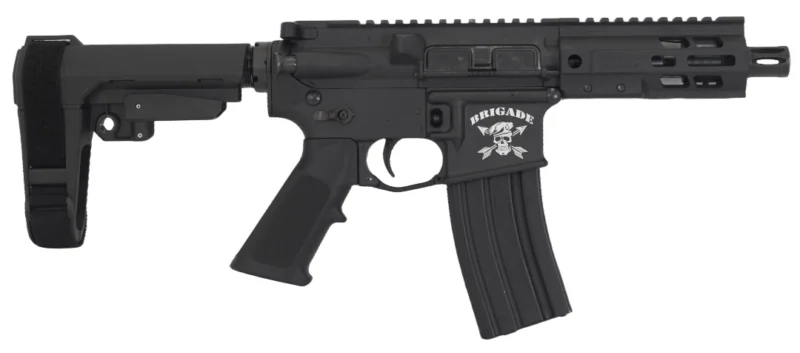





Tenney Industries supports:


Tenney Industries Gallery


WHAT OUR CUSTOMER SAY


Very knowledgeable and conscientious. Jake will do right by you. A++ business! If you are into hunting or firearms for any other reason you won't be disappointed.

Great guy to deal with and very knowledgeable goes above and beyond for the customer.

Great Gun Shop in West Michigan! Jake and his team are very helpful! Good amount of inventory and if he doesn’t have it, he will get it quickly!


I've purchased my share of tools from a variety of stores in different states but have had the best experience and fastest service at tennys. Very friendly and the guy knows his stuff. I recommend you check him out for all your 2a needs.


I've done a lot of business with Jake here over the past couple of years. He does a great job on repairs and can get Firearms at low prices. He also has a pretty decent inventory of used Firearms of All Sorts as well as Scopes and red dots. He stands behind his work and is an all-around great guy knows a lot!

Knowledgeable and trustworthy. Appreciate having a guy like Jake in the area for gun and ammo needs

You will not find a better guy to do business with. This little shop has just about anything you need. If he don’t have it on the shelf he can get it. This is exactly what Ludington needed.

I have used Tenneys as an FFL, as a gun smith, and have purchased many guns from the gun store side of the business…. It’s been flawless and professional service every time, He is a joy to talk to and his gun knowledge is in matched, Jake goes out of his way to make sure all of your firearms needs are met, it’s an awesome small town gun store. I always look forward to going back.


Jake helped us with a third party transfer of my father's vintage rifle. Friendly and knowledgeable.


Had Jake order a gun for me. Gun came in fast, was able to purchase at a great price in only a few days. Top notch service!
my cerakote looks awesome great guy with tons of knowledge and great customer service
jake did a very professional job threading a barrel and doing some cerakote for me. he's reasonably priced and quick with turnaround times (very rare with gunsmiths)
10 Essential Questions to Ask Before Visiting a Gun Shop in Lake County, MI
Purchasing your first firearm is a significant decision that requires careful thought and preparation. By asking the right questions, you can ensure that you select a firearm that suits your needs while understanding the responsibilities involved. Here are ten essential questions to guide you through this process.
What to Consider When Shopping at Handgun Stores in Lake County, MI
Before making any purchase, determine your intended use for the firearm.
– Self-defense:Consider compact handguns or shotguns specifically designed for personal protection.
– Hunting:Rifles or shotguns may be more suitable depending on the type of game you plan to hunt.
– Recreational target shooting:Look into pistols or rifles designed for accuracy and ease of use during practice sessions.Understanding your purpose helps narrow down the options and ensures you make an informed decision.
Finding the Perfect Firearm at Retail Gun Stores in Lake County, MI
Firearms come in various categories, including handguns, rifles, and shotguns.
Type Ideal Use Pros Cons Handgun Self-defense, concealed carry Compact, easy to carry Limited range compared to rifles Rifle Hunting, target shooting Long-range accuracy Bulkier and harder to transport Shotgun Hunting, home defense Versatile ammunition options Heavier recoil for some models Evaluate these factors based on your needs and preferences.
Finding a Trusted Gun Dealer in Lake County, MI: Is This Firearm Legal in My State?
Gun laws vary significantly by state in terms of ownership restrictions, required permits, magazine capacity limits, and approved types of firearms. Research local laws thoroughly to ensure compliance before making a purchase.
How Much Training Do You Need to Buy Guns for Sale in Lake County, MI
Owning a firearm comes with responsibility.
– Safe handling techniques
– Proper storage practices
– Marksmanship skillsMany gun stores partner with certified instructors or offer classes directly at their facilities.
What Safety Features Should You Look for at a Local Gun Store in Lake County, MI?
Modern firearms often include built-in safety mechanisms like trigger locks or manual safeties. Inquire about these features and how they function to prevent accidental discharge.
What’s Included When You Buy Guns in Lake County, MI?
Beyond the cost of the firearm itself, consider additional expenses such as:
– Ammunition
– Accessories (holsters, scopes)
– Cleaning supplies
– Storage solutions (safes or lockboxes)Request a breakdown of costs from the seller so you can budget accordingly.
Where Can I Test Fire Before Buying at a Firearms Store in Lake County, MI?
Some gun stores have on-site ranges where customers can test-fire weapons before committing to a purchase. This hands-on experience allows you to assess comfort level with recoil and overall usability.
What Are My Responsibilities as a Gun Owner in an Arms Store in Lake County, MI
Gun ownership requires adherence to both legal obligations and ethical standards:
– Secure storage away from unauthorized users (especially children)
– Routine maintenance for safe operation
– Awareness of federal/state regulations regarding carrying or transportUnderstanding these responsibilities is crucial before proceeding with your purchase.
How Reliable Is This Brand/Model at Gun Stores Around Me
Research customer reviews and expert opinions regarding reliability under different conditions such as weather extremes or frequent use over time.
Questions could include:
– “Does this model have any known issues?
– “What’s its expected lifespan given proper maintenance?A reputable seller should provide honest insights based on experience with various brands/models they offer.
Looking for After-Sales Support Services at a Gun Store Near Me?
Finally inquire about post-purchase support services such as warranty coverage repairs customization options guidance choosing compatible accessories etc
Having access-to-reliable-support ensures-you’ll get max-value-from-this-significant-investment
Discover the Best Gun Store in Lake County, MI: A Beginner’s Guide to Prepping
Preparing as a gun owner involves more than just owning firearms. It is about taking proactive steps to ensure that you, your loved ones, and your surroundings remain safe and protected under various circumstances. Whether you are new to firearms or looking to establish a preparedness plan, this guide offers valuable insights into where to begin.
Discover the Top Gun Shops Near Me for Prepping Essentials
Before diving into the specifics, it’s important to define your goals as they relate to prepping.
- Personal safety: Ensuring that you can protect yourself and others during emergencies.
- Home defense: Preparing the tools and strategies needed for securing your residence.
- Hunting and survival: Learning how firearms can assist in acquiring food during survival scenarios.
- Disaster readiness: Being equipped for natural disasters, civil unrest, or other crises.
Clearly defining your objectives helps tailor your approach and ensures that each step is intentional.
Building a Firearm Safety Foundation with Handguns Near Me
Safety should always come first when incorporating firearms into any preparedness plan.
- Treat every firearm as if it’s loaded.
- Know what’s beyond your target before discharging a firearm.
Take time to attend training courses or work with certified professionals who can guide you through proper handling techniques.
Finding the Right Gun Dealers Near Me to Match Your Firearm Needs
Selecting the right firearm is critical for effective prepping.
Purpose Recommended Firearm Types Notes Home Defense Shotguns, Handguns Prioritize ease of use in tight spaces. Survival/Hunting Rifles (e.g., bolt-action) Look for reliability and long-range accuracy. Concealed Carry Compact Handguns Lightweight and portable options work best. Multi-Purpose Use Semi-Automatic Rifles (e.g., AR-15) Versatile but may require advanced training. A knowledgeable staff member at a gun store can help you evaluate your options based on these categories.
Finding a Reliable Gunsmith Near Me: Emergency Supply Checklist
Firearms are only one component of overall preparedness.
Suggested Items for Gun Owners– Ammunition (store safely in compliance with legal requirements). – Cleaning kits for firearm maintenance. – Secure gun storage such as safes or lockboxes.
General Prepping Supplies– Food and water supplies (minimum of three days’ worth). – First aid kits and medical supplies. – Flashlights, batteries, and communication devices (radios).
Maintain an inventory list so items are easy to locate when needed.
Gun ownership comes with legal obligations that vary depending on location.
- Research local laws governing purchasing, storage, transportation, and use of firearms.
- Obtain any necessary permits or licenses required by state or local regulations.
- Familiarize yourself with self-defense laws such as “Stand Your Ground” or “Castle Doctrine.
Remaining informed helps prevent unintentional violations while reinforcing responsible ownership habits.
- Visit shooting ranges regularly for practice with live ammunition.
- Participate in tactical training courses that simulate real-life scenarios.
Many organizations offer courses focusing on marksmanship, defensive shooting techniques, and situational awareness—critical components of any preparation plan.
By combining education with hands-on practice, gun owners enhance their confidence and ability during emergencies.
Starting your prepping journey doesn’t need to feel overwhelming; however, it does require commitment toward thoughtful planning and responsible actions as a firearm owner. By focusing on safety practices, selecting appropriate tools, ensuring legal compliance, and developing essential skills through ongoing training sessions—your preparedness efforts will serve you well in both ordinary life situations or unexpected crises alike.
Top Tips for Choosing the Right Gun Dealers in Lake County, MI
Selecting the right firearm is a crucial decision, whether you’re a first-time buyer or an experienced gun owner. The firearm you choose should meet your specific needs, preferences, and circumstances. Below are some essential tips to help guide you through the process of picking the most suitable firearm.
Assess Your Intended Use
The purpose of purchasing a firearm significantly influences your choice.
- Self-defense:Compact handguns or shotguns are often favored for home defense due to their ease of use and quick accessibility in emergencies.
- Hunting:Rifles or shotguns with specific calibers can cater to the type of game you’re hunting (e. g. , deer, birds).
- Recreational shooting:Opt for firearms with lower recoil and affordable ammunition if you’re primarily interested in range shooting.
- Competitive shooting:Precision-oriented firearms designed for accuracy and performance are ideal for competitive environments.
Having clarity on your primary use will help narrow down your choices.
Evaluate Firearm Types
Type Best For Example Models Key Features Handguns Concealed carry, self-defense Glock 19, Sig Sauer P365 Lightweight, portable Shotguns Home defense, hunting Mossberg 500, Remington 870 Versatile; excellent stopping power Rifles Hunting, long-range shooting Ruger AR-556, Winchester Model 70 High accuracy over long distances Each type has specific applications depending on your goals.
Consider Caliber Options
The caliber determines a firearm’s power and recoil level.
- 9mm:Popular among beginners due to its manageable recoil and affordability. Ideal for self-defense and range use.
- .45 ACP:Offers more stopping power but comes with increased recoil.
- 12-gauge shotgun shells:Known for their versatility in hunting and home defense.
- .223 Remington/5.56 NATO:Common rifle caliber suited for everything from target shooting to varmint hunting.
Choose a caliber that aligns well with both your intended purpose and comfort level.
Ergonomics Matter
A gun should feel comfortable when handled.
- Grip the firearm to ensure it fits comfortably in your hand.
- Check ease of operation — test magazine loading/reloading mechanisms or safety switches if applicable.
- Assess weight distribution — particularly if you plan on carrying it regularly.
Test Before Buying
Whenever possible, visit a range that allows rentals so you can try different models before committing to one purchase.
Budget Wisely
Firearm ownership extends beyond buying the gun itself: factor additional costs like ammunition prices cleaning supplies accessories (ex holsters) etc
Tips for Finding the Best Gun Stores in Lake County, MI
Visiting a gun store for the first time can feel overwhelming, especially if you’re unfamiliar with firearms, regulations, and the overall purchasing process. Whether you’re shopping for self-defense, hunting, or recreational shooting, being informed before stepping into a gun store is essential. Below are some key factors to keep in mind.
Research Local Laws and Regulations
Before visiting a gun store, ensure you understand the firearm laws in your state or region. Each state has unique regulations regarding firearm ownership, concealed carry permits (CCWs), and background checks.
- Age Requirements: Verify the minimum age required to purchase handguns and long guns in your area.
- Background Checks: Understand what documentation is necessary (e. g. , driver’s license, proof of residence) and how long approvals may take.
- Permit Requirements: Some states require permits to purchase specific types of firearms or ammunition.
Make sure you are prepared with proper identification and any required documents when visiting the store.
Define Your Purpose
Having clarity on why you need a firearm will guide your purchasing decisions.
– Self-Defense: Compact pistols or revolvers may be more suitable due to their portability and ease of use.
– Hunting: Rifles or shotguns are typically better choices depending on game size and terrain conditions.
– Target Shooting/Sporting: Semi-automatic pistols or precision rifles might fit your needs better.Knowing your intended purpose will help both you and the salesperson narrow down options quickly during your visit.
Budget Planning
Firearms come in a wide range of prices depending on brand, model, features, and accessories. Determine how much you’re willing to spend not just on the firearm itself but also on related costs like ammunition, cleaning supplies, holsters/cases, or training courses.
Item Estimated Cost Range Firearm $300 – $2,000+ Training Classes $50 – $300 per class Ammunition (per box) $10 – $60 Accessories (holsters) $25 – $150 Staying within your financial limits ensures that your purchase remains practical while still meeting quality standards.
Ask Questions
Don’t hesitate to ask questions when interacting with store staff—they are there to assist you.
- Recommendations for beginners based on skill level.
- The pros and cons of different calibers.
- Popular brands known for reliability.
- Maintenance requirements for specific models.
- Recommendations for nearby shooting ranges or training programs.
These conversations can provide valuable insights into what fits best for both beginners and experienced buyers alike.
Inspecting Firearms In-Person
- Check how it feels in your hand—comfort matters significantly.
- Test trigger pull resistance; heavy versus light pulls vary by preference.
- Ask about safety mechanisms like manual safeties versus trigger safeties.
Store staff should also assist by explaining proper handling procedures during inspections.
By considering these factors ahead of time and engaging fully during your visit to the gun store, you’ll increase your confidence as well as ensure purchasing decisions that align with personal safety goals responsibly.
Key Factors to Consider When Visiting the Best Gun Shops in Lake County, MI
Visiting a gun store for the first time can be an overwhelming experience, especially if you’re new to firearms. With so many options, regulations, and considerations, it’s essential to approach the visit with a clear plan. Below are key factors to keep in mind during your first visit to ensure you make an informed decision.
Research and Preparation
Before stepping into a gun store, spend some time researching:
– Types of Firearms: Decide whether you’re interested in handguns, rifles, or shotguns based on your needs (e. g. , home defense, recreational shooting).
– Local Laws and Regulations: Familiarize yourself with state and federal requirements for purchasing and owning firearms. This includes background checks, waiting periods, permits, or training certifications.
– Budget: Set a clear budget not only for the firearm but also for accessories like ammunition, cleaning supplies, and storage solutions.Evaluate the Store Environment
When visiting a gun store for the first time:
– Cleanliness and Organization: A clean and well-organized store often indicates professionalism. The layout should allow easy navigation without being intimidating.
– Customer Service: Take note of how staff interact with customers. Are they approachable? Do they take the time to explain? Friendly and knowledgeable staff can make all the difference in your experience.
– Product Selection: Look at their inventory variety—do they stock reputable brands? Check if they carry other essentials like holsters or safes as well.Questions to Ask
Engage with store personnel by asking these critical questions:
1. Which firearm do you recommend based on my intended use (self-defense, sport shooting)?
2. What safety features should I prioritize?
3. Do you offer training classes or resources for beginners?
4. Is there an option to try before buying (e. g. , renting at an attached range)?
5. What are my responsibilities related to firearm ownership in this state?Test Comfort and Fit
When handling a firearm in-store (under staff supervision):
– Grip Size: Check if the grip feels secure in your hand without strain or discomfort.Weight Balance: Ensure you can comfortably hold and aim without fatigue over extended periods.Ease of Use: Practice racking slides on semi-autos or testing trigger pull weight on revolvers.These factors will help determine whether a specific model suits your physical needs.
Understand Pricing Beyond Firearms
Purchasing a firearm involves more than just paying for the weapon itself: | Expense Type | Average Cost Range | Examples | |———————-|—————————————-|——————————————————————| | Ammunition | $15 – $40 per box | 9mm rounds or .
Consider these costs when budgeting before your visit.
Final Thoughts
Your first trip to a gun store is an opportunity to learn about firearms while taking steps toward responsible ownership. By doing prior research, asking thoughtful questions, testing products hands-on, and understanding associated costs beyond just the price tag of a gun itself—you’ll set yourself up for success as both an informed buyer and responsible owner moving forward into firearm ownership responsibly.