Parts and Tools
Building an AR-15 lower receiver requires a clear understanding of the components involved and the tools necessary to ensure a smooth and efficient assembly process. This section provides a detailed overview of the essential parts, tools, and tips to help you get started.
Parts You’ll Need
- Stripped lower receiver: The foundation for your build, often made from aluminum or polymer.
- Lower parts kit (LPK): Typically includes:
- Trigger assembly
- Safety selector
- Bolt catch components
- Magazine catch
- Take-down pins and detents
- Springs and pins for various assemblies
- Grip: The part you’ll hold when operating the firearm.
- Receiver extension (buffer tube): Includes the buffer and spring necessary for proper cycling of the firearm.
Optional upgrades to consider: – Enhanced triggers for improved accuracy. – Ambidextrous safety selectors for left-handed shooters. – Ergonomic grips tailored to your preferences.
Tools You’ll Need
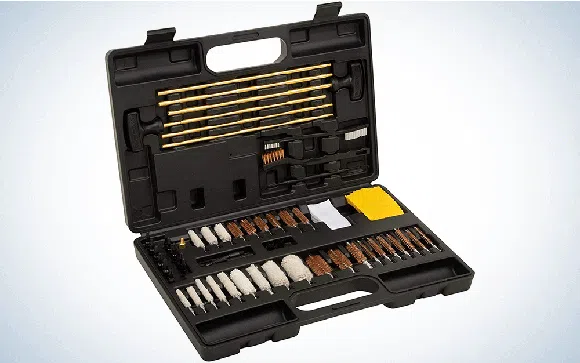
| Tool | Purpose |
| Armorer’s wrench | Tightening castle nuts and other fasteners on AR builds. |
| Punch set | Installing roll pins without causing damage. |
| Bench block | Stabilizing components during assembly. |
| Hex keys/Allen wrenches | For screws found in some LPKs and aftermarket upgrades. |
| Small hammer | Tapping pins into place carefully. |
| Needle-nose pliers | Positioning springs, detents, or other small parts. |
| Torque wrench | Ensuring proper tension on critical fasteners like barrel nuts (used in upper assemblies). |
Optional tools: – Roll pin starter punches for easier pin alignment. – Vice block designed specifically for AR builds to secure your receiver during work.
Helpful Tips Before Starting
- Organize Your Workspace: Use a clean, well-lit space with enough room to lay out all your parts and tools.
- Work Slowly and Methodically: Rushing can lead to mistakes that may damage your receiver or affect performance.
- Use Magnets or Small Containers: Keep springs, detents, and other small pieces secure so they don’t get lost during assembly.
- Reference Manufacturer Instructions: Some LPKs may include unique designs or installation methods specific to their brand.
- Wear Protective Gear: Safety glasses can help protect against flying springs or accidental tool slips.
By gathering all necessary parts and tools upfront and preparing adequately, you’ll ensure that you’re ready for each step of assembling your AR-15 lower receiver confidently—and without frustration—later on in the process.
Magazine Catch Assembly
The magazine catch assembly is a critical component of the AR-15 lower receiver. It securely holds the magazine in place while allowing for quick and reliable release during use. Proper installation of this part is essential for firearm functionality and user safety. Below is a step-by-step guide to assembling the magazine catch, along with some practical tips to ensure a smooth process.
Required Parts and Tools
Parts: – Magazine catch – Magazine catch spring – Magazine release button
Tools: – Small flathead screwdriver – Armorer’s wrench (optional but helpful) – Protective gloves (to ensure firm grip and prevent scratches)
Assembly Process
- Slide the magazine catch into its designated slot on the left side of the lower receiver.
- Ensure it moves freely without resistance.
- Place the magazine catch spring onto the threaded portion of the magazine catch shaft.
- Check that it sits straight for proper alignment.
- Thread the magazine release button onto the protruding end of the shaft on the right side of your receiver.
- Screw it in several rotations using light pressure from your finger until there’s enough threading exposed to engage properly.
- While holding down your magazine release button with a small screwdriver, twist or rotate your magazine catch on the opposite side (left) to tighten it into place.
- Continue until there’s slight resistance when pressing and releasing.
- Insert an empty magazine to confirm smooth engagement into place.
- Press down on your release button to ensure easy detachment without jamming or sticking.
Common Issues and Troubleshooting
- Issue: The button feels too stiff or tight during operation.
- Solution: Loosen one rotation of threading on either side until smooth yet secure functionality is achieved.
- Issue: The magazine does not lock securely in place.
- Solution: Confirm proper alignment between parts; reassemble if necessary with closer attention to fitment.
Tips for Smooth Assembly
- Work over a clean workspace that prevents small parts, like springs, from being lost if dropped.
- Use gloves or soft tools when gripping components to avoid marring finishes or causing unnecessary wear.
- Apply light lubrication (e.g., CLP) on threads before assembly for easier adjustments.
Proper installation ensures reliable performance when operating your firearm while maintaining modularity—a key feature that makes AR-15 platforms so versatile.
Trigger Guard Assembly
Installing the trigger guard on your AR-15 lower receiver is an essential step that requires precision and attention to detail to avoid damaging your lower. This process primarily involves fitting and securing the trigger guard while ensuring it operates smoothly. Below, we’ll walk through the steps needed for a successful installation, along with some helpful tips.
Tools and Materials Needed
- Trigger guard (often included with a lower parts kit)
- Roll pin punch set (small size, typically 3/32″ for most AR-15s)
- Small hammer or mallet
- Masking tape (optional but recommended)
- Bench block or padded surface
- Needle-nose pliers (optional)
Step-by-Step Instructions
- Prepare the Lower Receiver:
Place your stripped lower receiver on a stable, padded surface or use a bench block to prevent any scratches or damage during installation. - Align the trigger guard with its designated mounting holes in the lower receiver.
- Ensure that it is oriented correctly; one end typically has a detent spring system for easy pivoting, while the other end requires a roll pin to secure it.
- To avoid scratching or damaging your receiver’s finish, apply masking tape around the holes where you’ll drive in the roll pin.
- This is especially useful if you’re using steel punches.
- Begin by hand-seating one end of the roll pin into its hole.
- Using a roll pin starter punch and light taps from your hammer, drive the pin just enough to hold it in place without fully securing it yet.
- Switch to a standard roll pin punch that matches the size of your pin.
- Carefully hammer until the roll pin sits flush with both sides of the trigger guard’s mounting hole.
- Check Alignment and Functionality:
Pivot or fold down any parts of your trigger guard that are designed for flexibility (some are fixed constructions). Confirm there’s no binding during movement.
Tips for Success
- Go Slow: Rushing can lead to bending or breaking small parts like pins—or worse—cracking your lower receiver.
- Support Is Key: Always use proper support beneath your work area when driving pins into place. A bench block makes this task much easier by providing stability without risking damage.
- Upgrade Options: If you prefer enhanced ergonomics, consider installing an aftermarket oversized trigger guard made from aluminum or polymer. These can provide additional space for gloved hands during operation in cold weather conditions.
| Standard vs Oversized Trigger Guard Comparison | |—————————–|———————————-| | Standard Trigger Guard | Sleek design; basic functionality | | Oversized Trigger Guard | Extra room for gloves; ergonomic options |
The process of assembling this part may seem simple but demands care due to how small errors can impact fitment later on. By following these steps methodically and applying patience, you’ll ensure a proper installation that meets both functional and aesthetic standards for your AR-15 build without risking damage to critical components like your lower receiver.
Bolt Catch Assembly
Assembling the bolt catch on an AR-15 lower receiver is a crucial step that directly impacts the firearm’s functionality. The bolt catch is responsible for holding the bolt open after the last round has been fired, making reloading easier and more efficient. Below is a step-by-step guide to installing the bolt catch properly.
Tools and Parts Needed
- Bolt catch
- Bolt catch spring
- Bolt catch plunger
- Roll pin for the bolt catch
- Roll pin punch set (specifically sized for AR-15 roll pins)
- Small hammer or mallet
- Masking or painter’s tape (optional but recommended)
Preparation
- Work on a clean, well-lit surface to avoid misplacing small parts.
- Protect your lower receiver from cosmetic damage by wrapping masking tape around areas near the roll pin location.
Step-by-Step Assembly Process
- Install the Bolt Catch Spring:
Locate the small hole on the side of your lower receiver designed for the bolt catch mechanism. Insert the bolt catch spring into this hole. - Insert the Plunger:
Place the small cylindrical plunger on top of the spring inside its designated opening. - Position the Bolt Catch:
Align your bolt catch over its position in front of these components. Ensure that it sits flush and lines up correctly with its mounting holes. - Align your roll pin with one side of its channel near the bolt catch pivot point.
- Use a roll pin punch to gently tap it into place using a small hammer or mallet.
- Be careful not to scratch or damage your receiver while driving in this pin—this is where masking tape can be helpful as added protection.
- Continue tapping until it’s evenly seated and secures both sides of the assembly without excess play.
- Function Check for Smooth Movement:
After installation, test if your bolt catch moves freely when pressed and returns automatically under spring tension. Confirm that it engages properly with a magazine follower when inserted into your lower receiver.
Assembly Tips
- If you’re having trouble inserting or aligning parts, double-check their orientation against diagrams or manuals specific to your AR-15 model.
- Avoid over-tightening anything during this process; excessive force can damage components or interfere with proper function.
- Use non-marring tools such as polymer punches if available to minimize scratches during assembly.
| Component | Purpose | Notes |
| Bolt Catch Spring | Provides tension | Avoid compressing excessively |
| Bolt Catch Plunger | Interacts with spring & latch action | Keep free from debris |
| Roll Pin | Secures assembly into position | Install evenly without gaps |
By carefully following these steps, you’ll achieve a functional and reliable bolt catch assembly on your AR-15 lower receiver, ensuring smooth operation during use while maintaining attention to detail throughout construction.
Trigger Assembly
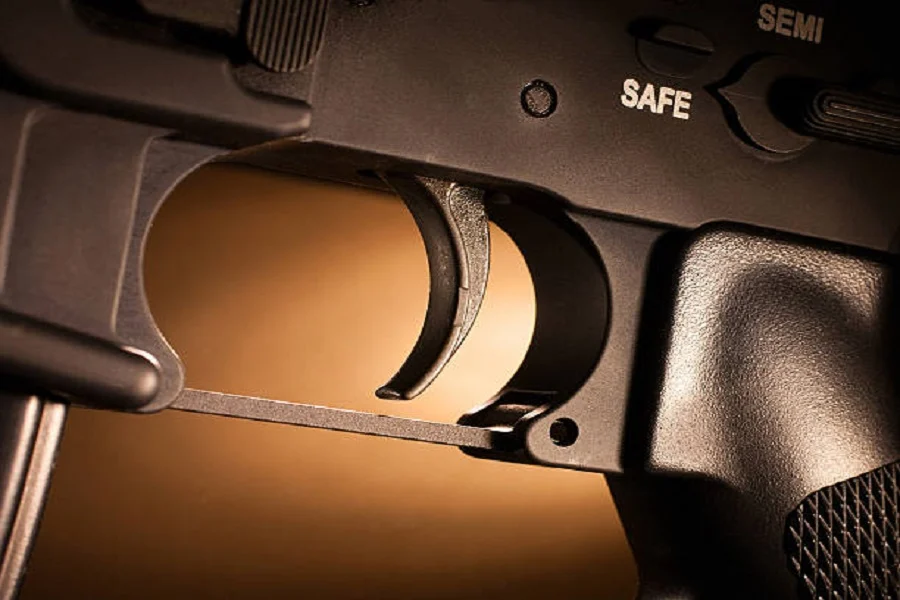
The trigger assembly is a crucial component of your AR-15 lower receiver. It directly impacts the performance, reliability, and feel of your firearm. Properly installing the trigger assembly requires attention to detail and the right tools. In this guide, we’ll break down each step to ensure a seamless installation process.
Components of a Trigger Assembly
Before diving into the installation process, familiarize yourself with the parts that make up a typical AR-15 trigger assembly. These include:
– Trigger and Trigger Spring: The part that initiates firing when pressed.
– Hammer and Hammer Spring: Responsible for striking the firing pin and igniting the primer.
– Disconnector: Ensures semi-automatic functionality by controlling hammer engagement.
– Disconnector Spring: Keeps consistent tension on the disconnector for proper function.
– Pins (Trigger & Hammer Pins): Secure everything in place within the lower receiver.
Tools You’ll Need
Gathering all necessary tools prior to starting ensures an efficient and frustration-free assembly process. Required tools include:
– Small punch set (3/32″ punch is commonly used)
– Gunsmithing hammer or small mallet (preferably non-marring)
– Needle-nose pliers (optional but helpful for spring placement)
– A bench block or sturdy surface to work on
Step-by-Step Installation Guide
- Securely mount your lower receiver in a vice or use a bench block to stabilize it during installation.
- Lay out all components neatly to ensure easy access.
- Attach the trigger spring onto the trigger by sliding it over either side of its base.
- Place the assembled trigger into its designated slot in the lower receiver.
- Insert the disconnector spring into its recess on top of the trigger.
- Place the disconnector above it, ensuring proper alignment with its seating groove.
- Using slight pressure, align all parts (trigger, spring, disconnector) and insert the trigger pin through corresponding holes in your lower receiver.
- Tap gently with a hammer if necessary until fully seated.
- Slide each end of the hammer spring over both sides of your hammer’s base until it snaps into place securely.
- Position your hammer within its slot while ensuring correct orientation (hammer face towards barrel).
- Align holes carefully before inserting hammer pin through both sides of your lower receiver.
- Use punch or light taps from mallet as needed until pins are flush on both ends.
- Function Check Your Trigger Assembly: After installation is complete:
- Cock back Hammer manually ensuring smooth movement
- Test ensure doesnt misfire
Safety, Takedown Pin, Grip, & Receiver Extension
Building an AR-15 lower receiver requires careful attention to detail when installing components such as the safety selector, takedown pin, grip, and receiver extension. These parts are essential for proper function and ergonomics. This section will walk you through how to assemble these components step-by-step while offering tips to make the process smoother.
Installing the Safety Selector
- Slide the safety selector into its designated hole on the lower receiver from the left side. Ensure it moves freely but doesn’t slide out entirely.
- Place the tiny safety detent in its channel beneath the selector on the receiver’s bottom surface.
- While holding the detent in place, align your pistol grip with its mounting point under the receiver. Ensure that the spring for the safety detent is seated inside the grip cavity before tightening it down with a screw and Allen wrench.
- After assembly, verify that moving the safety selector between “Safe” and “Fire” positions operates smoothly.
Takedown Pin Installation
- Insert a takedown pin detent into its channel at the rear of your lower receiver. Follow this by placing its corresponding spring into position behind it.
- Carefully slide in your takedown pin from one side of your lower receiver while compressing both spring and detent using a small punch or tool.
- Confirm that your takedown pin moves easily but locks securely when pushed all the way through.
Attaching Your Grip
- Align your chosen pistol grip with its threaded mounting hole underneath your lower receiver.
- Carefully position any springs/detents (e.g., for safety) within their recesses before securing everything with a long screw.
- Tighten firmly without over-torquing—this prevents damaging threads or cracking grips made from polymer materials.
Installing Receiver Extension (Buffer Tube)
- Drop these small parts into their respective rear holes along your lower receiver near where threads begin for screwing extension tube itself later properly aligned downward direction tightly adjusted clockwise fashion ensuring snug overall fit conditions stability-wise reliability-built stages alike simultaneously handled appropriately beforehand first necessary procedures pre-established accordingly beforehand proper allignments stabilizing entire buffer system orderly fashion securely then
Safety, Takedown Pin, Grip, & Receiver Extension
When assembling your AR-15 lower receiver, installing the safety selector, takedown pins, grip, and receiver extension are crucial steps. These components not only impact the functionality of your firearm but also contribute to its ergonomics and overall performance. Follow this guide to ensure proper assembly.
Safety Selector Installation
- Slide the safety selector into its designated hole on the receiver.
- Ensure it aligns smoothly without force.
- Place the small detent pin into its channel beneath the selector.
- The detent keeps the safety in place and ensures a tactile “click” when switching modes.
- Insert a spring into the pistol grip’s threaded hole.
- Attach and tighten the grip carefully so as not to damage or misalign the spring.
- Rotate the selector between safe and fire positions.
- Ensure smooth movement with a clear stopping point for each mode.
Takedown Pin Assembly
- Insert the pivot pin spring and detent into their respective holes at the front of the receiver.
- Use a small tool or punch to compress them while sliding in the pivot pin.
- Repeat a similar process for the rear takedown pin.
- Ensure both pins can slide smoothly yet stay secure in position when locked.
Tip: Utilize a takedown pin installation tool if you’re struggling with keeping springs compressed during assembly.
Pistol Grip Attachment
- Drop in a spring (for safety detent) into its designated hole at the top of your grip.
- Align your grip with its corresponding slot on the lower receiver.
- Use an Allen wrench or flathead screwdriver to tighten it securely without over-torquing.
- Confirm Fitment:
Feel for any wobble or misalignment; adjust if necessary.
Receiver Extension (Buffer Tube)
- Thread Buffer Tube:
Screw in your buffer tube at the rear of your lower receiver until it begins to cover part of the buffer retention pin’s slot. - Install Retention Pin & Spring:
Insert these components prior to fully tightening down your tube. - Secure Castle Nut & End Plate:
Thread on your castle nut over an end plate, then tighten both using an armorer’s wrench. Pro tip: Stake (indent) your castle nut for added security during recoil-heavy use. - Insert Buffer & Spring:
Slide both into place within your completed buffer tube assembly after installation is finalized.
By following these steps methodically, you’ll ensure that critical components such as safety mechanisms, takedown pins, grips, and extensions are properly installed—enhancing both durability and user experience on your AR-15 build journey!