


Welcome to Tenney Industries


FEATURED PRODUCTS




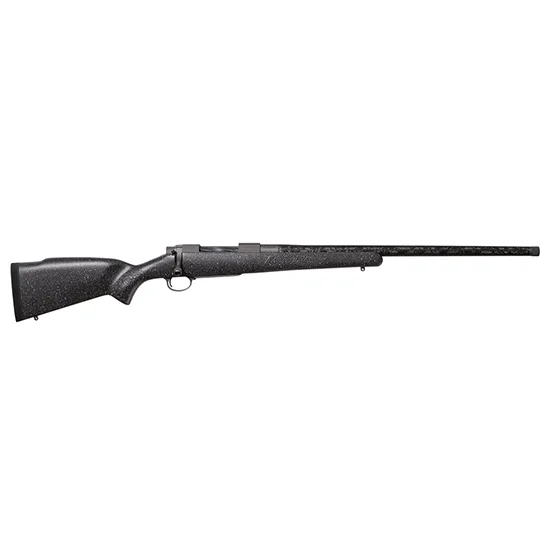


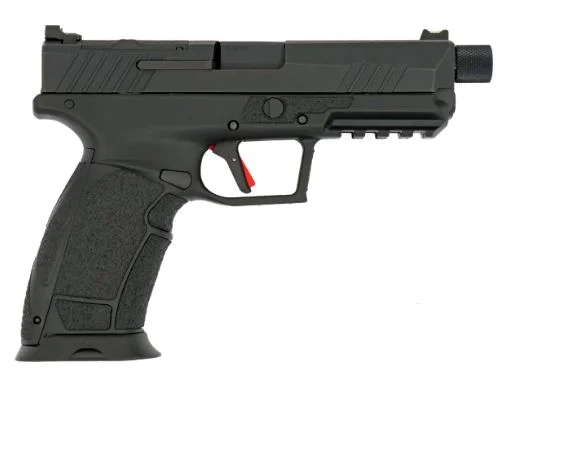
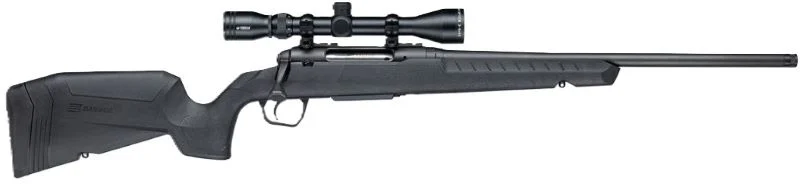



Tenney Industries supports:


Tenney Industries Gallery


WHAT OUR CUSTOMER SAY


Very knowledgeable and conscientious. Jake will do right by you. A++ business! If you are into hunting or firearms for any other reason you won't be disappointed.

Great guy to deal with and very knowledgeable goes above and beyond for the customer.

Great Gun Shop in West Michigan! Jake and his team are very helpful! Good amount of inventory and if he doesn’t have it, he will get it quickly!


I've purchased my share of tools from a variety of stores in different states but have had the best experience and fastest service at tennys. Very friendly and the guy knows his stuff. I recommend you check him out for all your 2a needs.


I've done a lot of business with Jake here over the past couple of years. He does a great job on repairs and can get Firearms at low prices. He also has a pretty decent inventory of used Firearms of All Sorts as well as Scopes and red dots. He stands behind his work and is an all-around great guy knows a lot!

Knowledgeable and trustworthy. Appreciate having a guy like Jake in the area for gun and ammo needs

You will not find a better guy to do business with. This little shop has just about anything you need. If he don’t have it on the shelf he can get it. This is exactly what Ludington needed.

I have used Tenneys as an FFL, as a gun smith, and have purchased many guns from the gun store side of the business…. It’s been flawless and professional service every time, He is a joy to talk to and his gun knowledge is in matched, Jake goes out of his way to make sure all of your firearms needs are met, it’s an awesome small town gun store. I always look forward to going back.


Jake helped us with a third party transfer of my father's vintage rifle. Friendly and knowledgeable.


Had Jake order a gun for me. Gun came in fast, was able to purchase at a great price in only a few days. Top notch service!
my cerakote looks awesome great guy with tons of knowledge and great customer service
jake did a very professional job threading a barrel and doing some cerakote for me. he's reasonably priced and quick with turnaround times (very rare with gunsmiths)
Core Safety Rules Every Firearm Owner Should Know from the Best Gun Store in Wolverine Lake, MI from a Gun Shop in Wolverine Lake, MI
Firearm safety is built upon a foundation of essential rules that every owner must understand and follow. These core principles are designed to prevent accidents, promote responsible ownership, and protect lives. Whether you’re a first-time owner or an experienced one, adhering to these rules is critical.
- Never assume a firearm is unloaded, even if you just checked. Always handle it with the same care you would with a loaded weapon.
- Confirm its status by visually and physically inspecting both the chamber and magazine when picking it up or handing it over.
- Define “safe direction” as one where no harm will occur if an accidental discharge happens—this often means downrange or toward the ground.
- Maintaining proper trigger discipline is vital. Only place your finger inside the trigger guard when your sights are aligned on your target and you’ve made the conscious decision to fire.
- Rest your finger along the frame or slide instead of near the trigger until that moment.
- Be fully aware of your intended target but also what lies beyond it. Bullets can penetrate walls, trees, or other objects.
- Consider your environment—hunting in wooded areas or shooting in urban settings may pose risks due to unseen people or property behind your target.
Additional Rules for Responsible Ownership from Gun Stores Around Me
- Understand Local Laws:Familiarize yourself with regulations regarding firearm ownership, transport, and usage in your area.
- Regular Maintenance Tips for Gun Dealers Near Me:A poorly maintained firearm can malfunction. Clean and inspect yours regularly according to the manufacturer’s guidelines.
- Use Appropriate Ammunition:Always use ammunition specified for your firearm model; incorrect ammunition can cause catastrophic failures.
A Table for Easy Reference for a Gun Store Near Me
Safety Rule Key Points Treat every firearm as if loaded Assume it’s loaded; inspect both chamber and magazine Never point at anything you don’t want destroyed Keep muzzle pointed in safe direction Keep finger off trigger until ready Maintain trigger discipline; rest finger along frame Know target & surroundings Check what’s beyond; avoid unintended damage Teaching These Principles in Gun Shops Near Me
Safety shouldn’t stay theoretical—it must be practiced regularly: – Conduct family discussions about these rules if firearms are present in shared spaces. – Use visual aids like posters in dedicated storage areas or gun safes that outline these principles for easy reinforcement. – Whenever possible, attend certified safety courses that focus on applying these foundational concepts through hands-on exercises.
Firearm ownership inherently carries responsibility. By internalizing these core safety rules and integrating them into daily practices, owners contribute significantly to their own safety and that of others around them.
Core Safety Rules Every Firearm Owner Should Know
Firearm safety begins with a thorough understanding of core safety principles that every responsible gun owner must adhere to. These foundational rules are essential for preventing accidents and ensuring safety for yourself and others.
- Always assume a firearm is loaded, even if you believe it is not.
- Physically check the chamber, magazine, and barrel to confirm the firearm is entirely unloaded before handling.
- Avoid complacency—this rule reduces the risk of negligent discharges.
- A major cause of accidental discharges is unintentionally pulling the trigger.
- Maintain your finger outside the trigger guard at all times when handling a firearm, only placing it on the trigger when you are ready to fire.
Never Point a Firearm at Anything You Do Not Intend to Shoot When Visiting the Best Gun Shops in Wolverine Lake, MI
- Even in storage or cleaning situations, be mindful of where your firearm is directed.
Be Certain of Your Target and What Lies Beyond It When Shopping at Handgun Stores in Wolverine Lake, MI
- Always identify your target clearly before taking a shot.
- Consider what lies beyond your target as bullets can travel through objects or miss entirely.
Additional Guidelines for Safe Practices in Retail Gun Stores in Wolverine Lake, MI
Understand Firearm Mechanics with Handguns Near Me
Take time to learn how your specific firearm operates: – Familiarize yourself with safeties, loading/unloading mechanisms, and ammunition requirements. – Consult user manuals or attend workshops for hands-on education.
Regular Maintenance
Properly maintaining your firearm reduces malfunction risks: | Task | Frequency | |———————–|——————-| | Cleaning Barrel | After each use | | Inspecting Components | Monthly | | Lubrication | As recommended by manufacturer |
Avoid Alcohol or Drugs When Handling Firearms with a Gunsmith Near Me
Substances impair judgment and coordination: – Wait until you are unimpaired before handling firearms.
Why These Rules Matter for a Gun Dealer in Wolverine Lake, MI
By internalizing these core principles and supplementary guidelines: 1. You reduce risks that could lead to unintentional harm or property damage. 2. You cultivate a culture of respect around firearms within your household and community.
Firearm safety rules should become second nature through consistent application during handling, storage, transportation, and use. A strong foundation in these principles ensures everyone remains secure while promoting responsible gun ownership practices.
Safe Handling Practices Around Firearms and Guns for Sale in Wolverine Lake, MI
By adhering to a set of well-established practices, firearm owners can significantly reduce the risk of accidents or injuries. Below are guidelines and considerations for maintaining safe handling practices at all times.
- Always assume that a firearm is loaded, even if you believe it is not.
- Double-check the chamber and magazine before handling or passing it to another person.
- Ensure others around you are aware of the status of the firearm.
- Never place your finger on the trigger unless you are ready to fire.
- Maintain your finger along the frame or outside of the trigger guard when handling.
- This practice prevents unintentional discharges caused by reflex actions or startles.
Always Point in a Safe Direction
- The muzzle should always be directed away from people, pets, and property.
- A “safe direction” means a direction where an unintentional discharge would not cause harm.
- Be mindful of your environment, including walls or surfaces that bullets could penetrate.
Be Aware of Your Target and What’s Beyond It
Before aiming or firing: – Identify what you’re shooting at with absolute certainty. – Ensure there is no one behind or near your target who could be accidentally harmed. – Understand that bullets can travel through targets and continue moving.
Properly Handle Firearms During Transport
Special care should be taken when transporting firearms: – Always unload firearms before travel. – Use secure cases designed for firearms transport, such as lockable hard-shell containers. – When traveling in vehicles, ensure firearms are stored separately from ammunition whenever possible.
Best Practices Why It Matters Keep firearms unloaded until ready to use Reduces risks during storage and handling Use two hands for control Ensures better stability and minimizes accidents Safeguard against distractions Prevents lapses in concentration while handling arms Teaching Children and Guests About Safe Handling
If you have visitors — especially children — who may encounter firearms in your home: – Educate them never to touch a firearm without adult supervision. – Store all firearms out of reach when hosting guests unfamiliar with their operation. – Teach basic safety rules so they understand risks and responsibilities inherent in handling weapons.
Safe firearm handling demands vigilance, respect for potential risks, and consistent adherence to established protocols. By integrating these habits into daily practice, all owners can contribute to creating safer environments for themselves and those around them.
The Role of Training in Firearm Safety at a Firearms Store in Wolverine Lake, MI at a Local Gun Store in Wolverine Lake, MI
Proper training is a cornerstone of responsible firearm ownership. Whether you are a first-time gun owner or someone with years of experience, continuous education and practice significantly enhance safety and proficiency. This section explores why training is essential, the types of training available, and how to choose the right program for your needs.
Why Training Matters
Training goes beyond learning how to use a firearm. It focuses on developing a mindset centered on responsibility, safety, and situational awareness. – Accident Prevention: Formal instruction reduces the likelihood of unintentional discharges or mishandling. – Confidence Building: Gaining hands-on experience makes individuals more confident in their skills while reinforcing respect for firearms. – Legal Awareness: Many courses include information about federal, state, and local laws regarding firearm use and ownership.
Types of Firearm Safety Training
Firearm training programs often fall into several categories based on your skill level or specific goals.
Type of Training Focus Area Basic Safety Courses Teaches fundamental safety rules, handling practices, and storage techniques. Marksmanship Training Focuses on improving accuracy through proper stance, grip, aiming, and firing. Defensive Shooting Courses Covers self-defense scenarios using firearms responsibly under stress. Hunting Education Programs Includes ethical hunting practices alongside safe firearm usage in outdoor settings. Advanced Tactical Courses Designed for those looking to master situational awareness and advanced maneuvers. How to Choose the Right Training Program
Selecting the appropriate training program depends on your level of experience and intended use for the firearm. – Instructor Credentials: Ensure instructors are certified by reputable organizations like the NRA (National Rifle Association) or similar professional groups in your country.Relevance: Match course content to your specific interests—such as personal protection or recreational shooting.Class Size: Smaller class sizes often allow more personalized attention from instructors.Hands-On Practice: Opt for courses that dedicate time to practical exercises at a range rather than purely classroom-based instruction.Location & Scheduling: Look for options conveniently located near you with flexible scheduling if needed.
Ongoing Education
Training isn’t something that should happen just once; it’s an ongoing process throughout your time as a firearm owner. Regular practice at shooting ranges combined with periodic refresher courses ensures skills remain sharp over time.
Additionally, consider attending seminars or workshops that address evolving technologies or updated regulations in firearm ownership within your jurisdiction.
Practical Tips for Incorporating Training When You Buy Guns in Wolverine Lake, MI
To make firearm training an integral part of your routine: 1. Schedule regular sessions at local gun ranges. 2. Join local gun clubs where mentorship opportunities may be available from experienced members. 3. Set aside time annually to attend refresher classes or advanced-level courses as appropriate to maintain competency.
By prioritizing structured education and continuous practice, you contribute not only to personal safety but also reinforce responsible behavior within the broader community of firearm owners—an essential step in promoting overall public safety.
The Role of Training in Firearm Safety
Training plays a pivotal role in ensuring responsible firearm ownership. A well-trained firearm owner is more likely to handle, store, and use firearms safely, which reduces the likelihood of accidents or misuse. Beyond technical skills, training also instills a mindset of accountability and preparedness. Whether you are a seasoned gun owner or a novice, ongoing training is essential to maintain safety and proficiency.
Benefits of Firearm Training
- Improved Handling Skills: Proper training increases your comfort and control when handling firearms, reducing the risk of accidental misfires or improper use.
- Situational Awareness: Training helps individuals evaluate their surroundings more effectively, boosting their ability to make safe decisions in high-pressure situations.
- Legal Understanding: Many firearm courses provide insight into local laws and regulations, ensuring you stay compliant while exercising your rights.
- Emergency Preparedness: In critical situations, trained individuals are better equipped to act responsibly and safely under stress.
Types of Firearm Training
- Focus on fundamental principles such as safe loading/unloading, proper handling, and storage techniques.
- Ideal for beginners who need foundational knowledge before owning or operating a firearm.
- Centers on improving accuracy through correct stance, grip, sight alignment, breathing techniques, and trigger control.
- Beneficial for sports shooters or anyone wanting to enhance precision.
- Simulates defensive scenarios to prepare gun owners for potential threats.
- Often includes drills such as drawing from holsters under time pressure or engaging multiple targets.
- Experienced individuals can take advanced courses on topics like night shooting or concealed carry techniques.
- Regular refresher courses help maintain skills over time.
What to Look For in a Firearm Safety Course
Criteria Description Certification Ensure the course is certified by recognized organizations (e.g., NRA). Instructor Experience Instructors should have formal training experience backed by expertise in firearms use. Customization Look for programs tailored to specific skill levels—beginner vs advanced users. Hands-on Practice Practical elements are crucial; avoid courses that only focus on theory. Ongoing Education Is Key
Firearm safety is not static knowledge—it evolves with new technologies, regulations, and personal circumstances.
- Stay informed about changes in local or federal gun laws through periodic legal workshops.
- Upgrade your skills when acquiring new types of firearms (e. g. , shifting from shotguns to handguns).
By committing to continual education and practice through structured training programs, you reinforce not only your own safety but also that of those around you.