


Welcome to Tenney Industries


FEATURED PRODUCTS







Tenney Industries supports:


Tenney Industries Gallery


WHAT OUR CUSTOMER SAY


Very knowledgeable and conscientious. Jake will do right by you. A++ business! If you are into hunting or firearms for any other reason you won't be disappointed.

Great guy to deal with and very knowledgeable goes above and beyond for the customer.

Great Gun Shop in West Michigan! Jake and his team are very helpful! Good amount of inventory and if he doesn’t have it, he will get it quickly!


I've purchased my share of tools from a variety of stores in different states but have had the best experience and fastest service at tennys. Very friendly and the guy knows his stuff. I recommend you check him out for all your 2a needs.


I've done a lot of business with Jake here over the past couple of years. He does a great job on repairs and can get Firearms at low prices. He also has a pretty decent inventory of used Firearms of All Sorts as well as Scopes and red dots. He stands behind his work and is an all-around great guy knows a lot!

Knowledgeable and trustworthy. Appreciate having a guy like Jake in the area for gun and ammo needs

You will not find a better guy to do business with. This little shop has just about anything you need. If he don’t have it on the shelf he can get it. This is exactly what Ludington needed.

I have used Tenneys as an FFL, as a gun smith, and have purchased many guns from the gun store side of the business…. It’s been flawless and professional service every time, He is a joy to talk to and his gun knowledge is in matched, Jake goes out of his way to make sure all of your firearms needs are met, it’s an awesome small town gun store. I always look forward to going back.


Jake helped us with a third party transfer of my father's vintage rifle. Friendly and knowledgeable.


Had Jake order a gun for me. Gun came in fast, was able to purchase at a great price in only a few days. Top notch service!
my cerakote looks awesome great guy with tons of knowledge and great customer service
jake did a very professional job threading a barrel and doing some cerakote for me. he's reasonably priced and quick with turnaround times (very rare with gunsmiths)
Common Types of Firearms and Their General Uses from the Best Gun Store in Wixom, MI from a Gun Shop in Wixom, MI
Handguns Available at a Local Gun Store in Wixom, MI from Gun Dealers in Wixom, MI
Handguns are compact firearms designed to be operated with one hand. Due to their portability and ease of use in close quarters, they are often chosen for personal defense or concealed carry.
- Revolver: Known for its simplicity and reliability. Revolvers are often used for self-defense or target practice.
- Semi-Automatic Pistol: Offers higher ammunition capacity compared to revolvers and faster reloading mechanisms; ideal for defense or sport shooting.
- Personal protection (concealed carry or home defense).
- Recreational shooting at ranges.
- Competitive shooting sports like IPSC (International Practical Shooting Confederation).
Rifles to Buy Guns in Wixom, MI from the Best Gun Stores in Wixom, MI
Rifles are long-barreled firearms designed for precision shooting over greater distances. They are versatile tools widely used in hunting, sport shooting, and military applications.
- Bolt-Action Rifle: Known for its accuracy and reliability; a popular choice among hunters.
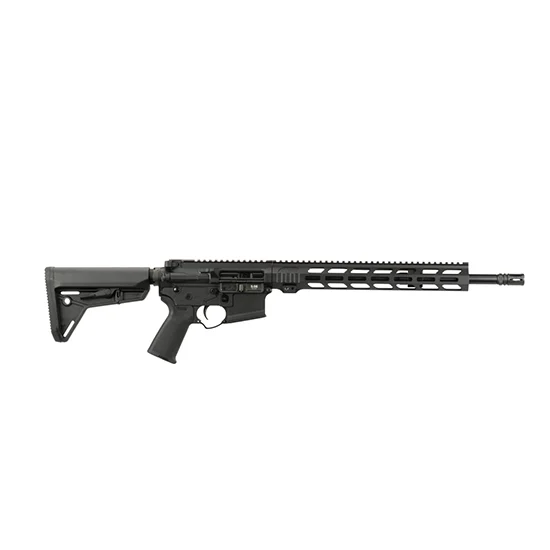
- Semi-Automatic Rifle: Offers faster follow-up shots; commonly used for recreational activities or sporting competitions.
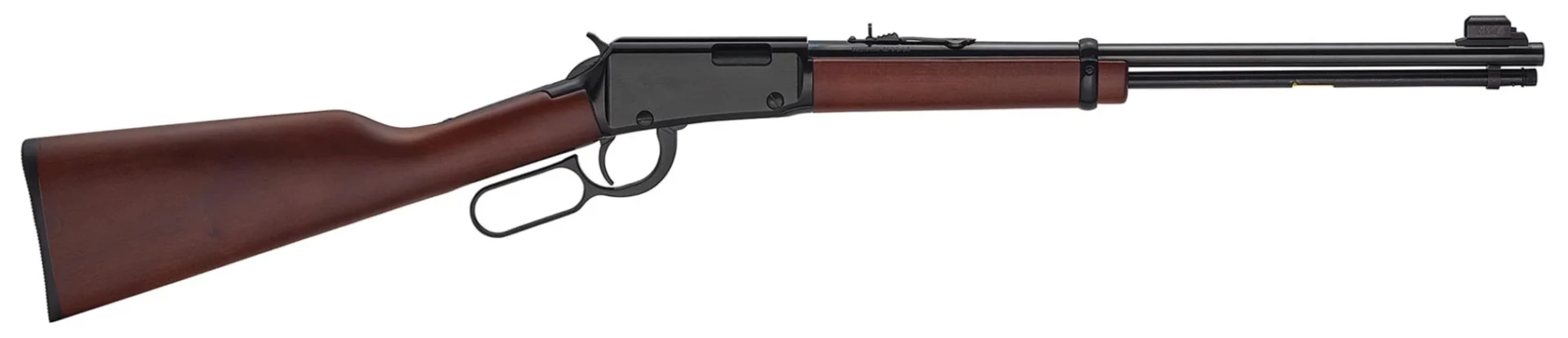
- Lever-Action Rifle: An iconic design frequently associated with hunting medium-sized game.
- Hunting game animals like deer or elk.
- Target shooting at medium to long ranges.
- Tactical training or military-style drills (for certain models).
Shotguns Available at a Firearms Store in Wixom, MI from the Best Gun Shops in Wixom, MI
Shotguns are highly versatile firearms that fire shells containing multiple small projectiles (shot) or a single slug. They excel in short-range scenarios requiring high impact.
- Pump-Action Shotgun: Renowned for its reliability; favored in home defense scenarios.
- Semi-Automatic Shotgun: Easier to operate quickly due to automatic cycling; often used in competition shooting.
- Home defense due to their wide spread pattern at close range.
- Hunting birds or small game like rabbits.
- Skeet/trap competitions.
Special-Purpose Firearms from an Arms Store in Wixom, MI
These include firearms such as carbines, submachine guns (restricted in many regions), and other niche designs tailored toward specific roles.
- Carbines combine the compact size of handguns with the range of rifles making them effective in tactical applications.
- Some military-grade weapons may also serve limited civilian purposes under strict regulations.
Firearm Type Primary Use Cases Example Models Handguns Self-defense, concealed carry Glock series, Colt M1911 Rifles Hunting, long-range target practice Remington Model 700 Shotguns Home defense, bird/game hunting Mossberg 500 Understanding these firearm categories equips potential owners with essential knowledge to choose a tool based on their needs responsibly while aligning usage with legal requirements appropriate to their jurisdiction.
Common Types of Firearms and Their General Uses
When considering firearms, one of the most important aspects is understanding the different types available and their intended uses. Whether you’re selecting a firearm for self-defense, hunting, sport shooting, or collecting, knowing the distinctions between various firearm types ensures you make an informed choice tailored to your needs. Below is an overview of common firearm types and how they are generally used.
Handguns
Handguns are compact firearms designed for one-handed operation. They are commonly used for self-defense, recreational target shooting, and as a sidearm for law enforcement officers.
- Revolvers: Feature a rotating cylinder that holds cartridges. Simple design and reliability make them popular among first-time owners.
- Semi-Automatic Pistols: Use a magazine to hold ammunition and are quicker to reload than revolvers. These are widely used by civilians for personal protection due to their ease of handling and higher ammunition capacity.
Type Key Features Common Uses Revolver Rotating cylinder; reliable Self-defense, target shooting Semi-Automatic Pistol Magazine-fed; faster reloading Self-defense, law enforcement Rifles
Rifles are long guns with grooved barrels that improve accuracy over long distances. They serve various purposes depending on their design:
- Hunting Rifles: Typically bolt-action or lever-action models with precision in mind for targeting game animals like deer or elk.
- Semi-Automatic Rifles: Popular for sport shooting due to their rapid-fire capabilities.
- Tactical Rifles: Often based on military designs (e.g., AR-15 models), these rifles can be adapted for multiple uses like competitive shooting or home defense.
Rifles excel in situations requiring accurate shots over extended ranges.
Shotguns
Shotguns are highly versatile firearms designed to fire shells containing multiple small pellets (shot) or a single slug. These firearms are widely used in hunting, sports like skeet/trap shooting, and even home defense in certain cases.
- Pump-Action Shotguns: Operated manually by pumping the fore-end backward and forward to chamber rounds; preferred for reliability.
- Semi-Automatic Shotguns: Offer quicker follow-up shots but require regular maintenance.
Shotguns’ ability to adapt with different ammunition makes them unique among firearms.
Specialized Firearms from Handgun Stores in Wixom, MI
Some firearms serve niche purposes outside of the categories above:
- Muzzleloaders: Loaded from the barrel’s front end; typically used by enthusiasts during historical reenactments or specialized hunting seasons.
- Air Guns/Pellet Guns: Often overlooked but still valuable tools in training beginners or pest control scenarios where live ammunition isn’t appropriate.
By understanding these categories, you can match your firearm choices to your specific goals responsibly while ensuring safety remains paramount throughout ownership decisions.
Essential Safety Rules for Responsible Owners of Retail Gun Stores in Wixom, MI
Owning a firearm is a serious responsibility that requires strict adherence to safety protocols. Neglecting these rules can result in accidents, injuries, or worse. This section focuses on essential safety rules that every responsible firearm owner should follow, regardless of their level of experience.
Treat Every Firearm as If It Is Loaded When Visiting Gun Stores Around Me
One of the most fundamental principles of firearm safety is to always assume the weapon is loaded, even if you believe otherwise. This mindset ensures that you handle firearms with care and respect at all times. To reinforce this rule:
- Never point a firearm at anything you do not intend to shoot.
- Always keep the muzzle pointed in a safe direction.
Keep Your Finger Off the Trigger Until Ready to Shoot at a Gun Store Near Me
Trigger discipline is critical in preventing accidental discharges. Practice keeping your finger outside the trigger guard and along the side of the firearm until:
- Your sights are on target.
- You have made a conscious decision to fire.
This helps eliminate accidental slips that could cause harm.
Be Aware of Your Target and Beyond When Visiting Gun Shops Near Me
Knowing what lies beyond your target is just as important as identifying your target itself. Bullets can easily penetrate objects or miss their mark, creating risks for unintended targets such as people, property, or wildlife. Responsible owners should:
- Ensure there is a safe backstop behind their target made from materials like dirt mounds or sandbags.
- Avoid shooting in areas where others may enter unexpectedly.
Regularly Maintain and Inspect Firearms with Handguns Near Me
A well-maintained firearm functions more safely and reliably than one left uncleaned or unchecked for damage. Key maintenance practices include:
- Cleaning after every use to remove residue buildup.
- Checking for signs of wear or damage.
- Ensuring proper lubrication for moving parts.
Create a schedule for routine maintenance and stick to it diligently.
Use Proper Ammunition from Gun Dealers Near Me
Using incorrect ammunition can lead to malfunctions or catastrophic failures like barrel explosions. To ensure compatibility:
- Verify that ammunition matches the specifications engraved on your firearm.
- Avoid using damaged, corroded, or reloaded rounds unless they are prepared by a trusted professional.
Safe Storage Practices with a Gunsmith Near Me
When firearms are not in use, they must be stored responsibly to prevent unauthorized access or theft:
Storage Option Purpose Gun Safe Secure storage from theft and tampering Trigger Locks Prevents accidental discharge Lockable Cabinets Limits access while offering quick retrieval Additionally:
- Store ammunition separately from firearms.
- Use biometric safes for quick-but-secure access when needed.
Educate Family Members
If you live with others, particularly children, it’s essential to educate them about firearms safety:
- Teach young children that firearms are not toys and must never be touched without supervision.
- Ensure all adults in the household understand how to safely handle and store firearms.
Final Thoughts on Responsibility
Safety should always be at the forefront of ownership practices—it’s not just about protecting yourself but also those around you. Responsible owners take proactive measures to minimize risks while promoting an atmosphere of trust and responsibility surrounding firearms usage
Understanding Legal Responsibilities of Ownership for Guns for Sale in Wixom, MI with a Gun Dealer in Wixom, MI
Owning a firearm is not just a right; it is a significant responsibility that comes with legal obligations. Understanding these responsibilities ensures that you, as an owner, remain compliant with the law while promoting safety in your community. Below is an overview of key legal considerations every firearm owner should be aware of.
Acquiring Firearms Legally
- Background Checks: Most jurisdictions require comprehensive background checks before purchasing or transferring ownership of firearms. This helps prevent access by individuals who may pose risks.
- Permits and Licenses: Depending on your location, you may need to obtain specific permits or licenses to purchase, carry, or own certain types of firearms.
- Age Requirements: Local laws often dictate a minimum age for firearm ownership or possession.
Safe Storage Requirements
Many regions have laws mandating how firearms must be stored to prevent unauthorized access:
- Locked Storage: Firearms must often be kept in locked safes or cabinets when not in use.
- Ammunition Storage: In some areas, ammunition must be stored separately from the firearm itself.
- Trigger Locks: Some jurisdictions require trigger locks to ensure the firearm cannot be operated by unauthorized individuals.
Carrying Firearms
Carrying regulations vary significantly depending on location:
- Open Carry vs. Concealed Carry: Understand whether your area permits open carry (visible ownership) or concealed carry (concealed on your person). A permit may be required for either type.
- Duty to Inform: Some states require individuals to inform law enforcement officers if they are carrying a firearm during routine stops or interactions.
Type Permit Required Legal Considerations Open Carry Maybe Varies by state; local restrictions apply Concealed Carry Yes Requires passing background check/training Restrictions on Use and Possession
Legal restrictions often apply regarding where and how firearms can be used:
- Prohibited locations include schools, government buildings, airports, and private properties with posted “no firearms” signage.
- Many jurisdictions prohibit discharging firearms within city limits unless at approved ranges or under specific circumstances like self-defense.
Transfer and Sale of Firearms
When selling or transferring ownership of a firearm:
- Conduct transactions through licensed dealers if required by law.
- Ensure the buyer passes all necessary background checks. It’s illegal in many areas to sell firearms to individuals without proper licensing or those under legal prohibitions.
Reporting Lost or Stolen Firearms
Laws in most jurisdictions mandate that owners promptly report lost or stolen firearms to law enforcement agencies. This helps mitigate risks such as illegal use or theft-related crimes.
Being informed about these legal responsibilities helps protect both yourself and those around you while ensuring compliance with the law. Always stay updated on regulatory changes in your area by consulting official government resources and seeking professional legal advice when needed.
Understanding Legal Responsibilities of Ownership
Owning a firearm is not just a personal decision but also a significant legal responsibility. As a firearm owner, it is crucial to fully understand and comply with the laws and regulations governing the ownership, use, storage, and transportation of firearms in your specific jurisdiction. This section explores the key aspects of legal responsibilities that every responsible firearm owner should consider.
Research Local, State, and Federal Laws
Firearm regulations vary significantly depending on where you live. It’s important to familiarize yourself with all levels of legislation:
- Federal Laws: These are overarching regulations that apply across the United States (e.g., federal background checks for purchases).
- State Laws: Each state has its own rules regarding permits, licenses, open carry, concealed carry, etc.
- Local Ordinances: Cities or counties may impose additional restrictions on where firearms can be carried or stored.
Proactively research these laws through government websites or consult local legal experts to avoid unintentional violations.
Key Legal Responsibilities
Responsible firearm ownership goes beyond acquiring knowledge; it involves adhering to specific protocols:
- Obtaining Proper Licensing and Permits
Most jurisdictions require gun owners to hold valid permits for purchasing or carrying firearms. Renewal processes may also apply.
- Conducting Background Checks
Before purchasing a firearm from licensed dealers, be prepared for mandatory background checks under federal law (and potentially additional state-level checks). - Safe Storage Requirements
Certain areas mandate specific storage practices to prevent unauthorized access by minors or others who should not have access to firearms. - Transporting Firearms Legally
Many regions have strict guidelines on how firearms must be transported (often unloaded and locked in a separate compartment). Verify these requirements before traveling across state lines.
Liability Considerations
Ownership also carries liability should your firearm be used improperly:
- Criminal Liability: Misuse or negligence resulting in injury or damage could lead to charges.
- Civil Liability: You may face lawsuits if someone suffers harm due to your unsecured or misused weapon.
It’s advisable to invest in liability insurance tailored specifically for firearm owners as an additional layer of protection.
Special Situations
There are nuanced scenarios in which additional rules may apply:
- Selling or transferring ownership often requires following regulated processes.
- Traveling internationally with firearms typically necessitates compliance with both U.S. export laws and foreign import requirements.
Scenario Key Responsibility Selling/Transferring Ownership Conduct transfers through licensed dealers if required Traveling Across State Lines Research reciprocity agreements for concealed carry International Travel Obtain proper export/import documentation Staying Informed
Firearm laws are dynamic and frequently updated at each level of government. Commit to staying informed through reliable sources such as:
- Local law enforcement agencies
- NRA Institute for Legislative Action (NRA-ILA)
- Gun Owners’ organizations working on advocacy
Understanding the legal responsibilities tied to your role as a firearm owner isn’t merely about compliance—it builds trust within communities while fostering safer environments for everyone involved.