


Welcome to Tenney Industries


FEATURED PRODUCTS




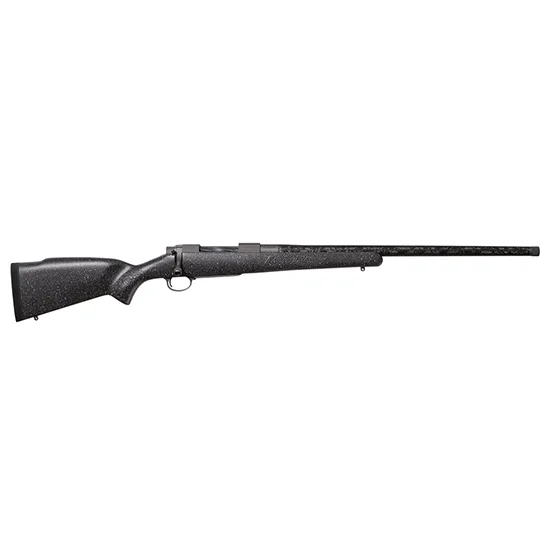
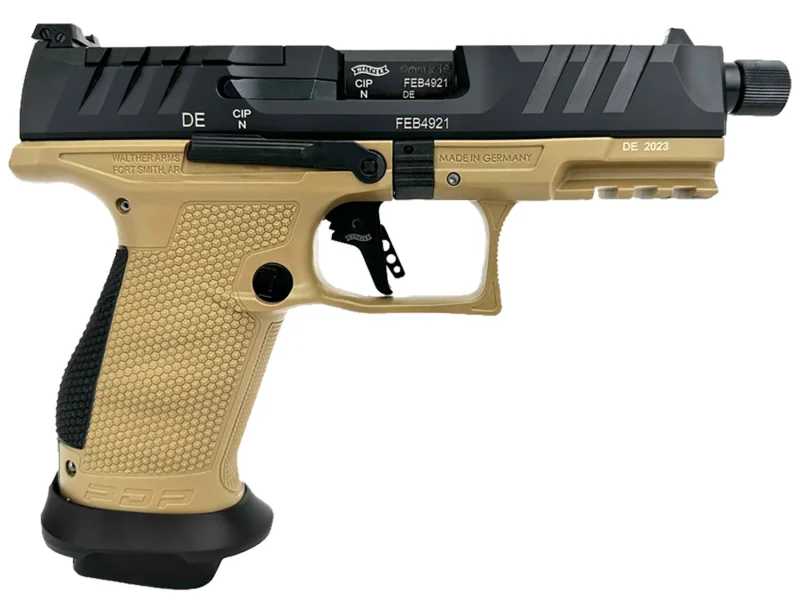

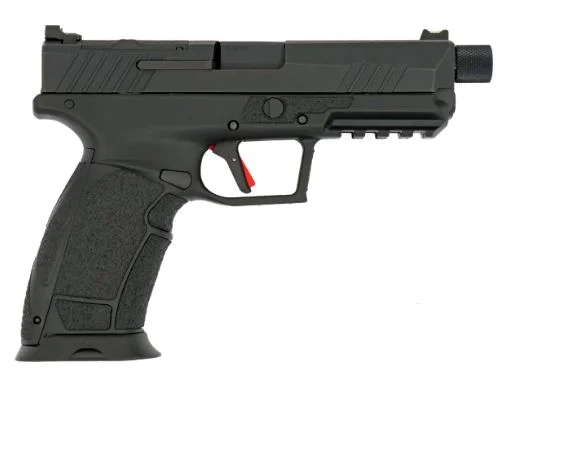
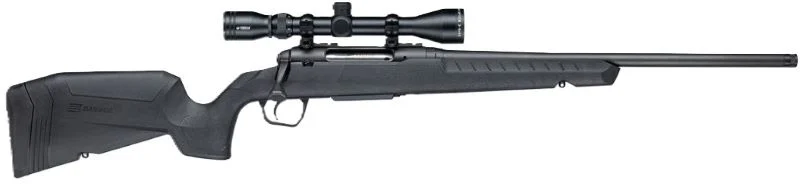


Tenney Industries supports:


Tenney Industries Gallery


WHAT OUR CUSTOMER SAY


Very knowledgeable and conscientious. Jake will do right by you. A++ business! If you are into hunting or firearms for any other reason you won't be disappointed.

Great guy to deal with and very knowledgeable goes above and beyond for the customer.

Great Gun Shop in West Michigan! Jake and his team are very helpful! Good amount of inventory and if he doesn’t have it, he will get it quickly!


I've purchased my share of tools from a variety of stores in different states but have had the best experience and fastest service at tennys. Very friendly and the guy knows his stuff. I recommend you check him out for all your 2a needs.


I've done a lot of business with Jake here over the past couple of years. He does a great job on repairs and can get Firearms at low prices. He also has a pretty decent inventory of used Firearms of All Sorts as well as Scopes and red dots. He stands behind his work and is an all-around great guy knows a lot!

Knowledgeable and trustworthy. Appreciate having a guy like Jake in the area for gun and ammo needs

You will not find a better guy to do business with. This little shop has just about anything you need. If he don’t have it on the shelf he can get it. This is exactly what Ludington needed.

I have used Tenneys as an FFL, as a gun smith, and have purchased many guns from the gun store side of the business…. It’s been flawless and professional service every time, He is a joy to talk to and his gun knowledge is in matched, Jake goes out of his way to make sure all of your firearms needs are met, it’s an awesome small town gun store. I always look forward to going back.


Jake helped us with a third party transfer of my father's vintage rifle. Friendly and knowledgeable.


Had Jake order a gun for me. Gun came in fast, was able to purchase at a great price in only a few days. Top notch service!
my cerakote looks awesome great guy with tons of knowledge and great customer service
jake did a very professional job threading a barrel and doing some cerakote for me. he's reasonably priced and quick with turnaround times (very rare with gunsmiths)
Understanding the Fundamentals of Firearms from a Gun Shop in White Lake, MI
To develop a practical understanding of firearms, it is essential to first grasp their core components, operational mechanisms, and intended purposes. Firearms vary widely in design and application, making it crucial for anyone handling them to understand key concepts related to their functionality and use.
Key Components of a Firearm from the Best Gun Stores in White Lake, MI
A firearm is a mechanical device designed to launch projectiles using the force of expanding gases.
- Barrel:A metal tube through which the projectile travels after ignition.
- Action:The part of the firearm responsible for loading, firing, and ejecting cartridges. Common action types include bolt-action, semi-automatic, pump-action, and lever-action.
- Magazine:A storage device that holds ammunition before feeding it into the chamber (not found in all firearms).
- Trigger:The mechanism that initiates firing when pulled.
- Stock or Grip:The part held by the user for stabilization and control.
Component Function Example Types Barrel Guides the bullet toward its target Rifled barrels (for accuracy), smoothbore barrels Action Enables loading/firing/ejection Semi-auto; manual bolt Magazine Holds ammunition for feeding Box magazine; tubular magazine Trigger Fires the cartridge Single or two-stage triggers Stock/Grip Provides user control Fixed stock; pistol grip Ammunition Basics from the Best Gun Shops in White Lake, MI
Understanding ammunition is as critical as understanding firearms themselves.
- Case:Holds all components together.
- Primer:Ignites when struck by the firing pin.
- Powder/Propellant:Creates gas pressure to propel the bullet.
- Bullet/Projectile:The part that leaves the barrel toward its target.
Different types of ammunition are designed for specific purposes—hunting rounds are often different from rounds used in self-defense or target shooting.
Types of Common Firearms Sold at Handgun Stores in White Lake, MI
- Designed for one-handed operation but can be used with two hands for greater stability.
- Examples: Pistols (semi-automatic), revolvers.
- Long-barreled firearms designed for precision shooting over longer distances.
- Examples: Bolt-action rifles, semi-automatic rifles.
- Primarily used at shorter ranges; shoots shells containing multiple pellets (shot) or slugs.
- Examples: Pump-action shotguns, over-under shotguns.
Practical Tips for Beginners Shopping at Retail Gun Stores in White Lake, MI
- Start with basic safety courses to familiarize yourself with safe handling practices (discussed later).
- Visit a certified shooting range where instructors can guide you on proper techniques.
- Handle various firearm models under supervision before purchasing one to match your needs best.
By understanding these fundamentals thoroughly before engaging with firearms directly, you build not only technical knowledge but also respect and caution regarding their proper use.
Important Safety Rules Every Owner Should Follow from the Best Gun Store in White Lake, MI
Owning a firearm is a serious responsibility that requires strict adherence to safety protocols. Following clear safety rules ensures the well-being of the owner, their household, and the wider community. Below are foundational safety principles that every firearm owner should follow diligently.
The Four Universal Rules of Firearm Safety from a Gun Dealer in White Lake, MI
- This mindset minimizes complacency and prevents accidental discharges.
- When handling, always check the chamber and magazine for live ammunition.
- A safe direction means one where an unintended discharge would cause no injury or damage.
- This rule prevents unintentional firing caused by reflexive actions or loss of control.
- Consider how far your ammunition might travel if it misses or goes through the target.
Safe Practices for Home Storage of Guns for Sale in White Lake, MI
- Child-Proofing Measures: Educate children about firearm safety but never rely solely on education; ensure all guns are stored securely out of reach.
Storage Option Features Importance Gun Safe Heavy-duty lockable container Prevents unauthorized access and protects against theft Trigger/Cable Locks Physical locking mechanisms Adds an extra layer of security by disabling operation Lockable Ammo Box Secure container for ammo Reduces risk by separating ammunition from firearms Safety During Transport from a Local Gun Store in White Lake, MI
- Always ensure firearms are unloaded before transportation.
- Use appropriate carrying cases designed specifically for firearms.
- Comply with local laws regarding transportation methods (e. g. , keeping firearms locked and inaccessible during transit).
Building Safe Habits When You Buy Guns in White Lake, MI
- Double-check that weapons are unloaded before cleaning, storing, or transporting them.
- Regularly revisit training courses to reinforce safe-handling techniques.
- Encourage open discussions with household members about firearm safety practices.
By following these fundamental rules and strategies, firearm owners can mitigate risks and promote responsible usage within their homes and communities.
Safe Firearm Handling in Different Environments with an Arms Store in White Lake, MI with a Firearms Store in White Lake, MI
Handling firearms safely is critical, and the environment in which a firearm is used or stored plays a significant role in determining best practices. Each setting has unique considerations that firearm owners should be aware of to ensure the safety of themselves and others. Below, we break down firearm handling practices tailored to various environments.
Home Environment with a Gunsmith Near Me
The home is one of the most common places for firearms to be stored and handled, making safety measures crucial to prevent accidents.
Key guidelines:
- Storage Best Practices:
- Use a gun safe or lockbox that is tamper-proof and out of reach for unauthorized users, especially children.
- Always store ammunition separately from the firearm.
- Teach family members about firearms safety if they are old enough to understand.
- Ensure children know never to touch a firearm and report its presence to an adult if they encounter one.
- Routine Checks: Regularly inspect firearms in storage to confirm they are unloaded, secure, and functioning properly.
Shooting Ranges
Shooting ranges are controlled settings designed for practice and education. However, their use comes with specific rules all participants must follow.
Best practices at shooting ranges include:
- Follow Range Rules:Every range has its guidelines; familiarize yourself with them before handling a firearm.Maintain Situational Awareness:
- Keep your firearm pointed downrange at all times.
- Avoid distractions while on the firing line and keep your focus on the task at hand.
- Use Proper Safety Gear:
Always wear ear protection and safety glasses while on the range to protect against loud noise and potential ricochet debris.
Essential Range Gear Purpose Ear Protection Prevent hearing damage Safety Glasses Shield eyes from debris Target Stands Secure targets safely Outdoor Settings
When engaging in activities like hunting or recreational shooting outdoors, additional safety factors come into play.
Points of caution:
- Know Your Surroundings:
- Carry Responsibly: When moving through uneven terrain or wooded areas:
- Respect Wildlife Laws:Follow local regulations regarding hunting seasons, species allowed for hunting, and protected zones.
Transportation of Firearms
Whether traveling locally or across state lines with a firearm, it’s essential to comply with transportation laws while practicing safe handling during transit.
Guidelines for secure transport:
- Unloaded Firearms Only:Always unload firearms before placing them into a vehicle.
- Use Approved Storage Containers:Transport firearms in locked cases designed specifically for this purpose.
- Separate Ammunition Storage:Store ammunition separately from the gun during transit for added security.
- State Laws Compliance:Research laws related to firearm transportation if traveling across jurisdictions.
Workplaces or Professional Contexts
For those who handle firearms as part of their profession (e. g.
Key considerations:
- Participate in regular training programs tailored toward situational awareness and decision-making under pressure.
- Conduct routine maintenance checks as part of workplace procedures.
- Follow departmental policies governing when and how weapons may be discharged appropriately based on scenarios encountered during duty.
Tailoring safe handling practices based on environmental context minimizes risks associated with improper use or accidents involving firearms while ensuring responsible ownership behaviors are upheld consistently wherever you may be handling them.
Safe Firearm Handling in Different Environments
Safe handling of firearms is crucial, especially as environments can present unique challenges and require specific precautions. Each setting—whether at home, at a shooting range, or in the outdoors—demands a tailored approach to ensure safety for everyone involved. Below is a breakdown of best practices for safe firearm handling across various environments.
Home Environment
Handling firearms at home requires particular caution, given the close proximity to family members and visitors.
- Always store firearms unloaded.
- Use lockable gun safes or cabinets to secure firearms and ammunition separately.
- Utilize trigger locks as an added layer of security.
- Never handle a firearm unless necessary.
- Ensure others in the household are educated about firearm safety, especially children.
- Only practice dry firing in a controlled area with no ammunition present.
- Consider using snap caps to simulate live rounds safely for practice drills.
Shooting Range Environment
- Always follow specific rules provided by the range’s administration (e. g. , ceasefire protocols).
- Keep your firearm pointed downrange at all times.
- Inspect your firearm before loading or firing to ensure it’s functioning properly.
- Wear appropriate protective gear like ear protection and safety glasses.
- Be mindful of other shooters around you.
- Clearly communicate intent when retrieving targets or stepping away from the station.
Outdoor Environments (e. g.
- Identify safe backstops before firing (e. g. , hillsides that can stop bullets).
- Be aware of hikers, animals, and structures that may be nearby.
- Use appropriate cases during transport to avoid damage to the firearm or accidental discharge.
- Protect your firearm from moisture that may lead to rust or malfunctioning parts.
- If wet conditions occur, perform maintenance promptly after use.
Transporting Firearms Between Locations
Mode of Transportation Best Practices Personal Vehicle Keep firearms unloaded and locked away; separate from passengers & ammunition. Air Travel Follow TSA regulations: firearms must be declared at check-in, unloaded, and packed securely in airline-approved cases. Key takeaways include understanding how situational factors impact safety measures while maintaining an overarching commitment to responsible ownership practices.
Promoting Safe and Responsible Firearm Use with Gun Dealers in White Lake, MI
Promoting the safe and responsible use of firearms is crucial for individual safety, community well-being, and building a culture of accountability among firearm owners. This involves a multifaceted approach that prioritizes education, clear communication, and ongoing practice. Below are key strategies to encourage responsible firearm use.
Encourage Comprehensive Firearm Education with Gun Stores Around Me
Education is the foundation of responsible firearm ownership. Providing access to training opportunities ensures that both new and experienced owners understand how to handle firearms safely.
- Offer Safety Courses:Promote participation in certified firearm safety courses that cover essential topics such as handling, storage, and legal considerations.
- Demonstrate Practical Skills:Training sessions should include hands-on practice in controlled environments to reinforce safety techniques.
- Tailor Education for Different Audiences:Provide specialized programs for youth, families, or individuals with specific needs to ensure inclusivity.
Foster a Safety-First Mindset with a Gun Store Near Me
Responsible ownership begins with a commitment to prioritize safety at all times. This mindset extends beyond the individual owner to anyone who may come into contact with firearms.
- Always treat firearms as if they are loaded.
- Avoid distractions when handling or using firearms.
- Communicate clearly during group activities involving firearms (e. g. , hunting or sport shooting).
Establish Proper Storage Practices for Firearms from Gun Shops Near Me
Safe storage prevents unauthorized access and reduces accidental discharges or thefts. Every firearm owner has a duty to store their weapons securely when not in use.
Recommended Storage Methods:
Storage Option Description Key Benefit Gun Safes Heavy-duty lockable safes for multiple firearms Prevents theft; childproof Trigger Locks Devices that block trigger mechanisms Prevents accidental firing Lockable Cases Portable cases with locks Secure travel solution Additionally:
- Store ammunition separately from the firearm.
- Use biometric safes for quick access while maintaining security.
Advocate for Regular Maintenance Practices for Handguns Near Me
Maintaining a firearm not only enhances its usability but also ensures it functions safely over time.
- Clean your firearm after each use following manufacturer guidelines.
- Inspect parts regularly for signs of wear or damage.
- Replace worn components promptly by consulting professionals if needed.
Proper maintenance promotes reliability and prevents malfunctions during critical moments.
Open Dialogue About Responsibility with Gun Dealers Near Me
- Highlight the importance of respecting local laws and regulations regarding ownership, transport, and usage.
- Address potential risks candidly while emphasizing prevention measures like mental health awareness and safe storage practices.
This type of conversation fosters mutual respect among gun owners and non-gun owners alike within communities.
By implementing these strategies consistently, individuals can strengthen efforts to promote accountability while ensuring safer interactions between people and firearms across various environments.