


Welcome to Tenney Industries


FEATURED PRODUCTS




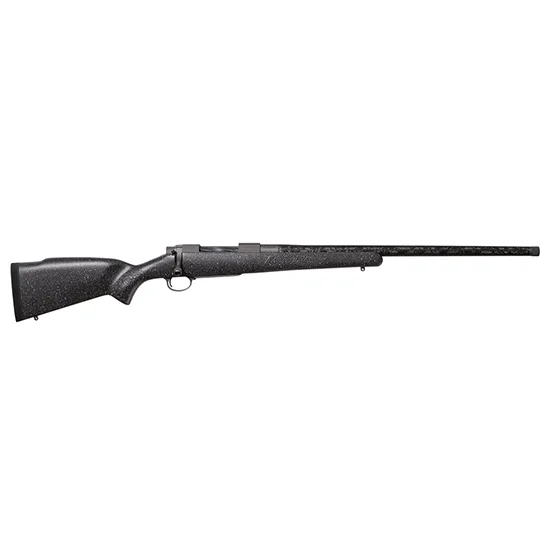
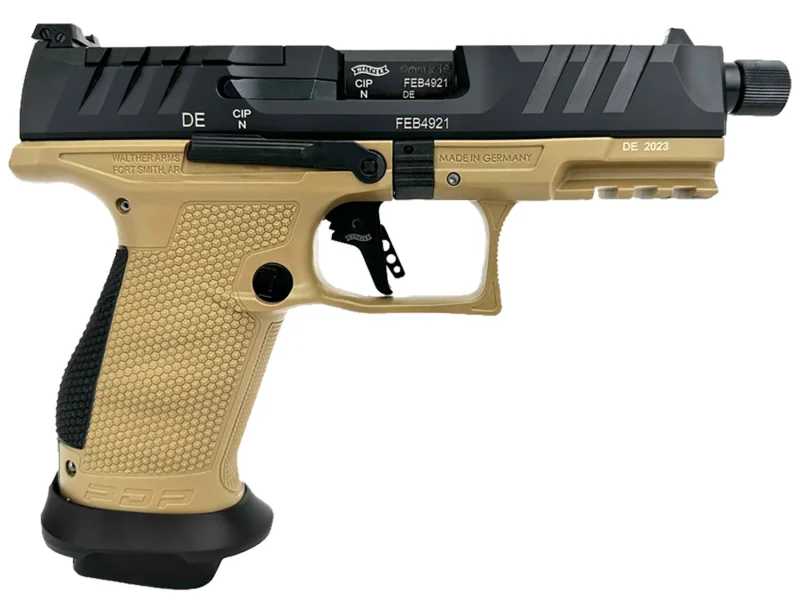

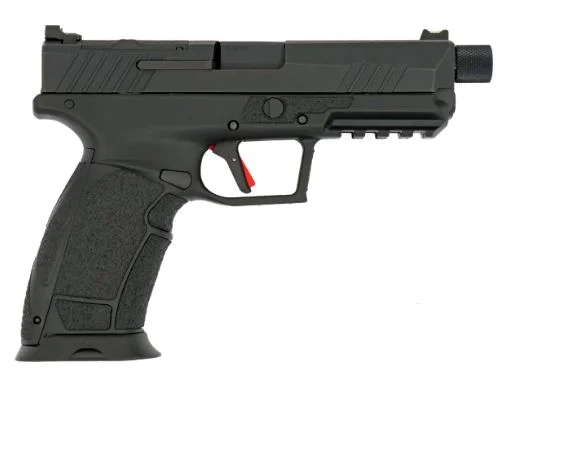
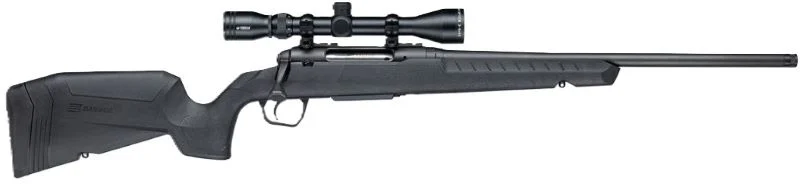



Tenney Industries supports:


Tenney Industries Gallery


WHAT OUR CUSTOMER SAY


Very knowledgeable and conscientious. Jake will do right by you. A++ business! If you are into hunting or firearms for any other reason you won't be disappointed.

Great guy to deal with and very knowledgeable goes above and beyond for the customer.

Great Gun Shop in West Michigan! Jake and his team are very helpful! Good amount of inventory and if he doesn’t have it, he will get it quickly!


I've purchased my share of tools from a variety of stores in different states but have had the best experience and fastest service at tennys. Very friendly and the guy knows his stuff. I recommend you check him out for all your 2a needs.


I've done a lot of business with Jake here over the past couple of years. He does a great job on repairs and can get Firearms at low prices. He also has a pretty decent inventory of used Firearms of All Sorts as well as Scopes and red dots. He stands behind his work and is an all-around great guy knows a lot!

Knowledgeable and trustworthy. Appreciate having a guy like Jake in the area for gun and ammo needs

You will not find a better guy to do business with. This little shop has just about anything you need. If he don’t have it on the shelf he can get it. This is exactly what Ludington needed.

I have used Tenneys as an FFL, as a gun smith, and have purchased many guns from the gun store side of the business…. It’s been flawless and professional service every time, He is a joy to talk to and his gun knowledge is in matched, Jake goes out of his way to make sure all of your firearms needs are met, it’s an awesome small town gun store. I always look forward to going back.


Jake helped us with a third party transfer of my father's vintage rifle. Friendly and knowledgeable.


Had Jake order a gun for me. Gun came in fast, was able to purchase at a great price in only a few days. Top notch service!
my cerakote looks awesome great guy with tons of knowledge and great customer service
jake did a very professional job threading a barrel and doing some cerakote for me. he's reasonably priced and quick with turnaround times (very rare with gunsmiths)
Essential Safety Rules for Firearm Owners from the Best Gun Store in Waterford, MI from a Gun Shop in Waterford, MI
Responsible gun ownership begins with a commitment to safety. Whether you are a first-time gun owner or have years of experience, following essential safety rules helps to protect yourself, your loved ones, and others in your community.
Treat Every Firearm as if It Is Loaded at a Gun Store Near Me
- Avoid complacency by consistently following this principle even when you believe the firearm is unloaded.
Never Point a Gun at Anything You Do Not Intend to Shoot When Visiting Gun Shops Near Me
- Be mindful of people, property, and surrounding environments when holding or positioning the firearm.
- This reduces accidental discharges caused by reflex actions or unintentional pressure on the trigger.
- Confirm your target’s identity before pulling the trigger. Misidentifying targets is one of the most common causes of firearm-related accidents.
- Consider what lies behind or around your target as bullets can penetrate walls, ricochet, or miss entirely.
- Ensure that the ammunition matches not only the caliber but also conforms to manufacturer recommendations for your specific firearm.
- Improper ammunition can damage your firearm and pose serious safety risks.
Regular Maintenance Is Crucial
Neglecting routine maintenance may lead to malfunctions at crucial times.
Here’s a simple table summarizing basic maintenance tasks:Maintenance Task Frequency Notes Cleaning after use After every outing Focus on removing carbon buildup. Inspecting moving parts Monthly Check for wear, rust, or damage. Lubricating components As needed Prevents jams caused by dry mechanisms. Educate All Household Members About Firearm Safety
If others reside in your home:
- Teach family members not to touch firearms unless with proper supervision.
- Consider enrolling them in an age-appropriate safety class if they may encounter firearms under any circumstances.
Store Guns Securely When Not in Use
While this topic will be covered more extensively elsewhere in this guide:
- Utilize gun safes or lock boxes equipped with access controls.
- Use trigger locks as an additional layer of protection when appropriate.
Prioritizing safety not only protects lives but also fosters trust within communities toward responsible gun ownership practices.
Essential Safety Rules for Firearm Owners
Maintaining safety is the cornerstone of responsible gun ownership. Whether you are a seasoned gun owner or new to firearms, adhering to fundamental safety principles ensures not only your own well-being but also the safety of others around you.
Treat Every Firearm as If It Is Loaded with Gun Dealers in Waterford, MI
- Never assume a firearm is unloaded, even if someone else has assured you it is.
- Always perform a visual and physical check of the chamber and magazine when handling any firearm.
- This minimizes accidental discharges caused by reflexive muscle movements or mishandling.
- A safe direction means ensuring that if an accidental discharge occurs, no one will be harmed, and no property will be damaged.
- Before firing, identify your target clearly to avoid mistakes.
- Consider what lies beyond your target, including structures or areas where people might be present. Bullets can travel significant distances after passing through a target.
Use Proper Ammunition from Retail Gun Stores in Waterford, MI
- Using incorrect ammunition can cause malfunctions, damage to your firearm, or even personal injury.
Maintain Regular Maintenance and Inspection with a Gun Dealer in Waterford, MI
- A poorly maintained firearm is more prone to malfunctioning. Regular cleaning reduces dirt buildup and preserves functionality.
- Inspect parts for wear-and-tear regularly; replace components as needed according to manufacturer recommendations.
How to Store Firearms Securely When Not in Use with Guns for Sale in Waterford, MI
Safe storage prevents unauthorized access while reducing risks of accidents:
- Use lockable safes or cabinets designed specifically for firearms.
- Employ trigger locks as an added layer of security when storing guns for long periods.
Safety Tool Purpose Example Gun Safe Prevent unauthorized access Biometric gun safes Trigger Lock Block trigger operation Keyed or combination locks Cable Lock Disable firing mechanism Steel cable systems Avoid Alcohol or Drugs When Handling Firearms from a Local Gun Store in Waterford, MI
- Impairments from substances like alcohol or medications can affect judgment, hand-eye coordination, and reaction times while handling firearms.
- Always operate firearms with complete mental clarity.
Educate Family Members on How to Buy Guns in Waterford, MI
If there are other individuals in the home:
- Teach children never to handle firearms without adult supervision.
- Discuss safety protocols with all household members so they understand how to act responsibly around guns.
By following these practices consistently, gun owners can significantly reduce risks associated with improper handling. Prioritizing safety instills confidence in owning and using firearms while fostering responsible habits that benefit both individuals and their communities.
Understanding Legal Responsibilities and Regulations for a Firearms Store in Waterford, MI
Owning a firearm is not only a significant responsibility but also one that comes with important legal obligations. Understanding and adhering to local, state, and federal laws is crucial for responsible gun ownership. Navigating these legalities ensures safety for yourself and those around you while avoiding serious legal consequences.
Key Areas of Legal Responsibility
- Research the specific licensing requirements in your state for owning or carrying a firearm.
- Many states have separate permits for concealed carry versus open carry.
- Ensure that all required documentation is current and properly maintained.
- Federal law mandates background checks when purchasing firearms from licensed dealers. Be aware of additional state-specific requirements.
- Private sales may also require background checks in some jurisdictions, so verify your local laws beforehand.
- Understand the regulations around transporting firearms across city, state, or international borders.
- Store firearms unloaded during transport and secured separately from ammunition to comply with most state guidelines.
- Many states prohibit carrying firearms in certain areas such as schools, government buildings, airports, or private properties with posted restrictions.
- Ignoring these rules could lead to fines or more severe penalties.
Federal Laws Every Gun Owner Should Know
Regulation Summary Implications for Owners National Firearms Act (NFA) Regulates ownership of items like silencers, machine guns, and short-barreled rifles. Requires additional tax stamps and registration for NFA-regulated items. Firearm Owners Protection Act (FOPA) Protects lawful transport of firearms across states under specific conditions. Must ensure compliance with both origin and destination laws during travel. Brady Handgun Violence Prevention Act Requires federal background checks before purchasing from licensed dealers. Ensures buyers meet legal eligibility criteria before acquiring a firearm. State Variations
Firearm regulations vary widely by state:
- Some states adhere to “shall-issue” policies regarding concealed carry permits, while others are “may-issue,” requiring additional justification beyond meeting basic criteria.
- States like California enforce stricter rules on magazine capacity or certain types of semi-automatic weapons compared to others with more lenient policies.
Always consult your state’s official resources or an attorney specializing in firearm law if you are unsure about any requirement.
Best Practices for Compliance
To remain compliant:
- Regularly review updates to local laws since legislation can change over time.
- Keep copies of your licenses, permits, receipts for firearm purchases, and registration documents organized in a secure location.
- Enroll in training programs that include discussions on regional legal obligations alongside safe handling practices.
Understanding the legal landscape surrounding gun ownership is vital for ensuring both safety and peace of mind as a responsible owner.
Why Professional Training Is Valuable When Searching for Gun Stores Around Me for an Arms Store in Waterford, MI
Professional training is an essential component of responsible gun ownership. While many firearm owners may be confident in their handling skills, professional instruction provides critical knowledge and structured practice that cannot be fully replicated through self-teaching or casual experience. This section highlights why seeking out professional firearms training is a crucial step for anyone who owns or plans to own a firearm.
Benefits of Professional Training
- Professional courses emphasize safe handling techniques to minimize accidents and negligent discharges.
- Instructors teach situational awareness and how to assess risks effectively, helping prevent dangerous scenarios before they occur.
- Hands-on instruction ensures that you learn proper grip, stance, aiming, and trigger control.
- Training addresses common handling mistakes that can lead to accidents or poor accuracy.
- Structured practice under the guidance of an expert helps firearm owners build confidence in their abilities.
- Confidence leads to better control in high-pressure situations where precision and calm decision-making are critical.
- Many training programs include detailed information about federal, state, and local gun laws.
- Ethical considerations surrounding the use of lethal force are often discussed, ensuring owners understand the gravity of armed self-defense.
Types of Firearms Training Courses
Course Type Focus Area Basic Firearms Safety Fundamental safety principles for new gun owners Defensive Shooting Techniques for protecting yourself during a threatening situation Marksmanship Improving accuracy and precision with pistols, rifles, or shotguns Concealed Carry Certification Meeting requirements for legal concealed carry permits Scenario-Based Training Real-world simulations to practice decision-making under stress What to Look For in a Firearms Instructor
Choosing the right trainer is just as important as attending the course itself.
- Credentials: Ensure they have certifications from reputable organizations such as the NRA (National Rifle Association), USCCA (United States Concealed Carry Association), or similar national bodies.
- Experience: Look for trainers with extensive hands-on experience in both instructional settings and real-life scenarios (e. g. , law enforcement or military backgrounds).
- Teaching Style: A good instructor adapts their teaching methods to meet the needs of each student while maintaining professionalism and clarity.
Ongoing Practice After Professional Training
Completing professional training is not a one-time event but rather part of an ongoing commitment to responsible ownership. Regular practice reinforces what you’ve learned during courses.
- Joining a local shooting range for regular sessions
- Participating in advanced training opportunities as your skills improve
- Reviewing educational materials provided by your instructor
Through professional training, firearm owners can sharpen their skills while gaining deeper insights into safe practices, ethical considerations, and legal responsibilities. It’s an investment not only in personal proficiency but also in promoting a culture of responsibility within the broader community.
Why Professional Training Is Valuable
Professional training is a fundamental aspect of responsible gun ownership, providing gun owners with the essential skills, knowledge, and confidence to handle firearms safely and effectively. While it may seem sufficient to rely on personal research or informal learning, structured training from certified professionals offers unmatched benefits that go beyond the basics.
Key Benefits of Professional Training
- Enhanced Safety Awareness
Professional courses emphasize safety as the cornerstone of firearm handling. Participants are trained to follow essential safety protocols under various conditions—whether at home, on the range, or in public settings. - Legal Education
Many professional courses include discussions on local, state, and federal firearm laws. This ensures that gun owners remain compliant with regulations that govern everything from transportation to self-defense scenarios. - Skill Development
Learning from certified instructors ensures proper technique development for a wide range of activities: - Loading and unloading procedures
- Proper grip and stance
- Accurate aiming and firing methods
- Malfunction handling
- Emergency Preparedness
Instructors often simulate real-life situations where quick judgment and precision are crucial. These practice scenarios help participants build confidence in their ability to act responsibly under pressure.
Types of Professional Firearm Training
Training Type Description Basic Firearm Safety Designed for beginners; teaches foundational skills like safe handling. Defensive Shooting Focuses on self-defense tactics using firearms in high-stress situations. Marksmanship Advanced-level classes aimed at improving accuracy and consistency. Concealed Carry Permit Classes Teaches laws, responsibilities, and techniques for carrying concealed guns. How to Choose a Credible Trainer or Program
Selecting the right trainer or course is crucial for receiving high-quality instruction.
- Ensure the instructor is certified by reputable organizations such as the NRA (National Rifle Association), USCCA (United States Concealed Carry Association), or law enforcement agencies.
- Look at reviews or testimonials from previous students.
- Verify that the curriculum covers both theoretical knowledge (laws, ethics) and practical application.
- Confirm access to safe training facilities with proper equipment.
Long-Term Value of Ongoing Education
Firearm technology evolves over time, as do shooting techniques and legal standards. Enrolling in refresher courses periodically ensures you stay informed about changes while honing your skills further. Additionally:
- Advanced courses allow seasoned gun owners to explore specialized areas like competitive shooting.
- Group classes provide opportunities for community building among other responsible gun owners.
In summary, professional training equips you not only with technical expertise but also with an understanding of your moral and legal responsibilities as a firearm owner. It fosters competence while reducing accidents—ensuring safety for yourself and those around you.