


Welcome to Tenney Industries


FEATURED PRODUCTS



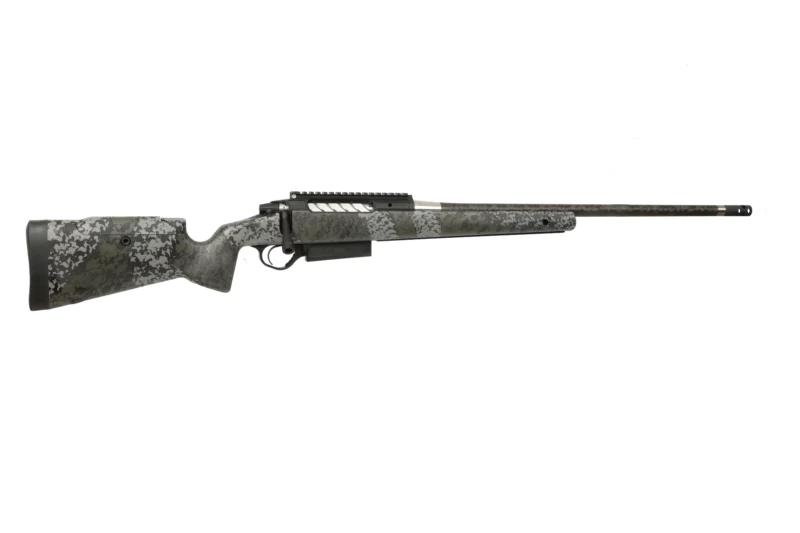

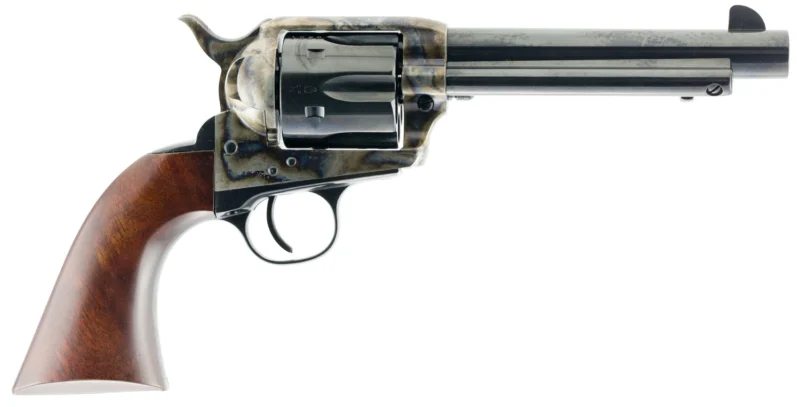
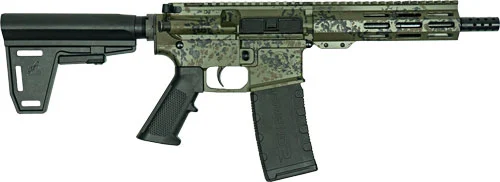


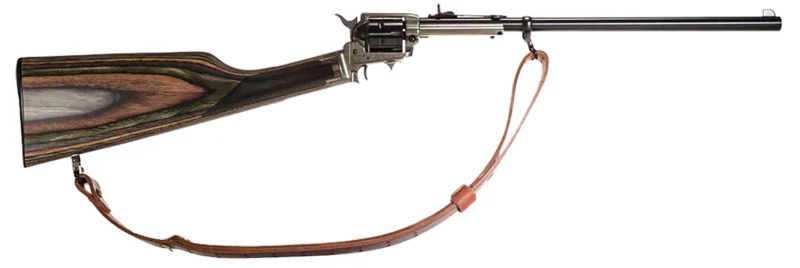




Tenney Industries supports:


Tenney Industries Gallery


WHAT OUR CUSTOMER SAY


Very knowledgeable and conscientious. Jake will do right by you. A++ business! If you are into hunting or firearms for any other reason you won't be disappointed.

Great guy to deal with and very knowledgeable goes above and beyond for the customer.

Great Gun Shop in West Michigan! Jake and his team are very helpful! Good amount of inventory and if he doesn’t have it, he will get it quickly!


I've purchased my share of tools from a variety of stores in different states but have had the best experience and fastest service at tennys. Very friendly and the guy knows his stuff. I recommend you check him out for all your 2a needs.


I've done a lot of business with Jake here over the past couple of years. He does a great job on repairs and can get Firearms at low prices. He also has a pretty decent inventory of used Firearms of All Sorts as well as Scopes and red dots. He stands behind his work and is an all-around great guy knows a lot!

Knowledgeable and trustworthy. Appreciate having a guy like Jake in the area for gun and ammo needs

You will not find a better guy to do business with. This little shop has just about anything you need. If he don’t have it on the shelf he can get it. This is exactly what Ludington needed.

I have used Tenneys as an FFL, as a gun smith, and have purchased many guns from the gun store side of the business…. It’s been flawless and professional service every time, He is a joy to talk to and his gun knowledge is in matched, Jake goes out of his way to make sure all of your firearms needs are met, it’s an awesome small town gun store. I always look forward to going back.


Jake helped us with a third party transfer of my father's vintage rifle. Friendly and knowledgeable.


Had Jake order a gun for me. Gun came in fast, was able to purchase at a great price in only a few days. Top notch service!
my cerakote looks awesome great guy with tons of knowledge and great customer service
jake did a very professional job threading a barrel and doing some cerakote for me. he's reasonably priced and quick with turnaround times (very rare with gunsmiths)
Core Firearm Safety Principles from Gun Dealers in Walled Lake, MI from a Gun Shop in Walled Lake, MI
Firearm safety is the cornerstone of responsible ownership. By adhering to fundamental safety principles, firearm owners can reduce the risk of accidents and ensure that firearms are handled responsibly in all circumstances. Below is an exploration of these core principles, which should guide every owner’s behavior when handling or storing firearms.
Always Treat Every Firearm as If It Is Loaded When Visiting Gun Stores Around Me
One of the most critical rules in firearm safety is to always consider a firearm loaded, even if you are certain it is not. This mindset helps create habits that prevent accidental discharges and ensures respect for the weapon at all times.
A bullet can travel long distances and penetrate through barriers, so assessing the environment ensures that no unintended harm occurs.
Consider these factors:
- Verify what lies behind your target (e. g. , people, animals, structures).
- Use appropriate backstops where stray bullets will be safely absorbed.
- Avoid shooting in areas with insufficient visibility or uncertain terrain.
Keep Firearms Unloaded Until Ready to Use When Visiting Gun Shops Near Me
Firearms should only be loaded when actively preparing for use (such as on a range or during hunting). This minimizes risks during storage and transportation. After use, always unload the firearm before returning it to storage.
Helpful tips:
- Double-check for ammunition in both the chamber and magazine after use.
Action Potential Hazard Prevented Unloading firearms before storage Prevents accidental discharge during handling Checking chambers twice Ensures no round remains accidentally Storing Ammunition Separately for Safety When Buying Handguns from a Gunsmith Near Me Near Me
Separating ammunition from stored firearms limits access to fully functional weapons by unauthorized users. This practice also reduces risks associated with improper loading or spontaneous firing incidents.
Key recommendations:
- Use locked containers for ammunition storage.
- Choose temperature-controlled locations away from moisture or heat sources.
Ensure Regular Maintenance with Gun Dealers Near Me
A neglected firearm can malfunction when it’s needed most. Proper cleaning prevents buildup of dirt or debris that might compromise performance while also extending its lifespan.
Steps for routine maintenance:
- Unload the firearm completely before cleaning.
- Disassemble carefully following manufacturer instructions.
- Clean using appropriate tools like bore brushes, patches, and lubricants.
- Inspect parts for wear and replace if necessary.
Adhering to these core principles promotes a culture of safety among gun owners while reducing avoidable risks associated with improper handling practices. Such diligence fosters responsible ownership aligned with legal requirements and moral responsibility toward others’ well-being.
Core Firearm Safety Principles
Responsible firearm ownership begins with understanding and practicing core safety principles. These foundational guidelines are essential to prevent accidents, foster responsible use, and ensure the well-being of everyone in your home and community.
- This mindset minimizes complacency and reinforces safe handling.
- When picking up, transferring, or handling a firearm, visually and physically inspect the chamber and magazine to confirm it is unloaded.
- Practice resting your finger along the firearm’s frame or trigger guard as a default position.
Always Point the Muzzle in a Safe Direction at Handgun Stores in Walled Lake, MI
- At a shooting range: Downrange toward designated targets.
- In storage: Away from areas where people gather or move frequently.
- Confirm your target before firing. Understand what lies beyond it in case of overpenetration or missed shots.
- Avoid shooting toward hard surfaces like rocks that can cause ricochets.
- Choose backstops such as hillsides or specific barriers designed to contain bullets.
Storing Ammunition Separately from Firearms with a Gun Dealer in Walled Lake, MI
Proper storage is an often-overlooked component of safety. By keeping ammunition stored away from firearms:
- You reduce risks associated with unauthorized access by children or individuals unfamiliar with safe handling practices.
- You mitigate potential misuse during emotional or high-stress situations.
The Four Cardinal Rules Table for Guns for Sale in Walled Lake, MI
Rule Key Action Objective Treat every firearm as loaded Inspect chamber/magazine regularly Prevent unintentional discharge Keep finger off trigger Default position along frame/trigger guard Avoid premature firing Point muzzle in safe direction Assess environment Minimize harm if accidental discharge occurs Know target & surroundings Confirm target & inspect backstop Prevent damage beyond intended area By internalizing these principles during all activities involving firearms—whether hunting, sport shooting, or home defense—you contribute to safer communities while maintaining personal responsibility. Practicing these habits consistently also sets an example for others who may look to you for guidance on responsible gun ownership.
Understanding Common Firearm Categories at a Firearms Store in Walled Lake, MI at the Best Gun Store in Walled Lake, MI
Each type of firearm has unique characteristics, uses, and safety considerations. Familiarizing yourself with these distinctions will not only enhance your knowledge as an owner but also promote responsible usage and storage.
Key Types of Firearms Available at a Local Gun Store in Walled Lake, MI
Handguns
- Pistols: Semi-automatic firearms designed for easy handling. They are commonly used for personal defense and target shooting.
- Example: 9mm Glock or . 45 ACP Springfield.
- Key Features: Compact size, magazine-fed, typically holds 6–17 rounds depending on the model.
- Revolvers: Known for their simplicity and reliability, revolvers feature a rotating cylinder that holds ammunition.
- Example: Smith & Wesson . 357 Magnum.
- Key Features: Manual operation, holds 5–7 rounds in most models.
Rifles
- Bolt-action RiflesThey require manual cycling of the bolt after each shot.
- Example: Remington Model 700.
- Key Features: High accuracy at long distances, limited rate of fire.
- Semi-automatic Rifles: These allow one shot per trigger pull without manually chambering each round. Popular for both recreational use and personal defense.
- Example: AR-15 or Ruger Mini-14.
- Key Features: Quick firing capability, customizable attachments like scopes or grips.
Shotguns
Shotguns are versatile firearms used for hunting game birds, home defense, and even sport shooting activities like trap or skeet.
- Require manual cycling of the pump between shots to chamber a new round.
- Example: Mossberg 500 or Remington 870.
- Semi-automatic Shotguns: Automatically chambers a new round after each shot while still requiring one trigger pull per shot.
Shotgun Type Typical Usage Key Features Pump-action Hunting & Home Defense Reliable design & generally affordable Semi-automatic Sporting & Defense Faster rate of fire; less recoil compared to pump-actions Specialty Firearms
- Lever-action Rifles: Popular in Western-style shooting sports and some types of hunting. Operated by manually cycling a lever beneath the trigger guard.
- Muzzleloaders (Black Powder Guns): Represent historic firearm designs that require loading powder and ball through the muzzle.
Factors to Consider When Choosing a Firearm Category to Buy Guns in Walled Lake, MI
- Personal/Home Defense: Handguns or semi-auto rifles are common choices due to maneuverability.
- Hunting: Bolt-action rifles and shotguns are typically preferred depending on game type (small vs large).
- Recreational Shooting/Sporting: Any category can work based on personal preference; semi-auto options often dominate this space.
- Skill Level If you’re new to firearms:
- Opt for simpler designs such as revolvers or single-shot guns which prioritize ease-of-use over complexity.
- Legal RestrictionsLaws surrounding ownership vary by region (e. g. , restrictions on magazine capacity). Research local regulations before acquiring any particular firearm type.
Understanding these categories gives clarity when selecting a firearm that fits your needs while staying informed about safe use practices across various models.
Understanding Common Firearm Categories
Firearms are not one-size-fits-all tools, and their characteristics, purposes, and mechanics vary greatly.
Handguns
Handguns are compact firearms designed for one-handed use.
- Revolvers: Feature a rotating cylinder that holds multiple rounds of ammunition.
- Semi-Automatic Pistols: Use a magazine to feed ammunition into the chamber automatically after each shot.
Common Uses:
- Personal protection
- Recreational target shooting
- Competitive shooting
Rifles
Rifles are long-barreled firearms designed for precision at greater distances. The barrel’s length enhances accuracy by stabilizing the bullet’s trajectory.
Types of Rifles:
- Bolt-Action RiflesSemi-Automatic Rifles: Automatically load the next round after firing but require a trigger pull for each shot. Often used in sport shooting or defense.Lever-Action Rifles: Recognizable by their lever mechanism; historically popular in hunting.
Rifle Type Example Uses Notable Characteristics Bolt-Action Hunting, Long-range sport Simple, highly accurate Semi-Automatic Home defense, Recreation Rapid follow-up shots Lever-Action Hunting Classic design, versatile Shotguns
Shotguns are highly versatile firearms that fire shells loaded with multiple pellets (shot) or a single slug. They’re distinguished by their flexibility in ammo choice based on purpose.
Common Types:
- Pump-Action Shotguns: Require manual operation of a sliding pump to chamber rounds.Semi-Automatic Shotguns: Automatically chamber rounds after firing.
Common Uses:
- Hunting game birds or small animals (using birdshot)
- Home defense (using buckshot or slugs)
Specialized Firearms
Some firearms fall outside common categories but serve specific roles:
- Muzzleloaders (Black Powder Firearms):Traditional guns loaded from the muzzle; popular among historical reenactors and enthusiasts.
- Air Rifles:Useful in pest control or target practice, especially where firearm restrictions apply.
Recognizing these categories allows owners to select appropriate equipment suited to needs while fostering responsible practices such as safe handling, proper training, and secure storage tailored to each firearm type. A solid understanding promotes both effective usage and safety under all circumstances.
The Value of Continuing Firearm Training with an Arms Store in Walled Lake, MI
Responsible firearm ownership doesn’t end with acquiring a weapon or learning its basic use. Ongoing education ensures that both new and experienced gun owners remain informed about best practices, legal updates, and advanced handling techniques.
Why Continuing Firearm Training is Important
- Skill Refinement:Regular practice sharpens shooting accuracy, reaction times, and safe handling techniques.
- Legal Awareness:Laws surrounding firearms can change. Continued education helps owners stay updated on local and federal regulations.
- Emergency Preparedness:Advanced training scenarios can equip individuals to handle high-stress situations effectively.
- Accident Prevention:Consistent practice reinforces safety habits that help prevent accidental discharges or mishandling.
- Confidence Building:Enhanced skills lead to greater confidence in one’s ability to use and store firearms responsibly.
Types of Training Available
Training options vary depending on experience level, goals, and desired outcomes.
Type of Training Focus Areas Suitable For Basic Safety Courses Safe handling practices, storage guidelines New firearm owners Marksmanship Classes Improving shooting accuracy and consistency All skill levels Defensive Firearm Use Home defense tactics, concealed carry techniques Intermediate to advanced users Scenario-Based Training Simulated real-world self-defense or emergency scenarios Experienced individuals Legal Education Sessions Updates on laws governing ownership and usage All firearm owners Tips for Selecting a Training Program
- Research Credentials:Choose certified instructors or institutions with solid reputations in firearm education.
- Match Your Goals:Align the program with your objectives—whether it’s self-defense, sport shooting, or general safety.
- Seek Reviews or Recommendations:Speak with other firearm owners or check reviews online for feedback about specific courses.
- Consider Frequency:Look for programs that allow you to train regularly rather than just as a one-time event.
Incorporating Practice into Daily Life
Even after completing formal courses, consistent practice is necessary to maintain skills over time. Consider the following approaches:
- Dedicate time weekly or monthly to visit a local range for structured practice sessions.
- Practice dry firing at home using proper tools (such as snap caps) in a safe environment devoid of live ammunition.
- Join local clubs where members organize group training sessions or share tips.
By committing to ongoing training opportunities, responsible gun owners demonstrate their dedication not just to personal proficiency but also to the broader values of community safety.