


Welcome to Tenney Industries


FEATURED PRODUCTS

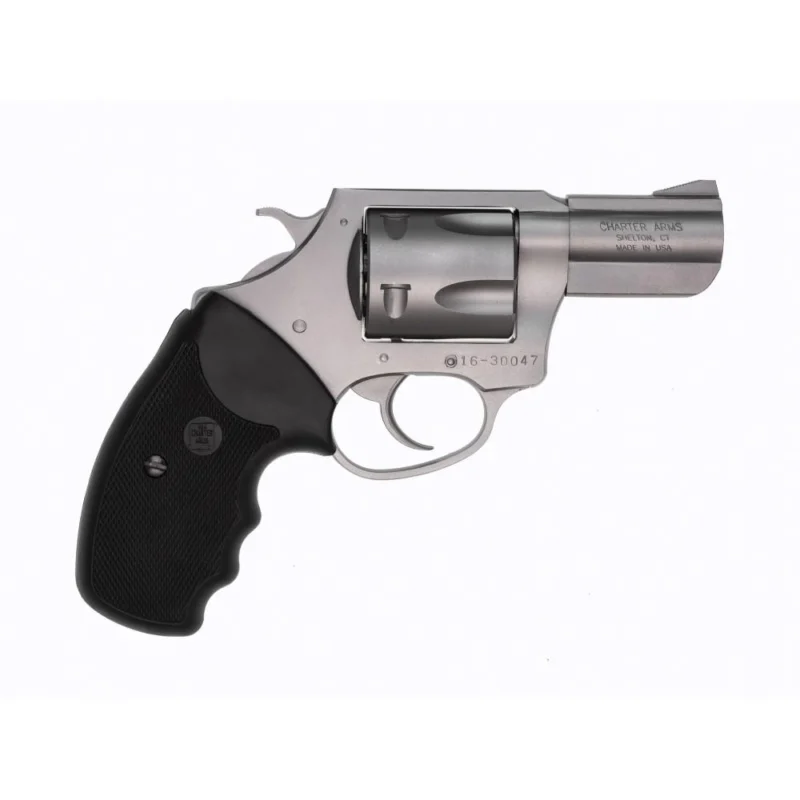

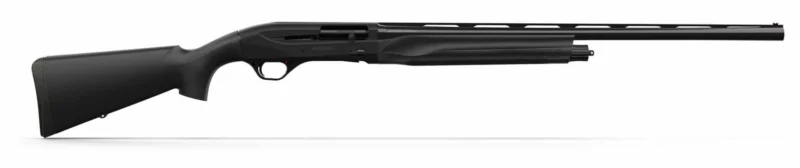


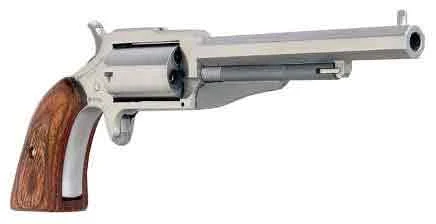


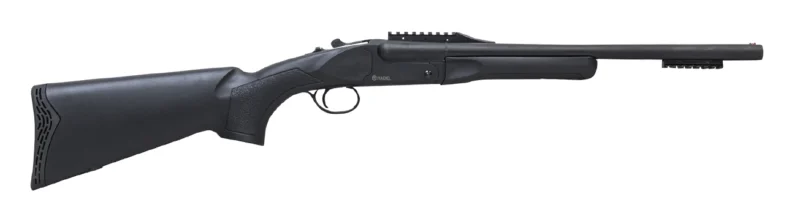


Tenney Industries supports:


Tenney Industries Gallery


WHAT OUR CUSTOMER SAY


Very knowledgeable and conscientious. Jake will do right by you. A++ business! If you are into hunting or firearms for any other reason you won't be disappointed.

Great guy to deal with and very knowledgeable goes above and beyond for the customer.

Great Gun Shop in West Michigan! Jake and his team are very helpful! Good amount of inventory and if he doesn’t have it, he will get it quickly!


I've purchased my share of tools from a variety of stores in different states but have had the best experience and fastest service at tennys. Very friendly and the guy knows his stuff. I recommend you check him out for all your 2a needs.


I've done a lot of business with Jake here over the past couple of years. He does a great job on repairs and can get Firearms at low prices. He also has a pretty decent inventory of used Firearms of All Sorts as well as Scopes and red dots. He stands behind his work and is an all-around great guy knows a lot!

Knowledgeable and trustworthy. Appreciate having a guy like Jake in the area for gun and ammo needs

You will not find a better guy to do business with. This little shop has just about anything you need. If he don’t have it on the shelf he can get it. This is exactly what Ludington needed.

I have used Tenneys as an FFL, as a gun smith, and have purchased many guns from the gun store side of the business…. It’s been flawless and professional service every time, He is a joy to talk to and his gun knowledge is in matched, Jake goes out of his way to make sure all of your firearms needs are met, it’s an awesome small town gun store. I always look forward to going back.


Jake helped us with a third party transfer of my father's vintage rifle. Friendly and knowledgeable.


Had Jake order a gun for me. Gun came in fast, was able to purchase at a great price in only a few days. Top notch service!
my cerakote looks awesome great guy with tons of knowledge and great customer service
jake did a very professional job threading a barrel and doing some cerakote for me. he's reasonably priced and quick with turnaround times (very rare with gunsmiths)
Core Principles of Safe Firearm Handling from a Gun Shop in Southfield, MI
When it comes to firearm ownership, safety is the foundation. Whether you are a new gun owner or have years of experience, adhering to essential safety principles is crucial for preventing accidents and fostering responsible ownership.
- Always assume a firearm is loaded, even if you’ve just checked it.
- Perform physical and visual inspections to confirm the condition of the firearm.
- This reduces accidental discharges caused by reflexive actions or mishandling.
Never Point a Firearm at Anything You Do Not Intend to Destroy with a Local Gun Store in Southfield, MI
Be Sure of Your Target and What Lies Beyond It When You Buy Guns in Southfield, MI
- Identify your target clearly before firing, taking into account what lies behind it in case your bullet penetrates or misses entirely.
- Consider surroundings (e. g. , walls, bystanders) that may pose risks in real-world scenarios.
Additional Safety Practices at the Best Gun Store in Southfield, MI
- Use trigger locks for added security.
- Ensure ammunition is stored separately from firearms.
- Teach family members about firearm safety principles.
- Stress that firearms should never be treated as toys.
- Familiarize yourself with laws regarding storage requirements, transportation regulations, and concealed carry permits in your area.
- Never handle a firearm under the influence of substances that impair judgment.
Safe Handling Checklist for Gun Dealers in Southfield, MI
Safety Check Action Is the firearm unloaded? Verify by removing the magazine and inspecting both chamber & barrel Muzzle pointed safely? Confirm muzzle direction; away from people & unintended targets Trigger discipline observed? Keep finger off trigger unless prepared to shoot Target identified? Know your target & what lies beyond By consistently practicing these principles and encouraging others around you to do so, you create an environment where safety takes precedence over everything else during firearm ownership and use.
Why Formal Firearm Training Is Important with the Best Gun Shops in Southfield, MI When Visiting the Best Gun Stores in Southfield, MI
Owning a firearm is a significant responsibility, and proper training ensures that individuals handle firearms safely, effectively, and lawfully. While it may be tempting to rely on self-teaching or informal instruction from friends or family, formal firearm training brings numerous benefits that cannot be overstated.
Benefits of Formal Training from a Firearms Store in Southfield, MI
- Professional training programs emphasize the critical importance of firearm safety, reducing the risk of accidents at home, on the range, or in public.
- Certified instructors teach proper handling techniques such as muzzle discipline and trigger awareness.
- Laws governing firearms vary by jurisdiction. Formal training often includes education on applicable laws related to ownership, transport, concealed carry permits (if applicable), and self-defense principles.
- Misunderstanding or ignorance of firearm laws can have legal consequences; comprehensive instruction helps mitigate these risks.
- Instructors focus on posture, grip, sight alignment, and trigger control to ensure accurate shooting while minimizing physical strain or bad habits.
- Courses often include drills for improving reaction time and situational awareness under stress.
- Training courses often simulate real-world scenarios to prepare participants for emergencies such as home defense situations.
- Hands-on exercises build confidence in decision-making during high-pressure situations.
- Familiarity with a firearm leads to greater confidence in its use—whether for recreational shooting or self-defense purposes.
- Proper training fosters responsible behavior and reduces fear associated with handling a potentially dangerous tool.
Types of Firearm Training Available at an Arms Store in Southfield, MI
Type of Training Description Basic Safety Courses Introduces safe handling practices for beginners. Concealed Carry Classes Focuses on carrying firearms in public settings (where lawful). Defensive Shooting Courses Teaches techniques for home defense or personal protection scenarios. Advanced Tactical Training Designed for experienced shooters looking to refine skills under stressors. How to Choose a Reputable Program for Gun Stores Around Me
When selecting a formal training program:
– Look for certified instructors affiliated with recognized organizations like the NRA (National Rifle Association), USCCA (United States Concealed Carry Association), or local law enforcement agencies. – Ensure the curriculum aligns with your goals (e. g. , learning basic safety versus advanced defensive tactics).
– Read reviews from past attendees and verify instructor credentials before enrolling.Formal firearm training empowers owners with the knowledge they need to operate firearms responsibly while instilling a strong foundation of safety practices meant to protect themselves and those around them.
Why Formal Firearm Training Is Important
Owning a firearm comes with significant responsibility, and formal training is a critical step in ensuring safe ownership. Proper training goes beyond basic handling; it equips owners with the knowledge, skills, and mindset to use firearms responsibly and effectively.
1.Enhances Safety for You and Others
- Proper training helps reduce the risk of accidents by teaching safe handling practices.
- Learning safe storage methods minimizes the risk of unauthorized access, especially in homes with children.
2.Teaches Legal Responsibilities
- Formal instruction includes an overview of laws regarding firearm ownership, transportation, and use.
- Self-defense laws and justifiable use of force.
- Restrictions on carrying firearms in certain areas (e. g. , schools or government buildings).
- Avoiding legal issues ensures responsible ownership within the boundaries of local regulations.
3.Builds Proficiency Through Practice
- Firearms are tools requiring technical skill to operate effectively.
- Proper grip, stance, and aiming techniques.
- Loading, unloading, clearing malfunctions safely.
- Repeated practice leads to better accuracy and comfort when using your firearm.
4.Prepares You for High-Stress Situations
- In moments of high stress or danger, untrained individuals may panic or make mistakes.
- Training teaches situational awareness and decision-making under pressure.
- Simulations or drills help prepare for real-life scenarios (e. g. , home defense).
- Familiarity with your firearm boosts confidence during critical moments.
Table: Benefits of Firearm Training with a Gunsmith Near Me
Aspect Benefit Safety Reduces accidental discharge risks Legal Knowledge Ensures compliance with local laws Technical Skills Improves accuracy and operational confidence Stress Management Helps maintain composure in dangerous situations 5.Encourages a Responsible Mindset
- Proper training fosters respect for firearms as powerful tools rather than objects of entertainment.
- Reinforces ethical considerations regarding when (and when not) to use them.
- Encourages ongoing learning, such as refresher courses or advanced skills workshops.
Practical Tips When Selecting a Training Program
If you’re considering formal training: 1. Research certified instructors or reputable organizations offering courses tailored to your needs (e. g. , beginner safety vs. advanced tactical skills). 2. Look for programs that combine classroom instruction with range practice for hands-on learning. 3. Ensure instructors are experienced professionals who emphasize both safety and practical application.
Investing time in quality training not only ensures safer firearm usage but also provides peace of mind knowing you’re well-prepared to handle your responsibilities as a gun owner responsibly.
Understanding Common Firearm Categories in Handgun Stores in Southfield, MI
Before purchasing or handling a firearm, it is essential to understand the different categories of firearms and their distinct purposes. This knowledge helps ensure that you select the right type of firearm for your needs, whether for self-defense, hunting, sport shooting, or collecting. Below is an overview of common firearm categories and their characteristics.
Handguns
Handguns are compact firearms designed to be operated with one hand, making them a popular choice for self-defense and concealed carry purposes.
Key Types of Handguns: – Revolvers:- Feature a rotating cylinder that holds multiple rounds (typically 5-7). – Reliable and simple to operate. – Limited ammunition capacity compared to semi-automatic pistols.Semi-Automatic Pistols:- Use magazines to feed ammunition into the chamber automatically. – Offer higher capacity (e. g. , 10–15 rounds on average). – Require more frequent cleaning and maintenance due to complexity.
Rifles
Rifles are long-barreled firearms designed for precision at longer ranges. They are commonly used for hunting, target shooting, and competitive shooting events.
Key Features:- Longer barrel length increases accuracy over distance. – Fired from the shoulder using two hands for stability.
Types of Rifles: – Bolt-action rifles:- Known for precision; widely used in hunting and long-range shooting sports. – Manually operated bolt mechanism requires cycling after each shot.Semi-automatic rifles:- Automatically chamber the next round after firing without manual action. – Popular among recreational shooters for faster follow-up shots.
Shotguns
Shotguns are versatile firearms often used in hunting (especially birds), home defense, and sports like skeet or trap shooting. They fire shells containing shot (small pellets) or slugs (single projectiles).
Key Features:- Smoothbore barrels designed to spread projectiles over a wide area. – Effective at close ranges but less accurate at long distances.
Common Types of Shotguns:1.Pump-action shotguns:- Require manual cycling by pumping the fore-end between shots. – Durable with relatively few mechanical issues. 2.Semi-automatic shotguns:- Automatically load subsequent rounds after firing but require regular maintenance due to potential fouling from residue.
Shotgun Use Case Ideal Application Pump-action shotgun Home defense Semi-auto shotgun Clay target sports Over/under shotgun Precision hunting/skeet shooting Specialized Firearms
- Compact automatic weapons firing pistol-caliber cartridges; primarily used by law enforcement/military rather than civilians in most jurisdictions.
- Typically non-functional or historic pieces sought by collectors rather than active users.
- Non-powder firearms using compressed air; ideal for beginners or practice in controlled environments.
Understanding these firearm categories equips you with foundational knowledge critical in selecting the most appropriate firearm based on your objectives while adhering to local regulations regarding ownership and use.
Routine Firearm Care and Maintenance for Retail Gun Stores in Southfield, MI
Proper firearm care and maintenance are vital for ensuring the longevity, reliability, and safety of your firearm. Neglecting routine care can lead to malfunctions that could compromise safety or performance. This section provides an overview of practical steps for maintaining your firearm effectively.
The Importance of Routine Maintenance
- Safety: A clean and properly maintained firearm reduces the risk of malfunctions, such as misfires or jams.
- Performance: Debris buildup can impact accuracy, making regular cleaning essential for precision shooting.
- Longevity: Proper care prevents corrosion and wear, extending the life of your firearm.
Key Tools Needed for Firearm Maintenance
Having the right tools ensures you can clean and maintain your firearm without causing damage.
Tool/Item Purpose Cleaning Rods To remove debris from the barrel Patches For applying solvent or oil Bore Brushes To scrub away carbon buildup Cleaning Solvent To break down fouling and residue Lubricating Oil To reduce friction on moving parts Microfiber Cloths For wiping surfaces clean Cotton Swabs Useful for cleaning hard-to-reach areas Steps for Cleaning a Firearm
- Unload the firearm entirely.
- Double-check to ensure there is no ammunition in the chamber or magazine.
- Follow the specific instructions in the manufacturer’s manual for disassembling your firearm into its major components.
- Attach a patch soaked in solvent to your cleaning rod.
- Run it through the barrel several times to loosen fouling.
- Use a bore brush if needed to remove stubborn residue.
- Wipe down internal parts with a cloth dampened with solvent.
- Use cotton swabs to reach tight spaces where carbon may accumulate.
- Look for signs of wear, rust, or damage on all parts after cleaning.
- Apply a small amount of oil to moving parts and surfaces subject to friction. Avoid over-lubricating, as excess oil can attract debris over time.
- Follow instructions from the manual when reassembling components.
Storing Your Firearm After Maintenance
- Store firearms in a cool, dry location with controlled humidity levels when possible to prevent rusting.
- Use a gun safe or lockable storage case designed specifically for firearms.
- Consider using silica gel packs within your safe to absorb moisture.
When Professional Help is Needed
While routine cleaning can be handled at home, certain scenarios call for professional assistance: – If you notice excessive wear or damage that might compromise function. – For deep cleaning involving complex disassembly beyond basic maintenance guidelines.
Proper care not only ensures that firearms operate reliably but also reflects responsible ownership practices that prioritize safety above all else.