


Welcome to Tenney Industries


FEATURED PRODUCTS


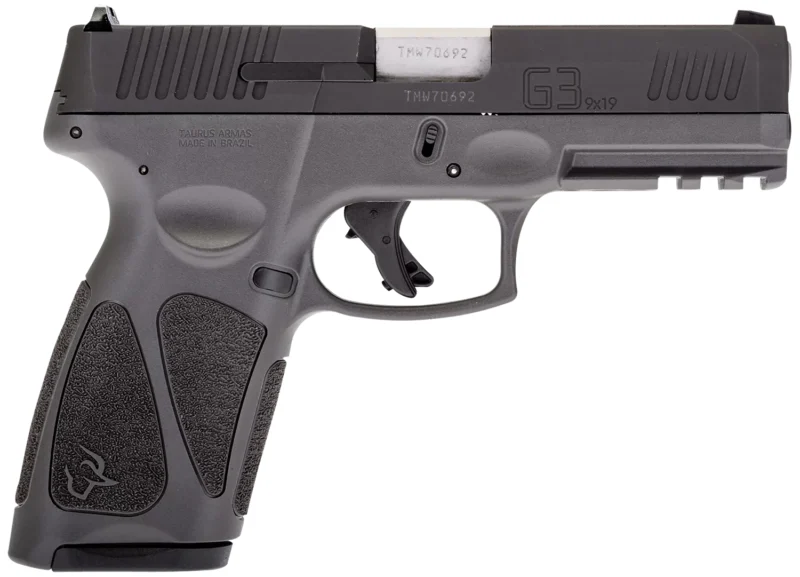

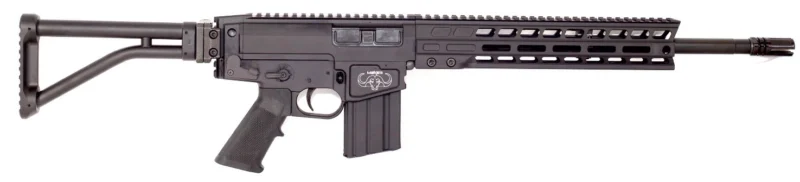


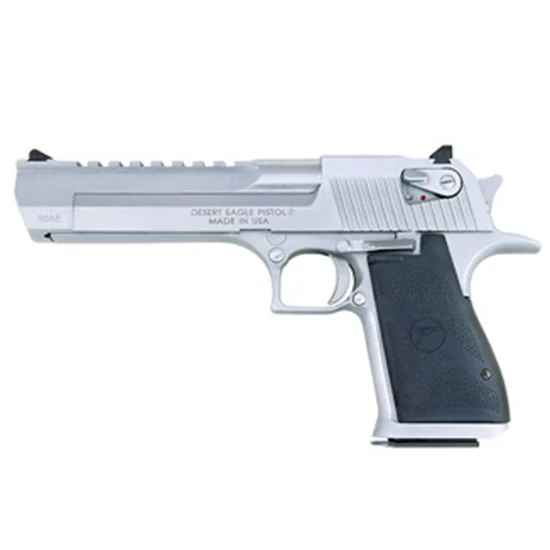


Tenney Industries supports:


Tenney Industries Gallery


WHAT OUR CUSTOMER SAY


Very knowledgeable and conscientious. Jake will do right by you. A++ business! If you are into hunting or firearms for any other reason you won't be disappointed.

Great guy to deal with and very knowledgeable goes above and beyond for the customer.

Great Gun Shop in West Michigan! Jake and his team are very helpful! Good amount of inventory and if he doesn’t have it, he will get it quickly!


I've purchased my share of tools from a variety of stores in different states but have had the best experience and fastest service at tennys. Very friendly and the guy knows his stuff. I recommend you check him out for all your 2a needs.


I've done a lot of business with Jake here over the past couple of years. He does a great job on repairs and can get Firearms at low prices. He also has a pretty decent inventory of used Firearms of All Sorts as well as Scopes and red dots. He stands behind his work and is an all-around great guy knows a lot!

Knowledgeable and trustworthy. Appreciate having a guy like Jake in the area for gun and ammo needs

You will not find a better guy to do business with. This little shop has just about anything you need. If he don’t have it on the shelf he can get it. This is exactly what Ludington needed.

I have used Tenneys as an FFL, as a gun smith, and have purchased many guns from the gun store side of the business…. It’s been flawless and professional service every time, He is a joy to talk to and his gun knowledge is in matched, Jake goes out of his way to make sure all of your firearms needs are met, it’s an awesome small town gun store. I always look forward to going back.


Jake helped us with a third party transfer of my father's vintage rifle. Friendly and knowledgeable.


Had Jake order a gun for me. Gun came in fast, was able to purchase at a great price in only a few days. Top notch service!
my cerakote looks awesome great guy with tons of knowledge and great customer service
jake did a very professional job threading a barrel and doing some cerakote for me. he's reasonably priced and quick with turnaround times (very rare with gunsmiths)
The Most Important Rules of Firearm Safety from the Best Gun Store in Saline, MI from a Gun Shop in Saline, MI
When it comes to firearms, safety is the foundation upon which all responsible ownership and use are built. Following established safety rules can prevent accidents, protect lives, and ensure a positive experience for everyone involved. Below, we’ll break down the core principles of firearm safety into clear and actionable guidelines.
The Four Cardinal Rules of Firearm Safety When You Buy Guns in Saline, MI
- Even if you believe a firearm is unloaded, always handle it with caution. Never make assumptions—treating every weapon as “live” reinforces vigilance.
- The muzzle should always remain directed in a safe direction, ensuring no person or valuable property ever becomes an unintended target.
- Rest your finger along the frame or outside the trigger guard until you’ve made a conscious decision to shoot. This minimizes accidental discharges caused by reflex or distraction.
- Understand not only your intended target but also what is behind and around it in case of missed shots or bullet over-penetration.
Additional Essential Safety Practices for a Firearms Store in Saline, MI
- Store firearms securely when not in use
Use safes, lockboxes, or trigger locks to prevent unauthorized access—especially by children or individuals unfamiliar with firearms. - Use proper ammunition
Always confirm that you’re using ammunition compatible with your specific firearm model to avoid malfunctions or damage. - Wear appropriate protective gear
Ensure you’re equipped with ear and eye protection when shooting to prevent injuries from noise exposure and flying debris.
Key Habits for Safe Transport from an Arms Store in Saline, MI
- Unload all firearms before transport.
- Store ammunition separately from the firearm during travel.
- Place firearms in secured cases designed for transportation.
- Be mindful of local laws regulating how firearms must be transported in vehicles (e.g., locked trunk storage).
Safe Practices Unsafe Practices Keeping firearms unloaded when stored Leaving loaded weapons accessible Using dedicated storage solutions Storing guns casually (e.g., bedside) Regularly inspecting for obstructions before use Skipping pre-handling checks By taking these precautions seriously, new and experienced gun owners alike can significantly reduce risks while fostering safe habits.
Why Consistency Matters in Gun Stores Around Me
Firearm safety isn’t something practiced selectively; it’s a mindset that must be maintained every time you interact with a gun. Consistency ensures that even under stress or unexpected circumstances, you can rely on established habits to guide your actions responsibly.
The Most Important Rules of Firearm Safety
Firearm safety is the cornerstone of responsible gun ownership. Whether you are a seasoned enthusiast or new to firearms, adhering to basic safety principles helps protect yourself, others, and your community. Below, we explore the foundational rules that every firearm owner should know and follow consistently.
Treat Every Firearm as if it is Loaded with Gun Dealers in Saline, MI
This rule applies at all times, regardless of whether you’ve checked the firearm’s chamber or magazine. By treating every firearm as loaded:
– You develop a habit of respect towards firearms. – You reduce the risk of unintentional discharge due to complacency.Tip: Before doing anything with a firearm—cleaning, handling, or passing it to someone else—always verify its status first.
Never Point a Firearm at Anything You Do Not Intend to Destroy with the Best Gun Stores in Saline, MI
Always be aware of where your firearm is aimed. Whether you’re on the range or at home:
– Keep the muzzle pointed in a safe direction. – A “safe direction” ensures that even an accidental discharge cannot cause injury or damage. – Use this principle when holstering, removing from storage, or handing off.Remember: This rule applies even when you think the gun is unloaded.
Keep Your Finger Off the Trigger Until Ready to Shoot with the Best Gun Shops in Saline, MI
Many accidental discharges happen because fingers touch triggers prematurely. To prevent this:
– Always rest your trigger finger along the frame/receiver until you are ready to fire. – Develop muscle memory by practicing proper trigger discipline during training.Be Sure of Your Target and What Is Beyond It with Handgun Stores in Saline, MI
Understanding your surroundings before firing is crucial. Confirm:
1. Your Target: What are you aiming at? Is it safe and appropriate?
2. Beyond Your Target: What lies behind it? Bullets can travel through targets or miss entirely—ensure there’s no person or valuable property in harm’s way.Practical Considerations for Hunting and Range Practice: Use backstops and clearly identify boundaries in designated shooting areas.
Reinforcing Safety Through Practice at Retail Gun Stores in Saline, MI
Rules mean little if they aren’t practiced regularly. Incorporate these habits into every interaction with firearms: 1. Regular Training Sessions: Reinforce these safety principles through drills under supervision when necessary. 2. Share Knowledge: If introducing someone new to firearms (e.g., family members), ensure they understand these rules before handling any weapon. 3. Visual Reminders at Home/Range: Safety posters or placards reinforce principles for everyone present.
By internalizing these key rules, you foster not only personal safety but also help create a culture that prioritizes responsibility among fellow owners and enthusiasts alike.
Understanding Firearm Laws and Responsibilities with a Gun Dealer in Saline, MI
When it comes to firearm ownership, understanding the legal landscape and acting responsibly are fundamental. Firearms laws can vary widely depending on your location, so it’s critical to familiarize yourself with regulations at the federal, state, and local levels. Below are key aspects to keep in mind.
Federal vs. State Laws for a Gun Store Near Me
- Govern overarching policies like background checks, interstate transfers of firearms, and restrictions on certain types of firearms or attachments (e.g., fully automatic weapons).
- The Bureau of Alcohol, Tobacco, Firearms, and Explosives (ATF) enforces these laws and provides guidance for compliance.
- Include requirements such as permits for concealed carry, waiting periods for purchases, magazine capacity limits, and registration requirements.
- Some states have “stand-your-ground” or “castle doctrine” laws that address self-defense rights. Others enforce stricter policies around when force can be used in self-defense scenarios.
It’s essential to research both sets of rules thoroughly because even if you comply with federal law, a misunderstanding of your state’s requirements could result in severe consequences.
Necessary Permits and Licenses for Gun Shops Near Me
- Ownership Permits (if required by your state) may include background checks or mandatory safety courses before you’re approved to legally acquire a firearm.
- Concealed Carry Permits (CCP) allow individuals to carry a concealed firearm in public spaces but often require training courses or live-fire testing before issuance.
- Open Carry Regulations differ greatly across states—some permit open carry without special licensing while others prohibit it entirely in certain settings.
Ensure that any applicable licenses remain valid by renewing them on time.
Type of License/Permit Purpose Common Requirements Examples Where Required Firearm Ownership Permit Legal acquisition Background check; age restrictions California Concealed Carry Permit Public concealed carry Training course; range proficiency Texas Open Carry Permission Public open carry None (in some states); varies widely Virginia Safe Storage Laws for Handguns Near Me
- Some states mandate secure storage methods (e.g., gun safes) when minors are present in the household.
- Trigger locks may be required as an added safety measure.
- Neglecting safe storage laws could result not only in accidents but also legal penalties if someone gains unauthorized access to your firearm.
Responsibilities Beyond Legal Compliance for Gun Dealers Near Me
- Prevent Unauthorized Access: Ensure that firearms remain out of reach from children or individuals who might misuse them.
- Educate Yourself Continuously: Stay informed about new legislation or updates impacting gun ownership rights.
- Use Judiciously: Recognize that owning a firearm bears significant responsibility—use it only when legally justified.
- Respect Private Property Rules: Businesses may establish their own policies regarding firearms on their premises; honor these decisions regardless of local laws permitting public carry.
Staying Up-to-Date with a Gunsmith Near Me
- Reviewing updates from trusted organizations such as ATF websites or NRA resources.
- Attending community seminars focused on legal education related to firearms.
- Subscribing to newsletters about changes affecting your area specifically.
Understanding firearm laws is not just about compliance—it’s about cultivating respect for the broader community while safeguarding individual rights responsibly. Investing time into legal knowledge ensures safer practices and confident ownership choices over time without unnecessary risks stemming from misinformation or neglectful behavior.
Routine Cleaning, Inspection, and Maintenance at a Local Gun Store in Saline, MI for Guns for Sale in Saline, MI
Proper cleaning, inspection, and maintenance of firearms are essential steps in ensuring their longevity, reliability, and safety. A well-maintained firearm functions as designed and reduces the risk of malfunctions that can lead to accidents or failures during use. This section provides a guide on how to approach these tasks effectively.
Why Routine Maintenance Matters with
Neglecting firearm upkeep can result in several issues:
– Corrosion: Rust and moisture can damage the firearm’s components.
– Malfunctions: Accumulated debris or fouling can impede proper functioning.
– Accuracy Degradation: Residue buildup can affect barrel performance, reducing precision over time.Regular maintenance not only helps avoid these problems but also ensures your firearm is ready when needed.
Essential Tools for Cleaning and Maintenance
Tool/Item Purpose Cleaning Rods For removing debris from the barrel Bore Brushes (Bronze/Soft Nylon) To remove fouling inside barrels without damaging the rifling Cleaning Patches For applying solvent and wiping residue from barrels Solvent Dissolves powder residues, carbon buildup, and other contaminants Gun Oil or Lubricant Prevents rust while ensuring smooth operation of moving parts Microfiber Cloth Wipes down external surfaces to remove fingerprints and moisture Investing in a good-quality cleaning kit tailored to your specific firearm model can make the process smoother.
Step-by-Step Guide to Routine Firearm Cleaning
- Double-check that the chamber is empty before proceeding with any maintenance tasks.
- Remove any ammunition from your workspace entirely.
- Refer to your user manual for instructions on safely disassembling your specific model.
- Avoid excessive disassembly beyond recommended levels.
- Attach an appropriate bore brush to a cleaning rod. Dip it lightly in solvent.
- Run it through the barrel multiple times, loosening residues.
- Follow up with clean patches until they come out spotless.
- Use a microfiber cloth with solvent to clean non-barrel parts like slides, frames, or magazines (as applicable).
- Look for signs of wear such as cracks or unusual looseness in springs or pins.
- Lubricate moving joints lightly; avoid over-lubricating since it can attract dirt.
- Once cleaned and lubricated, reassemble carefully following manufacturer guidelines.
- Perform a quick function check to ensure everything moves smoothly without resistance.
Tips for Storage After Maintenance
- Store firearms in dry environments with minimal exposure to humidity or temperature fluctuations.
- Use silica gel packs or dehumidifiers in gun safes to prevent corrosion.
- Apply protective oil coatings if you anticipate long periods of storage.
Routine care doesn’t just preserve reliability; it reinforces familiarity with your firearm’s mechanics while promoting responsible ownership habits—key aspects of being a conscientious gun owner.
Routine Cleaning, Inspection, and Maintenance
Proper maintenance of a firearm is an essential responsibility for any gun owner. Regular cleaning, inspection, and upkeep not only ensure the longevity of your firearm but also enhance its reliability and safety. This section provides a step-by-step guide to maintaining your firearms effectively, along with practical tips to simplify the process.
Why Is Routine Maintenance Important?
- Reliability: Dirt, residue, or moisture buildup can interfere with the mechanics of your gun.
- Safety: A poorly maintained firearm may malfunction at critical moments.
- Longevity: Routine care prevents corrosion and wear over time.
- Performance: Clean firearms deliver better accuracy and smoother operation.
Tools and Supplies You’ll Need
Tool/Supply Purpose Cleaning Rod or Bore Snake Removes debris from the barrel Patches Absorbs solvents and removes dirt Cleaning Solvent Dissolves carbon and powder residue Gun Oil/Lubricant Protects against rust; ensures smooth action Nylon Brush Cleans components without damaging metal Microfiber Cloth Wipes down exterior surfaces clean Always consult your firearm’s manual for specific guidance on tools recommended by the manufacturer.
Step-by-Step Guide to Cleaning Your Firearm
- Double-check that your firearm is unloaded. Remove any ammunition from the workspace.
- Inspect the chamber, magazine well, and barrel visually to confirm they’re clear.
- Disassemble your firearm according to the instructions in its manual.
- Lay out all parts neatly on a clean surface.
- Attach a patch soaked in cleaning solvent to a bore snake or rod.
- Run it through the barrel several times to remove fouling (residue left by ammunition).
- Follow up with dry patches until they come out clean.
- Use a nylon brush dipped in solvent to scrub small parts like slides or bolts carefully.
- Wipe away residue with patches or microfiber cloths.
- Apply a small amount of gun oil/lubricant to moving parts such as slide rails or triggers.
- Avoid over-lubricating; excess oil can attract dirt.
- Reassemble your firearm according to its manual instructions.
- Perform basic function tests (e.g., cycling the action) without live ammunition.
Inspection Checklist
- Signs of corrosion or rust on metal surfaces
- Cracks in polymer parts or grips
- Loose screws or pins that might need tightening
- Wear on moving components (e.g., springs)
Addressing these early ensures safe operation every time you use your firearm.
How Often Should You Clean?
- After Every Use: Especially if you shoot frequently at ranges; powder residue accumulates quickly during firing sessions.
- Monthly: Even if unused, check stored firearms for dust accumulation or humidity-related corrosion.
- Annually: Perform deep inspections alongside regular maintenance for long-term storage firearms.
Storing Maintenance Tools
Keep cleaning supplies organized in a toolbox dedicated solely to this purpose. Label items clearly for easy access during future sessions.
By making routine care part of your ownership habits, you’ll enjoy peace of mind knowing that your firearm is always ready when needed — safely and reliably.