


Welcome to Tenney Industries


FEATURED PRODUCTS

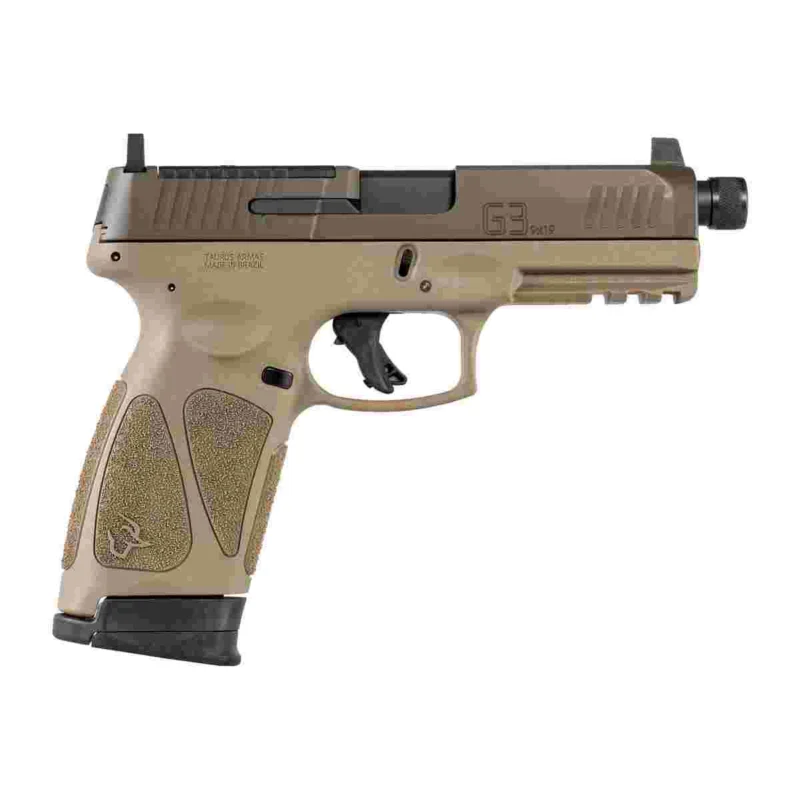

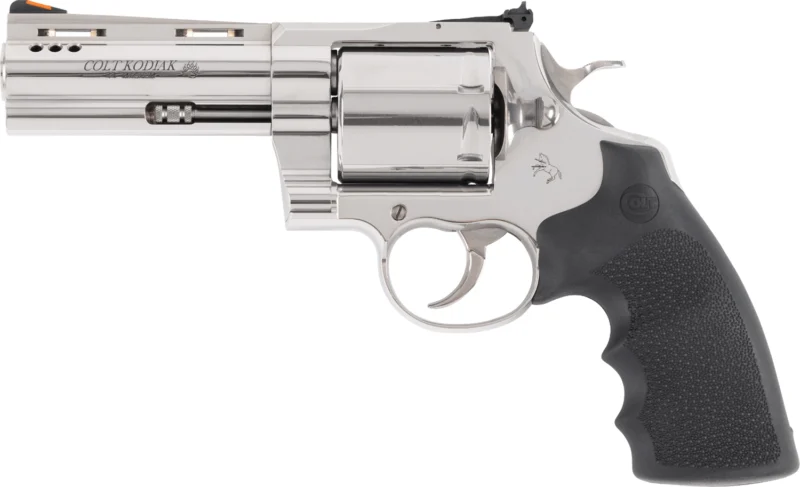
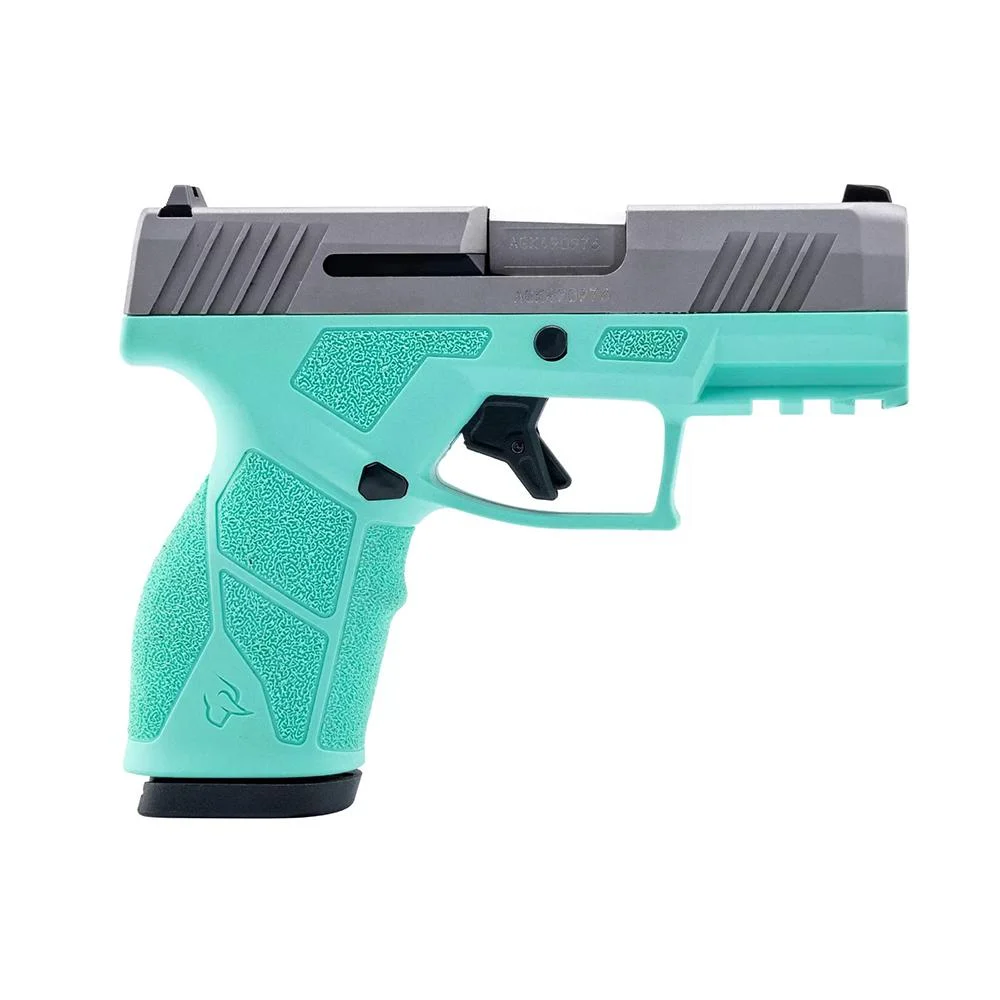






Tenney Industries supports:


Tenney Industries Gallery


WHAT OUR CUSTOMER SAY


Very knowledgeable and conscientious. Jake will do right by you. A++ business! If you are into hunting or firearms for any other reason you won't be disappointed.

Great guy to deal with and very knowledgeable goes above and beyond for the customer.

Great Gun Shop in West Michigan! Jake and his team are very helpful! Good amount of inventory and if he doesn’t have it, he will get it quickly!


I've purchased my share of tools from a variety of stores in different states but have had the best experience and fastest service at tennys. Very friendly and the guy knows his stuff. I recommend you check him out for all your 2a needs.


I've done a lot of business with Jake here over the past couple of years. He does a great job on repairs and can get Firearms at low prices. He also has a pretty decent inventory of used Firearms of All Sorts as well as Scopes and red dots. He stands behind his work and is an all-around great guy knows a lot!

Knowledgeable and trustworthy. Appreciate having a guy like Jake in the area for gun and ammo needs

You will not find a better guy to do business with. This little shop has just about anything you need. If he don’t have it on the shelf he can get it. This is exactly what Ludington needed.

I have used Tenneys as an FFL, as a gun smith, and have purchased many guns from the gun store side of the business…. It’s been flawless and professional service every time, He is a joy to talk to and his gun knowledge is in matched, Jake goes out of his way to make sure all of your firearms needs are met, it’s an awesome small town gun store. I always look forward to going back.


Jake helped us with a third party transfer of my father's vintage rifle. Friendly and knowledgeable.


Had Jake order a gun for me. Gun came in fast, was able to purchase at a great price in only a few days. Top notch service!
my cerakote looks awesome great guy with tons of knowledge and great customer service
jake did a very professional job threading a barrel and doing some cerakote for me. he's reasonably priced and quick with turnaround times (very rare with gunsmiths)
Understanding What Firearms Are and How They Are Classified at the Best Gun Store in Rochester, MI
Firearms are an integral part of many cultures and serve various purposes, including personal protection, recreational shooting, hunting, and competitive sports. To fully understand firearms and their safe use, it’s essential to grasp their basic structure, function, and classification.
What is a Firearm from a Local Gun Store in Rochester, MI
A firearm is any device designed to launch a projectile using the force generated by rapidly expanding gases from burning propellant (such as gunpowder).
- Action: The mechanism that loads, fires, and ejects cartridges. Common types include bolt-action, lever-action, pump-action, revolver mechanisms, and semi-automatic or automatic systems.
- Barrel: The tube through which the projectile travels. Rifles and handguns have rifled barrels (spiral grooves inside for stabilizing projectiles), while shotguns typically have smooth barrels.
- Stock/Grip: The part held by the shooter for stability during firing.
- Trigger Assembly: Used to initiate the firing sequence.
Major Classifications of Firearms to Consider When Looking to Buy Guns in Rochester, MI
Firearms can be classified in several ways based on their design features or intended use.
- Handguns: Compact firearms designed for one-handed use. These include pistols (semi-automatic) and revolvers.
- Long Guns: Larger firearms requiring two hands for operation. Examples include rifles and shotguns.
- Manual Actions:
- Bolt-action: Requires manual manipulation of a bolt to load a round into the chamber.
- Lever-action: Uses a lever beneath the trigger guard to cycle rounds.
- Pump-action: Involves sliding a fore-end piece back and forth to operate.
- Semi-Automatic: Fires one round per trigger pull while automatically reloading the next round.
- Fully Automatic/Select-Fire: Can fire continuously as long as the trigger is pressed (often restricted by law).
- Hunting firearms: Designed specifically for taking game animals; often single-shot or bolt-action rifles or shotguns.
- Target/Competition firearms: Precision-engineered guns for accuracy in shooting sports.
- Defensive firearms: Handguns or shotguns optimized for personal security.
Classification Criteria Examples Size Handguns (pistols/revolvers), rifles Action Bolt-action, semi-auto Purpose Hunting vs Defensive Common Subcategories in a Firearms Store in Rochester, MI
- Rifles can be categorized further into assault rifles (select-fire military arms) versus civilian semi-auto sporting models.
- Shotgun variations include single-shot break-open models versus repeating pump-actions.
Understanding how firearms are classified helps ensure greater awareness when purchasing or discussing them within legal frameworks. This knowledge lays an important foundation for responsible ownership practices such as safe handling techniques introduced in later sections of this guide.
Important Firearm Safety Principles to Know When Visiting Retail Gun Stores in Rochester, MI from a Gun Shop in Rochester, MI
When handling firearms, safety should always be the top priority. Proper firearm safety practices help prevent accidents, protect lives, and ensure responsible ownership. Below are key principles every firearm owner and user should know and apply consistently.
- Double-check the chamber and magazine before considering it safe.
- Be conscious of people, pets, or objects nearby that could be harmed.
- This reduces accidental discharges during handling or repositioning.
- Identify your target clearly before firing.
Additional Safety Guidelines for the Best Gun Stores in Rochester, MI
- Use Appropriate Safety Gear
Invest in protective equipment such as: - Eye protection (to safeguard against debris or casing ejections)
- Ear protection (to reduce noise exposure from gunfire)
- Store Firearms and Ammunition Separately
Keep firearms unloaded and ammunition stored in separate secure locations when not in use to minimize risks, especially with children present. - Regularly Inspect Firearms for Maintenance Issues
A clean and properly maintained firearm is less likely to malfunction. Check for signs of wear or damage that may compromise safety. - Know Local Laws About Transporting Firearms
Familiarize yourself with transportation laws specific to your jurisdiction to avoid legal complications.
Common Mistakes to Avoid When Looking for the Best Gun Shops in Rochester, MI
Mistake Why It’s Dangerous Safer Alternative Pointing a gun at others while cleaning Can result in accidental discharge Always point muzzle in a safe direction Relying solely on mechanical safeties Mechanical parts can fail Follow all four fundamental rules Failing to unload before storing Increased risk of unintentional injury Unload firearms completely Teaching Safety to Others with Handgun Stores in Rochester, MI
- Start by reviewing basic rules thoroughly.
- Use dummy rounds or training aids for demonstrations.
- Supervise beginners closely during their first handling experiences.
By adhering strictly to these principles, you ensure not only your own safety but also that of those around you. Remember that responsible ownership begins with understanding how crucial proper handling is at all times.
Important Firearm Safety Principles
Ensuring firearm safety is paramount for all gun owners, enthusiasts, and those who may handle firearms. Proper adherence to safety principles not only prevents accidents but also fosters a responsible culture around firearms use. Below, we explore key principles to maintain a safe environment when dealing with firearms.
- Never take someone else’s word that the firearm is unloaded; verify it yourself.
- Identify your target fully before shooting.
Additional Safety Tips for Gun Stores Around Me
- Consider using safety devices, such as trigger locks or cable locks, when storing or transporting your firearm.
- Always maintain situational awarenesswhen handling firearms, especially in crowded areas like ranges or hunting grounds.
- Regularly inspect your firearm for functionality issues (such as worn parts), which could cause malfunctions.
Situation Key Practice At Home Store firearms unloaded and securely locked away from children or unauthorized individuals. At a Gun Range Follow range rules and immediately report any unsafe behavior by others. While Hunting Ensure safeties are engaged when walking or climbing obstacles; unload before entering vehicles. Safe Handling Around Others in a Gun Store Near Me
- Communicate clearly with those nearby about whether you have a loaded weapon.
- Avoid consuming alcohol or substances that may impair judgment while handling firearms.
Teaching Safety to New Shooters with Gun Shops Near Me
- Begin with proper education on safety principles before allowing hands-on practice.
- Use clear demonstrations for loading/unloading procedures.
- Start with small calibers (e. g. , . 22) so that beginners can become comfortable without being intimidated by recoil.
Promoting these principles consistently will create safer environments for everyone involved with firearms while reinforcing responsible ownership practices.
Best Practices for Secure Firearm Storage with a Gun Dealer in Rochester, MI
Proper firearm storage is crucial for ensuring safety, preventing unauthorized access, and preserving the functionality of your firearms over time. Following best practices for secure storage not only demonstrates responsible gun ownership but also minimizes the risk of accidents or theft.
Why Secure Storage Matters for Handguns Near Me
- Prevents Unauthorized Access: Ensures that children, visitors, or unauthorized individuals cannot handle firearms.
- Reduces Risk of Accidents: Prevents unintentional discharge and related injuries.
- Theft Prevention: Proper storage safeguards against theft and keeps firearms out of the wrong hands.
- Legal Compliance: Many jurisdictions require specific firearm storage measures to comply with local regulations.
Types of Secure Storage Options from Gun Dealers Near Me
There are several options available for storing firearms securely. Selecting the right one depends on your needs, firearm type, and available space.
Storage Type Description Best For Gun Safes Heavy-duty safes designed to hold multiple firearms with locking mechanisms. Long-term storage and high-security needs. Gun Cabinets Lighter than safes but still provide decent security. Often come with locks. Medium security in controlled environments. Trigger Locks Devices that block the trigger from being engaged. Preventing accidental discharge when not in use. Cable Locks Run through the action to prevent loading or firing. Affordable option for basic safety precautions. Lockable Cases Portable cases with locks; some are TSA-approved for travel. Traveling with firearms or short-term storage. Key Considerations for Secure Gun Storage with a Gunsmith Near Me
- Ensure only authorized individuals can unlock or access stored firearms.
- Use biometric safes or combination locks if multiple users need access.
- Choose a safe or case with moisture-resistant lining to prevent rust and corrosion.
- Use silica gel packs or dehumidifiers inside safes to control humidity.
- If possible, invest in a gun safe that offers protection against fire and water damage.
- Secure larger safes by bolting them to floors or walls to prevent tampering during theft attempts.
- Familiarize yourself with local regulations regarding firearm storage requirements where you reside.
Tips for Everyday Safe Practices
- Always store ammunition separately from firearms unless immediate access is necessary (e. g. , law enforcement professionals).
- Regularly inspect locks and mechanisms on your storage solutions to ensure they function properly.
- Educate every household member about firearm safety rules even if they do not have direct access to stored guns.
- Keep keys, combinations, or biometric access information confidential at all times.
By following these best practices, you create a safer environment both inside your home and within your community while maintaining the care required for proper firearm ownership responsibilities.
Understanding Ammunition and Caliber Basics When Searching for Guns for Sale in Rochester, MI
Ammunition is a critical component of firearm use, and understanding its composition, function, and classification is essential for both safety and effectiveness. This section provides an overview of ammunition basics and delves into the concept of caliber to help firearm users make informed decisions regarding their equipment.
The Components of Ammunition
- Bullet: The projectile that exits the firearm barrel to hit the intended target. Bullets come in various shapes, sizes, and materials depending on their purpose (e. g. , target shooting or hunting).
- Casing: The container that holds all the other components together. Casings may be made of brass, steel, or aluminum.
- Primer: A small ignition device located at the base of the casing. When struck by the firing pin, it creates a spark to ignite the gunpowder.
- Gunpowder (Propellant): The chemical substance that burns rapidly when ignited, producing gases that propel the bullet out of the barrel.
How Caliber is Measured
The term “caliber” refers to the internal diameter of a firearm’s barrel or the diameter of its bullet. It is typically measured in inches (e. g. , . 45 caliber) or millimeters (e. g. , 9mm). Understanding caliber helps users select compatible ammunition for their firearms and can also provide insight into performance characteristics like recoil and stopping power.
Caliber Common Firearms Applications .22LR Rifles, handguns Plinking, small game hunting 9mm Semi-automatic pistols Self-defense, law enforcement .45 ACP Semi-automatic pistols Self-defense .308 Winchester Bolt-action rifles Hunting medium-to-large game 12-gauge Shotguns Hunting birds/small game; home defense Matching Ammunition to Firearm
Using the correct caliber ammunition for your firearm is essential for safety and functionality.
- Always check your firearm’s barrel or owner’s manual for specified calibers.
- Avoid using hand-loaded or improperly stored ammunition unless you are experienced with reloading.
- Never attempt to fire ammunition with physical defects such as dents in casings or corroded material.
Differences in Bullet Types
Bullets are designed with specific purposes in mind.
- Full Metal Jacket (FMJ): Ideal for target practice due to minimal expansion upon impact.
- Hollow Point: Expands upon impact for maximum energy transfer; suitable for self-defense.
- Soft Point: Offers controlled expansion; often used in hunting scenarios.
- Armor-Piercing: Designed to penetrate hardened surfaces but may be restricted in some regions.
Storing Ammunition Safely
- Store ammo in cool, dry environments away from extreme heat or moisture.
- Use lockable containers to prevent unauthorized access by children or unauthorized individuals.
- Label containers clearly with caliber details if you stock multiple types.
Understanding these fundamentals ensures responsible use while promoting safe practices surrounding firearms ownership and operation.