


Welcome to Tenney Industries


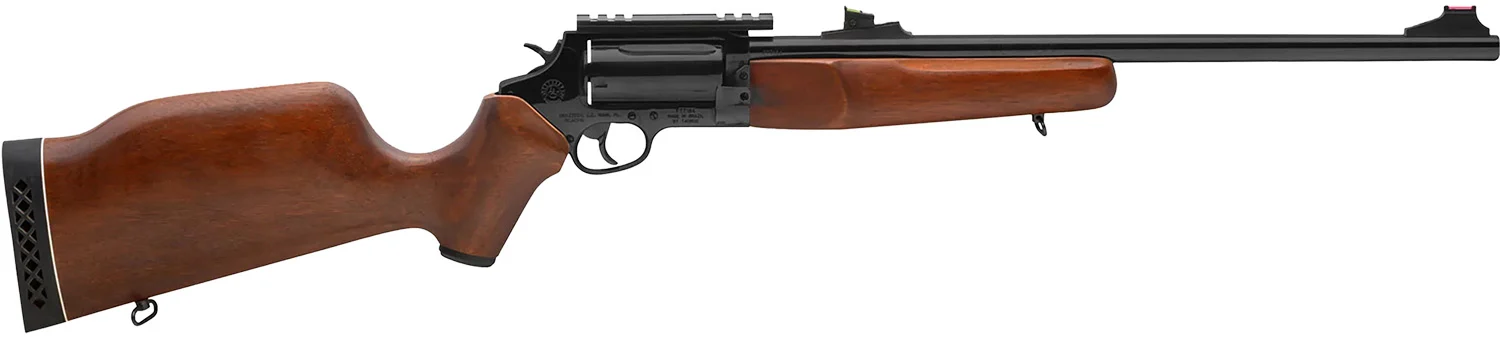
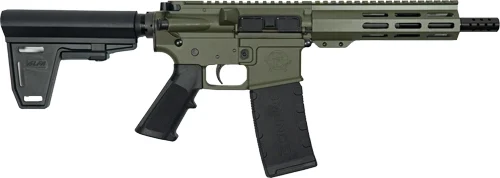
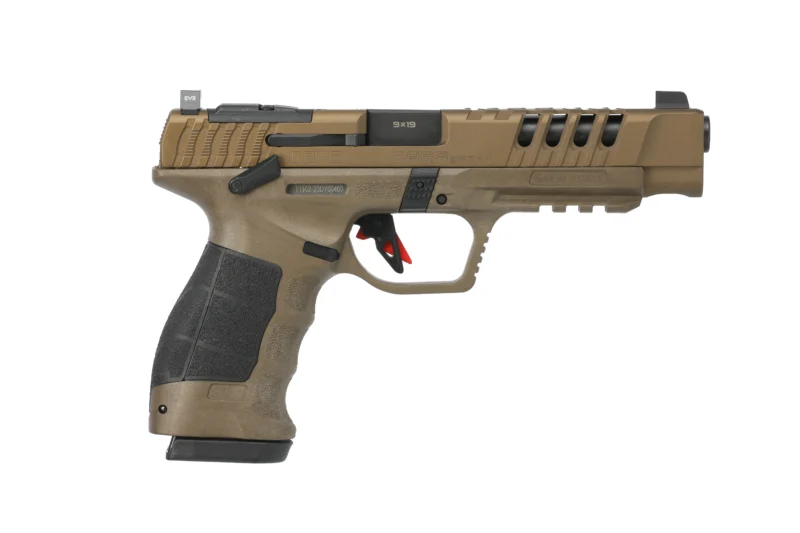
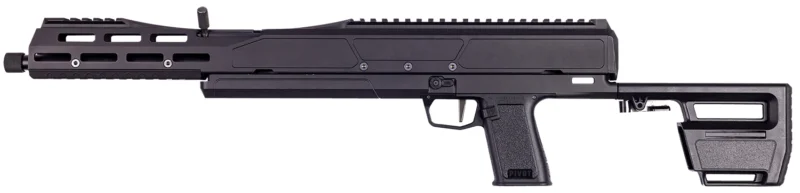
FEATURED PRODUCTS



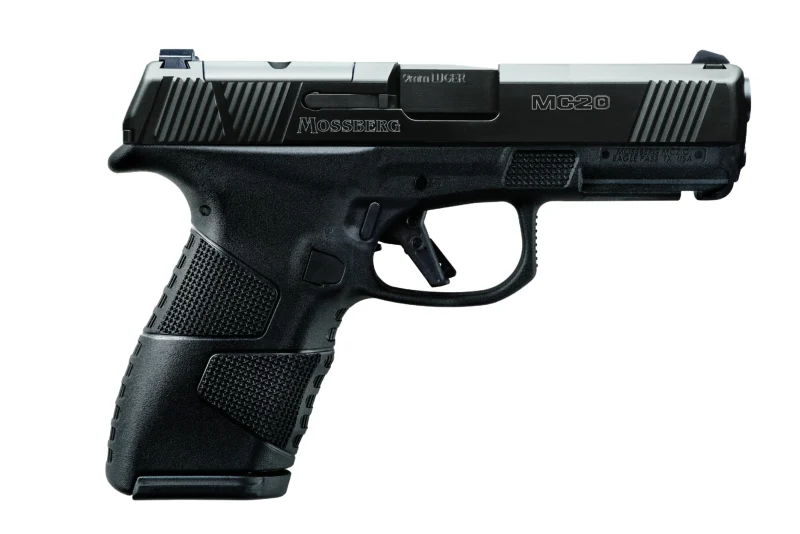
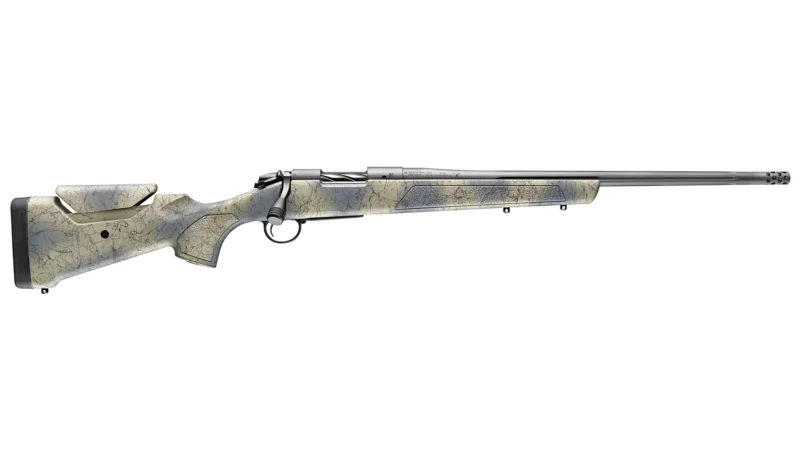


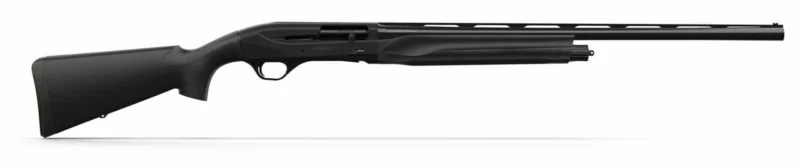
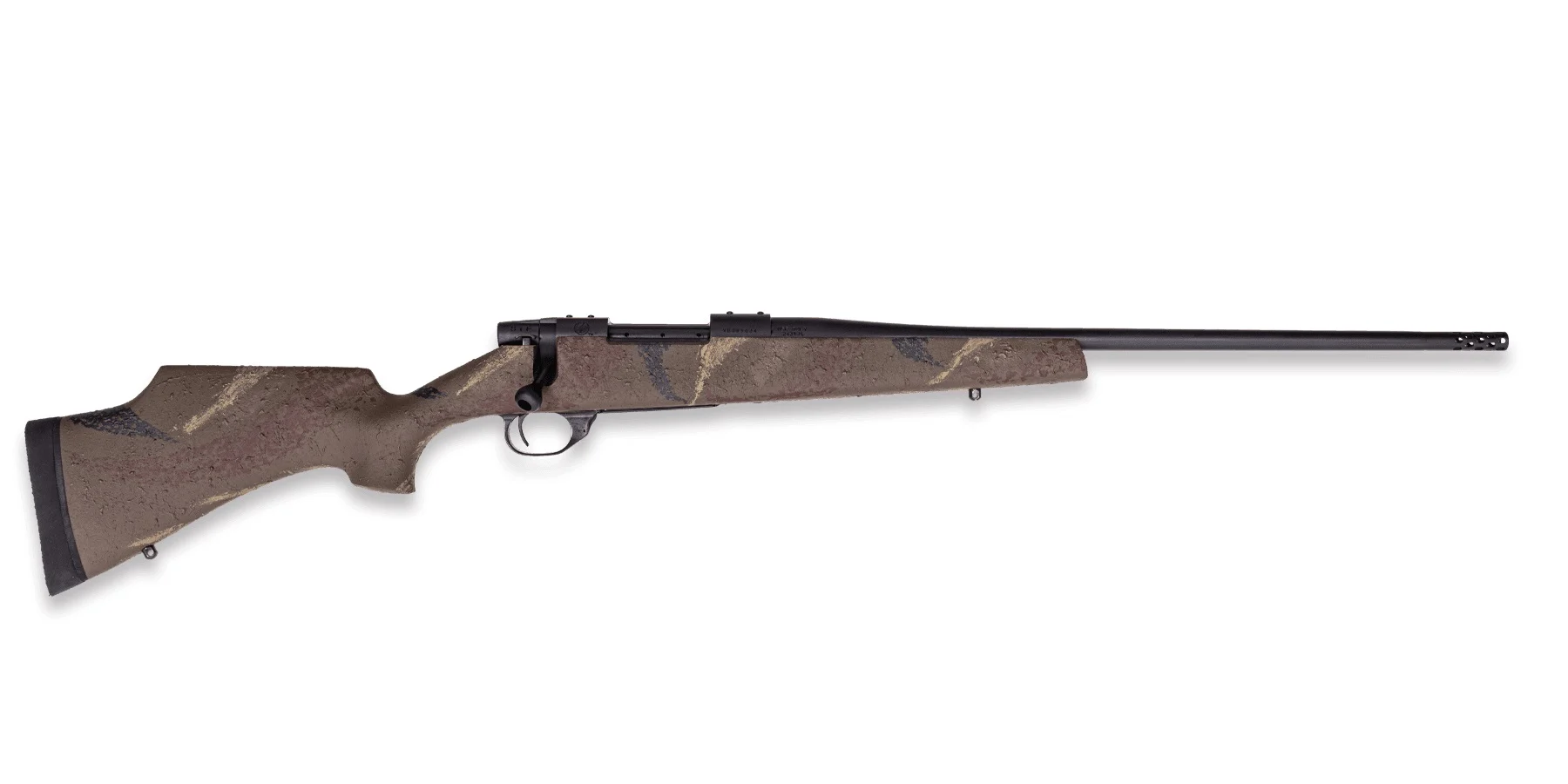


Tenney Industries supports:


Tenney Industries Gallery


WHAT OUR CUSTOMER SAY


Very knowledgeable and conscientious. Jake will do right by you. A++ business! If you are into hunting or firearms for any other reason you won't be disappointed.

Great guy to deal with and very knowledgeable goes above and beyond for the customer.

Great Gun Shop in West Michigan! Jake and his team are very helpful! Good amount of inventory and if he doesn’t have it, he will get it quickly!


I've purchased my share of tools from a variety of stores in different states but have had the best experience and fastest service at tennys. Very friendly and the guy knows his stuff. I recommend you check him out for all your 2a needs.


I've done a lot of business with Jake here over the past couple of years. He does a great job on repairs and can get Firearms at low prices. He also has a pretty decent inventory of used Firearms of All Sorts as well as Scopes and red dots. He stands behind his work and is an all-around great guy knows a lot!

Knowledgeable and trustworthy. Appreciate having a guy like Jake in the area for gun and ammo needs

You will not find a better guy to do business with. This little shop has just about anything you need. If he don’t have it on the shelf he can get it. This is exactly what Ludington needed.

I have used Tenneys as an FFL, as a gun smith, and have purchased many guns from the gun store side of the business…. It’s been flawless and professional service every time, He is a joy to talk to and his gun knowledge is in matched, Jake goes out of his way to make sure all of your firearms needs are met, it’s an awesome small town gun store. I always look forward to going back.


Jake helped us with a third party transfer of my father's vintage rifle. Friendly and knowledgeable.


Had Jake order a gun for me. Gun came in fast, was able to purchase at a great price in only a few days. Top notch service!
my cerakote looks awesome great guy with tons of knowledge and great customer service
jake did a very professional job threading a barrel and doing some cerakote for me. he's reasonably priced and quick with turnaround times (very rare with gunsmiths)
Essential Firearm Safety and Responsibility Tips from a Gun Shop in River Rouge, MI
Firearm ownership is a significant responsibility that requires adherence to strict safety principles. Whether you are a seasoned gun owner or new to firearms, understanding the importance of safety practices is essential to prevent accidents, ensure personal protection, and contribute to the well-being of your community. Below are key guidelines every gun owner should follow to maintain a culture of safety and responsibility.
Essential Firearm Safety Tips from Gun Dealers in River Rouge, MI
- Always assume that a firearm is loaded, even if you are confident it is not.
- Avoid pointing the muzzle at anything you do not intend to shoot.
- Ensure you have identified your target clearly.
- Understand what lies behind your target; bullets can penetrate objects and cause unintended harm.
- Always rest your trigger finger outside the trigger guard until you have acquired your target.
- This reduces the likelihood of accidental discharge caused by reflexes or distractions.
Understanding Responsibility When Visiting the Best Gun Stores in River Rouge, MI
- Learning Local Laws: Stay informed about federal, state, and local regulations regarding carrying, purchasing, or transferring firearms.
- Regular Training: Attend training courses regularly to stay proficient in handling and shooting firearms safely under various conditions.
- Routine Maintenance: Perform regular cleaning and maintenance checks on all firearms in your possession to ensure they function properly.
Essential Tips for Safe Firearm Ownership from the Best Gun Shops in River Rouge, MI
- Invest in Proper Storage Solutions: Use safes or lockboxes with biometric locks or keypad access for secure storage.
- Educate Household Members: Teach family members about firearm safety rules but restrict unsupervised access.
- Use Safety Accessories: Incorporate options like trigger locks or chamber flags when storing unused firearms.
Situation Recommended Action Visiting Public Places Understand local concealed carry policies Hunting Wear appropriate protective gear At Home Store ammunition separately from firearms The Importance of Education in Handgun Stores in River Rouge, MI
Firearm safety education minimizes risks associated with firearm misuse and promotes responsible behavior among gun owners. By staying informed about best practices through resources such as certified instructors or reputable organizations like the NRA (National Rifle Association) or NSSF (National Shooting Sports Foundation), individuals can help foster safer communities.
Firearms can serve as tools for sport, protection, or tradition when used responsibly; however, neglecting their potential dangers can lead to irreversible consequences. Taking proactive measures toward safe ownership ensures that guns remain reliable instruments rather than sources of harm within society.
Essential Gun Safety Tips from the Best Gun Store in River Rouge, MI
Gun safety is a fundamental responsibility for every firearm owner. Whether you’re a seasoned gun enthusiast or a first-time buyer, adhering to basic safety principles protects both yourself and those around you. Below are the six foundational gun safety rules that every firearm owner should know and follow diligently.
Safety Tips for Visiting Retail Gun Stores in River Rouge, MI
The first rule of firearm safety is to always assume that a gun is loaded, even if you believe it isn’t. This mindset helps eliminate careless handling and ensures you approach every firearm with the seriousness it warrants.
– Never rely solely on mechanical safety features or visual inspections to determine a gun’s status. – Always double-check the chamber and magazine of a firearm before handling.Responsible Practices from a Gun Dealer in River Rouge, MI: Keep Your Finger Off the Trigger Until Ready to Shoot
Accidental discharges often occur when fingers are placed on triggers prematurely. Developing discipline in trigger control is critical:
– Place your finger along the side of the frame above the trigger guard until your sights are aligned with your target. – This rule minimizes unnecessary risks when handling firearms in any environment.Essential Safety Tips When Handling Guns for Sale in River Rouge, MI
A key component of responsible gun ownership involves controlling where your weapon is pointed at all times:
– Always keep the muzzle directed away from people, pets, or valuables. – Use safe muzzle practices when transferring firearms or navigating through tight spaces.Safety Tips When Visiting a Local Gun Store in River Rouge, MI
It’s vital not only to aim correctly but also to understand what lies beyond your target:
– Identify your target with absolute certainty—failing to do so could result in accidents or unintended harm. – Be mindful of areas behind or near your target that could be impacted by accidental overpenetration.Considerations for Your Target Area Questions to Ask What’s behind my target? Could there be people, animals, or property? Is my backdrop solid and safe? Will it stop projectiles effectively? Are there potential ricochet risks? Could stray rounds cause unintended damage? How to Buy Guns in River Rouge, MI and Store Them Safely
Proper storage reduces unauthorized access and accidental use:
– Invest in secure storage solutions such as gun safes, lockboxes, or trigger locks. – Unload firearms before storing them, separating ammunition from the weapon itself whenever possible.Educate Yourself Continuously About Gun Safety at a Firearms Store in River Rouge, MI
Gun technology evolves, as do best practices in firearm handling:
– Take refresher courses on firearm safety at regular intervals. – Stay informed about local laws concerning safe handling and storage requirements.By committing these six essential rules to memory and practice, firearm owners will cultivate habits that prioritize safety above all else. Responsible ownership isn’t just about protecting yourself—it’s about creating an environment where accidents are minimized through vigilance and preparation.
Responsibilities Every Firearm Owner Must Prioritize at an Arms Store in River Rouge, MI
Ensuring the safety of children around firearms is one of the most critical responsibilities for any gun owner. Proper understanding, storage, and communication are essential to prevent accidents and foster a safer environment. Below, we explore key responsibilities every firearm owner must prioritize when it comes to children.
Assess Your Home Environment
Children are naturally curious, which increases the risk of accidental firearm discharge if guns are not properly stored or managed. As a responsible firearm owner, you should regularly assess your home environment for potential risks.
- Are firearms securely stored and completely inaccessible to children?
- Are ammunition and firearms stored separately?
- Have you educated your children about the dangers of improperly handling firearms?
Secure Storage Practices
- Use Gun Safes: A high-quality gun safe with a combination lock or biometric access prevents children from gaining access to firearms.
- Trigger Locks: These devices physically block the trigger mechanism, making it impossible for a firearm to discharge.
- Store Ammunition Separately: Always keep ammunition in a locked container, separate from firearms.
- Hidden Storage Locations: Even with safeguards in place, avoid placing firearms in obvious areas such as drawers or closets.
Storage Solution Description Pros Cons Gun Safes Heavy-duty safes designed for guns Highly secure; tamper-proof Expensive Trigger Locks Devices attached to gun triggers Affordable; easy to use Must be used alongside other methods Lockboxes Portable secured containers Compact; travel-friendly Less durable than full-sized safes Ammunition Boxes Containers specifically for ammo Prevents unauthorized use Requires separate purchase Education and Communication
Open communication with children about guns can demystify their presence while helping them understand the importance of safety.
- Teach Respect for Firearms: Explain that guns are tools designed for specific purposes (e.g., hunting or self-defense) but can cause harm if mishandled.
- Set Clear Rules: Establish household rules regarding firearm interaction—such as never touching a gun without adult supervision.
- Answer Questions Honestly: Children may be curious about firearms. Offer age-appropriate explanations and avoid fostering fear or fascination.
Supervision and Monitoring
- Ensure that all visitors who bring firearms into your home follow your safety rules.
- Monitor children’s behavior closely during outdoor activities like hunting or range practice.
- Regularly check that all safety devices (safes, locks) remain functional over time.
Leading by Example
- Never leave loaded firearms unattended.
- Always point barrels in a safe direction.
- Maintain proper muzzle discipline during cleaning or inspection tasks.
By prioritizing these responsibilities, gun owners can create an environment where safety is paramount while reducing risks associated with owning firearms in homes shared with children.
Safe Storage Laws and Devices: Keeping Your Firearms Secure
Proper firearm storage is a critical responsibility for any gun owner. Ensuring that firearms are securely stored not only prevents unauthorized access but also reduces the risk of accidents, theft, or misuse. Adhering to safe storage laws and utilizing reliable storage devices are essential steps to safeguarding lives and property.
Overview of Safe Storage Laws
- Unloaded Firearm Storage: Many jurisdictions require firearms to be stored unloaded when not in use.
- Secured Storage Requirements: Laws often mandate the use of locking devices or secure containers, such as safes or lockboxes.
- Access Restrictions: In households with minors or prohibited individuals (such as convicted felons), laws may impose stricter requirements on how firearms are stored.
- Liability for Negligence: Some states hold gun owners criminally liable if a firearm is accessed by an unauthorized person due to improper storage.
It is crucial for gun owners to research and comply with the specific regulations in their state or locality.
Types of Firearm Storage Devices
- Heavy-duty safes built to store multiple firearms
- Equipped with combination locks, digital keypads, or biometric scanners
- Provides excellent protection against theft and unauthorized access
- Compact and portable secure containers
- Ideal for single handguns or smaller firearms
- May include keyed locks, combination locks, or biometric systems
- Inexpensive devices that fit around a firearm’s trigger mechanism
- Prevents accidental discharge but does not secure the entire weapon
- Utilized by running a cable through the firearm’s action
- Affordable option for basic security needs
- Concealed solutions for homes where quick access is desired
- Often features additional lock mechanisms for safety
Device Type Security Level Portability Cost Range Gun Safes High Low $$$$ Lockboxes Moderate High $$ Trigger Locks Low High $ Cable Locks Low High $ Wall-Mounted Moderate Moderate $$ Best Practices for Storing Firearms
- Store firearms unloaded at all times when not in immediate use.
- Keep ammunition in a separate locked container away from firearms.
- Place safes or lockboxes in discreet locations that are out of reach of children and visitors.
- Regularly inspect storage devices for signs of wear or malfunction.
- Educate household members about firearm safety rules without revealing exact storage locations.
Balancing Security With Accessibility
While secure storage is paramount, gun owners must also consider accessibility in emergency situations where self-defense may be necessary. Biometric safes offer an excellent balance between rapid access and security by allowing authorized users (e.g., via fingerprint recognition) to unlock them quickly while restricting others.
Investing in high-quality storage devices not only ensures compliance with safe storage laws but also reflects a commitment to responsible gun ownership. Proactive measures can prevent tragedies and contribute to safer communities overall.
Teaching Kids About Guns: Building a Culture of Safety and Responsibility
Educating children about firearms is a critical responsibility for gun owners. By fostering a culture of safety and responsibility, parents and guardians can ensure that children develop healthy respect for firearms while understanding their potential dangers. Here’s how you can approach this delicate yet important topic.
Start with Age-Appropriate Education
- Young Children (Ages 4–7): Emphasize simple rules like, “If you see a gun, don’t touch it – tell an adult immediately.”
- Older Children (Ages 8–12): Introduce basic firearm safety concepts, such as never pointing a gun at anyone and treating every firearm as if it’s loaded.
- Teenagers (13+): Gradually involve them in more detailed discussions about firearm mechanics, safe handling practices, and the responsibilities tied to ownership.
Core Lessons to Teach Kids About Firearms
- Guns Are Not Toys: Explain the difference between real firearms and toy guns. Reinforce the seriousness of handling real weapons.
- Stop, Don’t Touch, Leave, Tell: The Eddie Eagle GunSafe® program outlines these steps for children who encounter firearms unattended.
- Safe Handling Practices: For older kids or teenagers learning about guns under supervision:
- Always point the muzzle in a safe direction.
- Keep fingers off the trigger until ready to shoot.
- Only handle firearms under adult supervision.
Open Communication Is Key
Avoid creating an air of mystery around guns—it often piques curiosity in unsafe ways. Instead: – Be honest when answering questions about firearms and their purpose. – Use clear language to explain why safety is non-negotiable. – Encourage your child to share concerns or ask questions without fear of judgment.
Supervised Firearm Training for Teens
For teenagers who show interest in learning to use firearms responsibly: – Enroll them in certified shooting programs or hunter safety courses. – Provide hands-on training at a licensed range under strict adult supervision. – Teach them how to follow range rules and proper etiquette when using shared spaces.
Topic Key Takeaways Age-Based Education Tailor lessons based on developmental stages Basic Safety Rules Stop-Tell principles; always treat guns as loaded Training Opportunities Certified courses or supervised range practice Safe Storage Practices: Setting an Example
Children learn by observing adults’ behavior. Demonstrate responsible storage practices: – Use locking safes or gun cases that are inaccessible to unauthorized users. – Store ammunition separately from firearms. – Avoid leaving weapons unattended under any circumstances.
By integrating these educational steps into your household routines, families can build a strong foundation rooted in firearm safety and accountability. Teaching kids about guns doesn’t just prevent accidents; it empowers them with knowledge that helps create safer communities overall.