


Welcome to Tenney Industries


FEATURED PRODUCTS



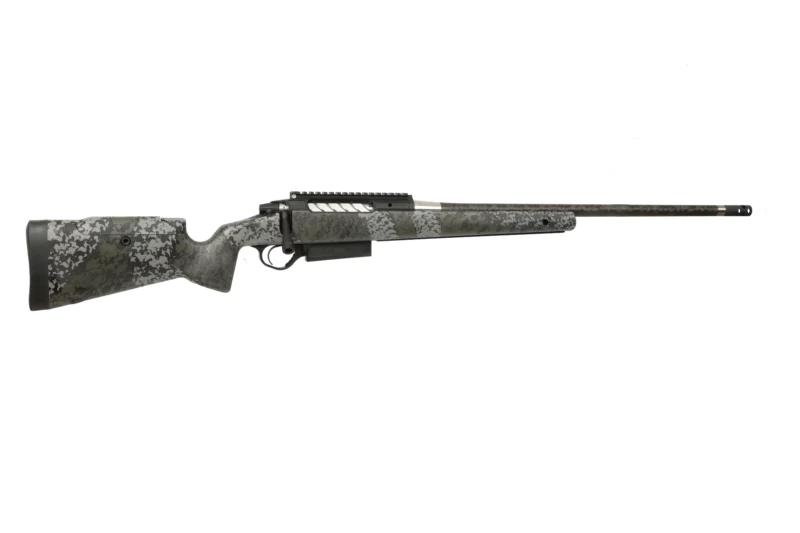

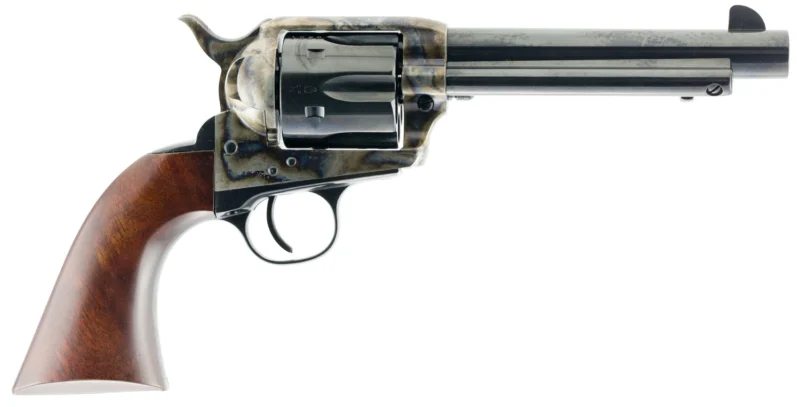
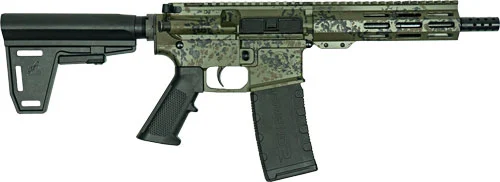


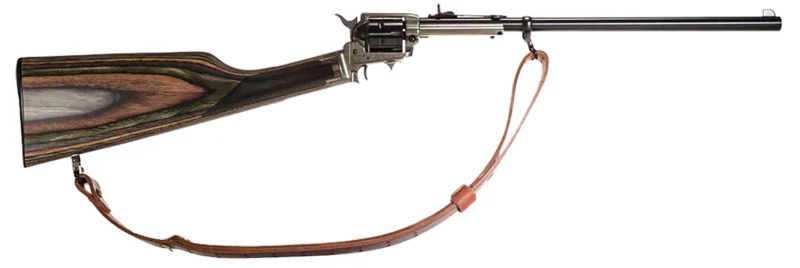




Tenney Industries supports:


Tenney Industries Gallery


WHAT OUR CUSTOMER SAY


Very knowledgeable and conscientious. Jake will do right by you. A++ business! If you are into hunting or firearms for any other reason you won't be disappointed.

Great guy to deal with and very knowledgeable goes above and beyond for the customer.

Great Gun Shop in West Michigan! Jake and his team are very helpful! Good amount of inventory and if he doesn’t have it, he will get it quickly!


I've purchased my share of tools from a variety of stores in different states but have had the best experience and fastest service at tennys. Very friendly and the guy knows his stuff. I recommend you check him out for all your 2a needs.


I've done a lot of business with Jake here over the past couple of years. He does a great job on repairs and can get Firearms at low prices. He also has a pretty decent inventory of used Firearms of All Sorts as well as Scopes and red dots. He stands behind his work and is an all-around great guy knows a lot!

Knowledgeable and trustworthy. Appreciate having a guy like Jake in the area for gun and ammo needs

You will not find a better guy to do business with. This little shop has just about anything you need. If he don’t have it on the shelf he can get it. This is exactly what Ludington needed.

I have used Tenneys as an FFL, as a gun smith, and have purchased many guns from the gun store side of the business…. It’s been flawless and professional service every time, He is a joy to talk to and his gun knowledge is in matched, Jake goes out of his way to make sure all of your firearms needs are met, it’s an awesome small town gun store. I always look forward to going back.


Jake helped us with a third party transfer of my father's vintage rifle. Friendly and knowledgeable.


Had Jake order a gun for me. Gun came in fast, was able to purchase at a great price in only a few days. Top notch service!
my cerakote looks awesome great guy with tons of knowledge and great customer service
jake did a very professional job threading a barrel and doing some cerakote for me. he's reasonably priced and quick with turnaround times (very rare with gunsmiths)
Core Principles of Safe Firearm Handling at the Best Gun Store in Pontiac, MI at a Gun Shop in Pontiac, MI
Responsible firearm ownership begins with understanding and practicing the core principles of safe firearm handling. These principles serve as the foundation for minimizing risks and ensuring safety in any environment where firearms are present.
The Four Universal Rules of Firearm Safety for Handgun Stores in Pontiac, MI
- Always assume a firearm is loaded, even if you’ve checked it yourself.
- Never rely on others’ assurances that a gun is unloaded. Verify yourself before handling it further.
- Be aware of where your muzzle is pointing at all times.
- Keep it directed away from people, pets, and valuable property unless you intend to shoot in self-defense or another lawful purpose.
- Understand not only your target but also what lies behind or around it in case of over-penetration or missed shots. This includes walls, buildings, or bystanders that could become unintended victims.
Safe Handling Practices During Various Situations in Retail Gun Stores in Pontiac, MI
- Unload firearms before placing them in vehicles.
- Use lockable carrying cases for added security.
- Ensure ammunition is stored separately when possible.
- Pay attention to range safety rules and instructions from range officers.
- Communicate clearly with others at the range regarding when firearms are loaded or safe.
- Double-check that firearms are unloaded before disassembling them.
- Remove all ammunition from the cleaning area to prevent negligent discharges.
Key Responsibilities of Every Firearm Owner with a Gun Dealer in Pontiac, MI
- Maintenance:Keep firearms clean and in good working order; poorly maintained firearms can malfunction dangerously.
- Respect:Foster a mindset of respect for both your weapon’s power and its potential consequences when mishandled.
Situation Recommended Safety Action Home storage Store unloaded, locked away, with ammo separate Hunting trips Wear blaze orange; know local hunting laws Teaching children Use toy replicas for education; stress no-touch rules By adhering to these principles and committing to lifelong learning about firearm safety, owners demonstrate not only personal responsibility but also care for those around them.
Core Principles of Safe Firearm Handling
Safe firearm handling is a fundamental responsibility for every firearm owner. Proper handling not only reduces the risk of accidental discharges but also ensures the safety of everyone in the immediate environment. By adhering to foundational safety principles, firearm owners can significantly mitigate risks and promote responsible practices.
The Four Cardinal Rules of Firearm Safety When Looking for Guns for Sale in Pontiac, MI
- Treat every firearm as if it is loaded
Always assume that a gun is loaded, even when you believe otherwise. This mindset encourages constant vigilance and careful handling. - Keep your finger off the trigger until ready to shoot
Resting your finger on or near the trigger can result in an accidental discharge. - Never point a firearm at anything you are not prepared to destroy
The direction in which a gun is pointed is critical. - Be sure of your target and what lies beyond it
Before pulling the trigger, ensure that you fully understand what lies within your line of fire, as well as what may be behind it. Bullets can travel considerable distances and cause harm beyond their intended destination.
Consistent Training and Awareness at a Local Gun Store in Pontiac, MI
Handling firearms safely requires ongoing training and situational awareness. A lack of familiarity with proper techniques can increase risks for both novice and experienced owners alike.
- Enroll in professional firearm safety courses: Expert instructors provide hands-on experience, correct unsafe habits, and teach necessary skills for confident use.
- Practice regularly at shooting ranges: Controlled environments offer opportunities to refine skills while adhering to strict safety guidelines.
- Stay informed about new safety practices: Technologies evolve, and so do safer handling techniques; stay updated through reputable sources.
Safe Handling Practices at Home When You Buy Guns in Pontiac, MI
Many accidents occur due to improper handling at home or during cleaning routines.
- When cleaning or maintaining firearms, double-check that they are unloaded before starting.
- Use dummy rounds (snap caps) when practicing loading or dry-firing exercises.
- Store ammunition separately from firearms during maintenance activities to minimize risk.
Common Unsafe Practices Safer Alternatives Handing over a loaded gun Unload before transferring Pointing at non-targets even unintentionally Muzzle always downrange/safe Dry firing without checking chamber Verify unloaded status first By internalizing these principles through practice and education, individuals contribute to creating safer spaces wherever firearms are present.
Understanding Legal Duties and Firearm Regulations at the Best Gun Stores in Pontiac, MI for Gun Dealers in Pontiac, MI
Responsible firearm ownership extends beyond safe handling and storage—it requires a comprehensive understanding of the legal responsibilities tied to owning and using firearms. Laws vary significantly depending on your location, so it’s essential for gun owners to be informed about applicable regulations in their area. Below is a guide to navigating legal duties and firearm regulations effectively.
Key Legal Responsibilities of Firearm Owners from a Firearms Store in Pontiac, MI
- Check if your state or country requires specific permits for firearm ownership.
- Ensure your license is valid and up-to-date; some jurisdictions require periodic renewals or additional training to maintain compliance.
- In many regions, background checks are mandatory before purchasing a firearm.
- Understand the process in your jurisdiction and ensure all paperwork is completed correctly.
- Some areas require firearms to be registered with local or federal authorities.
- Keep proof of registration accessible, as you may need it during inspections or audits.
Transportation Laws for an Arms Store in Pontiac, MI
- Know State Reciprocity Agreements:
If traveling across state lines, research whether your firearm permits are recognized in other states (reciprocity agreements).- Keep the firearm unloaded while in transit unless explicitly allowed by law.
- Store ammunition separately from the firearm.
- Use locked cases or safes during transport to comply with legal storage requirements.
State/Region Recognizes Out-of-State Permits? Special Notes California No Strict transport laws; unloaded firearms must be stored in locked containers. Texas Yes Reciprocity agreements exist with most states New York No Requires specific permits for ownership and transport Prohibited Places for Gun Stores Around Me
- Schools, universities, government buildings (e. g.
- Private businesses that post “No Firearms” signs
- Airports beyond security checkpoints
- Healthcare facilities such as hospitals in many jurisdictions
Understanding Self-Defense Laws with a Gun Store Near Me
- Stand Your Ground vs Duty to Retreat:
Familiarize yourself with whether your state enforces “stand your ground” laws (allowing defensive action without retreating) or if there’s a duty to retreat before using force. - Castle Doctrine: Know if this applies to defending yourself within your home or vehicle.
Keeping Updated on Regulations for Gun Shops Near Me
Laws regarding firearm ownership evolve over time.
- Follow updates from reliable sources like government websites, local law enforcement agencies, or trusted advocacy groups.
- Participate in community forums or workshops focused on responsible gun ownership.
- Enroll in refresher courses that cover changes in legislation and best legal practices.
By thoroughly understanding the legal framework around firearms—whether it involves licensing, transportation rules, restricted areas, or self-defense—you not only ensure compliance but also contribute meaningfully towards safer communities while protecting yourself legally as an owner.
Understanding Legal Duties and Firearm Regulations
Responsible firearm ownership extends beyond safety and storage; it also includes a thorough understanding of legal responsibilities and regulations. Firearm laws and requirements can vary significantly depending on jurisdiction, making it essential for gun owners to stay informed to ensure compliance.
Licensing and Permits
Before purchasing or carrying a firearm, it is crucial to understand the licensing requirements in your area.Background Checks: Most jurisdictions require background checks to assess criminal history or mental health concerns.Firearm Licenses: Some areas require potential owners to obtain a license before buying or possessing a firearm.Concealed Carry Permits: Carrying a concealed weapon typically necessitates additional permits, often requiring safety training courses.
Transportation Regulations for Gun Dealers Near Me
Transporting firearms safely and legally involves adhering to specific rules, which can vary by state or country.Firearms Must Be Unloaded: Transport firearms unloaded, with ammunition stored separately.Use Approved Containers: Secure firearms in locked cases or containers during transport.Understand Crossing State Lines: Research local laws when traveling across state or national borders.
Requirement U.S. Example (Varies by State) Unloaded Firearm Policy Mandatory across most states Ammunition Storage Separate from the firearm in some states Locked Container Mandate Required during vehicle transportation Safe Sale and Transfer Practices with a Gunsmith Near Me
When selling or transferring firearms, ensure compliance with applicable rules:
- Conduct private sales through licensed dealers if required.
- Document the transfer of ownership for accountability.
- Verify that the buyer meets eligibility criteria for firearm possession.
Compliance with Federal Laws
In addition to local regulations, federal laws in countries like the U. S. impose specific requirements:
- The National Firearms Act (NFA): Governs certain types of weapons like silencers or short-barreled rifles.
- The Gun Control Act (GCA): Regulates interstate commerce related to firearms, including licensing standards for sellers.
Staying Informed
Laws are subject to change over time due to new legislation or court decisions. Responsible gun owners should:
- Regularly consult government websites for updates on regulations.
- Join local firearm advocacy groups that provide resources and updates on legal matters.
- Seek legal counsel if unsure about compliance.
By understanding their legal responsibilities, gun owners not only protect themselves from potential penalties but also contribute positively toward fostering trust in responsible firearm ownership practices within their communities.
Promoting Safe and Educated Firearm Ownership with the Best Gun Shops in Pontiac, MI
Promoting safe and educated firearm ownership requires a multifaceted approach that prioritizes safety, ongoing education, and community involvement. Responsible firearm ownership is not only about personal safety but also about fostering a culture of respect and responsibility within society. Below, we explore actionable ways to encourage safe practices and continuous learning in firearm ownership.
Education plays a vital role in ensuring that firearm owners are equipped with the knowledge to handle their weapons safely and confidently.
- Safe handling practices: Understanding how to load, unload, clean, and maintain a firearm properly.
- Recognizing risks: Identifying situations where firearms could pose unintended dangers.
- Emergency response procedures: Knowing how to respond if an accidental discharge or other firearm-related incident occurs.
Firearm education courses offered by certified instructors can provide hands-on training tailored to various skill levels—from beginners to advanced users.
Local community initiatives can raise awareness about the importance of responsible firearm ownership.
- Firearm safety workshops: Free or low-cost sessions that emphasize key safety principles.
- Gun buyback events: Opportunities for individuals who no longer want firearms to dispose of them responsibly.
- Safety campaigns: Public awareness efforts through schools or media platforms to educate families on secure storage techniques.
Collaboration between gun owners, local governments, law enforcement agencies, and non-profit organizations can amplify the impact of these programs.
Proficiency with firearms requires regular practice. Even experienced owners should prioritize ongoing training sessions to refine their skills.
Type of Training Benefits Range Practice Enhances accuracy and familiarity with your weapon Scenario-Based Drills Prepares for real-world self-defense situations Advanced Tactical Training Develops specialized skills for specific purposes By staying engaged with regular training opportunities, owners can retain confidence in their ability to use firearms responsibly.
Discussing firearms openly yet responsibly helps dispel myths while encouraging accountability among owners.
- Addressing common misconceptions about gun safety.
- Sharing information on proper storage solutions (e. g. , gun safes or lockboxes).
- Highlighting stories of responsible ownership as positive examples.
When discussions are rooted in fact-based education rather than fear or stigma, they help foster understanding across diverse perspectives.
A crucial aspect of promoting responsible firearm ownership involves staying informed about local laws and regulations related to gun use, possession, and storage.
- Licensing requirements.
- Safe transportation rules.
- Restrictions on certain types of firearms or modifications.
Clear knowledge of these legal obligations ensures compliance while demonstrating respect for community standards.
By combining education efforts with active participation in community programs and maintaining ongoing training routines, individuals can contribute meaningfully toward safer firearm use both at home and within society at large.