


Welcome to Tenney Industries


FEATURED PRODUCTS
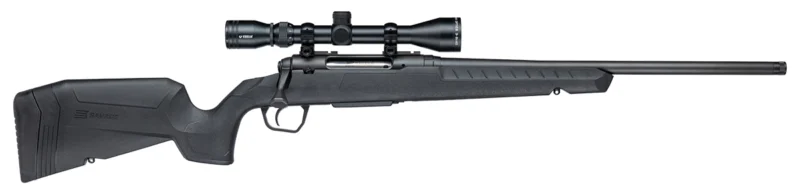


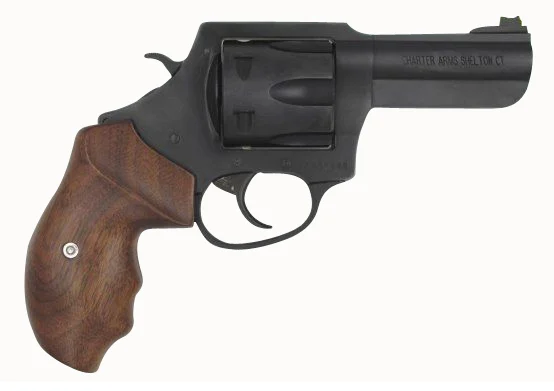
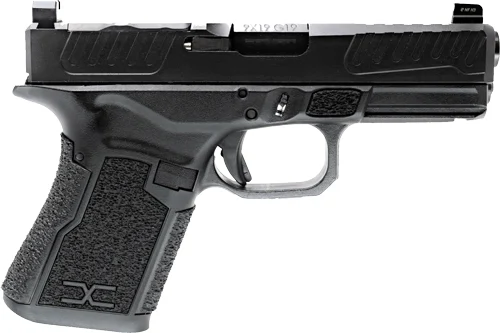


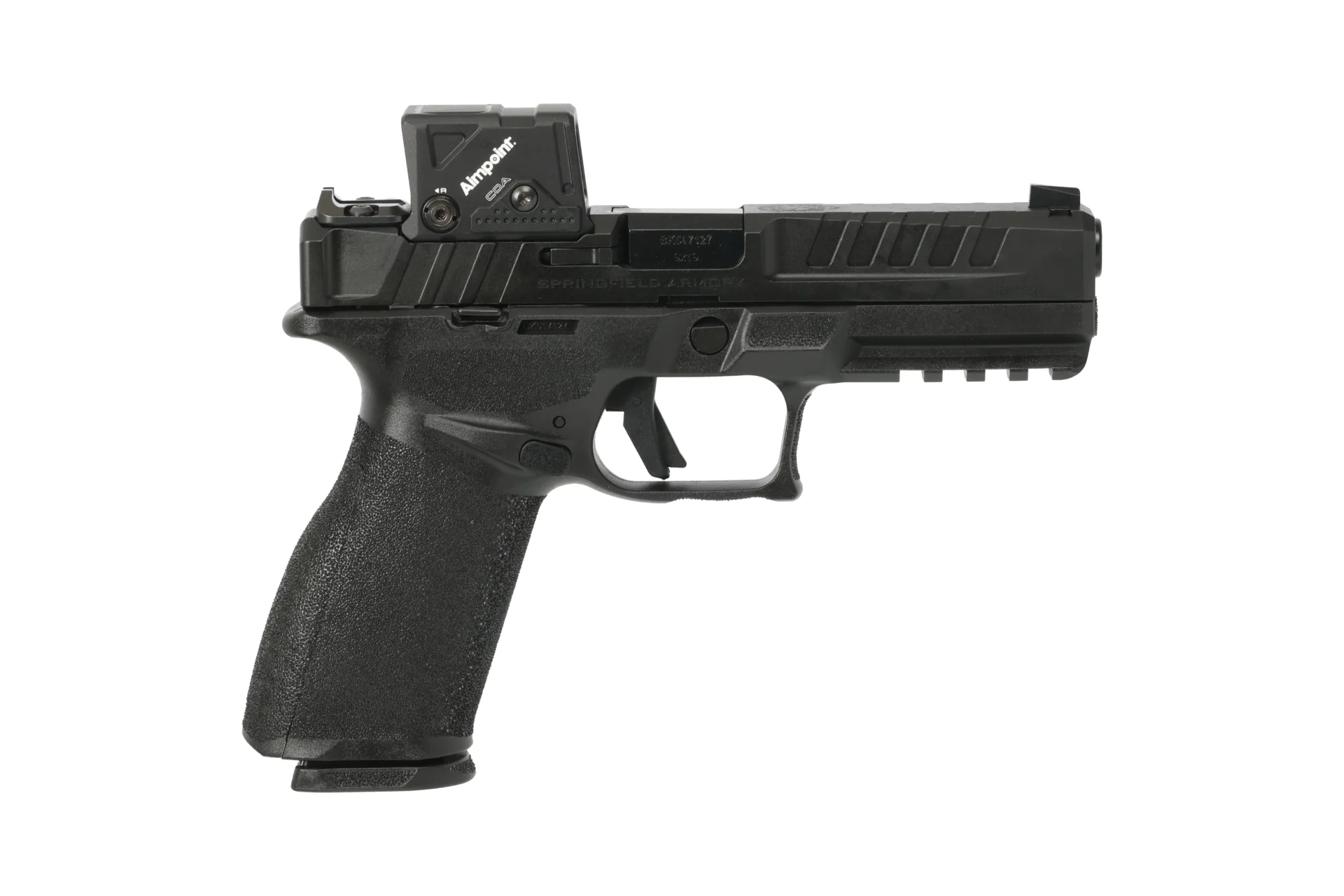


Tenney Industries supports:


Tenney Industries Gallery


WHAT OUR CUSTOMER SAY


Very knowledgeable and conscientious. Jake will do right by you. A++ business! If you are into hunting or firearms for any other reason you won't be disappointed.

Great guy to deal with and very knowledgeable goes above and beyond for the customer.

Great Gun Shop in West Michigan! Jake and his team are very helpful! Good amount of inventory and if he doesn’t have it, he will get it quickly!


I've purchased my share of tools from a variety of stores in different states but have had the best experience and fastest service at tennys. Very friendly and the guy knows his stuff. I recommend you check him out for all your 2a needs.


I've done a lot of business with Jake here over the past couple of years. He does a great job on repairs and can get Firearms at low prices. He also has a pretty decent inventory of used Firearms of All Sorts as well as Scopes and red dots. He stands behind his work and is an all-around great guy knows a lot!

Knowledgeable and trustworthy. Appreciate having a guy like Jake in the area for gun and ammo needs

You will not find a better guy to do business with. This little shop has just about anything you need. If he don’t have it on the shelf he can get it. This is exactly what Ludington needed.

I have used Tenneys as an FFL, as a gun smith, and have purchased many guns from the gun store side of the business…. It’s been flawless and professional service every time, He is a joy to talk to and his gun knowledge is in matched, Jake goes out of his way to make sure all of your firearms needs are met, it’s an awesome small town gun store. I always look forward to going back.


Jake helped us with a third party transfer of my father's vintage rifle. Friendly and knowledgeable.


Had Jake order a gun for me. Gun came in fast, was able to purchase at a great price in only a few days. Top notch service!
my cerakote looks awesome great guy with tons of knowledge and great customer service
jake did a very professional job threading a barrel and doing some cerakote for me. he's reasonably priced and quick with turnaround times (very rare with gunsmiths)
Firearms Explained: A Practical Guide to Safety, Education, Storage, and Maintenance with a Gun Shop in Pinckney, MI
Firearms have been an integral part of human history and culture for centuries. They serve various purposes, from personal defense and sport shooting to hunting and professional use. Understanding firearms goes beyond just knowing how they operate—it encompasses safety, education, secure storage practices, and proper maintenance. This guide provides a foundational look at these essential aspects while fostering a responsible approach to firearm ownership.
Understanding Firearms: A Foundational Overview with Handgun Stores in Pinckney, MI
- Safety: Ensuring the safe operation and handling of firearms is non-negotiable.
- Education: Building foundational knowledge about how firearms function.
- Storage: Practicing secure storage to prevent unauthorized access.
- Maintenance: Regular care to ensure long-term reliability and performance.
Why This Guide Matters for Retail Gun Stores in Pinckney, MI
For new firearm owners or those seeking to deepen their understanding, it’s important to emphasize responsibility over novelty. Accidents involving firearms are frequently preventable through education and adherence to best practices. Additionally, proper maintenance not only extends the life of your firearm but ensures its safe functioning when needed.
Key Sections We’ll Cover:
- Differences between handguns, rifles, and shotguns
- Comprehensive safety principles
- Secure methods of firearm storage
- Routine protocols for cleaning and maintenance
By addressing each of these areas with care and precision, this guide aims to empower individuals with the tools needed for safe ownership while cultivating respect for both the equipment and its potential uses.
The Importance of Lifelong Learning with a Gun Dealer in Pinckney, MI
Owning a firearm isn’t just about passing an initial training course or obtaining certification; it’s about committing to ongoing education regarding safety protocols, legal requirements in your region, and advancements in technology that improve your ability as a responsible owner.
In this article series, we’ll not only provide technical insights but also practical tips that you can incorporate into your daily routines as well as guidance on fostering a responsible mindset around firearms. Whether you’re completely new or have years of experience under your belt (or holster), there’s always room for improvement when it comes to safety practices and effective management.
By approaching ownership with responsibility at its core—and focusing on continuous learning—you’ll be better equipped both physically and mentally as a conscientious gun owner ready to make informed decisions under any circumstances.
Important Firearm Safety Principles with Gun Dealers in Pinckney, MI from the Best Gun Store in Pinckney, MI
Safety is the cornerstone of responsible firearm ownership. Whether you’re a novice or an experienced firearm user, consistently adhering to essential safety principles is crucial. The following guidelines highlight critical practices to ensure your handling of firearms remains secure and responsible.
The Four Cardinal Rules of Firearm Safety When Looking for Guns for Sale in Pinckney, MI
- Treat Every Firearm as if It’s Loaded
Always assume a firearm is loaded, even if you are certain it isn’t. This mindset helps avoid complacency and keeps safety top-of-mind. - Never Point a Firearm at Anything You Do Not Intend to Destroy
Be mindful of where the firearm is pointed at all times. Maintain muzzle awareness and ensure that it’s directed in a safe direction, away from people or property. - Keep Your Finger Off the Trigger Until Ready to Shoot
Rest your finger outside the trigger guard until you have made the conscious decision to fire. This reduces the likelihood of accidental discharges. - Know Your Target and What Lies Beyond
Be aware of not only your target but also what lies in front, behind, and around it. Bullets can penetrate targets or miss entirely, putting unintended areas at risk.
Additional Safety Practices at a Local Gun Store in Pinckney, MI
- Inspect Firearms Before Use: Confirm that your firearm is in proper working condition before loading or firing.
- Avoid Alcohol or Drugs While Handling Firearms: Impaired judgment can lead to dangerous mistakes.
- Unload When Not in Use: Whenever storing or transporting firearms, unload them first.
- Use Proper Ammunition: Ensure compatibility between ammunition and your specific firearm model.
- Wear Protective Gear: Always use eye and ear protection when shooting to prevent injuries from debris or loud noises.
Safety While Transporting Firearms When You Buy Guns in Pinckney, MI
- Keep firearms unloaded and securely encased while traveling.
- Store ammunition separately from firearms during transport.
- Follow all local laws regarding transportation requirements for firearms in vehicles.
Do’s Don’ts Treat every gun as loaded Assume a gun is safe without checking Store guns safely Leave guns unattended in accessible areas Double-check ammunition types Mix incompatible ammo with your weapon Educating Others About Safety with a Firearms Store in Pinckney, MI
- Teach children about the dangers and proper respect for firearms.
- Encourage those who handle your firearms to take certified safety courses.
- Lead by example by adhering strictly to safety protocols yourself.
By ingraining these principles into daily habits, you contribute not only to personal safety but also promote safe practices within communities that interact with firearms regularly.
Important Firearm Safety Principles
Understanding and adhering to firearm safety principles is critical for ensuring the well-being of both firearm owners and those around them. Whether you are new to firearms or have years of experience, these principles should form the foundation of every interaction with a firearm. Below are key safety principles that all responsible gun owners should follow.
The Four Fundamental Rules of Firearm Safety from an Arms Store in Pinckney, MI
- Treat every firearm as if it is loaded
Never assume a gun is unloaded, even if you believe it is safe. Always check the chamber and magazine before handling. - Always point the muzzle in a safe direction
The muzzle should never be aimed at anything you do not intend to shoot. A “safe direction” means that even in the event of an accidental discharge, no one will be harmed and property damage will be minimized. - Keep your finger off the trigger until ready to fire
Avoid placing your finger on or near the trigger unless you have aligned your sights on a target and made the decision to shoot. - Be sure of your target and what lies beyond it
Be aware of your surroundings, including the area behind and around your target, as bullets can pass through objects or miss entirely.
Safe Handling Practices for Purchases from Gun Stores Around Me
- Use proper ammunition: Ensure that the ammunition matches exactly what is specified by your firearm manufacturer.
- Maintain control: Always keep a firm grip on your firearm, whether carrying or using it.
- Avoid alcohol or medication: Never handle firearms under the influence of alcohol, drugs, or medications that impair judgment.
Range Safety Guidelines for a Gun Store Near Me
Guideline Description Follow posted rules Adhere to all range-specific guidelines and signage. Wear protective gear Use ear protection and shooting glasses at all times. Communicate clearly Inform others before approaching targets or lanes. Educating Others About Firearm Safety with Gun Shops Near Me
- Teach children about firearms early using age-appropriate language.
- Emphasize that guns are not toys; curiosity can lead to accidents without proper education.
- For other adults, encourage participation in certified firearm-safety courses for hands-on learning.
Misconceptions About Firearm Safety with Handguns Near Me
- “Safety switches make guns foolproof.” While safeties reduce risks, they do not replace safe handling habits.
- “Only beginners need training.” Even seasoned owners benefit from periodic practice and refresher courses.
By internalizing these principles and integrating them into daily practice, gun owners can dramatically reduce risks associated with firearms while promoting a culture centered on responsibility and respect for safety protocols.
Best Practices for Secure Firearm Storage from the Best Gun Stores in Pinckney, MI
Proper and secure firearm storage is a critical aspect of responsible gun ownership. By taking the necessary precautions, you can ensure firearms are stored in a way that prevents unauthorized access, accidental discharge, or damage to the firearm itself. Below, we outline best practices to help maintain safety and security.
Assessing Your Storage Needs with Gun Dealers Near Me
- Evaluate Your Collection: Consider the type and number of firearms you own. Handguns, rifles, and shotguns may require different storage solutions due to size and design.
- Access Frequency: Determine how often you need access to your firearms. This will help in choosing between quick-access safes or long-term storage solutions.
Secure Storage Options with a Gunsmith Near Me
There are several types of secure storage options available for gun owners. Choose one that fits your specific situation:
– Gun Safes:
– Offer maximum security against unauthorized access and theft. – Available in various sizes to accommodate multiple firearms. – Look for models with reinforced steel construction and tamper-proof locks (e.g., biometric or digital keypads).
– Locking Gun Cabinets:
– A more affordable option than gun safes but still provide a level of protection. – Ideal for less frequent use or temporary storage needs. – Trigger Locks & Cable Locks:
– Inexpensive add-ons that render firearms inoperable when applied. – Use as an additional layer of security alongside other storage methods.Storage Type Pros Cons Gun Safe High security, fireproof options Costly; bulky Locking Gun Cabinet Budget-friendly; easier installation Provides less theft protection Trigger/Cable Locks Portable; low cost Doesn’t prevent theft; limited scope Firearm Accessibility vs. Security Balance
While rapid access to your firearm is important for home defense purposes, it should never compromise safety. Consider the following tips:
– Use quick-access safes equipped with biometric locks if you may need immediate access during an emergency. – For homes with children, prioritize securing firearms over accessibility by employing multiple layers of locks.Protecting Firearms from Environmental Risks
Firearms are an investment, so protecting them from environmental damage is vital: – Humidity Control: – Store firearms in a cool, dry location to prevent rust or corrosion. – Use dehumidifiers or silica gel packs inside safes or cabinets.
– Padded Linings: – Prevent scratches by ensuring safes have soft interior linings.Legal Storage Requirements
It’s important to familiarize yourself with federal and state laws regarding firearm storage. Regulations may include: – Requiring locked enclosures if minors are present in the home. – Complying with transport laws mandating unloaded firearms locked separately from ammunition.
By prioritizing secure firearm storage and understanding your legal obligations, you can ensure safety while maintaining readiness when necessary.
Routine Cleaning, Inspection, and Maintenance at the Best Gun Shops in Pinckney, MI
Proper care and maintenance of firearms are essential for their safe operation, longevity, and reliability. Routine cleaning and inspection not only ensure that a firearm functions correctly but also helps prevent malfunctions or accidents caused by dirt, debris, or wear. This section will outline techniques for firearm cleaning, inspection routines to follow, and maintenance tips to extend the lifespan of your firearm.
Why Routine Cleaning is Critical
Firearms accumulate dirt, carbon residue, and moisture with use. These residues can lead to:
– Corrosion: Moisture combined with residue can cause rust on metal components.
– Malfunctions: Build-up can block moving parts like the firing pin or slide mechanism.
– Accuracy Issues: Dirt in the barrel affects bullet trajectory.Making cleaning part of your routine ensures optimal performance every time you handle a firearm.
Tools Needed for Firearm Cleaning
Tool/Material Purpose Cleaning Rod Removes fouling from the barrel Bore Brushes (Nylon/Brass) Scrub interior of the barrel Cleaning Patches Wipe down interior components Solvent Breaks down carbon deposits Lubricant/Oil Prevents corrosion & ensures smooth operation Utility Brushes Cleans small parts like triggers & bolts Steps for Cleaning a Firearm
- Prepare Your Work Area: Use a clean surface in a well-ventilated area free from distractions. Always unload your firearm before starting any maintenance work. Double-check that it is unloaded by visually inspecting the chamber, magazine well, and barrel.
- Disassemble Safely: Refer to your firearm’s manual for specific disassembly instructions suited to your model.
- Insert a bore brush attached to a cleaning rod into the barrel.
- Apply solvent to break down built-up debris.
- Use dry cleaning patches until no residue remains.
- Wipe down small parts using utility brushes.
- Apply solvent sparingly—excess can lead to issues over time.
- Only apply lubricant on moving parts such as slides or trigger mechanisms.
- Avoid over-lubrication as it can attract dust or dirt.
- Carefully reassemble all parts following manufacturer guidelines.
- Perform basic checks like dry firing (if permitted) or operating safety switches to confirm functionality.
When to Inspect Your Firearm
- Cracks in plastic or wooden stocks/grips.
- Loosened screws or fittings on scopes/sights.
- Excessive wear on springs or mechanical components.
- Rust spots—especially around moving joints like bolts/slides.
Maintenance Schedule Recommendations
Usage Frequency Suggested Maintenance Frequent Shooter (Weekly) Clean after every shooting session Occasional Shooter (Monthly) Clean once per month + inspect critical areas Seasonal Hunter Inspect before/after hunting season + deep clean By sticking to these schedules alongside careful inspections and cleanings after heavy use (e.g., extended range sessions), you’ll protect both safety and performance over time.
Maintaining firearms doesn’t have to be tedious—it’s an essential practice that fosters responsibility while preserving their functionality for years ahead.