


Welcome to Tenney Industries


FEATURED PRODUCTS



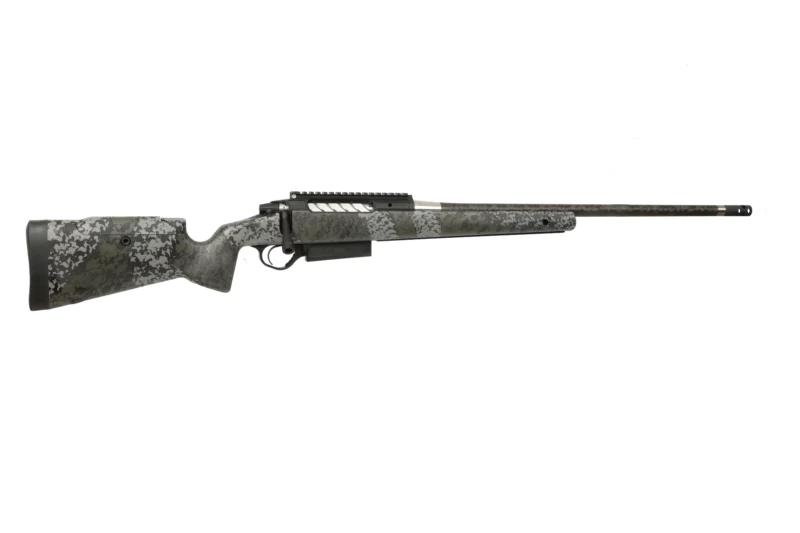

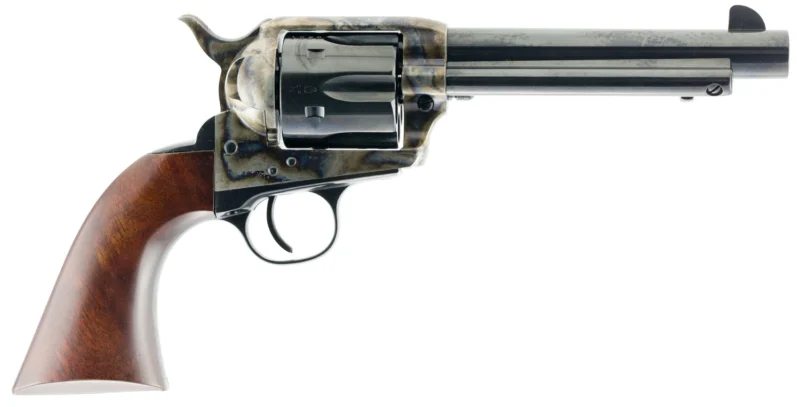


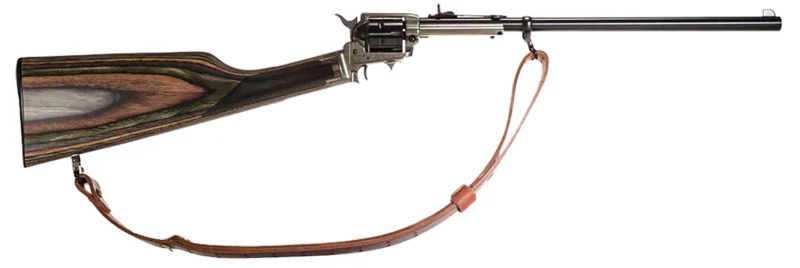




Tenney Industries supports:


Tenney Industries Gallery


WHAT OUR CUSTOMER SAY


Very knowledgeable and conscientious. Jake will do right by you. A++ business! If you are into hunting or firearms for any other reason you won't be disappointed.

Great guy to deal with and very knowledgeable goes above and beyond for the customer.

Great Gun Shop in West Michigan! Jake and his team are very helpful! Good amount of inventory and if he doesn’t have it, he will get it quickly!


I've purchased my share of tools from a variety of stores in different states but have had the best experience and fastest service at tennys. Very friendly and the guy knows his stuff. I recommend you check him out for all your 2a needs.


I've done a lot of business with Jake here over the past couple of years. He does a great job on repairs and can get Firearms at low prices. He also has a pretty decent inventory of used Firearms of All Sorts as well as Scopes and red dots. He stands behind his work and is an all-around great guy knows a lot!

Knowledgeable and trustworthy. Appreciate having a guy like Jake in the area for gun and ammo needs

You will not find a better guy to do business with. This little shop has just about anything you need. If he don’t have it on the shelf he can get it. This is exactly what Ludington needed.

I have used Tenneys as an FFL, as a gun smith, and have purchased many guns from the gun store side of the business…. It’s been flawless and professional service every time, He is a joy to talk to and his gun knowledge is in matched, Jake goes out of his way to make sure all of your firearms needs are met, it’s an awesome small town gun store. I always look forward to going back.


Jake helped us with a third party transfer of my father's vintage rifle. Friendly and knowledgeable.


Had Jake order a gun for me. Gun came in fast, was able to purchase at a great price in only a few days. Top notch service!
my cerakote looks awesome great guy with tons of knowledge and great customer service
jake did a very professional job threading a barrel and doing some cerakote for me. he's reasonably priced and quick with turnaround times (very rare with gunsmiths)
Essential Firearm Safety Rules Every Owner Should Know from a Gun Shop in Oxford, MI
Firearm safety is paramount for anyone who owns or handles guns. Whether you are an experienced firearm owner or a beginner, following essential safety rules not only protects you but also those around you. The core principles of firearm safety are based on responsibility, awareness, and discipline.
The Four Cardinal Rules of Firearm Safety to Know from Handgun Stores in Oxford, MI
- Never rely solely on the mechanical safety; treat all firearms with caution.
- Your gun’s muzzle should always be directed in a safe direction.
- Avoid pointing at people, pets, or anything unintended—even during cleaning or inspection.
- This reduces accidental discharges caused by premature trigger contact.
- Understand what lies behind or next to your intended target.
- Be mindful of walls, barriers, or objects that could lead to unintended harm if a round passes through.
Additional Best Practices for Firearm Safety from Retail Gun Stores in Oxford, MI
- Store Firearms Securely:
Invest in high-quality safes or lockable cases to store firearms when not in use. g. , children or untrained adults). - Maintain Awareness of Surroundings:
- Always Wear Protective Gear:
When shooting, use appropriate protective equipment:- Ear protection (to prevent hearing damage)
- Eye protection (to shield against debris)
- Don’t Rely Solely on Mechanical Safeties:
While safeties can help provide an additional layer of security, they are not foolproof and should never replace proper handling practices.
Common Mistakes to Avoid with a Gun Dealer in Oxford, MI
Even experienced shooters can fall into bad habits.
Mistake Consequence Failing to check if a firearm is loaded Accidental discharge Mixing ammunition types Misfire or malfunction Handling firearms under the influence Impaired judgment and increased risk Passing guns carelessly Risking accidental drops and discharges Teaching Safety Through Education with Guns for Sale in Oxford, MI
Educating new owners about these rules fosters a culture of responsibility. If children live in your home and you own firearms:
- Teach them that guns are not toys.
- Discuss what they should do if they ever encounter an unattended firearm (e. g. , stop immediately and alert an adult).
Safety is not just about following steps; it’s about building lifelong habits that ensure everyone remains protected while using firearms responsibly.
Understanding Ammunition and Common Caliber Terms from the Best Gun Store in Oxford, MI
A solid understanding of ammunition is vital for anyone handling or owning firearms. Ammunition is as critical to firearm use as the weapon itself, and grasping the basics ensures better performance, safety, and responsible ownership. This section breaks down essential information about ammunition and commonly used caliber terms to help firearm owners make informed decisions.
Components of Ammunition Available at a Local Gun Store in Oxford, MI
- Cartridge Case: Often made from brass or steel, this shell holds all other components together.
- Primer: A small explosive compound that ignites when struck by the firing pin, initiating combustion.
- Propellant (Gunpowder): Burns rapidly upon ignition by the primer to generate gas pressure, which propels the bullet forward.
- Bullet: The projectile that exits the barrel; often made of lead or copper and designed in various shapes for different purposes.
Understanding these components can help owners inspect their ammunition for defects before use.
Common Calibers Explained When You Buy Guns in Oxford, MI
It is a critical factor when selecting ammunition.
Caliber Usage/Application .22 LR Ideal for target shooting and small-game hunting due to its low cost and minimal recoil. 9mm Common in handguns; widely used for self-defense and law enforcement worldwide. .45 ACP Popular for personal defense due to its stopping power. .223 Remington/5.56 NATO Frequently used in rifles like AR-15s; suitable for sport shooting and varmint control. 12 Gauge (Shotgun) Versatile choice often used for hunting, home defense, and sport shooting competitions. Key Considerations When Selecting Ammunition from a Firearms Store in Oxford, MI
- For target practice: Use affordable full metal jacket (FMJ) rounds.
- For self-defense: Opt for hollow points (HP), which expand upon impact to minimize overpenetration.
- Always refer to your firearm’s manual for recommended calibers.
- Store ammunition in a cool, dry location away from heat sources or moisture.
Safety Tips When Handling Ammunition from an Arms Store in Oxford, MI
- Inspect each round before use—look out for dents, corrosion, or cracks.
- Avoid mixing different calibers during storage or transport.
- Never attempt makeshift repairs on damaged cartridges.
- Dispose of misfired or defective rounds at designated disposal facilities—do not throw them into regular trash bins.
Understanding these fundamentals helps ensure safe usage while maximizing accuracy and effectiveness with your firearm. Education on this topic supports responsible ownership by minimizing risks associated with improper ammo selection or storage practices.
Why Firearm Training and Education Matter with Gun Dealers in Oxford, MI
Proper firearm training and education are foundational to responsible gun ownership. Understanding how to handle, store, and use firearms appropriately is a responsibility every gun owner must fulfill.
Promoting Safety and Reducing Accidents with Gun Stores Around Me
Firearms are tools that require precision and control. Without proper training, the likelihood of accidents can increase significantly.
- Handling Skills: Training teaches correct handling techniques, such as safe gripping, trigger discipline, and maintaining muzzle awareness.
- Risk Awareness: Education helps owners understand potential risks in real-world scenarios, reducing negligent discharges or misuse.
- Emergency Procedures: A trained individual learns how to respond in emergencies, such as misfires or malfunctions.
Building Confidence in Usage with a Gun Store Near Me
Confidence is essential when dealing with firearms.
- Familiarity with firearm mechanics
- Controlled practice in a safe environment like shooting ranges
- Development of proper posture and shooting stance
Confidence also extends into understanding laws surrounding firearm usage, storage requirements, and transportation protocols.
Understanding Legal Responsibilities for Gun Shops Near Me
Firearm training goes beyond physical handling—it often includes education on legal aspects tied to ownership.
- Local regulations for carrying weapons (open and concealed carry laws).
- Restrictions on where firearms can be stored or transported (e. g. , proximity to schools or government buildings).
- Proper licensing procedures required by their jurisdiction.
By staying informed through educational courses or certified programs, owners protect themselves from unintentionally violating laws.
Enhancing Accuracy and Proficiency with Handguns Near Me
- Proper sight alignment for clean target acquisition
- Breathing techniques that stabilize shots
- Trigger control strategies for smooth firing
This proficiency is crucial for self-defense situations where precision may be necessary under high stress.
Accessibility of Training Programs with Gun Dealers Near Me
Type of Program Features Certified Safety Courses Focus on fundamental rules of operation; ideal for beginners Advanced Tactical Training For experienced shooters looking to refine skills under specific scenarios Online Classes Cover theoretical aspects like legal guidelines or storage practices Range-Based Instruction Hands-on sessions with supervised live-fire training These options ensure that individuals—regardless of skill level—can find suitable resources.
Firearm training and education empower individuals by combining practical skills with essential knowledge about safety and responsibility. These practices not only protect owners but also contribute positively to community well-being by promoting responsible gun culture. It is imperative for every gun owner to commit time toward continuous learning throughout their ownership journey.
Routine Firearm Cleaning, Inspection, and Maintenance at the Best Gun Shops in Oxford, MI at the Best Gun Stores in Oxford, MI
Proper cleaning, inspection, and maintenance of firearms are essential to ensure their safe and reliable operation. Below is a detailed guide on how to care for your firearm responsibly.
Importance of Routine Maintenance with a Gunsmith Near Me
- Safety: A well-maintained firearm reduces the risk of accidental misfires caused by mechanical failures.
- Accuracy: A clean firearm ensures consistent performance in terms of accuracy.
- Resale Value: Proper care helps maintain the firearm’s value if you ever decide to sell or trade it.
Tools and Materials Needed
g.
Steps for Cleaning Your Firearm
- Double-check that there is no ammunition in the chamber or magazine.
- Keep ammunition stored away during cleaning.
- Refer to the owner’s manual for specific disassembly instructions.
- Avoid unnecessary disassembly that could damage components.
- Attach a bore brush to your cleaning rod and apply solvent.
- Use a lightly oiled cloth or brushes to remove carbon buildup from parts like the slide, frame, or bolt assembly.
- Pay special attention to areas prone to fouling, such as firing pins or extractor mechanisms.
- Apply lubricant sparingly—over-lubrication can attract dirt.
- Focus on contact points where metal rubs against metal.
- This prevents rust and keeps your firearm looking polished.
Inspection Checklist
While cleaning, perform a routine inspection of key components:
Component What to Check For Barrel Rust, obstructions, excess wear Firing Mechanism Damage or excessive residue Springs Weakness or deformation Sights Alignment issues Address any issues immediately by consulting a certified gunsmith if necessary.
Tips for Long-Term Storage
Proper storage is equally important when maintaining firearms over time:
- Always store firearms unloaded in a secure gun safe or locked cabinet.
- Use dehumidifiers in safes located in humid environments to prevent rust formation.
Routine upkeep not only ensures safety but also fosters responsible ownership habits over time. Adhering strictly to manufacturer recommendations will help preserve both functionality and integrity of your firearms.
Routine Firearm Cleaning, Inspection, and Maintenance
Proper maintenance of firearms is essential for ensuring their functionality, longevity, and safe operation. Below is an in-depth guide on how to care for your firearm responsibly.
Importance of Regular Cleaning
Firearms accumulate carbon residue, dirt, unburnt powder, and debris with regular use. Over time, this buildup can cause mechanical issues such as jamming or misfiring.
- Preserve the condition of internal mechanisms.
- Prevent corrosion caused by moisture or other environmental factors.
- Maintain accuracy during shooting.
Tools and Supplies Needed
Before starting the cleaning process, ensure you have the following supplies:
- Cleaning kitwith brushes (nylon or brass), patches, and rods specific to your firearm type.
- Quality cleaning solventto break down carbon fouling.
- Lubricantdesigned for firearms to reduce metal wear.Microfiber clothsfor wiping surfaces clean.Bore snakefor quick barrel cleaning (optional).
Tool/Material Purpose Cleaning solvent Dissolves carbon fouling and residue Bore snake/cleaning rod Cleans the inside of the barrel Lubricant Prevents corrosion and reduces friction Nylon/brass brushes Removes stubborn debris without damaging metal Step-by-Step Cleaning Process
- Unload your firearm completely by removing any ammunition from the chamber or magazine.
- Visually inspect it to confirm that it is unloaded.
- Work in a well-lit area free from distractions.
- Follow the user manual to field-strip your firearm into major components (e. g. , barrel, slide). Do not over-disassemble unless trained.
- Use a bore snake or cleaning rod with a patch soaked in solvent to clean inside the barrel.
- Scrub areas prone to fouling (like firing pins) with a nylon brush.
- Wipe metal surfaces with a microfiber cloth dampened with solvent.
- Check parts like springs or screws for damage or excessive wear.
- Look for rust spots or cracks that might compromise safety.
- Only lubricate parts specified by the manufacturer—over-lubrication can attract dust or dirt.
- Reassemble carefully and check moving parts like slides or triggers for smooth operation.
Routine Inspection Guidelines
Even if not actively using your firearm regularly:
- Inspect it monthly when stored long-term to prevent unnoticed corrosion.
- Examine all screws and fasteners periodically; loose ones should be tightened properly using recommended torque settings if provided.
Storing After Maintenance
Once cleaned:
- Store firearms in a dry environment at room temperature where moisture cannot accumulate.
- Use gun safes with dehumidifiers if located in humid areas.
- Keep them secured away from unauthorized access (e. g. , trigger locks).
Properly maintaining firearms not only ensures reliable performance but also showcases responsible ownership habits while reducing risks associated with malfunctions due to neglectful care practices