


Welcome to Tenney Industries


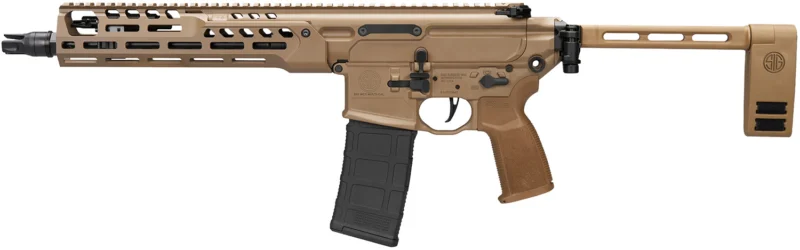
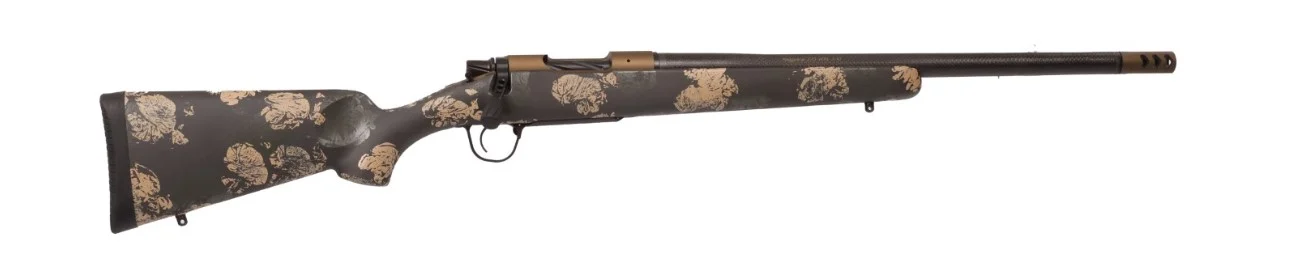
FEATURED PRODUCTS









Tenney Industries supports:


Tenney Industries Gallery


WHAT OUR CUSTOMER SAY


Very knowledgeable and conscientious. Jake will do right by you. A++ business! If you are into hunting or firearms for any other reason you won't be disappointed.

Great guy to deal with and very knowledgeable goes above and beyond for the customer.

Great Gun Shop in West Michigan! Jake and his team are very helpful! Good amount of inventory and if he doesn’t have it, he will get it quickly!


I've purchased my share of tools from a variety of stores in different states but have had the best experience and fastest service at tennys. Very friendly and the guy knows his stuff. I recommend you check him out for all your 2a needs.


I've done a lot of business with Jake here over the past couple of years. He does a great job on repairs and can get Firearms at low prices. He also has a pretty decent inventory of used Firearms of All Sorts as well as Scopes and red dots. He stands behind his work and is an all-around great guy knows a lot!

Knowledgeable and trustworthy. Appreciate having a guy like Jake in the area for gun and ammo needs

You will not find a better guy to do business with. This little shop has just about anything you need. If he don’t have it on the shelf he can get it. This is exactly what Ludington needed.

I have used Tenneys as an FFL, as a gun smith, and have purchased many guns from the gun store side of the business…. It’s been flawless and professional service every time, He is a joy to talk to and his gun knowledge is in matched, Jake goes out of his way to make sure all of your firearms needs are met, it’s an awesome small town gun store. I always look forward to going back.


Jake helped us with a third party transfer of my father's vintage rifle. Friendly and knowledgeable.


Had Jake order a gun for me. Gun came in fast, was able to purchase at a great price in only a few days. Top notch service!
my cerakote looks awesome great guy with tons of knowledge and great customer service
jake did a very professional job threading a barrel and doing some cerakote for me. he's reasonably priced and quick with turnaround times (very rare with gunsmiths)
Essential Firearm Safety Rules Every Owner Should Know from a Gun Shop in Orchard Lake Village, MI
Firearm safety is the cornerstone of responsible ownership. Without a proper understanding and application of safety principles, the risks associated with firearms can increase significantly. Adhering to a set of comprehensive safety rules ensures not only your well-being but also that of those around you. Below are essential firearm safety rules that every owner should know and follow consistently.
The Four Fundamental Rules of Gun Safety to Know When Visiting the Best Gun Shops in Orchard Lake Village, MI
- Even if you believe a gun is unloaded, always assume it is live.
- Never rely solely on a visual or physical inspection; treat it with caution at all times.
- Aimed direction matters — whether loaded or not, always ensure the muzzle points in a safe direction.
- Be mindful of your surroundings, including walls that bullets can penetrate.
- Always rest your trigger finger along the side of the firearm until your sights are on target and you’re prepared to fire intentionally.
- Identify your target fully before firing, and assess what lies in front of and behind it.
- Bullets can travel far beyond their intended mark, so ensure there is no risk to others.
Additional Safety Practices for Handgun Stores in Orchard Lake Village, MI
- Store Ammunition Separately from Firearms:
Keeping ammunition separate reduces risks associated with unauthorized access or accidental discharge. - Use Proper Hearing and Eye Protection:
Firearms produce loud sounds capable of causing hearing damage and eject particles that can harm your eyes. - Regularly Inspect Firearms for Maintenance:
Ensure firearms are clean and well-maintained to prevent malfunctions during use. - Be Aware of State Laws Regarding Safe Transport:
Each state may have specific guidelines about how firearms should be transported in vehicles (e.g., unloaded, cased). Familiarize yourself with local regulations for compliance.
Safe Range Practices with Retail Gun Stores in Orchard Lake Village, MI
- Follow all posted range rules carefully.
- Only handle firearms when instructed or within designated areas.
- Maintain awareness of other shooters’ activities nearby for enhanced situational safety.
Rule/Practice Why It Matters Treat guns as loaded Prevents careless handling that could lead to accidents Keep muzzle pointed safely Protects individuals from accidental injury Finger off trigger Avoids unintentional discharge while handling Identify targets and surroundings Reduces collateral damage risk By implementing these essential firearm safety principles into daily practice, owners cultivate habits that promote responsible gun ownership while reducing preventable risks associated with mishandling or misuse.
Understanding the Fundamentals of Firearm Ownership with the Best Gun Store in Orchard Lake Village, MI
Becoming a responsible firearm owner requires understanding not only the laws and mechanics of firearms but also the gravity of owning an item designed for serious purposes. This section explores the core fundamentals that every gun owner should know, from legal considerations to understanding firearm types and purposes.
Legal Responsibilities of Gun Ownership with a Gun Dealer in Orchard Lake Village, MI
Before purchasing a firearm, it’s critical to familiarize yourself with local, state, and federal laws. Regulations often vary by location, and ignorance of these laws can have severe consequences. Key elements to consider include:
– Background checks: Most jurisdictions require background checks before purchasing a firearm.
– Permits and licenses: Some states or countries require licensing for ownership or specific permits for carrying firearms (open or concealed).
– Storage requirements: Many areas have legal mandates for secure firearm storage to prevent unauthorized access, particularly by minors.
– Transportation laws: Special rules often govern how firearms can be transported in vehicles or across state lines.Taking time to learn these laws shows commitment to responsible ownership and ensures compliance with legal expectations.
Types of Firearms and Their Uses with Guns for Sale in Orchard Lake Village, MI
Firearm Type Primary Use Example Models Handguns Self-defense or recreational shooting Glock 19, Smith & Wesson M\&P Shield Rifles Hunting, sport shooting, defense AR-15, Ruger 10/22 Shotguns Hunting birds/game or home defense Mossberg 500, Remington 870 When choosing a firearm, consider factors like ease of use, intended purpose (e.g., self-defense vs. sport shooting), caliber size, weight, and recoil.
The Importance of Firearm Maintenance at a Local Gun Store in Orchard Lake Village, MI
A well-maintained firearm is safer and performs more reliably than one neglected over time. Regular maintenance includes cleaning after use (especially following range practice) to remove residue that could cause malfunctions or corrosion. Essential maintenance tips:
– Use appropriate solvents and lubricants specifically designed for firearms. – Inspect moving parts such as the slide or bolt assembly for wear. – Store in conditions that minimize exposure to humidity and extreme temperatures.Referencing the manufacturer’s manual is always advised when conducting maintenance tasks.
Ethical Considerations in Gun Ownership When You Buy Guns in Orchard Lake Village, MI
Firearm ownership comes with moral responsibilities beyond legal compliance: – Respect human life by handling firearms with care at all times. – Avoid using guns irresponsibly—for instance, never brandish a weapon unnecessarily. – Promote safety within your household by educating family members about respectful gun handling.
By embracing these ethical principles alongside technical knowledge and legal compliance, gun owners demonstrate true responsibility.
Why Firearm Training and Education Matter When Looking for Handguns Near Me When Visiting the Best Gun Stores in Orchard Lake Village, MI with Gun Dealers in Orchard Lake Village, MI
Firearm training and education are critical components of responsible gun ownership. Beyond simply owning a firearm, understanding how to use it safely, handle it properly, and respond to various situations effectively can prevent accidents, enhance personal safety, and contribute to a more informed and responsible community of gun owners.
Promoting Safety with a Firearms Store in Orchard Lake Village, MI
- Reducing Accidents: Many firearm-related accidents occur due to a lack of basic knowledge about how firearms function. Proper training ensures that owners understand key safety measures like keeping the muzzle pointed in a safe direction and finger off the trigger until ready to shoot.
- Safe Handling Practices: Education helps instill habits such as treating every firearm as if it is loaded, which minimizes the likelihood of negligent discharges.
Ethical Ownership with an Arms Store in Orchard Lake Village, MI
Owning a firearm comes with serious responsibilities that extend far beyond personal use. Training provides insights into legal considerations, ethical decision-making in defensive scenarios, and the appropriate use of force. This fosters respect for the power firearms hold while preventing misuse or uninformed decisions.
Training Focus Area Key Skills Taught Importance Basic Firearm Handling Loading, unloading, cleaning Prevents accidents during routine use Marksmanship Aiming techniques and precision Enhances accuracy for sport or defense Defensive Scenarios Situational awareness, decision-making Prepares owners for high-stress environments Legal Education State/federal laws on gun use Reduces risk of unknowingly breaking the law Building Confidence with Gun Stores Around Me
Confidence plays an essential role in ensuring firearms are used responsibly:
– Skill Development: Through consistent education and practice at ranges or training facilities, owners become more adept at handling their firearms confidently under different circumstances.
– Emergency Preparedness: Knowing how to react calmly during emergencies—such as an intruder situation—comes from thorough training and experience.Encouraging Regular Practice with a Gun Store Near Me
Training sessions often emphasize ongoing learning: – Refresher Courses: Laws change; periodic education ensures compliance with current regulations. – Advanced Skills: Beyond basic handling, advanced courses teach skills like shooting under stress or defensive tactics tailored for home defense.
Where to Access Training at Gun Shops Near Me
There are multiple avenues where firearm owners can seek both initial education and continued training: 1. Certified Instructors: Look for NRA-certified or state-certified trainers with expertise in firearm safety. 2. Local Gun Ranges: Many ranges offer beginner classes alongside advanced workshops. 3. Community Programs: Some states or counties sponsor safety programs aimed at educating new gun owners. 4. Online Resources: While hands-on practice is irreplaceable, online courses provide valuable foundational knowledge on laws or theoretical concepts.
By prioritizing comprehensive training alongside ownership responsibilities, individuals can ensure they not only protect themselves but also contribute positively to broader community safety efforts through informed use of firearms.
Why Firearm Training and Education Matter
Proper firearm training and education are critical components of responsible gun ownership. Whether you’re a first-time owner or someone with years of experience, continuous learning helps ensure safety, competency, and adherence to legal responsibilities. Below, we explore why training and education should be a priority for all firearm owners.
Developing Safe Handling Skills
Training provides practical skills that improve your ability to safely handle firearms under various conditions. Key aspects include:
– Basic Handling Techniques: Proper grip, trigger discipline, and muzzle awareness.
– Safe Loading/Unloading: Minimizing risks during these essential actions.
– Clearing Malfunctions: Knowing how to safely clear jams or other malfunctions that may arise during use.These core skills reduce the likelihood of negligent discharges or injuries.
Enhancing Accuracy and Proficiency
Effective firearm use requires precision and confidence. Training classes often focus on improving these areas through:
– Marksmanship Practice: Ensuring you can hit intended targets while avoiding unintended ones.
– Situational Awareness: Learning to assess your environment before using a firearm.This proficiency not only impacts hunting or recreational shooting but is also critical in emergency self-defense scenarios.
Understanding Legal Responsibilities
Firearm laws vary significantly based on location, making it essential for owners to stay informed about regulations in their area. Comprehensive firearm education covers topics such as:
– Permitting and licensing requirements.
– Restrictions on where firearms can be carried or used.
– Safe transport across state lines or international borders.By understanding legal obligations, you avoid unintentional violations that could have severe consequences.
Legal Aspects Covered in Training Importance to Owners Background check rules Ensures compliance Castle doctrine/self-defense laws Clarifies rights Firearms transport regulations Prevents legal issues Building Confidence Through Regular Practice
Regular participation in training not only builds technical skills but also fosters confidence in your ability to use your firearm responsibly when needed. Confidence often comes from familiarity with different scenarios simulated during training sessions, such as handling high-pressure situations calmly.
Promoting a Culture of Responsibility
Firearm training programs emphasize the importance of responsible ownership through community engagement and peer influence. This approach ensures that safety becomes a shared value among gun owners while reducing fear or misunderstandings about firearms within society.
In essence, investing time in firearm education and training is not just about improving personal skill but also about contributing positively to the broader community perspective on gun ownership responsibility—encouraging safety-first attitudes at every level of interaction with firearms.
Why Firearm Training and Education Matter
Firearm training and education are essential pillars of responsible gun ownership. Without proper knowledge and skills, the risks associated with firearms increase significantly, not only for the owner but for those around them as well. By investing time and effort into learning about firearm safety, mechanics, and proper handling techniques, individuals can ensure safe operation while fostering a culture of accountability.
Core Benefits of Firearm Training and Education with Gun Dealers Near Me
- Increased Safety Awareness: Proper education reduces the likelihood of accidental discharges or mishandling. Understanding how to safely handle, clean, load, and store a gun is essential to prevent accidents.
- Improved Accuracy: Learning correct shooting techniques ensures precise aim and control. This is critical during target practice or self-defense situations.
- Confidence with Handling Firearms: Familiarity gained through practice builds confidence when handling weapons under various conditions. Confidence helps reduce panic in high-stress situations.
- Legal Knowledge: Comprehensive training often covers local firearm laws, ensuring owners remain compliant with regulations regarding transport, storage, use, or concealed carry.
Components of Effective Training Programs with a Gunsmith Near Me
Component Description Basic Safety Rules Emphasizes fundamental safety practices like muzzle control and keeping fingers off triggers. Firearm Mechanics Teaches how different types of firearms function (e.g., semi-automatic rifles vs. shotguns). Marksmanship Skills Covers stance, grip technique, sight alignment, and trigger control for accuracy. Scenario Training Prepares owners for real-life scenarios such as home defense or concealed carry use cases. Legal Aspects Offers an overview of federal/state gun laws to prevent unintentional violations by owners. Practical Tips for Choosing a Training Program
- Verify Credentials
Look for certified instructors from recognized organizations such as the NRA (National Rifle Association) or local law enforcement agencies. - Assess Course Content
A good program should cover not just shooting techniques but also legal responsibilities and advanced defensive strategies. - Prioritize Hands-On Practice
Theoretical knowledge is valuable; however, hands-on experience ensures practical application under controlled conditions. - Look at Reviews & Testimonials
Check feedback from previous students to gauge the quality of instruction offered by the program. - Match Your Skill Level
Choose courses tailored to your current level—beginner-friendly if you’re starting out or advanced if you already have foundational skills.
Emphasizing Continued Education
- Attend refresher courses annually to maintain safety habits.
- Keep up-to-date with changes in state or federal laws surrounding firearm use.
- Experiment with different types of firearms during supervised sessions to broaden your expertise.
Ultimately, consistent training serves as both a safeguard against accidents and an opportunity for individuals to uphold their duty as responsible gun owners while promoting community safety at large.