


Welcome to Tenney Industries


FEATURED PRODUCTS



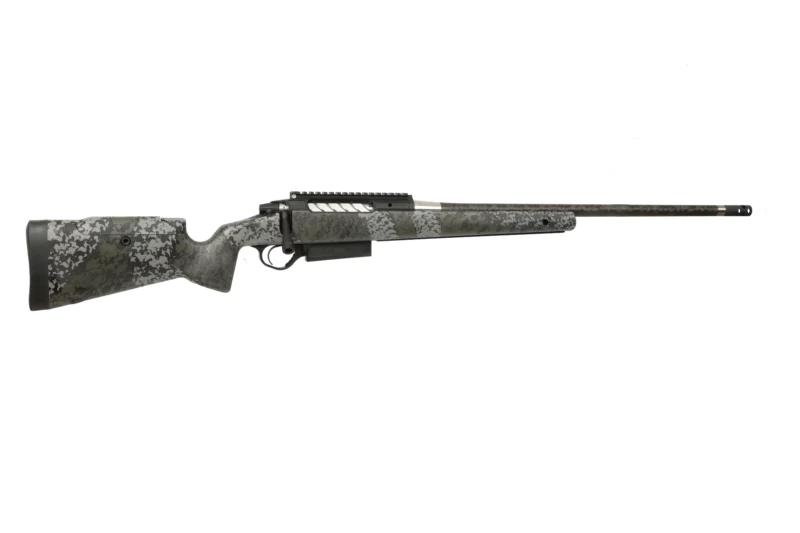

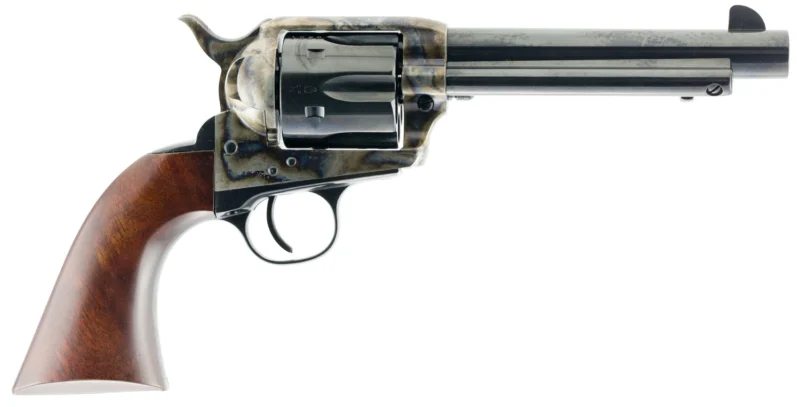
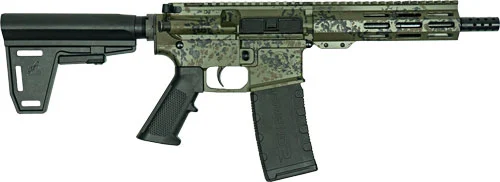


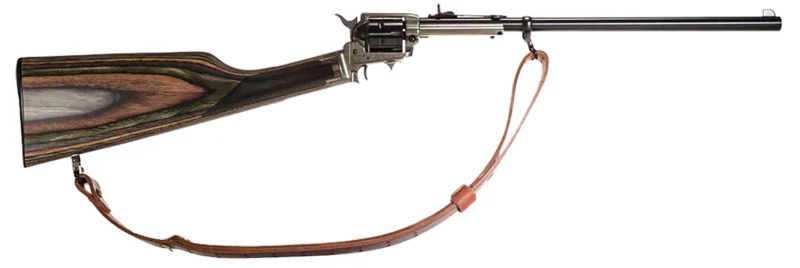




Tenney Industries supports:


Tenney Industries Gallery


WHAT OUR CUSTOMER SAY


Very knowledgeable and conscientious. Jake will do right by you. A++ business! If you are into hunting or firearms for any other reason you won't be disappointed.

Great guy to deal with and very knowledgeable goes above and beyond for the customer.

Great Gun Shop in West Michigan! Jake and his team are very helpful! Good amount of inventory and if he doesn’t have it, he will get it quickly!


I've purchased my share of tools from a variety of stores in different states but have had the best experience and fastest service at tennys. Very friendly and the guy knows his stuff. I recommend you check him out for all your 2a needs.


I've done a lot of business with Jake here over the past couple of years. He does a great job on repairs and can get Firearms at low prices. He also has a pretty decent inventory of used Firearms of All Sorts as well as Scopes and red dots. He stands behind his work and is an all-around great guy knows a lot!

Knowledgeable and trustworthy. Appreciate having a guy like Jake in the area for gun and ammo needs

You will not find a better guy to do business with. This little shop has just about anything you need. If he don’t have it on the shelf he can get it. This is exactly what Ludington needed.

I have used Tenneys as an FFL, as a gun smith, and have purchased many guns from the gun store side of the business…. It’s been flawless and professional service every time, He is a joy to talk to and his gun knowledge is in matched, Jake goes out of his way to make sure all of your firearms needs are met, it’s an awesome small town gun store. I always look forward to going back.


Jake helped us with a third party transfer of my father's vintage rifle. Friendly and knowledgeable.


Had Jake order a gun for me. Gun came in fast, was able to purchase at a great price in only a few days. Top notch service!
my cerakote looks awesome great guy with tons of knowledge and great customer service
jake did a very professional job threading a barrel and doing some cerakote for me. he's reasonably priced and quick with turnaround times (very rare with gunsmiths)
Essential Firearm Safety Rules Every Owner Should Follow from the Best Gun Store in Oakland, MI from a Gun Shop in Oakland, MI
Below is a detailed guide outlining essential firearm safety rules every owner should follow.
The Fundamental Rules of Gun Safety at a Local Gun Store in Oakland, MI
- Always assume that a gun is loaded, even if you believe otherwise. This mindset prevents careless handling.
- Check the chamber and magazine each time you pick up, handle, or store a firearm.
- Avoid “trigger discipline” mistakes by practicing proper finger positioning during training sessions.
Additional Firearm Safety Tips for Responsible Owners Looking to Buy Guns in Oakland, MI
- Clean your gun according to manufacturer recommendations to prevent malfunctions.
- Inspect parts such as barrels, firing pins, and magazines for wear or damage after each use.
- Only load ammunition that matches your firearm’s specifications (covered further in another section).
- Avoid using reloaded or damaged cartridges unless inspected professionally.
- Store Guns Safely When Not in Use (detailed storage practices will be discussed later):
- Use safes or lockboxes to secure firearms from unauthorized access.
- Store ammunition separately from firearms when possible for additional security measures.
- Educate Household Members on Gun Safety: If others live in your home (especially children), ensure they understand key rules such as avoiding touching firearms without supervision.
Key Situational Considerations for a Firearms Store in Oakland, MI
Different environments may present unique challenges when handling firearms: | Situation | Key Consideration | |—————————|———————————————————————————-| | At Home | Ensure all family members understand safe-handling practices | | At the Range | Follow range-specific safety rules and listen closely during orientation | | While Hunting | Be mindful of hunting partners’ positions; confirm targets before firing | | During Transportation | Always unload firearms before placing them inside vehicles |
Emergency Preparedness with Firearms from an Arms Store in Oakland, MI
Sometimes accidents occur despite precautions: – Be prepared by keeping basic first-aid supplies accessible when shooting outdoors or hunting.
Essential Firearm Safety Rules Every Owner Should Follow
Fundamental Safety Rules for Gun Dealers in Oakland, MI
- Regardless of whether you believe a firearm is unloaded, always assume it is loaded. This mindset helps prevent accidental discharges caused by carelessness or false assumptions.
- Practicing muzzle awareness ensures that even if a discharge occurs, the bullet will not cause harm.
- Many accidental discharges happen because fingers rest on triggers prematurely.
- Bullets can travel far beyond their intended target. Understand both your immediate surroundings and the area behind your target to avoid unintended damage or injury.
Additional Best Practices for Finding the Best Gun Stores in Oakland, MI
- Read the owner’s manual for every gun in your collection, as different models may have unique features or operational procedures.
- Always verify that you are using ammunition designed specifically for your firearm’s caliber and specifications.
- Eye and ear protection should be worn at all times during practice sessions or hunting trips to prevent injuries from noise exposure or debris.
- Store firearms safely when not in use(detailed storage practices covered under another section).
Safe Range Etiquette at the Best Gun Shops in Oakland, MI
When at a shooting range: – Follow all posted rules. – Wait for clear signals before retrieving targets. – Communicate clearly with others regarding ceasefires or when approaching shared areas.
Table: Common Unsafe Practices vs Safe Alternatives in Handgun Stores in Oakland, MI
Unsafe Practices Safe Alternatives Storing loaded firearms without locks Using trigger locks and secure safes Handling firearms under influence Operating only when sober and alert Pointing guns during casual conversation Maintaining muzzle awareness By committing these safety practices to memory and integrating them into daily habits, responsible owners can reduce risks associated with improper firearm handling while fostering confidence in their ability to use guns responsibly within their homes and communities.
Why Firearm Training and Continuing Education Matter When Looking for Guns for Sale in Oakland, MI with a Gun Dealer in Oakland, MI for Retail Gun Stores in Oakland, MI
Owning a firearm is a significant responsibility, and ongoing training is essential to ensure safe and responsible ownership. Firearms are complex tools that require not only an understanding of their mechanical operation but also consistent practice and education to use safely and effectively. Whether you are a first-time owner or an experienced user, continuing education plays a critical role in maintaining safety, sharpening skills, and staying informed about laws or best practices.
The Importance of Initial Training at Gun Stores Around Me
When acquiring a firearm, foundational training is crucial. – Learn how to load, unload, and operate the firearm safely. – Are familiar with basic shooting stances for accuracy. – Grasp the importance of trigger discipline (e. g. This baseline knowledge sets the stage for responsible ownership.
Benefits of Ongoing Firearm Education from a Gun Store Near Me
Training isn’t a one-time event; proficiency requires regular upkeep. Continuing education offers: 1.Improved Safety Skills
– Keeps users up-to-date on proper storage techniques at home or during transport.
- Routine range practice improves aim under various conditions (distance, lighting).
- Advanced courses can teach strategies for defensive shooting or competition shooting.
- Laws regarding firearms often change. Continuing education ensures owners stay compliant with local, state, or federal regulations regarding carry permits or restricted zones.
- Advanced training prepares individuals to remain calm and make critical decisions under pressure.
Types of Training Available at Gun Shops Near Me
Type of Training Description Basic Firearms Safety Covers fundamentals like handling, cleaning, loading/unloading firearms Defensive Shooting Teaches situational awareness and self-defense tactics Range Practice Focuses on accuracy through live-fire exercises Competition Shooting Prepares owners for sport shooting events Law-Specific Courses Explains regulations related to concealed carry or transportation laws Finding Quality Training Resources for Handguns Near Me
To benefit from training programs, it’s critical to select reputable resources such as: – Certified instructors from nationally recognized organizations like the NRA (National Rifle Association) or USCCA (United States Concealed Carry Association). – Local gun ranges offering group classes or private lessons. – Online webinars focused on legal updates and theoretical knowledge when in-person options aren’t available.
Tips for Staying Consistent with Training from Gun Dealers Near Me
To maintain skills over time: – Schedule regular trips to the range—monthly practice keeps fundamentals sharp. – Join local shooting clubs or groups to build community while learning from others. – Set personal goals such as improving target groupings at specific distances.
Regularly investing time into firearm training fosters confidence while reducing risks associated with improper use or complacency. It also strengthens your ability to act responsibly when handling firearms under any circumstances.
Why Firearm Training and Continuing Education Matter
These practices go beyond initial licensing or basic handling skills, ensuring that firearm owners remain competent, safe, and prepared to handle their weapons under varying circumstances. Whether you’re a first-time owner or an experienced shooter, ongoing learning plays a crucial role in minimizing risks and enhancing your proficiency.
Key Reasons for Continued Training with a Gunsmith Near Me
- Proficiency in firearm handling is perishable. Without regular practice, skills like aiming, handling recoil, clearing malfunctions, and shooting under pressure can diminish over time.
- Regular training reinforces safe practices like trigger discipline and muzzle awareness.
- Firearm legislation varies across jurisdictions and can evolve over time. Staying informed about legal changes ensures compliance with local, state, or national regulations regarding ownership, transportation, and use.
- Updated education covers topics such as mandatory storage laws or the types of firearms that may require additional permits.
- In high-stress situations such as personal defense scenarios or emergencies requiring quick action, proper training helps ensure calm decision-making and effective response.
- Simulation-based training can prepare owners for real-world scenarios where split-second decisions are critical.
- Ongoing education builds confidence by reducing uncertainties about firearm operation.
- Confidence leads to better judgment when faced with challenging situations involving firearms.
Types of Training Programs
Training Type Description For Whom Basic Firearm Safety Courses Covers essential safety measures such as proper handling techniques and storage guidelines First-time gun owners Advanced Marksmanship Focuses on improving accuracy through advanced techniques like breath control, shooting positions, etc. Experienced shooters Self-Defense Firearms Training Emphasizes defensive strategies in home or personal safety scenarios Individuals with self-defense goals Tactical Shooting Prepares participants for high-pressure environments with rapid decision-making skills Military/law enforcement personnel Refresher Courses Revisits basics while addressing evolving needs All levels Importance of Certified Instructors
Working with certified instructors ensures that you receive accurate information based on industry standards. Certified trainers often have experience in law enforcement or military settings, allowing them to provide valuable real-world insights.
- Certified instructors teach best practices for avoiding negligent discharges.
- They also address misconceptions or bad habits that may develop over time.
Practical Tips for Incorporating Continued Education
- Join a local gun club or range that offers periodic skill-building workshops.
- Participate in competitions such as target shooting to refine your accuracy under timed conditions.
- Familiarize yourself with online resources offering updated legislative information or instructional videos from vetted experts.
- Consider enrolling in courses focusing on situational awareness alongside traditional firearm skills.
The value of firearm training extends far beyond the shooting range—it cultivates responsibility while equipping owners with the knowledge needed to act safely and confidently under various circumstances. Ultimately, committing to ongoing education reflects not just care for personal safety but also respect for others around you.
Why Firearm Training and Continuing Education Matter
They not only enable individuals to handle firearms safely and efficiently but also foster a culture of accountability and respect for firearms. Whether you’re a first-time owner or an experienced user, continuous learning ensures you stay informed about new techniques, legal updates, and safety measures.
Importance of Initial Firearm Training
Before handling a firearm, owners should undergo professional training to build a strong foundational understanding.
- Safe Handling Practices: Learning how to load, aim, fire, and unload a firearm safely.
- Understanding Firearm Mechanics: Familiarity with different types of firearms (handguns, rifles, shotguns) and their components.
- Basic Shooting Skills: Developing proper stance, grip, sight alignment, trigger control, and recoil management.
- Safety Protocols: Following the essential safety rules for handling firearms at home or in public.
Investing time in initial training minimizes the risk of accidents while building confidence in your ability to use a firearm responsibly.
Benefits of Continuing Education
Firearms technology evolves over time, as do laws governing their use. Engaging in regular courses ensures you remain informed about these changes.
- Gun laws vary by state or country and can change frequently. Understanding current regulations prevents accidental legal violations (e. g. , transportation rules or concealed carry requirements).
- Shooting is a perishable skill that requires consistent practice to maintain accuracy. Advanced courses refine techniques like shooting under stress or defensive tactics.
- Specialized training programs simulate real-world scenarios (e. g. , home defense situations) and teach critical decision-making skills.
- Confidence grows when owners are well-practiced in safe handling techniques during routine shooting sessions.
Types of Advanced Firearm Training
Training Type Focus Area Examples Defensive Shooting Courses Home defense or personal protection Concealed carry courses Sporting/Competitive Shooting Enhancing speed and accuracy IPSC or IDPA matches Hunting-Specific Training Techniques for ethical hunting Rifle marksmanship classes Tactical Firearms Training High-pressure scenario-based drills Law enforcement-style simulations Self-Directed Practice
- Visit shooting ranges regularly to reinforce muscle memory.
- Use dry-fire exercises at home (without live ammunition) to improve trigger control.
- Participate in local shooting groups or competitions for community support.
Incorporating Safety into Education
- Never point the muzzle at something you don’t intend to destroy.
By consistently combining skill development with safety practices through ongoing education efforts, firearm owners can ensure they remain responsible stewards throughout their lifetime of ownership.