


Welcome to Tenney Industries


FEATURED PRODUCTS


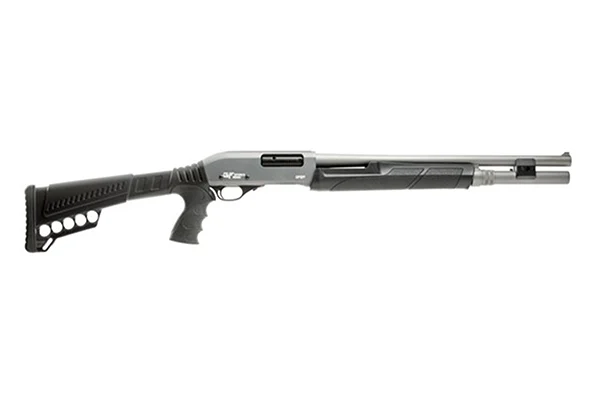


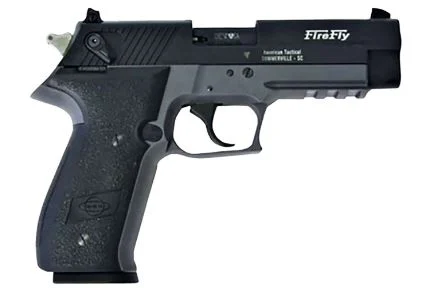


Tenney Industries supports:


Tenney Industries Gallery


WHAT OUR CUSTOMER SAY


Very knowledgeable and conscientious. Jake will do right by you. A++ business! If you are into hunting or firearms for any other reason you won't be disappointed.

Great guy to deal with and very knowledgeable goes above and beyond for the customer.

Great Gun Shop in West Michigan! Jake and his team are very helpful! Good amount of inventory and if he doesn’t have it, he will get it quickly!


I've purchased my share of tools from a variety of stores in different states but have had the best experience and fastest service at tennys. Very friendly and the guy knows his stuff. I recommend you check him out for all your 2a needs.


I've done a lot of business with Jake here over the past couple of years. He does a great job on repairs and can get Firearms at low prices. He also has a pretty decent inventory of used Firearms of All Sorts as well as Scopes and red dots. He stands behind his work and is an all-around great guy knows a lot!

Knowledgeable and trustworthy. Appreciate having a guy like Jake in the area for gun and ammo needs

You will not find a better guy to do business with. This little shop has just about anything you need. If he don’t have it on the shelf he can get it. This is exactly what Ludington needed.

I have used Tenneys as an FFL, as a gun smith, and have purchased many guns from the gun store side of the business…. It’s been flawless and professional service every time, He is a joy to talk to and his gun knowledge is in matched, Jake goes out of his way to make sure all of your firearms needs are met, it’s an awesome small town gun store. I always look forward to going back.


Jake helped us with a third party transfer of my father's vintage rifle. Friendly and knowledgeable.


Had Jake order a gun for me. Gun came in fast, was able to purchase at a great price in only a few days. Top notch service!
my cerakote looks awesome great guy with tons of knowledge and great customer service
jake did a very professional job threading a barrel and doing some cerakote for me. he's reasonably priced and quick with turnaround times (very rare with gunsmiths)
Beginner's Comprehensive Guide to Gun Range Etiquette at the Best Gun Store in Northville, MI
Navigating a gun range for the first time can feel overwhelming, but understanding proper gun range etiquette is essential to ensure safety and respect for others. This guide outlines fundamental tips and behaviors that every new shooter should know before stepping onto the range.
Why Safety Rules Matter at a Firearms Store in Northville, MI
- Safety: Protecting yourself and others from accidental injuries.
- Efficiency: Ensuring smooth operations and minimizing disruptions.
- Respect: Demonstrating courtesy toward other shooters and staff.
Always ask questions if you’re unsure about a rule or procedure.
Expert Tips on Proper Firearm Handling at an Arms Store in Northville, MI
- Even when you’re confident the firearm is unloaded, maintain this mindset.
- Only place your finger on the trigger when you are ready to fire.
- This typically means keeping it pointed downrange at all times.
- Check your surroundings before adjusting your position or handling firearms.
Respect for Other Shooters
Good etiquette extends beyond firearm handling—it also includes how you interact with others at the range.
- Avoid loud conversations or distractions while others are shooting.
- Do not touch someone else’s equipment without their permission.
- Wait your turn patiently when lanes or spots are limited.
- Do not linger behind other shooters, as this can create unnecessary pressure.
Understanding Range Commands
Command Meaning “Ceasefire” Stop shooting immediately, unload firearms, and step away from benches. “Range Hot” Shooting may commence; everyone must wear protective gear on this cue. “Range Cold” Stop all firing activities; firearms must be unloaded and secured. Pay attention to these commands at all times, as they are used to prevent accidents.
Dress Code and Equipment Considerations
- Wear ear protection (e.g., earmuffs or earplugs) to guard against noise damage.
- Use safety glasses to protect against debris or bullet fragments.
- Avoid clothing with open collars or loose material that may catch hot brass casings.
- Closed-toe shoes are mandatory in most ranges for added foot protection.
Additionally, make sure you bring appropriate ammunition suited for your firearm type—some ranges have restrictions on certain calibers or types of ammo like steel-core rounds.
Cleaning Up After Yourself
- Collect empty shell casings if allowed; dispose of them in designated bins or take them home if reloading them later.
- Return any rented equipment (if applicable) in good condition.
- Leave your lane tidy so the next shooter has a pleasant experience.
By taking responsibility for cleanup, you show respect toward both staff members and fellow shooters.
Mastering proper gun range etiquette will prepare new shooters for a safe, enjoyable experience while fostering mutual respect within the firearm community. With these foundational practices in mind, you’ll feel confident navigating any shooting environment responsibly.
Tips and Recommendations for First-Time Gun Owners from Gun Dealers in Northville, MI
For first-time gun owners, visiting a firing range can be both exciting and intimidating. Proper preparation and understanding of the environment are key to ensuring a safe, enjoyable, and productive experience. Below are some essential tips and recommendations to help new shooters navigate their first range visit with confidence.
Familiarize Yourself with Range Rules
- Firearm handling protocols: Loading/unloading zones, pointing the muzzle in a safe direction.
- Shooting lanes: Rules about staying within your assigned lane or booth.
- Target placement: Procedures for setting up targets safely and at appropriate distances.
- Prohibited ammunition or firearms: Some ranges restrict certain calibers or types of guns (e.g., steel-core ammo).
Respecting these rules ensures safety for everyone while demonstrating responsible gun ownership.
Bring the Right Equipment
Preparation starts with bringing the proper gear. Many ranges offer rentals, but having your own equipment can make things more comfortable for you as a beginner.
- A firearm you’re familiar with – Practice handling it beforehand if possible.
- Ammunition – Ensure it complies with range requirements.
- Ear protection: Over-ear muffs or in-ear plugs designed for shooting.
- Eye protection: Safety glasses to shield against debris or ricochets.
- Targets – While some ranges provide them, others may require you to bring your own.
- Closed-toe shoes.
- High-collared shirts to prevent hot casings from hitting your skin.
Checking the range’s requirements ahead of time will help ensure nothing is missed.
Learn Basic Firearm Safety Principles
- Always treat every firearm as if it is loaded.
- Keep your finger off the trigger until you’re ready to shoot.
- Never point the muzzle at anything you don’t intend to destroy.
- Be aware of your target and what lies beyond it.
These rules form the foundation of responsible firearm use and should become second nature over time.
Ask Questions and Seek Assistance When Needed
If it’s your first time at a firing range, don’t hesitate to ask questions or seek guidance from staff members or more experienced shooters. Most ranges employ safety officers who can offer assistance with topics like stance, grip, loading/unloading procedures, and proper aim.
- Consider taking an introductory shooting class before going on your own.
- Practice dry-firing exercises at home (with an unloaded firearm) under supervision if necessary.
The more informed you are going in, the smoother your experience will be.
Pace Yourself as You Build Experience
Activity Recommended Approach Firing multiple rounds Start slow; prioritize accuracy over speed. Trying different distances Begin with short-range targets before advancing farther. Exploring various firearms Stick with one type until basics are mastered. Rushing into advanced techniques too quickly can lead to frustration and unsafe habits—take it step by step at your comfort level.
Visiting a firing range as a new gun owner is an opportunity not just for practice but also for building confidence in handling firearms safely and responsibly. By following these tips—preparing appropriately, observing strict safety standards, seeking support when necessary—you’ll create an experience that’s both enjoyable and educational while laying important groundwork for future growth as a shooter.
Discover the Best Gun Stores in Northville, MI: What Every Shooter Should Know
When deciding between indoor and outdoor gun ranges, understanding their differences can help you select the environment that best suits your needs. Each type of range has unique advantages and considerations based on factors like safety, accessibility, and shooting preferences. Below is a comprehensive breakdown to guide you in making an informed decision.
Key Differences Between Indoor and Outdoor Gun Ranges
Feature Indoor Ranges Outdoor Ranges Environment Controlled, climate-regulated environment Open-air setting with exposure to weather Noise Management More confined spaces; amplified noise levels Noise dissipates more easily in open spaces Range Distance Typically limited to shorter distances (10-50 yards) Supports longer-range shooting (up to 100+ yards) Ammunition Restrictions Often impose limits on high-powered calibers Usually permits a wider variety of firearms and calibers Lighting Consistent artificial lighting Natural light, subject to time of day and weather Advantages of Indoor Gun Ranges
Indoor gun ranges are ideal for those seeking convenience, predictability, and controlled conditions. Here are the benefits:
– Year-Round Accessibility: Regardless of weather conditions, indoor ranges allow shooters to practice any time of year.
– Climate Control: Heating or air-conditioning ensures comfort during your session.
– Enhanced Safety Features: Most indoor facilities are designed with built-in safety measures like bulletproof barriers between lanes or automated target retrieval systems.
– Beginner-Friendly Environment: With structured rules and attentive staff supervision, many new shooters find these settings less intimidating.Benefits of Outdoor Gun Ranges
Outdoor ranges cater to shooters seeking variety and longer-distance training opportunities while enjoying a natural setting. Consider these benefits:
– Longer Shooting Distances: Perfect for rifle enthusiasts or those interested in honing precision skills over extended distances. – Freedom for Dynamic Drills: Allows for movement-based shooting exercises or specialized training not feasible indoors. – Reduced Noise Impact: The open-air design helps dissipate sound more effectively than enclosed environments.
– Natural Experience: Many find the outdoor range atmosphere more relaxing compared to the confined nature of indoor setups.Factors to Consider When Choosing
- For beginner-friendly environments or controlled skill-building exercises, an indoor range may be better suited.
- If you’re preparing for hunting or tactical scenarios requiring greater mobility or distance shooting, outdoor ranges shine.
- Urban areas tend to have more indoor ranges due to space constraints.
- Rural areas often feature larger outdoor facilities with diverse terrain.
- Check whether specific firearms or ammunition types are allowed at the facility you’re considering.
- Some indoor ranges may restrict certain calibers due to ventilation concerns.
- Compare membership fees between the two options—indoor facilities sometimes offer discounts for frequent visitors.
- Outdoor ranges may charge lower daily rates but might not provide memberships.
Final Thoughts
Both indoor and outdoor gun ranges have distinct qualities that cater to different shooter preferences. Assessing factors like your experience level, practice goals, firearm type, and preferred environment will help ensure you pick the right setting for safe and effective practice sessions.
Essential Safety Rules Every Gun Owner Must Follow at the Range from a Gun Shop in Northville, MI
Safety is the cornerstone of responsible firearm ownership, especially when visiting a gun range. Whether you’re a seasoned marksman or a beginner, adhering to safety protocols ensures a secure environment for everyone. Below is a comprehensive guide to essential safety rules every gun owner must follow at the range.
Top Safety Tips to Know When Visiting the Best Gun Shops in Northville, MI
The foundation of firearm safety lies in these four universal rules:
– Treat every firearm as if it is loaded. Even if you believe it to be unloaded, act as though it is live.
– Always point the muzzle in a safe direction. Never aim at anything you do not intend to shoot, even accidentally.
– Keep your finger off the trigger until ready to shoot. Understand that negligent discharges often occur due to improper trigger discipline. – Be sure of your target and what is beyond it. This ensures you don’t unintentionally harm someone or damage property.Understanding Range Rules at Handgun Stores in Northville, MI
Every gun range has its own set of policies tailored to their facilities and staff expertise. Some common regulations include:
– Following posted signs about firing lanes and target placement. – Using only approved ammunition types. – Adhering to designated shooting times and ceasefire periods. Violating these rules can lead to accidents or removal from the premises.Tips for Visiting Retail Gun Stores in Northville, MI
Gunfire produces loud noise and debris, potentially causing harm without adequate protection: – Invest in high-quality ear protection (e.g., earmuffs or earplugs) rated for shooting environments. – Wear ANSI-rated safety glasses designed to shield your eyes from casing ejection or ricochets.
Safe Handling Tips from a Gun Dealer in Northville, MI During Malfunctions
If your firearm misfires or malfunctions: 1. Keep the muzzle pointed downrange while troubleshooting. 2. Wait several seconds before opening the action, as there could be delayed ignition (a “hang fire”). 3. Notify range personnel if you cannot safely resolve the issue on your own.
Malfunction Type Description Corrective Action Misfire Failure of cartridge ignition Keep pointed downrange; eject round carefully Stove Pipe Casing fails to fully eject Tap-rack-bang technique; inspect casing afterward Double Feed Two rounds attempt to chamber simultaneously Lock slide open; remove magazine; clear rounds Tips for Staying Safe Around Guns for Sale in Northville, MI
Being situationally aware ensures everyone’s safety: – Avoid distractions like excessive conversation or using mobile phones while on the firing line. – Keep an appropriate distance from other shooters’ benches or stalls. – Be mindful when retrieving items like dropped magazines or cartridges—coordinate with others beforehand.
Clean Up After Yourself When Visiting a Local Gun Store in Northville, MI
A responsible shooter always leaves their area clean: 1. Collect spent casings and leave them in designated disposal bins (or take them for reloading purposes).
2. Return rented equipment (firearms, eye/ear protection) in proper condition.By adhering diligently to these practices, you contribute not only to your own safety but also foster an environment where all participants can enjoy firearms responsibly and securely.
Safe and Secure: Where to Buy Guns in Northville, MI and Tips for Responsible Firearm Storage
Proper firearm storage is a critical aspect of gun ownership. Ensuring that your firearms are stored safely not only protects your family but also helps prevent theft, unauthorized access, and accidents. Below, we outline the importance of responsible firearm storage and provide practical tips to help gun owners secure their weapons effectively.
Why Responsible Firearm Storage Matters
- Prevention of Accidental Discharges: Improperly stored firearms can lead to unintended injuries or fatalities, especially in households with children or inexperienced individuals.
- Theft Prevention: Stolen firearms contribute to illegal activities when accessed by criminals. Proper storage ensures they remain inaccessible during break-ins.
- Legal Liability: In many regions, gun owners are legally required to secure their firearms. Failure to do so could result in financial penalties or criminal charges if the firearm is misused.
- Peace of Mind: Knowing your firearm is secure provides peace of mind for you and those living in your home.
Best Practices for Responsible Firearm Storage
- Invest in a high-quality gun safe designed for durability and security.
- Select safes with biometric locks or combination codes for quick authorized access.
- For smaller spaces, lockable cabinets provide an alternative option.
- Trigger locks physically block actions from being manipulated.
- These are cost-effective options that add an extra layer of security.
- Keep ammunition locked away in a separate location from firearms.
- This reduces accidental discharges while ensuring additional barriers prevent misuse.
- Cable locks can be threaded through unassembled parts of the gun mechanism.
- These simple devices render firearms temporarily unusable unless removed by authorized users.
- Ensure everyone in your household understands the basics of gun safety.
- Teach children never to touch firearms without adult supervision.
Comparison Table: Gun Safe Features
Feature Description Benefit Biometric Locks Uses fingerprint recognition for access Quick and restricted access Fireproof Design Safeguards contents during house fires Maximum protection against external damage Portable Safes Compact design for mobility Ideal for travel or smaller collections Tamper Alarms Alerts if unauthorized access is attempted Prevents theft or tampering Legal Considerations Around Firearm Storage
- Familiarize yourself with local regulations on safe storage practices.
- Comply with Child Access Prevention (CAP) laws where applicable.
- Keep documentation (purchase receipts, licenses) stored securely alongside your weapon’s setup if required for inspection.
Additional Resources
- National Shooting Sports Foundation (NSSF): Offers guidelines on securing firearms responsibly at home.
- Project ChildSafe® Initiative: Provides free locking devices and educational materials on safe storage methods.