


Welcome to Tenney Industries


FEATURED PRODUCTS


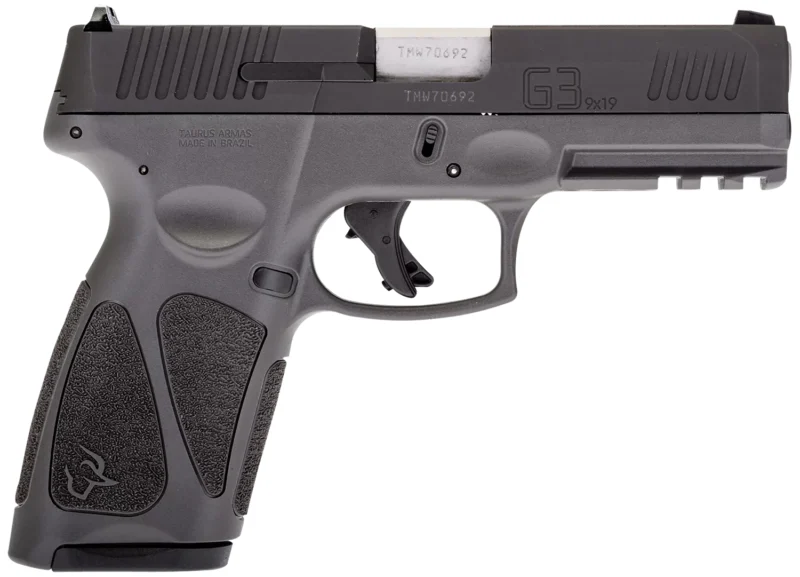

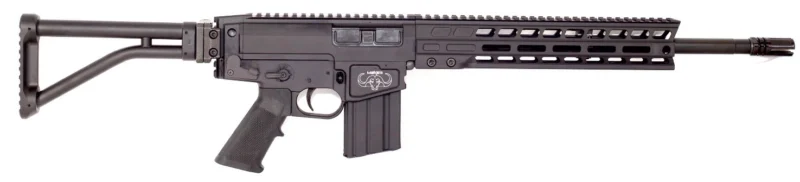


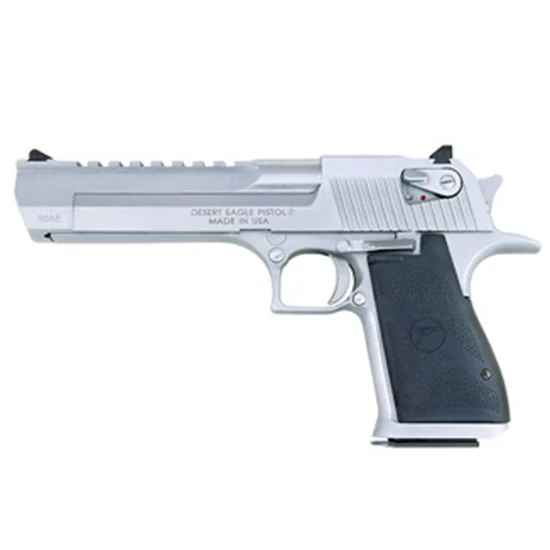


Tenney Industries supports:


Tenney Industries Gallery


WHAT OUR CUSTOMER SAY


Very knowledgeable and conscientious. Jake will do right by you. A++ business! If you are into hunting or firearms for any other reason you won't be disappointed.

Great guy to deal with and very knowledgeable goes above and beyond for the customer.

Great Gun Shop in West Michigan! Jake and his team are very helpful! Good amount of inventory and if he doesn’t have it, he will get it quickly!


I've purchased my share of tools from a variety of stores in different states but have had the best experience and fastest service at tennys. Very friendly and the guy knows his stuff. I recommend you check him out for all your 2a needs.


I've done a lot of business with Jake here over the past couple of years. He does a great job on repairs and can get Firearms at low prices. He also has a pretty decent inventory of used Firearms of All Sorts as well as Scopes and red dots. He stands behind his work and is an all-around great guy knows a lot!

Knowledgeable and trustworthy. Appreciate having a guy like Jake in the area for gun and ammo needs

You will not find a better guy to do business with. This little shop has just about anything you need. If he don’t have it on the shelf he can get it. This is exactly what Ludington needed.

I have used Tenneys as an FFL, as a gun smith, and have purchased many guns from the gun store side of the business…. It’s been flawless and professional service every time, He is a joy to talk to and his gun knowledge is in matched, Jake goes out of his way to make sure all of your firearms needs are met, it’s an awesome small town gun store. I always look forward to going back.


Jake helped us with a third party transfer of my father's vintage rifle. Friendly and knowledgeable.


Had Jake order a gun for me. Gun came in fast, was able to purchase at a great price in only a few days. Top notch service!
my cerakote looks awesome great guy with tons of knowledge and great customer service
jake did a very professional job threading a barrel and doing some cerakote for me. he's reasonably priced and quick with turnaround times (very rare with gunsmiths)
Firearms and Guns: An Informational Guide to Safety, Training, Storage, and Responsible Ownership with a Gun Shop in Milford, MI
Firearms are tools that have been used for a variety of purposes throughout history, including self-defense, hunting, sport shooting, and law enforcement. This guide aims to provide a comprehensive understanding of firearms while promoting safety, responsible ownership, proper storage practices, and the significance of training.
Whether you are a first-time firearm owner or someone looking to enhance your knowledge, the principles outlined here will help ensure that firearms are handled with respect and care.
Understanding the Basics of Firearms and Their Common Uses with Gun Dealers in Milford, MI with the Best Gun Store in Milford, MI
Firearms come in many types and configurations. Before delving into safety or ownership responsibilities, it is crucial to understand what firearms are and their common uses.
Types of Firearms to Buy in Milford, MI Available in Retail Gun Stores in Milford, MI
- Pistols: Compact firearms designed to be held with one hand. Commonly used for self-defense or concealed carry.
- Revolvers: Known for their revolving cylinder capable of holding multiple rounds. Durable and reliable.
- Rifles: Designed for precision shooting over long distances. Often used in hunting or competitive shooting sports.
- Shotguns: Utilized for close-range applications such as bird hunting or home defense due to their wide shot spread.
Each type comes in various calibers (ammunition sizes) designed for specific uses such as small-game hunting or personal protection.
Common Uses of Firearms from a Gun Dealer in Milford, MI
- Hunting
Hunting is one of the oldest uses of firearms. Rifles and shotguns are commonly employed because they offer accuracy at varying ranges depending on the game species being hunted. - Self-Defense
Handguns like pistols and revolvers are frequently chosen for personal protection due to their portability and ease of use in emergencies. In addition to ownership within homes, many individuals obtain permits for concealed carry where legally permitted. - Recreational and Competitive Shooting
Marksmanship is both a recreational activity and a professional sport: - Target shooting involves precision practice at ranges using paper targets.
- Competitive events like trap shooting (with shotguns) test skills against moving targets such as clay pigeons.
- Law Enforcement & Military Applications Law enforcement officers rely on firearms as essential tools for public safety while military personnel employ them in combat scenarios under strict operational guidelines.
Type Use Case Example Firearm Handgun Self-defense Glock 19 (Pistol) Rifle Hunting/Target Shooting Remington Model 700 Shotgun Home Defense/Bird Hunting Mossberg 500 Key Takeaways About Guns for Sale in Milford, MI
Understanding the basic types of firearms helps owners select tools suited to their intended purposes while fostering respect for these devices’ potential power. By knowing how distinct designs align with common applications—whether it’s recreation or defense—you can start your journey toward responsible firearm ownership fully informed about what fits your needs best.
Understanding the Basics of Firearms and Their Common Uses
Firearms have a long history and serve a variety of purposes, from recreational activities to professional applications. Whether you’re new to firearms or have some experience, it’s essential to understand their basic components, types, and common uses. This knowledge serves as the foundation for responsible ownership and operation.
Basic Components of a Firearm from a Local Gun Store in Milford, MI
- Barrel: The long tube through which the bullet travels after being fired.
- Action: The mechanism that loads, fires, and ejects cartridges. Examples include bolt-action, semi-automatic, or lever-action.
- Trigger: The control mechanism used to discharge the firearm.
- Magazine: Stores ammunition and feeds it into the chamber (applies to semi-automatic firearms).
Understanding these parts helps owners better maintain their firearms and troubleshoot potential issues during operation.
Types of Firearms
- Compact firearms designed for one-handed use.
- Includes revolvers (cylinder-fed) and pistols (magazine-fed).
- Commonly used for self-defense, sport shooting, or law enforcement.
- Long-barreled guns designed for precision over longer distances.
- Used in hunting game or competitive shooting sports.
- Examples include bolt-action rifles for hunting or semi-automatic rifles for tactical purposes.
- Designed to fire shells containing multiple small pellets (“shot”) or a single slug.
- Ideal for hunting birds or clay target shooting due to their wide spread pattern.
Common Uses for Firearms from a Firearms Store in Milford, MI
- Self-defense: Many people choose handguns because they are portable and easy to access in emergencies.
- Hunting: Rifles and shotguns are popular choices among hunters seeking game animals like deer or birds.
- Precision sports such as target shooting focus on accuracy at specific ranges.
- Clay pigeon shooting combines skill with quick reflexes using shotguns.
Type Example Use Distinct Feature Handgun Self-defense Compact size for portability Rifle Hunting/Target Sports High accuracy over long distances Shotgun Bird hunting/Shooting Clays Wide shot spread pattern Legal Considerations for an Arms Store in Milford, MI
It’s also crucial to understand that firearm ownership laws vary by region. Before purchasing any firearm, ensure compliance with your local regulations regarding permits, background checks, registration requirements, and transport rules.
By familiarizing yourself with the fundamentals of firearms—including their components, types, uses—and adhering strictly to applicable laws in your area, you’re taking an essential first step toward responsible ownership. This foundational knowledge not only ensures personal competence but also contributes meaningfully toward safe practices within your community.
Secure Firearm Storage and Access Control with the Best Gun Stores in Milford, MI
Proper firearm storage is one of the most critical responsibilities of gun ownership. Ensuring that firearms are stored securely not only prevents unauthorized access but also helps reduce accidents, theft, and misuse. This section outlines key considerations for secure firearm storage, including methods, tools, and best practices to ensure safety and compliance with legal requirements.
Why Secure Storage Matters for Gun Stores Around Me
- Preventing Unauthorized Access: Whether in households with children, guests, or other individuals unfamiliar with firearms, secure storage minimizes the possibility of accidental handling or discharge.
- Reducing Theft Risk: Unsecured firearms are a target for theft. Safe storage helps protect against burglary and loss of your weapons.
- Compliance with Legal Requirements: Many jurisdictions have laws mandating specific firearm storage practices. Failing to adhere can result in legal consequences.
Key Methods of Firearm Storage from a Gun Store Near Me
- Provide robust protection against unauthorized access and theft.
- Often equipped with locking mechanisms like combination locks, digital keypads, or biometric scanners.
- Fireproof safes offer additional protection from fire damage.
- More affordable than safes but provide less resistance to tampering.
- Suitable for owners seeking basic protection in controlled environments without significant theft concerns.
- Affordable tools that prevent a firearm from being loaded or discharged.
- Often used as an added layer of safety in conjunction with other storage methods.
- Portable options designed for secure transportation.
- Typically lockable but not ideal for long-term home security due to limited tamper resistance.
Best Practices for Firearm Storage from Gun Shops Near Me
- Store all firearms unloaded when not in use.
- Keep ammunition stored separately from firearms to prevent accidental loading and discharge.
- Place keys or combinations for safes and locks in a secure location accessible only by authorized individuals.
- Regularly inspect locks, safes, or storage mechanisms to ensure they remain functional over time.
Method Security Level Cost Portability Notes Gun Safes High $$$$$ Low Best overall option; heavy investment required Lockable Cabinets Moderate $$$ Low Affordable alternative; less tamper-proof Trigger/Cable Locks Basic (Supplemental) $ High Great as additional layer; limited on its own Gun Cases Moderate (Portable) $$ High Ideal for transport but less secure at home Securing Access Control for Handguns Near Me
- Biometric Systems: Fingerprint-based systems limit access strictly to authorized users while providing quick retrieval during emergencies.
- Key Management: Avoid widely distributing keys or sharing combinations unnecessarily.
- Technology-Aided Monitoring:
- Smart gun-safes come equipped with alerts that notify you if someone attempts unauthorized entry.
- Surveillance systems placed near firearm storage can act as both deterrents and evidence tools.
By adhering to these strategies and utilizing appropriate tools tailored to your household’s needs, you can ensure responsible ownership while safeguarding against potential risks associated with improper firearm handling or access control.
Why Firearm Training and Education Are Important When Exploring Handgun Stores in Milford, MI When Visiting the Best Gun Shops in Milford, MI
Firearm training and education are essential components of responsible gun ownership. Proper training ensures not only the safety of the firearm owner but also the safety of those around them. Education helps individuals understand how to use firearms responsibly, reducing the likelihood of accidents and misuse.
Benefits of Firearm Training and Education with Gun Dealers Near Me
- Safety Awareness: Comprehensive training programs teach gun owners how to handle firearms safely, covering topics such as muzzle discipline, trigger control, and situational awareness. This minimizes the risk of accidental discharges.
- Legal Understanding: Education often includes information about federal, state, and local laws regarding firearm ownership, concealed carry permits, transportation rules, and self-defense regulations.
- Training improves shooting accuracy and confidence.
- Provides knowledge about different types of firearms — handguns, rifles, shotguns — ensuring proper use depending on their intended purpose.
- Crisis Management Skills: Advanced courses can include defensive tactics or situational training to help individuals responsibly handle high-stress situations.
Types of Firearms Training with a Gunsmith Near Me
Training Type Description Basic Firearm Safety Covers fundamental skills like safe handling, loading/unloading firearms, and understanding parts. Marksmanship Training Teaches shooting techniques such as aiming, breathing control, stance stability, and recoil management. Home Defense Courses Focuses on strategies for protecting one’s home while minimizing risks to family members. Concealed Carry Classes Prepares individuals for carrying concealed weapons in accordance with local legal requirements. Tactical/Advanced Training Designed for experienced users; includes drills for situational awareness and defensive applications. How to Access Training Resources
- Certified Instructors: Look for classes led by certified professionals through organizations like the NRA (National Rifle Association) or USCCA (United States Concealed Carry Association).
- Local Gun Ranges: Many ranges offer beginner-to-advanced-level courses tailored to various needs.
- Online Resources: Virtual classes can supplement in-person training by providing theoretical knowledge on safety practices or laws.
- Community Programs: Some community centers or law enforcement agencies host free or low-cost workshops on firearm education.
The Importance of Continuing Education
- Laws regarding firearm ownership may change periodically; staying informed helps owners remain compliant.
- Regular practice reinforces good habits learned during initial training sessions.
By committing to ongoing learning opportunities like refresher courses or advanced workshops, gun owners can ensure they remain prepared to handle their responsibilities effectively.
Why Firearm Training and Education Are Important
Firearm training and education are critical components of responsible gun ownership. They empower individuals with the knowledge, skills, and confidence needed to handle firearms safely and effectively while fostering a culture of responsibility. Whether you’re a first-time owner or an experienced shooter, ongoing training ensures competency and reduces risks.
Benefits of Firearm Training
- Safety Proficiency: Training teaches fundamental safety practices such as proper handling techniques, muzzle awareness, and trigger discipline.
- Accurate Shooting Skills: Education refines aiming techniques, stance, grip control, and target acquisition.
- Emergency Preparedness: Learning how to manage misfires or malfunctions ensures you’re equipped to react appropriately in high-stress situations.
- Legal Awareness: Many courses also cover legal considerations regarding firearm use in different scenarios. This helps ensure compliance with local laws and regulations.
- Confidence Building: Regular practice enhances familiarity with your firearm, reducing anxiety during use.
Types of Firearm Training
Type of Training Description Basic Safety Courses Covers foundational safe-handling practices for beginners Concealed Carry Classes Prepares individuals for carrying concealed firearms legally Tactical Training Focuses on advanced techniques in self-defense scenarios Hunting Education Teaches ethics, firearm safety in the field, and target identification Range Practice Offers live-fire experience under supervision Key Components of Effective Firearm Education
- Credentialed Instructors: Choose certified trainers with experience in firearm safety and education.
- Hands-On Practice: Look for courses that combine classroom instruction with live-range exercises.
- Scenario-Based Learning: Engage in simulations or drills that mimic real-life situations to build practical skills.
- Legal Guidance: Ensure education includes an overview of legal responsibilities tied to carrying or using firearms.
- Periodic Refreshers: Revisit courses regularly to update your skills and knowledge as laws or technology evolve.
The Long-Term Value of Ongoing Education
Even seasoned gun owners benefit from continuous learning opportunities through advanced training classes or participation in shooting competitions. Staying current on best practices promotes not only personal safety but also public trust in responsible gun ownership.
Investing time in proper firearm education reflects your commitment to safeguarding yourself, your family, and your community while demonstrating respect for the responsibilities associated with owning guns responsibly.