


Welcome to Tenney Industries


FEATURED PRODUCTS
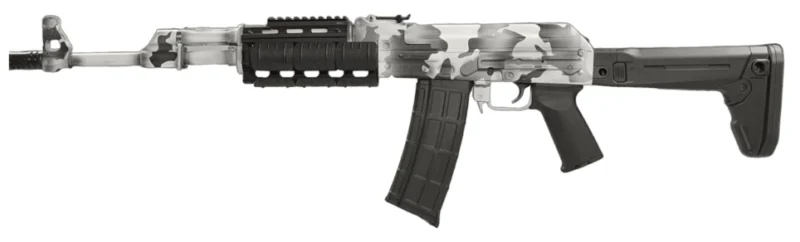
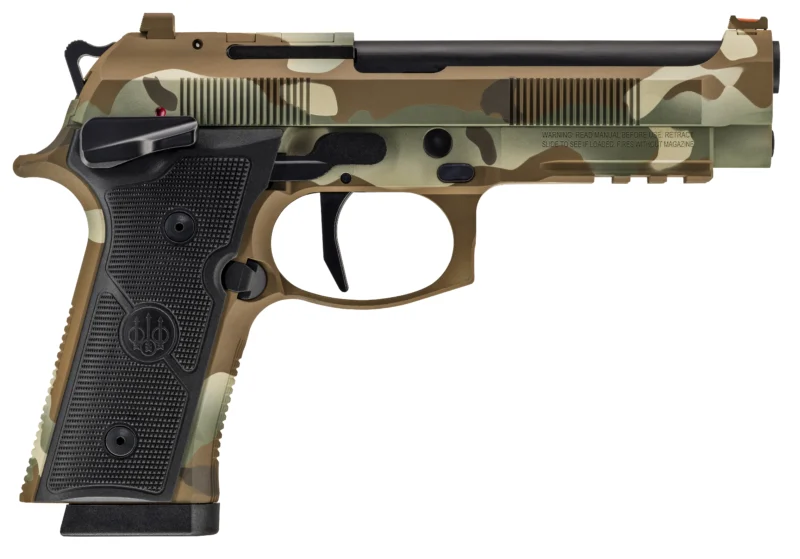
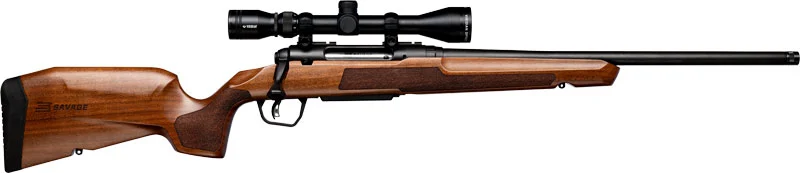
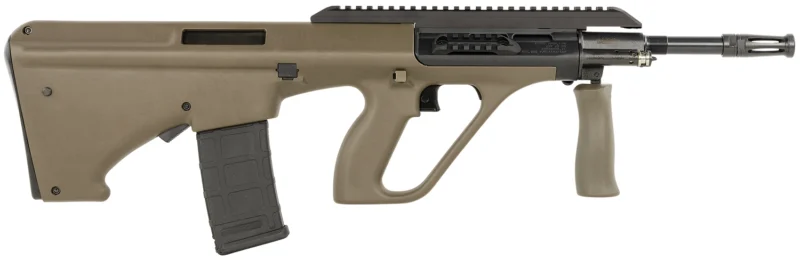
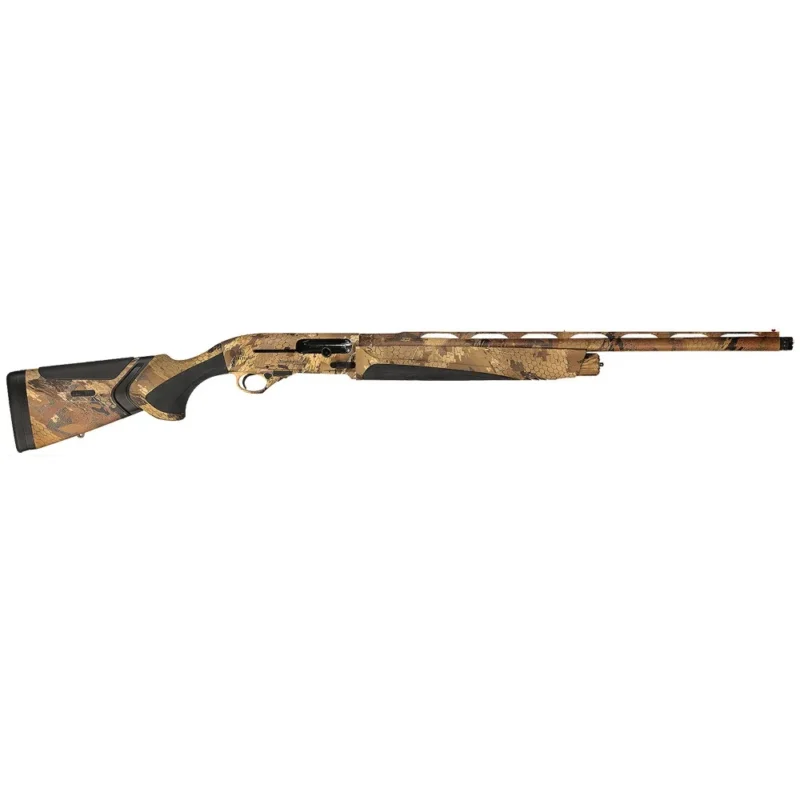
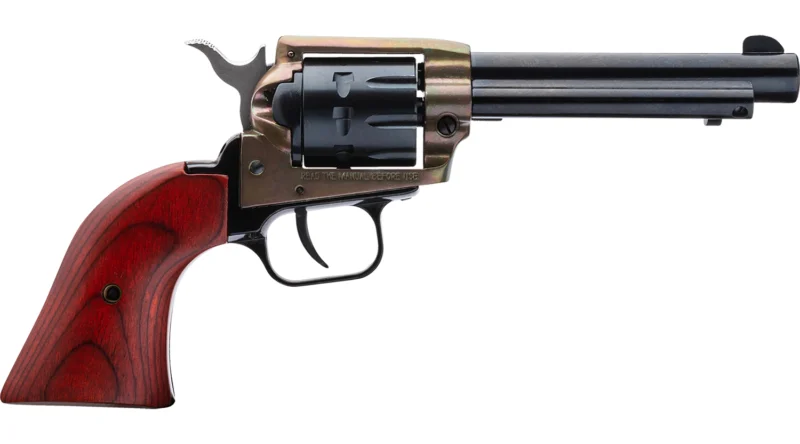
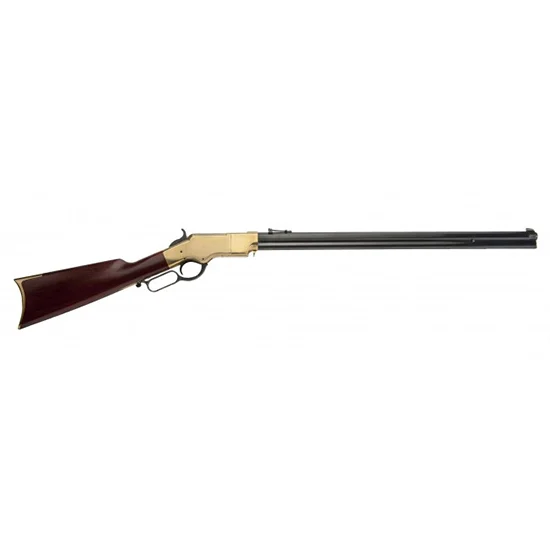
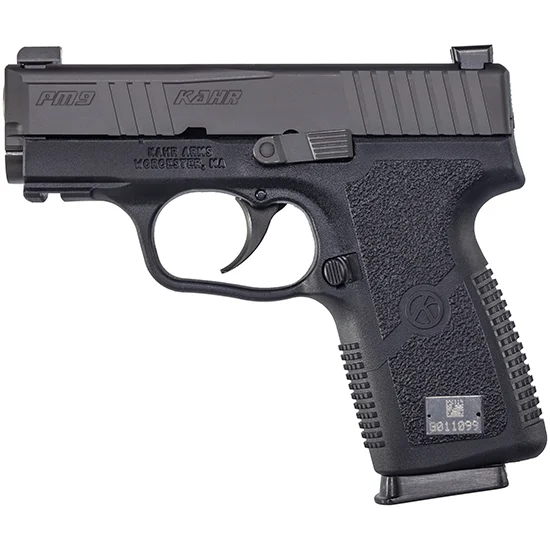

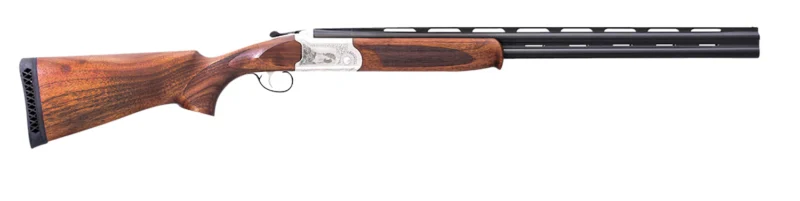
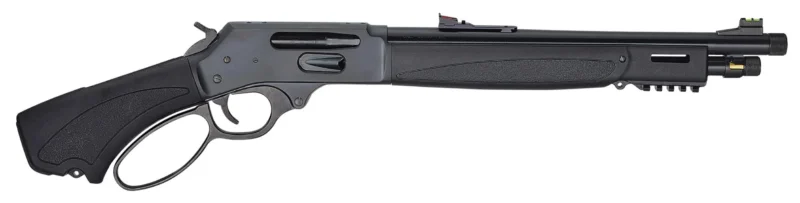
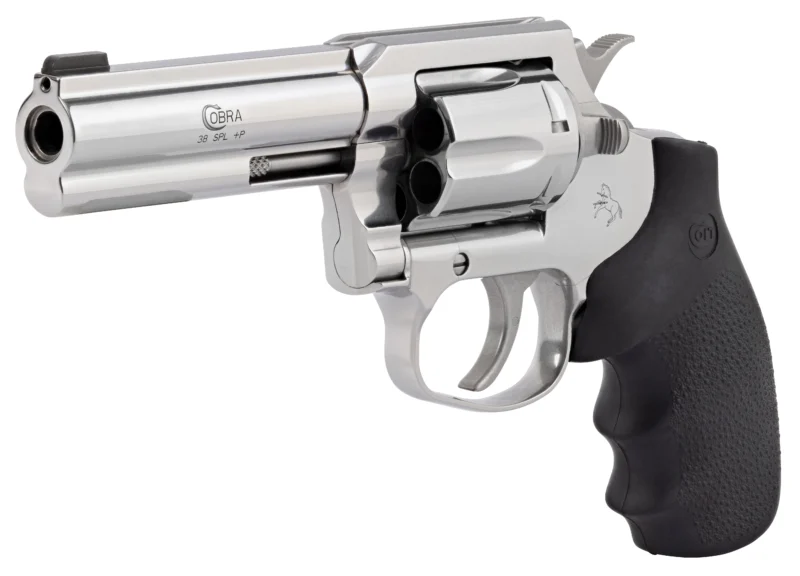
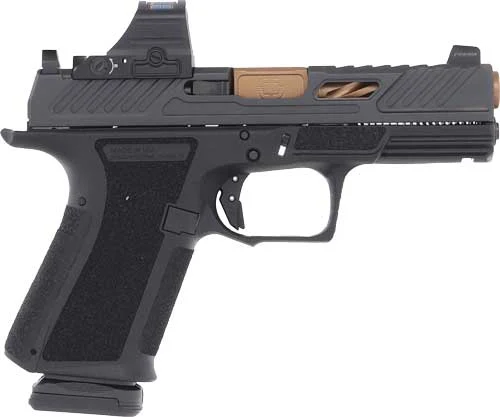


Tenney Industries supports:


Tenney Industries Gallery


WHAT OUR CUSTOMER SAY


Very knowledgeable and conscientious. Jake will do right by you. A++ business! If you are into hunting or firearms for any other reason you won't be disappointed.

Great guy to deal with and very knowledgeable goes above and beyond for the customer.

Great Gun Shop in West Michigan! Jake and his team are very helpful! Good amount of inventory and if he doesn’t have it, he will get it quickly!


I've purchased my share of tools from a variety of stores in different states but have had the best experience and fastest service at tennys. Very friendly and the guy knows his stuff. I recommend you check him out for all your 2a needs.


I've done a lot of business with Jake here over the past couple of years. He does a great job on repairs and can get Firearms at low prices. He also has a pretty decent inventory of used Firearms of All Sorts as well as Scopes and red dots. He stands behind his work and is an all-around great guy knows a lot!

Knowledgeable and trustworthy. Appreciate having a guy like Jake in the area for gun and ammo needs

You will not find a better guy to do business with. This little shop has just about anything you need. If he don’t have it on the shelf he can get it. This is exactly what Ludington needed.

I have used Tenneys as an FFL, as a gun smith, and have purchased many guns from the gun store side of the business…. It’s been flawless and professional service every time, He is a joy to talk to and his gun knowledge is in matched, Jake goes out of his way to make sure all of your firearms needs are met, it’s an awesome small town gun store. I always look forward to going back.


Jake helped us with a third party transfer of my father's vintage rifle. Friendly and knowledgeable.


Had Jake order a gun for me. Gun came in fast, was able to purchase at a great price in only a few days. Top notch service!
my cerakote looks awesome great guy with tons of knowledge and great customer service
jake did a very professional job threading a barrel and doing some cerakote for me. he's reasonably priced and quick with turnaround times (very rare with gunsmiths)
A Comprehensive Guide to Becoming the Best Gun Store in Manistee, MI
Starting a gun shop can be a rewarding yet challenging business endeavor. As with any business, it requires proper planning, industry knowledge, and adherence to legal regulations. Below is a step-by-step guide to help aspiring entrepreneurs navigate the process.
Step 1: Research Regulations at Your Local Gun Store in Manistee, MI
- Apply through the Bureau of Alcohol, Tobacco, Firearms and Explosives (ATF).
- Undergo background checks and fulfill all FFL requirements.
- Comply with State Requirements:
Regulations vary by state. Ensure you understand restrictions on firearm sales in your area. - Zoning Laws:
Verify whether your chosen location meets local zoning ordinances for operating a firearms business.
Step 2: How to Buy Guns in Manistee, MI Successfully
- Market Analysis: Research your target market, competition, and demand in your area.
- Business Structure: Decide whether to operate as an LLC, sole proprietorship, or corporation.
- Financial Projections: Estimate startup costs, revenue streams, and profitability timelines.
Step 3: Choose the Right Firearms Store in Manistee, MI
- Accessibility: Choose an area that is easy to reach for customers while complying with zoning laws.
- Demographics: Focus on regions with high demand for firearms or outdoor sports activities like hunting or shooting ranges nearby.
- Security Needs: The store should accommodate strong security measures such as surveillance systems and reinforced storage.
Step 4: Stocking Your Inventory for an Arms Store in Manistee, MI
Common Categories of Firearm Products:
| Category | Examples | Notes | |———————|———————————|—————————————-| | Firearms | Handguns, Rifles | Offer options for self-defense & sport| | Accessories | Ammunition, Scopes | Diversify offerings for higher profit | | Safety Equipment | Gun safes, Trigger locks | Emphasize safety products |Ensure that the products align with customer preferences in your region.
Step 5: Implement Security Measures for Gun Stores Around Me
Suggested Security Features:
– Install high-definition surveillance cameras inside and outside the store. – Use reinforced steel cabinets or vaults for firearm storage. – Develop employee training focused on theft prevention measures.Not only does this safeguard your inventory but also ensures regulatory compliance.
Step 6: Marketing Your Gun Store Near Me Business
Effective Strategies Include: 1. Build an Online Presence: – Create a professional website showcasing products. – Utilize social media platforms to engage with potential customers.
- Discounts during holidays like Father’s Day or hunting season.
- Loyalty programs or referral incentives.
- Collaborate with shooting ranges or hunting groups nearby.
- Sponsor local events related to outdoor sports.
By implementing these steps methodically and focusing on customer service along the way, aspiring entrepreneurs can establish themselves as trusted providers in their communities while ensuring compliance at every level of operation.
How Does a Gun Shop in Manistee, MI Generate Revenue and Stay Profitable
Understanding how gun shops generate revenue and maintain profitability is essential for entrepreneurs entering the firearms retail industry. Gun shops operate within a unique business model that combines product sales, services, and compliance with strict legal regulations. Below is an in-depth analysis of revenue streams, key factors influencing profitability, and strategies to ensure long-term success.
Exploring Primary Revenue Streams for Gun Shops Near Me for Gun Dealers in Manistee, MI
- Handguns (e.g., pistols, revolvers)
- Long guns (e.g., rifles, shotguns)
- Specialty firearms (e.g., antique or collectible guns)
- Bulk ammunition purchases for hunting or recreational shooting
- Specialty ammunition tailored for specific firearm calibers
- Protective gear such as eye and ear protection
- Firearm cases, holsters, slings, and storage solutions
- Cleaning kits, optics like scopes or sights
- Licensing and Permits
Some gun shops assist customers with obtaining carry permits or completing background checks for a processing fee. - Gunsmithing services such as repairs or modifications
- Personalization options like engraving or custom finishes
- Training Courses
Offering firearm safety courses, concealed carry training, or advanced shooting techniques can attract new customers while generating additional income. - Range Memberships (if applicable)
For gun shops equipped with indoor ranges: memberships or hourly rentals provide recurring revenue.
Key Costs Impacting the Best Gun Stores in Manistee, MI
Category Example Costs Inventory Firearms stock; ammunition supplies Licensing Federal Firearms License (FFL); local permits Compliance Background checks; ATF audits Facilities Rent/mortgage; security systems Marketing Advertising campaigns; website optimization Staffing Wages for employees; training costs Strategies to Boost Profitability for the Best Gun Shops in Manistee, MI
- Diversify Inventory: Maintain a mix of best-selling firearms alongside niche products to attract different customer groups.
- Leverage Upselling Opportunities: Train staff to recommend accessories like scopes or holsters during firearm purchases.
- Focus on Customer Retention: Implement loyalty programs with discounts on repeat purchases.
- Provide Expert Knowledge: Build credibility by hiring experienced staff who can guide customers effectively.
- Invest in E-commerce: Offer online sales of non-restricted items like accessories or apparel to expand your reach.
- Optimize Pricing Strategies: Monitor competitors’ pricing while maintaining reasonable profit margins.
Legal Compliance at Handgun Stores in Manistee, MI as an Ongoing Priority
- Conduct thorough background checks before every sale.
- Keep detailed records of inventory transactions per ATF requirements.
- Educate employees regularly on changes in gun laws at state and federal levels.
By combining diversified revenue streams with efficient management practices, gun shop owners can create sustainable businesses that thrive in the competitive firearms market while adhering to legal obligations.
How Do Retail Gun Stores in Manistee, MI Generate Revenue and Stay Profitable
Gun shops operate in a competitive and highly regulated industry, requiring diverse revenue streams and efficient business strategies to remain profitable. Below is an in-depth analysis of how gun shops generate income and ensure long-term financial sustainability.
Primary Revenue Streams
- Selling firearms is the core revenue generator for most gun shops.
- Inventory typically includes handguns, rifles, shotguns, and specialty firearms (e.g., antiques or custom builds).
- Popular brands such as Glock, Smith & Wesson, and Ruger often drive consistent sales.
- Ammunition complements firearm sales and accounts for a significant portion of recurring revenue.
- Offering a range of calibers (e.g., 9mm, .45 ACP, .223 Remington) caters to various customer needs.
- Many gun shops enhance profitability by selling accessories like scopes, holsters, cleaning kits, magazines, and gun safes.
- Tactical gear such as protective eyewear or ear protection is also a common add-on purchase for customers.
- Providing repair, maintenance, customization (e.g., trigger jobs or barrel threading), and restoration services adds value to the customer experience while diversifying income sources.
- Firearms safety courses or concealed carry licensing classes are often required by law in many states.
- Hosting training programs can be both a public service and an additional profit center.
- Some gun shops incorporate shooting ranges into their facilities to attract customers who wish to test firearms or hone their skills.
- Membership fees or hourly usage rates can significantly bolster revenue.
Exploring Secondary Revenue Opportunities with Handguns Near Me
- Special Orders: Offering customers the ability to order rare or customized firearms that may not be available in-store can boost sales with minimal upfront inventory costs.
- Membership Programs: Loyalty programs offering discounts on ammo purchases or range fees encourage repeat business while generating steady cash flow.
- Partnerships with Law Enforcement: Establishing contracts with local police departments or security organizations for bulk firearm purchases can provide long-term stability in sales.
Effective Strategies for Profitability for Gun Dealers Near Me
- Efficient Inventory Management | Aspect | Description | |———————–|———————————————-| | Stock Levels | Monitor demand trends to avoid overstocking | | Vendor Negotiations | Build relationships with suppliers for better pricing | | Diversified Inventory | Carry products catering to both beginners and enthusiasts |
- Compliance with Regulations Gun shop owners must adhere strictly to federal and state laws concerning firearm sales (e.g., background checks under the Brady Handgun Violence Prevention Act). Non-compliance can lead to costly fines or revocation of licenses.
- Customer Retention Building strong relationships with customers through excellent service ensures repeat business:
- Offer knowledgeable advice tailored to individual needs.
- Run promotions during hunting seasons or holidays.
- Online Sales Integration Expanding operations online enables access to broader markets:
- List items on platforms that comply with federal regulations.
- Provide detailed product descriptions accompanied by professional photography.
- Cost Optimization Review overhead expenses regularly:
- Negotiate lower rent if leasing space.
- Invest in energy-efficient solutions for shops equipped with ranges.
By combining diverse revenue streams with sound operational practices, gun shop owners can build resilient businesses capable of thriving amid shifting market conditions while meeting customer demand responsibly.
Starting a Gun Dealer in Manistee, MI: Investment Costs and What to Expect
Starting a gun shop can be a lucrative business venture, but it requires careful planning and a clear understanding of the financial investment involved. Below, we’ll break down the major costs associated with launching a gun shop to help you better prepare for success.
Licensing and Legal Fees to Consider When Looking for a Gunsmith Near Me
Before opening your doors, you’ll need to obtain the proper licenses and permits. These costs can vary depending on your location and the type of firearms you plan to sell.
- Application fee ranges from $30 for dealers to $3,000 for manufacturers (valid for 3 years).
- Varies significantly by state but can range from $100 to several hundred dollars annually.
- Training programs may cost between $100 and $500 per participant.
Rent or Purchase of Retail Space
The cost of retail space is one of the largest recurring expenses in running a gun shop. It depends heavily on location, size, and local real estate markets.
Location Type Monthly Rent (Average) Annual Cost High-Traffic Urban $3,000 – $7,000 $36,000 – $84,000 Suburban Areas $1,500 – $4,000 $18,000 – $48,000 Rural Locations $1,000 – $2,500 $12,000 – $30,000 If purchasing property instead of renting: – Average cost per square foot: $150–$300, depending on market conditions. – Additional renovation or security upgrades: $10,000–$50,000, based on store size.
Inventory Costs
Inventory is a vital part of starting your gun shop. You’ll need an appropriate stock of firearms, ammunition, accessories such as holsters or scopes, and possibly merchandise like apparel or safety gear.
- Firearms: Initial inventory investment typically ranges from $20,000–$50,000, depending on product selection.
- Ammunition: A baseline stock may require around $10,000–$20,000.
- Accessories & Miscellaneous Items: Budget at least another $5,000–$15,000 initially.
Category Approximate Cost Handguns ~$15K Rifles ~$20K Ammunition ~$10K Accessories ~$8K Security Measures
A gun shop must have robust security systems in place to comply with laws and protect inventory.
Key expenses include: – High-security safes: $2K-$6K per unit – Surveillance systems: Starting at ~$3K-$8K – Alarm systems with monitoring services: ~$50-$150/month – Reinforced doors/windows or bulletproof glass installation: Upwards of ~$5K-$10K
Marketing and Branding
Attracting customers will require initial marketing investments as well as ongoing efforts.
Initial costs include: – Website design/development: ~$1K-$5K – Logo design/branding materials: ~$300-$1K – Advertising campaigns (local ads/social media): Starting at ~$500/month
Staffing Costs
Hiring knowledgeable staff is critical for providing excellent customer service while ensuring compliance with firearm regulations.
Estimated costs: – Employee wages: ~$12-$25/hour, depending on location and expertise. – Annual payroll for 2 full-time employees averages between ~$50k–75k/year.
Additional considerations include training expenses (~$500–1k/staff member) if employees require firearm safety certifications or industry-specific knowledge.
Total Estimated Startup Costs
Expense Category Estimated Range Licensing & Legal Fees ~$500 – $5k Retail Space ~$12k – $84k+ annually Inventory ~$35k – 85k+ Security ~$10k – 25k+ Marketing/Branding ~$2k –12k Staffing ~$50k –75+k/year Initial total investment can range from approximately $110K to over $250K, depending on location size/scale decisions made during setup.
By carefully breaking down these costs upfront & ensuring sufficient capital reserves , aspiring entrepreneurs will position their business sustainably longterm
Exploring Market Trends and Growth Potential for Guns for Sale in Manistee, MI
Understanding industry statistics is vital for any entrepreneur aiming to succeed in the gun shop business. These insights provide a clear picture of the market landscape, customer behavior, and growth opportunities, all of which can guide strategic decisions and help ensure long-term profitability. Below, we’ll explore key data points and trends shaping the gun shop industry.
Market Size and Growth Trends
The firearms industry represents a multi-billion-dollar market in the United States alone. According to recent reports:
– Annual Revenue: The firearms and ammunition industry generates over $20 billion annually, with consistent year-over-year growth.
– Market Growth Rate: The sector has experienced a compound annual growth rate (CAGR) of around 3% to 5% in the past five years.
– Consumer Spending: A significant portion of sales comes from recreational shooters and hunters, as well as individuals purchasing firearms for self-defense.These statistics highlight steady demand despite fluctuating economic conditions or regulatory changes.
Key Demographics of Gun Owners
Identifying your target audience is essential for tailoring your inventory and marketing strategies. Here are some important demographic insights:
– Age Groups: The majority of firearm buyers fall within the 30–55 age range. Younger buyers (18–29) represent a growing segment due to increased interest in sport shooting competitions.
– Gender Breakdown: Men historically dominate gun purchases (about 70–75% of buyers), but women now make up approximately 20–25% of firearm owners—a steadily increasing figure driven by self-defense needs.
– Geographic Trends: Rural areas tend to see higher concentrations of firearm ownership compared to urban centers. Southern states traditionally have higher gun ownership rates than other regions in the U.S.Popular Products Driving Sales
Certain categories within the firearms market contribute significantly to overall sales figures:
1. Handguns – Representing roughly 55–60% of all firearm sales, handguns are preferred for personal protection due to their portability and ease of use. 2. Rifles – Often purchased for hunting or sporting purposes, rifles account for about 25–30% of total sales. 3. Ammunition – A consistent revenue stream tied directly to shooting activities. 4. Accessories – This includes optics, holsters, cleaning kits, and safes—offering high margins for retailers.Product Category Percentage of Sales Use Cases Handguns 55–60% Self-defense Rifles 25–30% Hunting, sport shooting Ammunition N/A Recreational & professional usage Accessories N/A Enhancing user experience Factors Influencing Market Dynamics
Several external factors impact demand within the gun shop industry:
– Legislation Changes: Stricter regulations or bans on certain types of firearms can directly affect sales trends. – Social Climate: Concerns about personal safety often correlate with spikes in firearm purchases during periods of social unrest. – Technological Innovations: Advancements in smart guns or lightweight materials influence consumer preferences.Staying informed about these dynamics allows businesses to adapt quickly by adjusting inventory levels or diversifying product lines.
Future Outlook
The future looks promising for gun shop owners who can navigate challenges like compliance requirements while capitalizing on emerging trends such as increased female participation in shooting sports or innovations like modular firearms systems. Leveraging these insights provides a solid foundation for sustained success in this competitive yet rewarding market space.
By understanding these statistics and trends, aspiring entrepreneurs can better assess market opportunities when planning their entry into this dynamic industry sector.