


Welcome to Tenney Industries


FEATURED PRODUCTS
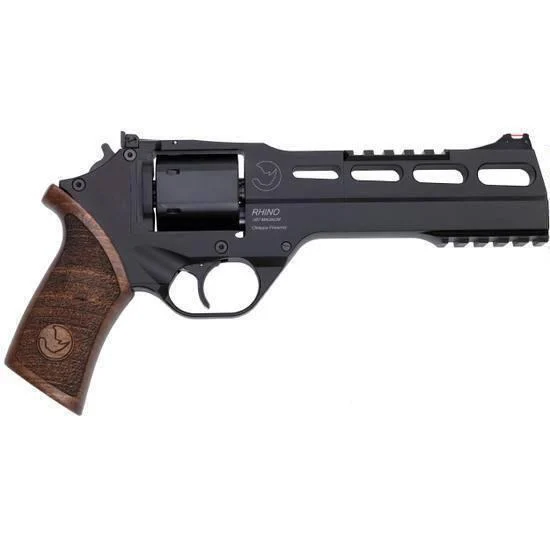
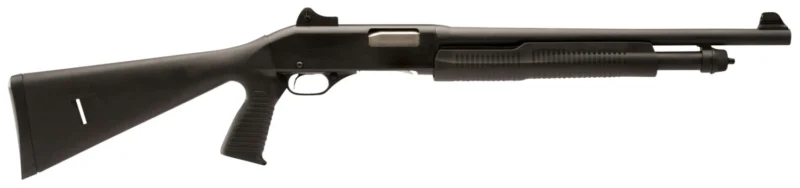
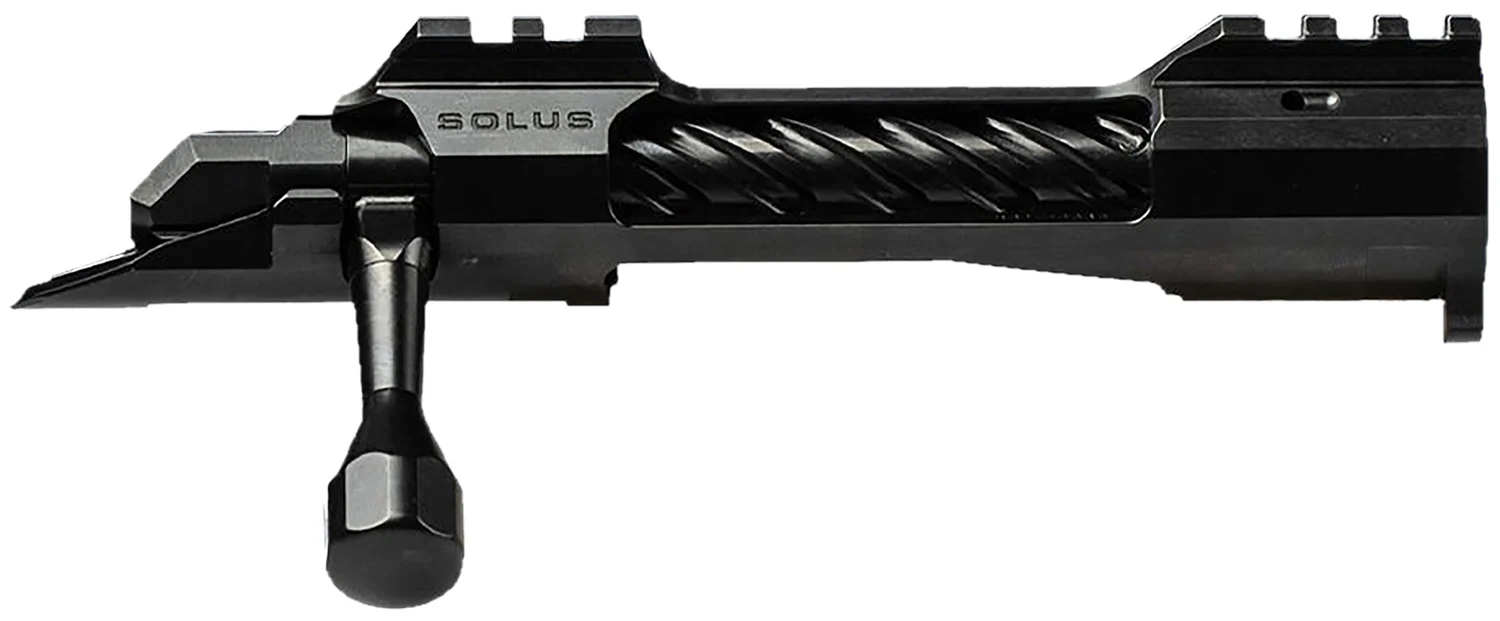


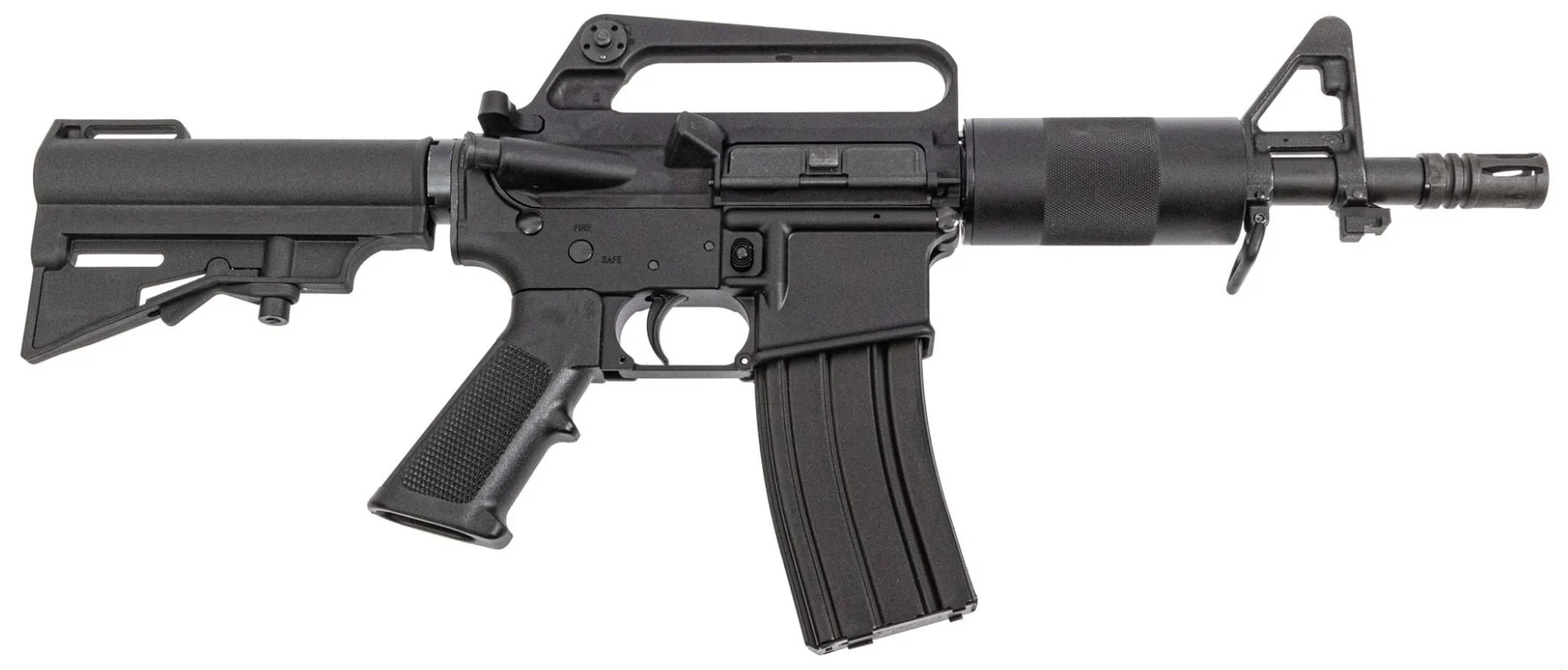




Tenney Industries supports:


Tenney Industries Gallery


WHAT OUR CUSTOMER SAY


Very knowledgeable and conscientious. Jake will do right by you. A++ business! If you are into hunting or firearms for any other reason you won't be disappointed.

Great guy to deal with and very knowledgeable goes above and beyond for the customer.

Great Gun Shop in West Michigan! Jake and his team are very helpful! Good amount of inventory and if he doesn’t have it, he will get it quickly!


I've purchased my share of tools from a variety of stores in different states but have had the best experience and fastest service at tennys. Very friendly and the guy knows his stuff. I recommend you check him out for all your 2a needs.


I've done a lot of business with Jake here over the past couple of years. He does a great job on repairs and can get Firearms at low prices. He also has a pretty decent inventory of used Firearms of All Sorts as well as Scopes and red dots. He stands behind his work and is an all-around great guy knows a lot!

Knowledgeable and trustworthy. Appreciate having a guy like Jake in the area for gun and ammo needs

You will not find a better guy to do business with. This little shop has just about anything you need. If he don’t have it on the shelf he can get it. This is exactly what Ludington needed.

I have used Tenneys as an FFL, as a gun smith, and have purchased many guns from the gun store side of the business…. It’s been flawless and professional service every time, He is a joy to talk to and his gun knowledge is in matched, Jake goes out of his way to make sure all of your firearms needs are met, it’s an awesome small town gun store. I always look forward to going back.


Jake helped us with a third party transfer of my father's vintage rifle. Friendly and knowledgeable.


Had Jake order a gun for me. Gun came in fast, was able to purchase at a great price in only a few days. Top notch service!
my cerakote looks awesome great guy with tons of knowledge and great customer service
jake did a very professional job threading a barrel and doing some cerakote for me. he's reasonably priced and quick with turnaround times (very rare with gunsmiths)
Understanding the Basics of Modern Firearms from the Best Gun Store in Madison Heights, MI
Modern firearms are sophisticated tools that come in a variety of shapes, sizes, and functionalities. To understand firearms effectively, it’s essential to break down their core components, types, and mechanisms. A thorough knowledge of these basics helps owners make informed decisions about firearm selection and usage while promoting responsible ownership.
Core Components of Firearms and Guns for Sale in Madison Heights, MI
Most firearms share a set of fundamental components.
- Barrel: The cylindrical tube through which a bullet travels when fired.
- Action: The mechanism responsible for loading, firing, and ejecting cartridges. Common types include bolt-action, semi-automatic, pump-action, and lever-action.
- Trigger: The part pulled by the shooter to initiate firing. It activates the firing mechanism.
- Magazine or Cylinder: A device that holds ammunition until it is chambered (magazine for semi-automatic firearms; cylinder for revolvers).
- Stock or Grip: Provides stability while handling the firearm.
Understanding these key parts enables users to safely clean, maintain, and operate their firearms.
Types of Modern Firearms Available at a Local Gun Store in Madison Heights, MI
- Compact and portable.
- Designed for one-handed use but can be held with both hands for added stability.
- Revolvers: Feature a rotating cylinder with multiple chambers for ammunition.
- Semi-Automatic Pistols: Use magazines to feed bullets automatically after each shot.
- Larger in size; typically designed to be fired from the shoulder.
- Used for hunting, sport shooting, or tactical purposes.
- Common examples:
- Rifles: Known for precision over long distances due to rifled barrels (barrels with grooves that spin bullets).
- Shotguns: Fire shells containing multiple pellets (buckshot) or single slugs; ideal for close-range hunting or home defense.
Key Firearm Mechanisms When Looking to Buy Guns in Madison Heights, MI
The way a firearm operates depends heavily on its action type.
Action Type Description Examples Bolt Action Requires manual cycling of a bolt after firing Hunting rifles Semi-Automatic Automatically chambers the next round Handguns and modern sporting rifles Pump Action Involves manual sliding motion between shots Shotguns Lever Action Operated using an external lever Classic hunting rifles Ammunition Basics from a Firearms Store in Madison Heights, MI
Ammunition is as critical as the firearm itself. Each cartridge includes four primary components: 1.Bullet: The projectile that exits the barrel when fired. 2.Case/Cartridge Casing: Holds all other components together. 3.Powder/Propellant: Burns rapidly to create gas pressure that propels the bullet forward. 4.Primer: Ignites the powder when struck by the firing pin.
Different firearms require specific ammunition calibers—always ensure compatibility between your firearm and its ammunition to avoid malfunctions or accidents.
Understanding these basics equips both novice and experienced owners with foundational knowledge critical to proper use and safety practices regarding modern firearms.
Essential Firearm Safety Rules Every Owner Should Follow from a Gun Shop in Madison Heights, MI
These rules are designed not only to protect the individual handling the firearm but also those around them.
- Never assume a gun is unloaded, even if someone tells you otherwise.
- Always check and verify the chamber and magazine yourself before handling or cleaning the firearm.
- Keep the muzzle pointed in a safe direction at all times.
- Avoid pointing it toward people, pets, or valuable property.
- This reduces accidental discharges caused by reflexive movement or mishandling.
- Know where your bullet will go if it misses or passes through your target.
- Be aware of potential risks such as people, property, or wildlife behind your intended target.
Additional Firearm Safety Measures from the Best Gun Stores in Madison Heights, MI
- Always unload firearms before cleaning them.
- Avoid distractions when holding or using a firearm.
- Use locking devices like trigger locks or cable locks when storing firearms.
- Store ammunition separately from firearms in locked containers.
Storage Option Features Notes Gun Safe Heavy-duty protection against unauthorized access and fire damage Ideal for homes with multiple guns Lockbox Compact design for handguns; portable A good option for quick access needs while maintaining security Trigger Lock Prevents trigger manipulation on stored firearms Not sufficient on its own without additional storage measures Communicating Safety to Others with the Best Gun Shops in Madison Heights, MI
- Clearly communicate basic safety rules so everyone understands their importance.
- Educate children about gun safety using age-appropriate methods (e. g. , teaching them never to touch a firearm without adult supervision). Many programs like Eddie Eagle from NRA provide helpful tools for this purpose.
By consistently practicing these guidelines and sharing them with others who have access to firearms in your home, you contribute significantly to preventing avoidable incidents while fostering responsible ownership habits that align with legal and ethical obligations.
Why Firearm Training and Education Matter When Visiting Handgun Stores in Madison Heights, MI
Firearm training and education are essential components of responsible gun ownership. They not only ensure that owners understand the technical aspects of firearms but also promote safe handling, ethical use, and legal compliance.
Benefits of Firearm Training from an Arms Store in Madison Heights, MI
- Reduces the likelihood of accidental discharges.
- Teaches proper storage methods to keep firearms out of unauthorized hands.
- Familiarizes owners with situational awareness in various environments.
- Enhances accuracy and proficiency in handling firearms.
- Provides practical knowledge about different shooting stances, grip techniques, and trigger control.
- Offers opportunities for real-world practice through range training sessions or simulations.
- Educates owners about local and federal firearm laws, such as licensing requirements, transport regulations, and self-defense statutes.
- Helps avoid inadvertent legal trouble by highlighting prohibited actions or areas (e. g. , gun-free zones).
- Encourages ethical decision-making when it comes to using firearms in self-defense scenarios or hunting situations.
- Reduces the risk of mishandling under stress by teaching controlled responses.
Types of Firearm Education Offered by Gun Stores Around Me
- Basic Firearm Courses: Designed for beginners to learn fundamental skills like loading/unloading, aiming, and safe storage practices.
- Advanced Tactical Training: For experienced users focusing on defensive shooting techniques or high-pressure scenarios.
- Hunter Safety Programs: Focused on teaching ethical hunting practices, wildlife conservation principles, and field safety.
- Legal Seminars: Workshops or classes that explain your rights as a gun owner while addressing changing laws.
Type of Education Target Audience Key Focus Areas Basic Firearm Courses New Owners Safe handling, operation basics Advanced Tactical Training Experienced Users Defensive strategies under stress Hunter Safety Programs Hunters Ethics, wildlife conservation Legal Seminars All Owners Rights/responsibilities under the law Building Confidence Through Practice at a Gun Store Near Me
- Visit shooting ranges frequently to refine skills learned during training sessions.
- Participate in firearm competitions or clubs to stay engaged with other responsible owners.
- Take refresher courses periodically to stay up-to-date with new techniques or legal changes.
Choosing the Right Instructor or Program at Gun Shops Near Me
- Look for instructors who emphasize both technical skill-building and moral responsibility.
- Check reviews or ask for recommendations from fellow firearm enthusiasts.
Education is the foundation upon which responsible ownership is built. By consistently prioritizing learning opportunities over time, firearm owners can cultivate safer habits while fostering respect for the powerful tools they possess—benefiting themselves as well as those around them through informed decision-making practices at every step of their journey with firearms.
Building Long-Term Habits for Responsible Firearm Ownership with a Gun Dealer in Madison Heights, MI with Retail Gun Stores in Madison Heights, MI
Developing long-term habits for responsible firearm ownership is essential for ensuring safety, compliance with legal requirements, and fostering a culture of accountability. Habits aren’t formed overnight, but with consistent effort and a focus on best practices, they can create a solid foundation for responsible gun ownership. Below are actionable steps and considerations to help build and sustain these habits.
Commit to Ongoing Education About Handguns Near Me
Responsible firearm ownership requires more than initial training; it involves continuous learning. – Stay updated on changing laws and regulations in your jurisdiction. – Participate in refresher courses or advanced training classes annually. – Explore workshops or seminars on new technologies or safety improvements in firearms.
Engaging with educational resources will not only keep you informed but also reinforce a mindset of responsibility.
Routine Maintenance and Inspection with Gun Dealers Near Me
Proper maintenance ensures that firearms remain functional, safe, and reliable: – Cleaning Schedule: After each use or periodically if unused for long periods.Inspection Checklist: – Check for obstructions in the barrel. – Inspect mechanical parts for wear or damage. – Ensure the firearm is unloaded before inspection begins. – Keep records of cleaning dates and any repairs completed.
By incorporating these steps into your routine, you can prevent malfunctions that might otherwise pose a safety risk.
Safe Storage Practices with a Gunsmith Near Me
Habits around storage are key to preventing unauthorized access: – Always store firearms unloaded in locked safes or cabinets. – Use additional safety measures such as trigger locks or cable locks. – Maintain ammunition in a separate locked location from firearms.
Storage Device Type Description Best Use Case Gun Safe Heavy-duty safe with secure locks Long-term storage at home Lockbox Compact box with combination/lock Portable solution for handguns Trigger/Cable Lock Attaches directly onto the firearm Prevents accidental discharge Practice Regular Range Time
Regularly visiting shooting ranges allows owners to hone their skills responsibly: – Set specific goals (e. g. , improving accuracy, practicing speed drills). – Follow all range rules to reinforce safety habits under supervision. – Use this time to familiarize yourself further with your firearm model’s capabilities and limitations.
By practicing regularly, owners develop confidence while maintaining proficiency in handling their weapons safely.
Engage Your Household
If you live with others, especially children: – Educate all household members about firearm safety without glamorizing usage. – Teach children what to do if they encounter an unattended firearm (e. g. , “Stop. Don’t touch. Tell an adult. ”). – Establish clear communication about where firearms are stored and who has access.
Creating an open dialogue ensures everyone understands the importance of safety without creating unnecessary fear.
Develop Awareness of Public Perception
Responsible ownership extends beyond personal practices—it also involves being mindful of how society views firearms: – Avoid displaying weapons irresponsibly in public settings or on social media platforms. – Be an ambassador for safe gun culture by promoting education over fear or misinformation.
Communicating responsibly helps shift conversations toward constructive dialogue about gun ownership rather than contributing to divisive opinions.
Set Reminders for Consistency
Integrate reminders into your daily life to ensure you adhere to your established habits: – Use digital apps or calendars to schedule cleaning sessions or training renewals. – Place visual cues near storage areas as reminders (e. g. , “Safety first: Unload before storing” signs).
These small nudges reinforce behavior until they become second nature over time.
By consistently practicing these guidelines, responsible ownership becomes part of daily life rather than just an occasional consideration. Developing these habits not only protects yourself but also those around you, contributing positively to the community’s perception of firearm ownership.
Building Long-Term Habits for Responsible Firearm Ownership
Cultivating long-term habits is crucial for responsible firearm ownership. Below are key strategies to build these habits effectively.
Prioritize Regular Training
Consistent training reinforces your knowledge and skills regarding firearm handling and safety.
- Attend refresher courses: Even experienced owners can benefit from periodic training sessions. These reinforce safety protocols and ensure familiarity with evolving laws.
- Practice at the range: Set a monthly schedule to visit a shooting range. Practical sessions improve confidence and competency in handling your firearm.
- Scenario-based drills: Practice drills that simulate real-life situations to help you respond calmly and responsibly under pressure.
Routine Maintenance of Firearms
Proper care ensures operability while minimizing risks such as malfunctions or accidents.
- Cleaning schedule: Clean your firearm after every use or on a regular basis if unused for extended periods.
- Check barrel for obstructions.
- Examine moving parts for wear or damage.
- Ensure magazines function properly.
- Professional servicing: Occasionally seek professional inspection to address issues that may not be visible during routine cleaning.
Maintenance Task Recommended Frequency Cleaning after use After every shooting session General inspection Monthly Professional servicing Annually Safe Storage Practices
One of the cornerstones of responsible firearm ownership is secure storage. This habit evolves into second nature when proper systems are established early on.
- Use gun safes or lockboxes to prevent unauthorized access.
- Store ammunition separately from firearms.
- Implement trigger locks as an added precaution, especially in homes with children or visitors unfamiliar with firearms.
Stay Informed About Laws
Firearm regulations vary by jurisdiction, making it essential to stay informed about changes in local, state, and federal laws. Habitually checking updates ensures compliance at all times.
Ways to stay updated: – Subscribe to newsletters from trusted organizations like the NRA or local law enforcement agencies. – Attend community meetings where relevant legislative changes are discussed.
Encourage Open Conversations
Responsible ownership extends beyond personal habits—it includes educating those around you about firearm safety. Create an environment where open conversations about firearms are encouraged, fostering awareness and respect within your household.
Topics worth discussing: – The importance of never handling firearms without permission or supervision. – Safety measures practiced at home (such as storage protocols). – Emergency plans involving firearms in case of an intruder or other scenarios.
By consistently applying these strategies over time, responsible habits become ingrained in daily life, promoting safety while upholding the ethical obligations associated with gun ownership.