


Welcome to Tenney Industries


FEATURED PRODUCTS

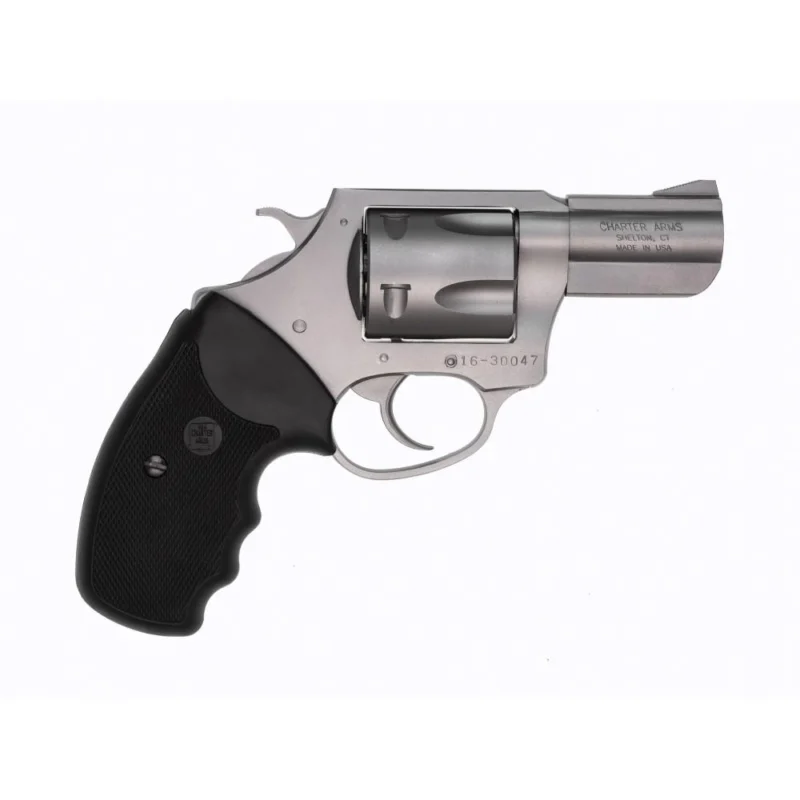

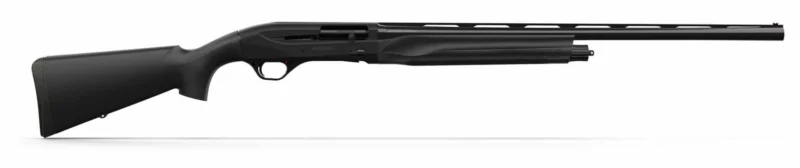


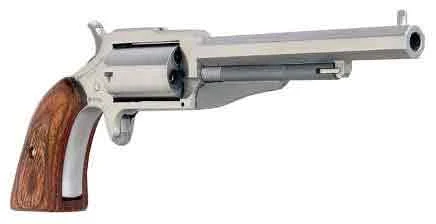


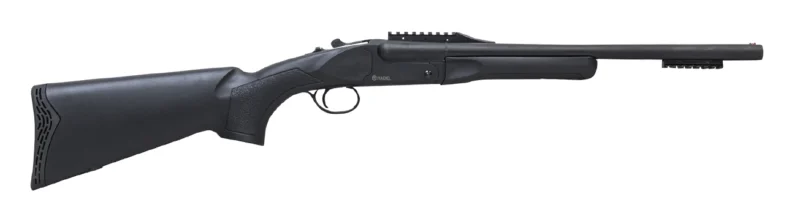


Tenney Industries supports:


Tenney Industries Gallery


WHAT OUR CUSTOMER SAY


Very knowledgeable and conscientious. Jake will do right by you. A++ business! If you are into hunting or firearms for any other reason you won't be disappointed.

Great guy to deal with and very knowledgeable goes above and beyond for the customer.

Great Gun Shop in West Michigan! Jake and his team are very helpful! Good amount of inventory and if he doesn’t have it, he will get it quickly!


I've purchased my share of tools from a variety of stores in different states but have had the best experience and fastest service at tennys. Very friendly and the guy knows his stuff. I recommend you check him out for all your 2a needs.


I've done a lot of business with Jake here over the past couple of years. He does a great job on repairs and can get Firearms at low prices. He also has a pretty decent inventory of used Firearms of All Sorts as well as Scopes and red dots. He stands behind his work and is an all-around great guy knows a lot!

Knowledgeable and trustworthy. Appreciate having a guy like Jake in the area for gun and ammo needs

You will not find a better guy to do business with. This little shop has just about anything you need. If he don’t have it on the shelf he can get it. This is exactly what Ludington needed.

I have used Tenneys as an FFL, as a gun smith, and have purchased many guns from the gun store side of the business…. It’s been flawless and professional service every time, He is a joy to talk to and his gun knowledge is in matched, Jake goes out of his way to make sure all of your firearms needs are met, it’s an awesome small town gun store. I always look forward to going back.


Jake helped us with a third party transfer of my father's vintage rifle. Friendly and knowledgeable.


Had Jake order a gun for me. Gun came in fast, was able to purchase at a great price in only a few days. Top notch service!
my cerakote looks awesome great guy with tons of knowledge and great customer service
jake did a very professional job threading a barrel and doing some cerakote for me. he's reasonably priced and quick with turnaround times (very rare with gunsmiths)
Core Principles of Safe Firearm Handling from the Best Gun Store in Huntington Woods, MI from a Gun Shop in Huntington Woods, MI
The Four Universal Rules of Firearm Safety to Know from Handgun Stores in Huntington Woods, MI
- Always verify by removing the magazine (if applicable) and inspecting the chamber for ammunition.
- This rule applies even when handling firearms in non-shooting situations such as cleaning or storing them.
- Place your finger along the frame or outside the trigger guard while holding the firearm.
- Only move your finger to the trigger when aiming at a confirmed target you intend to fire upon.
- Always be mindful of where your muzzle is pointing, even when handling an unloaded firearm.
- Ensure that your surroundings are clear and that all individuals near you understand safety protocols.
- Be aware not only of your intended target but also what is in front, behind, and around it.
- This is especially important when shooting in areas with unpredictable backstops or crowds.
Practical Tips for Everyday Handling from Retail Gun Stores in Huntington Woods, MI
- Be Attentive:Avoid distractions when handling firearms; focus entirely on what you’re doing. Distractions can lead to mistakes that compromise safety.
- Use Proper Handling Techniques:Learn how to confidently load, unload, and operate specific types of firearms—whether they’re handguns, rifles, or shotguns.
- Regular Maintenance:A clean and well-maintained firearm functions more reliably and safely than one that’s neglected.
Safety in Different Situations with a Gun Dealer in Huntington Woods, MI
Situation Key Safety Measures At Home Keep firearms secured (see storage section). Teach household members about safety rules without exception. At Shooting Range Follow all range-specific rules and regulations; wear protective gear such as ear/eye protection. Transporting Firearms Ensure guns are unloaded during transit; use locking cases for added security. The Role of Respect in Handling Firearms and Finding Guns for Sale in Huntington Woods, MI
- Acknowledge that misuse can have severe consequences.
- Teach others around you about safe practices so they can share a healthy respect for firearms as well.
By adhering to these foundational principles consistently, gun owners create safer environments for themselves and others while reinforcing responsible practices in their communities.
Core Principles of Safe Firearm Handling
Safe firearm handling is built upon a foundation of discipline, awareness, and responsibility.
- Verify the status of the firearm by checking the chamber and magazine before any handling or maintenance begins.
- This mindset develops a consistent habit that minimizes the chance of negligence.
Be Aware of Your Target and What’s Beyond It When Visiting a Firearms Store in Huntington Woods, MI
- Assess what lies in front of, behind, and around your target to avoid unintended harm or property damage in case of a missed shot or overpenetration.
Target Awareness Checklist Details Is my target clear? Ensure no obstructions obscure it. What lies beyond my target? Check for people, animals, or structures. Never Point a Firearm at Anything You Do Not Intend to Destroy When Visiting an Arms Store in Huntington Woods, MI
- A fundamental rule is maintaining muzzle discipline—always pointing the barrel in a safe direction where no one could be harmed if discharged accidentally.
- Regularly clean and inspect firearms to ensure they operate safely.
- Address any mechanical issues immediately with professional assistance if necessary.
Practical Tips for Safe Handling from a Gun Store Near Me
- Create Designated Zones:Establish safe areas within your home or shooting range where loading/unloading can occur securely without distractions.
- Practice Dry-Fire Safely:Use snap caps (dummy rounds) when practicing dry-fire drills at home to prevent accidental misfires.
- Educate Family Members:Teach everyone in your household about basic safety rules—even those who don’t handle firearms directly—so they understand how weapons should be treated responsibly.
By following these foundational principles consistently, firearm owners can maintain high standards of safety while fostering greater confidence both at home and during usage situations such as hunting or sport shooting events.
Understanding Ammunition Types and Compatibility with Gun Dealers in Huntington Woods, MI
Incorrect ammunition usage can not only damage the firearm but also pose serious safety risks to users and those nearby. This section serves as a guide to identifying, selecting, and handling ammunition properly.
Common Ammunition Types Found in Gun Shops Near Me
Firearm ammunition comes in various calibers, casings, and configurations.
– Handgun Ammunition
– Includes popular calibers such as 9mm, . 45 ACP, . 40 S&W, . 357 Magnum. Often used for personal defense or sport shooting.
– Rifle Ammunition
– Examples include . 223/5. 56 NATO (often used in AR-15 platforms), . 308 Winchester (used for hunting or precision shooting), and . 22 LR (popular for target practice).
– Shotgun Shells
– Typically designated by gauge (e. g. , 12-gauge, 20-gauge) and shot size (e. g. , birdshot, buckshot). Used for hunting or home defense purposes.Key Factors for Compatibility When Looking for Handguns Near Me
Using ammunition that is incompatible with your firearm can lead to malfunctions or catastrophic failures.
- Caliber: Ensure the caliber marked on your firearm matches the caliber labeled on the ammunition box or cartridge itself.
- For example, a firearm chambered in 9mm cannot safely fire a . 380 ACP cartridge despite visual similarities.
- Manufacturer Guidelines: Refer to the firearm’s manual for recommended types of ammunition.
- Pressure Ratings: Some cartridges come in higher-pressure variants like +P or +P+. Confirm whether your firearm is rated to handle these loads safely.
- Bullet Type: Choose bullet types based on your intended use—full metal jacket (FMJ) rounds are ideal for target practice; hollow-point rounds are better suited for self-defense due to their expansion properties upon impact.
Bullet Type Use Case Common Features Full Metal Jacket Target practice Non-expanding; affordable Hollow Point Personal defense Expanding design; reduces overpenetration risk Soft Point Hunting Balance between expansion and penetration Best Practices for Handling Ammunition with Gun Dealers Near Me
- Inspect each round before use to identify dents, corrosion, or other defects that may cause malfunctions.
- Store ammunition in a cool, dry location away from moisture and extreme temperatures.
- Keep different calibers separated to avoid accidentally loading incompatible rounds into a firearm.
- Always transport ammo securely—preferably in original packaging—to prevent accidental spills or mixing of calibers.
Environmental Considerations When Looking for a Gunsmith Near Me
Be mindful of local regulations regarding the disposal of unused or damaged ammo. Improper disposal can harm ecosystems or violate legal requirements.
By understanding how different types of ammunition function and ensuring compatibility with specific firearms, you enhance both safety and performance during use while fulfilling one of the essential responsibilities of gun ownership.
Firearm ownership is a significant responsibility that extends far beyond the purchase of a firearm. Continuous learning ensures that firearm owners remain knowledgeable, proficient, and prepared to handle their firearms safely and effectively under any circumstances. Below, we discuss why ongoing education matters and how to incorporate it into your routine.
Why Ongoing Education Matters
- Adapting to Evolving Laws: Firearm laws vary significantly by state and jurisdiction and are subject to change over time. Staying informed about legal updates helps ensure compliance with regulations, such as storage requirements or concealed carry permits.
- Maintaining Proficiency: Regular training helps reinforce safe handling practices, improve marksmanship, and refine defensive skills. This reduces the risk of accidents or misuse.
- Building Confidence Under Stress: Handling a firearm in tense or emergency situations requires calm decision-making and muscle memory. Ongoing education allows you to practice high-pressure scenarios in controlled environments.
- Understanding Advances in Technology: Firearms evolve with new features designed for safety or efficiency. Learning about these advancements ensures you can use your equipment responsibly.
Incorporating Ongoing Training into Your Routine
- After completing basic safety training, consider advanced courses such as defensive shooting, scenario training, or competitive shooting classes.
- Look for certified instructors or organizations like the NRA (National Rifle Association) or local shooting ranges offering structured programs.
- Schedule consistent range visits to maintain your skills.
- Focus on different drills: target accuracy, rapid-fire control, reloading under time pressure, and malfunction clearing.
- Many community organizations host workshops on topics like firearm maintenance, cleaning techniques, home defense strategies, and situational awareness.
- These events allow you to stay updated on new information while networking with other responsible owners.
- Subscribe to reputable publications or online platforms dedicated to firearms education.
- Engage with certified instructors through webinars or virtual Q&A sessions for advice tailored to specific needs.
Tips for Choosing Educational Opportunities
Criteria Example Certification Verify that trainers are accredited by respected institutions Local Relevance Ensure content addresses laws and conditions applicable in your area Accessibility Opt for courses with flexible schedules if you have time constraints Hands-on Practice Prioritize programs including live-fire exercises Avoiding Complacency
Even experienced gun owners should approach education as a lifelong commitment. Overconfidence can lead to lapses in judgment regarding safety protocols. Treat ongoing learning as an investment in your ability to protect yourself, others around you, and society as a whole.
In summary, continuous education enhances not only technical proficiency but also legal awareness and personal responsibility—cornerstones of safe firearm ownership. By prioritizing regular skill development through structured courses and consistent practice routines, you contribute positively toward fostering a culture of responsible gun handling within your community. Always strive toward improvement by embracing opportunities for growth at every stage of your firearms journey.
Firearm ownership is a significant responsibility that extends far beyond the initial purchase of a firearm. Ongoing education plays a vital role in ensuring safe handling, proper maintenance, and responsible use throughout an individual’s lifetime. By staying informed and regularly updating one’s knowledge and skills, firearm owners cultivate a culture of safety and preparedness. This section emphasizes why continuous learning is essential and how it benefits both individuals and the broader community.
Staying Current with Laws and Regulations
Firearm laws and regulations vary by jurisdiction and are subject to change. Staying informed about these changes helps ensure compliance with local, state, and federal guidelines. Ignorance of changing laws can lead to unintentional violations, resulting in legal consequences for the owner.
- Subscribe to updates from trusted sources such as government websites or firearm advocacy organizations.
- Attend workshops or seminars hosted by accredited groups focusing on legislative updates specific to firearms.
- Review your state’s requirements for concealed carry permits or renewals, as they may periodically change.
Enhancing Skills Through Advanced Training
Firearm skills require consistent practice to remain sharp. Beyond basic training courses, ongoing education allows for skill enhancement that can improve an owner’s ability to react appropriately in different scenarios.
Here are examples of courses designed for continued improvement: – Defensive Shooting: Teaches quick decision-making in self-defense situations.Marksmanship Improvement: Focuses on improving accuracy through advanced techniques.Scenario-Based Training: Simulates real-world situations to prepare individuals for high-pressure environments.First Aid for Gunshot Wounds: Provides skills necessary to manage emergencies involving firearms.
Regular visits to shooting ranges or participation in drills can reinforce these skills while maintaining safe habits.
Understanding New Technologies
The firearm industry evolves rapidly with advancements in materials, accessories, and safety features. Keeping up-to-date with these innovations ensures that firearm owners make informed decisions about upgrades or new purchases.
By participating in demonstrations or reading product reviews from reliable sources, owners can better understand how these advances may contribute to their overall safety practices.
Benefits of Community Engagement
Engaging with others provides opportunities for sharing experiences, learning collectively, and fostering mutual accountability.
Ways to engage include: – Joining local gun clubs or associations that host regular training events. – Participating in open discussions about safety practices at town halls or community forums. – Volunteering at educational events aimed at newcomers to firearm ownership.
Additionally, peer mentorship programs within communities allow experienced owners to guide beginners effectively while reinforcing their own knowledge base.
Commitment to Lifelong Learning
Consistent education demonstrates respect for the power firearms hold and the responsibility entrusted upon their owners. Whether through formal training courses, online resources, community involvement, or self-directed study, ongoing learning fosters the highest standards of safety and care among all who choose this path.