


Welcome to Tenney Industries


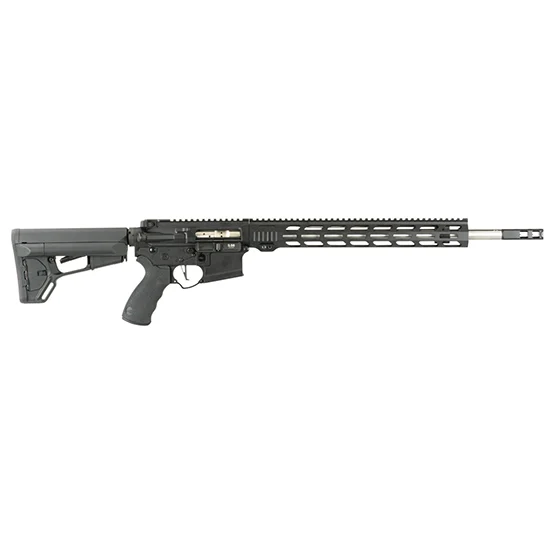
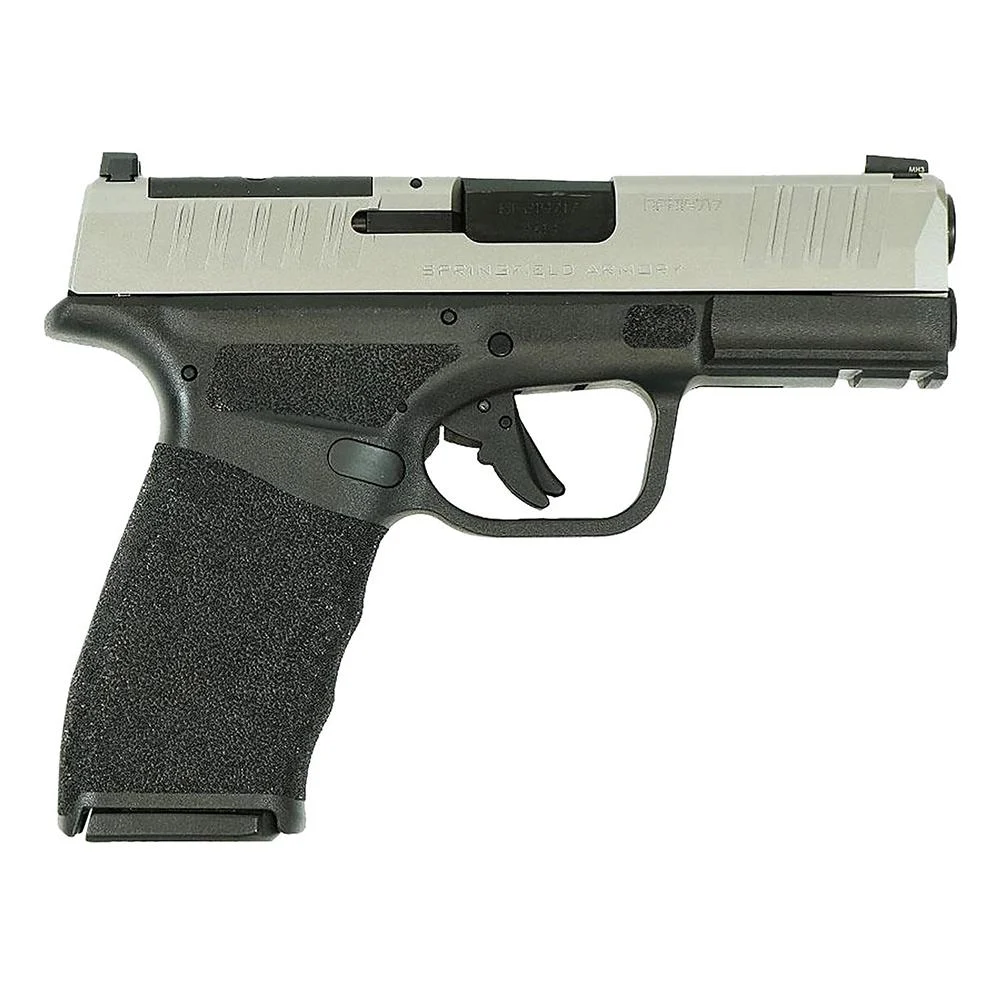
FEATURED PRODUCTS
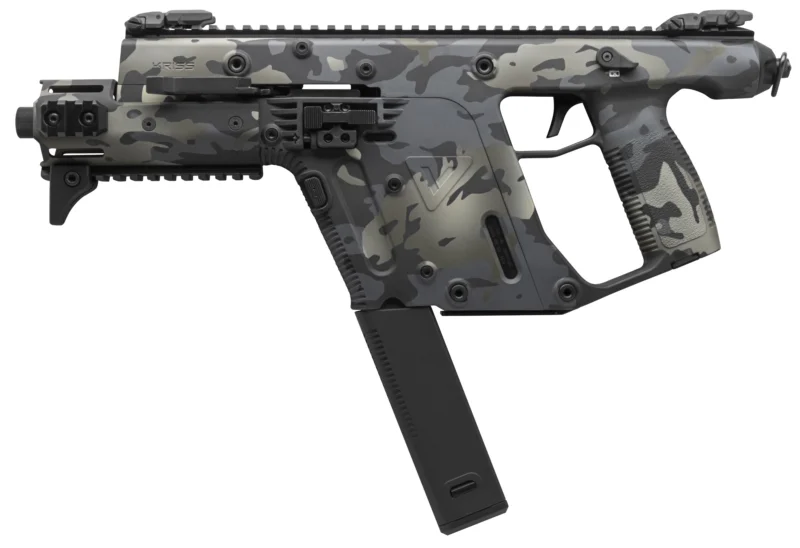

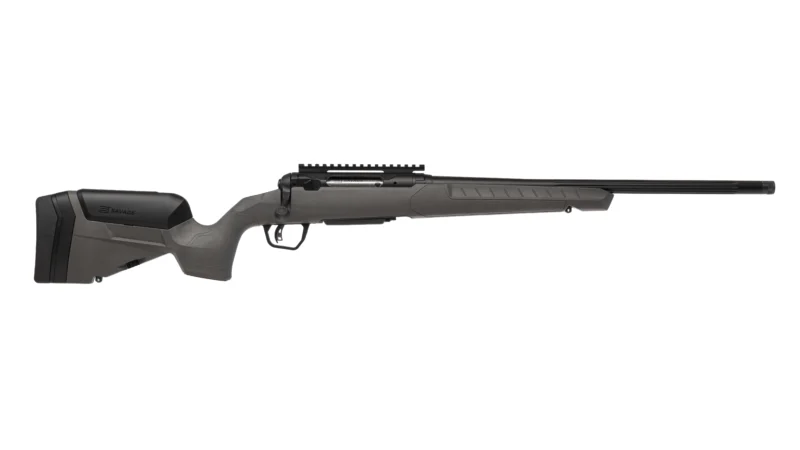
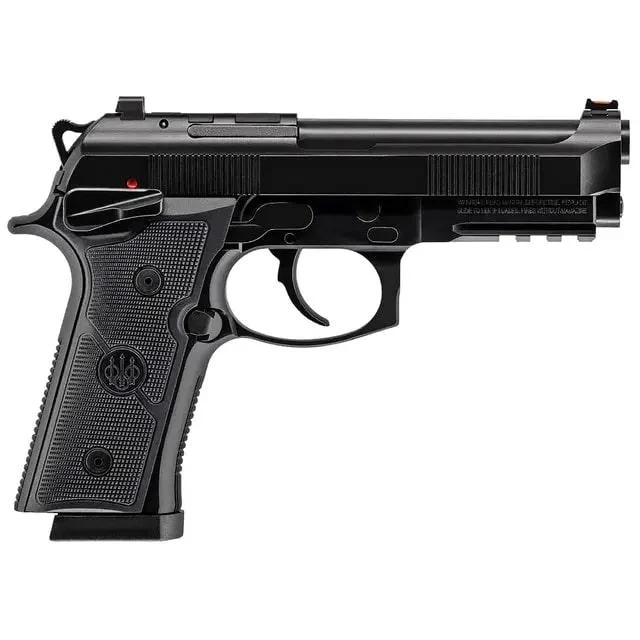


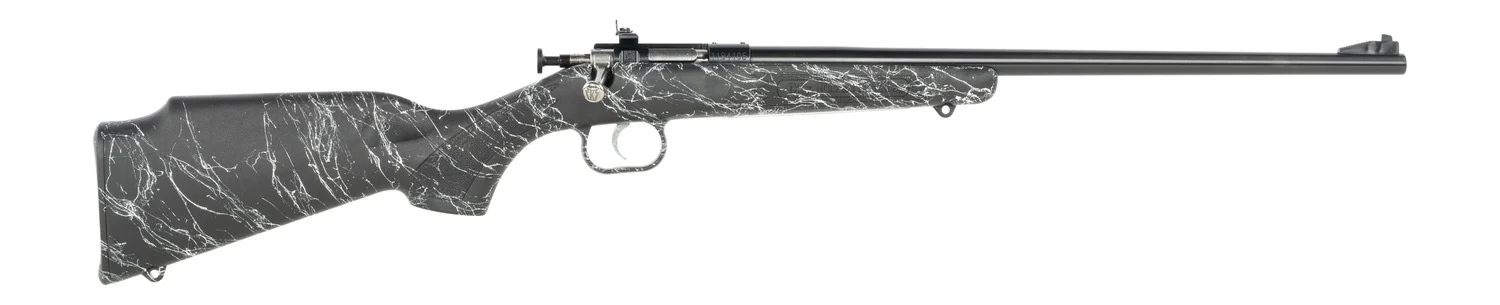






Tenney Industries supports:


Tenney Industries Gallery


WHAT OUR CUSTOMER SAY


Very knowledgeable and conscientious. Jake will do right by you. A++ business! If you are into hunting or firearms for any other reason you won't be disappointed.

Great guy to deal with and very knowledgeable goes above and beyond for the customer.

Great Gun Shop in West Michigan! Jake and his team are very helpful! Good amount of inventory and if he doesn’t have it, he will get it quickly!


I've purchased my share of tools from a variety of stores in different states but have had the best experience and fastest service at tennys. Very friendly and the guy knows his stuff. I recommend you check him out for all your 2a needs.


I've done a lot of business with Jake here over the past couple of years. He does a great job on repairs and can get Firearms at low prices. He also has a pretty decent inventory of used Firearms of All Sorts as well as Scopes and red dots. He stands behind his work and is an all-around great guy knows a lot!

Knowledgeable and trustworthy. Appreciate having a guy like Jake in the area for gun and ammo needs

You will not find a better guy to do business with. This little shop has just about anything you need. If he don’t have it on the shelf he can get it. This is exactly what Ludington needed.

I have used Tenneys as an FFL, as a gun smith, and have purchased many guns from the gun store side of the business…. It’s been flawless and professional service every time, He is a joy to talk to and his gun knowledge is in matched, Jake goes out of his way to make sure all of your firearms needs are met, it’s an awesome small town gun store. I always look forward to going back.


Jake helped us with a third party transfer of my father's vintage rifle. Friendly and knowledgeable.


Had Jake order a gun for me. Gun came in fast, was able to purchase at a great price in only a few days. Top notch service!
my cerakote looks awesome great guy with tons of knowledge and great customer service
jake did a very professional job threading a barrel and doing some cerakote for me. he's reasonably priced and quick with turnaround times (very rare with gunsmiths)
Understanding Your Responsibilities as a Firearm Owner with Gun Dealers in Howell, MI with the Best Gun Store in Howell, MI
Owning a firearm is a significant responsibility that requires both knowledge and commitment. Whether you are new to firearms or an experienced owner, understanding your legal, ethical, and personal responsibilities is crucial to ensure safety for yourself and those around you.
Legal Responsibilities of a Gun Store Near Me When You Buy Guns in Howell, MI
- Licensing and Permits: Verify whether your jurisdiction requires licenses or permits for ownership or carrying concealed firearms.
- Storage Requirements: Many regions have specific guidelines around storing firearms securely to prevent unauthorized access.
- Transportation Laws: Understand how you can legally transport your firearm across different areas, including airports or state lines if applicable.
- Reporting Lost or Stolen Firearms with Gun Dealers Near Me: Some jurisdictions require owners to report missing weapons promptly.
To stay informed: – Regularly review updates on firearm legislation in your area. – Take advantage of resources provided by local law enforcement agencies or firearm advocacy organizations.
Ethical Responsibilities of Gun Shops Near Me of a Firearms Store in Howell, MI
- Safeguard firearms using gun safes, trigger locks, or other secure storage solutions.
- Educate household members about the risks associated with mishandling firearms (especially children).
- Never use a firearm recklessly or under the influence of substances like alcohol or drugs.
- Consider how your decisions affect others in situations involving conflict resolution.
- Advocate for safe practices among other gun owners.
- Participate in community discussions about responsible gun ownership when appropriate.
Personal Accountability at an Arms Store in Howell, MI
- Mental Health Awareness: Be honest with yourself about your mental health. If you’re experiencing emotional distress that could impair judgment, consider temporarily transferring custody of your firearm to someone trustworthy (or using safe storage facilities).
- Self-Evaluation: Reassess periodically whether owning a firearm still aligns with your personal circumstances, lifestyle changes, or risk factors.
Tools for Staying Responsible with Gun Stores Around Me
Storage Method Pros Cons Gun Safe High security; fire-resistant Can be costly Trigger Locks Affordable; portable May not prevent theft Lockable Gun Cases Easy transport Limited theft protection By understanding these areas of responsibility—legal obligations, ethical duties, and personal accountability—you can help ensure that firearm ownership remains both safe and constructive throughout your life.
Understanding Your Responsibilities as a Firearm Owner
Owning a firearm is not just a privilege but also a significant responsibility. Whether you are new to firearms or have years of experience, understanding your obligations as a firearm owner is crucial for ensuring safety, legality, and responsible use. Below are key aspects every firearm owner must consider to uphold their responsibilities.
Legal Responsibilities
- Background Checks: Ensure compliance with mandatory background checks before purchasing a firearm.
- Licensing and Permits: Obtain any required licenses or permits for owning and carrying firearms.
- Transporting Firearms: Understand how you can legally transport firearms across state or country lines. Follow regulations regarding secure storage during transport.
- Restricted Areas: Be aware of locations where carrying or even possessing a firearm is prohibited (e.g., schools, government buildings).
Legal Aspect Key Considerations Licensing Required in many states/countries Background Checks Mandatory before purchase Storage Requirements Safe and secure at all times Transport Rules Vary by location; often strict Ethical Responsibilities
- Preventing Unauthorized Access: Keep firearms out of reach of children and individuals not legally permitted to handle them by using safes or locks.
- Self-Education: Continuously educate yourself about firearm safety and advancements in technology that may improve safe handling practices.
- Community Safety: Use common sense to avoid situations where misuse of your firearm could endanger others unnecessarily.
Safe Storage Practices for Handguns Near Me
Responsible ownership heavily depends on securing your firearms correctly when they are not in use.
- Use Gun Safes: Invest in high-quality safes that are tamper-proof. Many models include biometric locks for added security.
- Trigger Locks: These devices make it impossible to fire the weapon until removed.
- Separate Ammunition Storage: Store ammunition separately from the firearm to reduce risks in households with children or visitors unfamiliar with safety protocols.
Reporting Lost or Stolen Firearms
If your firearm is lost or stolen, report it immediately to local authorities—this helps prevent its misuse and ensures you comply with reporting laws.
Responsible Usage Attitude with a Gunsmith Near Me
Respect others’ perspectives on firearms and handle discussions about ownership thoughtfully while promoting safe practices among peers.
By embracing your legal, ethical, and practical responsibilities as a firearm owner, you contribute positively not only to personal safety but also to the well-being of your community at large.
Why Professional Firearm Training Matters at the Best Gun Stores in Howell, MI
Owning a firearm carries significant responsibility, and professional training plays a crucial role in ensuring safe and effective use. Whether you’re new to firearms or have years of experience, continuous education and skill development are essential. Professional training offers structured opportunities to build competence, confidence, and responsibility.
Benefits of Professional Firearm Training
- Safety First:
Proper training emphasizes safety protocols, reducing the risk of accidental discharge or mishandling. Instructors ensure you master safe practices like trigger discipline and proper storage. - Legal Awareness:
A professional course often includes an overview of local firearm laws and regulations. This is critical for understanding permissible use, concealed carry laws, transportation guidelines, and other legal considerations. - Enhanced Accuracy:
Firearm instructors teach techniques for proper aiming, stance, grip, and recoil management. These skills significantly improve your shooting accuracy over time. - Crisis Preparedness:
Training scenarios can simulate real-life situations where quick thinking is necessary. From home defense scenarios to public safety situations, you’ll learn how to manage high-pressure encounters effectively. - Ongoing Skill Development:
Proficiency with firearms requires practice. Advanced courses allow experienced owners to refine their marksmanship or explore specialized disciplines such as competitive shooting or defensive tactics.
Types of Training Available
Type of Training Description Best For Basic Safety Courses Covers firearm handling basics, safety rules, and legal considerations New firearm owners Defensive Shooting Classes Focuses on using firearms effectively in self-defense situations Personal protection enthusiasts Tactical Firearm Training Emphasizes advanced techniques like rapid reloading and movement under pressure Law enforcement or experienced owners Hunting Safety Programs Specific guidance on ethical hunting practices & safe firearm use in the field Hunters Competitive Shooting Clinics Develops precision shooting skills needed for competitions Aspiring sports shooters Choosing the Right Instructor
- Look for certifications from credible organizations (e.g., NRA-certified instructors or law enforcement affiliations).
- Read reviews from past students to gauge teaching quality.
- Ensure class sizes are small enough to allow personalized attention but large enough for varied learning experiences.
- Confirm that the course content aligns with your goals (e.g., general safety vs. defensive tactics).
Why Self-Taught Learning Isn’t Enough
- Immediate Feedback – An instructor will correct mistakes in real-time before they become ingrained habits.
- Safe Environment – Supervised practice ensures no shortcuts are taken with safety procedures.
- Tailored Instruction – Trainers can adapt guidance based on your specific skill level or challenges.
Investing time in professional firearm training enhances not just personal safety but also public trust in responsible gun ownership practices. It’s an invaluable step toward being a conscientious owner prepared for any situation requiring your skills responsibly and ethically.
Basic Cleaning and Proper Firearm Care with the Best Gun Shops in Howell, MI from a Gun Shop in Howell, MI
Proper maintenance and cleaning of firearms are essential for ensuring their safe operation, reliability, and longevity. Regular upkeep not only enhances performance but also reduces the risk of malfunctions that could lead to accidents. Whether you are a new firearm owner or have years of experience, understanding how to clean and care for your firearm is a critical responsibility.
Benefits of Regular Maintenance
- Safety: Clean firearms are less prone to jams and misfires, reducing the likelihood of dangerous situations.
- Longevity: Proper care prevents rust, corrosion, and wear, extending the lifespan of your firearm.
- Accuracy: A clean barrel ensures consistent performance during use.
- Resale Value: Well-maintained firearms retain their value better than neglected ones.
Tools Needed for Basic Cleaning
To clean your firearm effectively, you’ll need the right tools. Here’s a list of essential items: – Cleaning Rods or Bore Snakes: For removing residue from the barrel. – Gun Cleaning Solvent: To break down fouling (carbon buildup) inside the firearm. – Lubricant or Gun Oil: Reduces friction between moving parts and prevents rust. – Cleaning Patches or Cloths: For applying solvent and wiping down parts. – Small Brushes (Nylon or Brass): For scrubbing harder-to-reach surfaces without damaging components. – Cotton Swabs or Picks: Useful for cleaning small crevices.
Steps for Proper Firearm Cleaning
- Unload the firearm completely by removing ammunition from both the chamber and magazine.
- Verify that there is no ammunition nearby while cleaning.
- Follow your owner’s manual to disassemble your firearm into its basic components. Avoid taking apart beyond what is recommended in the manual.
- Use a cleaning rod or bore snake with solvent to remove carbon buildup from the barrel. Pass through multiple times until patches come out clean.
- Brush away dirt and residue from other parts, such as the slide, frame, or bolt.
- Apply a small amount of lubricant to moving components like hinges, bolts, or slides as specified in the manual. Be careful not to over-lubricate as it may attract dirt.
- Once all components have been cleaned and dried thoroughly, reassemble according to instructions in your manual.
- Test moving parts (e.g., safety mechanisms) after reassembly to ensure everything operates correctly before storing it away.
Storage Tips After Maintenance
After cleaning your firearm: – Store it in a cool, dry place away from moisture that could cause corrosion. – Consider using silicone-treated gun socks or cases for additional protection against rust. – Always secure firearms in a locked safe or cabinet when not in use to prevent unauthorized access.
Cleaning Frequency Guidelines
The frequency of cleaning depends largely on usage: | Frequency | When To Clean | |———–|—————| | After Every Use | Following range sessions or hunting trips | | Monthly | For firearms stored over long periods without use | | Quarterly | For seldom-used firearms kept in controlled environments |
By integrating regular maintenance into your routine as a responsible owner, you enhance both safety and reliability while preserving your investment over time.
Basic Cleaning and Proper Firearm Care
Proper maintenance is a critical aspect of firearm ownership. Regular cleaning and care not only ensure your firearm operates as intended but also prolong its lifespan and maintains safety. Neglecting to clean or maintain your firearm can lead to malfunctions, decreased accuracy, or even accidents. Below is a comprehensive guide to basic cleaning and proper care for your firearm.
Why Cleaning Is Essential in Handgun Stores in Howell, MI
- Ensures Reliability: Residue from firing (e.g., carbon buildup) can cause jams or misfires if left unchecked.
- Prevents Corrosion: Moisture, dirt, and powder residue can lead to rust, especially in humid environments.
- Maintains Accuracy: A dirty barrel may affect the precision of your shots over time.
- Extends Longevity: Proper care helps safeguard your investment by reducing wear and tear.
Tools You’ll Need from Retail Gun Stores in Howell, MI
Tool/Material Purpose Example Cleaning Rod To clean the bore One compatible with barrel size Patches To remove residue from inside the barrel Cotton patches Bore Brush For scrubbing tough buildup in the barrel Brass or nylon brushes Solvent Dissolves powder fouling and residue Non-toxic gun solvents Gun Oil/Lubricant Protects metal parts from rust Light firearm-specific oil Cleaning Mat Protects surfaces while you clean Rubber or silicone mat Microfiber Cloth For external wiping Lint-free cloth Step-by-Step Cleaning Process with a Gun Dealer in Howell, MI
- Unload Your Firearm: Always double-check that the firearm is unloaded before handling it for cleaning. Remove any ammunition from the workspace as well.
- Consult the owner’s manual for proper disassembly instructions specific to your model.
- Avoid over-disassembling beyond what’s recommended for routine maintenance.
- Attach a patch soaked in solvent to your cleaning rod.
- Insert it through the breech end (if possible) to avoid damaging the crown of the muzzle.
- Follow up with a bore brush to loosen stubborn fouling.
- Run dry patches through until they come out clean.
- Wipe down other metal parts (e.g., slide, bolt) using solvent on a cloth or brush.
- Focus on areas where carbon buildup is common, such as chambers or gas ports.
- Check components like springs, pins, and screws for signs of wear or damage.
- Replace any worn-out parts immediately following manufacturer recommendations.
- Use gun oil on moving parts like hinges or triggers to reduce friction.
- Avoid over-lubricating as excess oil can attract dirt and dust.
- Put all components back together per manual instructions.
- Conduct a basic function check to ensure proper reassembly (e.g., cycling action).
Tips for Proper Storage After Cleaning Guns for Sale in Howell, MI
- Store firearms in a cool, dry place away from humidity sources that could foster rust development.
- Use silicone-treated gun socks for additional protection during long-term storage.
- Consider investing in a safe with dehumidifiers to prevent moisture buildup over time.
Common Mistakes to Avoid When Visiting a Local Gun Store in Howell, MI
- Skipping Key Areas: Failing to clean hard-to-reach spots like trigger assemblies can lead to malfunctions later on.
- Using Harsh Chemicals: Ensure solvents are designed specifically for firearms; improper chemicals could damage finishes or internal mechanisms.
- Over-cleaning: Excessive disassembly or abrasive brushing may wear down components unnecessarily.
Properly maintaining your firearm is an integral part of responsible ownership. By adhering to these guidelines, you not only enhance performance but also preserve safety across all aspects of use—both essential goals for every owner.