


Welcome to Tenney Industries


FEATURED PRODUCTS



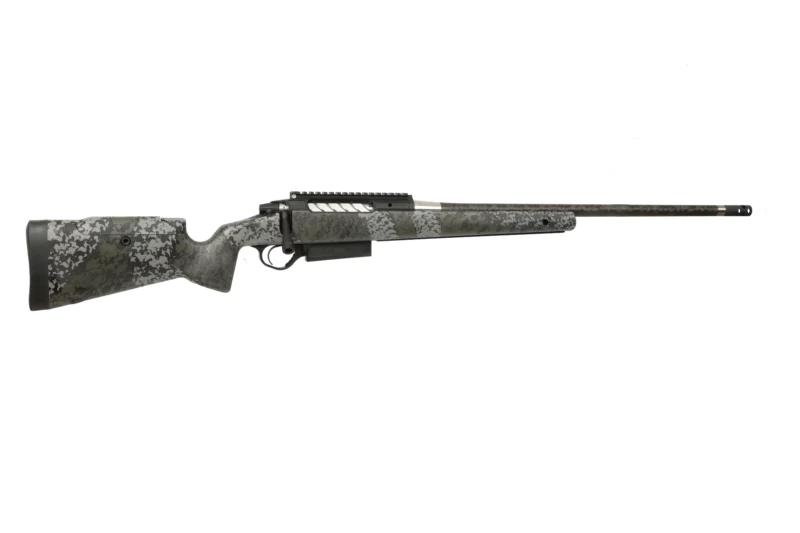

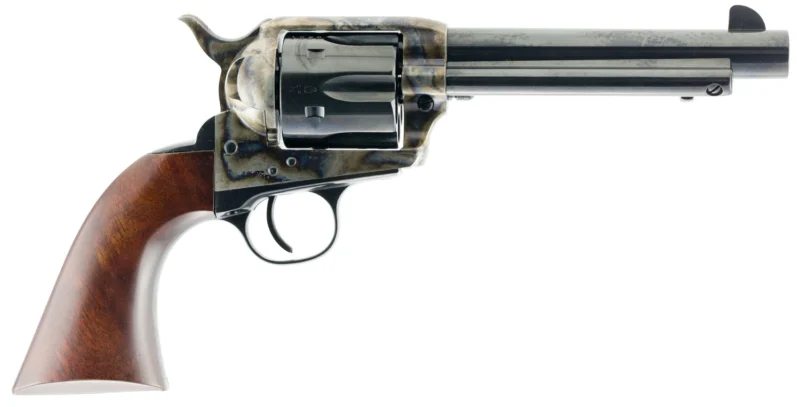


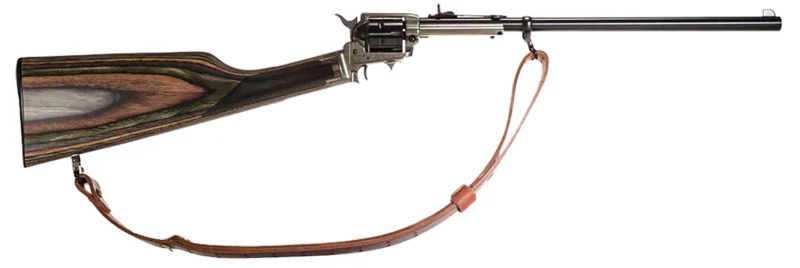




Tenney Industries supports:


Tenney Industries Gallery


WHAT OUR CUSTOMER SAY


Very knowledgeable and conscientious. Jake will do right by you. A++ business! If you are into hunting or firearms for any other reason you won't be disappointed.

Great guy to deal with and very knowledgeable goes above and beyond for the customer.

Great Gun Shop in West Michigan! Jake and his team are very helpful! Good amount of inventory and if he doesn’t have it, he will get it quickly!


I've purchased my share of tools from a variety of stores in different states but have had the best experience and fastest service at tennys. Very friendly and the guy knows his stuff. I recommend you check him out for all your 2a needs.


I've done a lot of business with Jake here over the past couple of years. He does a great job on repairs and can get Firearms at low prices. He also has a pretty decent inventory of used Firearms of All Sorts as well as Scopes and red dots. He stands behind his work and is an all-around great guy knows a lot!

Knowledgeable and trustworthy. Appreciate having a guy like Jake in the area for gun and ammo needs

You will not find a better guy to do business with. This little shop has just about anything you need. If he don’t have it on the shelf he can get it. This is exactly what Ludington needed.

I have used Tenneys as an FFL, as a gun smith, and have purchased many guns from the gun store side of the business…. It’s been flawless and professional service every time, He is a joy to talk to and his gun knowledge is in matched, Jake goes out of his way to make sure all of your firearms needs are met, it’s an awesome small town gun store. I always look forward to going back.


Jake helped us with a third party transfer of my father's vintage rifle. Friendly and knowledgeable.


Had Jake order a gun for me. Gun came in fast, was able to purchase at a great price in only a few days. Top notch service!
my cerakote looks awesome great guy with tons of knowledge and great customer service
jake did a very professional job threading a barrel and doing some cerakote for me. he's reasonably priced and quick with turnaround times (very rare with gunsmiths)
The Fundamental Rules of Firearm Safety from Gun Dealers in Hazel Park, MI at a Gun Shop in Hazel Park, MI
Firearm safety is essential, whether you’re a seasoned owner or new to firearms. Understanding and following these foundational rules not only ensures your safety but also protects those around you. Below, we’ll outline the universally accepted principles of firearm safety that every gun owner must internalize.
The Four Primary Rules of Firearm Safety at a Gun Store Near Me
- Always assume a firearm is loaded, even if you believe it’s not. This mindset helps prevent complacency and accidental handling.
- Before cleaning, storing, or modifying any firearm, physically inspect it to ensure it is unloaded.
- Avoid pointing a firearm at anything you do not intend to shoot—even when verifying if it’s empty.
- The muzzle (barrel) should never be directed toward people or objects you don’t want to damage.
- A safe direction ensures that even in the event of an accidental discharge, injury or harm can be minimized.
- Safe directions vary depending on your environment (e.g., outdoors vs. indoors), so remain mindful at all times.
- Rest your finger outside the trigger guard—alongside the frame—until you’re ready to fire.
- Many unintended discharges occur because individuals prematurely place their finger on the trigger.
- Confirm what you are aiming at before firing. Consider what lies behind and around your target as bullets can penetrate objects or miss entirely.
- Practice situational awareness, particularly in areas with dense vegetation or urban environments where stray bullets pose significant risks.
Additional Guidelines for Gun Shops Near Me That Complement These Core Rules
- Educate Others: If someone else will handle your firearm, ensure they understand these basic principles before they touch it.
- Avoid Alcohol or Drugs While Handling Firearms: Substances impair judgment and reaction time; never combine them with weapon handling.
- Use Proper Storage Solutions: When firearms are not in use, secure them safely using locked safes, cases, or cable locks (detailed storage guidance will follow in another section).
Table: Common Examples of Unsafe Practices vs. Correct Practices with Handguns Near Me
Unsafe Practice Correct Practice Pointing a firearm at walls during cleaning Ensuring muzzle points downward at all times Placing finger on trigger while picking up Keeping finger off trigger until sights are aligned Handing someone a gun without checking it first Open chamber and verify before handing over Why Mastery of These Rules Matters for Gun Dealers Near Me
Adhering to these simple yet critical rules prevents accidents that could result in injury or worse. They apply whether you’re shooting at a range, hunting outdoors, or simply maintaining your firearm at home. Safety is everyone’s responsibility; by ingraining these habits into your daily practices with firearms, you contribute to a culture of responsible ownership and use.
The Fundamental Rules of Firearm Safety
Understanding and practicing firearm safety is non-negotiable for anyone who owns or handles a firearm. The fundamental rules of firearm safety are designed to prevent accidents, protect lives, and ensure responsible ownership. Below are four cardinal rules that every firearm owner and handler must know, followed by additional best practices.
The Four Cardinal Rules of Firearm Safety from the Best Gun Stores in Hazel Park, MI
- Even if you believe the firearm is unloaded, always assume it is not. This mindset encourages caution and minimizes the risk of handling a loaded weapon carelessly.
- Double-check the chamber, magazine, and any other loading mechanisms when handling a firearm.
- Always be aware of where your muzzle is directed. This simple rule ensures that even in an accidental discharge situation, no unintended damage or injury occurs.
- Practice keeping the muzzle aimed in a safe direction—typically toward the ground or a designated safe area at a shooting range.
- Rest your finger outside the trigger guard along the frame of the firearm until you have properly aimed at your target.
- This reduces accidental discharges caused by reflexes or unexpected movements.
- Bullets can pass through targets or ricochet into unintended areas. Always identify your target clearly and assess what might be in its path.
- Use appropriate backstops when practicing or hunting to reduce risks to people or property.
Additional Best Practices for Firearm Safety from the Best Gun Shops in Hazel Park, MI
- Safe storage
Store firearms unloaded in secure safes with locks that only authorized users can access. Consider storing ammunition separately from firearms for added security, especially in homes with children. - Awareness of surroundings
Before drawing or using a firearm, assess whether others are nearby who could be placed in danger by its use. - Proper attire while handling firearms
Wear protective gear such as ear protection (to guard against high decibel levels) and eye protection (to shield from debris and discharge gases).
A Quick Reference Table for Key Dos and Don’ts for Handgun Stores in Hazel Park, MI
Do Don’t Treat every gun as loaded Assume any gun is safe Use ear and eye protection Handle firearms casually Keep firearms securely locked away Leave guns unattended Point muzzle safely Point at people or animals unintentionally Building Safe Habits Through Regular Practice with Retail Gun Stores in Hazel Park, MI
Consistently reinforcing these safety rules during every interaction with a firearm will build habits over time that protect both you and those around you. Many incidents occur due to complacency—by staying vigilant about these core principles, you significantly decrease risks associated with owning or handling firearms responsibly.
Why Professional Firearm Training Is Important at Gun Stores Around Me with a Gun Dealer in Hazel Park, MI at the Best Gun Store in Hazel Park, MI
Professional firearm training is an essential step for anyone who owns or plans to own a firearm. It provides not only the technical skills needed to operate a firearm safely but also instills a deeper understanding of legal, ethical, and situational responsibilities associated with gun ownership. Below, we explore the key reasons why professional training should be prioritized.
Safety First with a Gunsmith Near Me
- Safe handling protocols: Always treating every firearm as if it’s loaded, keeping fingers off the trigger until ready to shoot, and pointing the firearm in a safe direction.
- Malfunction management: Learning how to safely clear jams or misfires without endangering yourself or others.
- Understanding safe storage: Training can highlight best practices for securely storing firearms at home, especially if children are present.
1. Legal Education
- Local, state, and federal regulations governing the use and transportation of firearms.
- Licensing requirements for concealed carry permits or other certifications.
- Restrictions on where you can legally carry or discharge your firearm.
This knowledge reduces the risk of unknowingly violating laws that could lead to fines or criminal charges.
2. Building Proper Skills
- Accuracy improvement: Techniques for proper stance, grip, sight alignment, and trigger control.
- Recoil management: Learning how to handle recoil effectively prevents injury and increases control during shooting.
- Situational awareness: Developing mental preparedness and decision-making skills in potentially high-pressure situations.
3. Stress Management in Real-Life Scenarios
Skill Importance De-escalation tactics Helps avoid using lethal force unless absolutely necessary Confidence under pressure Reduces panic responses when faced with high-stakes events Quick decision-making Teaches how to assess threats while ensuring the safety of others These exercises provide valuable insights into handling confrontations responsibly while minimizing harm.
4. Ethical Responsibility
- The importance of valuing life over property in defensive scenarios.
- Recognizing non-lethal alternatives before resorting to using a gun.
Ethical education ensures that owning a firearm remains aligned with respect for human life and societal well-being.
Final Thoughts
Professional firearm training isn’t just about learning how to shoot; it’s about fostering responsibility through knowledge and practice. Whether you’re new to firearms or have years of experience, investing in professional education equips you with practical tools and mindset shifts that prioritize safety at all times.
Why Professional Firearm Training Is Important
Proper firearm training is an essential step for anyone who owns or plans to own a firearm. It goes beyond simply learning how to shoot; professional training ensures that individuals develop the knowledge, skills, and judgment needed to handle firearms responsibly and safely. Below, we explore the reasons why professional training is crucial for firearm owners and enthusiasts.
Building a Strong Foundation in Safety with Guns for Sale in Hazel Park, MI
One of the most important aspects of professional training is its focus on safety. A well-structured training program will provide practical instruction on:
– Safe Handling Practices: Learning how to carry, load, unload, and store firearms in a manner that minimizes risk.
– Proper Muzzle Awareness: Ensuring the muzzle always points in a safe direction.
– Trigger Discipline: Understanding the importance of keeping your finger off the trigger until ready to fire.
– Identifying Misfires and Malfunctions: Recognizing and safely addressing issues like jams or misfires during use.These lessons help prevent accidents at home, at the range, or in any situation involving firearms.
Skill Development Beyond Basics at a Local Gun Store in Hazel Park, MI
Firearm training isn’t just about knowing what not to do—it’s also about developing essential practical skills:
1. Marksmanship: Improving accuracy through techniques like proper grip, stance, sight alignment, and trigger control.
2. Situational Awareness: Developing an understanding of your environment and surroundings while using or storing firearms.
3. Emergency Procedures: Learning how to handle unexpected scenarios with confidence (e.g., clearing malfunctions quickly).Professional instructors can tailor these lessons based on experience level—whether you’re a beginner or someone looking to refine existing skills.
Legal Knowledge and Ethical Responsibility When You Buy Guns in Hazel Park, MI
Owning a firearm comes with significant responsibilities beyond physical handling:
– Understanding Local Laws: Training programs help clarify regulations around ownership, transportation, concealed carry permits (if applicable), and use of force laws specific to your region.
– Ethical Decision-Making: Many courses emphasize when and how it is appropriate to use a firearm for self-defense or other purposes in ethically sound ways.The legal landscape surrounding firearms can be complex; professional guidance helps ensure that you stay compliant while making informed decisions.
Confidence Through Real-Life Scenarios at a Firearms Store in Hazel Park, MI
Many professional courses include simulations or live-fire exercises that replicate potential real-life situations:
– Home defense drills simulate scenarios such as intruders entering your property. – Concealed carry classes teach techniques for drawing from holsters under stress. – Hunting preparation courses focus on ethical hunting practices as well as firearm maintenance specific to outdoor environments.Experiencing these situations under expert supervision builds confidence—a quality vital for responsible gun ownership.
Benefit Description Example Safety Mastery Reduces risk of accidents Safe storage methods at home Legal Knowledge Educates on regional regulations Understanding transport laws Practical Skills Enhances proficiency with handling & accuracy Clearing malfunctions quickly Choosing the Right Training Program at an Arms Store in Hazel Park, MI
When selecting a course:
1. Look for certified instructors with proven expertise (e.g., NRA-certified trainers).
2. Consider specialized classes based on your interests (e.g., self-defense vs hunting).
3. Ensure small class sizes for personalized attention where possible.Overall, professional training equips individuals not only with technical skill but also with the awareness needed to approach firearms responsibly throughout their lives—an investment in both personal safety and broader public well-being.
Why Professional Firearm Training Is Important
Owning or handling a firearm comes with an immense responsibility, and professional training is one of the most effective ways to ensure safe and proper usage. Whether you’re new to firearms or have prior experience, professional training provides foundational skills, reinforces safety protocols, and instills confidence in handling firearms responsibly. Below are the key reasons why professional firearm training is essential for beginners and even seasoned users.
1. Developing Proper Safety Habits
Professional instructors emphasize the importance of strict adherence to safety protocols. While basic safety rules—like keeping the muzzle pointed in a safe direction—may seem intuitive, proper application requires consistent practice under expert guidance.
- Safe handling and transportation of firearms.
- How to load, unload, and clear a firearm safely.
- Identifying safe zones of fire in various environments.
- Proper storage techniques to prevent accidents or misuse.
A trained instructor ensures that you internalize these habits so they become second nature when handling any type of firearm.
2. Gaining Technical Knowledge
- Understand how different firearms operate (e.g., semi-automatic vs. manual).
- Learn about ammunition compatibility for specific firearms.
- Identify signs of wear or damage that might lead to malfunctions.
Firearm Type Key Focus Areas Common Uses Handguns Close-range accuracy; concealed carry laws Self-defense, target shooting Rifles Long-range targeting; recoil management Hunting, competitive shooting Shotguns Spread pattern control; ammunition options Home defense, hunting small game 3. Improving Shooting Accuracy
Even experienced shooters benefit from refining their marksmanship under expert supervision. Professional training typically focuses on fundamentals like stance, grip, sight alignment, trigger control, and breathing techniques—all crucial for accurate shots.
- Dry fire exercises (practicing without live ammunition).
- Precision targeting at varying distances.
- Managing recoil for follow-up shots.
These drills ensure users build muscle memory while reducing errors like flinching or jerking during live fire scenarios.
4. Legal Education
- Laws regarding purchase requirements (permits/background checks).
- Where carrying is legally permissible (open carry vs concealed carry).
- Restrictions on certain types of firearms or accessories.
Understanding these laws not only keeps you compliant but also helps prevent legal complications due to ignorance or misunderstanding.
5. Building Confidence Through Realistic Scenarios
One overlooked benefit of professional instruction is how it prepares individuals for real-world situations where they may need to use a firearm defensively or otherwise responsibly. Many courses offer scenario-based simulations like home defense drills or shooting under pressure in controlled settings.
This practical experience can help reduce anxiety about using firearms during emergencies by reinforcing composure under stress—a critical skill for responsible ownership.
Overall, professional firearm training equips individuals with more than just technical competence; it fosters a mindset rooted in safety awareness and accountability while enhancing practical skills necessary for responsible use over time.