


Welcome to Tenney Industries


FEATURED PRODUCTS



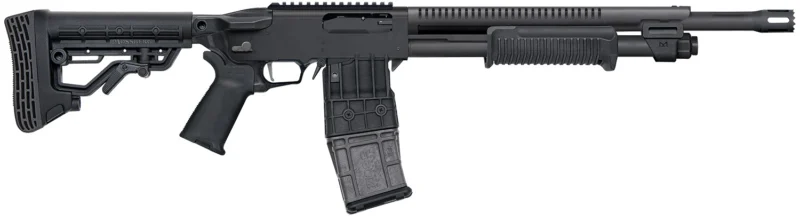



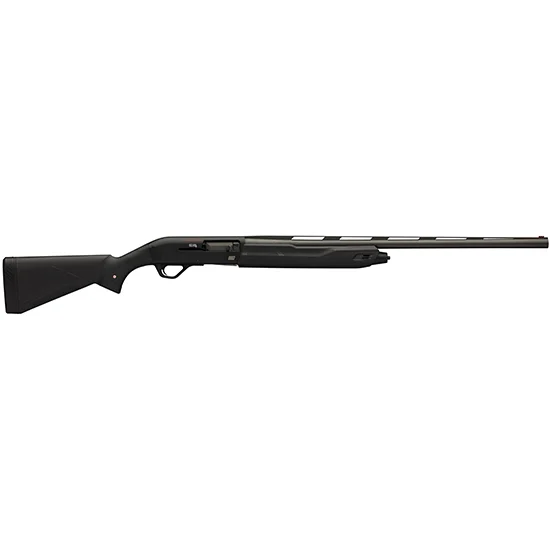

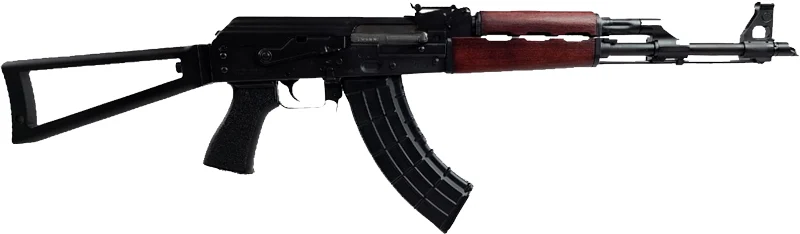


Tenney Industries supports:


Tenney Industries Gallery


WHAT OUR CUSTOMER SAY


Very knowledgeable and conscientious. Jake will do right by you. A++ business! If you are into hunting or firearms for any other reason you won't be disappointed.

Great guy to deal with and very knowledgeable goes above and beyond for the customer.

Great Gun Shop in West Michigan! Jake and his team are very helpful! Good amount of inventory and if he doesn’t have it, he will get it quickly!


I've purchased my share of tools from a variety of stores in different states but have had the best experience and fastest service at tennys. Very friendly and the guy knows his stuff. I recommend you check him out for all your 2a needs.


I've done a lot of business with Jake here over the past couple of years. He does a great job on repairs and can get Firearms at low prices. He also has a pretty decent inventory of used Firearms of All Sorts as well as Scopes and red dots. He stands behind his work and is an all-around great guy knows a lot!

Knowledgeable and trustworthy. Appreciate having a guy like Jake in the area for gun and ammo needs

You will not find a better guy to do business with. This little shop has just about anything you need. If he don’t have it on the shelf he can get it. This is exactly what Ludington needed.

I have used Tenneys as an FFL, as a gun smith, and have purchased many guns from the gun store side of the business…. It’s been flawless and professional service every time, He is a joy to talk to and his gun knowledge is in matched, Jake goes out of his way to make sure all of your firearms needs are met, it’s an awesome small town gun store. I always look forward to going back.


Jake helped us with a third party transfer of my father's vintage rifle. Friendly and knowledgeable.


Had Jake order a gun for me. Gun came in fast, was able to purchase at a great price in only a few days. Top notch service!
my cerakote looks awesome great guy with tons of knowledge and great customer service
jake did a very professional job threading a barrel and doing some cerakote for me. he's reasonably priced and quick with turnaround times (very rare with gunsmiths)
Core Principles of Safe Firearm Handling at the Best Gun Stores in Hamburg, MI at a Gun Shop in Hamburg, MI
Safe firearm handling is a cornerstone of responsible ownership.
Keep Your Finger Off the Trigger When Handling Guns for Sale in Hamburg, MI
- This significantly reduces accidental discharges caused by reflexive movements or distractions.
- Be mindful of where the muzzle is directed at all times, whether at home, on a range, or in transit.
- Understand what lies behind and around your intended target before firing. Bullets can penetrate objects or miss their mark entirely, potentially causing unintentional harm.
- When practicing outdoors, choose appropriate backstops (like an earthen berm) that can safely stop bullets.
Guidelines for Passing or Receiving a Firearm Safely at the Best Gun Store in Hamburg, MI
When handing off a firearm to another person:
1. Open the action and visually inspect that it is unloaded. 2. Always hand over the firearm with the action open so that it’s visually evident there’s no cartridge in place. 3. Communicate its status clearly (e. g. , “It’s unloaded”).When receiving a firearm:
1. Confirm by yourself that it is unloaded—even if told otherwise. 2. 3. Follow all other safe handling practices during this process.Practicing Awareness: Situational Safety Tips with Gun Dealers in Hamburg, MI
Firearms require constant awareness during use or storage:
– At Home:Store firearms unloaded and locked away from unauthorized access (more detailed information will be covered under storage practices).
– At Shooting Ranges:Follow all range rules; confirm loaded/unloaded status when moving between firing stations; wear appropriate eye and ear protection.In Transit:Unload firearms before transportation; store them securely in cases designed specifically for firearms.Do’s Don’ts Treat every gun as loaded Assume an empty gun is safe Point in safe directions only Point at unintended targets Check ammunition compatibility Use mismatched ammunition Ensure clean operation (no blockages) Ignore maintenance needs Core Principles of Safe Firearm Handling
These principles are universally recognized among firearm safety experts and serve as the foundation for preventing accidents, injuries, and misuse.
The Four Universal Rules of Gun Safety from a Firearms Store in Hamburg, MI
- Never assume a firearm is unloaded.
- Avoid relying solely on safety mechanisms; treat all firearms with the same level of caution.
- This habit minimizes accidental discharges caused by startle reflexes or loss of control.
- Identify your target clearly and know what is behind it—whether shooting at a range or in other controlled environments.
- Remember that bullets can travel significant distances beyond your intended aim.
Practical Tips for Safe Handling from an Arms Store in Hamburg, MI
- Use proper holsters:Always store firearms in secure holsters designed for the specific make and model of your gun. This prevents accidental discharge during transportation or storage.
- Practice regular maintenance:Dust, dirt, and debris can accumulate in firearms over time and may lead to malfunctions if not cleaned regularly according to manufacturer guidelines.
- Invest in quality safety gear:Protective gear such as ear protection and shooting glasses should be used whenever operating a firearm.
Table: Common Firearm Safety Mistakes vs Correct Practices for Gun Stores Around Me
Mistake Correct Practice Assuming a gun is unloaded Always check visually and physically before handling Pointing muzzle carelessly Always keep muzzle pointed in safe direction Placing finger on trigger prematurely Keep finger outside trigger guard until ready to shoot Failing to identify surroundings Understand target area thoroughly Teaching Others About Safe Handling at a Gun Store Near Me
If you plan to introduce family members or friends to firearms: – Conduct initial discussions using dummy training rounds or unloaded guns. – Create scenarios where they can practice safe habits under supervision. – Share real-world examples (without fear-mongering) that emphasize why these principles matter.
By consistently applying these core principles every time you handle a firearm, you help create an environment where safety always comes first—protecting not only yourself but those around you.
Understanding Legal Duties and Firearm Regulations at Handgun Stores in Hamburg, MI with the Best Gun Shops in Hamburg, MI
Understanding your legal responsibilities as a firearm owner is a critical component of responsible firearm ownership. Compliance with local, state, and federal laws not only helps to promote safety but also protects individuals from potential legal consequences. This section provides an overview of key legal considerations and duties for firearm owners, aiming to build awareness and encourage adherence to regulations.
Key Legal Responsibilities of Gun Shops Near Me
- Background Checks: Ensure compliance with mandatory background checks when purchasing a firearm. This varies by location but often includes screening through authorized dealers or government systems.
- Permits and Licenses: Be aware of any licensing or permits required to purchase, possess, or carry firearms. Requirements may differ for concealed carry versus open carry.
- Registration: Some states require firearm registration. Know whether your region mandates this step and adhere to it accordingly.
- Transportation Laws: Transporting firearms often comes with specific conditions, such as unloading the weapon, storing ammunition separately, or using locked containers during travel. Non-compliance could result in penalties.
Federal vs State Regulations for Handguns Near Me
Gun laws vary significantly between states while also being subject to overarching federal regulations. It is crucial for gun owners to familiarize themselves with both levels of governance.
Authority Key Focus Areas Examples of Regulations Federal Universal standards for transactions Federal background checks; dealer licensing State Region-specific rules on ownership Open carry restrictions; storage requirements As you move or travel across state lines, ensure you understand the legal differences that apply in each jurisdiction.
Safe Practices in Compliance with Laws for Gun Dealers Near Me
- Proper Storage: Use gun safes or lockboxes that meet legal storage criteria in your area (e. g. , preventing access by minors).
- Education on Gun-Free Zones: Firearms are prohibited in certain public spaces like schools, government buildings, or airports per law enforcement guidelines. Always be cognizant of these boundaries to avoid violations.
- Regular Updates on Legislation: Keep track of changes in laws regarding magazine capacities, assault weapon bans, or red flag laws in your region.
Understanding Liability Risks with a Gunsmith Near Me
- Civil Penalties– Negligence leading to harm (e. g. , accidental discharge) may result in lawsuits.
- Criminal Charges– Unlawful possession or misuse can lead to fines and imprisonment.
- Revocation of Rights– Violations can result in losing the right to own firearms altogether.
Being informed about these liabilities emphasizes the importance of diligence in all aspects of ownership.
Resources for Staying Compliant with
- Visit official government websites detailing federal and local laws.
- Attend training courses focused on regulatory knowledge.
- Join responsible gun-owner organizations offering updates on legislation.
- Consult qualified attorneys specializing in firearms law when necessary.
By maintaining an ongoing commitment to understanding legal duties and regulations surrounding firearms, individuals demonstrate not just compliance but also their accountability toward creating safer communities for everyone involved.
Understanding Legal Duties and Firearm Regulations
Responsible firearm ownership requires an in-depth understanding of the legal framework surrounding firearms. Laws and regulations governing firearm ownership vary significantly by country, state, or jurisdiction, making it essential for gun owners to stay informed and compliant. This section will provide an overview of key considerations related to legal responsibilities and regulatory compliance.
Importance of Knowing Firearm Laws
Gun owners must take responsibility for understanding local, state, and federal laws to ensure safe and lawful use. Ignorance of the law is not a valid defense in legal matters.
- Avoiding Legal Penalties: Violating firearm laws can result in hefty fines, imprisonment, or the loss of the right to own firearms.
- Enhancing Public Safety: Complying with regulations reduces risks associated with unsafe handling or unauthorized access.
- Protecting Ownership Rights: Understanding laws helps prevent accidental infractions that could jeopardize one’s ability to own or carry firearms legally.
Types of Firearm Regulations
Regulation Category Key Requirements Licensing May require background checks, safety courses, or age verification before firearm acquisition. Registration Certain jurisdictions mandate registering firearms with local authorities. Carry Permits Concealed or open carry permits may be necessary for carrying a firearm in public spaces. Restricted Areas Laws often define areas where firearms are prohibited (e.g., schools, government buildings). Safe Storage Some regions require gun locks or secure storage mechanisms to prevent unauthorized access. Responsibilities Associated with Legal Ownership
- Learn when the use of force is legally justified (e. g. , Castle Doctrine vs Stand Your Ground laws).
- Study applicable laws regarding defense scenarios inside and outside your home.
- Be aware that many regions require thorough background checks before purchasing a gun.
- Stay updated on changes in eligibility criteria (e. g. , restrictions due to mental health conditions or criminal history).
- In some jurisdictions, private sales may require official documentation or third-party involvement.
- Ensure any transfer complies fully with regional guidelines to avoid liability.
- Review rules for transporting firearms across state lines or internationally.
- Understand how transportation requirements vary depending on whether a gun is loaded or unloaded.
Staying Updated on Changing Laws
Firearm regulations are subject to change due to legislative updates or court rulings.
- Monitor announcements from trusted agencies such as the Bureau of Alcohol, Tobacco, Firearms and Explosives (ATF) in the U. S.
- Join local organizations dedicated to responsible gun ownership—many provide legal updates as part of their resources.
- Consult attorneys specializing in firearm law if you encounter complex situations involving multi-jurisdictional issues.
By prioritizing education about legal obligations and staying up-to-date on evolving legislation, gun owners can maintain responsible practices while safeguarding their rights under the law. This commitment not only fosters personal accountability but also promotes broader community trust in lawful gun ownership practices.
Promoting Safe and Educated Firearm Ownership with Retail Gun Stores in Hamburg, MI
Safe and educated firearm ownership is a cornerstone of personal responsibility and community safety. By fostering knowledge, practice, and awareness, firearm owners can not only protect themselves and their loved ones but also contribute to a culture of safety and accountability.
- Host or participate in local workshops that cover firearm safety fundamentals.
- Support shooting ranges or community centers that offer certified training courses for new and seasoned gun owners.
- Advocate for education programs within schools or civic organizations to teach children about firearm awareness and safety without glamorization.
Being an informed gun owner is an ongoing process.Online Courses:Many organizations, including the NRA or state-specific agencies, offer virtual classes on firearm laws, safe handling techniques, and more.Hands-On Training:Look for certified instructors who can provide advanced courses in marksmanship, defensive use of firearms, or situational awareness.Reading Materials:Invest in reputable books or publications about responsible gun ownership.
Educating family members about proper practices can significantly reduce accidents: – Teach children what to do if they encounter a firearm (e. g. , avoid touch; alert an adult). – Discuss the importance of respecting firearms as tools—not toys. – Regularly review the rules around storage access with all household members.
– Join organizations that advocate for responsible ownership rather than polarization surrounding firearms. – Support legislation that prioritizes gun safety while preserving rights.
A key aspect of responsible ownership involves recognizing when someone should not have access to firearms: – Have open conversations with friends or family members who may struggle with mental health challenges. – Learn about programs like Extreme Risk Protection Orders (ERPOs), which provide legal pathways to temporarily prevent individuals from accessing firearms if they pose a danger to themselves or others.
Resource Type Example Organizations/Tools Education Workshops Local law enforcement, NRA-certified trainers Online Learning ConcealedCarry.com; USCCA Mental Health Support National Suicide Prevention Lifeline Advancements in technology continue to enhance safe practices: – Biometric safes ensure only authorized users can access stored weapons. – Smart guns integrate personalized features designed to prevent misuse by unauthorized individuals.
Promoting safe and educated firearm ownership is a shared responsibility among owners, communities, educators, and policymakers alike—ensuring that public health and personal freedoms coexist harmoniously requires action from every stakeholder involved.