


Welcome to Tenney Industries


FEATURED PRODUCTS


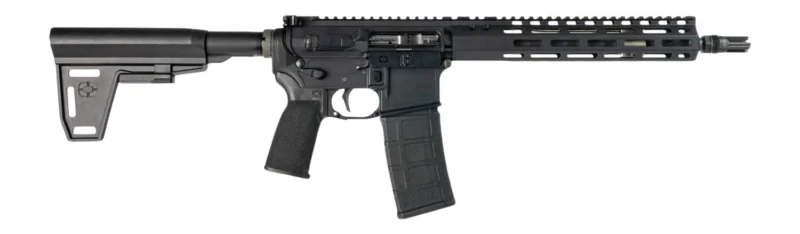


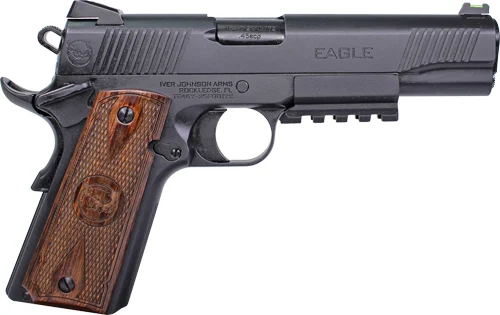
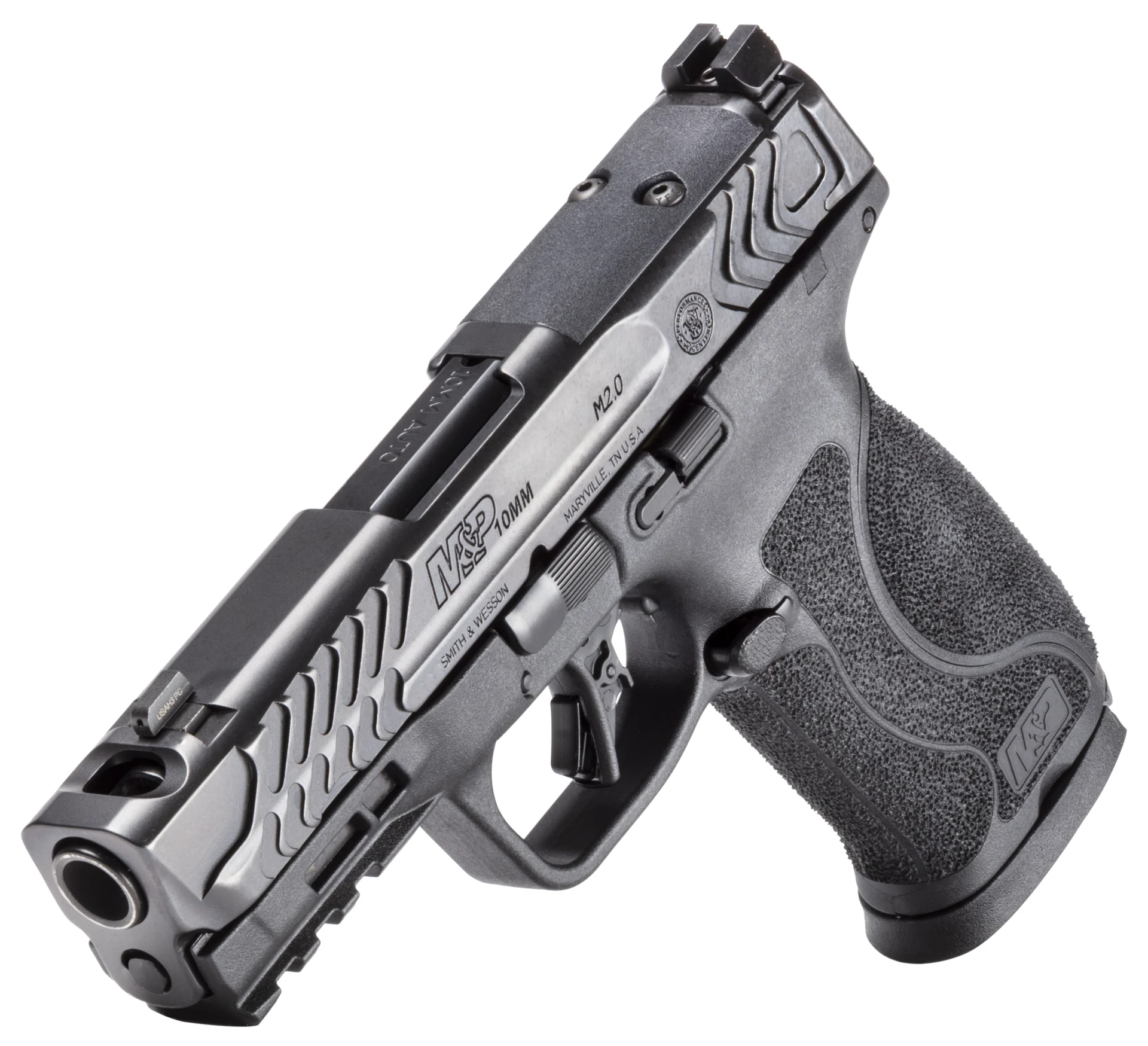




Tenney Industries supports:


Tenney Industries Gallery


WHAT OUR CUSTOMER SAY


Very knowledgeable and conscientious. Jake will do right by you. A++ business! If you are into hunting or firearms for any other reason you won't be disappointed.

Great guy to deal with and very knowledgeable goes above and beyond for the customer.

Great Gun Shop in West Michigan! Jake and his team are very helpful! Good amount of inventory and if he doesn’t have it, he will get it quickly!


I've purchased my share of tools from a variety of stores in different states but have had the best experience and fastest service at tennys. Very friendly and the guy knows his stuff. I recommend you check him out for all your 2a needs.


I've done a lot of business with Jake here over the past couple of years. He does a great job on repairs and can get Firearms at low prices. He also has a pretty decent inventory of used Firearms of All Sorts as well as Scopes and red dots. He stands behind his work and is an all-around great guy knows a lot!

Knowledgeable and trustworthy. Appreciate having a guy like Jake in the area for gun and ammo needs

You will not find a better guy to do business with. This little shop has just about anything you need. If he don’t have it on the shelf he can get it. This is exactly what Ludington needed.

I have used Tenneys as an FFL, as a gun smith, and have purchased many guns from the gun store side of the business…. It’s been flawless and professional service every time, He is a joy to talk to and his gun knowledge is in matched, Jake goes out of his way to make sure all of your firearms needs are met, it’s an awesome small town gun store. I always look forward to going back.


Jake helped us with a third party transfer of my father's vintage rifle. Friendly and knowledgeable.


Had Jake order a gun for me. Gun came in fast, was able to purchase at a great price in only a few days. Top notch service!
my cerakote looks awesome great guy with tons of knowledge and great customer service
jake did a very professional job threading a barrel and doing some cerakote for me. he's reasonably priced and quick with turnaround times (very rare with gunsmiths)
The Fundamental Rules of Firearm Safety at a Gun Shop in Farmington, MI
Firearm safety is a critical aspect of responsible gun ownership. Adhering to essential safety principles not only prevents accidents but also ensures the well-being of those around you. Whether you are a first-time owner or an experienced user, these fundamental rules should always be followed and treated as non-negotiable.
1. Treat Every Firearm as If It Is Loaded with Gun Dealers in Farmington, MI
This is the cornerstone of firearm safety. Even if you are confident that a weapon is unloaded, always handle it with care. Assume every firearm is loaded until you have personally inspected it and confirmed otherwise.
- Always check the chamber and magazine for ammunition when handling a firearm.
- Avoid pointing the gun at anything unless you’re prepared to fire.
- Never rely solely on a mechanical safety; instead, follow safe handling practices at all times.
Always Point the Muzzle in a Safe Direction When Visiting the Best Gun Stores in Farmington, MI
A safe direction means that if the gun were to discharge accidentally, it would not cause injury or damage. This rule applies regardless of whether you believe the firearm is loaded or unloaded.
Key considerations: – Avoid pointing firearms at people, pets, or valuable property. – Be mindful of walls, floors, and other surfaces that might allow bullets to ricochet. – When outdoors, point your muzzle toward the ground in a clear area free from obstructions.
Keep Your Finger Off the Trigger Until Ready to Shoot at the Best Gun Shops in Farmington, MI
Trigger discipline is vital when handling firearms. Keeping your finger outside the trigger guard reduces the risk of accidental discharge.
How to maintain proper trigger discipline: – Rest your finger along the side of the frame or receiver until you have aligned your target and made a conscious decision to fire. – Teach this habit early when introducing new shooters to firearms.
Be Sure of Your Target and What Is Beyond It When Visiting Handgun Stores in Farmington, MI
Before pulling the trigger, take time to fully identify your target and what lies behind it since bullets can penetrate objects or miss their intended mark.
Questions every responsible shooter should ask: – Is my target clearly visible? – What lies in front of, beside, or beyond my target? – Am I shooting in an area with minimal risk of unintended harm (like stray bullets hitting bystanders)?
Use environmental awareness to ensure no one else will be endangered by your actions during live fire situations.
Practical Scenarios & Missteps To Avoid
Unsafe Practice Why It’s Dangerous Correct Approach Pointing your firearm toward others Could cause injury if discharged accidentally Always point away from people Dry firing without confirming it’s empty Even “unloaded” guns have caused fatalities Inspect thoroughly before dry firing Placing finger on trigger prematurely Increases chance of accidental discharge Use strict trigger discipline Reinforcing These Rules with a Gun Dealer in Farmington, MI
- Enroll in regular training courses emphasizing safe weapon handling techniques.
- Share these rules with family members who may encounter firearms at home.
- Post visual reminders (e.g., posters) near gun safes or storage areas as quick references for everyone in your household.
By making safety practices habitual, firearm owners can create an environment where responsible behavior becomes instinctive—helping reduce risks without compromising preparedness or enjoyment for enthusiasts and professionals alike.
Understanding Your Responsibilities as a Firearm Owner with the Best Gun Store in Farmington, MI
Owning a firearm is both a right and a significant responsibility. It requires not only adherence to laws but also a commitment to ensuring the safety of yourself, others, and your community. Responsible ownership goes beyond possession; it involves informed decision-making, ethical considerations, and proactive measures to mitigate risks. Below are key aspects of responsible firearm ownership every individual should understand.
Complying with Legal Requirements for Guns for Sale in Farmington, MI
- Know the laws in your jurisdiction: Laws surrounding firearm ownership and use vary widely between countries, states, and even municipalities. Research and stay updated on regulations in your area.
- Examples include background checks, waiting periods, licenses or permits required for purchasing or carrying firearms.
- Adhere to transport laws: There are specific rules about how firearms must be transported (e.g., unloading weapons, locking them in containers). Non-compliance can result in penalties.
Ethical Responsibilities of a Local Gun Store in Farmington, MI
- Recognize the potential impact of your decisions: Owning a firearm comes with the understanding that improper use can lead to tragic consequences. Always consider safety first.
- Assess necessity before acting: Whether for self-defense or recreational purposes such as hunting or sport shooting, use firearms only when appropriate and justified.
- Respect your community’s concerns: Open communication with neighbors or family members regarding safety measures shows accountability and may help reduce misconceptions.
Regular Maintenance and Inspection When You Buy Guns in Farmington, MI
Proper maintenance ensures that your firearm functions safely and reliably. Neglecting care can lead to mechanical failures that pose safety risks.
Steps for regular maintenance: 1. Clear the weapon: Ensure it is unloaded before beginning any maintenance activity. 2. Follow the manufacturer’s instructions for cleaning: These are typically outlined in the user manual included with your purchase. 3. Inspect for signs of wear: Look for damage such as cracks or rust that might affect performance.
Maintenance Task Frequency Notes Cleaning after use After each session Important if used extensively Comprehensive check-up Twice per year Include professional inspection Educating Household Members About a Firearms Store in Farmington, MI
If you live with others—whether family members, roommates, or friends—it is essential to educate those around you about firearm safety.
For example: – Teach children to never touch firearms without supervision. – Keep all household members informed about storage procedures (e.g., locked safes). – Ensure others recognize that firearms aren’t toys and stress their proper handling protocols.
Taking Accountability for Safe Storage at an Arms Store in Farmington, MI
Safe storage is not just about protecting unauthorized access but also preventing accidents or thefts. Statistics show that improperly stored firearms contribute significantly to accidental shootings.
Best practices include: – Use a gun safe or lockbox equipped with tamper-proof mechanisms. – Store ammunition separately from firearms whenever possible. – Consider additional security like trigger locks or biometric safes for enhanced protection against unauthorized access.
By understanding these core responsibilities, firearm owners not only comply with legal obligations but also contribute positively toward creating safer environments both at home and within their communities. Responsible ownership demonstrates respect for the power of firearms while minimizing potential harm through careful planning, education, and ethical decision-making.
Choosing Appropriate Storage Solutions from Gun Stores Around Me
Proper firearm storage is a critical aspect of responsible ownership, ensuring safety for both the owner and those around them. By choosing the right storage solutions, firearm owners can significantly reduce the risks of accidents, unauthorized access, and theft. Selecting appropriate storage depends on factors such as the type of firearm, household dynamics, and local laws. This section outlines key considerations and practical options for effective firearm storage.
The Importance of Secure Firearm Storage for Handguns Near Me
- Preventing Access by Unauthorized Individuals: Secure storage helps ensure that firearms are only accessible to authorized users. This is particularly important in homes with children or visitors who may not understand how to handle firearms safely.
- Reducing the Risk of Theft: Properly stored firearms are more difficult for thieves to access, reducing the likelihood of them being used for unlawful purposes.
- Compliance With Legal Requirements: Many jurisdictions have laws mandating specific storage practices. Adhering to these regulations not only safeguards your firearms but also ensures you remain compliant.
Key Features of Safe Storage Solutions from Gun Dealers Near Me
When selecting a firearm storage solution, consider these essential features: 1. Locks: Whether integrated or external (e.g., cable locks, trigger locks), secure locking mechanisms add an extra layer of protection. 2. Durable Materials: High-quality steel or reinforced alloys provide durability and resistance to tampering. 3. Size and Capacity: Choose a safe that fits your collection while leaving room for potential additions. 4. Tamper Alarms or Biometric Access: Advanced safes now offer features like biometric fingerprint scanners or alarms triggered by unauthorized attempts.
Common Storage Options for a Gunsmith Near Me
Storage Solution Description Best For Lockable Gun Safes Heavy-duty safes with advanced security features like digital locks or biometrics Owners seeking maximum security at home Gun Cabinets Lockable cabinets often constructed from reinforced materials Small collections or budget-conscious owners Trigger Locks Devices that block the trigger mechanism until removed Ensuring individual firearms are inoperable without compromising portability Cable Locks Flexible cables that secure firearms by preventing internal mechanisms from functioning Temporary solutions or when traveling Portable Lockboxes Compact cases designed for discreet transport and quick access Owners needing a balance between mobility and security Practical Tips for Choosing the Right Solution
- Assess your specific needs: For instance, a household with children may prioritize safes with multiple childproofing features.
- Regularly inspect locks and mechanisms to ensure they remain functional over time.
- Consider professional installation if your safe requires bolting to floors or walls.
Additional Measures for Responsible Owners
In addition to secure storage options: – Store ammunition separately from firearms whenever possible. – Use dehumidifiers within safes to prevent rusting on metallic components.
By investing in robust storage solutions tailored to your circumstances, you help create an environment where safety remains paramount while maintaining accessibility when needed responsibly.
Why Professional Firearm Training Matters at Gun Shops Near Me at a Gun Store Near Me
Professional firearm training is a critical aspect of responsible gun ownership. While owning a firearm is a right in many places, it also comes with significant responsibilities that require skill, knowledge, and discipline. Professional training helps ensure that firearm owners are equipped to use their weapons safely and effectively while understanding the legal and ethical implications of their actions.
Benefits of Professional Training
- Safety Skills: Proper training reduces the risk of accidental discharge, improper handling, or shooting errors that could harm yourself or others.
- Confidence Building: With hands-on practice under professional supervision, owners develop confidence in handling and operating firearms responsibly.
- Improved Accuracy: Learning techniques for proper stance, grip, and aiming leads to better precision during target practice or defensive scenarios.
- Legal Knowledge: Many courses cover local laws related to firearm use, self-defense regulations, and transportation requirements.
- Emergency Preparedness: Training equips individuals with the skills needed to react appropriately in high-stress situations involving firearms.
Types of Training Available
There are various types of firearm training programs designed for different levels of experience.
Type Description Basic Safety Courses Introduce first-time owners to the fundamentals of safe gun handling. Concealed Carry Classes Focus on the specific skills needed for carrying a concealed weapon legally. Defensive Shooting Training Teaches techniques for using firearms in self-defense scenarios effectively. Advanced Tactical Courses Designed for those seeking expertise in complex tactical environments. Key Features of Effective Training Programs
- Ensure the instructors are licensed professionals with experience in teaching safe practices.
- Look for accreditation from recognized organizations like the NRA (National Rifle Association) or similar entities in your country.
- Programs should include live-fire exercises at certified ranges.
- This allows participants to apply classroom knowledge directly under supervision.
- Effective courses simulate real-world scenarios—such as home invasions or public threats—to prepare participants for practical applications.
- A reputable course will dedicate time to educating attendees about state and federal laws regarding usage, storage, and transport of firearms.
The Role of Ongoing Education
- Regularly attend refresher courses or advanced classes as skills can degrade without consistent use.
- Stay updated on evolving legislation that may affect your rights or responsibilities as an owner.
- Join local gun clubs or organizations where you can engage with other responsible owners who prioritize safe practices.
Investing time into professional firearm training demonstrates commitment not only to personal safety but also to protecting those around you by minimizing risks associated with improper usage.
Why Professional Firearm Training Matters
Professional firearm training is essential for anyone who owns or plans to own a firearm. Beyond simply understanding how to operate a firearm, proper training equips individuals with the knowledge and skills necessary to handle firearms safely, responsibly, and effectively. This section explores the significance of professional training and the tangible benefits it offers.
Key Benefits of Professional Firearm Training
- Proper handling techniques: Learn how to load, unload, and handle firearms safely without risking accidental discharge.
- Situational awareness: Training enhances your ability to assess surroundings and avoid unnecessary risks.
- Emergency protocols: Gain the skills necessary to respond appropriately in high-pressure situations.
- Familiarity with laws: Professional trainers often provide education on local, state, and federal firearm regulations.
- Ethical considerations: Learn about when—and when not—to use a firearm in potential self-defense scenarios.
- Marksmanship: Receive guidance on improving aim, accuracy, and stance for safe operation under controlled conditions.
- Maintenance proficiency: Understand how to properly clean and care for your firearm to ensure longevity and reliability.
- Personal comfort: Hands-on experience with an experienced instructor helps develop confidence in handling firearms safely.
- Decision-making under stress: Simulations in training teach you how to make calm, informed decisions during critical moments.
What Does Professional Firearm Training Typically Include?
Component Description Classroom Instruction Covers safety fundamentals, legal frameworks, and responsibilities as an owner Range Practice Practical experience with live ammunition under supervision Scenario-Based Drills Real-world simulations designed to improve decision-making skills Maintenance Education Guidance on cleaning, storage options, and general upkeep of equipment Finding Reputable Firearm Training Programs
- Certified Instructors: Ensure the program is led by certified professionals with relevant credentials (e.g., NRA certification or law enforcement/military background).
- Comprehensive Curriculum: Look for courses that cover both theoretical knowledge (e.g., safety rules) and practical training (e.g., live fire practice).
- Customizable Options: Some programs offer tailored instruction depending on your level of expertise—whether you’re a beginner or an experienced owner seeking advanced skills.
- Group vs Individual Training: Decide whether you prefer one-on-one instruction or group classes based on your learning style.
The Long-Term Value of Professional Training
Investing in professional firearm training isn’t just about immediate safety but also long-term responsible ownership. A well-trained individual is less likely to misuse their firearm or cause accidental harm due to ignorance or improper handling. Whether you’re using your firearm recreationally at ranges or keeping it for home defense purposes, continuous education ensures you stay updated on best practices as laws evolve or new techniques emerge.
Professional training can also shape how others perceive responsible gun ownership within your community by setting an example of accountability—a vital step toward fostering broader safety awareness among all firearm owners.