


Welcome to Tenney Industries


FEATURED PRODUCTS







Tenney Industries supports:


Tenney Industries Gallery


WHAT OUR CUSTOMER SAY


Very knowledgeable and conscientious. Jake will do right by you. A++ business! If you are into hunting or firearms for any other reason you won't be disappointed.

Great guy to deal with and very knowledgeable goes above and beyond for the customer.

Great Gun Shop in West Michigan! Jake and his team are very helpful! Good amount of inventory and if he doesn’t have it, he will get it quickly!


I've purchased my share of tools from a variety of stores in different states but have had the best experience and fastest service at tennys. Very friendly and the guy knows his stuff. I recommend you check him out for all your 2a needs.


I've done a lot of business with Jake here over the past couple of years. He does a great job on repairs and can get Firearms at low prices. He also has a pretty decent inventory of used Firearms of All Sorts as well as Scopes and red dots. He stands behind his work and is an all-around great guy knows a lot!

Knowledgeable and trustworthy. Appreciate having a guy like Jake in the area for gun and ammo needs

You will not find a better guy to do business with. This little shop has just about anything you need. If he don’t have it on the shelf he can get it. This is exactly what Ludington needed.

I have used Tenneys as an FFL, as a gun smith, and have purchased many guns from the gun store side of the business…. It’s been flawless and professional service every time, He is a joy to talk to and his gun knowledge is in matched, Jake goes out of his way to make sure all of your firearms needs are met, it’s an awesome small town gun store. I always look forward to going back.


Jake helped us with a third party transfer of my father's vintage rifle. Friendly and knowledgeable.


Had Jake order a gun for me. Gun came in fast, was able to purchase at a great price in only a few days. Top notch service!
my cerakote looks awesome great guy with tons of knowledge and great customer service
jake did a very professional job threading a barrel and doing some cerakote for me. he's reasonably priced and quick with turnaround times (very rare with gunsmiths)
Understanding the Most Common Firearm Categories at the Best Gun Shops in Farmington Hills, MI with Gun Dealers in Farmington Hills, MI
When diving into the world of firearms as a beginner, it is important to understand the most common categories of firearms and their intended purposes. Each type of firearm is designed with specific functionalities, and knowing these distinctions can help you make informed decisions about ownership and use. Below is an introduction to the most common firearm categories and what sets them apart.
Handguns Available at Gun Shops Near Me
Handguns are compact firearms designed for one-handed use, though they are often fired with both hands for better control. They are commonly used for personal defense, recreational shooting, or competitive sports.
- Revolvers: Feature a rotating cylinder that holds multiple rounds (usually five to eight). Revolvers are reliable and simple to operate.
- Semi-automatic pistols: Use magazines to hold ammunition and automatically load the next round after firing. These are typically easier to reload and have higher ammunition capacity compared to revolvers.
- Common calibers: .22 LR, 9mm, .45 ACP.
- Pros: Compact size; easy portability; suitable for self-defense.
- Cons: Limited range compared to rifles or shotguns; requires more training to handle safely.
Rifles and Handguns Near Me
Rifles are long-barreled firearms designed for precision shooting over longer distances. They are versatile tools used in hunting, target practice, and competitive shooting sports.
- Bolt-action rifles: Manually operated by cycling a bolt between shots; known for exceptional accuracy.
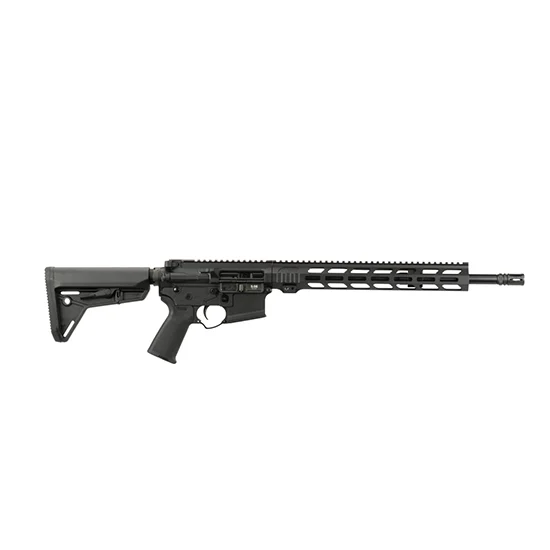
- Semi-automatic rifles: Automatically load the next round after each shot; ideal for faster follow-up shots.
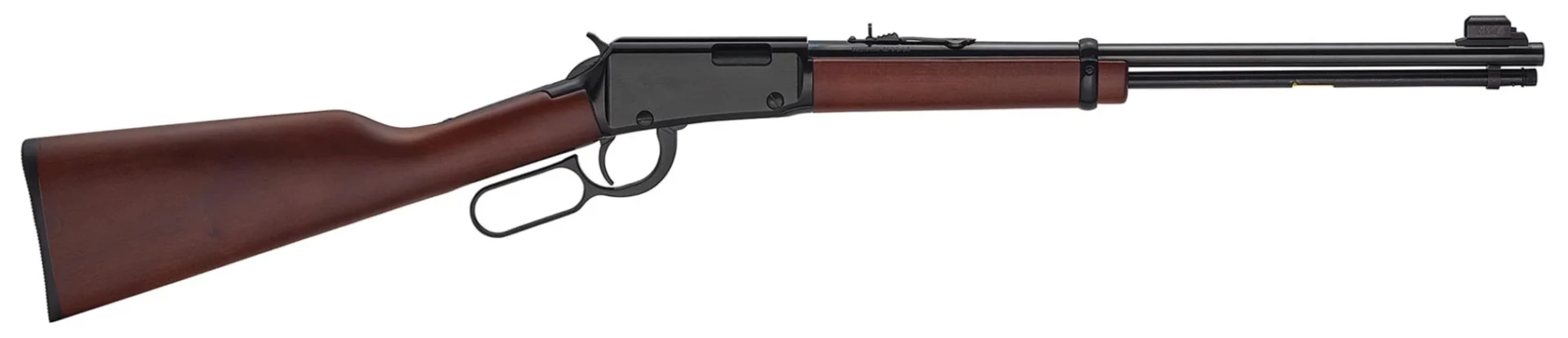
- Lever-action and pump-action rifles: Operated manually but offer quicker cycling than bolt-action models.
- Common calibers: .22 LR (small game), .308 Winchester (hunting), .223 Remington (sporting).
- Pros: High accuracy over long ranges; effective for hunting or sport shooting.
- Cons: Bulkier than handguns; less ideal for close-range defense.
Shotguns from Gun Dealers Near Me
Shotguns are shoulder-fired firearms that excel in short-range scenarios due to their ability to fire spreading projectiles. They’re widely used in hunting birds or small game, as well as home defense given their stopping power at close range.
- Pump-action shotguns: Operated manually by sliding a forearm back and forth between shots.
- Semi-automatic shotguns: Automatically chamber the next shell after firing.
- Double-barreled shotguns: Feature two barrels side by side or stacked vertically (over-and-under).
- Birdshot: Small pellets ideal for hunting birds or clay target shooting.
- Buckshot: Larger pellets suited for self-defense or larger game animals.
- Slugs: Single large projectiles capable of greater precision at short ranges.
Shotgun Type Best For Key Advantage Pump-action Home defense Reliability Semi-automatic Bird/game hunting Rapid follow-up shots Double-barreled Sport/clay shooting High craftsmanship Other Specialty Firearms from a Gunsmith Near Me
- Carbines: Lightweight versions of rifles designed for intermediate ranges—often used in law enforcement or home defense due to their portability.
- Muzzleloaders: Traditional firearms where powder and ammunition are loaded manually through the barrel. These are favored by history enthusiasts or hunters during special seasons.
Choosing the Right Firearm Category from the Best Gun Stores in Farmington Hills, MI
Selecting the right type of firearm depends on your intended use: 1. For self-defense: Handguns or compact carbines may be practical due to ease of storage and maneuverability. 2. For hunting: Bolt-action rifles (for big-game) or shotguns (for bird/game) provide specialized performance. 3. For sport shooting/target practice: Rifles with high accuracy (.22 LR models) allow beginners an affordable way to train before advancing.
Understanding these foundational categories not only helps you choose wisely but also lays a path toward responsible ownership tailored to your needs while remaining aware of safety protocols at all times.
Understanding the Most Common Firearm Categories
For anyone new to firearms, understanding the different types available is crucial to making informed decisions. Firearms come in various forms, each designed for specific purposes such as self-defense, hunting, sport shooting, or competitive events. Below is a breakdown of the most common firearm categories and their typical uses.
Handguns
- Operate with a rotating cylinder that holds multiple rounds.
- Simple design with fewer moving parts, making them reliable and durable.
- Often recommended for beginners due to ease of operation.
- Use magazines to hold ammunition and typically have higher capacity than revolvers.
- Require more knowledge to operate safely but provide quick reloading capabilities.
- Popular for home defense and recreational shooting.
Rifles
- Manually operated by cycling a bolt handle after each shot.
- Known for exceptional accuracy; favored by hunters and precision marksmen.
- Automatically reload after each shot but require the user to pull the trigger for every round fired.
- Suitable for sport shooting, defensive purposes, or small-game hunting.
- Feature a lever mechanism beneath the receiver that cycles ammunition.
- Often associated with older styles but still effective for hunting or ranch use.
Shotguns
- User manually cycles the action by sliding the forearm back and forth.
- Reliable under diverse conditions; good choice for home defense.
- Automatically reload shells after every shot.
- Faster follow-up shots than pump-action models; ideal for sporting clays or competitive shoots.
Specialty Firearms
- Muzzleloaders: Require manual loading of gunpowder, projectile, and primer through the muzzle. Primarily used in historical reenactments or specialty hunting seasons.
- Pistol-Caliber Carbines (PCCs): Compact rifles chambered in handgun calibers such as .9mm or .45 ACP. These provide low recoil and versatility for recreational shooting.
Firearm Category Common Uses Examples Handguns Self-defense, concealed carry Glock pistols, Colt revolvers Rifles Hunting, precision shooting Remington bolt-actions Shotguns Home defense, bird hunting Mossberg pump-actions Specialty Firearms Historical use Flintlock muzzleloaders By understanding these firearm categories along with their applications, beginners can choose models that align with their individual needs while prioritizing safety and proper training at all times.
Secure Storage Options for Different Households with Handgun Stores in Farmington Hills, MI with a Gun Shop in Farmington Hills, MI
Proper firearm storage is a critical component of being a responsible gun owner. Choosing the right storage option depends on various factors, including household composition, accessibility needs, and local laws. Below is an overview of secure storage options tailored to different types of households and circumstances.
Key Considerations for Firearm Storage
Before selecting a firearm storage solution, assess the following: – Who Lives in Your Household: Consider children, teenagers, or other individuals who should not have access to firearms. – Accessibility Needs: Think about how quickly you may need access to your firearm in case of an emergency. – Legal Requirements: Many jurisdictions have specific regulations regarding firearm storage. Ensure compliance with local laws. – Type and Number of Firearms: Larger collections or certain types of firearms (e.g., rifles vs. handguns) may require unique storage solutions.
Common Firearm Storage Options
Storage Option Best For Features Gun Safes Households with multiple firearms or valuable guns Heavy-duty protection, fireproofing options, biometric or combination locks Lockboxes Individuals or families needing quick access to a single handgun Compact size, easy to store in bedside tables or drawers Trigger Locks Homes with curious children but no immediate need for self-defense access Affordable and portable; renders the firearm inoperable until lock is removed Cable Locks Households seeking temporary locking solutions Flexible option that threads through the action of the gun; prevents it from being fired Hidden Compartments Situations where discreet concealment is desired Furniture-style safes disguised as everyday objects like shelves or picture frames Tailored Advice for Different Household Types
Families with Children
For homes with young children: – Use gun safes with tamper-proof mechanisms. – Store ammunition separately from the firearm. – Install trigger locks as an added layer of safety.
Single-Person Households
If you live alone but still need secure storage: – Opt for a small lockbox that can be easily hidden yet accessed quickly if needed. – Prioritize portability if you travel frequently with your firearm.
Shared Housing or Roommates
In shared living spaces: – Use discreet options like hidden compartments if privacy is essential. – Communicate clearly about boundaries and ensure roommates understand that they cannot access your firearms.
Rural vs. Urban Homes
For rural areas where larger collections are common: – Invest in heavy-duty safes capable of storing rifles, shotguns, and ammunition collectively. In urban settings where space is limited: – Consider wall-mounted lockboxes designed for compact living environments.
Additional Tips for Safe Firearm Storage
Regardless of household type, these best practices apply universally: 1. Always unload firearms before storing them. 2. Regularly inspect locks and safes for functionality. 3. Avoid sharing safe combinations or keys unnecessarily. 4. Educate family members about firearm safety even if they do not handle guns themselves.
Securely storing your firearms not only ensures safety within your home but also reduces risks such as theft and unauthorized use. With the right approach tailored to your circumstances, you can uphold responsible ownership while maintaining peace of mind.
Secure Storage Options for Different Households
Proper firearm storage is a cornerstone of responsible gun ownership. Whether you live alone, with a partner, or in a household with children, securing your firearm ensures safety and peace of mind. Below are various secure storage options tailored to different household dynamics.
Why Secure Firearm Storage Matters in Retail Gun Stores in Farmington Hills, MI
- Prevention of Unauthorized Access: Reduces the risk of accidental discharges and theft.
- Child Safety: Keeps firearms out of reach for curious children in multi-generational households.
- Compliance with Laws: Many jurisdictions require firearms to be locked when not in use.
Single-Person Households
For individuals living alone, firearm storage may seem straightforward, but it’s still crucial to secure your weapons to prevent misuse or theft:
– Small Gun Safes: Compact and portable safes can store one or two handguns securely while allowing quick access if needed.
– Example: Biometric or keypad safes can provide quick entry without compromising security.
– Hidden Concealment Furniture: Furniture pieces such as shelves or drawers designed to discreetly store firearms can combine accessibility and safety for single users.Families with Children
In homes with children, extra precautions must be taken to ensure that firearms are completely inaccessible:
– Tamper-Proof Gun Safes: Opt for large safes with tamper-proof locks that require combinations, keys, or biometrics. – Consider models rated by UL (Underwriters Laboratories) for added reliability. – Trigger Locks: Use trigger locks as an added layer of security on top of storing the weapon in a safe. They render the firearm unusable until removed. – Out-of-Reach Storage: Place safes or lockboxes in high locations where children cannot accidentally access them.Multi-Person Shared Housing (e.g., Roommates)
Living with roommates requires balancing firearm security with privacy and accessibility: – Lockable Personal Storage Cabinets: Keep firearms secured in personal safes and avoid shared access unless absolutely necessary. – For long guns, consider lockable gun cabinets designed specifically to hold rifles and shotguns. – Inform roommates about the presence of firearms (if comfortable doing so) so they understand boundaries around storage areas.
Homes With Frequent Visitors
For households that often host guests, consider discreet storage options: – Use furniture-style safes or hidden compartments that blend into the environment. – Ensure all ammunition is stored separately from firearms in locked containers.
Comparing Common Firearm Storage Methods for Guns for Sale in Farmington Hills, MI
Type Security Level Accessibility Best For Small Gun Safe High Moderate to Fast Single-Handgun Users Trigger Lock Medium Slower Supplemental Security Lockable Cabinet High Moderate Long Guns/Shared Spaces Biometric Safe Very High Very Fast Quick Access Needs Tips for Choosing the Right Firearm Storage Solution from a Local Gun Store in Farmington Hills, MI
- Assess the type and number of firearms you own before purchasing a safe or locking mechanism.
- Factor accessibility into your decision without compromising safety—especially if you rely on a firearm for home defense.
- Regularly inspect locks and mechanisms for wear-and-tear to ensure continued reliability.
By evaluating your household’s specific needs while prioritizing safety and compliance, you can select effective storage solutions that protect both loved ones and your rights as a responsible firearm owner.
Understanding Laws and Ownership Responsibilities with the Best Gun Store in Farmington Hills, MI
Owning a firearm comes with significant legal and ethical responsibilities. Understanding the laws that govern firearm ownership, use, and storage is crucial for both personal safety and public well-being. This section will explore key considerations surrounding firearm laws, regulations, and the essential duties of responsible owners.
Federal vs. State Regulations When You Buy Guns in Farmington Hills, MI
- Background checks: While federal law requires licensed dealers to conduct background checks, some states extend this requirement to private sales or gun shows. Others may impose additional waiting periods.
- Firearm types: Certain states restrict ownership of specific firearm categories such as assault weapons or high-capacity magazines.
- Open vs. concealed carry: States differ on whether individuals can openly carry firearms in public spaces or require permits for concealed carry.
A good starting point for understanding these differences is consulting your local law enforcement agency or official government resources.
Regulation Area Federal Law State-Specific Considerations Background Checks Universal through licensed dealers Varies; some require checks for private sales Concealed Carry Permits No universal federal standard Permit requirements vary widely Assault Weapons Limited restrictions federally Some states impose bans or additional limits Licensing and Permits for a Firearms Store in Farmington Hills, MI
In many jurisdictions, obtaining a firearm license involves meeting certain prerequisites such as passing a background check, completing safety training courses, or fulfilling age requirements. For concealed carry specifically, you may need to demonstrate proficiency through an approved class or exam.
Tips for Navigating Licensing Requirements:
- Research necessary documents (e.g., proof of residency).
- Confirm if fingerprinting or other identification processes are required.
- Stay updated on renewal dates—licenses often have expiration periods.
Responsible Ownership Obligations for an Arms Store in Farmington Hills, MI
- Always treat every firearm as if it’s loaded.
- Keep your finger off the trigger until ready to shoot.
- Use gun safes with tamper-proof locks.
- Store ammunition separately from firearms whenever possible.
- Stay informed about changes in local legislation.
- Encourage others in your household to learn basic rules of firearm safety.
Traveling With Firearms and Finding Gun Stores Around Me
When transporting firearms across state lines—or internationally—it is essential to comply with applicable laws in each jurisdiction you enter. Many places have specific rules regarding how firearms must be stored during travel (e.g., unloaded and locked in a case). The Firearm Owners Protection Act (FOPA) offers protections when transporting guns legally under certain conditions but does not override all state-specific obligations.
Checklist for Traveling With Firearms:
- Verify transportation laws at your destination.
- Use TSA-approved cases if traveling by air.
- Avoid carrying prohibited accessories like high-capacity magazines if they are illegal where you’re going.
Legal Consequences for Noncompliance with a Gun Store Near Me
Failing to adhere to firearm laws can result in serious repercussions such as fines, imprisonment, or loss of gun ownership rights altogether. Ignorance of the law is not a defense; therefore, staying informed should remain an ongoing priority for any responsible gun owner.
Understanding laws surrounding firearms isn’t just about avoiding penalties—it’s about building trust within your community while prioritizing the safety of everyone around you. Make it part of your commitment as a responsible owner to continually educate yourself on both legal obligations and best practices for safe usage and storage.