


Welcome to Tenney Industries


FEATURED PRODUCTS




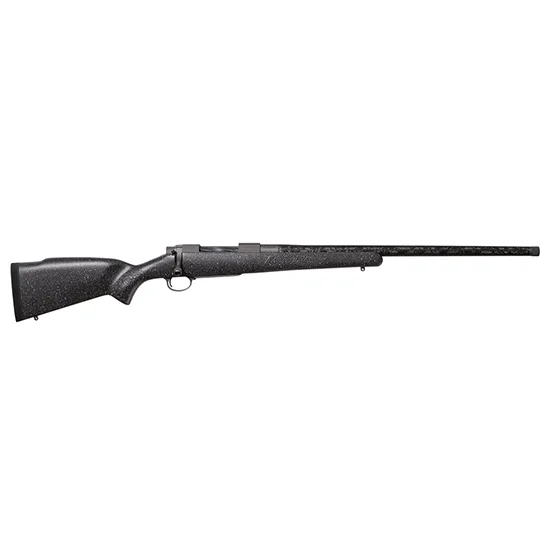
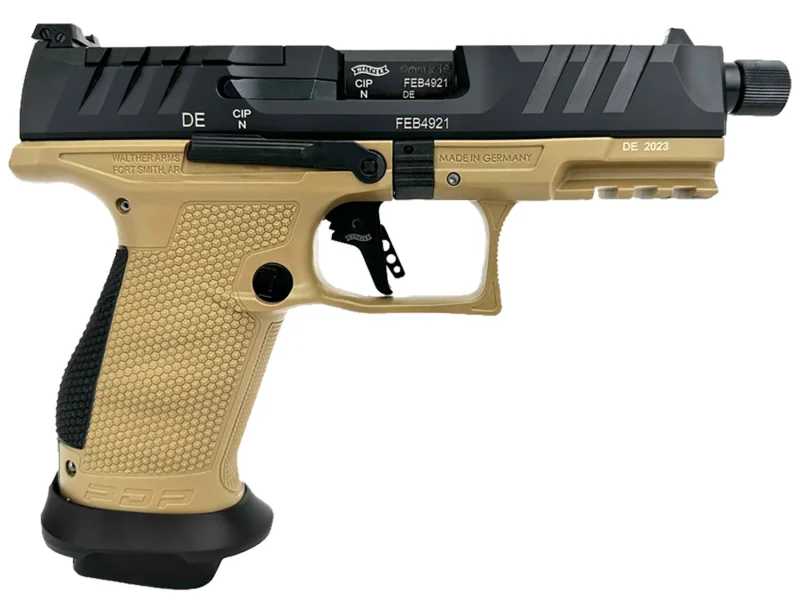

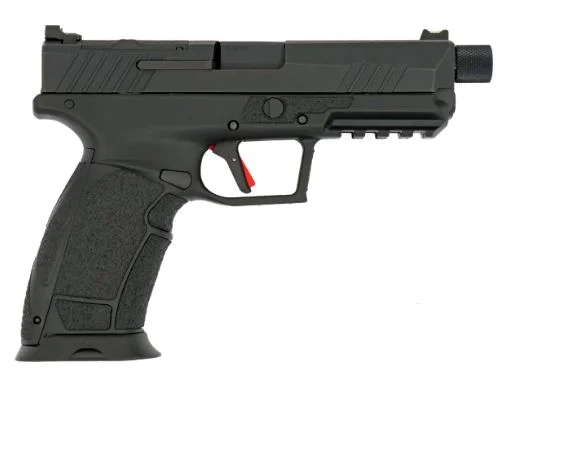
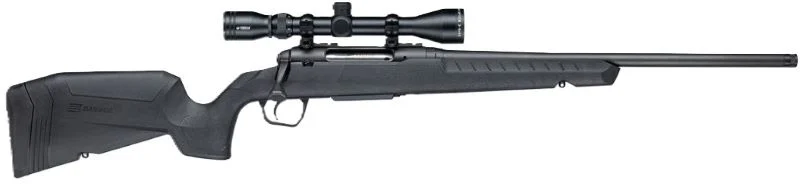


Tenney Industries supports:


Tenney Industries Gallery


WHAT OUR CUSTOMER SAY


Very knowledgeable and conscientious. Jake will do right by you. A++ business! If you are into hunting or firearms for any other reason you won't be disappointed.

Great guy to deal with and very knowledgeable goes above and beyond for the customer.

Great Gun Shop in West Michigan! Jake and his team are very helpful! Good amount of inventory and if he doesn’t have it, he will get it quickly!


I've purchased my share of tools from a variety of stores in different states but have had the best experience and fastest service at tennys. Very friendly and the guy knows his stuff. I recommend you check him out for all your 2a needs.


I've done a lot of business with Jake here over the past couple of years. He does a great job on repairs and can get Firearms at low prices. He also has a pretty decent inventory of used Firearms of All Sorts as well as Scopes and red dots. He stands behind his work and is an all-around great guy knows a lot!

Knowledgeable and trustworthy. Appreciate having a guy like Jake in the area for gun and ammo needs

You will not find a better guy to do business with. This little shop has just about anything you need. If he don’t have it on the shelf he can get it. This is exactly what Ludington needed.

I have used Tenneys as an FFL, as a gun smith, and have purchased many guns from the gun store side of the business…. It’s been flawless and professional service every time, He is a joy to talk to and his gun knowledge is in matched, Jake goes out of his way to make sure all of your firearms needs are met, it’s an awesome small town gun store. I always look forward to going back.


Jake helped us with a third party transfer of my father's vintage rifle. Friendly and knowledgeable.


Had Jake order a gun for me. Gun came in fast, was able to purchase at a great price in only a few days. Top notch service!
my cerakote looks awesome great guy with tons of knowledge and great customer service
jake did a very professional job threading a barrel and doing some cerakote for me. he's reasonably priced and quick with turnaround times (very rare with gunsmiths)
Understanding the Differences Between Firearm Categories at the Best Gun Store in Township, MI at a Gun Shop in Township, MI
Firearms can be categorized into several types based on their design, functionality, and intended use. Knowing these distinctions is critical for responsible ownership, proper handling, and compliance with laws. Below is an overview of the primary firearm categories and their characteristics.
Handguns Available at a Local Gun Store in Township, MI from Gun Dealers in Township, MI
- Feature a rotating cylinder to hold ammunition.
- Typically have simpler mechanics and are reliable even under harsh conditions.
- Limited ammunition capacity (usually 5-7 rounds).
- Use a magazine for storing ammunition, offering higher capacity (10+ rounds).
- Automatically chamber the next round after firing.
- More complex mechanisms compared to revolvers but generally quicker to reload.
Rifles to Buy Guns in Township, MI from the Best Gun Stores in Township, MI
- Bolt-Action Rifles: Operated manually by cycling a bolt handle back and forth after each shot; favored by hunters and marksmen due to their reliability and accuracy.
- Semi-Automatic Rifles: Fire one round per trigger pull without the need for manual action; widely used in recreational shooting as well as competitive events.
- Lever-Action Rifles: Utilize a lever mechanism beneath the trigger guard; historically significant in American firearms history.
Rifle Type Action Method Primary Use Ammo Capacity Distinctive Trait Bolt-Action Manual Bolt Hunting/Sniping Low (5–10 rounds) Extreme precision Semi-Automatic Gas or Recoil Operated Sports/Hunting/Tactical Medium–High (20+ rounds) Fast follow-up shots Lever-Action Lever Mechanism Historical/Recreational Medium (6–9 rounds) Classic design Shotguns Available at a Firearms Store in Township, MI from the Best Gun Shops in Township, MI
Shotguns are versatile firearms that fire shells instead of cartridges containing multiple projectiles (shot) or a single slug. Ideal for short-range applications like hunting birds or small game, as well as home defense scenarios.
Shotguns differ based on their action type: – Pump Action: Requires manual operation of a forearm pump between shots. – Semi-Automatic: Fires one round per trigger pull without manual cycling. – Break Action: Simple design where the barrel(s) break open to load shells; common in double-barrel shotguns.
Specialized Firearms & Subcategories
Some firearms do not fit easily into traditional categories but serve specific purposes: – Machine Guns: Fully automatic firearms capable of continuous fire while the trigger is held down. – Carbines: Shorter-barreled rifles designed for maneuverability. – Muzzleloaders: Older-style firearms loaded through the muzzle; historically significant but still used recreationally by enthusiasts today.
Understanding these firearm categories lays an essential foundation for selecting a weapon appropriate to your skill level, intended purpose, and local regulations. Always ensure you research thoroughly before purchasing any firearm type so it aligns with your needs responsibly while adhering to legal requirements where you reside.
Understanding the Differences Between Firearm Categories
Firearms come in a wide range of types, each designed for specific purposes and varying greatly in terms of functionality, size, and design. To better understand their uses and characteristics, it’s essential to familiarize yourself with the primary firearm categories: handguns, rifles, and shotguns. This knowledge helps firearm owners make informed decisions about selection, training, and use.
Handguns
Handguns are compact firearms designed to be operated with one hand. They are commonly used for personal defense due to their portability and ease of concealment. There are two main subcategories of handguns: – Revolvers: Operate with a rotating cylinder that holds multiple rounds. Simple to operate but slower to reload. – Semi-Automatic Pistols: Use a magazine to store ammunition and automatically chamber the next round after firing. These offer faster reloading compared to revolvers.
Common Uses for Gun Stores Around Me
- Personal protection
- Law enforcement
- Competitive shooting sports
Rifles
Rifles are long-barreled firearms designed for precision at greater distances. They are characterized by rifling—the spiral grooves inside the barrel—that spin-stabilize bullets for accuracy.
Key Types of Rifles Found at a Gun Store Near Me
- Bolt-Action Rifles: Require manual cycling between shots; favored by hunters for reliability.
- Semi-Automatic Rifles: Fire one round per trigger pull without manual cycling; used often for recreational shooting or home defense.
- Lever-Action Rifles: Lever mechanism cycles ammunition; historically significant and still used for sport or hunting.
Common Uses for Gun Shops Near Me
- Hunting (e.g., deer or other game)
- Long-range target shooting
- Wildlife management
Rifle Type Action Mechanism Typical Use Bolt-Action Manual bolt operation Hunting Semi-Automatic Auto chambering per shot Shooting sports Lever-Action Lever-cycled rounds Historical/sport Shotguns
Shotguns are versatile firearms that fire shells containing multiple small projectiles (shot) or a single slug. Unlike rifles, they have smooth barrels rather than rifled ones.
Key Features of Handguns Near Me
- Gauge Measurement: Shotgun size is measured in gauge (e.g., 12-gauge or 20-gauge), where smaller numbers indicate larger bore sizes.
- Choke Tubes: Devices on the muzzle that control shot spread patterns over distance.
Common Uses for Gun Dealers Near Me
- Bird hunting (e.g., ducks, pheasants)
- Clay shooting and trap competitions
- Home defense due to short-range effectiveness
Comparative Overview of Handgun Stores in Township, MI
Category Size/Portability Effective Range Primary Use Handgun Compact Short Self-defense Rifle Larger; less portable Long Hunting/Precision Shotgun Moderate portability Short-to-medium Hunting/Home defense Understanding the distinctions between these categories ensures responsible ownership while aligning your choice with your intended purpose—be it recreation, protection, or sport-specific needs—and lays the groundwork for further exploration into safe handling and storage practices tailored to each type of firearm.
Best Practices for Secure Firearm Storage with a Gun Dealer in Township, MI from Retail Gun Stores in Township, MI
Proper firearm storage is a critical responsibility for any firearm owner. It not only ensures the safety of those living in or visiting your home but also helps prevent unauthorized access, theft, and accidents. Below are best practices and practical strategies to help secure firearms effectively.
The Pillars of Secure Firearm Storage with a Gunsmith Near Me
- Control Access
Prevent unauthorized individuals from gaining access to your firearms by using secure storage methods such as: - Gun Safes: A high-quality gun safe is one of the most effective ways to store firearms securely. Look for safes with:
- Sturdy construction (steel walls recommended)
- Tamper-proof locks (digital or biometric options enhance security)
- Fireproof and waterproof features for added protection
- Lockboxes: Ideal for handguns, lockboxes are compact and portable but still offer reliable security. They’re a good option when traveling or for quick-access storage.
- Cable Locks/Trigger Locks: These devices physically disable the firearm’s ability to function and are often used in addition to safes or lockboxes.
- Store Ammunition Separately
Always keep ammunition stored separately from firearms. This adds an additional layer of safety by reducing the risk of accidental discharge: - Use a separate locked container specifically designed for ammunition.
- Ensure it is stored in a cool, dry place away from heat sources.
- Keep Firearms Unloaded When Not in Use
Unloaded firearms are inherently safer during storage: - Double-check that all guns are unloaded before storing them.
- Engage safety mechanisms where applicable.
Tips for Safe Storage in Different Environments
- At Home:
Locate the safest, least accessible spot in your home while keeping practicality in mind. - Avoid storing firearms near entrances or easily visible locations.
- Consider bolting larger safes to floors or walls to deter theft.
- With Children in the Home:
Education and secure storage go hand-in-hand when children live in or visit your household: - Educate children about firearm risks but emphasize strict boundaries (i.e., “Do not touch”).
- Opt for biometric safes if quick access is necessary while maintaining child-proofing measures.
- During Travel:
Transporting firearms securely requires preparation:
Travel Mode Recommended Storage Solution Additional Notes Personal Vehicle Lockbox secured under seat Never leave unattended without locking. Airplane TSA-approved hard-sided case Follow airline-specific guidelines. Maintenance of Storage Equipment
Regularly inspect and maintain your firearm storage solutions: – Check locks, hinges, and mechanisms on safes and boxes periodically. – Replace batteries on digital locking systems as needed. – Keep keys secure and ensure backup options (e.g., combination codes) are accessible only by authorized users.
Legal Compliance
Laws regarding firearm storage vary widely depending on location: – Some jurisdictions mandate that all firearms must be stored unloaded and locked away when not in use. – Research local regulations to avoid legal consequences while ensuring optimal safety standards.
By following these best practices, you can play an active role in reducing risks related to improper firearm handling and promoting a safer environment both at home and beyond.
Best Practices for Secure Firearm Storage
Properly storing firearms is critical to ensuring safety in the home and preventing unauthorized access. Choosing the right storage solutions and following established guidelines can help reduce risks while preserving your firearm’s condition. Below, we explore key best practices for secure firearm storage that are effective, practical, and compliant with legal requirements.
Key Principles of Secure Firearm Storage
To store firearms securely, consider these fundamental principles: – Prevent Unauthorized Access: Firearms should be inaccessible to unauthorized individuals, particularly children or those who may misuse them. – Protect from Theft: Proper storage minimizes the risk of theft in the event of a break-in. – Preserve Firearm Condition: Storing firearms in a dry, well-maintained space prevents rust or damage caused by environmental factors. – Adhere to Legal Requirements: Most jurisdictions have laws governing firearm storage. Ensure compliance with local regulations.
Common Types of Firearm Storage Solutions
Storage Option Description Best For Gun Safes Large, heavy-duty safes designed for multiple firearms; often include locking mechanisms (keypads, biometric locks). Long-term secure storage in homes. Lockable Gun Cases Portable cases with lock options; typically padded to protect firearms during transportation. Temporary or travel use. Trigger Locks Small locks placed directly on a firearm’s trigger mechanism; prevents accidental discharge. Basic safety for individual guns. Cable Locks Flexible cables that feed through the action of a firearm to render it inoperable. Cost-effective security measure. Concealment Furniture Hidden compartments built into furniture (e.g., shelves or drawers) for discreet access. Concealed yet convenient storage. Best Practices for Everyday Storage
Implement these habits consistently: 1. Store Ammunition Separately: Always keep ammunition in a locked container separate from firearms. 2. Use Appropriate Locking Mechanisms: Even when using secure furniture or safes, ensure all access points are locked. 3. Educate Family Members: Teach household members about respecting boundaries and understanding that stored firearms are off-limits. 4. Maintain Regular Checks: Periodically inspect stored firearms and locks to ensure they remain functional.
Environmental Considerations
Environmental conditions can affect both firearm safety and performance: – Store weapons in areas free from excessive moisture to prevent rust. – Use dehumidifiers inside gun safes if you live in humid climates. – Avoid exposure to extreme temperatures which may damage certain materials.
Legal Obligations and Liability
Many regions have specific laws around safe firearm storage: – Some jurisdictions mandate the use of gun locks or safes when not actively using firearms. – Failure to secure a firearm properly may result in penalties or liability if it is used improperly by another party.
Understanding and implementing these practices not only ensures compliance with regulations but also fosters a culture of responsibility around firearm ownership—an essential aspect of maintaining safety both at home and within your community.
Why Firearm Safety Education Is Important When Looking for Guns for Sale in Township, MI
Firearm safety education serves as the cornerstone for responsible gun ownership. Whether you’re a first-time owner or a seasoned firearm enthusiast, understanding the principles of safety through proper education reduces risks, prevents accidents, and ensures that firearms are used responsibly and effectively. This section will explore why safety education is indispensable for all owners, emphasizing its benefits for individuals, families, and communities.
Reducing Accidental Misuse
- Proper Handling Basics: Learning how to load, unload, aim, and handle a firearm safely minimizes risks of accidental discharge.
- Understanding Safe Zones: Ensuring that firearms are never aimed at unintended targets reduces potential harm.
- Trigger Discipline: Developing habits like keeping your finger off the trigger until ready to shoot is crucial.
Promoting Responsible Ownership
- Legal Considerations: Education often includes an overview of regional laws about carrying, transporting, and using firearms legally.
- Storage Requirements: Properly securing firearms away from unauthorized hands (e.g., children) protects everyone in the household.
- Mental Preparedness: Recognizing when it’s appropriate (or inappropriate) to use a firearm enhances situational awareness.
Benefits for Families and Communities
- Firearm safety courses tailored for parents teach strategies to childproof guns—such as using locking mechanisms or safes.
- Some programs also educate children on what to do if they encounter a firearm (e.g., not touching it and notifying an adult).
- Encouraging widespread educational initiatives fosters safer environments by ensuring more people understand how to act responsibly around firearms.
- Community-focused training sessions can bring together neighbors and reduce fear stemming from ignorance about guns.
Safety Education vs. Inexperience
Aspect Educated Owner Uninformed/Inexperienced Individual Handling Practices safe handling consistently May mishandle unintentionally Storage Uses secure storage solutions May leave firearms unsecured Legal Compliance Understands law requirements Risk of unknowingly violating laws Emergency Response Knows what to do during incidents Likely unprepared under stress Resources for Learning About Firearm Safety
- NRA-certified courses or state-offered programs provide hands-on instruction tailored to various experience levels.
- Websites like Project ChildSafe offer guides on safe storage practices.
- Many firing ranges host workshops focused on safe handling techniques.
- Manufacturer manuals often include detailed safety instructions tailored specifically for your model.
By prioritizing education on firearm safety principles, we ensure not only our personal well-being but also contribute positively toward creating safer homes and communities at large—an outcome that benefits everyone involved in responsible gun ownership practices.