


Welcome to Tenney Industries


FEATURED PRODUCTS




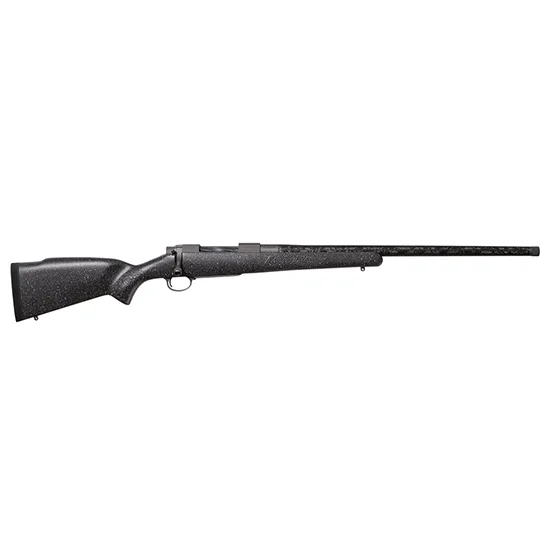
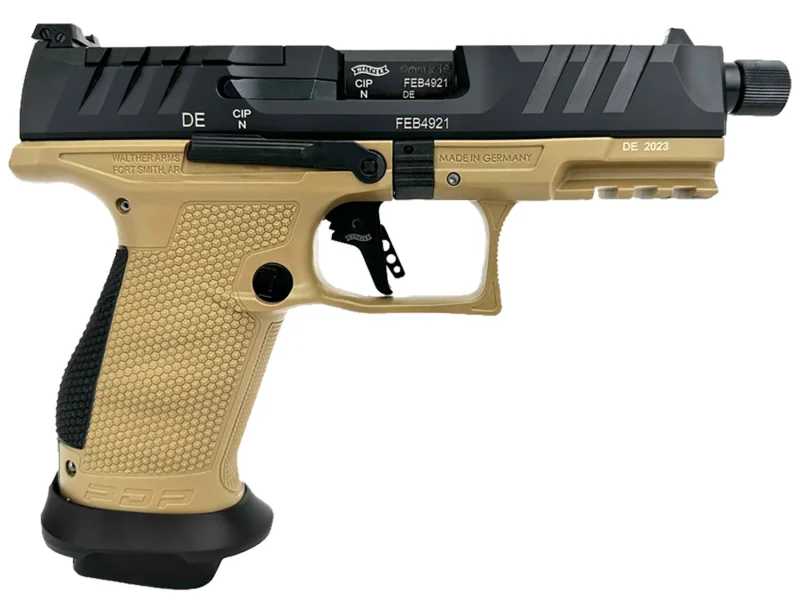

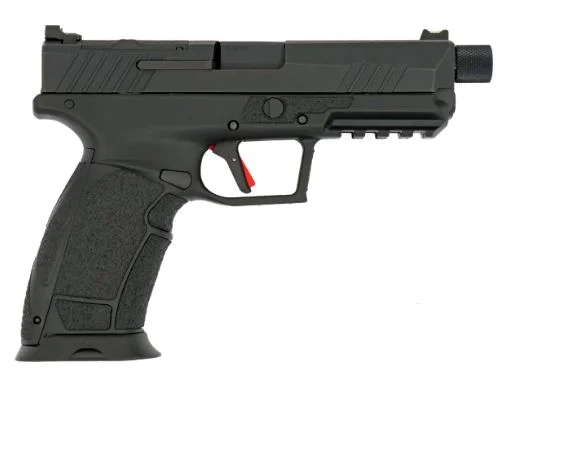
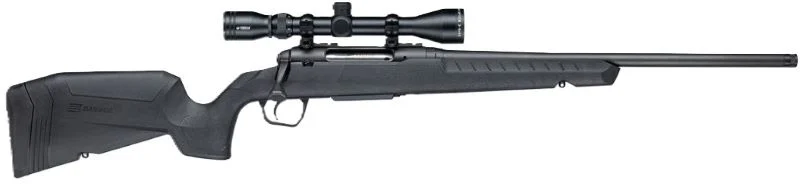


Tenney Industries supports:


Tenney Industries Gallery


WHAT OUR CUSTOMER SAY


Very knowledgeable and conscientious. Jake will do right by you. A++ business! If you are into hunting or firearms for any other reason you won't be disappointed.

Great guy to deal with and very knowledgeable goes above and beyond for the customer.

Great Gun Shop in West Michigan! Jake and his team are very helpful! Good amount of inventory and if he doesn’t have it, he will get it quickly!


I've purchased my share of tools from a variety of stores in different states but have had the best experience and fastest service at tennys. Very friendly and the guy knows his stuff. I recommend you check him out for all your 2a needs.


I've done a lot of business with Jake here over the past couple of years. He does a great job on repairs and can get Firearms at low prices. He also has a pretty decent inventory of used Firearms of All Sorts as well as Scopes and red dots. He stands behind his work and is an all-around great guy knows a lot!

Knowledgeable and trustworthy. Appreciate having a guy like Jake in the area for gun and ammo needs

You will not find a better guy to do business with. This little shop has just about anything you need. If he don’t have it on the shelf he can get it. This is exactly what Ludington needed.

I have used Tenneys as an FFL, as a gun smith, and have purchased many guns from the gun store side of the business…. It’s been flawless and professional service every time, He is a joy to talk to and his gun knowledge is in matched, Jake goes out of his way to make sure all of your firearms needs are met, it’s an awesome small town gun store. I always look forward to going back.


Jake helped us with a third party transfer of my father's vintage rifle. Friendly and knowledgeable.


Had Jake order a gun for me. Gun came in fast, was able to purchase at a great price in only a few days. Top notch service!
my cerakote looks awesome great guy with tons of knowledge and great customer service
jake did a very professional job threading a barrel and doing some cerakote for me. he's reasonably priced and quick with turnaround times (very rare with gunsmiths)
Understanding the Basics of Firearm Ownership from the Best Gun Store in Clarkston, MI
Owning a firearm is both a right and a significant responsibility. Before purchasing or handling any firearm, it’s essential to understand not only the legal requirements but also the basic mechanics, types of firearms, and their appropriate uses. This foundational knowledge ensures responsible ownership while promoting personal safety and the safety of others.
Legal Considerations for Firearm Ownership from a Local Gun Store in Clarkston, MI
- Background checks: Most jurisdictions require passing a background check before purchasing a firearm.
- Licensing and permits: Some areas mandate licenses or permits for ownership, concealed carry, or specific types of firearms (e.g., handguns vs. rifles).
- Storage regulations: Many locations have laws requiring secure firearm storage to prevent unauthorized access.
- Transport laws: There are often strict guidelines on how firearms must be transported in vehicles (e.g., unloaded and locked away).
Types of Firearms and Their Uses When You Want to Buy Guns in Clarkston, MI
Type of Firearm Description Primary Uses Handguns Compact firearms designed for one-handed use. Self-defense, target shooting Rifles Long-barreled guns for precision shooting Hunting, sport shooting Shotguns Firearms designed to shoot shell cartridges Hunting (birds), home defense Each category has numerous subtypes suited to specific applications. For example, bolt-action rifles are ideal for hunting due to their accuracy, while semi-automatic handguns are commonly used for self-defense.
Basic Terminology Every Owner Should Know About a Firearms Store in Clarkston, MI
- Action type: Refers to how ammunition is loaded into the chamber (e.g., bolt-action vs. semi-automatic).
- Caliber: The diameter of a bullet; larger calibers generally deliver more power but may have greater recoil.
- Magazine vs. Clip: A magazine stores ammunition ready for use in modern firearms; a clip is typically used to load older models.
- Muzzle: The end of the barrel where bullets exit.
- Safety mechanism: A device on most guns that prevents accidental discharge when engaged.
Important First Steps as a New Firearm Owner from an Arms Store in Clarkston, MI
- Carefully read through your firearm’s manual from cover to cover.
- Enroll in an introductory gun safety course offered by certified instructors.
- Conduct dry practice at home using an unloaded gun until you’re comfortable handling it safely.
- Learn how to clean your firearm properly; neglecting maintenance can lead to malfunctions over time.
Understanding Your Responsibility with Gun Stores Around Me
- Always put safety above convenience when handling or storing firearms.
- Never loan your weapon without confirming that the borrower meets all legal requirements.
- Stay educated about changes in local laws that may affect your rights or responsibilities as an owner.
By establishing a strong foundation with these basics, owners can act responsibly while making informed decisions about future training or purchases.
Essential Safety Rules Every Firearm Owner Should Know from Gun Dealers in Clarkston, MI
Owning a firearm comes with significant responsibility, and understanding safety rules is one of the most important aspects of responsible gun ownership. These guidelines are not just recommendations; they are essential practices that protect you, your family, and others around you. Below we outline the critical safety rules every firearm owner must follow.
The Four Fundamental Rules of Firearm Safety at a Gun Store Near Me
- Always Treat Every Firearm as If It Is Loaded
Even if you believe a gun is unloaded, always handle it with the assumption that it could fire. This mindset reduces the likelihood of negligent discharges. - Never Point a Firearm at Anything You Are Not Willing to Destroy
Whether you’re cleaning a weapon or practicing at a range, always keep the muzzle pointed in a safe direction. Avoid pointing it at people, pets, or objects unless you intend to shoot. - Keep Your Finger Off the Trigger Until You Are Ready to Shoot
Place your trigger finger along the frame or receiver until you have properly identified your target and decided to fire. - Be Sure of Your Target and What Is Beyond It
Before firing, confirm your target and ensure there is nothing dangerous or unintended behind it that could be harmed in case of missed shots or over-penetration.
Additional Safety Practices for Responsible Gun Ownership with Gun Shops Near Me
- Regularly Inspect Your Firearms: Ensure firearms are functioning correctly by performing regular maintenance and inspections. Malfunctioning weapons can pose unexpected dangers.
- Use Proper Ammunition: Always use ammunition that matches the specifications outlined by the firearm manufacturer.
- Store Firearms Safely When Not in Use: Guns should be stored unloaded and secured with locks or safes to prevent unauthorized access (discussed further in storage-specific sections).
Table: Do’s & Don’ts for Safe Handling
Do’s Don’ts Keep firearms unloaded when not in use. Assume all guns are safe without checking. Double-check chambers before handling. Rely on verbal confirmation from others. Maintain situational awareness. Handle guns while distracted or impaired. Safety During Training and Practice with Gun Dealers Near Me
- Follow all posted range rules and listen to instructions from range officers.
- Wear protective gear such as ear protection (earplugs/muffs) and eye protection (glasses).
- Only load firearms once you are positioned securely within designated shooting areas.
Protecting Children from Firearms with a Gunsmith Near Me
- Teach them about gun safety early using age-appropriate language.
- Ensure all firearms are stored out of reach, preferably in locked safes with ammunition stored separately.
- Use trigger locks as an added layer of protection.
By adhering to these comprehensive safety practices, firearm owners can minimize risks associated with gun ownership while fostering a culture focused on responsibility and care for others’ well-being.
Why Firearm Training and Education Matter for Customers of the Best Gun Stores in Clarkston, MI at a Gun Shop in Clarkston, MI
Firearm training and education are fundamental to responsible gun ownership. Whether you are a first-time owner or an experienced user, proper training ensures safety, proficiency, and adherence to laws. This section explores the importance of firearm training and why continuous education is essential.
Building Confidence Through Knowledge
- Understanding How Firearms Operate: Training helps owners become familiar with how different types of firearms function, including loading, unloading, and basic maintenance.
- Reducing Hesitation in Critical Situations: A well-trained individual can act decisively in high-pressure scenarios, reducing the risks caused by uncertainty or fear.
- Overcoming Common Misconceptions: Structured education dispels myths surrounding firearms and promotes fact-based knowledge.
Enhancing Safety for Owners and Others
- Minimizing Accidents: Proper training teaches safe handling practices to reduce accidental discharges.
- Safe Usage Around Others: Knowing how to handle a firearm responsibly protects not only the owner but also those in their vicinity.
Key safety practices covered in most firearm courses include: 1. Always treat every firearm as if it’s loaded. 2. Never point a firearm at anything you do not intend to shoot. 3. Keep your finger off the trigger until ready to fire. 4. Be aware of your target and what’s beyond it.
Legal Compliance
All gun owners must be aware of federal, state, and local laws regarding ownership, transport, storage, and use of firearms. Training programs often dedicate time to ensuring participants fully understand these regulations.
Legal Topic Examples Covered Licensing Processes for obtaining permits Storage Laws Requirements for securing firearms Transportation Rules about traveling with firearms Developing Advanced Skills
After basic training, advanced courses can help build specialized skills such as: – Marksmanship: Improving aim through stance correction and sight alignment techniques. – Self-Defense Tactics: Learning strategies tailored for personal protection scenarios. – Stress Conditioning: Practicing under simulated stress conditions to prepare for real-world emergencies.
Encouraging Ongoing Education
Firearm technology evolves over time, as do laws governing their use. Regular refresher courses ensure that owners stay up-to-date with the latest information. Many organizations offer continuing education opportunities such as: – Certification renewals. – Advanced tactical courses. – Seminars on updates in firearm-related legislation.
Choosing the Right Training Program
Selecting a reputable training program is critical for effective learning. Key factors include: 1. Certified instructors with experience in both teaching and practical application. 2. Comprehensive curriculum covering safety protocols, practical skills, and legal responsibilities. 3. Positive reviews or recommendations from other participants.
Investing time into proper firearm education not only enhances personal skill but also contributes significantly to creating a safer environment for everyone involved.
Why Firearm Training and Education Matter
Proper training and education are crucial aspects of firearm ownership. They not only ensure personal safety but also promote responsible use, confidence, and preparedness. Whether you are a first-time gun owner or an experienced individual, consistent education helps mitigate risks associated with firearms.
The Importance of Firearm Training with the Best Gun Shops in Clarkston, MI
- Safety First: Whether learning how to safely load, unload, or operate a firearm, proper training minimizes the chances of accidental injuries.
- Building Confidence: Familiarity with handling a firearm improves confidence in self-defense situations or recreational shooting practices.
- Legal Compliance: Many states require formal training before acquiring certain types of firearms or concealed carry permits. Regular courses can help ensure compliance with local laws.
- Skill Development: From marksmanship to understanding recoil management, training improves technical skills that lead to better outcomes during usage.
Key Components of Comprehensive Training from Handgun Stores in Clarkston, MI
- Loading and unloading procedures
- Safe gripping techniques
- Understanding firing mechanisms
- Cleaning barrels and chambers post-use
- Routine inspection for wear and tear
- Proper storage after maintenance to avoid damage
- Stance alignment (e.g., Weaver stance vs. isosceles stance)
- Managing breathing techniques for steady aim
- Targeting accuracy through practice drills
- Recognizing threats in various environments
- Differentiating between de-escalation tactics versus potential defensive actions
- Legal Responsibilities: Understanding local regulations regarding firearm transport, use in self-defense scenarios, and reporting requirements if stolen.
The Role of Continuing Education in Retail Gun Stores in Clarkston, MI
Technology Benefits Biometric gun safes Prevents unauthorized access Smart triggers Reduces accidental discharges Advanced ammunition design Improves precision with reduced risk Moreover, refresher courses or range sessions provide a setting to maintain proficiency while reinforcing previous knowledge.
Where to Find Quality Training Programs with a Gun Dealer in Clarkston, MI
To learn from certified professionals who follow industry standards: – Visit local shooting ranges that offer lessons for beginners or advanced users. – Enroll in classes provided by organizations like the NRA (National Rifle Association) or USCCA (United States Concealed Carry Association). – Seek out online educational resources that simulate scenarios using video tutorials.
Good training protects lives—both yours and those around you—and lays the foundation for responsible ownership moving forward.
Secure Firearm Storage Options for the Home with Guns for Sale in Clarkston, MI
Proper firearm storage is one of the most crucial responsibilities of gun ownership. Ensuring that firearms are stored securely protects against unauthorized access, prevents accidents, and reduces the risk of theft. Below is a comprehensive guide to various secure firearm storage options suitable for homes.
Key Considerations for Firearm Storage
Before choosing a storage option, consider the following factors: – Accessibility: Balance quick access in emergencies with preventing unauthorized use. – Security Level: Ensure that storage solutions are tamper-resistant and durable. – Capacity: Match the size of your firearm collection to the available storage space. – Compliance: Adhere to state or local laws regarding firearm storage requirements.
Types of Secure Firearm Storage Solutions
- Features: Heavy-duty steel construction, combination locks, electronic keypads, or biometric scanners.
- Advantages:
- Provides maximum security against break-ins and fire damage.
- Available in various sizes for one handgun or multiple firearms.
- Drawbacks:
- Higher-end safes can be expensive and heavy.
- Pro Tip: Anchor gun safes to floors or walls to prevent theft.
- Features: Lighter than safes; usually made of metal or wood with lockable doors.
- Advantages:
- More affordable than safes while offering basic protection.
- Ideal for displaying firearms when combined with secure locks.
- Less resistant to forceful entry compared to gun safes.
- Features: Compact metal boxes with keyed locks, combination dials, or biometric access technology.
- Advantages:
- Portable and discreet; ideal for single handguns or small collections.
- Convenient for travel or temporary storage needs.
- Use Case: Perfect for personal defense weapons requiring quick but secure access.
- These devices prevent guns from being fired by blocking the trigger mechanism or rendering the action inoperable when applied properly.
- Affordable and easy to use along with other forms of secure storage (e.g., safes).
- Widely available; often included with new firearm purchases as part of safety programs.
- Features hidden firearm concealment in furniture pieces like nightstands, shelves, or picture frames with locking mechanisms. Be advised–