


Welcome to Tenney Industries


FEATURED PRODUCTS


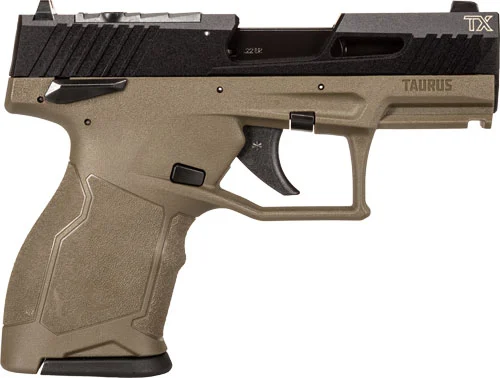

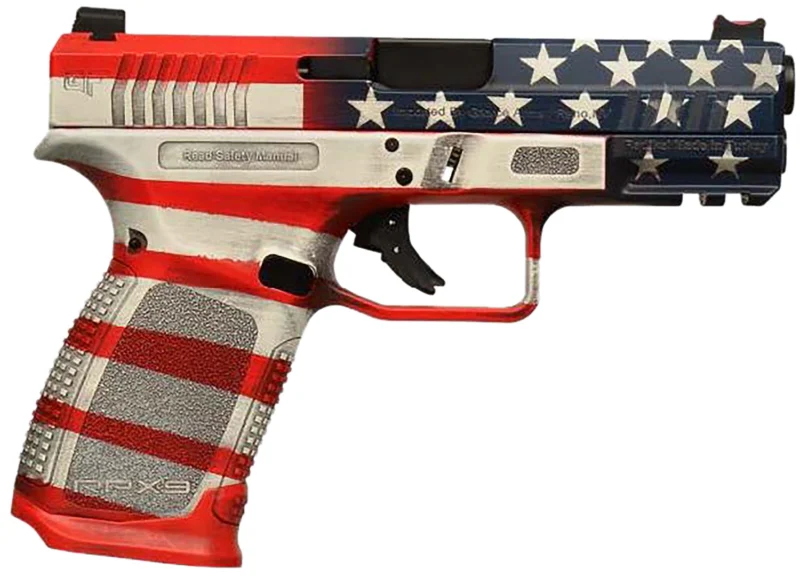
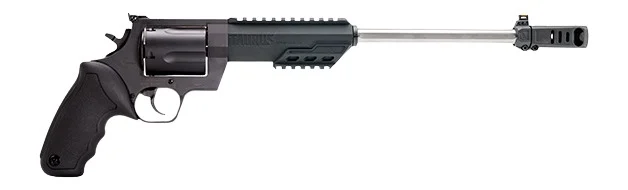
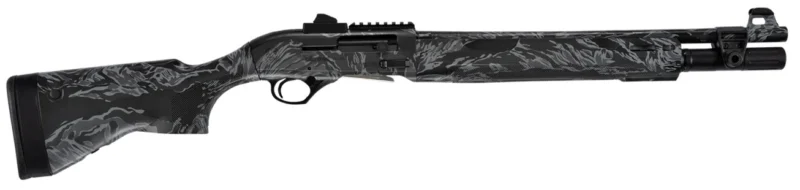



Tenney Industries supports:


Tenney Industries Gallery


WHAT OUR CUSTOMER SAY


Very knowledgeable and conscientious. Jake will do right by you. A++ business! If you are into hunting or firearms for any other reason you won't be disappointed.

Great guy to deal with and very knowledgeable goes above and beyond for the customer.

Great Gun Shop in West Michigan! Jake and his team are very helpful! Good amount of inventory and if he doesn’t have it, he will get it quickly!


I've purchased my share of tools from a variety of stores in different states but have had the best experience and fastest service at tennys. Very friendly and the guy knows his stuff. I recommend you check him out for all your 2a needs.


I've done a lot of business with Jake here over the past couple of years. He does a great job on repairs and can get Firearms at low prices. He also has a pretty decent inventory of used Firearms of All Sorts as well as Scopes and red dots. He stands behind his work and is an all-around great guy knows a lot!

Knowledgeable and trustworthy. Appreciate having a guy like Jake in the area for gun and ammo needs

You will not find a better guy to do business with. This little shop has just about anything you need. If he don’t have it on the shelf he can get it. This is exactly what Ludington needed.

I have used Tenneys as an FFL, as a gun smith, and have purchased many guns from the gun store side of the business…. It’s been flawless and professional service every time, He is a joy to talk to and his gun knowledge is in matched, Jake goes out of his way to make sure all of your firearms needs are met, it’s an awesome small town gun store. I always look forward to going back.


Jake helped us with a third party transfer of my father's vintage rifle. Friendly and knowledgeable.


Had Jake order a gun for me. Gun came in fast, was able to purchase at a great price in only a few days. Top notch service!
my cerakote looks awesome great guy with tons of knowledge and great customer service
jake did a very professional job threading a barrel and doing some cerakote for me. he's reasonably priced and quick with turnaround times (very rare with gunsmiths)
Firearms Explained: A Complete Guide to Safety, Education, Storage, and Responsibility with the Best Gun Store in Chelsea, MI
Firearms are a significant topic in today’s society, requiring a thoughtful approach that combines safety, education, and responsibility. For those new to firearms or seeking a deeper understanding of their use and care, it’s essential to explore key aspects like safety principles, legal obligations, ammunition basics, and proper storage practices. This guide aims to provide comprehensive information to help firearm owners handle their responsibilities with confidence and care.
Below we’ll explore the foundational elements of responsible firearm ownership while offering practical advice on how to maintain safety as a top priority.
Understanding Ammunition and Caliber Basics with Gun Dealers in Chelsea, MI
An essential part of understanding firearms is knowing the basics of ammunition and calibers. Ammunition serves as the functional component of any firearm, enabling it to operate effectively. Being familiar with ammunition types can help firearm users make safe and informed decisions.
Parts of Ammunition to Buy Guns in Chelsea, MI
Ammunition typically consists of four main components:
– Bullet: The projectile that exits the barrel when fired. – Casing: The container that holds all components together. – Gunpowder: The chemical propellant that ignites when triggered. – Primer: The ignition component located at the cartridge base.Common Types of Ammunition Available at a Firearms Store in Chelsea, MI
The type of ammunition you use depends on your specific firearm. Below are some commonly encountered categories:
Type Use Case Example Calibers Handgun Rounds Concealed carry or general defense .380 ACP, 9mm Luger Rifle Rounds Hunting or long-range shooting .223 Remington, .308 Winchester Shotgun Shells Hunting birds or home defense 12-gauge When selecting ammunition for your firearm:
1. Always refer to the manufacturer’s specifications for compatible calibers. Mismatched ammo could lead to dangerous malfunctions.
2. Confirm whether you need full metal jacket (FMJ) rounds for practice or hollow point (HP) rounds for defensive purposes. 3. Inspect each round for defects before use.Understanding Calibers Explained at an Arms Store in Chelsea, MI
The term “caliber” refers to the diameter of a bullet or barrel bore measured either in inches (e.g., .45 caliber) or millimeters (e.g., 7.62mm). A proper understanding ensures compatibility between firearms and their ammo – critical for both safety and performance.
Some considerations regarding caliber selection include:
– Recoil Management: Larger-caliber rounds often produce greater recoil; beginners may benefit from starting with smaller calibers like .22 LR. – Purpose: Different calibers suit different activities such as target shooting (.22 LR), home defense (9mm), or hunting (.30-06).By familiarizing yourself with these details about ammunition construction and caliber selection, you can make safer choices tailored to your needs while reducing risks associated with improper usage.
Important Firearm Safety Principles to Know from a Gun Shop in Chelsea, MI
Firearm safety is an essential responsibility for every gun owner, whether they are a seasoned enthusiast or a first-time buyer. Following proper safety principles not only ensures the well-being of the individual handling the firearm but also protects others around them. Below is a detailed guide to fundamental firearm safety principles.
The Four Fundamental Rules of Gun Safety from the Best Gun Stores in Chelsea, MI
- Always assume that a firearm is loaded, even if you believe otherwise. This mindset helps prevent complacency and ensures consistent careful handling.
- The direction of the muzzle should always be controlled and pointed in a safe direction where no unintended harm can occur.
- Rest your finger outside the trigger guard and along the frame until your sights are on target and you have made the decision to fire.
- Understand what lies in front of, around, and behind your target to avoid accidental injuries or property damage.
Safe Handling Practices in the Best Gun Shops in Chelsea, MI
- Regularly Inspect Your Firearms: Ensure they are clean, functional, and free from obstructions or defects before use.
- Avoid Drugs or Alcohol While Handling Firearms: Impaired judgment significantly increases risks when using any weapon.
- Use Proper Ammunition: Match ammunition type with the specifications provided by your firearm’s manufacturer.
- Always Store Guns Unloaded When Not in Use: This reduces accidental discharges during transportation or storage.
Safety at Shooting Ranges with Handgun Stores in Chelsea, MI
- Follow all instructions provided by range officers.
- Only load firearms when authorized by range commands.
- Avoid distracting others; maintain focus while handling firearms on-site.
Range Etiquette Key Points Communication Confirm signals like “ceasefire” or “range hot.” Equipment Check Ensure protective gear (ear/eye protection) fits correctly. Educating Others About Safety in Retail Gun Stores in Chelsea, MI
- Teach children early on never to touch firearms without adult supervision.
- Provide basic training sessions for new owners in your household or community.
- Encourage participation in certified courses offered by professional instructors.
By internalizing these principles and promoting awareness among others, we reduce risks associated with improper firearm use while fostering a culture of responsibility and respect around gun ownership.
Best Practices for Secure Firearm Storage with Guns for Sale in Chelsea, MI with a Gun Dealer in Chelsea, MI
Proper firearm storage is crucial to ensure safety, prevent unauthorized access, and maintain the firearm’s condition. Effective storage practices protect not only the owner and their household but also the wider community by reducing the risks of accidental discharge or theft. Below are essential considerations and best practices for secure firearm storage.
Key Principles of Firearm Storage for Gun Stores Around Me
When storing firearms, it’s important to adhere to fundamental principles that promote safety and responsibility: – Access Control: Ensure firearms are inaccessible to unauthorized individuals, especially children or untrained individuals. – Condition Maintenance: Store firearms in a way that prevents mechanical damage, rust, or deterioration caused by improper environmental conditions. – Legal Compliance: Understand and adhere to all local laws regarding firearm storage requirements, such as requirements for locking devices.
Methods of Secure Storage from a Gun Store Near Me
Storage Method Description Security Level Gun Safes Heavy-duty safes designed specifically for firearms; often fireproof and tamper-resistant. High Lockboxes Smaller boxes with locks; ideal for handguns or limited numbers of firearms. Medium Trigger Locks Devices that block the trigger mechanism of a firearm; affordable but should be used alongside other methods. Low (Supplemental Only) Cable Locks Prevents action from being loaded or cycled; also acts as a deterrent against theft when used with other measures. Low (Supplemental Only) Each method provides varying levels of security, so combining multiple methods — such as using both a gun safe and trigger locks — can provide layered protection.
Environmental Considerations for Gun Shops Near Me
The environment in which firearms are stored can impact their safety and longevity: – Humidity Control: Use dehumidifiers inside gun safes or storage areas to prevent rust from forming on metal components. – Temperature Stability: Avoid areas prone to extreme temperature fluctuations which may affect wood stocks or polymer components. – Out-of-Sight Placement: Keep storage solutions concealed from visitors or potential intruders to reduce theft risks.
Tips for Storing Ammunition for Handguns Near Me
In addition to storing firearms securely, ammunition requires careful attention: – Store ammunition separately from firearms in a dry, cool location. – Use lockable ammo boxes or safes designed specifically for ammunition. – Label containers clearly by caliber or type for easy identification during use while maintaining organization.
Legal Considerations for Gun Dealers Near Me
Many jurisdictions have specific laws pertaining to how firearms must be stored: – Some regions mandate the use of locking devices at all times unless the firearm is being actively used. – Failing to store firearms securely could lead to legal consequences if an accident occurs due to negligence.
By implementing secure firearm storage practices that align with these best practices, owners demonstrate responsibility while protecting both themselves and those around them from unnecessary risks.
Best Practices for Secure Firearm Storage
Proper firearm storage is a cornerstone of responsible gun ownership. Ensuring that firearms are secured not only helps prevent unauthorized access but also reduces the risk of accidents and theft. Below are clear guidelines and best practices to help firearm owners store their weapons safely and responsibly.
Why Secure Storage Matters When Looking for a Gunsmith Near Me
- Safety: Prevents accidental discharge, particularly in households with children or inexperienced individuals.
- Theft Prevention: Reduces the likelihood of firearms being stolen and potentially used in criminal activities.
- Legal Compliance: Many jurisdictions have laws mandating safe storage of firearms, especially when minors are present.
Key Methods for Firearm Storage
Several storage solutions can cater to different needs, lifestyles, and budgets. Selecting an appropriate method depends on your personal circumstances while keeping safety as the priority.
- Offers robust protection against unauthorized access.
- Many models include advanced locking mechanisms such as biometric scanners or digital keypads.
- Fire-resistant options protect firearms from damage caused by house fires.
- Secure but more lightweight than safes.
- Often come with locks but may not offer fireproof features.
- Suitable for storing multiple firearms in a controlled environment.
- Prevent the trigger from being pulled while engaged.
- Affordable and portable solution for individual firearms.
- Should be used in combination with other storage methods like safes or cabinets for enhanced security.
- Compact storage option ideal for pistols or small firearms.
- Perfect for bedside or quick-access use while still ensuring safety through locks or biometric systems.
- Threaded through the action of the firearm to render it inoperable without unlocking it first.
- Often provided free during firearm purchases but should be combined with additional security measures if possible.
Storage Method Security Level Portability Gun Safe High Low Gun Cabinet Medium Medium Trigger Lock Moderate (when paired) High Lockbox Moderate High Cable Lock Basic High Additional Tips for Responsible Gun Storage
- Store ammunition separately from firearms to minimize risks if unauthorized individuals gain access to either item independently.
- Keep keys, combinations, or any unlocking mechanisms hidden and accessible only to authorized users.
- Conduct regular checks on your chosen storage method to ensure all locks, hinges, or electronic systems are functioning properly.
- Educate everyone in your household about firearm safety principles, even if they don’t handle guns themselves.
Legal Considerations
Firearm owners should familiarize themselves with local laws regarding secure storage: – Some states impose criminal liability on gun owners if unsecured firearms result in injury or death due to negligence. – In regions requiring Child Access Prevention (CAP) laws, failure to store guns securely around children may lead to severe penalties.
Taking these steps not only safeguards your household but also upholds the critical responsibilities tied to gun ownership. Proper firearm storage reflects a commitment to safety, responsibility, and compliance with legal regulations.
Understanding Firearm Laws and Owner Responsibilities with a Local Gun Store in Chelsea, MI
Being a responsible firearm owner means not only understanding how to handle and store firearms safely but also being fully aware of the legal obligations and responsibilities that come with ownership. Firearm laws vary significantly depending on your country, state, or region, which makes educating yourself on these legal requirements essential.
Key Legal Considerations for Firearm Owners
- Licensing and Permits:
Most jurisdictions require individuals to obtain a specific license or permit before purchasing or owning a firearm. These requirements may involve: - Background checks
- Completion of safety courses or training programs
- Renewal processes to maintain active permits
- Registration Requirements:
Some regions mandate the registration of firearms after purchase. This process typically involves providing identifying details about both the firearm (e.g., make, model, serial number) and the owner. - Age Restrictions:
Firearms laws often set minimum age limits for ownership or use. For example: - Handgun ownership may require individuals to be at least 21 years old in many areas.
- Long guns, such as rifles or shotguns, may have lower age thresholds (e.g., 18 years old).
Age Restrictions Handguns Long Guns Typical Minimum Age 21 Years 18 Years Responsible Usage Expectations
- Prohibited Actions:
Avoid activities like brandishing your weapon unnecessarily, discharging it recklessly, or carrying it while under the influence of drugs or alcohol. - Firearm-Free Zones:
Many jurisdictions designate certain areas as gun-free zones (e.g., schools, government buildings). Carrying a firearm in these spaces can lead to severe penalties. - Transporting Firearms Legally:
When transporting firearms in vehicles: - Ensure they are unloaded.
- Keep ammunition stored separately.
- Use locked containers if required by law.
Consequences of Noncompliance
Failure to comply with laws governing firearm ownership can carry serious repercussions: – Fines – Revocation of licenses – Confiscation of firearms – In some cases, imprisonment
Understanding these potential consequences underscores why staying informed about local regulations is key to responsible ownership.
Staying Informed
Firearm laws frequently change due to new legislation at state and federal levels. To remain compliant: 1. Subscribe to updates from official government websites related to firearms. 2. Attend community meetings discussing changes in local ordinances. 3. Join organizations focused on firearm education and policy—these groups often share critical updates with members.
By staying informed and adhering strictly to local regulations, owners demonstrate a commitment not only to their personal safety but also to broader public safety initiatives tied closely to gun ownership responsibilities.