


Welcome to Tenney Industries


FEATURED PRODUCTS


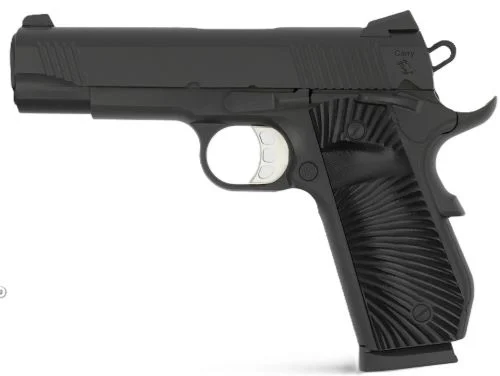
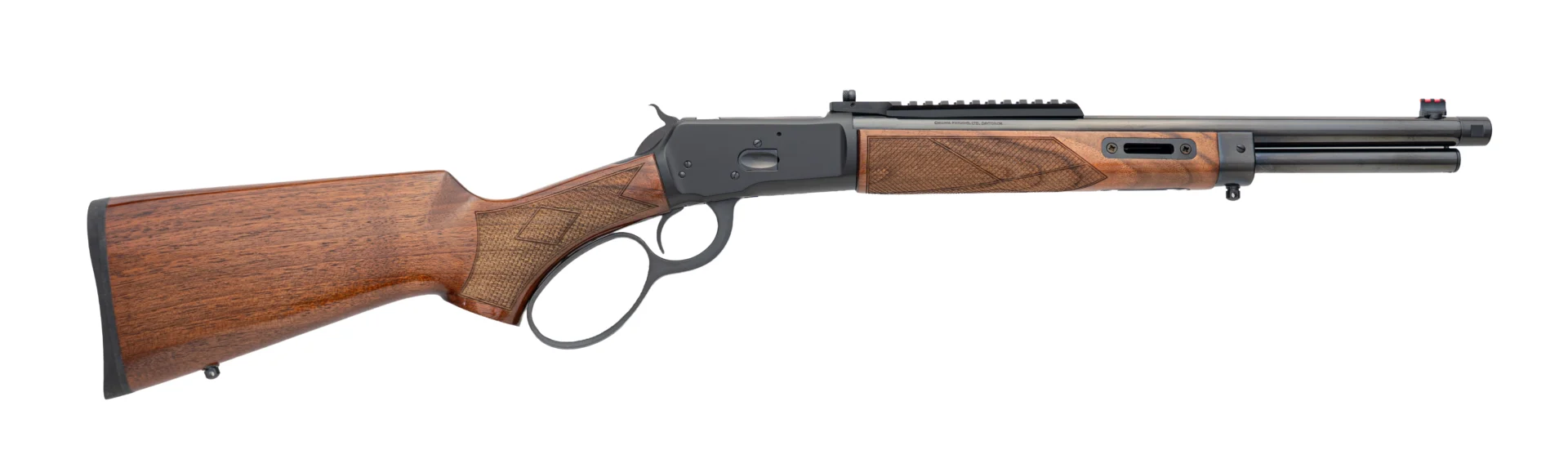

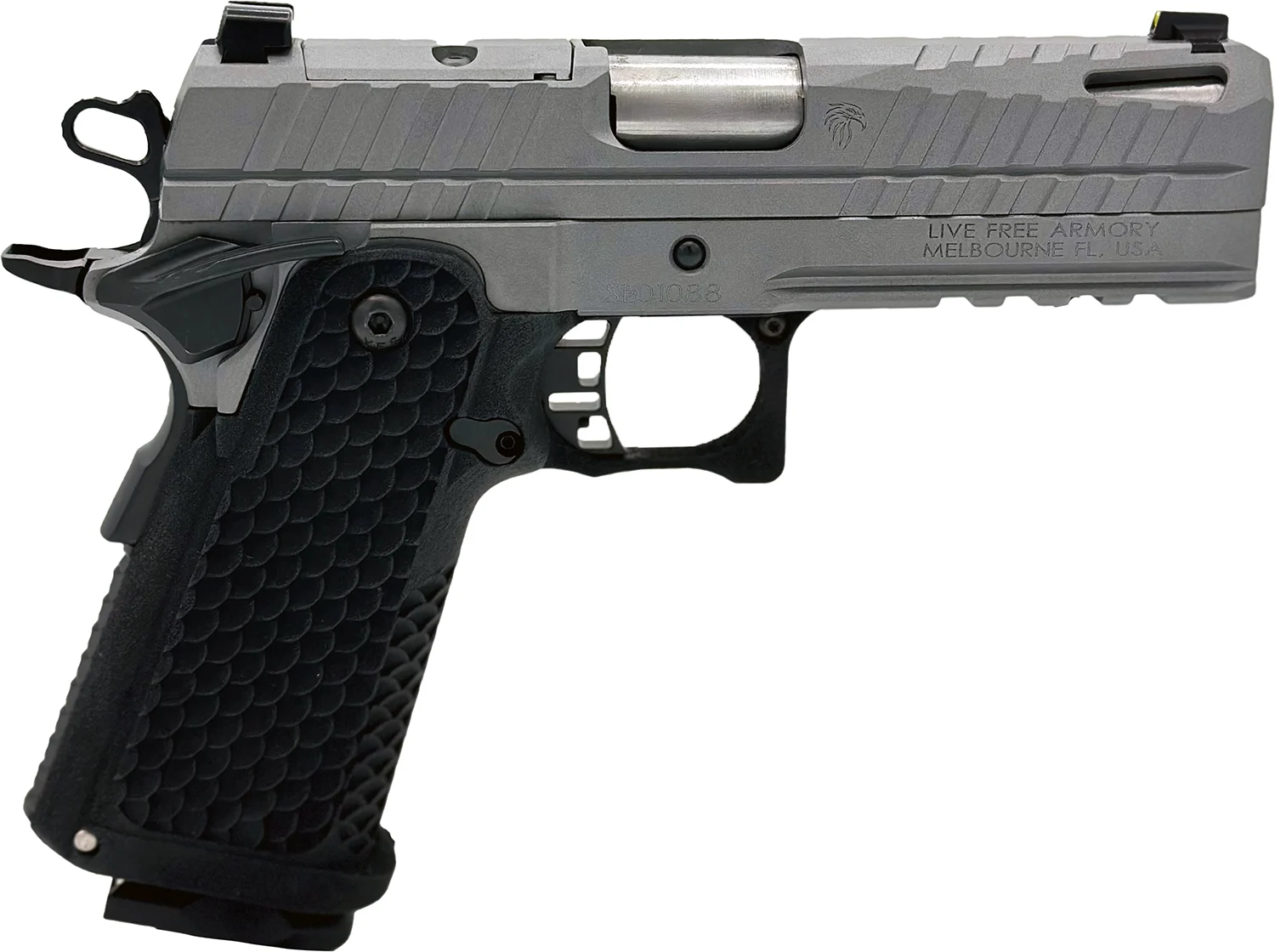


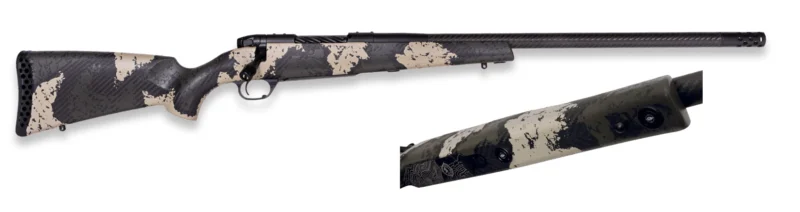


Tenney Industries supports:


Tenney Industries Gallery


WHAT OUR CUSTOMER SAY


Very knowledgeable and conscientious. Jake will do right by you. A++ business! If you are into hunting or firearms for any other reason you won't be disappointed.

Great guy to deal with and very knowledgeable goes above and beyond for the customer.

Great Gun Shop in West Michigan! Jake and his team are very helpful! Good amount of inventory and if he doesn’t have it, he will get it quickly!


I've purchased my share of tools from a variety of stores in different states but have had the best experience and fastest service at tennys. Very friendly and the guy knows his stuff. I recommend you check him out for all your 2a needs.


I've done a lot of business with Jake here over the past couple of years. He does a great job on repairs and can get Firearms at low prices. He also has a pretty decent inventory of used Firearms of All Sorts as well as Scopes and red dots. He stands behind his work and is an all-around great guy knows a lot!

Knowledgeable and trustworthy. Appreciate having a guy like Jake in the area for gun and ammo needs

You will not find a better guy to do business with. This little shop has just about anything you need. If he don’t have it on the shelf he can get it. This is exactly what Ludington needed.

I have used Tenneys as an FFL, as a gun smith, and have purchased many guns from the gun store side of the business…. It’s been flawless and professional service every time, He is a joy to talk to and his gun knowledge is in matched, Jake goes out of his way to make sure all of your firearms needs are met, it’s an awesome small town gun store. I always look forward to going back.


Jake helped us with a third party transfer of my father's vintage rifle. Friendly and knowledgeable.


Had Jake order a gun for me. Gun came in fast, was able to purchase at a great price in only a few days. Top notch service!
my cerakote looks awesome great guy with tons of knowledge and great customer service
jake did a very professional job threading a barrel and doing some cerakote for me. he's reasonably priced and quick with turnaround times (very rare with gunsmiths)
Understanding Your Responsibilities as a Firearm Owner with the Best Gun Store in Birmingham, MI When Visiting a Gun Shop in Birmingham, MI
Firearm ownership comes with significant responsibilities that extend beyond personal safety. It’s not just about possessing a tool for self-defense, sport, or hunting—owning a firearm requires an understanding of the ethical, legal, and social obligations that come with it. Whether you are a new owner or have years of experience, these responsibilities remain vital.
Legal Responsibilities of a Local Gun Store in Birmingham, MI of Gun Ownership with Handgun Stores in Birmingham, MI
One of the first steps in responsible firearm ownership is understanding and adhering to local, state, and federal laws regarding firearms. These laws vary widely depending on where you live, so it’s essential to research regulations specific to your location.
- Licensing and Permits: Ensure you obtain mandatory permits or licenses required for ownership or concealed carry.Storage Laws: Familiarize yourself with safe storage requirements to prevent unauthorized access.Transportation Rules: Every jurisdiction has rules on how firearms can be transported. Ignorance of these laws could lead to fines or criminal charges.Background Checks: Know how background checks apply to purchases from licensed dealers and private sales.
Ethical Responsibilities When You Buy Guns in Birmingham, MI in Retail Gun Stores in Birmingham, MI
A responsible firearm owner must also consider the impact their actions have on their community.
- Taking steps to ensure your firearms cannot fall into the wrong hands (e. g. , thieves, children, or untrained individuals).
- Avoiding any behavior that could escalate conflict when carrying a firearm for self-defense purposes.
- Practicing regular training and review of safety precautions to minimize risks during handling or use.
Safe Storage Practices for Firearms from a Store in Birmingham, MI with a Gun Dealer in Birmingham, MI
1.Gun Safes/Secure Cabinets: – Offer high levels of security with features like combination locks or biometric scanners. – Prevent unauthorized access by children or intruders. 2.Cable Locks/Trigger Locks: – Affordable options that physically restrict access to the firing mechanism. 3.Lockable Cases: – Ideal for temporary transport while ensuring safety. 4.Ammunition Storage: – Always store ammunition separately from firearms in locked containers whenever possible.
Type Advantages Disadvantages Gun Safe High security; protects valuables Typically expensive Trigger Lock Inexpensive; easy installation Limited protection if stolen Lockable Case Portable; lightweight Less secure than safes Responsibility Toward Education When Finding Guns for Sale in Birmingham, MI
Education is another essential part of being a responsible firearm owner. Staying updated on best practices helps reduce risks associated with improper handling or misuse.
- Attending refresher courses on firearm laws and safety protocols every few years. – Teaching family members (especially teens) about gun safety even if they don’t plan to handle firearms themselves. – Engaging in community discussions about safe gun ownership practices.
By being proactive about legal compliance, ethical considerations, and proper storage methods, you can ensure your role as a firearm owner contributes positively to both your household’s safety and broader public welfare.
Understanding Your Responsibilities as a Firearm Owner
Owning a firearm is both a right and a significant responsibility. Whether you are a new owner or have years of experience, understanding the legal, ethical, and practical obligations of firearm ownership is crucial. This section outlines the key responsibilities every gun owner must uphold for safe and responsible ownership.
Legal Responsibilities
Gun ownership comes with specific legal requirements that vary by location. Familiarize yourself with the laws in your jurisdiction to ensure compliance.
- Permits and Licensing: Ensure you have obtained all necessary permits or licenses before purchasing or carrying a firearm.
- Transportation Regulations: Understand how firearms must be legally transported. Some states mandate that they are unloaded and locked in a case separate from ammunition.
- Background Checks: If selling or transferring your firearm, verify whether background checks are required for private sales.
Legal Responsibility Description Example Permits & Licensing Obtain permits to own/carry firearms Concealed Carry Permit (CCW) Safe Storage Laws Secure guns away from children/unauthorized users Gun safes, trigger locks Transportation Rules Follow state-specific transport guidelines Locked cases during travel Ethical Responsibilities
Beyond legal obligations, ethical considerations play an equally critical role in responsible gun ownership.
- Preventing Unauthorized Access: Always store your firearm securely to prevent misuse by others.
- Educating Household Members: Ensure family members, particularly children, understand the dangers of firearms and know not to handle them without supervision.
- Mindful Use: Use firearms for their intended purposes (e. g. , sport, hunting, self-defense) and avoid unsafe or irresponsible behavior.
Safe Storage Practices
- Invest in a quality gun safe that is fire-resistant and tamper-proof.
- Use trigger locks or cable locks for added safety when storing firearms.
- Store ammunition separately from the firearm in locked containers.
Emotional Readiness for Visiting an Arms Store in Birmingham, MI
- Be aware of how stress or anger may impair judgment; never handle a firearm under emotional distress.
- Regularly assess whether owning a firearm continues to align with your personal circumstances.
By understanding these important responsibilities—legal, ethical, practical—you set the foundation for safe firearm ownership while contributing positively to public safety in your community.
Why Professional Firearm Training Matters with Gun Dealers in Birmingham, MI
Whether you’re a first-time owner or have years of experience, professional training provides essential benefits that can make you a safer and more effective firearm owner. Below, we’ll explore why professional training is critical and what you can expect to learn.
Benefits of Professional Firearm Training from Gun Stores Around Me
- Safety Mastery: Even if you already know basic firearm safety rules, professional training reinforces those principles and ensures you’re applying them consistently.
- Skill Development: Trainers provide guidance on improving marksmanship, handling techniques, and decision-making under pressure.
- Legal Awareness: Many courses include discussions on local laws regarding storage, carrying, and use of firearms. Staying informed about legal responsibilities reduces the risk of accidental infractions.
- Emergency Preparedness: Learn how to respond safely in high-stress situations where quick thinking and precise action are required.
- Customized Feedback: Instructors can identify bad habits or inefficiencies in your technique and provide personalized advice to correct them.
Types of Training Available at a Gun Store Near Me
Type of Training Description Basic Safety Courses Covers fundamental rules for safe handling, maintenance basics, and secure storage options. Marksmanship Clinics Teaches shooting accuracy techniques such as grip control, sight alignment, and trigger pull. Defensive Firearms Use Focuses on practical self-defense scenarios for home protection or concealed carry situations. Advanced Tactical Courses Offers specialized skills like shooting while moving or defensive strategies in complex environments. Choosing the Right Trainer or Course for Gun Shops Near Me
Selecting a qualified instructor or accredited course is vital for getting the most value from your investment.
- Look for certifications such as NRA (National Rifle Association) credentials or law enforcement/military backgrounds.
- Research reviews from past participants to gauge satisfaction with the program’s quality.
- Ensure the course aligns with your goals—whether that’s basic safety knowledge or advanced tactical skills.
Common Training Misconceptions About Handguns Near Me
- “I don’t need training because I grew up around firearms.”
Familiarity does not replace formal instruction; even experienced owners develop incorrect habits over time. - “Training is only necessary for beginners.”
Advanced shooters benefit greatly from continued education—it refines skills and introduces new techniques. - “Online videos are enough.”
While online resources can be helpful supplements, hands-on practice under supervision ensures proper technique development.
Key Takeaways from Gun Dealers Near Me
Investing in firearm training isn’t just about improving performance; it’s about embracing responsible ownership through knowledge and practice. Whether you’re learning how to handle a gun for the first time or refining advanced skills, professional guidance ensures you’re prepared to handle firearms safely, legally, and effectively in any situation.
Basic Cleaning and Proper Firearm Care from the Best Gun Shops in Birmingham, MI from the Best Gun Stores in Birmingham, MI
Proper cleaning and maintenance are essential to ensure the long-term functionality, safety, and reliability of your firearm. Neglecting these tasks can lead to malfunctions, reduced accuracy, and potentially hazardous situations. Whether you’re a new owner or a seasoned enthusiast, understanding the basics of firearm care is an important responsibility.
Why Regular Cleaning Is Important When Looking for a Gunsmith Near Me
Over time, debris such as carbon buildup, dirt, moisture, and unburnt gunpowder can accumulate inside your firearm.
- Decreased Performance: Residue buildup can affect the precision and accuracy of your shots.Increased Wear: Corrosion caused by moisture can damage internal components.Potential Malfunctions: Dirty firearms are more likely to misfire or jam.
Maintaining a clean firearm ensures it operates as intended when needed while preserving its longevity.
Essential Tools for Cleaning
Having the right tools makes cleaning more efficient.
- Cleaning Rods and Brushes: For cleaning the barrel interior. These typically come in brass or nylon materials.
- Patches: Small pieces of fabric used to clean dirt from barrels after brushing.
- Solvent/Cleaning Solution: Used to break down carbon, lead fouling, or other residues.
- Lubricant (Gun Oil): Keeps moving parts smooth while preventing rust or corrosion.
- Microfiber Cloth: For wiping down the exterior surfaces without causing scratches.
Using high-quality tools will also help avoid damaging your firearm during care.
Tool Purpose Cleaning Rod Cleans out barrel residue Brushes Scrubs away debris Patches Absorbs leftover residue/moisture Solvent Loosens fouling for easy removal Lubricant/Gun Oil Protects parts from wear/corrosion Microfiber Cloth Polishes external surfaces Step-by-Step Cleaning Process
- Double-check that it is completely unloaded by visually inspecting both the chamber and magazine well.
- Refer to your owner’s manual for guidance on safely taking apart your specific model.
- Use a solvent-soaked patch on a cleaning rod to loosen residue inside the barrel.
- Follow up with a brush (if necessary) for any stubborn fouling.
- Run clean patches through until they come out spotless.
- Brush areas like the slide rails, trigger assembly, and feed ramp using solvent as needed.
- After drying all parts thoroughly with fresh patches or cloths, apply a thin layer of gun oil on moving parts to ensure smooth operation.
- Reassemble carefully following manufacturer instructions.
- Perform a function check (without ammunition) to verify everything works properly.
Tips for Long-Term Firearm Care
- Store firearms in a cool, dry place with minimal humidity.
- Use desiccants (such as silica gel) in safes if moisture is present.
- Avoid over-lubrication—it attracts dirt that causes excessive wear over time.
- Clean after every use if possible; otherwise, schedule periodic maintenance based on storage conditions and usage frequency.
By following these steps consistently and taking proactive measures against wear or damage caused by neglect, you’ll not only keep yourself safer but also extend the life of this valuable tool responsibly over years of ownership.
Basic Cleaning and Proper Firearm Care
Proper firearm maintenance is essential to ensure the safe and effective operation of your weapon, as well as to extend its lifespan. Whether you’re a new or experienced firearm owner, understanding the basics of cleaning and care is an important part of responsible ownership. Neglecting this responsibility can lead to malfunctions, decreased accuracy, and potential safety issues.
Why Regular Cleaning is Important
Firearms accumulate dirt, carbon residue, and moisture over time due to firing or environmental exposure.
- Prevents Malfunctions: Residue buildup in the barrel or action can interfere with proper functioning.
- Reduces Corrosion: Moisture left on metal surfaces can cause rust, which compromises structural integrity.
- Maintains Accuracy: A clean barrel ensures consistent bullet trajectory.
- Extends Lifespan: Keeping internal parts free from grime reduces wear and tear over time.
Essential Tools for Firearm Cleaning
Tool/Supply Purpose Cleaning Rod & Patches Removes residue from the barrel Bore Brush Breaks up heavy fouling in the barrel Solvent Dissolves carbon and lead deposits Lubricant/Oil Prevents rust and ensures smooth action Microfiber Cloth Wipes down metal surfaces Nylon Brush Cleans hard-to-reach areas Make sure to use tools specifically designed for your firearm’s type (e. g. , handgun vs. shotgun) and caliber to avoid damage.
Steps for Proper Firearm Cleaning
- Unload the Firearm: Double-check that it’s completely unloaded before starting. Remove all ammunition from the area for added safety.
- Disassemble (If Applicable): Follow your manufacturer’s instructions for partial disassembly to access key components like the barrel, slide, or bolt assembly. Avoid over-disassembling unless necessary.
- Wipe Down External Surfaces: Use a clean cloth to remove dust, dirt, or fingerprints from external parts.
- Attach a patch soaked in solvent to a cleaning rod.
- Push it through the bore (barrel) several times.
- Use a bore brush if heavy fouling is present.
- Run dry patches through until they come out clean.
- Use a nylon brush with solvent on areas like the slide rails or trigger assembly where grime may accumulate.
- Use small amounts of high-quality gun oil on moving parts such as hinges or slides.
- Avoid over-lubrication; excess oil can attract debris.
- Reassemble Your Firearm: Carefully put all parts back together according to manufacturer guidelines.
- Verify that all components operate smoothly before storing.
Storage Tips After Cleaning
- Use a secure gun safe or locked storage case away from unauthorized access.
- Ensure firearms are stored unloaded with ammunition kept in a separate location.
- Place silica gel packets inside safes/cases to reduce moisture levels.
By incorporating these regular practices into your routine as a responsible owner, you’ll ensure that your firearms remain reliable, functional, and safe for years of use while minimizing risks associated with poor maintenance practices.