


Welcome to Tenney Industries


FEATURED PRODUCTS




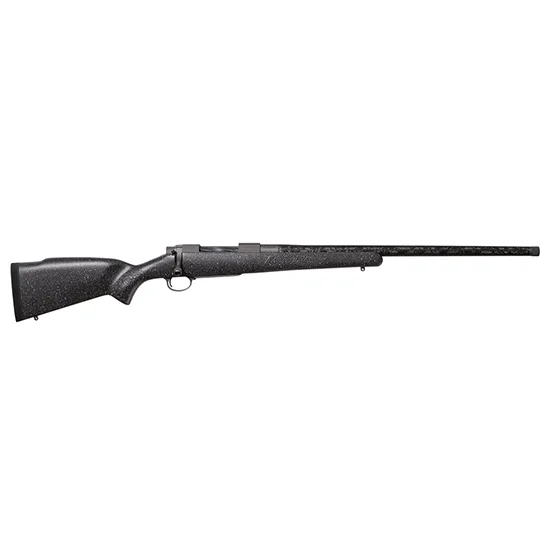
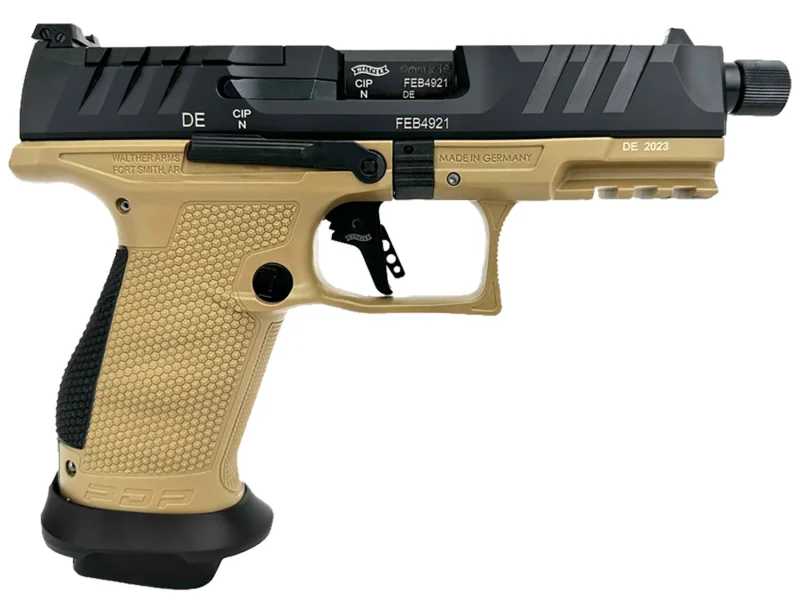

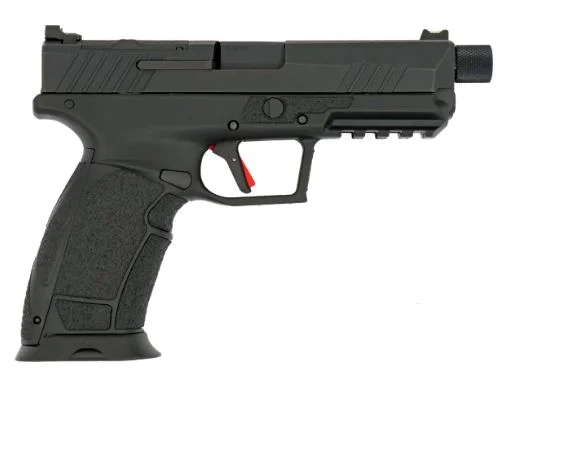
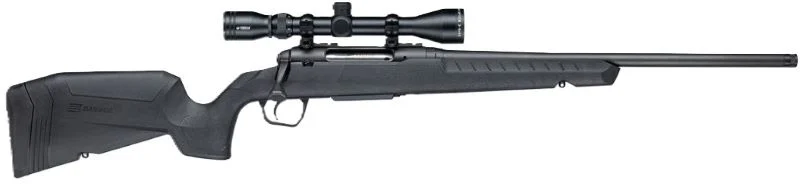


Tenney Industries supports:


Tenney Industries Gallery


WHAT OUR CUSTOMER SAY


Very knowledgeable and conscientious. Jake will do right by you. A++ business! If you are into hunting or firearms for any other reason you won't be disappointed.

Great guy to deal with and very knowledgeable goes above and beyond for the customer.

Great Gun Shop in West Michigan! Jake and his team are very helpful! Good amount of inventory and if he doesn’t have it, he will get it quickly!


I've purchased my share of tools from a variety of stores in different states but have had the best experience and fastest service at tennys. Very friendly and the guy knows his stuff. I recommend you check him out for all your 2a needs.


I've done a lot of business with Jake here over the past couple of years. He does a great job on repairs and can get Firearms at low prices. He also has a pretty decent inventory of used Firearms of All Sorts as well as Scopes and red dots. He stands behind his work and is an all-around great guy knows a lot!

Knowledgeable and trustworthy. Appreciate having a guy like Jake in the area for gun and ammo needs

You will not find a better guy to do business with. This little shop has just about anything you need. If he don’t have it on the shelf he can get it. This is exactly what Ludington needed.

I have used Tenneys as an FFL, as a gun smith, and have purchased many guns from the gun store side of the business…. It’s been flawless and professional service every time, He is a joy to talk to and his gun knowledge is in matched, Jake goes out of his way to make sure all of your firearms needs are met, it’s an awesome small town gun store. I always look forward to going back.


Jake helped us with a third party transfer of my father's vintage rifle. Friendly and knowledgeable.


Had Jake order a gun for me. Gun came in fast, was able to purchase at a great price in only a few days. Top notch service!
my cerakote looks awesome great guy with tons of knowledge and great customer service
jake did a very professional job threading a barrel and doing some cerakote for me. he's reasonably priced and quick with turnaround times (very rare with gunsmiths)
Firearms Explained: An Informational Guide to Types, Safety, Storage, and Care from a Gun Shop in Bingham Farms, MI
Firearms are an integral part of history, recreation, hunting, and personal protection for many individuals worldwide. Understanding different types of firearms, proper safety protocols, responsible storage solutions, and essential care practices is crucial for firearm owners. This guide provides a comprehensive overview to help readers make informed decisions about firearm ownership and maintenance while promoting safety and responsibility.
Understanding Handguns and Where to Buy Guns in Bingham Farms, MI from a Gun Dealer in Bingham Farms, MI, Rifles Available at a Firearms Store in Bingham Farms, MI and Guns for Sale in Bingham Farms, MI, and Shotguns available at an arms store in Bingham Farms, MI Available at a Local Gun Store in Bingham Farms, MI at the Best Gun Stores in Bingham Farms, MI from the Best Gun Store in Bingham Farms, MI
Handguns
Handguns are compact firearms designed to be operated with one or both hands. Due to their smaller size and portability compared to other firearms, they are commonly used for self-defense or recreational shooting.
Key features: – Types: Semi-automatic pistols (e.g., Glock 19) and revolvers (e.g., Smith & Wesson Model 686). – Ammunition: Typically uses smaller calibers (e.g., 9mm or .38 Special). – Advantages: Lightweight design makes them easy to carry; suitable for concealed carry. – Limitations: Limited range and accuracy compared to rifles or shotguns.
Rifles
Rifles are long-barreled firearms intended for precision shooting over longer distances. They require two hands for operation due to their length and weight.
Key features: – Types: Bolt-action rifles (e.g., Remington Model 700), semi-automatic rifles (e.g., AR-15), lever-action rifles. – Ammunition: Uses more powerful cartridges (e.g., .223 Remington or .308 Winchester). – Advantages: High accuracy at long ranges; well-suited for hunting game animals. – Limitations: Larger size can make transportation cumbersome.
Shotguns
Shotguns are versatile firearms primarily used for hunting birds or small game but can also serve self-defense purposes. These guns fire shells containing multiple pellets rather than a single bullet.
Key features: – Types: Pump-action shotguns (e.g., Mossberg 500), semi-automatic shotguns. – Ammunition: Shells filled with buckshot, birdshot, or slugs. – Advantages: – Excellent at short-range targets due to the spread of pellets. – Often preferred in home defense scenarios because pinpoint accuracy is less critical.
Limitations include limited effective range beyond short distances.
Choosing the Right Firearm with Gun Dealers in Bingham Farms, MI
When deciding which firearm suits your needs best: 1. Consider the intended purpose: – Handgun for personal protection. – Rifle for long-distance shooting or big game hunting. – Shotgun for bird hunting or home defense.
- Rifles may feel heavy during extended use if not accustomed to their weight.
- Handgun recoil may vary significantly depending on caliber size.
- Some jurisdictions restrict certain rifle calibers or semi-automatic models.
Firearm Type Best For Range Ease of Use Handgun Self-defense Short Easy portability Rifle Hunting/target shooting Long Requires skill Shotgun Hunting/home defense Short-Medium Moderate Selecting an appropriate firearm not only ensures optimal performance but also enhances safety by aligning the weapon’s capabilities with its intended use case.
Understanding Handguns, Rifles, and Shotguns
Firearms are generally categorized into three main types: handguns, rifles, and shotguns. Each type is designed for specific purposes and has unique characteristics that distinguish it from the others. Understanding these differences can help firearm owners make informed decisions about selection, use, and care.
Handguns
Handguns are small firearms designed to be operated with one hand. They are often chosen for personal defense due to their compact size and portability. Handguns typically fall into two primary categories: revolvers and semi-automatic pistols.
- Use a rotating cylinder to hold ammunition.
- Generally simpler in design with fewer moving parts.
- Known for reliability but feature limited ammunition capacity (typically 5-6 rounds).
- Feed ammunition from a detachable magazine.
- Offer higher ammunition capacity (commonly 10+ rounds).
- Require slightly more maintenance due to increased complexity.
Rifles
Rifles are long-barreled firearms designed for precision shooting over long distances. They are often used in hunting, competitive shooting sports, and some tactical applications. Rifles fire a single projectile (bullet) per trigger pull.
Key features of rifles: – Barrel length: Longer barrels promote greater accuracy at range by stabilizing the projectile. – Action types: – Bolt-action: Common in hunting; simple mechanism requiring manual operation after each shot. – Semi-automatic: Fires one round per trigger pull without manual cycling; popular in sporting use. – Caliber options: Wide range of calibers available for different applications (e.g., .22 LR for small game vs. .308 Winchester for larger animals).
Shotguns
Shotguns are versatile firearms that use shell-based ammunition containing multiple projectiles (shot) or a single slug. These firearms excel in close-range applications such as hunting birds or home defense. Their effectiveness depends on the type of load used.
Important shotgun considerations: – Gauge: Refers to the shotgun’s bore diameter; common gauges include 12-gauge, 20-gauge, and .410 bore. – Action types: – Pump-action: Requires manual chambering of each shell via a sliding forearm mechanism. – Semi-automatic: Cycles shells automatically after each shot; reduces recoil compared to pump-action models. – Choke selection: – Determines the spread of shot pattern as it exits the barrel. – Tight chokes (e.g., full choke) concentrate the shot pattern for longer-range accuracy.
Firearm Type Key Features Primary Uses Handgun Compact, portable Personal defense Rifle Long barrel, accurate at range Hunting, sport shooting Shotgun Versatile with shell-based ammo Close-range targets like birds Understanding how these firearm types differ ensures responsible ownership while also helping individuals select tools best suited to their needs.
Important Firearm Safety Principles from the Best Gun Shops in Bingham Farms, MI
Safety is foundational when handling firearms. Whether you are a novice or an experienced user, adhering to strict safety guidelines ensures your well-being and the protection of those around you. Below are key firearm safety principles every responsible owner should know and practice consistently.
The Four Fundamental Rules of Firearm Safety for Gun Stores Around Me
- Always treat every firearm as if it is loaded: Even if you believe a gun is unloaded, always handle it with care and assume it could discharge.
- Never point a firearm at anything you are not willing to destroy: This rule minimizes the risk of harm in case of an accidental discharge. Keep the muzzle pointed in a safe direction at all times.
- Keep your finger off the trigger until ready to shoot: Placing your finger on the trigger prematurely is one of the most common causes of unintentional discharge. Maintain good trigger discipline by keeping your finger indexed along the frame.
- Be sure of your target and what lies beyond it: Before pulling the trigger, identify your target clearly and consider what may be behind or near it, including people, objects, or potential ricochet hazards.
Safe Handling Tips for Every Situation from a Gun Store Near Me
Firearms safety doesn’t stop at these four rules. Maintaining awareness in different environments expands on these principles to ensure comprehensive security: – Transporting Firearms:
– Always transport firearms unloaded with actions open (or bolts removed) in a secure carrying case. – Use cable locks or chamber flags as additional precautions during transportation. – Be aware of local laws regarding transport methods and storage within vehicles.- Store firearms securely out of reach from unauthorized users, especially children.
- Never leave a loaded firearm unattended under any circumstances.
Common Safety Devices for Firearms Found in Gun Shops Near Me
Feature Name Purpose Manual Safety Allows users to manually disable firing capability while engaged. Trigger Locks Prevents accidental pulling of triggers when applied appropriately. Magazine Disconnects Prevents firing when no magazine is inserted (specific models only). Additionally, external devices such as biometric safes offer secure access control while being quick to unlock for authorized users.
Periodic Training and Refreshers for Handguns Near Me
Even seasoned gun owners benefit from regular safety training sessions or refreshers on proper handling techniques: – Consider enrolling in courses offered by certified instructors. – Practice scenarios covering misfire drills or malfunction remediation safely. – Stay updated on evolving laws governing firearm use within your region.
Firearm safety principles go beyond mere guidelines—they represent a shared responsibility among gun owners that helps cultivate trust within communities while minimizing risks associated with misuse or negligence.
Routine Cleaning, Inspection, and Maintenance at Retail Gun Stores in Bingham Farms, MI for Handgun Stores in Bingham Farms, MI
Proper cleaning, inspection, and maintenance of firearms are essential to ensure reliability, longevity, and safety. Neglecting these tasks can lead to malfunctions and even accidents. This section provides a detailed guide to help firearm owners care for their equipment responsibly.
Benefits of Routine Maintenance with Gun Dealers Near Me
- Enhanced Safety: Reduces the risk of malfunctions such as misfires or jams.
- Improved Performance: Ensures the firearm operates at optimal accuracy and reliability.
- Prolonged Lifespan: Prevents excessive wear and tear by addressing corrosion or buildup.
- Cost Savings: Regular care can prevent expensive repairs or replacement parts in the future.
Tools Needed for Cleaning with a Gunsmith Near Me
Before beginning any cleaning process, assemble the necessary tools: – Cleaning rod with appropriate attachments – Bore brushes and patches – Firearm-specific cleaning solvent – Lubricating oil – Microfiber cloths or rags (lint-free preferred) – Nylon brushes (avoid steel brushes that may damage finishes) – Protective gloves (optional but recommended)
Having a designated cleaning kit ensures you’ll always have the right supplies handy.
Steps to Clean Your Firearm
- Ensure the firearm is unloaded by visually and physically inspecting the chamber.
- Work in a well-lit area with proper ventilation to avoid inhaling fumes from solvents.
- Keep ammunition stored away from the workspace during cleaning.
- Follow the manufacturer’s instructions for field stripping your specific firearm model.
- Avoid disassembling beyond what is recommended in user manuals unless you are professionally trained.
- Use a bore brush soaked in solvent to scrub the barrel thoroughly to remove fouling.
- Run patches through the barrel until they come out clean.
- Use nylon brushes with solvent to clean other metal parts such as the slide, bolt, or receiver.
- Wipe all components dry using cloths.
- Apply a small amount of lubricating oil where indicated by your firearm’s manual (e.g., slide rails or trigger mechanisms).
- Avoid over-lubrication as excess oil can attract dirt or debris.
- Inspect all parts for signs of corrosion, cracks, or unusual wear patterns that may require professional attention.
- After reassembly, perform a function check by cycling through basic mechanical actions (e.g., cocking and dry firing) without live ammunition to ensure proper operation.
Inspection Checklist
Component Check For Recommended Action Barrel Fouling, rust Clean thoroughly Slide/Receiver Dirt buildup Wipe clean Springs Proper tension Replace if weakened Firing Pin Debris obstruction Clean carefully Magazine Rust/dents Replace if damaged Tips for Long-Term Care
- Store firearms in a climate-controlled environment with low humidity levels to prevent rusting.
- Use desiccant packs or dehumidifiers inside gun safes when possible.
- Schedule an annual professional inspection if you’re an infrequent user or unsure about internal maintenance needs.
By following these practices consistently, firearm owners can maintain their equipment’s safety and functionality over time while building responsible habits around ownership.
Routine Cleaning, Inspection, and Maintenance
Proper cleaning, inspection, and maintenance of firearms is essential for ensuring their safe operation, longevity, and reliability. A well-maintained firearm not only functions accurately but also minimizes the risk of malfunctions or accidents. This section outlines practical tips for firearm upkeep and explains why each step is critical.
Why Regular Cleaning Matters
Firing a gun leaves behind residue such as carbon build-up and unburnt powder in the barrel and other components. Over time, these residues can:
– Affect accuracy by disrupting the barrel’s smooth surface.
– Increase wear on moving parts due to abrasive debris.
– Promote rust or corrosion if moisture is left untreated.Regular cleaning prevents these issues while preserving the firearm’s overall functionality.
Essential Tools for Firearm Maintenance
Tool/Material Purpose Cleaning rod Cleans out residue inside the barrel Bore brush Removes tough debris from grooves inside the barrel Patches/cloth Wipes down dirt and lubricant Solvent Loosens carbon build-up Gun oil/lubricant Prevents rust and ensures smooth mechanical action Nylon or brass brushes Cleans hard-to-reach areas without damaging metal Using high-quality tools designed specifically for firearms ensures effective maintenance without causing damage.
Step-by-Step Guide to Firearm Cleaning
- Unload the Firearm: Always double-check that the chamber is empty before starting work. This step ensures safety during maintenance.
- Disassemble as Recommended: Refer to your firearm’s manual for instructions on safely disassembling it into its primary components (e.g., barrel, slide). Avoid dismantling beyond what’s necessary.
- Clean the Barrel: Attach a bore brush to a cleaning rod:
- Apply solvent to loosen fouling.
- Run patches through until no residue remains.
- Use nylon brushes for small crevices.
- Remove grime from the slide, magazine well, and action.
- Apply gun oil sparingly—over-lubrication can attract dirt.
- Reassemble & Perform Function Check: Put everything back together as per guidance in your manual and test functionality without ammunition.
Regularly applying this routine after shooting or at intervals specified by your manufacturer keeps your weapon dependable.
Inspecting Firearms for Wear & Damage
- Look down the bore (barrel) with proper lighting to check for visible damage or obstructions.
- Ensure rifling (grooves) remains intact.
- Check springs in magazines or actions for signs of fatigue.
- Inspect pins holding components together—they should fit snugly but not excessively tight or loose.
- Look out for rust spots or pitting that could weaken metal components over time.
If any part appears damaged beyond function—or if you’re unsure—it’s crucial to consult a qualified gunsmith before further use.
Long-Term Storage Maintenance Tips
For firearms stored long-term without frequent use: – Apply a protectant designed to prevent rust during storage periods. – Store in a dry environment with controlled humidity; gun safes with dehumidifiers are ideal. – Periodically inspect stored firearms even if they haven’t been used recently.
By combining regular cleaning routines with careful inspections, you ensure that every firearm remains safe, reliable, and ready whenever needed while extending its lifespan significantly.