


Welcome to Tenney Industries


FEATURED PRODUCTS

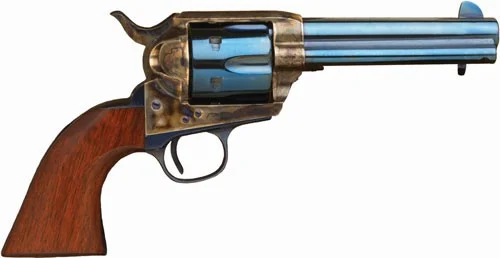

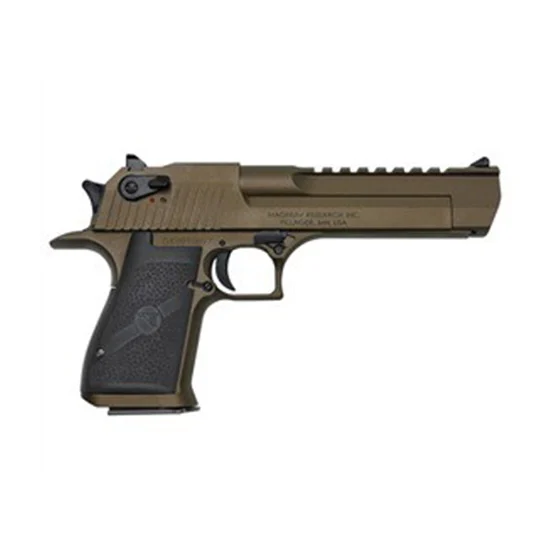
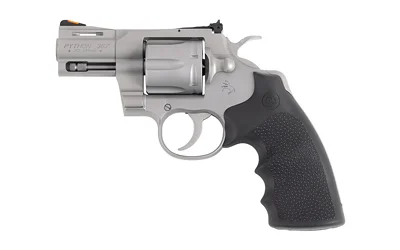

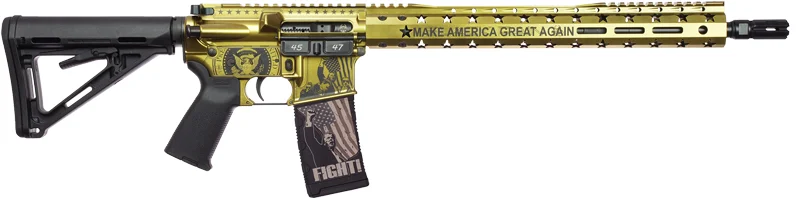

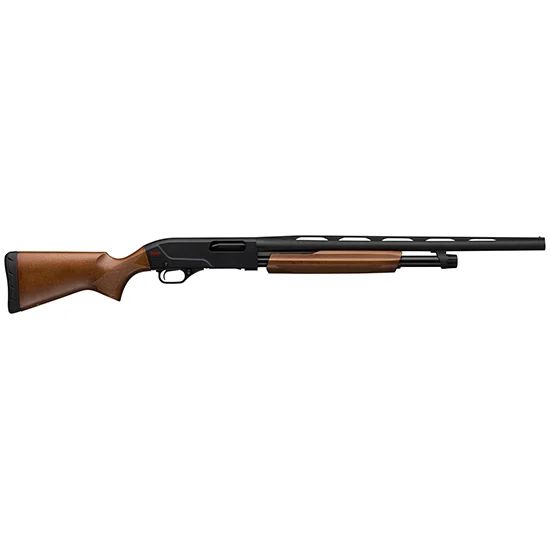

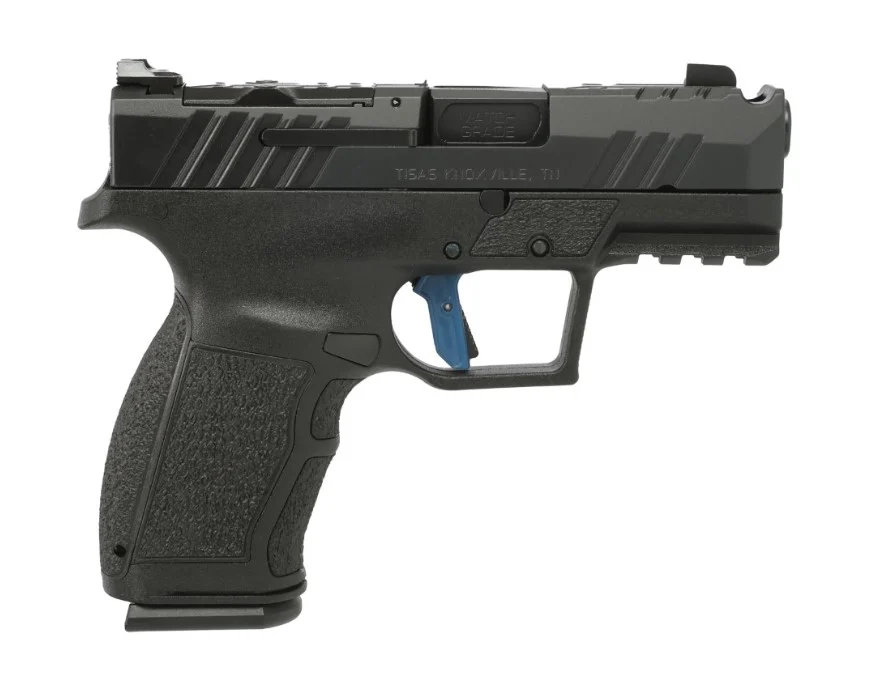
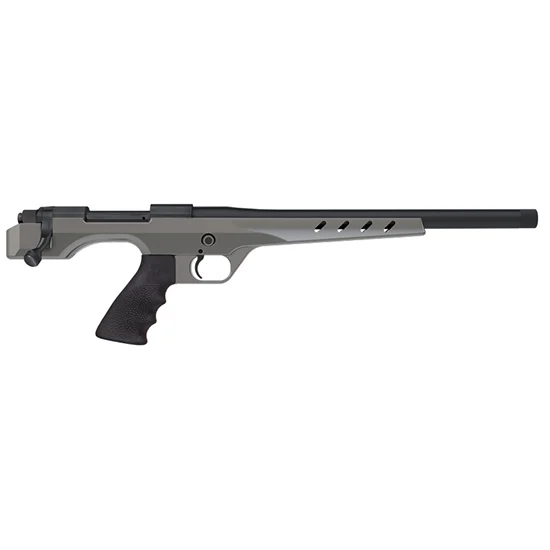


Tenney Industries supports:


Tenney Industries Gallery


WHAT OUR CUSTOMER SAY


Very knowledgeable and conscientious. Jake will do right by you. A++ business! If you are into hunting or firearms for any other reason you won't be disappointed.

Great guy to deal with and very knowledgeable goes above and beyond for the customer.

Great Gun Shop in West Michigan! Jake and his team are very helpful! Good amount of inventory and if he doesn’t have it, he will get it quickly!


I've purchased my share of tools from a variety of stores in different states but have had the best experience and fastest service at tennys. Very friendly and the guy knows his stuff. I recommend you check him out for all your 2a needs.


I've done a lot of business with Jake here over the past couple of years. He does a great job on repairs and can get Firearms at low prices. He also has a pretty decent inventory of used Firearms of All Sorts as well as Scopes and red dots. He stands behind his work and is an all-around great guy knows a lot!

Knowledgeable and trustworthy. Appreciate having a guy like Jake in the area for gun and ammo needs

You will not find a better guy to do business with. This little shop has just about anything you need. If he don’t have it on the shelf he can get it. This is exactly what Ludington needed.

I have used Tenneys as an FFL, as a gun smith, and have purchased many guns from the gun store side of the business…. It’s been flawless and professional service every time, He is a joy to talk to and his gun knowledge is in matched, Jake goes out of his way to make sure all of your firearms needs are met, it’s an awesome small town gun store. I always look forward to going back.


Jake helped us with a third party transfer of my father's vintage rifle. Friendly and knowledgeable.


Had Jake order a gun for me. Gun came in fast, was able to purchase at a great price in only a few days. Top notch service!
my cerakote looks awesome great guy with tons of knowledge and great customer service
jake did a very professional job threading a barrel and doing some cerakote for me. he's reasonably priced and quick with turnaround times (very rare with gunsmiths)
Understanding the Fundamentals of Modern Firearms with the Best Gun Store in Berkley, MI
Modern firearms come in a variety of types, designs, and functionalities. Understanding their fundamentals is essential for anyone who owns or is considering owning a firearm. This knowledge not only builds confidence but also ensures safe and effective handling. Let’s explore the key aspects of modern firearms, from types to components.
Types of Firearms Available in Gun Stores Around Me
- Handguns: Compact and designed for one-handed operation, handguns include pistols and revolvers.
- Pistols: Semi-automatic handguns that use a magazine to hold multiple rounds.
- Revolvers: Firearms with a rotating cylinder holding multiple chambers for ammunition.
- Rifles: Long guns designed for precision shooting at greater distances. They typically have rifled barrels to improve accuracy through spin stabilization of the projectile.
- Shotguns: Long guns intended for close-range shooting; they fire shotshells loaded with pellets or slugs. Shotguns are popular for hunting and home defense due to their wide impact area.
Each type serves a distinct purpose, whether it’s self-defense, hunting, recreational shooting, or competitive sports.
Basic Anatomy of Firearms from a Gun Store Near Me
Component Description Barrel The metal tube through which the bullet or projectile travels when fired. Action The mechanism responsible for loading, firing, and ejecting cartridges (e.g., bolt-action). Stock/Grip The part held by the shooter; often designed to provide stability during aiming and firing. Magazine A detachable or built-in device that stores ammunition before chambering it into the firearm. Trigger The lever pressed by the user to discharge the firearm by initiating the firing mechanism. Understanding these components helps users familiarize themselves with how firearms function while allowing proper cleaning and maintenance.
Ammunition Basics for Gun Shops Near Me
- Cartridges: Used in rifles and handguns; consist of a bullet (projectile), casing (holds powder), primer (ignition source), and propellant (gunpowder).
- Shotshells: Used in shotguns; contain wads separating pellets or slugs from powder.
- Always ensure ammunition matches your firearm’s caliber or gauge specifications as indicated by its markings.
Mechanical Functionality of Handguns Near Me
- Bolt-action, commonly found in hunting rifles.
- Semi-automatic, where each trigger pull fires one shot without manual reloading after each round.
- Pump-action, primarily seen in shotguns requiring manual chambering after each shot.
This foundational understanding helps ensure responsible ownership while building competence through further training or practice sessions tailored toward specific firearm uses like sport shooting versus defensive skills development
Important Firearm Safety Rules to Remember from a Gun Shop in Berkley, MI
Firearm safety is an essential responsibility for every gun owner, irrespective of their level of expertise. By adhering to established safety principles, accidents can be significantly minimized, creating a safer environment for everyone. Below are some critical firearm safety rules to keep in mind.
Treat Every Firearm as if It Is Loaded with Gun Dealers in Berkley, MI
One of the most fundamental principles of firearm safety is to always assume the firearm is loaded, even if you believe otherwise. This mindset prevents complacency and encourages responsible handling at all times. When receiving or handing over a firearm:
– Inspect the chamber: Ensure it’s clear of ammunition.
– Check magazines: Remove them and verify they are unloaded where possible.
– Never take someone’s word: Always confirm the status of a firearm yourself.Never Point a Firearm at Anything You Do Not Intend to Shoot: Advice from the Best Gun Stores in Berkley, MI
This rule emphasizes muzzle discipline—keeping the barrel pointed in a safe direction at all times.
– Safe directions include areas where an unintended discharge would not harm people or damage property (e.g., pointing toward the ground).
– Avoid sweeping behaviors: Be mindful when turning your body with a firearm in hand, as it could inadvertently point at others.Keep Your Finger Off the Trigger Until Ready to Fire with the Best Gun Shops in Berkley, MI
A common cause of accidental discharge occurs when fingers rest on the trigger prematurely. To mitigate this risk: – Always rest your finger alongside the frame or slide until you’re ready to shoot. – Practice this habit consistently during training and handling scenarios.
Be Aware of Your Target and What Is Beyond It with Handgun Stores in Berkley, MI
Understanding your surroundings is vital before pulling the trigger. Even with proper aim, bullets can overpenetrate or miss their intended target. – Identify your target clearly. – Assess what lies beyond or around it—such as walls, bystanders, or wildlife—that could be harmed by stray rounds. – Use barriers like backstops or earthen berms when practicing on ranges.
Storing Ammunition and Firearms Separately in Retail Gun Stores in Berkley, MI
While this point intersects with storage practices, its importance from a safety perspective cannot be overstated: – Store ammunition in locked containers away from firearms. – Ensure children or unauthorized individuals cannot access either component.
Table: Summary of Key Safety Rules from a Gun Dealer in Berkley, MI
Rule Why It Matters Practical Tip Assume every firearm is loaded Prevents negligent handling Double-check chambers before cleaning/handling Always point firearms in safe directions Avoids unintentional harm Practice muzzle awareness during training Keep fingers off triggers until ready Reduces accidental discharges Rest finger along side frame/slide Know your target and surroundings Ensures responsible shooting Survey area before taking aim Final Thoughts on Safety Rules When Considering Guns for Sale in Berkley, MI
Each rule plays an interconnected role in ensuring responsible ownership and operation of firearms. Following these guidelines minimizes risks not just for yourself but for everyone around you. Consistent practice helps ingrain these habits into daily behavior, fostering a culture of respect and care within gun-owning communities.
Best Practices for Secure Firearm Storage from a Firearms Store in Berkley, MI from a Local Gun Store in Berkley, MI
Proper firearm storage is a critical aspect of responsible gun ownership. Ensuring that firearms are stored securely not only reduces the risk of accidents but also helps prevent unauthorized access, theft, and misuse. Below are key best practices to help you store firearms safely and responsibly in your home or workplace.
Assess Your Storage Needs with Gun Dealers Near Me
Every firearm owner’s storage needs will vary based on several factors: – Number of firearms owned – Types of firearms (e.g., handguns, rifles, shotguns) – Presence of children or vulnerable individuals in the home – Legal requirements specific to your location
By understanding these variables, you can select storage solutions tailored to your circumstances.
Use the Right Storage Devices with a Gunsmith Near Me
Storage Device Description Best For Lockable Gun Safes Heavy-duty safes designed for long-term safety and significant fire/theft protection Multiple firearms or valuable collections Lockable Gun Cabinets Lightweight alternatives to safes; often less expensive but still provide basic security Single guns or limited space Handgun Safes Compact safes specifically designed for quick access while remaining secure Handguns for home defense Trigger Locks/Cable Locks Simple devices that prevent a firearm from being loaded or fired Additional layer of security inside a safe Position Storage Devices Strategically
Where you place your firearm storage matters. Consider: – Accessibility: Store defensive firearms where they can be accessed quickly by authorized users. – Discretion: Keep firearms out of plain sight to deter theft. – Climate Control: Avoid storing guns in damp areas such as basements, which can lead to rust or corrosion.
For added peace of mind, some gun safes come with humidity control systems that protect against moisture damage.
Store Ammunition Separately
It’s essential to store ammunition separately from your firearms. This practice minimizes risks associated with accidental discharge and unauthorized use. Use lockable ammo boxes or cabinets specifically designed for this purpose.
Implement Additional Security Measures
Think beyond basic storage devices and consider comprehensive security measures: – Install a home alarm system with monitoring services. – Use motion-sensor lights around storage areas. – Anchor large safes securely to floors or walls to prevent removal during break-ins.
These extra precautions reduce vulnerabilities and enhance overall safety.
Educate Household Members
If there are other people living in your household: 1. Communicate the importance of respecting firearm safety rules. 2. Emphasize that no one should attempt to access firearms without proper training. 3. Ensure children understand that guns are not toys and should never be handled unsupervised.
Additionally, regular discussions about safe handling practices reinforce awareness among adults living in the home.
Legal Considerations When You Buy Guns in Berkley, MI
Certain jurisdictions have specific laws governing how firearms must be stored—especially when minors live on the premises. These regulations may include: 1. Requirements for lockable containers or trigger locks. 2. Liability penalties if a minor gains access due to negligence.
Staying informed about local laws keeps you compliant and reduces potential legal risks.
By choosing appropriate storage options, considering additional security layers, and educating household members about safety fundamentals, you actively contribute toward safer gun ownership practices while protecting those around you.
Best Practices for Secure Firearm Storage
Proper firearm storage is one of the most critical responsibilities of firearm ownership. Ensuring that firearms are securely stored can prevent unauthorized access, reduce the risk of accidents, and help protect against theft. Below is a comprehensive guide to best practices for secure firearm storage.
Why Secure Storage Matters
- Prevention of Unauthorized Access: Keeping firearms out of reach from children and unauthorized individuals is essential for safety.
- Reduction in Accidental Discharges: Improperly stored firearms account for a significant portion of accidental shootings.
- Theft Prevention: Proper storage ensures firearms don’t fall into the hands of criminals during break-ins or thefts.
- Legal Compliance: Many jurisdictions have laws requiring certain types of secure firearm storage.
Types of Firearm Storage Solutions
Storage Option Description Ideal For Gun Safes Durable, heavy containers with locking mechanisms, often fire-resistant. Storing multiple guns securely Gun Cabinets Lighter and less expensive than safes, often with lockable glass doors. Displaying and securing guns Trigger Locks Devices attached directly to a gun’s trigger to prevent activation. Short-term safety measures Cable Locks Prevents loading or firing by threading through parts of the gun. Portable security option Lockable Cases Hard-sided cases with locks, easy for transport while keeping guns secure. Traveling with firearms Each method can be used alone or combined for added security.
Key Best Practices
- Pair a gun safe with trigger locks or cable locks to ensure redundancy in case one layer is compromised.
- Use biometric safes or quick-access safes if immediate accessibility is required for home defense purposes.
- Keep ammunition in a separate locked container away from the firearm to minimize risks associated with unauthorized access.
- Ensure all locks and safes are functioning properly over time by conducting routine checks.
- If others in your household are aware you own firearms, educate them on safe practices without disclosing specific locations unnecessarily.
Location Considerations
When deciding where to store your firearms: – Avoid areas prone to moisture (e.g., basements) unless using dehumidifiers within safes. – Ensure hidden locations still allow reasonable access in emergencies if applicable. – Consider bolting down safes or cabinets to prevent them from being stolen as a whole during break-ins.
Additional Tips for Responsible Storage
- Firearms not intended for immediate use (e.g., heirlooms or collectibles) should remain unloaded at all times while stored.
- Travel-specific cases should comply with airport regulations and legal requirements if transporting across jurisdictions.
- Invest in high-quality products that meet certified security standards like UL ratings.
Secure firearm storage demonstrates responsible ownership while protecting those around you from unnecessary risks—an integral part of maintaining trust and safety within your community.
Why Firearm Training Should Be Ongoing with an Arms Store in Berkley, MI
Firearm training is not a one-time event but rather an evolving process that fosters safety, proficiency, and confidence. Whether you are a new firearm owner or have years of experience, consistent training ensures that you remain prepared and responsible in handling your firearm effectively. This section delves into why ongoing training is essential and how it benefits firearm owners at all stages.
Benefits of Ongoing Firearm Training
- Regular training reinforces critical safety principles such as proper handling, muzzle discipline, and trigger control.
- It minimizes the risk of accidental discharges or mishandling in high-stress scenarios.
- Skills like aiming, controlling recoil, and maintaining a steady grip can degrade over time without practice.
- Advanced courses can help refine techniques such as shooting under pressure or from unconventional positions (e.g., prone or kneeling).
- Training programs often provide opportunities to practice with various firearms beyond what you personally own.
- Understanding diverse platforms (e.g., pistols, rifles, shotguns) makes for a more versatile and confident firearms owner.
- Laws governing firearm ownership and use can change frequently depending on jurisdictions.
- Continuing education helps owners stay informed about local regulations—particularly regarding concealed carry permits or transport laws.
Key Elements of High-Quality Training Programs
- Certified Instructors: Experienced professionals who are accredited by recognized organizations (e.g., NRA-certified trainers).
- Scenario-Based Drills: Includes simulations that replicate real-life situations to prepare for self-defense or hunting scenarios.
- Emphasis on Mental Preparedness: Training should focus on decision-making in high-pressure environments.
- Customizable Levels: Options for beginners through advanced shooters ensure participants train at their skill level.
How Often Should You Train?
Skill Level Recommended Frequency Beginner Monthly sessions until confident with basics Intermediate Bi-monthly practice with occasional advanced courses Advanced/Professional Users Quarterly sessions focused on specific skills Additionally:
– Dry-fire exercises at home (with an unloaded weapon) can supplement live-fire range sessions. – Defensive firearm carriers should integrate tactical drills every few weeks alongside regular physical fitness routines.Practical Tips for Incorporating Ongoing Training
- Join a local shooting range or gun club where classes may be offered regularly.
- Schedule time on your calendar for both formal classes and individual practice sessions at the range.
- Consider online resources, such as videos or webinars from reputable instructors, to enhance theoretical knowledge between hands-on sessions.
- Engage in competitions if available—they offer both practice opportunities and constructive feedback from peers.
Ongoing training is about building confidence while mitigating risks associated with owning firearms responsibly; it also ensures you’re fully prepared to handle unexpected events involving your weapon safely and legally without hesitation.