


Welcome to Tenney Industries


FEATURED PRODUCTS



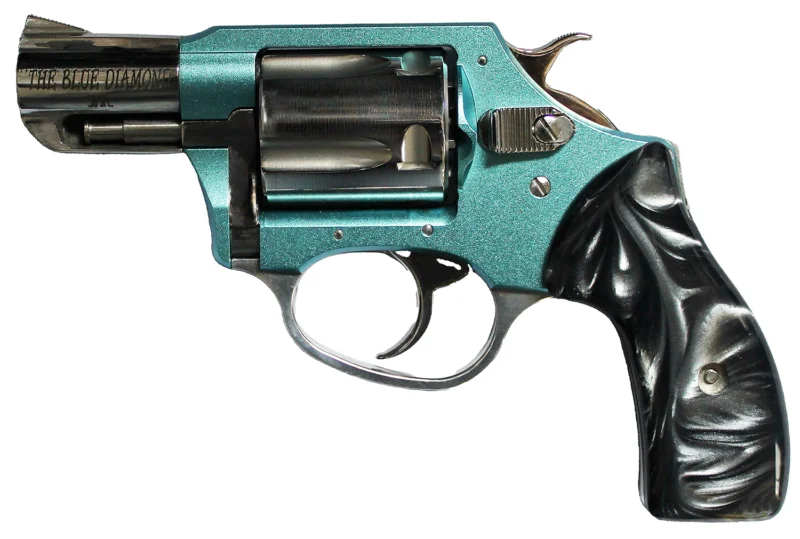
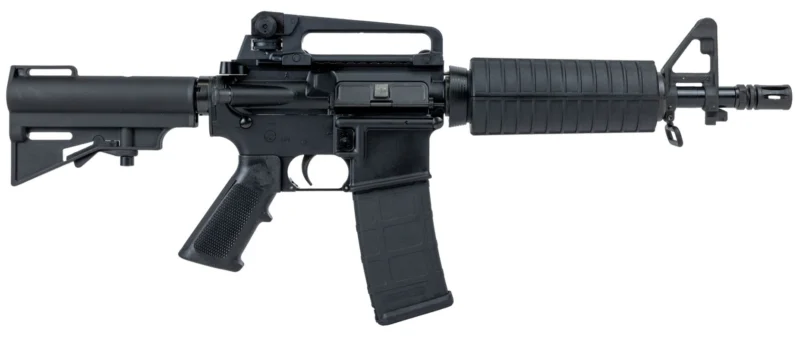
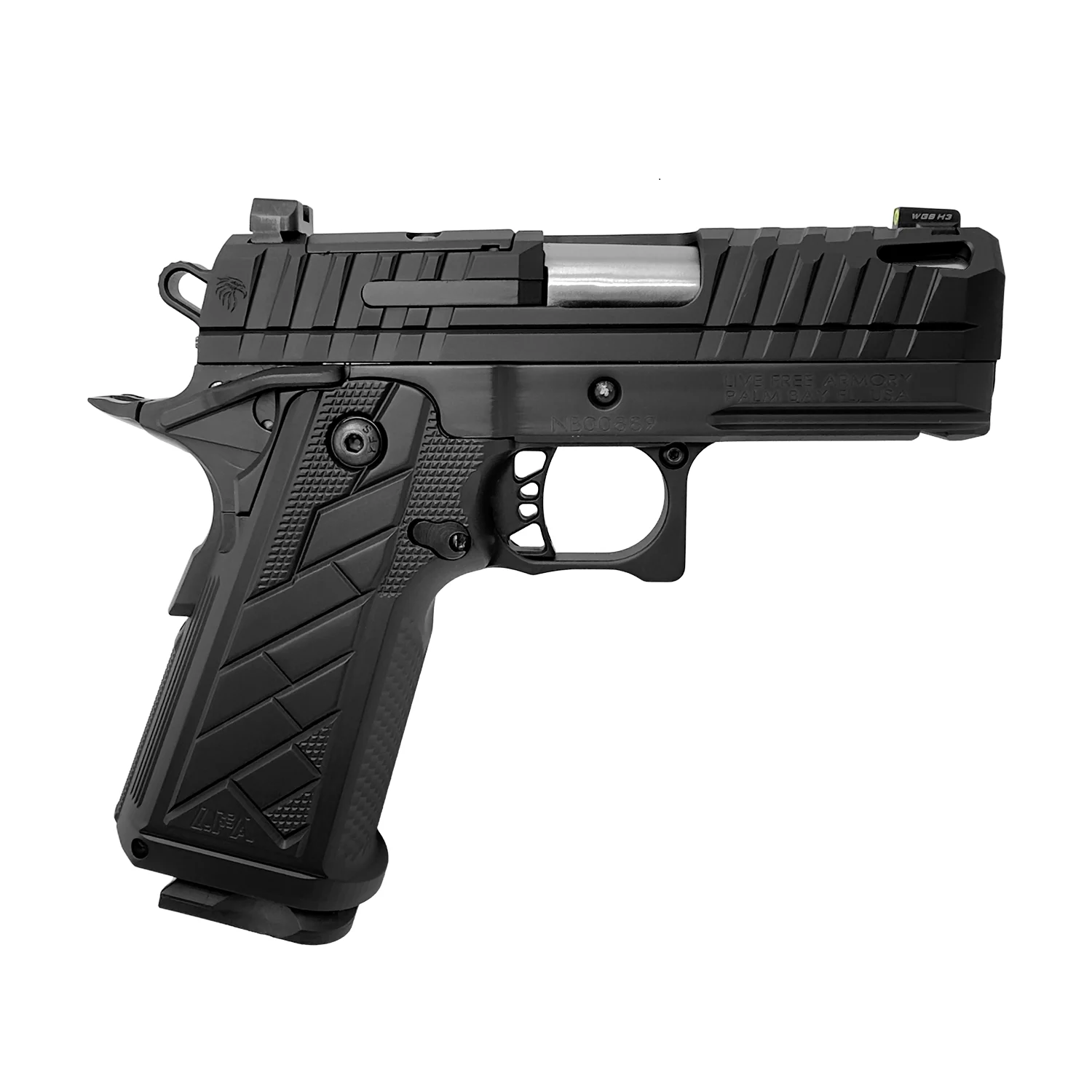
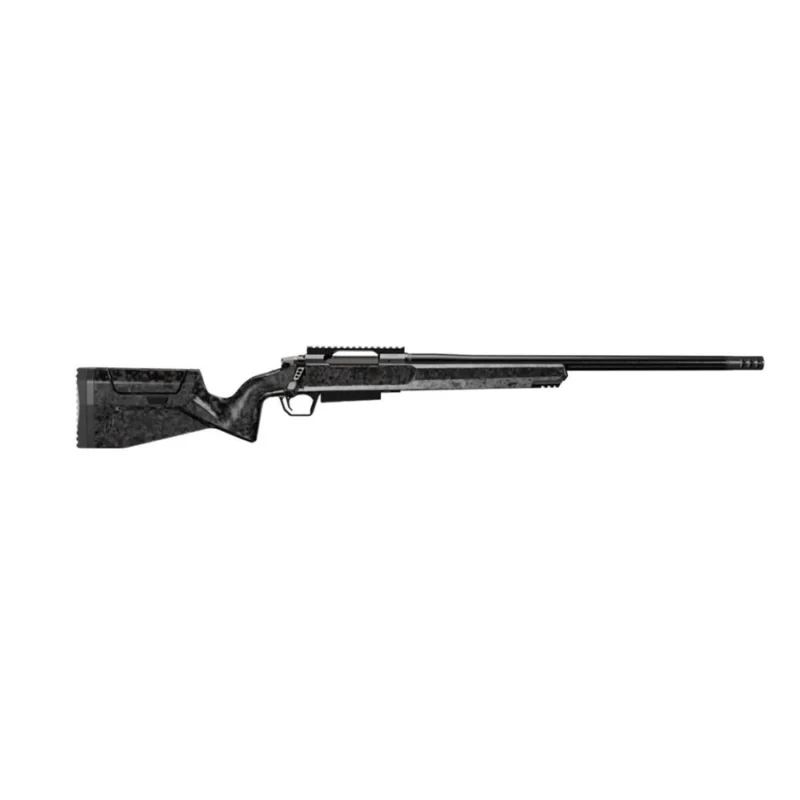




Tenney Industries supports:


Tenney Industries Gallery


WHAT OUR CUSTOMER SAY


Very knowledgeable and conscientious. Jake will do right by you. A++ business! If you are into hunting or firearms for any other reason you won't be disappointed.

Great guy to deal with and very knowledgeable goes above and beyond for the customer.

Great Gun Shop in West Michigan! Jake and his team are very helpful! Good amount of inventory and if he doesn’t have it, he will get it quickly!


I've purchased my share of tools from a variety of stores in different states but have had the best experience and fastest service at tennys. Very friendly and the guy knows his stuff. I recommend you check him out for all your 2a needs.


I've done a lot of business with Jake here over the past couple of years. He does a great job on repairs and can get Firearms at low prices. He also has a pretty decent inventory of used Firearms of All Sorts as well as Scopes and red dots. He stands behind his work and is an all-around great guy knows a lot!

Knowledgeable and trustworthy. Appreciate having a guy like Jake in the area for gun and ammo needs

You will not find a better guy to do business with. This little shop has just about anything you need. If he don’t have it on the shelf he can get it. This is exactly what Ludington needed.

I have used Tenneys as an FFL, as a gun smith, and have purchased many guns from the gun store side of the business…. It’s been flawless and professional service every time, He is a joy to talk to and his gun knowledge is in matched, Jake goes out of his way to make sure all of your firearms needs are met, it’s an awesome small town gun store. I always look forward to going back.


Jake helped us with a third party transfer of my father's vintage rifle. Friendly and knowledgeable.


Had Jake order a gun for me. Gun came in fast, was able to purchase at a great price in only a few days. Top notch service!
my cerakote looks awesome great guy with tons of knowledge and great customer service
jake did a very professional job threading a barrel and doing some cerakote for me. he's reasonably priced and quick with turnaround times (very rare with gunsmiths)
Understanding the Basics of Firearm Ownership with a Gun Shop in Barton Hills, MI
Firearm ownership is a serious responsibility that requires an understanding of both the legal and practical aspects of owning and using a firearm. Whether you are new to firearm ownership or looking to expand your knowledge, grasping the fundamentals is essential for safe and responsible use. Below, we explore key considerations for anyone embarking on this journey.
Legal Responsibilities of Firearm Ownership in Retail Gun Stores in Barton Hills, MI
- Background checks: Before purchasing a firearm, most jurisdictions require passing a background check.
- Permits and licenses: Some areas require permits for purchasing, carrying (concealed or open), or even owning specific types of firearms.
- Age restrictions: There are typically minimum age requirements for buying and owning firearms.
- Storage laws: Many states have strict rules about how firearms must be stored at home, especially in homes with minors.
To stay compliant: – Regularly review updates in firearm legislation in your state or region. – Consult legal experts or certified instructors if you’re uncertain about specific regulations.
Types of Firearms from a Gun Dealer in Barton Hills, MI
Not all firearms are created equal. Different types serve different purposes, from personal protection to sporting activities like hunting or target shooting. Understanding these distinctions can help guide your purchase decision.
Type Typical Use Examples Handguns Self-defense, concealed carry Pistols, revolvers Rifles Hunting, sport shooting Bolt-action rifles, AR-style rifles Shotguns Home defense, hunting Pump-action shotguns When selecting a firearm: – Match your choice to its intended purpose (e.g., self-defense versus recreational use). – Consider factors like caliber size, recoil strength, and ease of maintenance.
Costs Associated with Firearm Ownership and Guns for Sale in Barton Hills, MI
- Ammunition: Different calibers vary widely in cost.
- Maintenance supplies: Cleaning kits and lubricants ensure proper function.
- Accessories: Items like holsters or scopes may enhance usability but increase costs.
- Training courses: Professional instruction is highly recommended for new owners.
Budget responsibly by researching prices ahead of time and considering long-term expenses such as ammunition restocking.
Ethical Considerations for a Local Gun Store in Barton Hills, MI
- Consider how the presence of a firearm in your household might impact family members’ safety and comfort levels.
- Communicate openly about safe handling practices with everyone who shares access to your home.
Informed decisions lead not only to safer practices but also greater confidence in responsible ownership. By understanding these foundational aspects—legal frameworks, types of firearms available, associated costs—you’ll be well-prepared as you move forward into other critical areas such as safety training and storage solutions.
Essential Firearm Safety Rules Every Owner Should Know from the Best Gun Store in Barton Hills, MI
Firearm ownership comes with significant responsibility, and safety should always be a top priority. Adhering to basic firearm safety principles not only protects yourself but also those around you. Below are essential firearm safety rules every owner should know and practice consistently.
1. Treat Every Firearm as if it is Loaded When You Buy Guns in Barton Hills, MI
- Always assume that a firearm is loaded, regardless of whether you believe it to be unloaded.
- Perform a physical and visual inspection of the chamber, magazine, and barrel before handing or receiving a firearm.
- Never rely solely on the word of someone else; personally verify that the weapon is safe.
Keep Your Finger Off the Trigger Until Ready to Shoot at a Firearms Store in Barton Hills, MI
- Place your finger outside of the trigger guard until you’re prepared to fire.
- Rest your finger along the side of the frame or receiver when handling or carrying a firearm.
- This rule minimizes accidental discharges caused by unintentional pressure on the trigger.
Always Point the Muzzle in a Safe Direction at an Arms Store in Barton Hills, MI
This is considered one of the most critical rules in firearm safety: – Never allow the muzzle to point at anything you are not willing to destroy. – In controlled environments like shooting ranges, ensure that firearms are always directed downrange. – When storing or transporting firearms, ensure they remain securely pointed in a safe direction.
Be Sure of Your Target and What Lies Beyond It When Visiting Gun Stores Around Me
Before pulling the trigger: – Identify your target completely – never shoot at sounds, shapes, or shadows. – Be aware of what lies beyond your target; bullets can penetrate walls or ricochet unpredictably. – Evaluate surroundings for potential risks such as bystanders, animals, or property.
Key Considerations for Targets Description Target Identification Clearly see and confirm your target before firing. Backstop Awareness Ensure there’s an appropriate backstop capable of stopping bullets to prevent unintended harm. Environmental Factors Consider wind, angles, and ricochet risks that could alter bullet trajectory. 5. Keep Firearms Unloaded When Not in Use at a Gun Store Near Me
Unless actively using your firearm for self-defense or shooting practice: – Keep ammunition stored separately from firearms when possible. – Double-check that chambers are empty after use.
Practical Tip: Use chamber flags during storage as visible indicators that the weapon is unloaded.
6. Use Proper Storage Methods for Firearms from Gun Shops Near Me
The way firearms are stored has a direct impact on safety: – Invest in lockable gun safes, secure cabinets, or trigger locks to keep unauthorized individuals away from firearms. – Store ammunition separately from firearms unless laws require different arrangements for specific scenarios (e.g., home defense).
7. Wear Protective Gear While Shooting Handguns Near Me
Eye Protection: Prevent injuries caused by ejected shell casings or debris.
Hearing Protection: Minimize hearing damage due to loud noise levels associated with gunfire.Adopting these essential practices ensures that you handle firearms responsibly while significantly reducing risks associated with misuse or accidents. By following these guidelines diligently, you’ll cultivate confidence in both ownership and operation skills while fostering a culture of safety among other owners around you.
Why Firearm Training and Education Matter with Gun Dealers in Barton Hills, MI
Mastering Safe Handling Practices with Gun Dealers Near Me
Owning a firearm requires more than simply understanding the mechanics of its operation. Training ensures that owners have the practical skills necessary to handle firearms safely: – Loading and unloading: Proper techniques for handling ammunition reduce the risk of accidental discharge. – Safe storage procedures: Training familiarizes owners with ways to secure firearms using safes, locks, or biometric systems. – Trigger discipline: Emphasis on keeping fingers off triggers until ready to shoot minimizes negligent discharges.
Enhancing Accuracy and Proficiency with a Gunsmith Near Me
Firearms training goes beyond theory by focusing on real-world application. Regular practice improves: – Shooting accuracy: Learning proper stance, grip, breathing techniques, and sight alignment enhances precision. – Situational awareness: Training scenarios help owners prepare for situations in which they might need to use their firearm defensively. – Confidence under pressure: Repeated drills build muscle memory and reduce hesitation during high-stress situations.
Training Focus Areas Benefits Safe Handling Reduces accidental injuries Marksmanship Techniques Improves confidence in firearm use Defensive Scenarios Prepares for real-life emergencies Legal Knowledge as a Key Component
Education about local, state, and federal laws is critical for avoiding legal trouble. Firearm training courses often emphasize: – Where carrying is permitted (e.g., concealed carry laws) – Use-of-force regulations – Transporting firearms across state lines
Understanding these laws protects not only the owner but also others in their community.
Developing an Ethical Mindset
Training fosters an ethical approach to firearm ownership. Responsible owners are taught to respect the power of their weapons while considering their impact on others. This includes understanding: – The moral responsibility tied to owning a firearm – The importance of using guns only as a last resort in self-defense situations
Continuing Education: A Lifelong Practice
Firearm technology evolves over time, as do relevant laws and safety practices. Ongoing education ensures that owners remain informed about advancements such as: – New safety mechanisms available in modern firearms – Updates to regulations regarding storage or transportation
By participating in advanced courses or refresher programs, even experienced gun owners can sharpen their skills while staying current with industry standards.
Practical Tips for Choosing Training Programs
When selecting a firearm training program or instructor: 1. Look for certifications from reputable organizations (e.g., NRA Certified Instructors). 2. Prioritize hands-on courses that combine classroom learning with range practice. 3. Seek reviews or testimonials from previous students.
Investing time and effort into comprehensive training ensures responsible ownership while promoting safety within households and communities alike.
Building Long-Term Habits for Responsible Firearm Ownership with the Best Gun Shops in Barton Hills, MI with the Best Gun Stores in Barton Hills, MI
Developing long-term habits for responsible firearm ownership is essential to ensure the safety of individuals, households, and communities. Ownership is not just about having access to a firearm; it’s about cultivating a mindset and lifestyle that prioritizes proper handling, security, and accountability over time. The following guide outlines practical steps and considerations to help firearm owners maintain responsible habits throughout their journey.
Continuous Education and Skill Development
Firearm ownership requires ongoing learning. Technological advancements, changes in laws, and the evolution of best practices make continuous education critical.
- Stay Updated on Laws: Regularly review local, state, and federal firearm laws, especially when traveling or moving to a new jurisdiction.
- Participate in Advanced Training Courses: Beyond basic training, consider advanced skills such as defensive shooting or marksmanship.
- Learn from Reputable Sources: Follow credible organizations or certified instructors who specialize in firearms safety and education.
Routine Maintenance and Safety Checks
Ensuring your firearm is in optimal working condition is a critical habit for safe ownership. Scheduled maintenance helps prevent malfunctions that could lead to accidents.
- Create a Maintenance Schedule: Clean your firearms regularly based on usage frequency or as recommended by the manufacturer.
- Inspect Before Use: Always check for signs of wear, damage, or malfunction before using your firearm.
- Invest in Quality Cleaning Tools: Use appropriate tools designed for your specific type of gun.
Maintenance Frequency Recommended Action After Each Use Basic cleaning & inspection Monthly Deep cleaning Annually or Biannually Professional servicing Secure Storage Practices Over Time
Responsible storage goes beyond buying a safe; it’s about creating routines that keep unauthorized individuals away from firearms while keeping them accessible when needed.
- Use Safes with Advanced Locking Mechanisms: Consider safes with biometric locks or digital keypads for enhanced security.
- Store Ammunition Separately: Keep ammunition locked away from the firearm itself to reduce risks.
- Discuss Storage with Household Members: Educate family members on the importance of secure storage without revealing access codes or combinations unnecessarily.
Mindful Handling Practices
Building safe handling habits ensures that you treat every interaction with your firearm responsibly.
- Treat every gun as if it’s loaded.
- Always point the muzzle in a safe direction.
- Keep your finger off the trigger until ready to fire.
- Know what’s beyond your target at all times.
Fostering Community Responsibility
Responsible ownership extends beyond personal practices—it involves contributing to safer communities through shared accountability.
- Join local gun owner associations focused on promoting safety initiatives.
- Advocate for responsible gun use among peers by sharing knowledge.
- Participate in community events such as buy-back programs or educational workshops.
By integrating these long-term habits into daily life, firearm owners can uphold their responsibilities effectively while promoting a culture of respect around guns within their homes and communities.
Building Long-Term Habits for Responsible Firearm Ownership
Develop a Routine for Safe Storage
Proper firearm storage is one of the pillars of responsible ownership. By making secure storage a daily habit, you reduce the risk of unauthorized access or accidental misuse. Consider implementing these steps:
– Invest in secure storage solutions: – Gun safes with combination locks or biometric access. – Lockable storage cases for transport. – Trigger locks as an additional safeguard.
– Establish ‘end-of-day’ checks: – Verify that all firearms are unloaded and secured before retiring for the night.
– Separate ammunition and firearms: – Store them in different locked compartments to minimize risks.Commit to Ongoing Education
Firearm technology, laws, and best practices evolve over time. To remain a responsible owner, commit to lifelong learning by:
– Attending refresher training courses annually or as offered by certified instructors. – Keeping up-to-date on local laws governing firearm usage and storage. – Subscribing to publications or online resources from reputable organizations like the NRA or local gun safety groups.Practice Regular Maintenance
Neglecting firearm maintenance can lead to mechanical failures or unsafe operation. Make it a habit to routinely care for your firearms: – Clean each firearm according to manufacturer instructions after use. – Inspect parts such as barrels, triggers, and magazines for wear or damage. – Keep a logbook detailing maintenance dates and any repairs conducted.
Build Regular Training into Your Schedule
Responsibility extends beyond purchasing a firearm; proficiency is necessary for safe operation. Regular practice sessions help build confidence while reinforcing safety skills:
– Schedule monthly visits to the shooting range. – Participate in drills that simulate real-world scenarios (e.g., home defense situations). – Practice loading, unloading, disassembling, and reassembling your firearm under controlled conditions.Foster Awareness About Mental Health
Responsible ownership involves self-awareness regarding one’s mental state as well as those around you: – Periodically assess if you feel mentally fit to own or operate firearms safely. – Safeguard against potential misuse by being vigilant about the mental health of family members who might have access.
Recommended Habits At-a-Glance for Visitors to Handgun Stores in Barton Hills, MI
Habit Frequency Notes Secure storage check Daily Ensure all firearms are unloaded & locked away safely overnight. Firearm cleaning After each use Prevents mechanical failure & ensures safe operation. Legal updates review Annually or as needed Stay compliant with changes in local/state laws. Training/practice sessions Monthly Reinforces skill proficiency & safety measures. By taking small but consistent steps in developing these habits over time, you can ensure that responsible firearm ownership becomes second nature—enhancing both your confidence in handling firearms safely and protecting those around you from potential harm.