


Welcome to Tenney Industries


FEATURED PRODUCTS

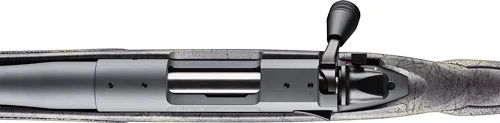
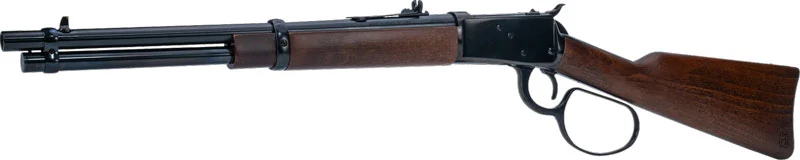

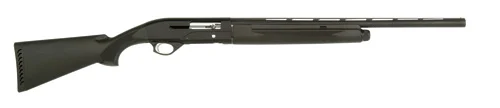

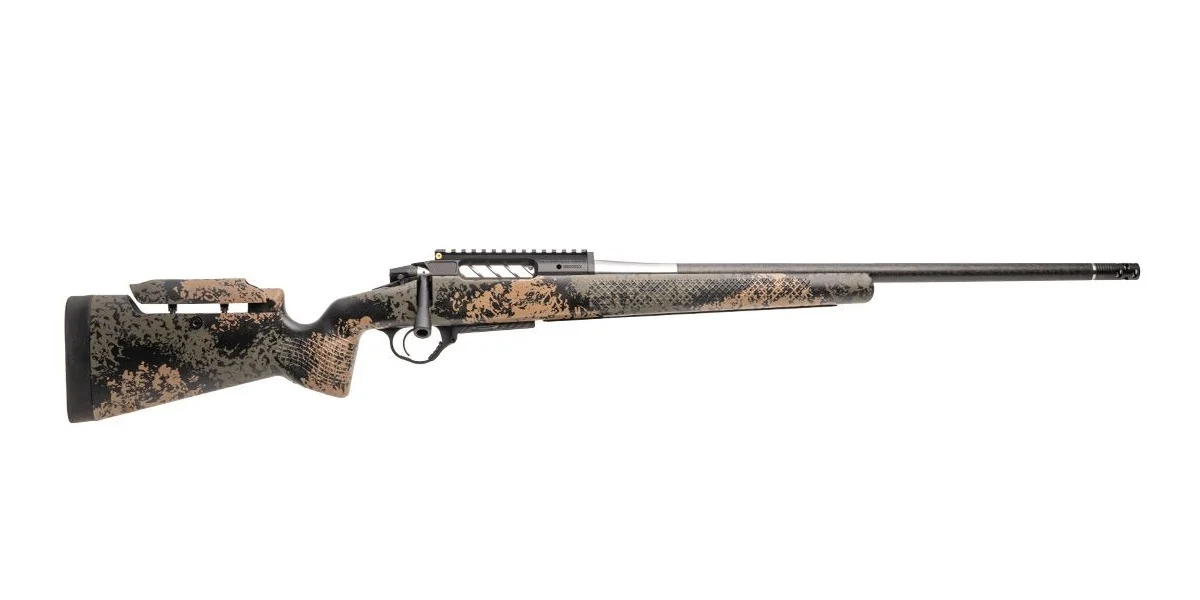



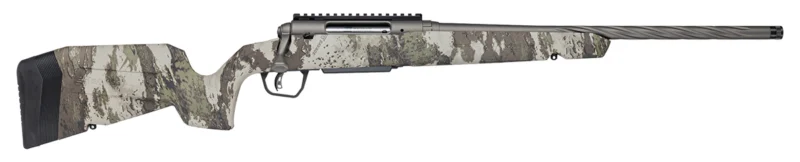

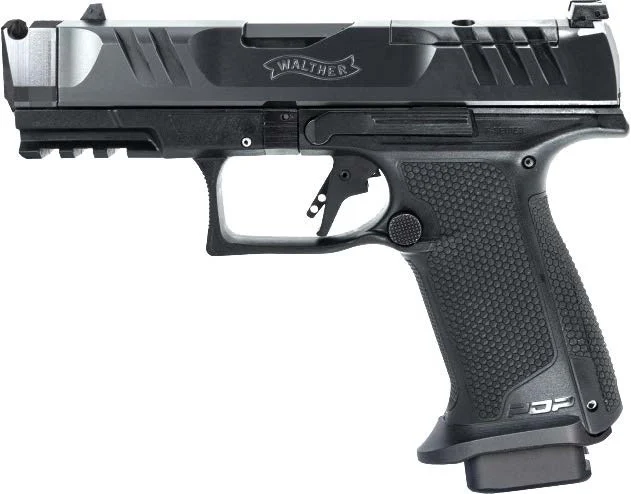


Tenney Industries supports:


Tenney Industries Gallery


WHAT OUR CUSTOMER SAY


Very knowledgeable and conscientious. Jake will do right by you. A++ business! If you are into hunting or firearms for any other reason you won't be disappointed.

Great guy to deal with and very knowledgeable goes above and beyond for the customer.

Great Gun Shop in West Michigan! Jake and his team are very helpful! Good amount of inventory and if he doesn’t have it, he will get it quickly!


I've purchased my share of tools from a variety of stores in different states but have had the best experience and fastest service at tennys. Very friendly and the guy knows his stuff. I recommend you check him out for all your 2a needs.


I've done a lot of business with Jake here over the past couple of years. He does a great job on repairs and can get Firearms at low prices. He also has a pretty decent inventory of used Firearms of All Sorts as well as Scopes and red dots. He stands behind his work and is an all-around great guy knows a lot!

Knowledgeable and trustworthy. Appreciate having a guy like Jake in the area for gun and ammo needs

You will not find a better guy to do business with. This little shop has just about anything you need. If he don’t have it on the shelf he can get it. This is exactly what Ludington needed.

I have used Tenneys as an FFL, as a gun smith, and have purchased many guns from the gun store side of the business…. It’s been flawless and professional service every time, He is a joy to talk to and his gun knowledge is in matched, Jake goes out of his way to make sure all of your firearms needs are met, it’s an awesome small town gun store. I always look forward to going back.


Jake helped us with a third party transfer of my father's vintage rifle. Friendly and knowledgeable.


Had Jake order a gun for me. Gun came in fast, was able to purchase at a great price in only a few days. Top notch service!
my cerakote looks awesome great guy with tons of knowledge and great customer service
jake did a very professional job threading a barrel and doing some cerakote for me. he's reasonably priced and quick with turnaround times (very rare with gunsmiths)
Understanding Common Firearm Categories at the Best Gun Store in Ann Arbor, MI from a Gun Shop in Ann Arbor, MI
When stepping into the world of firearms, understanding the different categories is essential. Firearms are diverse in design, purpose, and functionality, and each type serves specific needs. As a beginner, familiarizing yourself with these categories is a foundational step toward responsible ownership.
Types of Firearms Found in Handgun Stores in Ann Arbor, MI
- Subcategories: Pistols and revolvers
- Key Features: Compact size; designed for one-handed use
- Common Uses: Personal defense, concealed carry, target shooting
- Example Models: Glock 19 (pistol), Smith & Wesson Model 686 (revolver)
- Subcategories: Bolt-action, semi-automatic, lever-action
- Key Features: Long barrel; designed for two-handed use; enhanced accuracy at longer ranges
- Common Uses: Hunting, sport shooting, and some self-defense applications
- Example Models: Remington 700 (bolt-action), Ruger AR-556 (semi-automatic)
- Subcategories: Pump-action, semi-automatic, break-action
- Key Features: Fires shells loaded with pellets or slugs; effective at close range
- Common Uses: Hunting (e.g., birds or small game), home defense, sport shooting (skeet/trap)
- Example Models: Mossberg 500 (pump-action), Benelli M4 (semi-automatic)
- Includes antique firearms or niche designs like derringers or precision rifles.
- Often sought after by collectors or enthusiasts.
Selecting the Right Category for Retail Gun Stores in Ann Arbor, MI
Purpose Recommended Category Notes Home defense Handgun/Shotgun Handguns for quick access; shotguns for stopping power Concealed carry Handgun Opt for compact models like subcompacts Hunting Rifle/Shotgun Rifles for larger game; shotguns for birds Target shooting Rifle/Handgun Semi-automatics often preferred Key Considerations as a Beginner When Choosing a Gun Dealer in Ann Arbor, MI
Before purchasing your first firearm from any category: – Research local laws regarding ownership and usage. – Visit a licensed dealer to handle different types of firearms. – Seek professional advice to align your purchase with your skill level and purpose. – Consider renting firearms at a range to test which feels most comfortable.
Understanding these categories lays the groundwork for safe and appropriate firearm ownership. Each type comes with its own set of advantages and limitations that should be carefully weighed against your goals as an owner.
Understanding Common Firearm Categories
For anyone new to firearms, understanding the various firearm categories is an essential first step. The type of firearm you choose will depend on its intended purpose, such as self-defense, hunting, recreational shooting, or competitive sports. Below is an overview of the most common firearm categories to help familiarize beginners with the basics.
Handguns
Handguns are firearms designed to be operated with one hand. They are compact and portable, making them popular for personal defense and concealed carry.
- Revolvers: These handguns use a rotating cylinder that holds the ammunition. They are simple to operate and maintain but often have a limited capacity (typically 5-8 rounds).
- Semi-Automatic Pistols: These have a magazine that feeds ammunition into the chamber automatically after each shot. They generally hold more rounds than revolvers (commonly 10-15 rounds) and offer faster reloading but may require more maintenance.
Feature Revolvers Semi-Automatic Pistols Capacity 5-8 rounds 10-15+ rounds Reloading Speed Slower Faster Maintenance Lower Higher Rifles
Rifles are long firearms designed for accuracy over longer distances. Their versatility makes them suitable for activities like hunting, sport shooting, and even home defense in some cases.
- Bolt-Action Rifles: A single-shot rifle that requires manual operation via a bolt mechanism after every shot. Known for precision and reliability.
- Semi-Automatic Rifles: These fire one round per trigger pull without requiring manual reloading between shots. Popular models include those based on AR-style platforms.
Purpose Recommended Rifle Type Hunting game at long ranges Bolt-action rifle Recreational or target shooting Semi-automatic rifle Shotguns
Shotguns are versatile firearms primarily used for close-range applications such as bird hunting, home defense, or skeet shooting. They fire shells containing multiple pellets (shot) or solid slugs.
- Pump-Action Shotguns: Require manual cycling of the action between shots; reliable and commonly used in various scenarios.
- Semi-Automatic Shotguns: Automatically chamber the next round after firing; faster follow-up shots than pump-action models.
Common uses include: 1. Home defense due to their spread pattern reducing the need for pinpoint accuracy. 2. Hunting birds or small game. 3. Competitive clay pigeon sports like trap or skeet shooting.
Choosing the Right Firearm Category at a Firearms Store in Ann Arbor, MI
When selecting your first firearm: 1. Consider its primary use (e.g., self-defense vs recreational shooting). 2. Evaluate your comfort level with maintenance—some types require more care than others. 3. Account for factors like size, weight, cost of ammunition, and customization options.
Each category has unique advantages tailored to specific needs, so taking time to research carefully before purchasing is critical for ensuring a responsible choice as a beginner firearm owner.
Why Firearm Training Is Important When Visiting the Best Gun Shops in Ann Arbor, MI When Looking for the Best Gun Stores in Ann Arbor, MI with Gun Dealers in Ann Arbor, MI
Firearm training is a critical component of responsible gun ownership, particularly for beginners. Proper training not only equips individuals with the technical skills to operate firearms safely but also promotes confidence, accountability, and situational awareness. Whether you are new to firearms or looking to refine your skills, investing in quality training is essential. Below is an exploration of why firearm training matters and how it benefits both the individual and the broader community.
Key Benefits of Firearm Training with an Arms Store in Ann Arbor, MI
- Understanding how to handle a firearm safely reduces the risk of accidental discharge or injury.
- Training emphasizes correct practices such as always treating a firearm as if it is loaded and keeping your finger off the trigger until ready to fire.
- You will learn how to identify malfunctions and address them safely without panicking.
- Handling and firing a weapon are skills that require practice under professional guidance. A trained individual can hit targets more precisely, which is crucial in high-stakes scenarios like self-defense.
- Training courses often include lessons on proper stance, grip, aiming techniques, and breathing control – all vital for accuracy.
- Comprehensive training programs educate participants on local firearm laws, ensuring that they understand their rights and responsibilities as gun owners.
- Knowing legal boundaries helps prevent unintentional violations, such as improper transport or use in restricted areas.
- Familiarity with your firearm through regular training reduces stress in challenging situations.
- Controlled environments like shooting ranges provide opportunities to practice real-world scenarios under supervision.
- Many training courses include simulated drills for home defense or other emergency scenarios.
- These realistic exercises prepare individuals to respond effectively if they ever need to use a firearm defensively.
Types of Firearm Training Available in Gun Stores Around Me
Type of Training Focus Area Target Audience Basic Safety Courses Safe handling practices; firearm mechanics Beginners Advanced Marksmanship Precision shooting; long-range accuracy Intermediate/Advanced shooters Defensive Shooting Self-defense tactics; situational awareness Homeowners; concealed carriers Legal & Ethical Seminars Gun laws; ethical responsibilities All gun owners Tips for Selecting a Firearm Training Program at a Gun Store Near Me
- Choose Certified Instructors: Look for trainers certified by reputable organizations such as NRA (National Rifle Association) or USCCA (U.S. Concealed Carry Association). Certification ensures adherence to standardized safety protocols.
- Assess Class Size: Smaller class sizes often allow more personalized instruction.
- Prioritize Hands-On Practice: Programs offering live-fire exercises provide practical experience that enhances learning outcomes.
- Consider Specialty Courses: Some programs cater specifically to women, seniors, or youth while addressing unique challenges faced by those groups.
Continued Practice Beyond Initial Training with Gun Shops Near Me
- Visit shooting ranges regularly to maintain accuracy and confidence with your firearm.
- Enroll in refresher courses periodically – laws change over time, as do best practices for safe handling.
- Explore advanced topics such as tactical shooting or competitive marksmanship if they align with your interests.
By committing time and resources toward quality firearm training, gun owners can foster safety within their households while contributing to the responsible usage ethos expected from all members of the firearms community.
Why Firearm Training Is Important
Firearm training is an essential component of responsible gun ownership. Whether you are a first-time owner or someone looking to enhance their skills, investing time and resources into proper training ensures the safety of yourself, your household, and your community. Understanding why firearm training is important helps build foundational knowledge about handling firearms with confidence and care.
Building Proficiency and Confidence with Handguns Near Me
One of the primary benefits of firearm training is developing proficiency in handling firearms. Through structured practice, beginners can learn essential skills such as: – Proper grip and stance: Understanding how to hold a firearm securely and maintain balance. – Aiming techniques: Learning how to align sights properly for accurate shooting. – Trigger control: Practicing smooth and controlled pulling of the trigger to reduce errors like jerking or flinching.
As these fundamental skills improve, new owners gain confidence in their ability to safely use a firearm when necessary. Confidence reduces hesitation during critical moments while also ensuring commands are executed calmly under pressure.
Reinforcing Safety Principles with Gun Dealers Near Me
Even if you’ve reviewed basic safety guidelines during firearm purchase or ownership processes, hands-on training reinforces those principles in practical scenarios. This includes: – Safely loading and unloading a firearm. – Performing routine checks for obstructions or malfunctions (e.g., failure to eject). – Avoiding negligent discharges through finger placement discipline.
Furthermore, professional instructors teach how situational awareness plays a significant role in preventing accidents both at home and on the range.
Legal Considerations When Looking for a Gunsmith Near Me
Firearm laws vary by state or jurisdiction, but many require completion of certified safety courses before carrying a concealed weapon or obtaining certain licenses. Training programs often cover important legal considerations such as: | Topic | Examples | |———————————–|————————————————————————-| | Self-defense laws | When lethal force may be justified; understanding “stand-your-ground” laws | | Transportation regulations | How firearms should be transported across state lines | | Safe public carry practices | Avoiding brandishing or unintentional intimidation |
By familiarizing yourself with these legal aspects through formal education, you minimize risks associated with misuse or misinterpretation of local regulations.
Developing Situational Awareness
Training extends beyond technical skills—it sharpens your ability to assess surroundings effectively. Recognizing potential threats early can help de-escalate situations without resorting immediately to firearm usage. Many programs emphasize decision-making exercises simulating real-world scenarios where judgment calls matter as much as marksmanship accuracy.
Types of Firearm Training Available
- Basic Firearm Safety Courses – Designed for beginners; covers foundational topics like operation basics and general safety practices.
- Defensive Shooting Classes – Focused on preparing owners for self-defense situations.
- Advanced Marksmanship Training – For individuals looking to refine precision accuracy over long ranges.
- Simulated Scenario Training – Emphasizes decision-making under stress using simulated environments (e.g., live simulation drills).
- Home Defense Workshops – Teaches strategies specific to protecting one’s household from intruders.
Choosing the right type based on your needs ensures that you maximize both knowledge acquisition and skill-building efforts.
Proper training bridges theoretical understanding with actionable expertise while fostering respect for firearms’ power and responsibility associated with ownership choices responsibly
Why Firearm Training Is Important
Proper firearm training is an essential aspect of responsible gun ownership. For beginners, training provides the foundation for safe handling, effective use, and a deeper understanding of firearms. Whether you own a firearm for personal protection, recreational shooting, or hunting, learning how to handle and operate it correctly is key to preventing accidents and ensuring responsible ownership.
Building Confidence and Competence
- Safe handling practices: Learning how to hold, load, unload, and carry a firearm properly eliminates common mistakes.
- Control under pressure: Practice builds familiarity with your firearm so you can stay calm and focused in high-stress situations.
- Understanding functionality: Training clarifies how different types of firearms operate so you can confidently use yours.
Reinforcing Safety Awareness
- Keeping your finger off the trigger until ready to fire.
- Always pointing the muzzle in a safe direction.
- Treating every firearm as if it’s loaded at all times.
- Being aware of your target and what lies beyond it.
Improving Accuracy and Skill
- Proper stance: A stable shooting position ensures better balance and control.
- Grip mechanics: Holding the firearm securely minimizes recoil effects.
- Trigger discipline: Smooth trigger pulls improve accuracy by reducing movement during firing.
- Aiming skills: Techniques like sight alignment ensure precision on every shot.
Legal Education
Many training programs include an overview of local laws regarding firearm ownership, storage, transportation, and use for self-defense purposes. Understanding these laws reduces the likelihood of unintentionally breaking them.
Common Topics Covered in Training Description Safety Protocols Comprehensive rules for safe gun handling Shooting Fundamentals Techniques for accuracy such as grip & stance Maintenance Cleaning procedures & upkeep for reliability Legal Responsibilities Overview of local laws & regulations Types of Training Available
- Basic Firearm Safety Classes
For beginners looking to familiarize themselves with general safety principles. - Range Practice Sessions
Hands-on opportunities to practice shooting under professional guidance. - Concealed Carry Courses (if applicable)
Training on carrying a concealed weapon responsibly within legal boundaries. - Specialized Courses
Focused instruction on specific areas like home defense or competitive shooting. - Online Resources & Simulations
Digital tools that complement in-person training with additional theory or virtual practice exercises.
How To Choose the Right Program
- Look for certified trainers with credentials from recognized organizations (e.g., NRA-certified instructors).
- Read reviews or ask for recommendations from trusted sources.
- Assess whether the course content aligns with your goals (e.g., beginner basics vs advanced tactics).
- Confirm class sizes allow sufficient one-on-one attention.
- Visit facilities beforehand if possible to ensure they meet safety standards.
Investing time in quality firearms training sets you up not only as a safer gun owner but also as someone who respects the responsibility that comes with owning a firearm.