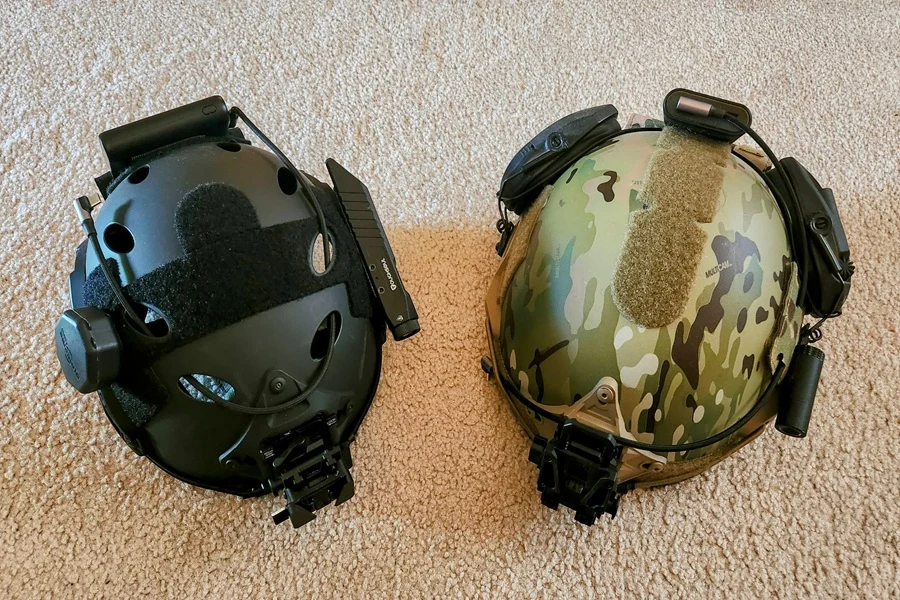
Best Tactical Helmets: Bump & Ballistic

Best Tactical Helmets: Bump & Ballistic

Tactical Helmet Comparison Chart

To simplify the process of selecting the best tactical helmet, we’ve compiled a comparison chart that breaks down key factors like weight, features, protection level, and price. Whether you’re looking for a lightweight bump helmet or full ballistic protection, this chart provides an at-a-glance view to help you make an informed decision.

Helmet ModelTypeWeightProtection LevelKey FeaturesPrice Range
Ops-Core FAST SFBallistic~2.8 lbsNIJ Level IIIAModular rails, comfort padding, NVG mount$$$$ (High-End)
Team Wendy EXFIL LTPBump~1.6 lbsImpact Protection OnlyPolymer shell, Boa fit system$$ (Mid-Range)
MTEK Flux BallisticBallistic~2.5 lbsNIJ Level IIIAVentilation system, lightweight design$$$$ (Premium)
HHV ATE Gen 2Ballistic/Bump~2.9 lbsNIJ Level IIIA/Impact Protection (variant specific) Modular accessory mounts $$ – $$$ (Varies by model)

Key Takeaways from the Chart:

  • Weight Matters: For situations requiring extended wear or mobility (such as long patrols), lighter helmets like bump models are ideal.
  • Protection Levels: While bump helmets are great for recreational activities and non-combative situations, ballistic helmets are essential for high-risk environments where firearm threats exist.
  • Budget Considerations: High-end helmets like Ops-Core and MTEK Flux offer premium materials and advanced features but come at a steeper price point. Budget-conscious users may find brands like HHV to provide good value with impressive versatility.

Types of Helmets in Comparison:

  1. Designed for impact and blunt force protection.
  2. Lightweight and ventilated for comfort during extended use.
  3. Commonly used in activities like search-and-rescue operations or airsoft/paintball.
  4. Provide firearm-rated protection (commonly NIJ Level IIIA).
  5. Heavier due to reinforced materials but critical in combat environments.
  6. Equipped with modular systems to attach communication devices, cameras, or night vision equipment.

How This Chart Helps:

  • Quickly compare specifications without diving into hours of research.
  • Identify which models fit your specific needs based on whether you prioritize weight reduction, affordability, or maximum protective capabilities.

By using this comparison chart as a reference point alongside real-world testing insights outlined later in the article, readers can confidently navigate their options when purchasing tactical headgear suitable for their unique purposes.

How We Tested the Best Tactical Helmets

Testing Process

  1. For ballistic helmets, we tested their ability to withstand impacts from small-arms fire using standard ammunition types commonly encountered in tactical scenarios (e.g., 9mm and .44 Magnum).
  2. Drop tests were conducted for both ballistic and bump helmets to evaluate their shock absorption and structural integrity during high-impact collisions.
  3. Helmets were worn for prolonged periods (4–8 hours) to assess comfort levels under various conditions such as high heat or active movement.
  4. We checked for pressure points, ventilation efficiency, and adjustability of padding systems to gauge user experience over time.
  5. Each helmet was exposed to harsh environments including water immersion, extreme temperatures (-20°F to 120°F), and physical abrasion using sandpaper or similar materials. This simulated real-world wear and tear during tactical missions.
  6. Modern tactical operations often require the use of night vision devices (NVDs), communication headsets, lights, or GoPro cameras mounted on helmets. We attached these accessories to test compatibility with built-in rails or shroud systems without compromising balance or usability.
  7. Weight was evaluated since lighter helmets generally improve mobility but must still maintain sufficient protective properties.
  8. We performed simulated activities—such as running obstacle courses—to measure how mobility was affected by each helmet.

Scoring Categories

CategoryScoring CriteriaWeightage (%)
ProtectionAbility to absorb impacts; ballistic resistance40%
ComfortPadding adjustability; fit; breathability20%
DurabilityResistance to physical stressors (scratches, water exposure)15%
Accessory CompatibilityEase of attaching modular components without affecting form15%
Weight & MobilityBalance between low weight and high protection10%

Key Findings from Testing

  • Ballistic-rated helmets offered superior protection but were heavier compared to bump models designed for non-ballistic threats like falling debris or head strikes during training.
  • Adjustable suspension systems played a significant role in comfort—helmets with dial-fit mechanisms outperformed those with elastic-based adjustments.
  • Durable polymer materials like carbon fiber composites balanced weight savings with robust impact resistance.
  • Helmets featuring full NVG shrouds with multiple anchor points provided better stability when mounting heavier devices.

By following these testing protocols across all selected models, we ensured that every product reviewed met strict quality benchmarks tailored for diverse operational needs—whether military missions, law enforcement activities, or recreational use like airsoft.

How We Tested the Best Tactical Helmets

Testing Methodology

  1. Each helmet was tested in simulated tactical environments, including urban settings, wooded terrains, and training courses.
  2. Practical scenarios included running, crawling, and engaging in mock combat to assess how well the helmet performed under physical strain.
  3. Ballistic-rated helmets were subjected to controlled ballistic tests using standardized ammunition types to evaluate their protective capabilities.
  4. Helmets were inspected for the quality of materials used (e.g., Kevlar composites or carbon fiber).
  5. Bump helmets were tested for impact resistance using weighted drop tests from various heights.
  6. Testers wore each helmet for extended periods (3–5 hours) to understand long-term comfort and assess heat retention or ventilation issues.
  7. Helmet fit systems were reviewed for ease of adjustment and ability to stay secure during movement.
  8. Additional tests were conducted to evaluate compatibility with night vision goggles (NVGs), communication headsets, face shields, and other common tactical accessories.
  9. Helmets were weighed with any mounted accessories or attachments to determine balance and ergonomic impact on neck strain or user fatigue.

Key Metrics Evaluated

MetricDescriptionImportance Level
Protective AbilityResistance against impact (for bump helmets) or ballistic threatsHigh
Comfort & FitLong-term wearability without discomfortHigh
VentilationHelmet’s ability to manage heat during intense activitiesMedium
DurabilityMaterial robustness under extreme conditionsHigh
Accessory SupportCompatibility with tactical add-ons like cameras or NVGsMedium

Observations During Testing

  • Ballistic helmets consistently outperformed bump helmets in terms of overall protection but were generally heavier.
  • Adjustable suspension systems made a significant difference in user comfort when paired with modular padding options.
  • Helmets with integrated rails provided practical mounting solutions for modern-day tactical setups.
  • Ventilation was a critical factor during prolonged wear, particularly in warm weather scenarios.

By combining real-world simulations with objective material assessments, this testing process ensured that all recommendations are based on both performance data and practical usability insights. This systematic approach enables readers to make informed decisions when selecting a tactical helmet tailored to their specific needs.

How to Pick the Best Tactical Helmet

Selecting the right tactical helmet is a critical decision for anyone engaged in high-risk activities, whether for military, law enforcement, or recreational purposes like airsoft or search-and-rescue operations. A good tactical helmet not only offers protection but also improves functionality and comfort. Below are key factors to consider when choosing the best tactical helmet for your needs.

1. Understand the Types of Tactical Helmets

Tactical helmets generally fall into two main categories: bump helmets and ballistic helmets. Knowing the difference is essential to making an informed decision:

  • Lightweight and non-ballistic.
  • Designed for impact protection (e.g., falls, debris).
  • Ideal for non-combat scenarios such as climbing, training exercises, or night ops with NVG (night vision goggles).
  • Heavier and designed to stop bullets and shrapnel.
  • Built with materials like Kevlar or polyethylene.
  • Essential for combat zones or environments where ballistic threats are likely.
Helmet TypeWeightProtection LevelBest Use Case
Bump HelmetLightweightImpact-onlyTraining, climbing
Ballistic HelmetHeavierBullet & shrapnel resistantCombat zones

2. Material Composition

  • Kevlar: Renowned for its ballistic resistance and lightweight properties.
  • High-Density Polyethylene (HDPE): Provides excellent impact protection at a lower cost.
  • Carbon Fiber: Lightweight yet durable, ideal for bump helmets.

Select a material that balances your protection needs with comfort and practicality.

3. Fit and Comfort

  • Adjustable suspension systems: Allows you to customize the fit securely around your head.
  • Padding options: Foam inserts or gel pads enhance comfort while reducing pressure points.
  • Ventilation: Necessary for prolonged wear in hot environments.

Consider measuring your head circumference accurately before purchasing a helmet to ensure it fits snugly without being too tight.

4. Attachment Options

  • Rails: For attaching flashlights, cameras, or communication devices.
  • NVG Mounts: Essential if you plan to use night vision gear during low-light operations.
  • Velcro panels: For attaching patches or further customization.

A versatile set of attachment options will enhance the practicality of your helmet.

5. Weight vs Functionality

While lighter helmets increase mobility and reduce fatigue during long missions, they may compromise on protection levels if not chosen carefully. Consider how much weight you’re willing to carry based on your specific operational requirements.

Practical Tips on Balancing Features

  • If you’re primarily using the helmet in non-ballistic scenarios like airsoft games or training drills, opt for high-quality bump helmets instead of carrying unnecessary weight from ballistic models.
  • For military operations requiring all-around protection against firearms or shrapnel impacts, choose NIJ-rated ballistic helmets rated Level IIIA or higher.

By evaluating these aspects carefully before purchasing a tactical helmet, you’ll ensure that you’re investing in gear perfectly suited to protect you while enhancing overall performance in demanding situations.

How to Pick the Best Tactical Helmet

When choosing a tactical helmet, it’s essential to focus on your specific needs and the conditions in which you’ll be using it. Tactical helmets come in various types and configurations, offering different levels of protection, comfort, and utility. This guide will help you make an informed decision by breaking down the key factors to consider.

1. Understand Your Use Case

  • Operational Needs: Are you using the helmet for military operations, law enforcement, airsoft games, or outdoor activities like climbing? The intended use should dictate your choice.
  • Ballistic vs. Bump Helmets:
    • Ballistic helmets are designed to stop or deflect bullets and shrapnel. Ideal for high-risk applications like combat or tactical missions.
    • Bump helmets are lightweight and provide impact protection for activities such as search-and-rescue missions or recreational sports.

2. Material & Build Quality

  • Materials: Look for high-strength materials such as Kevlar, Aramid fibers, or ultra-high-molecular-weight polyethylene (UHMWPE) in ballistic helmets.
  • Durability: Ensure the helmet can withstand wear-and-tear from rough environments while maintaining its protective capabilities.
Material TypeCharacteristicsRecommended For
KevlarHigh-strength; excellent ballistic performanceLaw enforcement/military
UHMWPELightweight; superior impact absorptionTactical/recreational use
Carbon FiberLightweight but less protectiveClimbing/recreation

3. Comfort & Fit

  • Padding System: Quality padding is crucial for comfort during prolonged use. Look for adjustable memory foam liners that conform to your head shape.
  • Retention System: Ensure the straps are adjustable and secure without causing discomfort.
  • Weight: A heavy helmet can cause fatigue over time; opt for lighter options if you’ll be wearing it for extended periods.

4. Compatibility with Accessories

Modern tactical helmets often have attachment systems to enhance functionality: – Night Vision Mounts (NVGs): For low-light operations, ensure the helmet has shrouds compatible with NVG attachments. – Side Rails: These allow you to mount additional gear such as flashlights, cameras, or communication devices. – Velcro Panels: Useful for attaching ID patches or extra accessories.

5. Protection Ratings

If opting for a ballistic helmet: – Look for NIJ (National Institute of Justice) certification levels IIIA or higher for reliable bullet resistance. For bump helmets: – Check compliance with ASTM standards or other reputable certifications ensuring impact resistance.

6. Cost vs. Value

High-quality tactical helmets can be expensive but offer superior durability and features: – Set a realistic budget based on your needs — avoid overspending on features you’ll never use. – Opting for slightly higher costs upfront might save money in replacements down the line.

Key Takeaways Checklist

Before purchasing a tactical helmet, ask yourself: – What type of protection do I need (ballistic vs bump)? – Will it fit comfortably over prolonged periods? – Does it support all my required accessories? – Is it durable enough according to its material? – Does it meet safety certifications?

By carefully evaluating these aspects, you’ll ensure that your investment in a tactical helmet meets both your safety requirements and operational demands effectively.

Best Tactical Helmets

When it comes to selecting the best tactical helmets, there are numerous options available on the market. Each one is designed to cater to specific needs, ranging from recreational use to professional military or law enforcement applications. In this section, we’ll explore some top-rated tactical helmets that combine durability, functionality, and innovative features.

1. Ops-Core FAST SF Super High Cut

The Ops-Core FAST SF Super High Cut is widely regarded as one of the most advanced tactical helmets available today. It’s lightweight yet sturdy, providing optimal protection without compromising comfort.

Key Features:
– Material: Ballistic shell made from composite materials for high-impact resistance
– Weight: Approximately 1.45 pounds (varies by size)
– Padding: Memory foam padding with adjustable pads for a secure fit
– Accessory Compatibility: Integrated rails and Velcro patches for attaching NVGs (night vision goggles), lights, and communication systems

This helmet is favored by elite military units due to its ergonomic design and compatibility with advanced equipment. However, its premium features come at a higher price point compared to other options.

2. Team Wendy EXFIL Ballistic SL

Known for its combination of comfort and protection, the Team Wendy EXFIL Ballistic SL balances performance with practicality.

Notable Benefits:
– Lightweight Design: Weighs just over 2 pounds while maintaining ballistic protection standards
– Rail System: Compatible with various accessories like cameras or oxygen masks
– Retention System: Cam-fit retention system ensures a snug fit during high-movement activities

This helmet also comes with patented Zorbium foam liners for shock absorption, making it suitable for high-impact scenarios such as search-and-rescue or tactical operations.

3. MTEK FLUX Carbon Helmet

For those seeking a balance between bump and ballistic protection in non-ballistic situations, the MTEK FLUX Carbon Helmet stands out.

Features Overview:
– Shell Material: Lightweight carbon fiber construction designed for impact resistance rather than ballistic threats
– Innovative Ventilation System: Extensive ventilation ensures breathability during prolonged wear
– Modularity Options: Highly modular design allows users to configure attachments depending on their mission requirements

While not intended for ballistic threats, this helmet provides excellent head protection during activities like climbing or airsoft.

Comparison Table: Key Features of Top Tactical Helmets

Helmet ModelWeightBallistic ProtectionAccessory CompatibilityUnique Feature(s)Price Range
Ops-Core FAST SF~1.45 lbYesHighLightweight & NVG-compatible$$$$$
Team Wendy EXFIL SL~2 lbYesMediumZorbium liner & Cam-fit system$$$$
MTEK FLUX Carbon~1.6 lbNoMediumModular & ventilated build$$$

Considerations When Selecting a Helmet

The “best” helmet ultimately depends on your specific needs: – If you’re prioritizing ballistic protection: Opt for heavier-duty models like Ops-Core or Team Wendy. – For non-ballistic purposes: Lightweight bump helmets such as MTEK FLUX are more practical.

How We Tested the Best Tactical Helmets

When evaluating the best tactical helmets, we followed a thorough and hands-on testing process to ensure the insights we provide are accurate and practical. Below, we break down our testing methodology into specific criteria and steps to give you a transparent look at how these helmets were assessed.

Key Testing Criteria

  • Durability
    We simulated real-world conditions to assess how well each helmet could withstand impacts, abrasions, and wear over time. This included drop tests from various heights and exposure to harsh environmental elements like dust, rain, and temperature extremes.
  • Fit & Comfort
    Tactical helmets are worn for extended periods in high-stress situations. We evaluated their adjustability, padding quality, and overall comfort during long-duration wear. Helmets were tested on multiple head shapes and sizes to ensure an inclusive assessment.
  • Ballistic Protection (if applicable)
    For ballistic helmets, we examined their ability to stop or reduce projectile penetration. Each helmet was subjected to NIJ safety standards where possible or tested with equivalent methods in controlled environments.
  • Weight Distribution
    We assessed whether the weight was evenly distributed across the helmet to minimize neck strain during prolonged use. Lighter helmets with balanced designs scored higher in this category.
  • Accessories & Customization
    The availability of mounting points for night vision goggles (NVGs), comms systems, cameras, or other accessories was factored in. We also evaluated rail systems for ease of use and compatibility.
  • Ventilation & Heat Management
    Helmets were tested under hot weather conditions to gauge airflow and heat dissipation. Poor ventilation can lead to discomfort during missions or training exercises.

Testing Process

  1. Field Simulation Tests:
    Helmets were taken into field-like scenarios where users wore them during drills replicating military or tactical operations. These included running obstacle courses, firing simulations, and climbing activities.
  2. Environmental Stress Testing:
    Each helmet was exposed to extreme conditions such as sub-zero temperatures and high humidity environments to check performance under duress.
  3. Impact Resistance Evaluation:
    Using both controlled lab tests (drop tests) and sudden impact scenarios (such as simulated debris strikes), we measured how well each helmet handled force without compromising its structural integrity.
  4. User Feedback Surveys:
    Testers provided feedback on fit adjustments, comfort levels after extended use, ease of attachment for accessories like NVGs or communications gear, and overall wearability during dynamic movements.

Results Documentation

Helmet ModelWeightBallistic Rating (if present)Comfort ScoreAccessory CompatibilityVentilation Rating
Model ALightweightLevel IIIAHighExcellentModerate
Model BMid-weightN/AMediumGoodHigh
Model CHeavierLevel IIIMediumExcellentModerate

Note: Specific models can fill this table based on actual test data.

Practical Insights from Testing

  • Lightweight models tend to improve agility but may compromise on durability if not reinforced properly.
  • Ballistic-rated helmets often weigh more but provide essential protection in hostile environments.
  • Comfort features like memory foam padding or adjustable suspension systems make a significant difference over long periods of use.
  • Consider your gear setup—helmets with customizable rails are ideal if you frequently swap out attachments like cameras or flashlights.
Tactical Helmet Comparison Chart

To simplify the process of selecting the best tactical helmet, we’ve compiled a comparison chart that breaks down key factors like weight, features, protection level, and price. Whether you’re looking for a lightweight bump helmet or full ballistic protection, this chart provides an at-a-glance view to help you make an informed decision.

Helmet ModelTypeWeightProtection LevelKey FeaturesPrice Range
Ops-Core FAST SFBallistic~2.8 lbsNIJ Level IIIAModular rails, comfort padding, NVG mount$$$$ (High-End)
Team Wendy EXFIL LTPBump~1.6 lbsImpact Protection OnlyPolymer shell, Boa fit system$$ (Mid-Range)
MTEK Flux BallisticBallistic~2.5 lbsNIJ Level IIIAVentilation system, lightweight design$$$$ (Premium)
HHV ATE Gen 2Ballistic/Bump~2.9 lbsNIJ Level IIIA/Impact Protection (variant specific) Modular accessory mounts $$ – $$$ (Varies by model)

Key Takeaways from the Chart:

  • Weight Matters: For situations requiring extended wear or mobility (such as long patrols), lighter helmets like bump models are ideal.
  • Protection Levels: While bump helmets are great for recreational activities and non-combative situations, ballistic helmets are essential for high-risk environments where firearm threats exist.
  • Budget Considerations: High-end helmets like Ops-Core and MTEK Flux offer premium materials and advanced features but come at a steeper price point. Budget-conscious users may find brands like HHV to provide good value with impressive versatility.

Types of Helmets in Comparison:

  1. Designed for impact and blunt force protection.
  2. Lightweight and ventilated for comfort during extended use.
  3. Commonly used in activities like search-and-rescue operations or airsoft/paintball.
  4. Provide firearm-rated protection (commonly NIJ Level IIIA).
  5. Heavier due to reinforced materials but critical in combat environments.
  6. Equipped with modular systems to attach communication devices, cameras, or night vision equipment.

How This Chart Helps:

  • Quickly compare specifications without diving into hours of research.
  • Identify which models fit your specific needs based on whether you prioritize weight reduction, affordability, or maximum protective capabilities.

By using this comparison chart as a reference point alongside real-world testing insights outlined later in the article, readers can confidently navigate their options when purchasing tactical headgear suitable for their unique purposes.

How We Tested the Best Tactical Helmets

Testing Process

  1. For ballistic helmets, we tested their ability to withstand impacts from small-arms fire using standard ammunition types commonly encountered in tactical scenarios (e.g., 9mm and .44 Magnum).
  2. Drop tests were conducted for both ballistic and bump helmets to evaluate their shock absorption and structural integrity during high-impact collisions.
  3. Helmets were worn for prolonged periods (4–8 hours) to assess comfort levels under various conditions such as high heat or active movement.
  4. We checked for pressure points, ventilation efficiency, and adjustability of padding systems to gauge user experience over time.
  5. Each helmet was exposed to harsh environments including water immersion, extreme temperatures (-20°F to 120°F), and physical abrasion using sandpaper or similar materials. This simulated real-world wear and tear during tactical missions.
  6. Modern tactical operations often require the use of night vision devices (NVDs), communication headsets, lights, or GoPro cameras mounted on helmets. We attached these accessories to test compatibility with built-in rails or shroud systems without compromising balance or usability.
  7. Weight was evaluated since lighter helmets generally improve mobility but must still maintain sufficient protective properties.
  8. We performed simulated activities—such as running obstacle courses—to measure how mobility was affected by each helmet.

Scoring Categories

CategoryScoring CriteriaWeightage (%)
ProtectionAbility to absorb impacts; ballistic resistance40%
ComfortPadding adjustability; fit; breathability20%
DurabilityResistance to physical stressors (scratches, water exposure)15%
Accessory CompatibilityEase of attaching modular components without affecting form15%
Weight & MobilityBalance between low weight and high protection10%

Key Findings from Testing

  • Ballistic-rated helmets offered superior protection but were heavier compared to bump models designed for non-ballistic threats like falling debris or head strikes during training.
  • Adjustable suspension systems played a significant role in comfort—helmets with dial-fit mechanisms outperformed those with elastic-based adjustments.
  • Durable polymer materials like carbon fiber composites balanced weight savings with robust impact resistance.
  • Helmets featuring full NVG shrouds with multiple anchor points provided better stability when mounting heavier devices.

By following these testing protocols across all selected models, we ensured that every product reviewed met strict quality benchmarks tailored for diverse operational needs—whether military missions, law enforcement activities, or recreational use like airsoft.

How We Tested the Best Tactical Helmets

Testing Methodology

  1. Each helmet was tested in simulated tactical environments, including urban settings, wooded terrains, and training courses.
  2. Practical scenarios included running, crawling, and engaging in mock combat to assess how well the helmet performed under physical strain.
  3. Ballistic-rated helmets were subjected to controlled ballistic tests using standardized ammunition types to evaluate their protective capabilities.
  4. Helmets were inspected for the quality of materials used (e.g., Kevlar composites or carbon fiber).
  5. Bump helmets were tested for impact resistance using weighted drop tests from various heights.
  6. Testers wore each helmet for extended periods (3–5 hours) to understand long-term comfort and assess heat retention or ventilation issues.
  7. Helmet fit systems were reviewed for ease of adjustment and ability to stay secure during movement.
  8. Additional tests were conducted to evaluate compatibility with night vision goggles (NVGs), communication headsets, face shields, and other common tactical accessories.
  9. Helmets were weighed with any mounted accessories or attachments to determine balance and ergonomic impact on neck strain or user fatigue.

Key Metrics Evaluated

MetricDescriptionImportance Level
Protective AbilityResistance against impact (for bump helmets) or ballistic threatsHigh
Comfort & FitLong-term wearability without discomfortHigh
VentilationHelmet’s ability to manage heat during intense activitiesMedium
DurabilityMaterial robustness under extreme conditionsHigh
Accessory SupportCompatibility with tactical add-ons like cameras or NVGsMedium

Observations During Testing

  • Ballistic helmets consistently outperformed bump helmets in terms of overall protection but were generally heavier.
  • Adjustable suspension systems made a significant difference in user comfort when paired with modular padding options.
  • Helmets with integrated rails provided practical mounting solutions for modern-day tactical setups.
  • Ventilation was a critical factor during prolonged wear, particularly in warm weather scenarios.

By combining real-world simulations with objective material assessments, this testing process ensured that all recommendations are based on both performance data and practical usability insights. This systematic approach enables readers to make informed decisions when selecting a tactical helmet tailored to their specific needs.

How to Pick the Best Tactical Helmet

Selecting the right tactical helmet is a critical decision for anyone engaged in high-risk activities, whether for military, law enforcement, or recreational purposes like airsoft or search-and-rescue operations. A good tactical helmet not only offers protection but also improves functionality and comfort. Below are key factors to consider when choosing the best tactical helmet for your needs.

1. Understand the Types of Tactical Helmets

Tactical helmets generally fall into two main categories: bump helmets and ballistic helmets. Knowing the difference is essential to making an informed decision:

  • Lightweight and non-ballistic.
  • Designed for impact protection (e.g., falls, debris).
  • Ideal for non-combat scenarios such as climbing, training exercises, or night ops with NVG (night vision goggles).
  • Heavier and designed to stop bullets and shrapnel.
  • Built with materials like Kevlar or polyethylene.
  • Essential for combat zones or environments where ballistic threats are likely.
Helmet TypeWeightProtection LevelBest Use Case
Bump HelmetLightweightImpact-onlyTraining, climbing
Ballistic HelmetHeavierBullet & shrapnel resistantCombat zones

2. Material Composition

  • Kevlar: Renowned for its ballistic resistance and lightweight properties.
  • High-Density Polyethylene (HDPE): Provides excellent impact protection at a lower cost.
  • Carbon Fiber: Lightweight yet durable, ideal for bump helmets.

Select a material that balances your protection needs with comfort and practicality.

3. Fit and Comfort

  • Adjustable suspension systems: Allows you to customize the fit securely around your head.
  • Padding options: Foam inserts or gel pads enhance comfort while reducing pressure points.
  • Ventilation: Necessary for prolonged wear in hot environments.

Consider measuring your head circumference accurately before purchasing a helmet to ensure it fits snugly without being too tight.

4. Attachment Options

  • Rails: For attaching flashlights, cameras, or communication devices.
  • NVG Mounts: Essential if you plan to use night vision gear during low-light operations.
  • Velcro panels: For attaching patches or further customization.

A versatile set of attachment options will enhance the practicality of your helmet.

5. Weight vs Functionality

While lighter helmets increase mobility and reduce fatigue during long missions, they may compromise on protection levels if not chosen carefully. Consider how much weight you’re willing to carry based on your specific operational requirements.

Practical Tips on Balancing Features

  • If you’re primarily using the helmet in non-ballistic scenarios like airsoft games or training drills, opt for high-quality bump helmets instead of carrying unnecessary weight from ballistic models.
  • For military operations requiring all-around protection against firearms or shrapnel impacts, choose NIJ-rated ballistic helmets rated Level IIIA or higher.

By evaluating these aspects carefully before purchasing a tactical helmet, you’ll ensure that you’re investing in gear perfectly suited to protect you while enhancing overall performance in demanding situations.

How to Pick the Best Tactical Helmet

When choosing a tactical helmet, it’s essential to focus on your specific needs and the conditions in which you’ll be using it. Tactical helmets come in various types and configurations, offering different levels of protection, comfort, and utility. This guide will help you make an informed decision by breaking down the key factors to consider.

1. Understand Your Use Case

  • Operational Needs: Are you using the helmet for military operations, law enforcement, airsoft games, or outdoor activities like climbing? The intended use should dictate your choice.
  • Ballistic vs. Bump Helmets:
    • Ballistic helmets are designed to stop or deflect bullets and shrapnel. Ideal for high-risk applications like combat or tactical missions.
    • Bump helmets are lightweight and provide impact protection for activities such as search-and-rescue missions or recreational sports.

2. Material & Build Quality

  • Materials: Look for high-strength materials such as Kevlar, Aramid fibers, or ultra-high-molecular-weight polyethylene (UHMWPE) in ballistic helmets.
  • Durability: Ensure the helmet can withstand wear-and-tear from rough environments while maintaining its protective capabilities.
Material TypeCharacteristicsRecommended For
KevlarHigh-strength; excellent ballistic performanceLaw enforcement/military
UHMWPELightweight; superior impact absorptionTactical/recreational use
Carbon FiberLightweight but less protectiveClimbing/recreation

3. Comfort & Fit

  • Padding System: Quality padding is crucial for comfort during prolonged use. Look for adjustable memory foam liners that conform to your head shape.
  • Retention System: Ensure the straps are adjustable and secure without causing discomfort.
  • Weight: A heavy helmet can cause fatigue over time; opt for lighter options if you’ll be wearing it for extended periods.

4. Compatibility with Accessories

Modern tactical helmets often have attachment systems to enhance functionality: – Night Vision Mounts (NVGs): For low-light operations, ensure the helmet has shrouds compatible with NVG attachments. – Side Rails: These allow you to mount additional gear such as flashlights, cameras, or communication devices. – Velcro Panels: Useful for attaching ID patches or extra accessories.

5. Protection Ratings

If opting for a ballistic helmet: – Look for NIJ (National Institute of Justice) certification levels IIIA or higher for reliable bullet resistance. For bump helmets: – Check compliance with ASTM standards or other reputable certifications ensuring impact resistance.

6. Cost vs. Value

High-quality tactical helmets can be expensive but offer superior durability and features: – Set a realistic budget based on your needs — avoid overspending on features you’ll never use. – Opting for slightly higher costs upfront might save money in replacements down the line.

Key Takeaways Checklist

Before purchasing a tactical helmet, ask yourself: – What type of protection do I need (ballistic vs bump)? – Will it fit comfortably over prolonged periods? – Does it support all my required accessories? – Is it durable enough according to its material? – Does it meet safety certifications?

By carefully evaluating these aspects, you’ll ensure that your investment in a tactical helmet meets both your safety requirements and operational demands effectively.

Best Tactical Helmets

When it comes to selecting the best tactical helmets, there are numerous options available on the market. Each one is designed to cater to specific needs, ranging from recreational use to professional military or law enforcement applications. In this section, we’ll explore some top-rated tactical helmets that combine durability, functionality, and innovative features.

1. Ops-Core FAST SF Super High Cut

The Ops-Core FAST SF Super High Cut is widely regarded as one of the most advanced tactical helmets available today. It’s lightweight yet sturdy, providing optimal protection without compromising comfort.

Key Features:
– Material: Ballistic shell made from composite materials for high-impact resistance
– Weight: Approximately 1.45 pounds (varies by size)
– Padding: Memory foam padding with adjustable pads for a secure fit
– Accessory Compatibility: Integrated rails and Velcro patches for attaching NVGs (night vision goggles), lights, and communication systems

This helmet is favored by elite military units due to its ergonomic design and compatibility with advanced equipment. However, its premium features come at a higher price point compared to other options.

2. Team Wendy EXFIL Ballistic SL

Known for its combination of comfort and protection, the Team Wendy EXFIL Ballistic SL balances performance with practicality.

Notable Benefits:
– Lightweight Design: Weighs just over 2 pounds while maintaining ballistic protection standards
– Rail System: Compatible with various accessories like cameras or oxygen masks
– Retention System: Cam-fit retention system ensures a snug fit during high-movement activities

This helmet also comes with patented Zorbium foam liners for shock absorption, making it suitable for high-impact scenarios such as search-and-rescue or tactical operations.

3. MTEK FLUX Carbon Helmet

For those seeking a balance between bump and ballistic protection in non-ballistic situations, the MTEK FLUX Carbon Helmet stands out.

Features Overview:
– Shell Material: Lightweight carbon fiber construction designed for impact resistance rather than ballistic threats
– Innovative Ventilation System: Extensive ventilation ensures breathability during prolonged wear
– Modularity Options: Highly modular design allows users to configure attachments depending on their mission requirements

While not intended for ballistic threats, this helmet provides excellent head protection during activities like climbing or airsoft.

Comparison Table: Key Features of Top Tactical Helmets

Helmet ModelWeightBallistic ProtectionAccessory CompatibilityUnique Feature(s)Price Range
Ops-Core FAST SF~1.45 lbYesHighLightweight & NVG-compatible$$$$$
Team Wendy EXFIL SL~2 lbYesMediumZorbium liner & Cam-fit system$$$$
MTEK FLUX Carbon~1.6 lbNoMediumModular & ventilated build$$$

Considerations When Selecting a Helmet

The “best” helmet ultimately depends on your specific needs: – If you’re prioritizing ballistic protection: Opt for heavier-duty models like Ops-Core or Team Wendy. – For non-ballistic purposes: Lightweight bump helmets such as MTEK FLUX are more practical.

How We Tested the Best Tactical Helmets

When evaluating the best tactical helmets, we followed a thorough and hands-on testing process to ensure the insights we provide are accurate and practical. Below, we break down our testing methodology into specific criteria and steps to give you a transparent look at how these helmets were assessed.

Key Testing Criteria

  • Durability
    We simulated real-world conditions to assess how well each helmet could withstand impacts, abrasions, and wear over time. This included drop tests from various heights and exposure to harsh environmental elements like dust, rain, and temperature extremes.
  • Fit & Comfort
    Tactical helmets are worn for extended periods in high-stress situations. We evaluated their adjustability, padding quality, and overall comfort during long-duration wear. Helmets were tested on multiple head shapes and sizes to ensure an inclusive assessment.
  • Ballistic Protection (if applicable)
    For ballistic helmets, we examined their ability to stop or reduce projectile penetration. Each helmet was subjected to NIJ safety standards where possible or tested with equivalent methods in controlled environments.
  • Weight Distribution
    We assessed whether the weight was evenly distributed across the helmet to minimize neck strain during prolonged use. Lighter helmets with balanced designs scored higher in this category.
  • Accessories & Customization
    The availability of mounting points for night vision goggles (NVGs), comms systems, cameras, or other accessories was factored in. We also evaluated rail systems for ease of use and compatibility.
  • Ventilation & Heat Management
    Helmets were tested under hot weather conditions to gauge airflow and heat dissipation. Poor ventilation can lead to discomfort during missions or training exercises.

Testing Process

  1. Field Simulation Tests:
    Helmets were taken into field-like scenarios where users wore them during drills replicating military or tactical operations. These included running obstacle courses, firing simulations, and climbing activities.
  2. Environmental Stress Testing:
    Each helmet was exposed to extreme conditions such as sub-zero temperatures and high humidity environments to check performance under duress.
  3. Impact Resistance Evaluation:
    Using both controlled lab tests (drop tests) and sudden impact scenarios (such as simulated debris strikes), we measured how well each helmet handled force without compromising its structural integrity.
  4. User Feedback Surveys:
    Testers provided feedback on fit adjustments, comfort levels after extended use, ease of attachment for accessories like NVGs or communications gear, and overall wearability during dynamic movements.

Results Documentation

Helmet ModelWeightBallistic Rating (if present)Comfort ScoreAccessory CompatibilityVentilation Rating
Model ALightweightLevel IIIAHighExcellentModerate
Model BMid-weightN/AMediumGoodHigh
Model CHeavierLevel IIIMediumExcellentModerate

Note: Specific models can fill this table based on actual test data.

Practical Insights from Testing

  • Lightweight models tend to improve agility but may compromise on durability if not reinforced properly.
  • Ballistic-rated helmets often weigh more but provide essential protection in hostile environments.
  • Comfort features like memory foam padding or adjustable suspension systems make a significant difference over long periods of use.
  • Consider your gear setup—helmets with customizable rails are ideal if you frequently swap out attachments like cameras or flashlights.
Related Post

If you liked this post we are sure you will like the following ones.

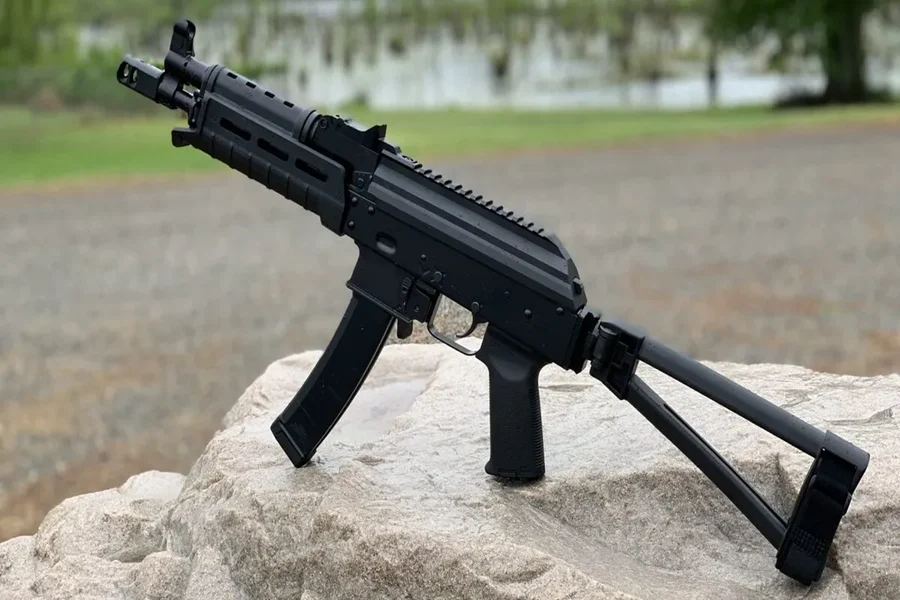
PSA AKV Review: Best 9mm AK?

The Road So Far The PSA AKV has carved a distinct niche in the firearms community as one of the most sought-after 9mm AK-style pistols. Manufactured by Palmetto State Armory (PSA), this firearm combines the reliability of an AK platform with the versatility of a pistol-caliber carbine (PCC). Its journey from an intriguing concept to…

Read more

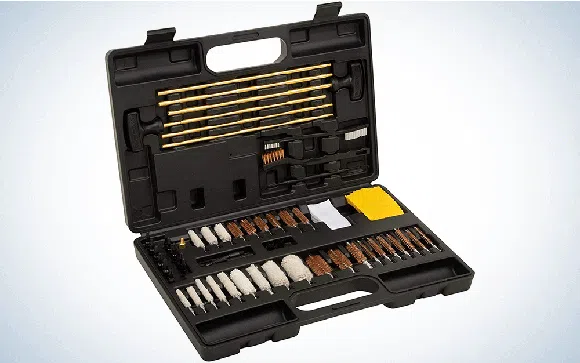
Best Gun Cleaning Kits [Hands-On Tested]

How We Tested the Best Gun Cleaning Kits When it comes to evaluating gun cleaning kits, a thorough, hands-on approach is essential to ensure unbiased and precise results. Our testing process was designed to mimic real-world scenarios and provide insight into how well these kits perform under various conditions. Below, we outline the methodology used…

Read more

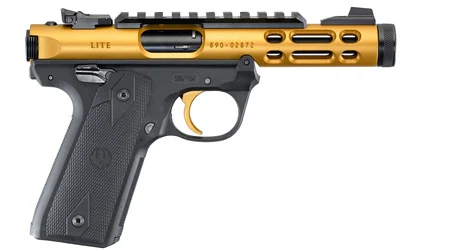
Ruger Mark IV 22/45 Review: Sheer Fun [Tested]

The Evolution of Fun The Ruger Mark IV 22/45 stands as a testament to decades of firearm innovation, blending timeless design with modern convenience. Known for its reliability and user-friendly nature, this pistol has earned a reputation as more than just a firearm – it’s a staple for enthusiasts seeking both performance and enjoyment. Understanding…

Read more
Welcome to Tenney Industries, in order to browse our site you must be at least 18 years of age.
Are you at least 18 years old?
No