Best Modern & Classic Cowboy Guns

Best Modern & Classic Cowboy Guns

Why You Should Trust Us

Expertise in Firearms History

  • Our writers and researchers specialize in Western firearms history, diving deep into the stories behind these legendary weapons.
  • We collaborate with experts in gunsmithing, historical reenactments, and firearm collectors to ensure every detail we share is accurate.

Hands-On Experience

  • The team has hands-on experience with many of the guns we write about. Whether it’s testing out a modern reproduction of a Winchester 1873 or firing an original Colt Single Action Army revolver, we’ve done it.
  • This firsthand knowledge allows us to provide practical insights about how these firearms function in real-world scenarios.

Commitment to Quality Research

We take pride in sourcing information from:
– Museum archives
– Historical records from manufacturers like Colt and Winchester
– First-hand accounts from cowboy-era documents

Each article undergoes thorough fact-checking to ensure accuracy.

Balanced Perspective: Classic vs. Modern Guns

One of our key strengths is offering a balanced view between historical significance and modern practicality:
– For classic cowboy guns, we emphasize craftsmanship, historical context, and their role in shaping American history.
– For modern options, we look at reliability for today’s shooting needs while honoring traditional designs.

Dedication to Transparency

We believe in giving you clear insights without bias or hype:
– We don’t prioritize one firearm over another without backing it up with facts.
– When discussing performance or build quality, our reviews are based on measurable testing criteria rather than subjective opinions.

What Sets Us Apart?

FeatureWhat It Means for You
Thorough Historical KnowledgeLearn details that bring these guns’ stories to life
Practical TestingGet insights into real-world performance
Evidence-Based WritingTrust content rooted in verified sources
Wide Range of PerspectivesUnderstand both old-school charm & contemporary value

By combining historical expertise with practical experience, our goal is simple: to provide trustworthy guidance so you can appreciate the timeless appeal of cowboy guns—whether you’re an avid collector or exploring your first purchase.

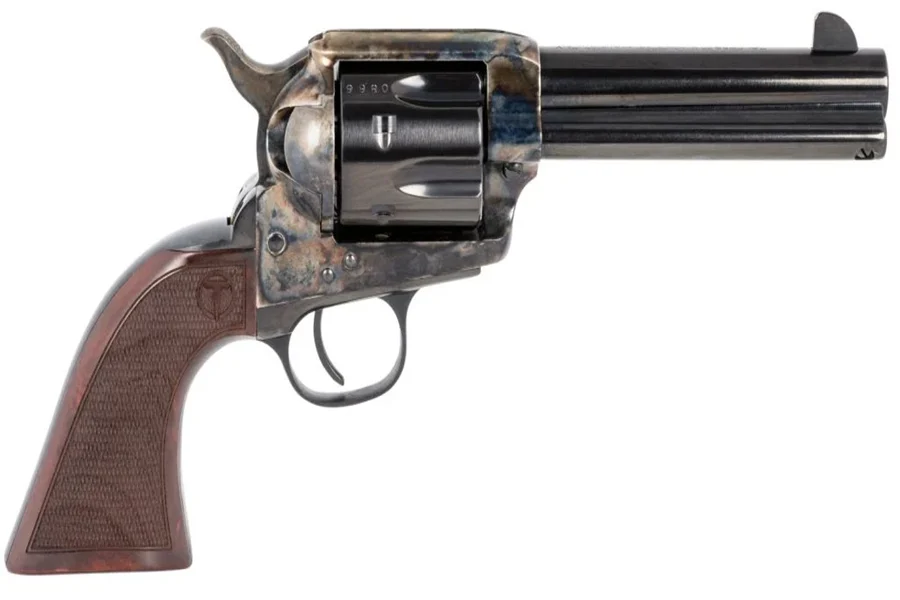
Colt Single Action Army

The Colt Single Action Army (SAA), also known as the “Peacemaker,” is one of the most iconic firearms in American history. A true testament to 19th-century firearm innovation, this revolver has earned its place as a symbol of the Old West, combining rugged reliability with timeless design. Here’s an in-depth look at the Colt SAA and why it remains a favorite among enthusiasts today.

History and Impact

Introduced in 1873, the Colt Single Action Army quickly became a standard-issue firearm for the U.S. military and was widely adopted by ranchers, lawmen, and outlaws alike. Its reputation grew thanks to its robust build, accuracy, and ease of use. The revolver’s simplicity made it ideal for both self-defense and daily use during an era when survival often depended on reliable equipment.

Notable historical figures like Wyatt Earp, Pat Garrett, and Buffalo Bill Cody were known to carry or use this revolver during their legendary careers.

Design Features

  • Caliber Options: Originally chambered in .45 Long Colt, later versions were offered in calibers such as .44-40 Winchester and others to meet varying needs.
  • Barrel Lengths: Available in multiple barrel lengths—4.75 inches (“gunfighter”), 5.5 inches (“artillery”), or 7.5 inches (“cavalry”)—to suit different purposes from holster carry to military use.
  • Single-Action Mechanism: Operates using a single-action trigger system that requires manually cocking the hammer before firing each shot. While slower than modern designs, this mechanism contributes to precision shooting.
  • Grip Material: Often built with walnut grips for durability and style; some higher-end models featured bone or ivory options for personalization.
FeatureDetail
Caliber.45 Long Colt (original), .44-40 & others later
Barrel Length4.75″, 5.5″, or 7.5″
ActionSingle-action
Frame MaterialSteel/nickel finishes

Why It’s Still Popular Today

  1. Cultural Legacy: Immortalized in Western films and TV shows over decades.
  2. Craftsmanship: Known for its smooth operation and aesthetic appeal.
  3. Customization Options: Owners can choose custom grips or engravings to enhance their revolvers.
  4. Heritage Appeal: Owning one feels like holding a piece of American history.

Practical Tips for Collectors

  • Verify authenticity if purchasing vintage models; reproductions exist but don’t hold the same historical value.
  • Choose caliber based on your intended use—original calibers like .45 Long Colt are ideal for authentic historical appeal while modern calibers may offer easier ammo availability.
  • Ensure regular maintenance since traditional single-action mechanisms can be sensitive to dirt buildup over time.

Modern Alternatives Inspired by the Peacemaker

For those who admire the legacy but prefer modern features such as improved safety mechanisms or double-action capability, several manufacturers produce contemporary versions inspired by the original Colt Single Action Army design.

Whether you’re a collector cherishing its history or a shooter appreciating its craftsmanship on the range today, there’s no denying that few guns have made as significant an impact on American culture as the legendary Peacemaker.

Colt Single Action Army

The Colt Single Action Army, also known as the “Peacemaker,” is one of the most iconic firearms in cowboy history. First introduced in 1873, this revolver is synonymous with the Old West and has earned its reputation as a versatile, reliable, and durable firearm. It has been a favorite among lawmen, outlaws, ranchers, and enthusiasts for over a century.

Historical Significance

  • Military Use: Originally adopted by the U.S. military for its officers and soldiers, the Colt Single Action Army quickly became a standard sidearm through much of the late 19th century.
  • Cultural Impact: This revolver often appeared in Western films and literature, cementing its legacy as a cultural icon.
  • Widespread Popularity: Due to its reliability and simple mechanics, it was widely used on the American frontier.

Design and Features

  • Caliber Options: The original Colt Single Action Army initially came in .45 caliber but has since been offered in other calibers such as .44-40 Winchester and .38 Special.
  • Barrel Lengths: Available in various barrel lengths—4.75 inches (standard), 5.5 inches (artillery model), and 7.5 inches (cavalry model)—to suit different user needs.
  • Single-Action Mechanism: This revolver operates with a single-action system, meaning that users must manually cock the hammer for each shot.
FeatureSpecification
Caliber.45 Long Colt (original), others available
Barrel Length4.75″, 5.5″, or 7.5″
CapacitySix rounds
Weight~2.3 lbs (varies by barrel length)

Practical Tips for Collectors & Enthusiasts

If you’re considering purchasing or maintaining a Colt Single Action Army today: – Reproductions vs. Originals: Authentic models can be costly due to their rarity; reputable reproductions from manufacturers like Uberti or Cimarron are more affordable alternatives. – Ammunition Choice: Stick to modern loads designed specifically for vintage firearms to avoid unnecessary wear or potential damage. – Maintenance: – Clean after every use to avoid fouling buildup from black powder or modern smokeless ammunition. – Store your revolver in a controlled environment to prevent rusting.

Why It’s Still Relevant Today

Though initially designed as a practical weapon for survival on the tough American frontier, the Colt Single Action Army continues to captivate firearm enthusiasts today due to its: 1. Timeless design and craftsmanship. 2. Historical value that makes it ideal for collectors. 3. Continued presence in cowboy action shooting competitions—a sport where participants use vintage-style firearms.

Whether you’re drawn by its historical significance or considering it for recreational shooting purposes, the Colt Single Action Army remains an unmatched symbol of America’s Wild West heritage while still being relevant in modern times when cared for properly.

The Coach Gun

The coach gun holds an iconic place in cowboy history, embodying both practicality and power. Known for its short barrel length and side-by-side double-barrel design, this shotgun was a staple for stagecoach guards, law enforcement, ranchers, and even outlaws during the 19th century. Its role in Old West lore makes it a standout among classic firearms.

Origins and Purpose

The term “coach gun” originates from its use by stagecoach guards to protect passengers and valuable cargo on treacherous routes. With its wide shot spread at close range, it was ideal for defending against ambushes. These guns were often loaded with buckshot or birdshot to maximize their effectiveness in tight quarters or during fast-moving situations.

Key features of coach guns include: – Short barrel length: Typically 18-24 inches for ease of handling. – Double-barrel design: Side-by-side barrels allow for quick follow-up shots. – Break-action mechanism: Simplifies reloading under pressure. – Durable construction: Built to withstand rugged conditions of frontier life.

Historical Use

The coach gun wasn’t just limited to stagecoaches; it found favor with ranchers who needed a reliable firearm to fend off predators threatening livestock. It was also popular among lawmen who valued its devastating close-range power when facing down armed criminals. Outlaws, too, appreciated its simplicity and compact size for use in ambushes or robberies.

Famous companies such as Remington, Greener, and later Stoeger manufactured these guns during their heyday. Many original models featured exposed hammers and external triggers, though later versions introduced internal mechanisms for improved safety.

Modern Variants

Today, the coach gun continues to enjoy popularity among shooters thanks to its nostalgic charm and practical utility. Though no longer used as a primary defensive firearm, modern reproductions are favored by Cowboy Action Shooting enthusiasts—a sport dedicated to recreating Old West scenarios with period-correct firearms.

Modern updates include the following: – Hammerless designs for improved safety. – Chokes added to enhance shot pattern control. – Lightweight materials such as aluminum or polymers (in some cases) without compromising durability.

Some modern manufacturers producing high-quality replicas include: | Manufacturer | Model | Key Features | |———————-|—————————|———————————–| | Stoeger | Coach Gun Supreme | Hammerless design & fiber-optic sights | | CZ-USA | Hammer Classic | Dual triggers & beautiful walnut stock | | Cimarron Firearms | 1878 Coach Gun | Authentic exposed-hammer design |

Practical Applications Today

While technology has advanced significantly since the era of stagecoaches, coach guns remain practical under certain conditions: – Home defense: Their ease of use and powerful stopping ability make them viable short-range defensive weapons. – Hunting small game: Buckshot can still be used effectively at shorter distances. – Reenactments/sports shooting: Perfect for recreating Western cowboy aesthetics or participating in Old West-style competitions.

For collectors or enthusiasts interested in adding historical flair to their collection—or just appreciating a simple yet effective firearm—the coach gun is a timeless choice that bridges history with modern practicality.

The Coach Gun

The coach gun is a staple in the world of cowboy firearms, offering unparalleled versatility and reliability. These double-barreled shotguns were famously used by stagecoach guards in the Old West to protect travelers and goods from bandits and hostile forces. Compact, robust, and easy to use, the coach gun became a practical choice for defense and close-quarters engagements. Its legacy continues today among firearm enthusiasts who appreciate its practicality and historical significance.

Key Features of the Coach Gun

The design of the coach gun is simple yet effective, making it a favorite for lawmen, outlaws, ranchers, and modern shooters alike. Here are some defining characteristics:
– Double Barrels: Typically side-by-side barrels for maximum stopping power.
– Short Barrel Length: Usually between 18–20 inches for improved maneuverability in tight spaces like coaches or confined areas.
– Break-Action Mechanism: Clean and reliable design that allows quick loading and unloading.
– Wide Caliber Range: Commonly chambered in 12-gauge or 20-gauge, but also available in smaller calibers for different needs.

Historical Context

During the late 19th century, stagecoach companies employed armed guards to ensure safe passage across treacherous routes. The term “riding shotgun” originates from this practice as guards commonly rode beside drivers with loaded coach guns ready at hand. Their effectiveness lay in their ability to deliver devastating firepower at close range — enough to deter most threats.

Outlaws such as Jesse James were known to fear these weapons due to their sheer stopping power when fired at short distances. Likewise, law enforcement relied on them heavily during shootouts or while defending towns from attacks.

Modern-Day Use

  1. Cowboy Action Shooting Competitions: The coach gun is widely used in this sport where participants shoot targets while dressed in Old West attire.
  2. Self-Defense: Its short barrel length makes it an excellent choice for home defense where space may be limited.
  3. Hunting: Particularly useful for bird hunting due to its wide spread pattern at shorter ranges.

Some modern manufacturers continue producing coach guns today with enhancements like interchangeable chokes or updated safety mechanisms while retaining the classic look and feel.

ModelBarrel LengthCaliber OptionsPrice Range
Stoeger Coach Gun20 inches12-gauge / 20-gauge$400–$600
Cimarron 187818 inches12-gauge$800–$1,200
CZ Hammer Classic20 inches12-gauge / .410$900–$1,400

Practical Tips for Ownership

  • Look for models with robust construction; quality steel barrels ensure longevity.
  • For self-defense purposes, prioritize versions with shorter barrels (closer to 18 inches) as they are easier to maneuver indoors.
  • Regular maintenance is necessary — clean after every use to prevent rust buildup on older models or replicas.
  • Ensure proper training if using it under pressure situations such as competitions or personal safety scenarios.

With its rich history tied deeply into the lore of the American frontier combined with modern innovations that keep it relevant today, the coach gun stands out as one of the most iconic cowboy firearms ever created. It’s not just an artifact of history but a functional firearm cherished by people across generations who value both tradition and practicality.

Colt Army and Navy Pistols

Colt’s Army and Navy pistols hold a significant place in both American military history and the world of classic cowboy firearms. These revolvers, which gained prominence in the mid-19th century, are widely celebrated for their reliability, craftsmanship, and historical importance. Whether you’re a firearm enthusiast, history buff, or collector, these iconic sidearms provide an intriguing glimpse into the evolution of revolver technology.

A Brief History of Colt Army and Navy Pistols

  • Colt Model 1847 Walker: Designed for use by the U.S. Mounted Rifles during the Mexican-American War, this massive six-shot revolver was one of the first successful collaborations between Samuel Colt and Captain Samuel Walker. It was powerful but heavy, often requiring two hands to shoot accurately.
  • Colt Model 1851 Navy: One of Colt’s most famous designs, this .36 caliber percussion revolver became widely used by both military personnel and civilians alike. Known for its streamlined design and ornate engraving (often depicting naval battle scenes), it remained popular throughout the mid-19th century.
  • Colt Model 1860 Army: Chambered in .44 caliber, this revolver was lighter than earlier models like the Walker but significantly more practical for military use during the Civil War. It quickly became a standard sidearm for Union troops due to its accuracy and power.

Why They’re Iconic

  • Military Utility: These pistols were standard issue during major conflicts such as the Mexican-American War (Walker), Civil War (1860 Army), and others in which reliable sidearms were crucial to soldier survival.
  • Cultural Significance: Beyond their military use, these weapons became synonymous with frontier life. Cowboys, lawmen, bandits—all gravitated to Colt’s offerings due to their dependability.
  • Craftsmanship: Samuel Colt’s focus on innovation led to refined designs that balanced power with usability.
ModelYear IntroducedCaliberNotable Users
Colt Walker1847.44U.S. Mounted Rifles
Colt 1851 Navy1850.36Texas Rangers
Colt 1860 Army1860.44Union Soldiers

Collecting & Owning Today

  • Originals vs Replicas: Genuine antique Colts from this era are rare and often fetch high prices at auctions or specialty dealers. However, many companies produce replicas that offer an affordable way to enjoy these designs without risking damage to valuable antiques.
  • Maintenance Tips:
    • If you own an original piece, ensure it is stored properly—preferably in a climate-controlled environment—to prevent rust or pitting on metal surfaces.
    • Regularly clean replicas after firing black powder rounds since residue can corrode components over time.

Modern Use

While primarily historical artifacts today, reproduction models have found new life among cowboy action shooters—enthusiasts who compete using firearms from America’s Old West era. Their timeless appeal ensures that even modern shooters can experience firing these legendary pistols at ranges or reenactments.

Modern Cowboy Loadout

The modern cowboy aesthetic is not just about style; it’s a blend of tradition and innovation, combining classic designs with the functionality of modern firearm technology. Whether you’re a rancher, a competitive shooter, or an enthusiast looking for reliable tools with historical roots, the modern cowboy loadout offers a mix of versatility and precision. Here’s what defines the modern cowboy loadout in terms of firearms, accessories, and practical considerations.

Essential Firearms for a Modern Cowboy

  • Ruger Vaquero: Ruggedly built with stainless steel construction for durability while maintaining a classic single-action design.
  • Heritage Rough Rider: A budget-friendly option featuring .22-caliber chambers for casual shooting or varmint control.
  • Henry Big Boy Series: Available in calibers like .44 Magnum and .45 Colt, offering smooth cycling action paired with an authentic Western feel.
  • Marlin 1895 SBL: Perfect for hunting larger game, this rifle features modern upgrades such as stainless steel components and Picatinny scope mounts.
  • Stoeger Coach Gun Supreme: A double-barrel shotgun reminiscent of old-school coach guns but equipped with modern chokes for improved versatility.
  • Mossberg Maverick Over/Under Shotgun: Great for handling quick targets or close-range encounters on the ranch.

Holsters and Ammo Belts

Carrying your firearm securely is essential for both safety and practicality. Today’s holsters often blend rugged leather constructions inspired by the Old West with more ergonomic designs suited to active use.

  • Leather holsters remain popular due to their durability and aesthetic appeal.
  • Nylon or Kydex options are available for those who prioritize lighter weight or weather resistance.
  • Ammo belts designed specifically for revolvers or lever-action rifles are ideal for keeping extra rounds accessible during long hours outdoors.

Modern Ammunition Considerations

CaliberCommon Use CasesNotes
.357 MagnumTarget shooting & small gameDual compatibility with some rifles
.30-30 WinchesterHunting medium gameClassic lever-action rifle round
12 GaugeHome defense & ranch workVersatile loads from birdshot to slugs

Accessories That Elevate Functionality

  1. Scopes & Sights: Many lever-action rifles now accommodate optics without detracting from their vintage appearance.
  2. Cleaning Kits: Essential for keeping firearms in working order after exposure to dust or debris on trails.
  3. Leather Scabbards: Perfectly suited to horse riders who need secure storage while traveling long distances.

Balancing Tradition with Innovation

The beauty of today’s cowboy loadout lies in its ability to honor tradition while embracing advancements that make firearms safer, easier to handle, and more precise than those of yesteryear. By combining classic looks with cutting-edge materials like stainless steel or polymer grips where appropriate, you create an ensemble that is functional yet steeped in history—a fitting tribute to both past and present generations of cowboys.
Why You Should Trust Us

Expertise in Firearms History

  • Our writers and researchers specialize in Western firearms history, diving deep into the stories behind these legendary weapons.
  • We collaborate with experts in gunsmithing, historical reenactments, and firearm collectors to ensure every detail we share is accurate.

Hands-On Experience

  • The team has hands-on experience with many of the guns we write about. Whether it’s testing out a modern reproduction of a Winchester 1873 or firing an original Colt Single Action Army revolver, we’ve done it.
  • This firsthand knowledge allows us to provide practical insights about how these firearms function in real-world scenarios.

Commitment to Quality Research

We take pride in sourcing information from:
– Museum archives
– Historical records from manufacturers like Colt and Winchester
– First-hand accounts from cowboy-era documents

Each article undergoes thorough fact-checking to ensure accuracy.

Balanced Perspective: Classic vs. Modern Guns

One of our key strengths is offering a balanced view between historical significance and modern practicality:
– For classic cowboy guns, we emphasize craftsmanship, historical context, and their role in shaping American history.
– For modern options, we look at reliability for today’s shooting needs while honoring traditional designs.

Dedication to Transparency

We believe in giving you clear insights without bias or hype:
– We don’t prioritize one firearm over another without backing it up with facts.
– When discussing performance or build quality, our reviews are based on measurable testing criteria rather than subjective opinions.

What Sets Us Apart?

FeatureWhat It Means for You
Thorough Historical KnowledgeLearn details that bring these guns’ stories to life
Practical TestingGet insights into real-world performance
Evidence-Based WritingTrust content rooted in verified sources
Wide Range of PerspectivesUnderstand both old-school charm & contemporary value

By combining historical expertise with practical experience, our goal is simple: to provide trustworthy guidance so you can appreciate the timeless appeal of cowboy guns—whether you’re an avid collector or exploring your first purchase.

Colt Single Action Army

The Colt Single Action Army (SAA), also known as the “Peacemaker,” is one of the most iconic firearms in American history. A true testament to 19th-century firearm innovation, this revolver has earned its place as a symbol of the Old West, combining rugged reliability with timeless design. Here’s an in-depth look at the Colt SAA and why it remains a favorite among enthusiasts today.

History and Impact

Introduced in 1873, the Colt Single Action Army quickly became a standard-issue firearm for the U.S. military and was widely adopted by ranchers, lawmen, and outlaws alike. Its reputation grew thanks to its robust build, accuracy, and ease of use. The revolver’s simplicity made it ideal for both self-defense and daily use during an era when survival often depended on reliable equipment.

Notable historical figures like Wyatt Earp, Pat Garrett, and Buffalo Bill Cody were known to carry or use this revolver during their legendary careers.

Design Features

  • Caliber Options: Originally chambered in .45 Long Colt, later versions were offered in calibers such as .44-40 Winchester and others to meet varying needs.
  • Barrel Lengths: Available in multiple barrel lengths—4.75 inches (“gunfighter”), 5.5 inches (“artillery”), or 7.5 inches (“cavalry”)—to suit different purposes from holster carry to military use.
  • Single-Action Mechanism: Operates using a single-action trigger system that requires manually cocking the hammer before firing each shot. While slower than modern designs, this mechanism contributes to precision shooting.
  • Grip Material: Often built with walnut grips for durability and style; some higher-end models featured bone or ivory options for personalization.
FeatureDetail
Caliber.45 Long Colt (original), .44-40 & others later
Barrel Length4.75″, 5.5″, or 7.5″
ActionSingle-action
Frame MaterialSteel/nickel finishes

Why It’s Still Popular Today

  1. Cultural Legacy: Immortalized in Western films and TV shows over decades.
  2. Craftsmanship: Known for its smooth operation and aesthetic appeal.
  3. Customization Options: Owners can choose custom grips or engravings to enhance their revolvers.
  4. Heritage Appeal: Owning one feels like holding a piece of American history.

Practical Tips for Collectors

  • Verify authenticity if purchasing vintage models; reproductions exist but don’t hold the same historical value.
  • Choose caliber based on your intended use—original calibers like .45 Long Colt are ideal for authentic historical appeal while modern calibers may offer easier ammo availability.
  • Ensure regular maintenance since traditional single-action mechanisms can be sensitive to dirt buildup over time.

Modern Alternatives Inspired by the Peacemaker

For those who admire the legacy but prefer modern features such as improved safety mechanisms or double-action capability, several manufacturers produce contemporary versions inspired by the original Colt Single Action Army design.

Whether you’re a collector cherishing its history or a shooter appreciating its craftsmanship on the range today, there’s no denying that few guns have made as significant an impact on American culture as the legendary Peacemaker.

Colt Single Action Army

The Colt Single Action Army, also known as the “Peacemaker,” is one of the most iconic firearms in cowboy history. First introduced in 1873, this revolver is synonymous with the Old West and has earned its reputation as a versatile, reliable, and durable firearm. It has been a favorite among lawmen, outlaws, ranchers, and enthusiasts for over a century.

Historical Significance

  • Military Use: Originally adopted by the U.S. military for its officers and soldiers, the Colt Single Action Army quickly became a standard sidearm through much of the late 19th century.
  • Cultural Impact: This revolver often appeared in Western films and literature, cementing its legacy as a cultural icon.
  • Widespread Popularity: Due to its reliability and simple mechanics, it was widely used on the American frontier.

Design and Features

  • Caliber Options: The original Colt Single Action Army initially came in .45 caliber but has since been offered in other calibers such as .44-40 Winchester and .38 Special.
  • Barrel Lengths: Available in various barrel lengths—4.75 inches (standard), 5.5 inches (artillery model), and 7.5 inches (cavalry model)—to suit different user needs.
  • Single-Action Mechanism: This revolver operates with a single-action system, meaning that users must manually cock the hammer for each shot.
FeatureSpecification
Caliber.45 Long Colt (original), others available
Barrel Length4.75″, 5.5″, or 7.5″
CapacitySix rounds
Weight~2.3 lbs (varies by barrel length)

Practical Tips for Collectors & Enthusiasts

If you’re considering purchasing or maintaining a Colt Single Action Army today: – Reproductions vs. Originals: Authentic models can be costly due to their rarity; reputable reproductions from manufacturers like Uberti or Cimarron are more affordable alternatives. – Ammunition Choice: Stick to modern loads designed specifically for vintage firearms to avoid unnecessary wear or potential damage. – Maintenance: – Clean after every use to avoid fouling buildup from black powder or modern smokeless ammunition. – Store your revolver in a controlled environment to prevent rusting.

Why It’s Still Relevant Today

Though initially designed as a practical weapon for survival on the tough American frontier, the Colt Single Action Army continues to captivate firearm enthusiasts today due to its: 1. Timeless design and craftsmanship. 2. Historical value that makes it ideal for collectors. 3. Continued presence in cowboy action shooting competitions—a sport where participants use vintage-style firearms.

Whether you’re drawn by its historical significance or considering it for recreational shooting purposes, the Colt Single Action Army remains an unmatched symbol of America’s Wild West heritage while still being relevant in modern times when cared for properly.

The Coach Gun

The coach gun holds an iconic place in cowboy history, embodying both practicality and power. Known for its short barrel length and side-by-side double-barrel design, this shotgun was a staple for stagecoach guards, law enforcement, ranchers, and even outlaws during the 19th century. Its role in Old West lore makes it a standout among classic firearms.

Origins and Purpose

The term “coach gun” originates from its use by stagecoach guards to protect passengers and valuable cargo on treacherous routes. With its wide shot spread at close range, it was ideal for defending against ambushes. These guns were often loaded with buckshot or birdshot to maximize their effectiveness in tight quarters or during fast-moving situations.

Key features of coach guns include: – Short barrel length: Typically 18-24 inches for ease of handling. – Double-barrel design: Side-by-side barrels allow for quick follow-up shots. – Break-action mechanism: Simplifies reloading under pressure. – Durable construction: Built to withstand rugged conditions of frontier life.

Historical Use

The coach gun wasn’t just limited to stagecoaches; it found favor with ranchers who needed a reliable firearm to fend off predators threatening livestock. It was also popular among lawmen who valued its devastating close-range power when facing down armed criminals. Outlaws, too, appreciated its simplicity and compact size for use in ambushes or robberies.

Famous companies such as Remington, Greener, and later Stoeger manufactured these guns during their heyday. Many original models featured exposed hammers and external triggers, though later versions introduced internal mechanisms for improved safety.

Modern Variants

Today, the coach gun continues to enjoy popularity among shooters thanks to its nostalgic charm and practical utility. Though no longer used as a primary defensive firearm, modern reproductions are favored by Cowboy Action Shooting enthusiasts—a sport dedicated to recreating Old West scenarios with period-correct firearms.

Modern updates include the following: – Hammerless designs for improved safety. – Chokes added to enhance shot pattern control. – Lightweight materials such as aluminum or polymers (in some cases) without compromising durability.

Some modern manufacturers producing high-quality replicas include: | Manufacturer | Model | Key Features | |———————-|—————————|———————————–| | Stoeger | Coach Gun Supreme | Hammerless design & fiber-optic sights | | CZ-USA | Hammer Classic | Dual triggers & beautiful walnut stock | | Cimarron Firearms | 1878 Coach Gun | Authentic exposed-hammer design |

Practical Applications Today

While technology has advanced significantly since the era of stagecoaches, coach guns remain practical under certain conditions: – Home defense: Their ease of use and powerful stopping ability make them viable short-range defensive weapons. – Hunting small game: Buckshot can still be used effectively at shorter distances. – Reenactments/sports shooting: Perfect for recreating Western cowboy aesthetics or participating in Old West-style competitions.

For collectors or enthusiasts interested in adding historical flair to their collection—or just appreciating a simple yet effective firearm—the coach gun is a timeless choice that bridges history with modern practicality.

The Coach Gun

The coach gun is a staple in the world of cowboy firearms, offering unparalleled versatility and reliability. These double-barreled shotguns were famously used by stagecoach guards in the Old West to protect travelers and goods from bandits and hostile forces. Compact, robust, and easy to use, the coach gun became a practical choice for defense and close-quarters engagements. Its legacy continues today among firearm enthusiasts who appreciate its practicality and historical significance.

Key Features of the Coach Gun

The design of the coach gun is simple yet effective, making it a favorite for lawmen, outlaws, ranchers, and modern shooters alike. Here are some defining characteristics:
– Double Barrels: Typically side-by-side barrels for maximum stopping power.
– Short Barrel Length: Usually between 18–20 inches for improved maneuverability in tight spaces like coaches or confined areas.
– Break-Action Mechanism: Clean and reliable design that allows quick loading and unloading.
– Wide Caliber Range: Commonly chambered in 12-gauge or 20-gauge, but also available in smaller calibers for different needs.

Historical Context

During the late 19th century, stagecoach companies employed armed guards to ensure safe passage across treacherous routes. The term “riding shotgun” originates from this practice as guards commonly rode beside drivers with loaded coach guns ready at hand. Their effectiveness lay in their ability to deliver devastating firepower at close range — enough to deter most threats.

Outlaws such as Jesse James were known to fear these weapons due to their sheer stopping power when fired at short distances. Likewise, law enforcement relied on them heavily during shootouts or while defending towns from attacks.

Modern-Day Use

  1. Cowboy Action Shooting Competitions: The coach gun is widely used in this sport where participants shoot targets while dressed in Old West attire.
  2. Self-Defense: Its short barrel length makes it an excellent choice for home defense where space may be limited.
  3. Hunting: Particularly useful for bird hunting due to its wide spread pattern at shorter ranges.

Some modern manufacturers continue producing coach guns today with enhancements like interchangeable chokes or updated safety mechanisms while retaining the classic look and feel.

ModelBarrel LengthCaliber OptionsPrice Range
Stoeger Coach Gun20 inches12-gauge / 20-gauge$400–$600
Cimarron 187818 inches12-gauge$800–$1,200
CZ Hammer Classic20 inches12-gauge / .410$900–$1,400

Practical Tips for Ownership

  • Look for models with robust construction; quality steel barrels ensure longevity.
  • For self-defense purposes, prioritize versions with shorter barrels (closer to 18 inches) as they are easier to maneuver indoors.
  • Regular maintenance is necessary — clean after every use to prevent rust buildup on older models or replicas.
  • Ensure proper training if using it under pressure situations such as competitions or personal safety scenarios.

With its rich history tied deeply into the lore of the American frontier combined with modern innovations that keep it relevant today, the coach gun stands out as one of the most iconic cowboy firearms ever created. It’s not just an artifact of history but a functional firearm cherished by people across generations who value both tradition and practicality.

Colt Army and Navy Pistols

Colt’s Army and Navy pistols hold a significant place in both American military history and the world of classic cowboy firearms. These revolvers, which gained prominence in the mid-19th century, are widely celebrated for their reliability, craftsmanship, and historical importance. Whether you’re a firearm enthusiast, history buff, or collector, these iconic sidearms provide an intriguing glimpse into the evolution of revolver technology.

A Brief History of Colt Army and Navy Pistols

  • Colt Model 1847 Walker: Designed for use by the U.S. Mounted Rifles during the Mexican-American War, this massive six-shot revolver was one of the first successful collaborations between Samuel Colt and Captain Samuel Walker. It was powerful but heavy, often requiring two hands to shoot accurately.
  • Colt Model 1851 Navy: One of Colt’s most famous designs, this .36 caliber percussion revolver became widely used by both military personnel and civilians alike. Known for its streamlined design and ornate engraving (often depicting naval battle scenes), it remained popular throughout the mid-19th century.
  • Colt Model 1860 Army: Chambered in .44 caliber, this revolver was lighter than earlier models like the Walker but significantly more practical for military use during the Civil War. It quickly became a standard sidearm for Union troops due to its accuracy and power.

Why They’re Iconic

  • Military Utility: These pistols were standard issue during major conflicts such as the Mexican-American War (Walker), Civil War (1860 Army), and others in which reliable sidearms were crucial to soldier survival.
  • Cultural Significance: Beyond their military use, these weapons became synonymous with frontier life. Cowboys, lawmen, bandits—all gravitated to Colt’s offerings due to their dependability.
  • Craftsmanship: Samuel Colt’s focus on innovation led to refined designs that balanced power with usability.
ModelYear IntroducedCaliberNotable Users
Colt Walker1847.44U.S. Mounted Rifles
Colt 1851 Navy1850.36Texas Rangers
Colt 1860 Army1860.44Union Soldiers

Collecting & Owning Today

  • Originals vs Replicas: Genuine antique Colts from this era are rare and often fetch high prices at auctions or specialty dealers. However, many companies produce replicas that offer an affordable way to enjoy these designs without risking damage to valuable antiques.
  • Maintenance Tips:
    • If you own an original piece, ensure it is stored properly—preferably in a climate-controlled environment—to prevent rust or pitting on metal surfaces.
    • Regularly clean replicas after firing black powder rounds since residue can corrode components over time.

Modern Use

While primarily historical artifacts today, reproduction models have found new life among cowboy action shooters—enthusiasts who compete using firearms from America’s Old West era. Their timeless appeal ensures that even modern shooters can experience firing these legendary pistols at ranges or reenactments.

Modern Cowboy Loadout

The modern cowboy aesthetic is not just about style; it’s a blend of tradition and innovation, combining classic designs with the functionality of modern firearm technology. Whether you’re a rancher, a competitive shooter, or an enthusiast looking for reliable tools with historical roots, the modern cowboy loadout offers a mix of versatility and precision. Here’s what defines the modern cowboy loadout in terms of firearms, accessories, and practical considerations.

Essential Firearms for a Modern Cowboy

  • Ruger Vaquero: Ruggedly built with stainless steel construction for durability while maintaining a classic single-action design.
  • Heritage Rough Rider: A budget-friendly option featuring .22-caliber chambers for casual shooting or varmint control.
  • Henry Big Boy Series: Available in calibers like .44 Magnum and .45 Colt, offering smooth cycling action paired with an authentic Western feel.
  • Marlin 1895 SBL: Perfect for hunting larger game, this rifle features modern upgrades such as stainless steel components and Picatinny scope mounts.
  • Stoeger Coach Gun Supreme: A double-barrel shotgun reminiscent of old-school coach guns but equipped with modern chokes for improved versatility.
  • Mossberg Maverick Over/Under Shotgun: Great for handling quick targets or close-range encounters on the ranch.

Holsters and Ammo Belts

Carrying your firearm securely is essential for both safety and practicality. Today’s holsters often blend rugged leather constructions inspired by the Old West with more ergonomic designs suited to active use.

  • Leather holsters remain popular due to their durability and aesthetic appeal.
  • Nylon or Kydex options are available for those who prioritize lighter weight or weather resistance.
  • Ammo belts designed specifically for revolvers or lever-action rifles are ideal for keeping extra rounds accessible during long hours outdoors.

Modern Ammunition Considerations

CaliberCommon Use CasesNotes
.357 MagnumTarget shooting & small gameDual compatibility with some rifles
.30-30 WinchesterHunting medium gameClassic lever-action rifle round
12 GaugeHome defense & ranch workVersatile loads from birdshot to slugs

Accessories That Elevate Functionality

  1. Scopes & Sights: Many lever-action rifles now accommodate optics without detracting from their vintage appearance.
  2. Cleaning Kits: Essential for keeping firearms in working order after exposure to dust or debris on trails.
  3. Leather Scabbards: Perfectly suited to horse riders who need secure storage while traveling long distances.

Balancing Tradition with Innovation

The beauty of today’s cowboy loadout lies in its ability to honor tradition while embracing advancements that make firearms safer, easier to handle, and more precise than those of yesteryear. By combining classic looks with cutting-edge materials like stainless steel or polymer grips where appropriate, you create an ensemble that is functional yet steeped in history—a fitting tribute to both past and present generations of cowboys.
Related Post

If you liked this post we are sure you will like the following ones.

Best Tactical Helmets: Bump & Ballistic

Tactical Helmet Comparison Chart To simplify the process of selecting the best tactical helmet, we’ve compiled a comparison chart that breaks down key factors like weight, features, protection level, and price. Whether you’re looking for a lightweight bump helmet or full ballistic protection, this chart provides an at-a-glance view to help you make an informed…

Read more

PSA AKV Review: Best 9mm AK?

The Road So Far The PSA AKV has carved a distinct niche in the firearms community as one of the most sought-after 9mm AK-style pistols. Manufactured by Palmetto State Armory (PSA), this firearm combines the reliability of an AK platform with the versatility of a pistol-caliber carbine (PCC). Its journey from an intriguing concept to…

Read more

Best Gun Cleaning Kits [Hands-On Tested]

How We Tested the Best Gun Cleaning Kits When it comes to evaluating gun cleaning kits, a thorough, hands-on approach is essential to ensure unbiased and precise results. Our testing process was designed to mimic real-world scenarios and provide insight into how well these kits perform under various conditions. Below, we outline the methodology used…

Read more
Welcome to Tenney Industries, in order to browse our site you must be at least 18 years of age.
Are you at least 18 years old?
No