What Are Military Surplus Rifles?
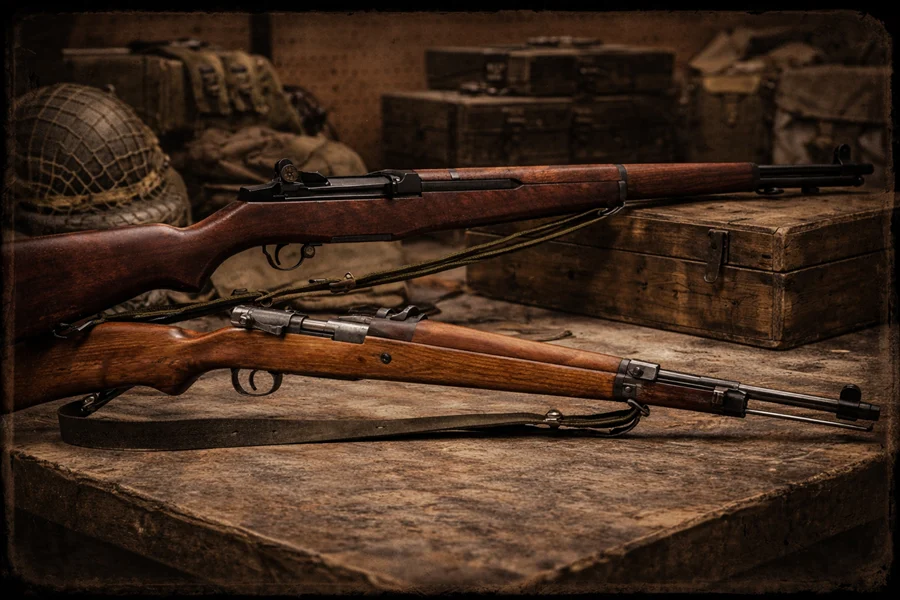
Military surplus rifles are firearms that were once used by armed forces but have since been retired from active service. These rifles often find their way into civilian markets, where they gain popularity among collectors, shooting enthusiasts, and history buffs due to their durability, historical significance, and unique craftsmanship.
Characteristics of Military Surplus Rifles:
- Military-Grade Quality: Built to withstand rugged conditions, these rifles are typically constructed with high-quality materials and rigorous military specifications.
- Historical Context: Many surplus firearms carry a storied past, having been used in wars or significant military operations.
- Proven Longevity: Since these weapons were designed for sustained use in combat scenarios, they tend to remain functional even decades after their initial production.
- Standardized Ammunition: Most surplus rifles are chambered for widely available cartridges like 7.62x54mmR, .30-06 Springfield, or 8mm Mauser.
Categories of Military Surplus Rifles:
- Examples include the Russian Mosin-Nagant or the German Karabiner 98k (K98). These models emphasize durability and accuracy.
- Known for simpler mechanisms that offer reliability in harsh conditions.
- Examples include the iconic M1 Garand or the SKS.
- Faster rate of fire compared to bolt-action counterparts while retaining robust build quality.
- Less common but still present in certain niches of surplus offerings.
Why Own a Surplus Rifle?
If you’re considering purchasing a military surplus rifle, there are several factors that make them appealing:
– Affordable Access to History: While antique arms can be prohibitively expensive, surplus rifles often provide an affordable way to own a piece of history.
– Collector Value: Many models appreciate over time due to rarity and increasing interest from enthusiasts worldwide. – Versatility for Modern Use: Despite their age, many surplus rifles remain practical tools for hunting or recreational shooting.
| Feature | Description |
| Durability | Made with rugged materials suitable for combat scenarios |
| Ammo Availability | Often uses standard calibers still widely produced today |
| Historic Value | Each firearm tells a unique story tied to specific wars or military eras |
Military surplus rifles cater not only to those fascinated by history but also to shooters looking for cost-effective yet reliable firearms. When properly maintained and paired with appropriate ammunition, these firearms can continue performing admirably generations after their service life in the military has ended.
Why Collectors Love Surplus Firearms
1. Historical and Cultural Significance
- Windows Into the Past: Each military surplus rifle is a time capsule. For example, an M1 Garand can evoke memories of World War II campaigns, while a Mosin-Nagant whispers tales from the Eastern Front during both World Wars.
- National Heritage: Surplus rifles often represent the military history of specific nations. Whether it’s Germany’s Mauser K98k or Britain’s Lee-Enfield series, these firearms reflect their country’s engineering prowess and design philosophy.
2. Craftsmanship and Durability
- High Standards for Military Use: Military-grade weapons were built to last. These rifles were engineered to survive harsh battlefield conditions—mud, sand, extreme temperatures—and still function reliably.
- Quality Materials: Many surplus rifles use high-quality wood stocks (such as walnut) and robust steel components that are difficult to replicate in modern mass-produced firearms.
3. Affordability and Accessibility
- Cost-Efficiency: Military surplus firearms have historically been available at affordable price points compared to newer commercial models. While availability shifts over time due to supply-demand dynamics (e.g., as global stockpiles diminish), many collectors see them as cost-effective alternatives for shooting or collecting.
- Variety of Choices: From bolt-action classics like the Swiss K31 to semi-auto designs like the SKS carbine, the diversity in military surplus allows individuals with various preferences and budgets to find something suitable.
4. Connection With History Through Ownership
Owning a piece of military history provides an almost tangible link with soldiers who carried these weapons in battle or basic training decades ago: – For example: | Rifle | Known Use | Era | |———————|—————————————-|———————-| | Mosin-Nagant M91/30| Russian infantry during WWI & WWII | Early-Mid 20th Century| | Mauser K98k | Standard German rifle in WWII | Mid-20th Century | | Springfield M1903 | U.S. Army in WWI & early WWII | Early-Mid 20th Century|
5. Investment Value
While initially bought for their functionality or historical allure, certain military surplus rifles have become investments over time: – Rarity boosts value—certain variants or limited-production models (e.g., Finnish Mosins) tend to appreciate faster due to collector demand. – Rifles tied directly to significant historical events or units often fetch higher prices.
Final Thoughts on Collector Appeal
Collectors love military surplus rifles because they combine history, engineering excellence, practicality, and emotional resonance into one package. Whether displayed on a wall for posterity or taken out for range days as functional pieces of art, these firearms offer something deeply personal that transcends mere ownership or use.
Best Surplus Rifles Still Available Today
Military surplus rifles offer a unique blend of affordability, history, and utility, making them a popular choice for both collectors and firearms enthusiasts. While trends in availability fluctuate due to market demand and import restrictions, there are still excellent surplus rifles you can purchase today. This section explores some of the best options currently available, highlighting their features and appeal.
1. Mosin-Nagant (Russia)
The Mosin-Nagant is one of the most iconic military surplus rifles ever produced. With over 37 million units manufactured between the late 19th century and mid-20th century, it remains widely available on the surplus market.
- Caliber: 7.62x54mmR
- Features: Bolt-action design, rugged construction, reliable in extreme conditions.
- Why It’s Popular: Affordable price point and historical significance as a standard rifle for Russian soldiers during World War II and beyond.
While once plentiful at under $100 per rifle, prices today range from $300–$500 depending on condition and version (e.g., standard infantry models or sniper variants).
2. Mauser K98k (Germany)
The Mauser K98k is a legendary bolt-action rifle used extensively by German forces during World War II. Known for its precision engineering and durability, this rifle has become highly sought-after by collectors.
- Caliber: 7.92×57mm Mauser
- Features: Smooth-action bolt system, walnut stock, exceptional craftsmanship.
- Why It’s Popular: Historical significance as one of the finest military bolt-action rifles ever made; also valued for shooting accuracy.
Due to its desirability among collectors, prices for K98ks vary greatly depending on markings (e.g., Waffenamt stamps) and overall condition but generally start around $800+.
3. Springfield M1903 (USA)
Originally developed for use in World War I, the Springfield M1903 remained in service through World War II due to its reliability and accuracy.
- Caliber: .30-06 Springfield
- Features: Bolt-action mechanism with excellent long-range performance; known for precise machining standards.
- Why It’s Popular: A quintessential piece of American military history that still performs exceptionally well at the range or as part of a collection.
Prices typically range from $1,000–$2,000 depending on model variations such as the M1903A3 or M1903A4 sniper variant.
4. Lee-Enfield No. 4 Mk I (UK)
The Lee-Enfield series served British forces across two world wars and several other major conflicts throughout the 20th century.
- Caliber: .303 British
- Features: Fast-cycling bolt action with a detachable box magazine holding up to 10 rounds—unusual for its era.
- Why It’s Popular: Renowned for its rapid-fire capability (“mad minute”) while maintaining good accuracy; deeply tied to British military heritage.
Surplus examples often sell between $400–$700 but can fetch higher prices if matching serial numbers are intact or if they come with original bayonets/accessories.
Table Comparison of Popular Surplus Rifles
| Rifle | Country | Caliber | Price Range | Key Feature |
| Mosin-Nagant | Russia | 7.62x54mmR | $300–$500 | Affordability & ruggedness |
| Mauser K98k | Germany | 7.92×57mm Mauser | $800+ | Craftsmanship & precision |
| Springfield M1903 | USA | .30-06 Springfield | $1,000–$2,000 | Iconic American design |
| Lee-Enfield No.4 Mk I | UK | .303 British | $400–$700 | Rapid cycling (“mad minute”) |
Factors Influencing Availability Today
- Import Restrictions: Changes in import laws have significantly reduced shipments of certain firearms into countries like the U.S.
- Collector Demand: High collector interest has driven up prices for rare models.
- Condition: Military rifles often show heavy wear from service use; finding well-preserved examples can be challenging. 4.Production Numbers: Some models were mass-produced (like Mosin-Nagants), making them more accessible compared to rare variants such as specialized sniper editions.
By understanding these factors alongside each rifle’s unique characteristics, buyers can make informed decisions when adding historic firearms to their collection or arsenal.
Price and Availability Trends
Factors Impacting Price
- Historical Value: Rifles with significant historical importance (e.g., those used in major wars or by prominent nations) typically command higher prices. For example, a pristine German Karabiner 98k from World War II will be significantly more expensive than a standard Mosin-Nagant.
- Condition: Firearms in excellent condition with matching serial numbers are priced higher than rifles that show heavy wear or have mismatched parts.
- Rarity: Limited production models or rifles from smaller nations result in scarcity, driving up prices.
- Modifications: Original versions tend to be more valuable than those modified for civilian use (e.g., sporterized stocks or altered sights).
- Market Trends: Fluctuations in the gun collector market also affect pricing. Highly desirable models may see sudden spikes in demand due to increased public interest.
| Rifle Model | Average Price (Low Condition) | Average Price (Excellent Condition) |
| Mosin-Nagant M91/30 | $250-$400 | $700-$1,200 |
| Mauser K98k | $600-$1,000 | $2,000+ |
| Swiss K31 | $500-$750 | $1,000+ |
| SKS | $400-$600 | $800+ |
Availability Trends
The availability of surplus rifles is largely dictated by geopolitical factors as well as changes in import regulations.
- Import Restrictions: In recent years, stricter import laws have limited the flow of surplus firearms into certain countries. For example, U.S.-based collectors face restrictions on Russian firearms due to sanctions.
- Global Surplus Stockpiles Depleting: Many military forces moved away from bolt-action rifles decades ago, meaning there’s a finite supply currently circulating. Over time, fewer models reach the market.
- Shifts Toward Online Markets: Many collectors now rely on online platforms like GunBroker or Armslist to find rare surplus firearms. This shift has increased competition but also made it easier to locate specific models.
Tips for Navigating Price and Availability
To get the best value when purchasing a surplus rifle: 1. Research Pricing Trends: Use online marketplaces and auction results to compare average prices for specific rifle models. 2. Buy Early When Possible: Prices tend to increase over time as supplies dwindle. 3. Consider Local Gun Shows: These events sometimes feature lower-priced options compared to online platforms. 4. Inspect Firearms Thoroughly Before Buying: Look out for signs of rusting or heavy modification that may depreciate value over time.
By staying informed on these trends and actively monitoring the market, enthusiasts can optimize both their purchasing decisions and long-term investments while building a meaningful collection of surplus rifles.
Shooting Performance and Reliability
When considering military surplus rifles, shooting performance and reliability are crucial factors that set these historical firearms apart. Many of these rifles were designed for rugged use in harsh environments, making them highly durable and dependable even after decades of service. Below, we’ll explore what makes surplus rifles functional on the field or at the range while highlighting key aspects to evaluate when considering one for shooting performance.
Designed for Battlefield Conditions
Military surplus rifles were originally built to meet the demanding needs of soldiers in combat. As such, they share several characteristics that contribute to their exceptional reliability: – Robust Materials: Most military rifles employ high-quality steel and durable wood stocks, enabling them to withstand extreme weather conditions and heavy use. – Simple Mechanisms: These firearms often feature non-complex designs with fewer moving parts, reducing the chances of mechanical failure. Bolt-action rifles like the Mosin-Nagant or Mauser K98 are prime examples. – Looser Tolerances: Many military surplus guns have slightly looser tolerances than their civilian counterparts, allowing them to function reliably even when dirty or exposed to debris.
Caliber Versatility and Ammo Availability
One aspect of shooting performance is ammunition compatibility. Surplus rifles typically chamber widely available cartridges as they were mass-produced for wartime logistics. For example: – 1.1x1R: Found in Mosin-Nagant variants, this cartridge remains popular due to its affordability. – 8mm Mauser (7.92×57mm): Used in German Mauser designs like the K98k. – .30-06 Springfield: Common in American military firearms like the M1 Garand.
Shooters should also consider whether modern ammunition is safe for older firearms. Checking pressure ratings can ensure safety without compromising reliability during use.
Accuracy Expectations
While military surplus rifles are reliable workhorses, most were not designed with precision shooting as their primary purpose. However: – Rifles such as the Swiss K31 are renowned for exceptional accuracy due to high manufacturing standards. – Others, like the Lee-Enfield No. 4 Mk I, balance acceptable accuracy with a fast-action bolt mechanism.
Factors affecting accuracy may include barrel condition (look out for corrosion or pitting) and whether the rifle has been sporterized (altered post-service).
Maintenance: Key to Long-Term Reliability
Maintaining a surplus rifle is critical for preserving both its reliability and shooting performance: 1. Clean Thoroughly After Each Use: Many surplus rifles were used with corrosive ammunition; cleaning promptly prevents rust or damage. 2. Inspect Regularly: Check key components like firing pins, extractors, and bolts for wear or breakage. 3. Replace Worn Parts When Necessary: Reliable aftermarket parts are readily available for popular models like Mosin-Nagants or SKS carbines. 4. Protect Wooden Stocks: Maintain wooden components by oiling them periodically or repairing cracks before they worsen.
Comparison Table: Notable Surplus Rifles on Performance & Reliability
| Rifle Model | Strengths | Weaknesses |
| Mosin-Nagant M91/30 | Affordable; tough design | Heavy trigger pull; basic sights |
| Swiss K31 | Extremely accurate; smooth action | Expensive ammo |
| SKS | Semi-auto functionality; durable stock | Limited scope mounting options |
| Mauser K98 | Strong action; powerful caliber | Heavier recoil |
Military surplus rifles excel in shooting performance and reliability because they were engineered specifically for real-world challenges on battlefields around the globe. Their ability to endure wear-and-tear while maintaining dependable operation ensures that enthusiasts can still enjoy these weapons today—whether at a range session or as part of a personal collection dedicated to historical value intertwined with functionality.
Historical Significance of Each Rifle
Military surplus rifles are not just historical artifacts; they are tangible links to pivotal moments in the past. Each surplus rifle carries a story, often tied to significant global conflicts, military innovations, and the evolution of firearms technology. Here’s a closer look at the historical significance of some widely recognized military surplus rifles, emphasizing their role in shaping history.
Mauser Kar98k
- Era & Origin: Produced in Germany during World War II.
- Historical Importance: The Kar98k was the standard infantry rifle of the Wehrmacht and saw extensive use throughout WWII. Its design influenced countless bolt-action rifles that followed.
- Notable Features: Known for its accuracy and durability, this rifle became synonymous with German engineering excellence.
- Legacy: Post-war, many countries adopted or modified Mauser designs for their own military forces.
Mosin-Nagant M91/30
- Era & Origin: Developed by Imperial Russia in 1891, widely used by the Soviet Union during both World Wars.
- Historical Importance: This rifle played a crucial role on the Eastern Front during WWII. It was a cornerstone of Soviet infantry tactics and symbolized resilience under difficult wartime conditions.
- Notable Features: Rugged and simple design allowed mass production to meet wartime demands. Often paired with a bayonet on the battlefield.
- Legacy: The Mosin-Nagant remains one of the most widely produced bolt-action rifles in history.
Lee-Enfield No. 4 Mk I
- Era & Origin: Adopted by British forces during WWI and extensively used through WWII.
- Historical Importance: The Lee-Enfield was known for its high rate of fire and reliability, making it invaluable to British Commonwealth forces across various theaters of war.
- Notable Features: Its unique 10-round magazine capacity gave it an edge over other contemporary bolt-action rifles.
- Legacy: It continues to be respected by collectors who value its craftsmanship and functionality.
Springfield M1903
- Era & Origin: An American-produced rifle that debuted in 1903 and saw service through both World Wars.
- Historical Importance: This rifle exemplifies American precision engineering during an era when bolt-action designs were dominant on battlefields worldwide.
- Notable Features: Initially chambered for .30-03 Springfield ammunition before transitioning to .30-06 Springfield—a round that became iconic in U.S. military history.
- Legacy: Often viewed as one of the finest U.S.-made bolt-action rifles due to its balance between accuracy and ruggedness.
Comparative Table for Historical Context
| Rifle Model | Country of Origin | Period Used | Notable Wars | Key Attributes |
| Mauser Kar98k | Germany | 1935–1945 | WWII | Precision engineering |
| Mosin-Nagant M91/30 | Russia/Soviet Union | 1891–1945 | WWI, WWII | Mass production simplicity |
| Lee-Enfield No. 4 Mk I | United Kingdom | 1902–1950s | WWI, WWII | High rate-of-fire capabilities |
| Springfield M1903 | USA | 1903–1940s | WWI, WWII | Exceptional accuracy |
Why Their History Matters
- Innovation driven by necessity (e.g., large-scale production like Mosin-Nagants for Soviet war efforts).
- Regional strengths such as German precision or British adaptability embodied in their firearms development processes.
- Cultural impact beyond combat—many surplus rifles became hunting or sporting arms post-war due to their availability and reliability.
Understanding these layers allows collectors not only to appreciate these firearms as tools but also as relics deeply intertwined with world events that shaped modern geopolitics.
Tips for Buying and Maintaining Surplus Guns
Purchasing and maintaining military surplus rifles requires a blend of careful research, attention to details, and proper upkeep. These firearms often come with decades of history, and their condition can vary widely depending on storage, usage, and age. Below are practical tips for both the buying process and maintenance to help ensure you get the most out of your investment.
Buying Tips
- Understand the rifle’s historical background to know its original purpose and design.
- Research caliber availability—some older rifles use hard-to-find ammunition.
- Check online forums or communities for reviews on specific models you’re considering.
- Examine the bore: Ensure it’s not pitted or rusted as this directly impacts accuracy.
- Look at markings: Authentic military surplus rifles often carry proof marks or serial numbers that reveal their origin.
- Inspect the stock: Cracks in the wooden stock may indicate improper storage or heavy use.
- Know your local laws regarding military surplus firearm purchases. Some models may require additional permits.
- Familiarize yourself with import regulations if buying from international sources.
- Prices can vary widely depending on condition, rarity, and demand.
- Factor in extra costs such as cleaning supplies, replacement parts, or custom fitting accessories.
- Purchase from licensed dealers, auction houses, or trusted online platforms specializing in surplus firearms.
- Be cautious with private sellers; always request detailed photos and ask questions about the gun’s history.
Maintenance Tips
Proper maintenance ensures your surplus rifle remains functional while preserving its value over time.
- Cleaning Routine Clean your rifle thoroughly after every use:
- Remove fouling from the bore using solvent and a bore brush.
- Wipe down metal surfaces with an oiled cloth to prevent rust.
- Pay attention to moving parts like bolts—apply lubrication sparingly.
- Preserve Wooden Stocks
Surplus rifles often feature original wood stocks that may dry out over time: - Use a mild wood cleaner to remove dirt without damaging the patina.
- Treat scratches or cracks using linseed oil or specialized wood restorers.
- Inspect Regularly
Schedule periodic inspections: - Check screws for tightness to ensure safe operation.
- Look for signs of corrosion in less obvious areas like under barrel bands or inside magazines.
- Store Properly To prevent damage from humidity or temperature fluctuations:
- Store in a cool, dry place with controlled humidity levels (~50%).
- Use silicone-treated gun socks or cases designed for firearms storage.
- Source Spare Parts
Many surplus rifles require replacement components due to wear: | Rifle Type | Common Replacement Part | |——————–|——————————| | Mosin-Nagant | Firing Pin Spring | | Mauser K98 | Extractors | | SKS | Gas Pistons |
Taking care when purchasing and properly maintaining these classic firearms is essential not only for functionality but also to preserve their historical charm for future generations. With thoughtful care practices in place, these rifles can remain valuable assets both as collectibles and shooting tools alike.