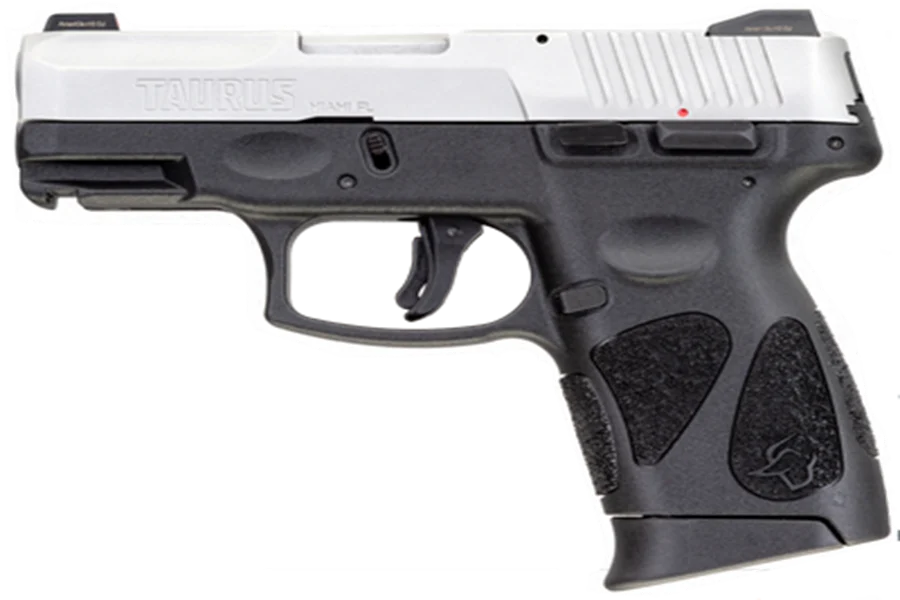
Best Concealed Carry (CCW) Guns Under $400

Best Concealed Carry (CCW) Guns Under $400

What to Look for in a Budget CCW Gun

1. Reliability

  • A CCW firearm must function flawlessly under various conditions. Reliability is non-negotiable because your life could depend on it.
  • Research reviews and user’s experiences with specific models to assess their track record for reliability.
  • Test the firearm at a range before committing to ensure consistent performance.

2. Size and Weight

  • Compact or subcompact firearms are ideal for concealment due to their smaller size and lighter weight.
  • Look for pistols that are easy to conceal without printing (visible outline of the gun through clothing).
  • Ensure that the size does not compromise grip comfort or shooting accuracy.
Gun TypeTypical WeightUse Case
Subcompact Pistol~15-20 ozMaximum concealability
Compact Pistol~20-25 ozBalance of concealability and control

3. Ergonomics

  • Comfort matters when carrying daily; choose a gun with an ergonomic design suitable for your hand size.
  • Check if controls like safeties, magazine releases, and slide locks are easy to operate with your dominant hand.

4. Caliber Suitability

  • For self-defense purposes, calibers like 9mm provide an excellent blend of stopping power, ease of use, and affordability.
  • Ensure you’re comfortable with the recoil level of the caliber you choose.

5. Magazine Capacity

  • Opt for sufficient magazine capacity while considering state laws that may impose limits.
CaliberTypical Capacity (Compact/Subcompact)
9mm10–15 rounds
.380 ACP6–10 rounds

6. Build Quality

  • While staying under $400 narrows down build material options, some manufacturers offer quality polymer or alloy-based frames at budget-friendly prices.
  • Avoid guns with poor fit-and-finish or questionable durability.

7. Brand Reputation

Examples: * Smith & Wesson M&P Shield * Ruger EC9s * Taurus G3C * Glock (pre-owned models)

Practical Considerations

If you’re on a tighter budget: 1. Consider buying used or refurbished models from reputable dealers. 2. Prioritize functionality over aesthetics—scratches won’t matter if the firearm performs as needed.

By focusing on these critical factors, you can confidently navigate your search and find a dependable CCW firearm within your budget without sacrificing essential features needed in defensive situations.

Best Compact Pistols Under $400

Finding a high-quality compact pistol for concealed carry doesn’t have to break the bank. In fact, there are several excellent options available under the $400 price point that balance affordability, reliability, and functionality. Whether you’re new to concealed carry or looking to expand your collection, compact pistols offer the perfect blend of concealability and performance.

Features of a Good Compact Pistol

  • Size: Compact pistols are smaller than full-sized handguns but still maintain enough grip length for control. They’re ideal for daily concealed carry.
  • Weight: Lightweight construction improves comfort during extended wear while reducing printing (the outline of your firearm showing through clothing).
  • Magazine Capacity: Most compact models hold between 6-12 rounds, balancing capacity with portability.
  • Ease of Use: Look for features such as simple takedown procedures, intuitive controls, and manageable recoil.
  • Durability: Even at budget prices, many manufacturers use quality materials like polymer frames and stainless steel barrels.

Top Compact Pistols Under $400

Pistol ModelCaliberMagazine CapacityApprox. Price*Key Features
Taurus G2C9mm12 rounds~$250-$300Slim design, manual safety
Ruger EC9s9mm7 rounds~$290-$330Lightweight single-stack
SCCY CPX-29mm10 rounds~$250-$280Internal hammer design
Smith & Wesson SD9VE9mm16 rounds~$350-$390Durable stainless slide
KelTec P119mm10/12 rounds~$280-$320Compact size with high capacity

*Prices may vary depending on location and retailer.

Benefits of Compact Pistols

  1. Versatility: They perform well for both concealed carry and home defense roles.
  2. Comfortable Carry: Their smaller dimensions make them easy to conceal under casual clothing without sacrificing too much firepower.
  3. Affordable Ammunition Choices: Common calibers like 9mm ensure ammunition remains reasonably priced and readily available.

Practical Tips When Choosing a Budget-Friendly Gun

Before purchasing a budget CCW gun, test its ergonomics if possible. Visit a local gun range or dealer that offers rentals so you can handle various models firsthand. Pay attention to how each firearm feels in your hand—grip comfort and trigger reach are critical factors in ensuring an enjoyable shooting experience.

Additionally: – Research online reviews from credible sources focusing on long-term reliability. – Invest in proper holsters designed specifically for your chosen model to maximize safety and concealment.

Compact pistols under $400 provide an excellent entry point into concealed carry without compromising essential features. By carefully selecting a model suited to your needs, you can enjoy reliable performance while staying within budget limits.

Reliability vs Affordability

When shopping for a concealed carry weapon (CCW) under $400, one of the most critical factors to consider is striking the right balance between reliability and affordability. While staying within budget is important, your firearm must perform consistently in high-stress situations where safety is paramount. Let’s explore this trade-off in detail to help you make an informed decision.

Importance of Reliability in a CCW Gun

  • Build Quality: Even budget models can feature durable materials like steel slides and polymer frames that withstand regular use.
  • Proven Track Record: Opt for firearms with a reputation for reliability among experienced owners and professionals.
  • Performance in Stress Testing: Research whether the model has been subjected to extensive testing for cycling ammunition under various conditions (dust, heat, cold).

Affordability: Getting Value Without Compromising Safety

  • Focus on Core Features: Skip unnecessary bells and whistles like high-end optics or custom finishes unless absolutely essential.
  • Warranty and Support: Check if the manufacturer offers robust warranties or customer support for peace of mind after purchase.
  • Used Guns vs New Models: Pre-owned firearms from reputable dealers can stretch your budget further while providing access to higher-quality models.
Key ConsiderationsReliability FocusAffordability Focus
Materials UsedDurable alloys or polymersCost-effective manufacturing
Ammo CompatibilityWide range of calibers supportedStick to common calibers
Manufacturer ReputationVerified performance historyLook for affordable trusted brands
Ease of MaintenanceSimple disassembly/cleaningAvoid overly complex mechanisms

Reliable Yet Affordable Brands to Consider

  1. Ruger
    Models such as the Ruger EC9s are compact, simple, and extremely dependable while staying well below $400.
  2. Taurus
    Known for affordability, Taurus offers reliable options like the G2c or G3c—both highly recommended in the CCW community.
  3. Smith & Wesson
    The Smith & Wesson SD9VE provides solid performance at an accessible price point.
  4. Canik
    Canik produces impressive semi-autos like the TP9 series that deliver excellent value without breaking your budget.

What to Avoid in Budget Firearms

  • Avoid unproven brands with no track record of success.
  • Be cautious about guns with overly complex designs—you want ease of use in stressful situations.
  • Stay away from models known for inconsistent performance or parts prone to wear prematurely.

By carefully considering both reliability and affordability when purchasing your next concealed carry firearm, you can enjoy peace of mind knowing you’re equipped with a weapon that won’t let you down when it matters most.

Size, Weight, and Concealability

When selecting a concealed carry weapon (CCW), size, weight, and concealability are critical factors to consider. The goal is to find a firearm that balances ease of carry with effective performance. Choosing the right dimensions ensures that your CCW firearm is both comfortable to carry daily and capable of providing adequate protection when needed.

Importance of Size

  • Smaller Profile: A compact or subcompact firearm is often ideal for concealed carry because it reduces printing (visible outline of the gun through clothing), which helps maintain discretion.
  • Easier Manipulation: While smaller guns are easier to conceal, they may sacrifice some ease of handling compared to full-sized models, so finding a balance is essential.
  • Grip Length: Shorter grips are more concealable under light clothing but can be harder to control during rapid fire.

Weight Considerations

  • Lightweight Materials: Many budget CCW guns use polymer frames that reduce overall weight while maintaining durability.
  • Carry Comfort: Heavier firearms may offer reduced recoil but can cause discomfort during extended carry periods. On the other hand, lighter options are less cumbersome but might have increased felt recoil.
  • Loaded Weight: Keep in mind the fully loaded weight (with ammunition) since this will affect how it feels when carried in your holster all day.
Firearm TypeTypical Unloaded WeightLoaded Weight Impact
Full-size PistolsAround 30+ ozNoticeable
Compact Pistols18–25 ozManageable
Subcompact Pistols14–20 ozMinimal

Concealability Factors

  1. A well-designed holster will improve concealment by securely holding the firearm close to your body.
  2. Look for inside-the-waistband (IWB) holsters or pocket holsters specifically designed for your chosen gun.
  3. Slimmer firearms allow for easier concealment under tighter clothing or in warmer climates where layers aren’t an option.
  4. Consider wearing untucked shirts or jackets if carrying a larger CCW gun.
  5. Rounded edges and snag-free designs prevent catching on clothes during quick draw situations.
  6. Avoid overly bulky accessories that add unnecessary size.

Balancing Comfort with Performance

While highly concealable guns prioritize slim profiles and low weights, these qualities may lead to trade-offs in terms of recoil management or magazine capacity. Compact pistols often strike a sweet spot by offering reasonable concealability without sacrificing too much shootability or stopping power.

Ultimately, choosing a firearm with dimensions suited to your body type and lifestyle will make it more practical for everyday carry. Remember to test different options at a local range if possible—what feels manageable in theory might differ once held in hand or concealed on your body throughout the day.

Size, Weight, and Concealability

When selecting a concealed carry weapon (CCW) on a budget, size, weight, and concealability are critical factors to consider. A CCW firearm must be easy to carry discreetly while remaining functional and comfortable for daily use. Let’s break down each element to help you make an informed decision.

Size

The size of your firearm will determine how easily you can conceal it on your body. Smaller pistols and subcompact handguns are often preferred for CCW due to their reduced dimensions, allowing them to be hidden under clothing without printing (showing the outline of the gun). However, smaller pistols may have reduced magazine capacities or shorter barrels, which can impact accuracy and performance.

  • Subcompact: Ideal for deep concealment. Fits well in pocket holsters or inside-the-waistband (IWB) holsters but may have limited capacity. Examples include guns like the Taurus G2C or Ruger EC9s.
  • Compact: Balances concealability with performance. Slightly larger than subcompacts but provides better grip and capacity. Common options include the Smith & Wesson SD9 VE or Glock 42 (though prices may vary).
  • Full-Size Handguns: Typically not recommended for concealed carry due to their bulk unless you’re using specific clothing or holster options designed for larger firearms.

Weight

Weight is crucial when carrying a gun every day. A lighter firearm reduces discomfort during prolonged wear but can also result in increased felt recoil during shooting sessions.

Weight CategoryAdvantagesDisadvantages
Lightweight (<20 oz)Easier to carry all day; less fatigueMay result in more perceived recoil
Medium (20–30 oz)Good balance of comfort vs shootabilityCan still be heavy with extended wear
Heavy (>30 oz)Better recoil management while shootingNot ideal for long-term concealed carry

For CCW under $400, many quality lightweight options are available that won’t compromise comfort while maintaining functionality.

Concealability

Concealability is influenced by both the size of the firearm and how easily it blends into your everyday wardrobe. It’s important to choose a gun that works seamlessly with your preferred method of carry.

  • Holster Choice: Inside-the-waistband (IWB), appendix carry, ankle holsters, or pocket holsters all affect how well you can hide your firearm.
  • Wardrobe Considerations: Slimmer guns like single-stack pistols are easier to conceal under tighter clothing than bulkier double-stacks.
  • Grip Length: Longer grips provide better control but may print more under fitted shirts compared to shorter grips on subcompact models.

Practical Tips

  1. Test-fit potential firearms at a local gun store if possible before purchasing.
  2. Consider wearing typical outfits when testing gun fitment with holsters.
  3. Factor in aftermarket accessories like slim-profile holsters designed specifically for optimal concealment.

Balancing these factors ensures that you select a CCW firearm that meets both your safety needs and everyday comfort requirements without straining your budget.

Pros and Cons of Budget CCW Guns

When searching for a concealed carry weapon (CCW) under $400, you’ll find that affordability often comes with both advantages and limitations. Understanding the pros and cons of budget-friendly options can help you make an informed choice that aligns with your self-defense needs. Below, we’ll break down the key benefits and drawbacks of budget CCW guns to help you weigh your options effectively.

Pros of Budget CCW Guns

  • Affordability: The most apparent advantage is cost. For under $400, there are plenty of well-regarded firearms that offer reliable performance without breaking the bank.
  • Affordable guns are ideal for first-time buyers or those on a fixed budget looking to protect themselves without overspending.
  • Accessibility: Lower-cost firearms are widely available from trusted brands like Taurus, Ruger, and SCCY, making them easy to find at local gun shops or online retailers.
  • Ease of Use: Many affordable pistols come with simple designs that minimize complexity. This is especially helpful for beginners who want a straightforward firearm.
  • Proven Performance in Some Models: While not all budget CCWs are created equal, several models—like the Taurus G2C or Ruger EC9s—have built strong reputations for reliability over time.

Cons of Budget CCW Guns

  • Limited Features: Inexpensive firearms may lack premium features such as improved triggers, upgraded sights, or ambidextrous controls. These features can enhance performance but often add to the overall cost.
  • For example, some budget pistols have basic polymer sights rather than steel night sights.
  • Potential Durability Concerns: While certain models hold up well under regular use, others may experience wear and tear more quickly due to lower-quality materials or manufacturing processes.
  • This can mean more frequent maintenance or replacement parts over time.
  • Accuracy Trade-Offs: Budget firearms might not always deliver the same precision as higher-end alternatives due to less refined machining and barrel designs. For experienced shooters seeking pinpoint accuracy, this could be a downside.
  • Resale Value: Cheaper guns tend to depreciate faster than their premium counterparts. If upgrading later becomes a priority, selling your budget CCW option might yield only a modest return.

How to Evaluate Pros vs Cons

To strike the right balance between cost and functionality: 1. Start by identifying your primary needs (e.g., reliability for everyday carry vs occasional use at the range). 2. Research reputable brands known for delivering quality in this price range (e.g., Smith & Wesson’s SD series or Kel-Tec handguns). 3. Test potential options at a local range if possible before committing to a purchase.

FeatureProsCons
PriceAffordable; good value for beginnersMay lack premium build quality
FeaturesSimple operationFewer advanced enhancements (e.g., night sights)
DurabilityReliable in some modelsCan require more upkeep over time
AccuracySuitable for close-range self-defenseLess precise compared to high-end alternatives

By comparing these factors side-by-side against your specific requirements, you can determine whether a budget concealed carry gun is right for you.

Warmly consider how these trade-offs align with your personal safety goals before making an investment—a little research can go a long way toward ensuring confidence in your choice while staying within budget limits.

Pros and Cons of Budget CCW Guns

When evaluating concealed carry weapons (CCW) priced under $400, it’s essential to weigh the pros and cons. While these firearms can be highly effective for self-defense, their affordability often comes with trade-offs. Below is a balanced look at the advantages and disadvantages of budget-friendly CCW guns.

Pros of Budget CCW Guns

  • Affordability
    The most obvious advantage is price. For under $400, many manufacturers offer reliable options that meet the needs of everyday carriers without breaking the bank. This makes firearm ownership more accessible to individuals on a budget.
  • Ease of Replacement
    Because these firearms cost less than premium brands, they are easier to replace if lost, stolen, or confiscated post-incident. High-end guns often carry emotional or financial attachments that can make replacement more challenging.
  • Increasing Quality in Budget Models
    Advances in manufacturing and materials have significantly improved the performance of budget-friendly guns over the last decade. Many models now offer features like enhanced ergonomics, better triggers, and improved accuracy compared to older low-cost options.
  • Great for Beginners
    For first-time gun owners or those new to concealed carry, budget options provide an excellent entry point without requiring a significant financial commitment.

Cons of Budget CCW Guns

  • Potential Longevity Issues
    Some affordable firearms may not hold up as well under heavy use compared to higher-priced counterparts. While they can perform reliably for occasional users or light practice sessions, frequent shooters might notice quicker wear and tear over time.
  • Limited Features
    Budget CCW guns often lack advanced features like night sights, adjustable backstraps for grip customization, or optics-ready capabilities. These omissions might not matter in a defensive scenario but could affect overall satisfaction for experienced users.
  • Less Variety in Models
    The market for budget-friendly CCWs is narrower compared to premium segments. Buyers may find fewer choices in terms of size, caliber options, or specialty designs tailored to individual needs (e.g., left-handed shooters).
  • Potentially Less Refinement
    While functional and reliable overall, some inexpensive firearms might exhibit minor issues with fit-and-finish elements such as trigger smoothness, slide rattle, or frame aesthetics. These don’t usually affect performance but could impact user experience.

Overview Table: Pros vs Cons

AspectProsCons
CostAffordable entry pointMay sacrifice durability
FeaturesReliable basicsLacks premium options
AccessibilityWidely availableNarrower range of models
Maintenance & LongevitySuitable for casual useNot ideal for high-volume usage

Final Thoughts

While budget CCW guns may not include all the bells and whistles seen in higher-end models, they remain viable choices for those seeking an accessible way into concealed carry ownership. By carefully researching specific models and assessing your personal needs—whether you prioritize compact sizing or simplicity—it’s possible to find affordable options that balance reliability and functionality effectively without exceeding your budget limit.
What to Look for in a Budget CCW Gun

1. Reliability

  • A CCW firearm must function flawlessly under various conditions. Reliability is non-negotiable because your life could depend on it.
  • Research reviews and user’s experiences with specific models to assess their track record for reliability.
  • Test the firearm at a range before committing to ensure consistent performance.

2. Size and Weight

  • Compact or subcompact firearms are ideal for concealment due to their smaller size and lighter weight.
  • Look for pistols that are easy to conceal without printing (visible outline of the gun through clothing).
  • Ensure that the size does not compromise grip comfort or shooting accuracy.
Gun TypeTypical WeightUse Case
Subcompact Pistol~15-20 ozMaximum concealability
Compact Pistol~20-25 ozBalance of concealability and control

3. Ergonomics

  • Comfort matters when carrying daily; choose a gun with an ergonomic design suitable for your hand size.
  • Check if controls like safeties, magazine releases, and slide locks are easy to operate with your dominant hand.

4. Caliber Suitability

  • For self-defense purposes, calibers like 9mm provide an excellent blend of stopping power, ease of use, and affordability.
  • Ensure you’re comfortable with the recoil level of the caliber you choose.

5. Magazine Capacity

  • Opt for sufficient magazine capacity while considering state laws that may impose limits.
CaliberTypical Capacity (Compact/Subcompact)
9mm10–15 rounds
.380 ACP6–10 rounds

6. Build Quality

  • While staying under $400 narrows down build material options, some manufacturers offer quality polymer or alloy-based frames at budget-friendly prices.
  • Avoid guns with poor fit-and-finish or questionable durability.

7. Brand Reputation

Examples: * Smith & Wesson M&P Shield * Ruger EC9s * Taurus G3C * Glock (pre-owned models)

Practical Considerations

If you’re on a tighter budget: 1. Consider buying used or refurbished models from reputable dealers. 2. Prioritize functionality over aesthetics—scratches won’t matter if the firearm performs as needed.

By focusing on these critical factors, you can confidently navigate your search and find a dependable CCW firearm within your budget without sacrificing essential features needed in defensive situations.

Best Compact Pistols Under $400

Finding a high-quality compact pistol for concealed carry doesn’t have to break the bank. In fact, there are several excellent options available under the $400 price point that balance affordability, reliability, and functionality. Whether you’re new to concealed carry or looking to expand your collection, compact pistols offer the perfect blend of concealability and performance.

Features of a Good Compact Pistol

  • Size: Compact pistols are smaller than full-sized handguns but still maintain enough grip length for control. They’re ideal for daily concealed carry.
  • Weight: Lightweight construction improves comfort during extended wear while reducing printing (the outline of your firearm showing through clothing).
  • Magazine Capacity: Most compact models hold between 6-12 rounds, balancing capacity with portability.
  • Ease of Use: Look for features such as simple takedown procedures, intuitive controls, and manageable recoil.
  • Durability: Even at budget prices, many manufacturers use quality materials like polymer frames and stainless steel barrels.

Top Compact Pistols Under $400

Pistol ModelCaliberMagazine CapacityApprox. Price*Key Features
Taurus G2C9mm12 rounds~$250-$300Slim design, manual safety
Ruger EC9s9mm7 rounds~$290-$330Lightweight single-stack
SCCY CPX-29mm10 rounds~$250-$280Internal hammer design
Smith & Wesson SD9VE9mm16 rounds~$350-$390Durable stainless slide
KelTec P119mm10/12 rounds~$280-$320Compact size with high capacity

*Prices may vary depending on location and retailer.

Benefits of Compact Pistols

  1. Versatility: They perform well for both concealed carry and home defense roles.
  2. Comfortable Carry: Their smaller dimensions make them easy to conceal under casual clothing without sacrificing too much firepower.
  3. Affordable Ammunition Choices: Common calibers like 9mm ensure ammunition remains reasonably priced and readily available.

Practical Tips When Choosing a Budget-Friendly Gun

Before purchasing a budget CCW gun, test its ergonomics if possible. Visit a local gun range or dealer that offers rentals so you can handle various models firsthand. Pay attention to how each firearm feels in your hand—grip comfort and trigger reach are critical factors in ensuring an enjoyable shooting experience.

Additionally: – Research online reviews from credible sources focusing on long-term reliability. – Invest in proper holsters designed specifically for your chosen model to maximize safety and concealment.

Compact pistols under $400 provide an excellent entry point into concealed carry without compromising essential features. By carefully selecting a model suited to your needs, you can enjoy reliable performance while staying within budget limits.

Reliability vs Affordability

When shopping for a concealed carry weapon (CCW) under $400, one of the most critical factors to consider is striking the right balance between reliability and affordability. While staying within budget is important, your firearm must perform consistently in high-stress situations where safety is paramount. Let’s explore this trade-off in detail to help you make an informed decision.

Importance of Reliability in a CCW Gun

  • Build Quality: Even budget models can feature durable materials like steel slides and polymer frames that withstand regular use.
  • Proven Track Record: Opt for firearms with a reputation for reliability among experienced owners and professionals.
  • Performance in Stress Testing: Research whether the model has been subjected to extensive testing for cycling ammunition under various conditions (dust, heat, cold).

Affordability: Getting Value Without Compromising Safety

  • Focus on Core Features: Skip unnecessary bells and whistles like high-end optics or custom finishes unless absolutely essential.
  • Warranty and Support: Check if the manufacturer offers robust warranties or customer support for peace of mind after purchase.
  • Used Guns vs New Models: Pre-owned firearms from reputable dealers can stretch your budget further while providing access to higher-quality models.
Key ConsiderationsReliability FocusAffordability Focus
Materials UsedDurable alloys or polymersCost-effective manufacturing
Ammo CompatibilityWide range of calibers supportedStick to common calibers
Manufacturer ReputationVerified performance historyLook for affordable trusted brands
Ease of MaintenanceSimple disassembly/cleaningAvoid overly complex mechanisms

Reliable Yet Affordable Brands to Consider

  1. Ruger
    Models such as the Ruger EC9s are compact, simple, and extremely dependable while staying well below $400.
  2. Taurus
    Known for affordability, Taurus offers reliable options like the G2c or G3c—both highly recommended in the CCW community.
  3. Smith & Wesson
    The Smith & Wesson SD9VE provides solid performance at an accessible price point.
  4. Canik
    Canik produces impressive semi-autos like the TP9 series that deliver excellent value without breaking your budget.

What to Avoid in Budget Firearms

  • Avoid unproven brands with no track record of success.
  • Be cautious about guns with overly complex designs—you want ease of use in stressful situations.
  • Stay away from models known for inconsistent performance or parts prone to wear prematurely.

By carefully considering both reliability and affordability when purchasing your next concealed carry firearm, you can enjoy peace of mind knowing you’re equipped with a weapon that won’t let you down when it matters most.

Size, Weight, and Concealability

When selecting a concealed carry weapon (CCW), size, weight, and concealability are critical factors to consider. The goal is to find a firearm that balances ease of carry with effective performance. Choosing the right dimensions ensures that your CCW firearm is both comfortable to carry daily and capable of providing adequate protection when needed.

Importance of Size

  • Smaller Profile: A compact or subcompact firearm is often ideal for concealed carry because it reduces printing (visible outline of the gun through clothing), which helps maintain discretion.
  • Easier Manipulation: While smaller guns are easier to conceal, they may sacrifice some ease of handling compared to full-sized models, so finding a balance is essential.
  • Grip Length: Shorter grips are more concealable under light clothing but can be harder to control during rapid fire.

Weight Considerations

  • Lightweight Materials: Many budget CCW guns use polymer frames that reduce overall weight while maintaining durability.
  • Carry Comfort: Heavier firearms may offer reduced recoil but can cause discomfort during extended carry periods. On the other hand, lighter options are less cumbersome but might have increased felt recoil.
  • Loaded Weight: Keep in mind the fully loaded weight (with ammunition) since this will affect how it feels when carried in your holster all day.
Firearm TypeTypical Unloaded WeightLoaded Weight Impact
Full-size PistolsAround 30+ ozNoticeable
Compact Pistols18–25 ozManageable
Subcompact Pistols14–20 ozMinimal

Concealability Factors

  1. A well-designed holster will improve concealment by securely holding the firearm close to your body.
  2. Look for inside-the-waistband (IWB) holsters or pocket holsters specifically designed for your chosen gun.
  3. Slimmer firearms allow for easier concealment under tighter clothing or in warmer climates where layers aren’t an option.
  4. Consider wearing untucked shirts or jackets if carrying a larger CCW gun.
  5. Rounded edges and snag-free designs prevent catching on clothes during quick draw situations.
  6. Avoid overly bulky accessories that add unnecessary size.

Balancing Comfort with Performance

While highly concealable guns prioritize slim profiles and low weights, these qualities may lead to trade-offs in terms of recoil management or magazine capacity. Compact pistols often strike a sweet spot by offering reasonable concealability without sacrificing too much shootability or stopping power.

Ultimately, choosing a firearm with dimensions suited to your body type and lifestyle will make it more practical for everyday carry. Remember to test different options at a local range if possible—what feels manageable in theory might differ once held in hand or concealed on your body throughout the day.

Size, Weight, and Concealability

When selecting a concealed carry weapon (CCW) on a budget, size, weight, and concealability are critical factors to consider. A CCW firearm must be easy to carry discreetly while remaining functional and comfortable for daily use. Let’s break down each element to help you make an informed decision.

Size

The size of your firearm will determine how easily you can conceal it on your body. Smaller pistols and subcompact handguns are often preferred for CCW due to their reduced dimensions, allowing them to be hidden under clothing without printing (showing the outline of the gun). However, smaller pistols may have reduced magazine capacities or shorter barrels, which can impact accuracy and performance.

  • Subcompact: Ideal for deep concealment. Fits well in pocket holsters or inside-the-waistband (IWB) holsters but may have limited capacity. Examples include guns like the Taurus G2C or Ruger EC9s.
  • Compact: Balances concealability with performance. Slightly larger than subcompacts but provides better grip and capacity. Common options include the Smith & Wesson SD9 VE or Glock 42 (though prices may vary).
  • Full-Size Handguns: Typically not recommended for concealed carry due to their bulk unless you’re using specific clothing or holster options designed for larger firearms.

Weight

Weight is crucial when carrying a gun every day. A lighter firearm reduces discomfort during prolonged wear but can also result in increased felt recoil during shooting sessions.

Weight CategoryAdvantagesDisadvantages
Lightweight (<20 oz)Easier to carry all day; less fatigueMay result in more perceived recoil
Medium (20–30 oz)Good balance of comfort vs shootabilityCan still be heavy with extended wear
Heavy (>30 oz)Better recoil management while shootingNot ideal for long-term concealed carry

For CCW under $400, many quality lightweight options are available that won’t compromise comfort while maintaining functionality.

Concealability

Concealability is influenced by both the size of the firearm and how easily it blends into your everyday wardrobe. It’s important to choose a gun that works seamlessly with your preferred method of carry.

  • Holster Choice: Inside-the-waistband (IWB), appendix carry, ankle holsters, or pocket holsters all affect how well you can hide your firearm.
  • Wardrobe Considerations: Slimmer guns like single-stack pistols are easier to conceal under tighter clothing than bulkier double-stacks.
  • Grip Length: Longer grips provide better control but may print more under fitted shirts compared to shorter grips on subcompact models.

Practical Tips

  1. Test-fit potential firearms at a local gun store if possible before purchasing.
  2. Consider wearing typical outfits when testing gun fitment with holsters.
  3. Factor in aftermarket accessories like slim-profile holsters designed specifically for optimal concealment.

Balancing these factors ensures that you select a CCW firearm that meets both your safety needs and everyday comfort requirements without straining your budget.

Pros and Cons of Budget CCW Guns

When searching for a concealed carry weapon (CCW) under $400, you’ll find that affordability often comes with both advantages and limitations. Understanding the pros and cons of budget-friendly options can help you make an informed choice that aligns with your self-defense needs. Below, we’ll break down the key benefits and drawbacks of budget CCW guns to help you weigh your options effectively.

Pros of Budget CCW Guns

  • Affordability: The most apparent advantage is cost. For under $400, there are plenty of well-regarded firearms that offer reliable performance without breaking the bank.
  • Affordable guns are ideal for first-time buyers or those on a fixed budget looking to protect themselves without overspending.
  • Accessibility: Lower-cost firearms are widely available from trusted brands like Taurus, Ruger, and SCCY, making them easy to find at local gun shops or online retailers.
  • Ease of Use: Many affordable pistols come with simple designs that minimize complexity. This is especially helpful for beginners who want a straightforward firearm.
  • Proven Performance in Some Models: While not all budget CCWs are created equal, several models—like the Taurus G2C or Ruger EC9s—have built strong reputations for reliability over time.

Cons of Budget CCW Guns

  • Limited Features: Inexpensive firearms may lack premium features such as improved triggers, upgraded sights, or ambidextrous controls. These features can enhance performance but often add to the overall cost.
  • For example, some budget pistols have basic polymer sights rather than steel night sights.
  • Potential Durability Concerns: While certain models hold up well under regular use, others may experience wear and tear more quickly due to lower-quality materials or manufacturing processes.
  • This can mean more frequent maintenance or replacement parts over time.
  • Accuracy Trade-Offs: Budget firearms might not always deliver the same precision as higher-end alternatives due to less refined machining and barrel designs. For experienced shooters seeking pinpoint accuracy, this could be a downside.
  • Resale Value: Cheaper guns tend to depreciate faster than their premium counterparts. If upgrading later becomes a priority, selling your budget CCW option might yield only a modest return.

How to Evaluate Pros vs Cons

To strike the right balance between cost and functionality: 1. Start by identifying your primary needs (e.g., reliability for everyday carry vs occasional use at the range). 2. Research reputable brands known for delivering quality in this price range (e.g., Smith & Wesson’s SD series or Kel-Tec handguns). 3. Test potential options at a local range if possible before committing to a purchase.

FeatureProsCons
PriceAffordable; good value for beginnersMay lack premium build quality
FeaturesSimple operationFewer advanced enhancements (e.g., night sights)
DurabilityReliable in some modelsCan require more upkeep over time
AccuracySuitable for close-range self-defenseLess precise compared to high-end alternatives

By comparing these factors side-by-side against your specific requirements, you can determine whether a budget concealed carry gun is right for you.

Warmly consider how these trade-offs align with your personal safety goals before making an investment—a little research can go a long way toward ensuring confidence in your choice while staying within budget limits.

Pros and Cons of Budget CCW Guns

When evaluating concealed carry weapons (CCW) priced under $400, it’s essential to weigh the pros and cons. While these firearms can be highly effective for self-defense, their affordability often comes with trade-offs. Below is a balanced look at the advantages and disadvantages of budget-friendly CCW guns.

Pros of Budget CCW Guns

  • Affordability
    The most obvious advantage is price. For under $400, many manufacturers offer reliable options that meet the needs of everyday carriers without breaking the bank. This makes firearm ownership more accessible to individuals on a budget.
  • Ease of Replacement
    Because these firearms cost less than premium brands, they are easier to replace if lost, stolen, or confiscated post-incident. High-end guns often carry emotional or financial attachments that can make replacement more challenging.
  • Increasing Quality in Budget Models
    Advances in manufacturing and materials have significantly improved the performance of budget-friendly guns over the last decade. Many models now offer features like enhanced ergonomics, better triggers, and improved accuracy compared to older low-cost options.
  • Great for Beginners
    For first-time gun owners or those new to concealed carry, budget options provide an excellent entry point without requiring a significant financial commitment.

Cons of Budget CCW Guns

  • Potential Longevity Issues
    Some affordable firearms may not hold up as well under heavy use compared to higher-priced counterparts. While they can perform reliably for occasional users or light practice sessions, frequent shooters might notice quicker wear and tear over time.
  • Limited Features
    Budget CCW guns often lack advanced features like night sights, adjustable backstraps for grip customization, or optics-ready capabilities. These omissions might not matter in a defensive scenario but could affect overall satisfaction for experienced users.
  • Less Variety in Models
    The market for budget-friendly CCWs is narrower compared to premium segments. Buyers may find fewer choices in terms of size, caliber options, or specialty designs tailored to individual needs (e.g., left-handed shooters).
  • Potentially Less Refinement
    While functional and reliable overall, some inexpensive firearms might exhibit minor issues with fit-and-finish elements such as trigger smoothness, slide rattle, or frame aesthetics. These don’t usually affect performance but could impact user experience.

Overview Table: Pros vs Cons

AspectProsCons
CostAffordable entry pointMay sacrifice durability
FeaturesReliable basicsLacks premium options
AccessibilityWidely availableNarrower range of models
Maintenance & LongevitySuitable for casual useNot ideal for high-volume usage

Final Thoughts

While budget CCW guns may not include all the bells and whistles seen in higher-end models, they remain viable choices for those seeking an accessible way into concealed carry ownership. By carefully researching specific models and assessing your personal needs—whether you prioritize compact sizing or simplicity—it’s possible to find affordable options that balance reliability and functionality effectively without exceeding your budget limit.
Related Post

If you liked this post we are sure you will like the following ones.

Best AR-15 Offset Iron Sights [View-Throughs]

What Are Offset Iron Sights & How Do They Work? Offset iron sights are a secondary aiming system commonly mounted at a 45-degree angle to the primary sighting system (such as magnified optics) on firearms like the AR-15. This design allows shooters to transition seamlessly between their primary optic and iron sights without needing to…

Read more

Daniel Defense Review: Almost All Their Guns

Overview of Daniel Defense Firearms Daniel Defense is a well-known name in the firearms industry, recognized for producing high-quality rifles, pistols, and firearm accessories. Founded by Marty Daniel in 2000, the company has built a reputation for manufacturing reliable and precision-engineered weapons designed primarily for military, law enforcement, and civilian use. Their commitment to innovation…

Read more

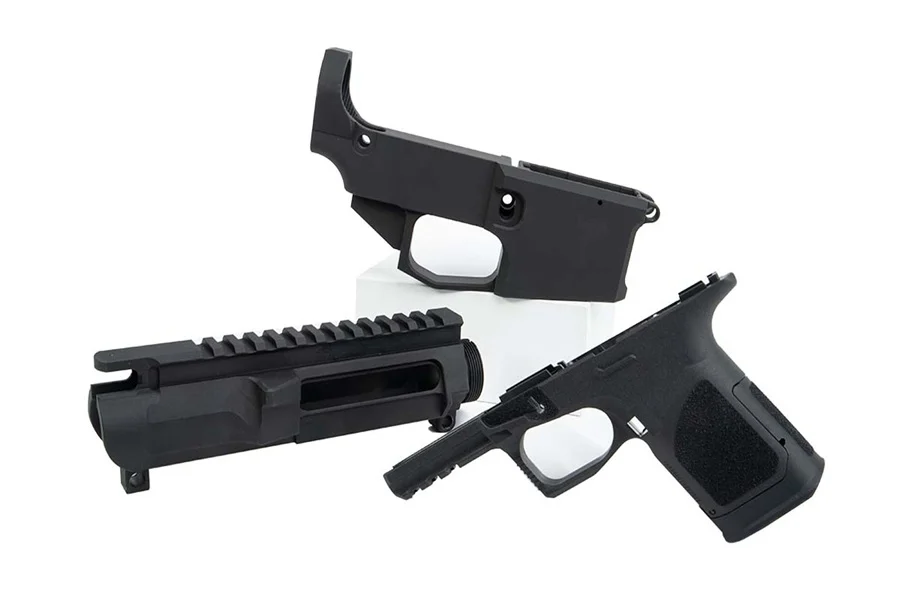
Best 80% Lower Receivers & Jigs [AR-15, Glock, AR-10, AR-9]

What Is an 80% Lower Receiver An 80% lower receiver is an unfinished firearm component that requires additional machining or tooling to become a fully functional lower receiver. It is called "80%" because it is only partially completed and not a firearm by legal standards—making it exempt from many regulations applied to completed firearms. This…

Read more
Welcome to Tenney Industries, in order to browse our site you must be at least 18 years of age.
Are you at least 18 years old?
No