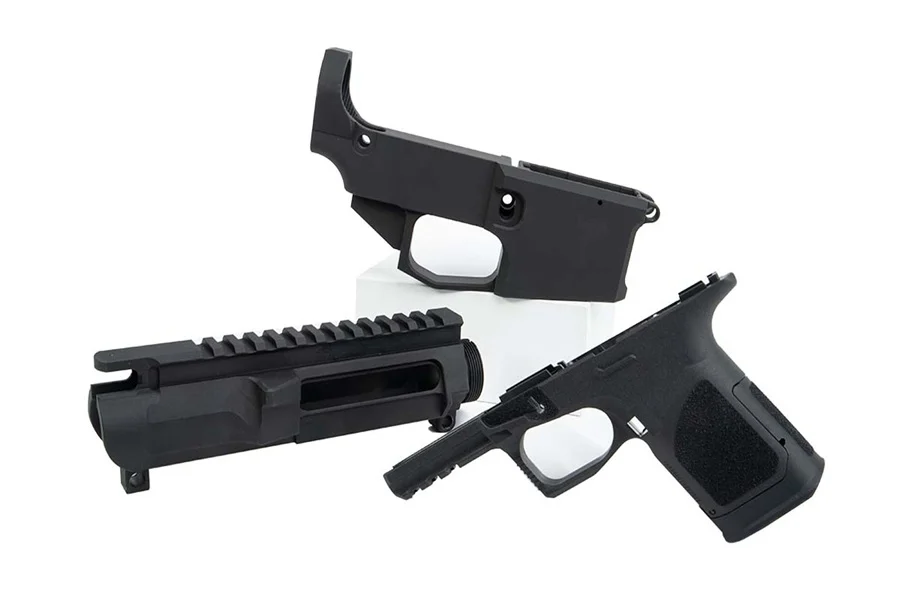
Best 80% Lower Receivers & Jigs [AR-15, Glock, AR-10, AR-9]

Best 80% Lower Receivers & Jigs [AR-15, Glock, AR-10, AR-9]

What Is an 80% Lower Receiver

An 80% lower receiver is an unfinished firearm component that requires additional machining or tooling to become a fully functional lower receiver. It is called “80%” because it is only partially completed and not a firearm by legal standards—making it exempt from many regulations applied to completed firearms. This allows enthusiasts and hobbyists to legally purchase, customize, and build their own firearms without going through a traditional Federal Firearms License (FFL) transfer process.

Unlike complete receivers, 80% lowers do not have the necessary slots, holes, or cavities machined for critical components like trigger groups or safety selectors. Completing these features requires tools such as drills and jigs.

Key Characteristics of an 80% Lower Receiver

  • No Serial Number: As per federal law in the United States, you are not required to serialize a firearm built for personal use unless otherwise regulated by state or local laws.
  • Customizable: Allows builders full control over the customization process—ideal for those who want unique designs, finishes, or tolerances.
  • Material Options: Common materials include aluminum (often used in AR-style builds) and polymer (lightweight and cost-effective).
  • Legal Gray Area: While these products are legal federally in most cases, state-specific laws may restrict their ownership or finishing.

Why Choose an 80% Lower Receiver?

There are several reasons why gun enthusiasts choose to work with 80% lower receivers: – Skill Development: Completing an 80% lower can be a hands-on learning experience for those interested in gunsmithing. – Cost Savings: Building from scratch can sometimes save money compared to buying off-the-shelf firearms. – Privacy: Avoiding the serialized registration process appeals to individuals concerned about privacy.

ProsCons
Customization optionsRequires specific tools
Enhanced privacyTime-consuming process
No FFL transfer neededLegal restrictions vary
Cost-effectiveRisk of errors during milling

Tools You Will Need

To convert your 80% lower into a functioning part of your firearm, you’ll require: 1. A jig kit specifically designed for your receiver type (e.g., AR-15, AR-10). 2. A hand drill or drill press with appropriate drill bits. 3. A router if working on polymer lowers. 4. Measuring tools such as calipers to ensure precise cuts.

When properly completed using high-quality tools and materials, an 80% lower performs just as reliably as factory-made components. The key lies in investing time and effort into the finishing process while adhering strictly to legal requirements specific to your region.

Types of 80% Lowers: AR-15, AR-10, AR-9 & Glock Frames

When exploring 80% lower receivers and their potential, it’s essential to understand the different types available for various firearm platforms. Each type of 80% lower receiver is tailored to a specific firearm style, and knowing the differences will help you select the best fit for your needs.

AR-15 80% Lowers

The AR-15 is one of the most popular platforms among firearm enthusiasts. Its modular design and widespread availability make it a top choice for custom builds.

Key Features: – Compatible with .223/5.56 NATO rounds, though caliber options can vary. – Highly customizable and widely supported by aftermarket parts. – Great for both beginners and advanced builders due to extensive resources and tools available.

Use Cases: – Target shooting – Home defense – Competitive shooting

AR-10 80% Lowers

AR-10 lowers are designed for larger calibers like .308 Winchester or 6.5 Creedmoor. These are often chosen by those who prioritize long-range accuracy or need a rifle capable of handling larger game during hunting.

Key Features: – Larger overall dimensions compared to an AR-15 lower. – Increased durability to handle higher pressures from larger calibers. – Fewer aftermarket parts compared to the AR-15 but still plenty of customization potential.

Ideal For: 1. Long-range shooters 2. Hunters in need of a powerful rifle platform 3. Precision marksmen seeking enhanced accuracy

AR-9 80% Lowers

The AR-9 is a pistol-caliber carbine (PCC) platform that uses handgun calibers such as 9mm or .45 ACP instead of rifle calibers.

Key Features: 1. Ideal for short-range applications. 2. Uses standard pistol magazines (e.g., Glock-style mags depending on the lower). 3. Reduced recoil compared to traditional rifle-caliber systems.

Common Applications: 1. Competition shooting in PCC divisions. 2. Tactical training exercises where compact size is advantageous. 3. Recreational plinking with cheaper ammunition costs.

Glock Frame Kits (Polymer-Based)

For those interested in handguns rather than rifles or carbines, Glock-compatible polymer frames offer another route into DIY building. These are often referred to as “Polymer80” kits since they’re commonly made from polymer material.

Key Features: 1. Made from lightweight yet durable polymer materials. 2. Compatible with various generations of Glock-style components (e.g., Gen3 or Gen4). 3. Requires some unique tools like a hand drill or sanding equipment for completion.

Advantages include: 1. Concealed carry builds due to compact size. 2. Cost-effective way to own a custom handgun tailored precisely to individual preferences. 3. Easy-to-find instructions and guides due to high popularity within the firearm community.

TypeMaterial OptionsPopular Use Cases
AR-15Aluminum, PolymerHome defense, target practice
AR-10AluminumHunting, long-range shooting
AR-9Aluminum, PolymerPCC competitions, training
Glock FramePolymerConcealed carry, self-defense

Making Your Choice

  1. If versatility and availability are priorities → Consider an AR-15 lower receiver, especially if you’re just getting started.
  2. Need more power or range? → Opt for an AR-10 lower, particularly if you hunt large game or enjoy precision shooting at significant distances.
  3. Want something compact? → The AR–9 platform, known for its easy handling and cost-efficient ammo needs, could be your best choice.
  4. Interested in handguns? → A Glock frame kit, often made from polymer materials like Polymer80 kits, is excellent for custom handgun builds tailored specifically for personal defense or concealed carry purposes.

By carefully evaluating the pros and cons of each type based on your project’s goals, you can ensure that your build aligns perfectly with your expectations without compromising quality or functionality.

Top Jigs for Precision and Ease of Use

For those venturing into the world of building firearms using 80% lower receivers, selecting the right jig is a critical step in ensuring both precision and ease of use. A jig is essentially a toolset or guide that helps users drill and mill their 80% lower receiver into a fully functional frame. Without the proper jig, achieving accuracy and functionality is incredibly challenging. Below, we explore what to look for in a jig, highlight some top picks in the market, and provide guidance on using them effectively.

What to Look for in a Quality Jig

  • Compatibility: Ensure the jig is compatible with your specific 80% lower receiver type (e.g., AR-15, AR-10, AR-9, Glock). Some jigs are universal, while others are model-specific.
  • Material: Look for durable materials such as steel or high-grade aluminum that can withstand repeated use without bending or warping.
  • Ease of Use: Choose jigs designed with user-friendly features like marked drill guides and straightforward instructions to simplify the milling process.
  • Precision: Select jigs with tight tolerances to ensure an accurate result that meets specifications.
  • Reusability: If you plan on building multiple lowers, invest in a reusable jig system rather than single-use options.

Recommended Jigs for Different Builds

JigBest ForFeatures
Easy Jig Gen 3AR-15/AR-10/AR-9Universal compatibility; no router adapter required; precision alignment system.
Polymer80 PF-Series JigGlock FramesIncludes drill bits; tailored specifically for Glock-style polymer frames.
5D Tactical Router Jig ProAR ReceiversDurable build; supports routers with minimal setup required; optimized cutting guides.
Modulus Arms Heavy Duty JigMulti-CaliberHigh-strength aluminum plates; beginner-friendly design; excellent durability.

Benefits of High-End Jigs

  1. Time Savings: Premium jigs simplify the process so you spend less time troubleshooting errors or reworking flaws.
  2. Increased Accuracy: Precision-made jigs reduce room for error by providing clear milling pathways and alignment points.
  3. Reduced Material Waste: A good jig ensures clean cuts and properly drilled holes, minimizing the risk of damaging your receiver.
  4. Adaptability: Many advanced systems include components that allow you to switch between different types of lowers without needing additional tools.

Tips for Using Jigs Effectively

  1. Read all manufacturer instructions thoroughly before starting any work.
  2. Use sharp-quality cutting tools (e.g., end mills) to ensure clean results.
  3. Wear appropriate safety gear such as gloves and eye protection when drilling or milling.
  4. Double-check alignment frequently during each step to avoid mistakes that could render your receiver unusable.
  5. Take breaks if needed—rushing through intricate tasks can lead to costly errors.

By understanding what makes a great jig and how to use it properly, builders can dramatically improve their results when completing an 80% lower receiver project while enjoying greater convenience throughout the process.

Top Jigs for Precision and Ease of Use

When working on an 80% lower receiver, choosing the right jig is just as important as selecting the proper lower. The jig not only aids in milling but also ensures that your work is accurate, efficient, and safe. Here’s an in-depth look at some of the top jigs available and what makes them standout choices for builders.

Key Features to Look for in a Jig

  • Material Quality: Aluminum jigs tend to be more durable than polymer ones, providing better longevity and precision.
  • Ease of Use: A good jig should come with clear instructions, pre-drilled pilot holes, and an intuitive design that allows even first-time builders to achieve precise results.
  • Compatibility: Some jigs are designed for multiple platforms (e.g., AR-15, AR-10), while others are specific to one type of lower. Ensure the jig you choose works for your intended build.
  • Included Components: Many top-tier jigs come with all necessary tools such as drill bits and end mills. This eliminates the hassle of sourcing these parts separately.

Popular Jigs for 80% Lowers

Jig ModelKey FeaturesBest For
Easy Jig Gen 3Multi-platform compatibility (AR-15/AR-10/AR-9); durable aluminum construction; includes high-quality toolingBuilders seeking versatility
5D Tactical Router Jig ProRouter-based system; innovative guide system reduces errors; compatible with most routersPrecision-focused builders
Modulus Arms Heavy-Duty Universal JigPatented easy alignment system; works with both forged and billet lowers; includes pre-measured drill bitsFirst-time builders
Polymer80 Handgun JigDesigned specifically for Glock-style polymer frames; compact design; straightforward instructionsHandgun enthusiasts

Tips for Using Your Jig Effectively

  1. Read Instructions Thoroughly
    Even if you’re experienced, each jig model has unique features or steps. Familiarize yourself with the manual before beginning.
  2. Use Proper Tools
    If your jig doesn’t include drill bits or end mills, make sure you purchase high-quality tools designed for aluminum or polymer work (depending on your lower).
  3. Work Slowly and Methodically
    Rushing can lead to mistakes or misalignment. Take your time during each step—especially when drilling pilot holes or milling out trigger pockets.
  4. Secure Your Workpiece Firmly
    Use clamps or a vice to keep both the lower receiver and jig stabilized during machining. Movement can result in imprecise cuts.
  5. Check Compatibility First
    Before buying a jig, confirm it matches not only your lower but also any tools or routers you plan on using.

Comparing Router-Based Jigs vs Drill Press Jigs

FeatureRouter-Based JigsDrill Press-Compatible Jigs
Ease of SetupFaster setup once familiarRequires more precise alignment
AccuracyTypically higher due to guided cutsStill accurate but requires caution
PortabilityHighly portableLess portable

Each type has its advantages depending on your personal setup and experience level.

Choosing the right jig is vital for ensuring precision and ease during your build process. By understanding what makes a quality product and selecting one tailored to your needs—whether you’re building an AR platform or Glock frame—you’ll set yourself up for success while enjoying the satisfaction of creating something custom-tailored to your preferences.

Polymer vs Aluminum Lowers: Which Is Better

When selecting an 80% lower receiver, one of the most important decisions you’ll face is choosing between polymer and aluminum. Both materials have their own set of advantages and disadvantages, so understanding how they compare in terms of durability, ease of machining, cost, and performance is essential. Below is a breakdown to help you make an informed choice.

Key Differences Between Polymer and Aluminum Lowers

FeaturePolymer LowerAluminum Lower
DurabilityLess durable; suitable for light useExtremely durable; resists wear over time
WeightLightweight (ideal for portability)Heavier but adds stability
Ease of MachiningEasier to machine with hand toolsRequires advanced tools like a drill press or router
Corrosion ResistanceHighly resistant to corrosionResistant but may require coatings for added protection
CostGenerally less expensiveHigher price due to material strength and longevity

Advantages of Polymer 80% Lowers

  • Lightweight Design: Polymer lowers are significantly lighter than their aluminum counterparts. This makes them ideal for users prioritizing mobility or building lightweight firearms.
  • Lower Cost: For budget-conscious builders, polymer lowers are typically more affordable.
  • Ease of Machining: The softer material allows hobbyists to complete these lowers using simple tools like rotary tools or handheld drills.
  • Resistance to Corrosion: Being non-metallic, polymer does not rust, making it well-suited for humid environments.

Disadvantages of Polymer 80% Lowers

  • Reduced Durability: Compared to aluminum, polymers are less resilient under heavy use or high-stress conditions such as sustained firing.
  • Heat Resistance Concerns: Polymers can warp or degrade when exposed to extreme heat over time.

Advantages of Aluminum 80% Lowers

  • Exceptional Strength: Aluminum’s inherent toughness makes it the preferred option for high-performance builds.
  • Longevity Under Stress: Able to handle frequent firing sessions without significant wear or deformation.
  • Customizability: Many aluminum lowers are anodized or treated with protective coatings that allow further painting or customization.
  • Professional Appearance: They maintain a sleek and polished finish compared to polymer options.

Disadvantages of Aluminum 80% Lowers

  • Heavier Weight: While providing stability, the added weight might not be desirable for users focused on lightweight builds.
  • More Challenging Machining Process: Completing an aluminum lower requires precision machinery like drill presses or milling machines. This may increase the initial investment in tooling.

Which Should You Choose?

  1. You’re new to DIY firearm building and want something simpler to machine.
  2. Lightweight portability is your primary focus.
  3. Budget constraints play a significant role in your decision.
  4. Durability and long-term usage matter most (e.g., competition shooting or frequent range visits).
  5. You have access to appropriate machining tools.
  6. You value premium performance and aesthetics.

By weighing these factors against your needs, you can select the lower that best suits your project goals. Both materials offer distinct benefits that cater to different preferences—there’s no one-size-fits-all answer.

Legal Considerations Before You Build

When it comes to building a firearm using an 80% lower receiver, understanding the legal landscape is absolutely essential. While constructing your own firearm is legal in most parts of the United States, specific rules and regulations vary greatly depending on federal, state, and local laws. Below, we’ll explore key legal considerations to keep in mind before starting your build.

Federal Laws

  • No Serial Number Requirement for Personal Use: Under federal law, constructing a firearm for personal use does not require serialization or registration as long as the firearm is not intended for sale or transfer.
  • Prohibited Firearms: Even homemade firearms must adhere to federal restrictions. Fully automatic weapons or firearms that fall under the National Firearms Act (NFA), such as short-barreled rifles (SBRs), require special permits and registration.
  • Background Checks Not Required: Purchasing an 80% lower receiver does not necessitate a background check under federal law because it is categorized as an unfinished component rather than a complete firearm.

State Regulations

  • Serialization Requirements: Some states like California require homemade firearms to be serialized and registered with state authorities, even if they are for personal use.
  • Restricted Materials or Types: Certain states may restrict specific materials (such as polymer) or types of firearms (e.g., AR-15-style builds).
  • Ban on Homemade Firearms: A few jurisdictions prohibit the construction of firearms entirely.
StateNotable Regulation
CaliforniaMandatory serialization within 10 days of completing the build
New YorkProhibits possession of unserialized frames or receivers
New JerseyBans all “ghost guns” including those made from 80% lowers
TexasNo additional requirements beyond federal law

Local Ordinances

Even within states where building your own firearm is permitted, local municipalities may have stricter rules. Always check city and county ordinances for any additional restrictions before proceeding with your project.

Considerations for Selling Your Build

If you plan to sell a homemade firearm: – Federal law requires that completed firearms intended for sale must have a serial number and comply with ATF regulations. – Engaging in repetitive sales without proper licensing can qualify as illegal dealing in firearms.

Practical Tips for Staying Compliant

To ensure your build stays within the bounds of the law: 1. Research Thoroughly: Study federal, state, and local laws before purchasing components or beginning work on your build. 2. Document Your Progress: Keep records of when and where you purchased parts in case questions arise later. 3. Avoid Questionable Sources: Purchase parts from reputable vendors that comply with ATF guidelines. 4. Consult Legal Counsel if Unsure: If you’re uncertain about any aspect of compliance, seek advice from an attorney familiar with firearm laws.

Understanding these legal considerations will help you navigate the process confidently while ensuring your rights are protected at every step. Making informed decisions sets you up for success in responsibly owning a custom-built firearm crafted from an 80% lower receiver.

Tips for First-Time Builders

Building a firearm from an 80% lower receiver can seem daunting, especially if it’s your first time. However, with the right guidance and preparation, you can ensure your project is a success while staying compliant with all relevant regulations. Below are some detailed tips to help first-time builders get started on the right foot.

1. Research the Legal Requirements

Before starting your build, it’s essential to familiarize yourself with federal, state, and local laws surrounding 80% lowers and homemade firearms. Some points to consider:
– Federal Law: Under federal law in the U.S., completing an 80% lower for personal use is generally legal as long as you do not sell or transfer it.
– State Regulations: Certain states like California and New York have additional restrictions or require serialization of finished firearms. Be sure to check your state’s specific regulations. – No Restrictions on Tools: You are allowed to use tools like jigs, routers, or mills without violating any laws – provided you’re building for personal use.

2. Select the Right Tools & Materials

Having the appropriate tools will make your build easier and safer:
– Jigs: A jig is essential for accurately completing your lower receiver. Look for high-quality jigs compatible with your chosen model of lower (e.g., AR-15 or Glock).
– Drill Press or Router: These tools help you mill out the fire control group pocket and drill necessary pinholes with precision. – Measuring Tools: Calipers and measuring gauges ensure accuracy during machining. – Lubricants & Safety Gear: Use cutting oil or lubricants to reduce heat buildup during milling, paired with safety glasses and gloves for protection.

3. Choose Your Lower Material Wisely

First-time builders often ask whether polymer lowers are better than aluminum ones. Both materials have their pros and cons: | Material | Pros | Cons | |————-|—————————————|—————————————–| | Aluminum | Durable; can handle higher stress | Heavier; may require more precise tools | | Polymer | Lightweight; easier to machine | Less durable under repeated stress |

For beginners without advanced machining tools, polymer lowers may be easier to complete.

4. Follow Instructions Carefully

Most 80% lower jigs come with a detailed set of instructions or guides showing step-by-step how to complete your project: – Read through all instructions before beginning work. – Watch video tutorials if available — many manufacturers provide these resources on their websites. – Take breaks when needed; rushing leads to mistakes that could damage both the material and your equipment.

5. Focus on Precision Over Speed

Accuracy is critical when building a firearm from an 80% lower: – Use clamps or a vice grip to hold everything securely in place while machining. – Double-check all measurements before drilling holes. – Go slow when milling out material — removing too much metal/polymer cannot be undone.

6. Test Fit All Components Post-Machining

After completing the milling process: 1. Assemble your firearm parts kit (fire control group, trigger assembly, buffer tube) onto the finished receiver. 2. Check for fitment issues, ensuring all pins align properly without excessive force. 3. Perform safety checks before attaching an upper receiver/barrel assembly.

7. Practice Patience as You Learn

Finally, remember that no one gets everything perfect right away: – Mistakes happen — keep extra drill bits or backup parts handy if something goes wrong. – Join online forums or communities where experienced builders share advice tailored specifically to novices.

By following these steps carefully, you’ll gain confidence in completing your first build while ensuring safety and compliance throughout the process!
What Is an 80% Lower Receiver

An 80% lower receiver is an unfinished firearm component that requires additional machining or tooling to become a fully functional lower receiver. It is called “80%” because it is only partially completed and not a firearm by legal standards—making it exempt from many regulations applied to completed firearms. This allows enthusiasts and hobbyists to legally purchase, customize, and build their own firearms without going through a traditional Federal Firearms License (FFL) transfer process.

Unlike complete receivers, 80% lowers do not have the necessary slots, holes, or cavities machined for critical components like trigger groups or safety selectors. Completing these features requires tools such as drills and jigs.

Key Characteristics of an 80% Lower Receiver

  • No Serial Number: As per federal law in the United States, you are not required to serialize a firearm built for personal use unless otherwise regulated by state or local laws.
  • Customizable: Allows builders full control over the customization process—ideal for those who want unique designs, finishes, or tolerances.
  • Material Options: Common materials include aluminum (often used in AR-style builds) and polymer (lightweight and cost-effective).
  • Legal Gray Area: While these products are legal federally in most cases, state-specific laws may restrict their ownership or finishing.

Why Choose an 80% Lower Receiver?

There are several reasons why gun enthusiasts choose to work with 80% lower receivers: – Skill Development: Completing an 80% lower can be a hands-on learning experience for those interested in gunsmithing. – Cost Savings: Building from scratch can sometimes save money compared to buying off-the-shelf firearms. – Privacy: Avoiding the serialized registration process appeals to individuals concerned about privacy.

ProsCons
Customization optionsRequires specific tools
Enhanced privacyTime-consuming process
No FFL transfer neededLegal restrictions vary
Cost-effectiveRisk of errors during milling

Tools You Will Need

To convert your 80% lower into a functioning part of your firearm, you’ll require: 1. A jig kit specifically designed for your receiver type (e.g., AR-15, AR-10). 2. A hand drill or drill press with appropriate drill bits. 3. A router if working on polymer lowers. 4. Measuring tools such as calipers to ensure precise cuts.

When properly completed using high-quality tools and materials, an 80% lower performs just as reliably as factory-made components. The key lies in investing time and effort into the finishing process while adhering strictly to legal requirements specific to your region.

Types of 80% Lowers: AR-15, AR-10, AR-9 & Glock Frames

When exploring 80% lower receivers and their potential, it’s essential to understand the different types available for various firearm platforms. Each type of 80% lower receiver is tailored to a specific firearm style, and knowing the differences will help you select the best fit for your needs.

AR-15 80% Lowers

The AR-15 is one of the most popular platforms among firearm enthusiasts. Its modular design and widespread availability make it a top choice for custom builds.

Key Features: – Compatible with .223/5.56 NATO rounds, though caliber options can vary. – Highly customizable and widely supported by aftermarket parts. – Great for both beginners and advanced builders due to extensive resources and tools available.

Use Cases: – Target shooting – Home defense – Competitive shooting

AR-10 80% Lowers

AR-10 lowers are designed for larger calibers like .308 Winchester or 6.5 Creedmoor. These are often chosen by those who prioritize long-range accuracy or need a rifle capable of handling larger game during hunting.

Key Features: – Larger overall dimensions compared to an AR-15 lower. – Increased durability to handle higher pressures from larger calibers. – Fewer aftermarket parts compared to the AR-15 but still plenty of customization potential.

Ideal For: 1. Long-range shooters 2. Hunters in need of a powerful rifle platform 3. Precision marksmen seeking enhanced accuracy

AR-9 80% Lowers

The AR-9 is a pistol-caliber carbine (PCC) platform that uses handgun calibers such as 9mm or .45 ACP instead of rifle calibers.

Key Features: 1. Ideal for short-range applications. 2. Uses standard pistol magazines (e.g., Glock-style mags depending on the lower). 3. Reduced recoil compared to traditional rifle-caliber systems.

Common Applications: 1. Competition shooting in PCC divisions. 2. Tactical training exercises where compact size is advantageous. 3. Recreational plinking with cheaper ammunition costs.

Glock Frame Kits (Polymer-Based)

For those interested in handguns rather than rifles or carbines, Glock-compatible polymer frames offer another route into DIY building. These are often referred to as “Polymer80” kits since they’re commonly made from polymer material.

Key Features: 1. Made from lightweight yet durable polymer materials. 2. Compatible with various generations of Glock-style components (e.g., Gen3 or Gen4). 3. Requires some unique tools like a hand drill or sanding equipment for completion.

Advantages include: 1. Concealed carry builds due to compact size. 2. Cost-effective way to own a custom handgun tailored precisely to individual preferences. 3. Easy-to-find instructions and guides due to high popularity within the firearm community.

TypeMaterial OptionsPopular Use Cases
AR-15Aluminum, PolymerHome defense, target practice
AR-10AluminumHunting, long-range shooting
AR-9Aluminum, PolymerPCC competitions, training
Glock FramePolymerConcealed carry, self-defense

Making Your Choice

  1. If versatility and availability are priorities → Consider an AR-15 lower receiver, especially if you’re just getting started.
  2. Need more power or range? → Opt for an AR-10 lower, particularly if you hunt large game or enjoy precision shooting at significant distances.
  3. Want something compact? → The AR–9 platform, known for its easy handling and cost-efficient ammo needs, could be your best choice.
  4. Interested in handguns? → A Glock frame kit, often made from polymer materials like Polymer80 kits, is excellent for custom handgun builds tailored specifically for personal defense or concealed carry purposes.

By carefully evaluating the pros and cons of each type based on your project’s goals, you can ensure that your build aligns perfectly with your expectations without compromising quality or functionality.

Top Jigs for Precision and Ease of Use

For those venturing into the world of building firearms using 80% lower receivers, selecting the right jig is a critical step in ensuring both precision and ease of use. A jig is essentially a toolset or guide that helps users drill and mill their 80% lower receiver into a fully functional frame. Without the proper jig, achieving accuracy and functionality is incredibly challenging. Below, we explore what to look for in a jig, highlight some top picks in the market, and provide guidance on using them effectively.

What to Look for in a Quality Jig

  • Compatibility: Ensure the jig is compatible with your specific 80% lower receiver type (e.g., AR-15, AR-10, AR-9, Glock). Some jigs are universal, while others are model-specific.
  • Material: Look for durable materials such as steel or high-grade aluminum that can withstand repeated use without bending or warping.
  • Ease of Use: Choose jigs designed with user-friendly features like marked drill guides and straightforward instructions to simplify the milling process.
  • Precision: Select jigs with tight tolerances to ensure an accurate result that meets specifications.
  • Reusability: If you plan on building multiple lowers, invest in a reusable jig system rather than single-use options.

Recommended Jigs for Different Builds

JigBest ForFeatures
Easy Jig Gen 3AR-15/AR-10/AR-9Universal compatibility; no router adapter required; precision alignment system.
Polymer80 PF-Series JigGlock FramesIncludes drill bits; tailored specifically for Glock-style polymer frames.
5D Tactical Router Jig ProAR ReceiversDurable build; supports routers with minimal setup required; optimized cutting guides.
Modulus Arms Heavy Duty JigMulti-CaliberHigh-strength aluminum plates; beginner-friendly design; excellent durability.

Benefits of High-End Jigs

  1. Time Savings: Premium jigs simplify the process so you spend less time troubleshooting errors or reworking flaws.
  2. Increased Accuracy: Precision-made jigs reduce room for error by providing clear milling pathways and alignment points.
  3. Reduced Material Waste: A good jig ensures clean cuts and properly drilled holes, minimizing the risk of damaging your receiver.
  4. Adaptability: Many advanced systems include components that allow you to switch between different types of lowers without needing additional tools.

Tips for Using Jigs Effectively

  1. Read all manufacturer instructions thoroughly before starting any work.
  2. Use sharp-quality cutting tools (e.g., end mills) to ensure clean results.
  3. Wear appropriate safety gear such as gloves and eye protection when drilling or milling.
  4. Double-check alignment frequently during each step to avoid mistakes that could render your receiver unusable.
  5. Take breaks if needed—rushing through intricate tasks can lead to costly errors.

By understanding what makes a great jig and how to use it properly, builders can dramatically improve their results when completing an 80% lower receiver project while enjoying greater convenience throughout the process.

Top Jigs for Precision and Ease of Use

When working on an 80% lower receiver, choosing the right jig is just as important as selecting the proper lower. The jig not only aids in milling but also ensures that your work is accurate, efficient, and safe. Here’s an in-depth look at some of the top jigs available and what makes them standout choices for builders.

Key Features to Look for in a Jig

  • Material Quality: Aluminum jigs tend to be more durable than polymer ones, providing better longevity and precision.
  • Ease of Use: A good jig should come with clear instructions, pre-drilled pilot holes, and an intuitive design that allows even first-time builders to achieve precise results.
  • Compatibility: Some jigs are designed for multiple platforms (e.g., AR-15, AR-10), while others are specific to one type of lower. Ensure the jig you choose works for your intended build.
  • Included Components: Many top-tier jigs come with all necessary tools such as drill bits and end mills. This eliminates the hassle of sourcing these parts separately.

Popular Jigs for 80% Lowers

Jig ModelKey FeaturesBest For
Easy Jig Gen 3Multi-platform compatibility (AR-15/AR-10/AR-9); durable aluminum construction; includes high-quality toolingBuilders seeking versatility
5D Tactical Router Jig ProRouter-based system; innovative guide system reduces errors; compatible with most routersPrecision-focused builders
Modulus Arms Heavy-Duty Universal JigPatented easy alignment system; works with both forged and billet lowers; includes pre-measured drill bitsFirst-time builders
Polymer80 Handgun JigDesigned specifically for Glock-style polymer frames; compact design; straightforward instructionsHandgun enthusiasts

Tips for Using Your Jig Effectively

  1. Read Instructions Thoroughly
    Even if you’re experienced, each jig model has unique features or steps. Familiarize yourself with the manual before beginning.
  2. Use Proper Tools
    If your jig doesn’t include drill bits or end mills, make sure you purchase high-quality tools designed for aluminum or polymer work (depending on your lower).
  3. Work Slowly and Methodically
    Rushing can lead to mistakes or misalignment. Take your time during each step—especially when drilling pilot holes or milling out trigger pockets.
  4. Secure Your Workpiece Firmly
    Use clamps or a vice to keep both the lower receiver and jig stabilized during machining. Movement can result in imprecise cuts.
  5. Check Compatibility First
    Before buying a jig, confirm it matches not only your lower but also any tools or routers you plan on using.

Comparing Router-Based Jigs vs Drill Press Jigs

FeatureRouter-Based JigsDrill Press-Compatible Jigs
Ease of SetupFaster setup once familiarRequires more precise alignment
AccuracyTypically higher due to guided cutsStill accurate but requires caution
PortabilityHighly portableLess portable

Each type has its advantages depending on your personal setup and experience level.

Choosing the right jig is vital for ensuring precision and ease during your build process. By understanding what makes a quality product and selecting one tailored to your needs—whether you’re building an AR platform or Glock frame—you’ll set yourself up for success while enjoying the satisfaction of creating something custom-tailored to your preferences.

Polymer vs Aluminum Lowers: Which Is Better

When selecting an 80% lower receiver, one of the most important decisions you’ll face is choosing between polymer and aluminum. Both materials have their own set of advantages and disadvantages, so understanding how they compare in terms of durability, ease of machining, cost, and performance is essential. Below is a breakdown to help you make an informed choice.

Key Differences Between Polymer and Aluminum Lowers

FeaturePolymer LowerAluminum Lower
DurabilityLess durable; suitable for light useExtremely durable; resists wear over time
WeightLightweight (ideal for portability)Heavier but adds stability
Ease of MachiningEasier to machine with hand toolsRequires advanced tools like a drill press or router
Corrosion ResistanceHighly resistant to corrosionResistant but may require coatings for added protection
CostGenerally less expensiveHigher price due to material strength and longevity

Advantages of Polymer 80% Lowers

  • Lightweight Design: Polymer lowers are significantly lighter than their aluminum counterparts. This makes them ideal for users prioritizing mobility or building lightweight firearms.
  • Lower Cost: For budget-conscious builders, polymer lowers are typically more affordable.
  • Ease of Machining: The softer material allows hobbyists to complete these lowers using simple tools like rotary tools or handheld drills.
  • Resistance to Corrosion: Being non-metallic, polymer does not rust, making it well-suited for humid environments.

Disadvantages of Polymer 80% Lowers

  • Reduced Durability: Compared to aluminum, polymers are less resilient under heavy use or high-stress conditions such as sustained firing.
  • Heat Resistance Concerns: Polymers can warp or degrade when exposed to extreme heat over time.

Advantages of Aluminum 80% Lowers

  • Exceptional Strength: Aluminum’s inherent toughness makes it the preferred option for high-performance builds.
  • Longevity Under Stress: Able to handle frequent firing sessions without significant wear or deformation.
  • Customizability: Many aluminum lowers are anodized or treated with protective coatings that allow further painting or customization.
  • Professional Appearance: They maintain a sleek and polished finish compared to polymer options.

Disadvantages of Aluminum 80% Lowers

  • Heavier Weight: While providing stability, the added weight might not be desirable for users focused on lightweight builds.
  • More Challenging Machining Process: Completing an aluminum lower requires precision machinery like drill presses or milling machines. This may increase the initial investment in tooling.

Which Should You Choose?

  1. You’re new to DIY firearm building and want something simpler to machine.
  2. Lightweight portability is your primary focus.
  3. Budget constraints play a significant role in your decision.
  4. Durability and long-term usage matter most (e.g., competition shooting or frequent range visits).
  5. You have access to appropriate machining tools.
  6. You value premium performance and aesthetics.

By weighing these factors against your needs, you can select the lower that best suits your project goals. Both materials offer distinct benefits that cater to different preferences—there’s no one-size-fits-all answer.

Legal Considerations Before You Build

When it comes to building a firearm using an 80% lower receiver, understanding the legal landscape is absolutely essential. While constructing your own firearm is legal in most parts of the United States, specific rules and regulations vary greatly depending on federal, state, and local laws. Below, we’ll explore key legal considerations to keep in mind before starting your build.

Federal Laws

  • No Serial Number Requirement for Personal Use: Under federal law, constructing a firearm for personal use does not require serialization or registration as long as the firearm is not intended for sale or transfer.
  • Prohibited Firearms: Even homemade firearms must adhere to federal restrictions. Fully automatic weapons or firearms that fall under the National Firearms Act (NFA), such as short-barreled rifles (SBRs), require special permits and registration.
  • Background Checks Not Required: Purchasing an 80% lower receiver does not necessitate a background check under federal law because it is categorized as an unfinished component rather than a complete firearm.

State Regulations

  • Serialization Requirements: Some states like California require homemade firearms to be serialized and registered with state authorities, even if they are for personal use.
  • Restricted Materials or Types: Certain states may restrict specific materials (such as polymer) or types of firearms (e.g., AR-15-style builds).
  • Ban on Homemade Firearms: A few jurisdictions prohibit the construction of firearms entirely.
StateNotable Regulation
CaliforniaMandatory serialization within 10 days of completing the build
New YorkProhibits possession of unserialized frames or receivers
New JerseyBans all “ghost guns” including those made from 80% lowers
TexasNo additional requirements beyond federal law

Local Ordinances

Even within states where building your own firearm is permitted, local municipalities may have stricter rules. Always check city and county ordinances for any additional restrictions before proceeding with your project.

Considerations for Selling Your Build

If you plan to sell a homemade firearm: – Federal law requires that completed firearms intended for sale must have a serial number and comply with ATF regulations. – Engaging in repetitive sales without proper licensing can qualify as illegal dealing in firearms.

Practical Tips for Staying Compliant

To ensure your build stays within the bounds of the law: 1. Research Thoroughly: Study federal, state, and local laws before purchasing components or beginning work on your build. 2. Document Your Progress: Keep records of when and where you purchased parts in case questions arise later. 3. Avoid Questionable Sources: Purchase parts from reputable vendors that comply with ATF guidelines. 4. Consult Legal Counsel if Unsure: If you’re uncertain about any aspect of compliance, seek advice from an attorney familiar with firearm laws.

Understanding these legal considerations will help you navigate the process confidently while ensuring your rights are protected at every step. Making informed decisions sets you up for success in responsibly owning a custom-built firearm crafted from an 80% lower receiver.

Tips for First-Time Builders

Building a firearm from an 80% lower receiver can seem daunting, especially if it’s your first time. However, with the right guidance and preparation, you can ensure your project is a success while staying compliant with all relevant regulations. Below are some detailed tips to help first-time builders get started on the right foot.

1. Research the Legal Requirements

Before starting your build, it’s essential to familiarize yourself with federal, state, and local laws surrounding 80% lowers and homemade firearms. Some points to consider:
– Federal Law: Under federal law in the U.S., completing an 80% lower for personal use is generally legal as long as you do not sell or transfer it.
– State Regulations: Certain states like California and New York have additional restrictions or require serialization of finished firearms. Be sure to check your state’s specific regulations. – No Restrictions on Tools: You are allowed to use tools like jigs, routers, or mills without violating any laws – provided you’re building for personal use.

2. Select the Right Tools & Materials

Having the appropriate tools will make your build easier and safer:
– Jigs: A jig is essential for accurately completing your lower receiver. Look for high-quality jigs compatible with your chosen model of lower (e.g., AR-15 or Glock).
– Drill Press or Router: These tools help you mill out the fire control group pocket and drill necessary pinholes with precision. – Measuring Tools: Calipers and measuring gauges ensure accuracy during machining. – Lubricants & Safety Gear: Use cutting oil or lubricants to reduce heat buildup during milling, paired with safety glasses and gloves for protection.

3. Choose Your Lower Material Wisely

First-time builders often ask whether polymer lowers are better than aluminum ones. Both materials have their pros and cons: | Material | Pros | Cons | |————-|—————————————|—————————————–| | Aluminum | Durable; can handle higher stress | Heavier; may require more precise tools | | Polymer | Lightweight; easier to machine | Less durable under repeated stress |

For beginners without advanced machining tools, polymer lowers may be easier to complete.

4. Follow Instructions Carefully

Most 80% lower jigs come with a detailed set of instructions or guides showing step-by-step how to complete your project: – Read through all instructions before beginning work. – Watch video tutorials if available — many manufacturers provide these resources on their websites. – Take breaks when needed; rushing leads to mistakes that could damage both the material and your equipment.

5. Focus on Precision Over Speed

Accuracy is critical when building a firearm from an 80% lower: – Use clamps or a vice grip to hold everything securely in place while machining. – Double-check all measurements before drilling holes. – Go slow when milling out material — removing too much metal/polymer cannot be undone.

6. Test Fit All Components Post-Machining

After completing the milling process: 1. Assemble your firearm parts kit (fire control group, trigger assembly, buffer tube) onto the finished receiver. 2. Check for fitment issues, ensuring all pins align properly without excessive force. 3. Perform safety checks before attaching an upper receiver/barrel assembly.

7. Practice Patience as You Learn

Finally, remember that no one gets everything perfect right away: – Mistakes happen — keep extra drill bits or backup parts handy if something goes wrong. – Join online forums or communities where experienced builders share advice tailored specifically to novices.

By following these steps carefully, you’ll gain confidence in completing your first build while ensuring safety and compliance throughout the process!
Related Post

If you liked this post we are sure you will like the following ones.

Best AR-15 Offset Iron Sights [View-Throughs]

What Are Offset Iron Sights & How Do They Work? Offset iron sights are a secondary aiming system commonly mounted at a 45-degree angle to the primary sighting system (such as magnified optics) on firearms like the AR-15. This design allows shooters to transition seamlessly between their primary optic and iron sights without needing to…

Read more

Daniel Defense Review: Almost All Their Guns

Overview of Daniel Defense Firearms Daniel Defense is a well-known name in the firearms industry, recognized for producing high-quality rifles, pistols, and firearm accessories. Founded by Marty Daniel in 2000, the company has built a reputation for manufacturing reliable and precision-engineered weapons designed primarily for military, law enforcement, and civilian use. Their commitment to innovation…

Read more

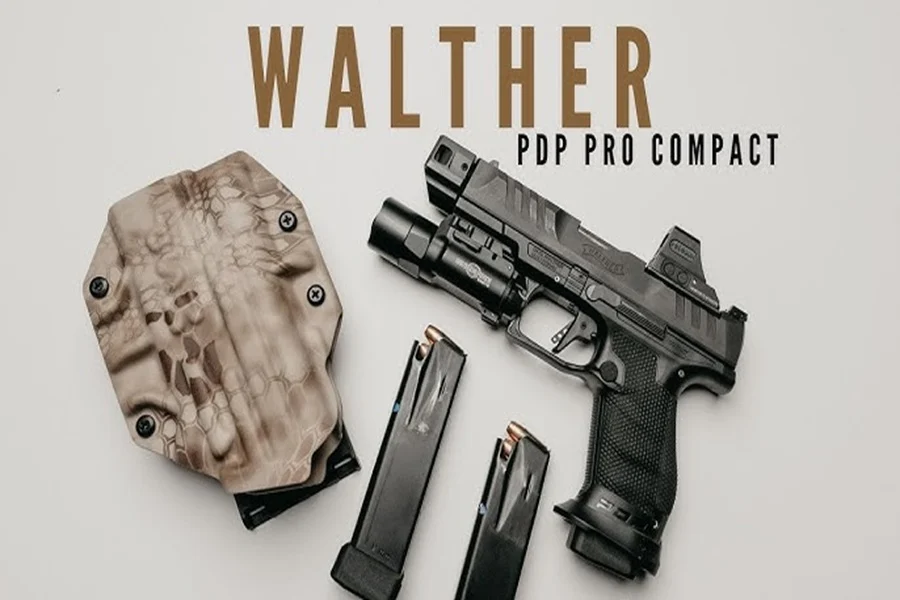
Walther PDP: 10,000 Rounds & Still Going

First Impressions of the Walther PDP The Walther PDP (Performance Duty Pistol) is a firearm designed with both seasoned shooters and newcomers in mind. Its introduction to the handgun market immediately generated buzz, and for good reason. Known for its focus on performance, adaptability, and user-centric design, the PDP positions itself as an exceptional choice…

Read more
Welcome to Tenney Industries, in order to browse our site you must be at least 18 years of age.
Are you at least 18 years old?
No