What Defines a Big Bore Handgun
Big bore handguns are firearms designed to deliver significant stopping power through their larger caliber projectiles. Their defining feature is their ability to fire ammunition with a caliber typically starting at .40 inches (10mm) or larger. While the term “big bore” is sometimes subjective, it generally refers to handguns that excel in power, energy transfer, and versatility for various applications such as hunting, self-defense, or sport shooting.
Characteristics of a Big Bore Handgun
- Caliber Size: A handgun qualifies as big bore if it chambers rounds like .44 Magnum, .454 Casull, or .500 S&W Magnum. These calibers ensure high kinetic energy and deep penetration.
- Power and Energy Output: Big bore firearms are engineered for maximum ballistic performance. They fire heavy bullets at high velocities, offering impressive energy transfer on impact.
- Frame Construction: Given the immense pressure generated by big bore calibers, these firearms often feature reinforced frames made of robust materials such as stainless steel or alloy metals.
- Barrel Length: Many big bore handguns have longer barrels (ranging from 4 inches to over 8 inches) to improve accuracy and maximize velocity.
- Weight and Size: These guns are often heavier than standard pistols and revolvers due to the thicker barrels and frames required to withstand their powerful cartridges.
Benefits of Big Bore Handguns
- Stopping Power: One of their most notable advantages is their capacity for immediate stopping power in defensive situations or while hunting large game.
- Versatility: Whether used for personal protection in bear country or tactical scenarios requiring substantial firepower, big bore handguns adapt seamlessly to different roles.
- Extended Range: With proper ammunition selection, big bore calibers can maintain effective performance at longer ranges compared to smaller calibers.
Common Design Types
| Type | Key Features | Examples |
| Semi-Automatic | Higher ammunition capacity; faster reloads; modern designs | Desert Eagle (.50 AE) |
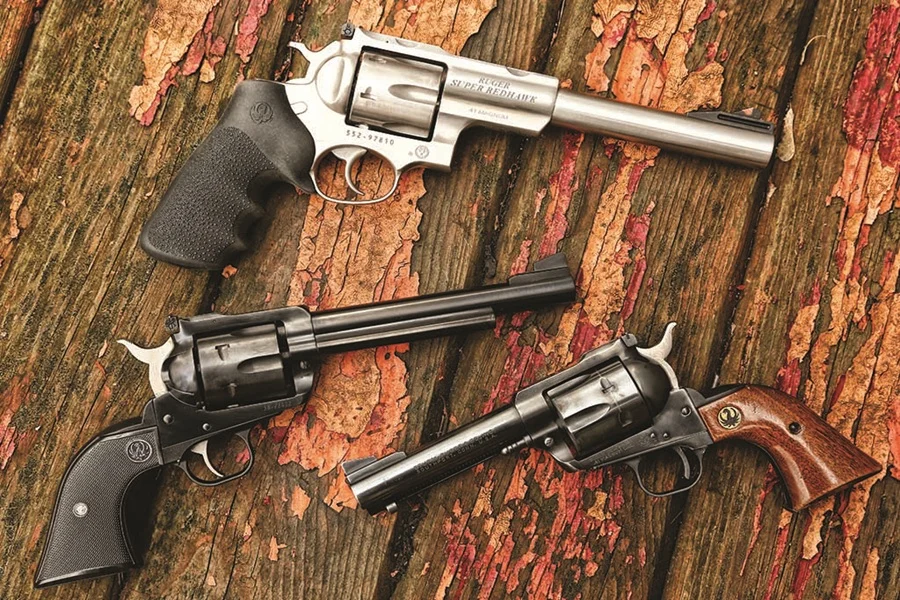
| Revolver | Reliable mechanics; chambers larger cartridges; classic style | Ruger Super Redhawk (.454) |
Use Cases
- Hunting Large Game: Suitable for hunting species like deer, hogs, or bears thanks to deep penetration capability.
- Wilderness Protection: Ideal for defending against dangerous wildlife due to their sheer stopping power.
- Sport Shooting Competitions: Frequently used in long-range handgun competitions where energy retention matters.
- Home Defense (Selective Models): Certain models may serve well in home defense scenarios when overpenetration risks are managed with appropriate ammunition.
Understanding what defines a big bore handgun requires assessing its caliber size, design features, intended use cases, and overall performance characteristics. This category of firearms continues to attract enthusiasts seeking unparalleled power in a compact form factor tailored for specialized needs.
Popular Big Bore Calibers Explained
When discussing big bore handguns, a critical aspect is the caliber. The term “big bore” generally refers to firearms chambered in large-diameter calibers—typically .40 caliber or larger. These firearms are designed for power, penetration, and performance in specific applications like hunting or self-defense. Below, we break down some of the most popular big bore calibers and their unique attributes.
Common Big Bore Calibers
- Widely regarded as one of the most versatile big bore options.
- Offers excellent power for both hunting medium to large game and personal defense.
- Known for its balance of manageable recoil (for experienced shooters) and stopping power.
- A step up from the .44 Magnum in terms of raw energy and velocity.
- Designed for hunting large game such as bears or wild boars.
- Recoil is substantial, making it best suited for seasoned shooters.
- One of the most powerful handgun cartridges available today.
- Delivers unmatched stopping power, suitable for dangerous game or extreme situations.
- Requires a robust revolver frame capable of handling its immense pressures.
- A classic round with historical significance—originally developed in the late 19th century.
- Still relevant today due to its versatility; it can be loaded light for target shooting or heavy for hunting.
- Offers manageable recoil compared to modern magnum rounds.
- A semi-automatic caliber that balances power and capacity.
- Suitable as a crossover cartridge for both defense and some hunting applications.
- Provides more manageable recoil compared to revolver-based magnums but still strong enough for serious use.
Key Considerations When Choosing a Caliber
- Purpose:
Decide how you’ll use your big bore handgun: - Hunting? Larger calibers like .500 S&W Magnum or .454 Casull may be more appropriate.
- Self-defense? The .44 Magnum or even a versatile caliber like the .10mm Auto could be sufficient.
- Recoil Tolerance:
Big bore handguns inherently produce more recoil than smaller calibers: - Newer shooters may prefer starting with something more moderate, such as the .45 Colt or even reduced loads in others like the .44 Magnum.
- Experienced marksmen looking for maximum energy might opt confidently into high-pressure rounds like the .454 Casull.
- Ammunition Availability:
While some calibers (e.g., .44 Magnum) are widely available in gun shops, others may require special ordering: | Caliber | Availability | Cost per Round (Approx.) | |—————–|——————|————————-| | .44 Magnum | Very Common | $1–$2 | | .454 Casull | Less Common | $2–$3 | | .500 S&W Magnum | Rare | $3–$5 | - Handgun Type:
Some calibers are exclusive to revolvers (.500 S&W), while others work better in semi-automatics (.10mm Auto). Choose one based on your comfort level with either platform.
In summary, selecting a big bore caliber depends on your intended use case, personal skill level, and preferences around recoil management and availability of ammunition options. Understanding these popular calibers ensures that you can make an informed decision tailored to your needs.
Best Big Bore Pistols Available
Big bore pistols are renowned for their power, precision, and versatility, making them a favorite among firearm enthusiasts, hunters, and those seeking reliable personal defense. When evaluating the best big bore pistols available on the market today, it’s important to consider factors like caliber, build quality, ergonomics, and intended use. Below is a breakdown of some top-performing options that stand out in this category.
1. Desert Eagle Mark XIX (.50 AE)
The Desert Eagle series is often synonymous with sheer power and iconic design. The Mark XIX chambered in .50 Action Express (AE) offers incredible stopping power combined with recognizable Hollywood appeal.
- Semi-automatic gas-operated pistol
- Interchangeable barrels for caliber conversions (.44 Magnum or .357 Magnum)
- High-grade stainless steel construction for durability
- Pros: Superior accuracy at longer ranges due to its weight and barrel length; one of the most powerful semi-auto handguns available.
- Cons: Heavy and not suitable for concealed carry; significant recoil may be challenging for some shooters.
2. Smith & Wesson M&P M2.0 in 10mm
For those who prefer a polymer-framed big bore handgun with modern features, the Smith & Wesson M&P M2.0 chambered in 10mm Auto is an excellent choice.
- Striker-fired action with precision trigger system
- Stainless steel chassis and polymer frame construction for lightweight handling
- Optics-ready slide for red-dot sight compatibility
- Pros: Manageable recoil thanks to its design; versatile enough for hunting or personal defense; ergonomic grip options through interchangeable backstraps.
- Cons: Slightly less powerful than larger calibers like .44 Magnum or .50 AE but still impressive.
3. Glock G40 MOS (10mm)
The Glock G40 brings together Glock’s legendary reliability with the added punch of the hard-hitting 10mm caliber.
- Long-slide configuration (6-inch barrel) to enhance accuracy and velocity
- Modular Optic System (MOS) mount included
- Lightweight polymer frame for easier handling
- Pros: Adequate penetration power in a manageable package; easy to customize with aftermarket parts; well-suited for both field use and self-defense scenarios.
- Cons: Lack of aesthetics compared to other models; not as refined as some competitors in terms of trigger feel.
Table Comparison of Key Big Bore Pistols
| Model | Caliber | Action | Weight | Notable Feature |
| Desert Eagle Mark XIX | .50 AE | Semi-Auto | ~4 lbs | Interchangeable barrels |
| S&W M&P M2.0 | 10mm Auto | Striker-Fired | ~1.7 lbs | Optics-ready slide |
| Glock G40 MOS | 10mm Auto | Striker-Fired | ~1.8 lbs | Long-slide configuration |
Additional Recommendations
While these pistols represent some of the best big bore handguns currently available, other notable mentions include the SIG Sauer P220 Legion in .45 ACP for its refined craftsmanship or the FNX Tactical .45 ACP if you’re looking for a tactical edge with threaded barrel options suitable for suppressors.
When selecting a big bore pistol, always consider your intended purpose—whether it’s hunting large game where greater stopping power is critical or personal defense where maneuverability may take precedence over raw firepower. Balancing performance with comfort will ensure you find a handgun that meets your needs effectively without compromise.
Recoil and Shootability Considerations
When selecting a big bore handgun, recoil and shootability are critical factors to consider. These elements directly impact your comfort, accuracy, and overall shooting experience. Big bore handguns are known for their immense power, but this power often comes with significant recoil that requires practice and proper technique to manage effectively. Let’s break down these considerations into manageable aspects.
Understanding Recoil in Big Bore Firearms
- Caliber Size: Larger calibers like .44 Magnum or .500 S&W Magnum produce more recoil compared to smaller ones.
- Gun Weight: Heavier firearms tend to absorb more recoil, making them easier to control.
- Barrel Length: Longer barrels can help mitigate muzzle rise but may add weight.
- Grip Design: Ergonomics play a significant role in how well you can manage the kickback of each shot.
Shootability: Beyond Power
- A well-balanced handgun is easier to aim and handle during rapid follow-up shots.
- Smooth triggers improve accuracy by reducing flinching caused by anticipation of heavy recoil.
- A comfortable grip ensures steady handling even after extended use or when hands are sweaty.
- Adding red-dot sights or scopes enhances precision, particularly for hunting scenarios where first-shot accuracy is critical.
Techniques for Managing Recoil
- Adopt a firm two-handed grip that places pressure evenly across both hands.
- Lean slightly forward into your stance for better stability against rearward force.
- Practice dry-firing techniques to build muscle memory without live ammunition.
- Consider using accessories such as shooting gloves or padded grips designed specifically for high-recoil guns.
Comparing Recoil Levels Across Common Calibers
| Caliber | Recoil Level | Typical Use Case | Notes |
| .357 Magnum | Moderate | Self-defense & hunting | Versatile option with manageable kickback |
| .44 Magnum | High | Hunting & target shooting | Strong but controllable with practice |
| .454 Casull | Very high | Large game hunting | Demands excellent grip technique |
| .500 S&W Magnum | Extremely high | Specialty hunting | Best suited for experienced shooters |
Final Thoughts on Handling
While big bore handguns offer unmatched stopping power and versatility, their substantial recoil demands respect and preparation from users. By choosing models with optimized design features—such as custom grips or ported barrels—and refining your shooting techniques over time, you can enhance both comfort and performance. Ultimately, understanding these considerations ensures that you make an informed decision when investing in a big bore firearm suited to your needs.
Recoil and Shootability Considerations
When discussing big bore pistols and revolvers, recoil and shootability are critical aspects to address. Large-caliber handguns are often characterized by significant power, which naturally results in increased recoil. Understanding how these factors influence performance, control, and user experience is essential for anyone considering a big bore firearm.
The Physics of Recoil
Recoil is the backward force generated when a firearm is discharged. For big bore handguns, this force is amplified due to:
– Heavier bullet weights: Big bore calibers often shoot heavier projectiles, which inherently generate more recoil energy.
– Higher powder charges: The larger cases in calibers like .44 Magnum or .454 Casull contain more gunpowder, increasing velocity and energy output—both contributors to recoil.
The felt recoil experienced by the shooter depends on additional factors such as the firearm’s weight, grip design, and balance.
Factors Influencing Shootability
- Weight of the firearm: Heavier handguns tend to absorb more recoil energy, making them easier to control during rapid follow-up shots. However, added weight may reduce portability.
- Grip ergonomics: A well-designed grip helps distribute recoil forces evenly across the hand for improved comfort and stability. Rubberized grips or finger grooves can further aid in handling.
- Barrel length: Longer barrels reduce muzzle rise (flip) by adding weight up front while also increasing velocity for better terminal performance. Shorter barrels may sacrifice control but improve concealment and ease of carry.
- Recoil management systems: Some modern pistols include built-in compensators or ported barrels that redirect gases upward to reduce muzzle rise.
Common Challenges with Big Bore Handguns
Big bore firearms are not without challenges related to shootability:
1. Hand fatigue from repeated firing sessions due to strong recoil forces.
2. Reduced speed for follow-up shots, especially for newer shooters unaccustomed to managing powerful calibers.
3. Flinch development, where anticipation of heavy recoil affects accuracy over time.
Tips for Managing Recoil Effectively
Whether you’re using your handgun at the range or in practical applications like hunting or personal defense, managing recoil effectively enhances both comfort and accuracy: – Use proper shooting stances (e.g., an aggressive forward lean) to counteract rearward force. – Equip your big bore with aftermarket grips designed specifically for comfort under heavy loads. – Practice regularly with lighter practice loads before transitioning into full-power ammunition. – Consider revolvers chambered in dual calibers (e.g., .44 Magnum/.44 Special), allowing use of lower-recoil rounds for training purposes.
| Feature | Impact on Recoil | Impact on Shootability |
| Weight | Reduces felt recoil | May hinder portability |
| Barrel Length | Minimizes muzzle flip | Improves stability |
| Grip Design | Increases comfort/control | Enhances handling |
| Integrated Compensators | Lowers muzzle rise | Improves recovery speed |
Final Thoughts on Recoil Versus Comfort
Ultimately, proper selection of a big bore handgun involves balancing raw power with controllability based on personal skill level and intended application. Shooters new to large calibers should prioritize ergonomics while gradually adapting their technique through consistent practice sessions focused on controlling heavy-recoiling firearms effectively.
Practical Uses: Hunting vs Defense
Big bore handguns are powerful tools that have distinct roles depending on how they are used. Whether for hunting large game or as a defensive measure, understanding their practical applications is key to selecting the right firearm for your needs. Here’s an exploration of the primary uses of big bore pistols and revolvers and what makes them effective in each scenario.
Big Bore Handguns for Hunting
- Power and Range:
Big bore calibers like .44 Magnum, .454 Casull, and .500 S&W Magnum provide the ballistic performance needed to penetrate thick hides and deliver lethal energy at practical distances. - Portability:
Revolvers or pistols are easier to carry through dense terrain compared to long-barreled rifles, making them ideal for mobile hunters. - Accuracy Requirements:
A steady aim is crucial when using a handgun for hunting. Optics such as red dot sights or scopes can enhance precision, particularly with longer barrel models. - Ethical Hunts:
The stopping power of big bore firearms ensures that animals are dispatched quickly and humanely, provided shot placement is accurate.
Common Hunting Applications:
| Game Type | Recommended Calibers | Example Firearms |
| Deer/Boar | .44 Magnum, .41 Magnum | Ruger Super Redhawk |
| Elk/Bear | .454 Casull, .460 S&W Magnum | Taurus Raging Hunter |
| Larger Game | .500 S&W Magnum | Smith & Wesson Model 500 |
Big Bore Handguns for Defense
For defensive purposes—whether personal protection in the wilderness or home defense—big bore handguns offer unparalleled stopping power. However, they also come with specific challenges that should be considered before relying on one in high-stress situations.
- Wilderness Defense:
When traversing areas populated by dangerous wildlife like bears or mountain lions, carrying a big bore revolver chambered in something like .44 Magnum or larger provides peace of mind against sudden threats. - Overpenetration Risk:
In home defense scenarios, overpenetration can be a concern with big bore rounds. These powerful calibers may pass through walls or unintended targets, so careful ammunition selection (e.g., hollow points) is critical. - Ease of Use Under Stress:
Recoil can affect follow-up shots during defensive encounters. Practicing regularly with your chosen firearm builds muscle memory and ensures you can handle its power effectively under pressure.
Comparison: Hunting vs Defensive Needs
| Factor | Hunting | Defense |
| Ideal Barrel Length | Longer barrels (6″-10″) | Shorter barrels (4″-6″) |
| Ammunition Selection | High penetration rounds | Controlled expansion hollow points |
| Training Priority | Precision shooting | Quick target acquisition |
Additional Considerations
When choosing a big bore handgun for either application: – Understand local regulations surrounding hunting calibers. – Familiarize yourself with your firearm’s ballistics in real-world scenarios. – Invest in proper holsters or chest rigs suitable for your intended use (e.g., field carry vs quick-access designs).
By analyzing your specific needs—whether it’s harvesting wild game ethically or ensuring safety against potential threats—you’ll make an informed decision about which type of big bore handgun suits you best.
Choosing the Right Big Bore for You
Selecting the perfect big bore handgun requires careful consideration of several factors. While the appeal of larger calibers may be undeniable, choosing the right firearm means balancing factors like experience level, intended use, and personal preferences. Here’s a breakdown to help guide your decision-making process.
1. Define Your Purpose
The first step in selecting a big bore handgun is to identify its intended purpose. Whether you’re looking for a hunting companion, a firearm for personal defense, or simply want to enjoy recreational shooting with massive stopping power, answering this will narrow down your options.
- Hunting: For hunting large game, consider revolvers chambered in calibers such as .44 Magnum or .454 Casull. These calibers offer the stopping power necessary for ethical hunting while maintaining manageable recoil with proper practice.
- Self-Defense: In defensive scenarios, size and portability matter. A compact big bore pistol chambered in .45 ACP or 10mm Auto could be ideal due to their manageable size and effective stopping power.
- Target Shooting/Recreation: If you’re looking for something fun to shoot at the range, focus on ergonomics and ammunition availability while still enjoying the thrill of big bore calibers.
2. Assessing Recoil Tolerance
Big bore firearms are known for their significant recoil. Consider your own comfort level and shooting experience before committing to one.
- Beginners might prefer smaller big bores like pistols chambered in .45 ACP over something more powerful like a .454 Casull.
- Invest time in proper training if moving into higher-recoil calibers like .500 S&W Magnum or .460 Magnum.
Pro Tip: Look for models with advanced recoil management systems (like ported barrels or rubberized grips) if you’re concerned about shootability but still want high performance.
3. Handgun Type: Revolver vs Pistol
| Feature | Revolvers | Pistols |
| Capacity | Limited (5–6 rounds) | Higher capacity (up to 15 rounds) |
| Reliability | Mechanically simple and reliable | Requires regular maintenance |
| Caliber Choices | Handles extremely powerful loads | Limited by semi-auto compatibility |
| Ease of Use | Easy operation | May require more training |
4. Consider Ammunition Costs & Availability
Big bore ammunition can be expensive and harder to find compared to standard rounds like 9mm or .22 LR. Evaluate how often you plan on shooting before committing to a caliber that may strain your budget.
Some common price ranges per round: – .44 Magnum: $1–$2 per round – .500 S&W Magnum: $3+ per round – .45 ACP: $0.50–$1 per round
Bulk purchasing or reloading ammunition can help offset costs.
5. Ergonomics & Fit
A handgun should feel comfortable in your hand during both aiming and firing: – Test grip size; ensure it fits naturally without strain. – Check weight balance—some revolvers may feel front-heavy due to larger barrels. – If possible, rent or test-fire models at shooting ranges before making a purchase.
Final Thoughts
When choosing the right big bore handgun, there’s no universal answer—it ultimately comes down to what works best for your specific needs and abilities. By carefully assessing purpose, recoil tolerance, ergonomics, and budget concerns beforehand, you’ll ensure a smarter investment tailored just for you.