Anatomy of a Cartridge
Components of a Cartridge
- The case (or casing) holds all the other components together.
- Typically made from brass, steel, or occasionally aluminum, cases come in various shapes and sizes depending on the firearm and caliber.
- The primer ignites the gunpowder when struck by the firing pin.
- Rimfire: Integrated into the rim of the cartridge base.
- Centerfire: Located in a small pocket at the center of the cartridge base.
- Gunpowder burns rapidly when ignited by the primer, creating high-pressure gas that propels the bullet forward through the barrel.
- The bullet is what exits the barrel and impacts the target.
- Bullets come in different shapes, weights, and materials designed for varying purposes like hunting, target shooting, or self-defense.
How These Components Work Together
When you pull the trigger:
– The firing pin strikes either the rim or center primer, creating a spark. – This spark ignites the gunpowder inside. – Expanding gases generate pressure that pushes the bullet out through your firearm’s barrel.
| Component | Function | Materials Used |
| Case | Holds all components together | Brass, steel, aluminum |
| Primer | Sparks ignition for gunpowder | Chemical compounds |
| Gunpowder | Burns to create propelling force | Nitrocellulose-based mix |
| Bullet | Impacts target | Lead core with metal jacket or solid alloys |
Key Differences Between Rimfire and Centerfire Cartridges
The anatomy described above remains consistent across both rimfire and centerfire designs; however, their difference lies in where and how ignition occurs:
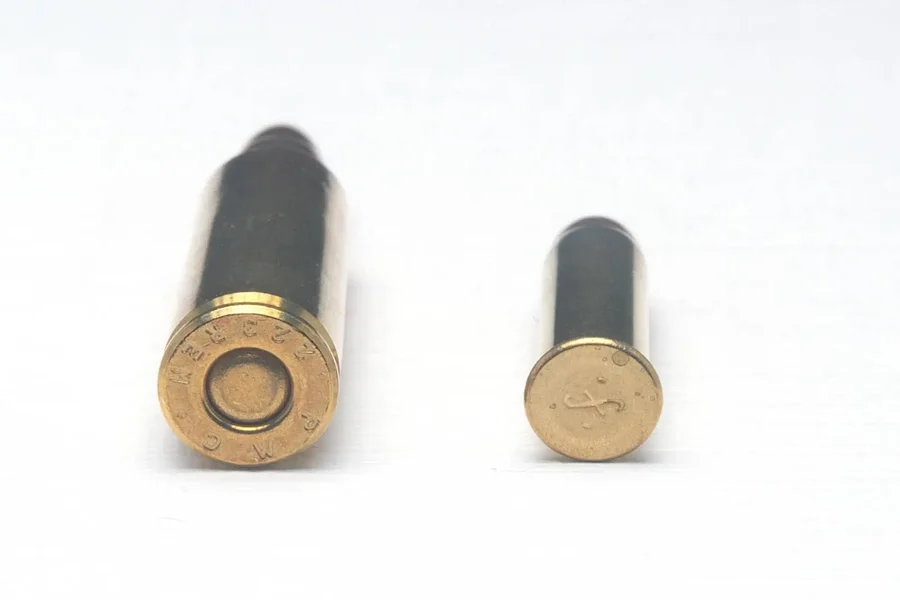
– Rimfire: The primer compound is evenly distributed around the thin rim at the base of these cartridges. When struck by a firing pin anywhere along this rim, ignition occurs. – Centerfire: A replaceable primer sits in a central pocket at the base of these cartridges. Striking this centralized location initiates ignition.
Understanding these parts will give you insight into how firearms operate and highlight why choosing between rimfire or centerfire ammunition depends on your intended use case as well as practical considerations like cost and performance requirements.
Rimfire vs. Centerfire Ammunition: What’s the Difference
When discussing firearms and ammunition, an essential distinction lies between rimfire and centerfire ammunition. Both types of cartridges serve specific purposes and are used in various applications, but their main differences lie in their design, ignition system, and functionality. Understanding these differences is crucial for determining which type of ammunition suits your needs best.
Core Differences in Design
The primary difference between rimfire and centerfire cartridges lies in how the primer – the component that ignites the gunpowder – is integrated into the cartridge.
- The primer is located within the rim of the cartridge base.
- The firing pin strikes the rim to ignite the primer.
- The casing is typically made from a thin material since it must deform when struck by the firing pin.
- The primer is a separate component seated at the center of the cartridge base.
- The firing pin strikes this centralized primer cap to ignite the propellant.
- Casings are generally thicker and more robust, allowing them to endure higher pressures.
| Feature | Rimfire | Centerfire |
| Primer Location | Integrated into rim | Separate primer at center |
| Casing Material | Thinner | Thicker |
| Reloadable | No | Yes |
| Pressure Tolerance | Lower | Higher |
Ignition Systems
- In rimfire ammunition, when struck by the firing pin, pressure on the rim creates a spark that ignites the powder inside. This simplicity makes it cost-effective but limits power due to lower pressure capability.
- In centerfire ammunition, striking the centrally located primer generates a controlled explosion, igniting gunpowder efficiently. This design allows for more powerful rounds capable of handling higher pressures.
Common Uses
- Best suited for low-power needs like target practice, plinking (informal shooting), or small game hunting.
- Popular examples include .22 LR (Long Rifle), known for affordability and low recoil.
- Used in high-power scenarios such as big game hunting, self-defense, competitive shooting, and law enforcement.
- Calibers like .308 Winchester or .45 ACP demonstrate its versatility across various firearms.
Cost & Accessibility
- Cheaper due to simpler manufacturing processes.
- Ideal for beginners looking to practice without breaking their budget.
- Generally more expensive due to its complex design and reusability (reloadable casings).
- Preferred choice among experienced shooters or those requiring greater performance capabilities.
By understanding these fundamental differences in design, function, and use cases, you can make informed decisions about which type of ammunition aligns with your specific shooting goals or firearm preferences.
Rimfire vs. Centerfire: Pros & Cons of Centerfire Ammunition
Centerfire ammunition is a popular choice among firearm enthusiasts, hunters, and professionals due to its reliability, performance, and versatility. Let’s break down the advantages and disadvantages of centerfire ammunition to provide a clearer understanding of what makes it stand out, as well as where it might fall short.
Advantages of Centerfire Ammunition
- Centerfire cartridges are designed with a primer located in the center of the cartridge base. This design ensures consistent ignition and reduces the likelihood of misfires compared to rimfire ammunition.
- The robust construction makes centerfire rounds less prone to deformation or damage during handling or storage.
- Centerfire ammunition is available in a vast array of calibers, ranging from small handgun rounds (such as 9mm) to large rifle calibers (.308 Winchester, .50 BMG).
- This variety makes it suitable for everything from self-defense and recreational shooting to long-range precision shooting and big-game hunting.
- Due to their stronger casing materials (typically brass or steel) and ability to handle higher pressures, centerfire cartridges can deliver greater velocity and energy compared to rimfire rounds.
- This increased power makes them ideal for applications requiring significant stopping power or extended range.
- One major advantage for frequent shooters is that most centerfire cartridge cases can be reloaded multiple times using reloading equipment.
- Reloading allows users to customize loads for better performance or cost savings while reducing waste.
- Unlike rimfire cartridges that use a thinner casing, centerfire casings are built with thicker materials that can withstand rougher handling without compromising performance.
Disadvantages of Centerfire Ammunition
- Centerfire ammunition tends to be significantly more expensive than rimfire options like .22 LR due to the materials used in their construction and the complexity of manufacturing.
- Beginners may find this cost prohibitive when practicing frequently at the range.
- With higher power often comes greater recoil, especially in larger calibers such as .45 ACP or .300 Winchester Magnum.
- This can make certain centerfire firearms less suitable for beginners or those sensitive to recoil.
- The heavier casings used in centerfire cartridges contribute additional weight compared to rimfires when carrying large quantities.
- For activities like backpacking hunts or long-distance treks, this extra weight could be a consideration.
- During periods of high demand (such as economic uncertainty), certain popular calibers like 9mm or .223 Remington may become harder to find on store shelves due to widespread reliance on these rounds across multiple sectors.
Use Cases for Centerfire Ammunition
| Application | Recommended Calibers | Why Choose Centerfire? |
| Self-Defense | 9mm Luger, .40 S&W, .45 ACP | Reliable ignition; sufficient stopping power |
| Hunting | .30-06 Springfield, .243 Win | Higher energy; effective for medium-to-large game |
| Long-Range Shooting | .308 Win., 6.5 Creedmoor | High accuracy potential at extended ranges |
| Law Enforcement/Military | Various | Durability under demanding conditions |
Final Thoughts
Centerfire ammunition offers numerous advantages in terms of reliability, power range, caliber selection, and versatility across different shooting applications. While it may come with higher costs and greater recoil compared to rimfires, its benefits often outweigh these drawbacks for many users—particularly those focused on performance-driven tasks like hunting or competitive shooting. Understanding both its strengths and limitations will help shooters make informed decisions about whether centerfires align with their specific needs and goals.
Rimfire vs. Centerfire: Pros & Cons of Centerfire Ammunition
Centerfire ammunition is a popular choice for many firearm enthusiasts due to its reliability, versatility, and performance. However, like any other technology or tool, it comes with both advantages and limitations. Below, we’ll outline the key pros and cons of centerfire ammunition to help you better understand its role in shooting sports, hunting, and self-defense.
Advantages of Centerfire Ammunition
- Centerfire cartridges are generally larger and capable of holding more gunpowder than their rimfire counterparts.
- This results in greater muzzle velocity, increased stopping power, and deeper penetration—making them suitable for big-game hunting or long-range shooting.
- The primer in a centerfire cartridge is located within a separate metal casing at the center of the base. This design makes centerfire ammunition structurally stronger and less prone to damage during handling or storage.
- Centerfire ammunition is available in an extensive variety of calibers ranging from small handgun rounds (e.g., 9mm) to large rifle cartridges (.308 Winchester).
- The diversity allows shooters to select cartridges tailored to specific applications such as home defense or wildlife hunting.
- Brass casings used in most centerfire rounds can often be reloaded multiple times with proper equipment.
- Reloading reduces long-term costs for avid shooters while offering customization options for bullet weight and powder load.
- The central primer design ensures more consistent ignition compared to rimfire cartridges. This reliability is critical in scenarios like self-defense or competitive shooting where misfires could have serious consequences.
Disadvantages of Centerfire Ammunition
- Manufacturing complexity increases the price of centerfire cartridges compared to rimfires. For casual plinking or beginner practice sessions, this cost difference can add up quickly.
- Because they tend to deliver higher energy output, many larger-caliber centerfire rounds produce significant recoil. Shooters who lack sufficient experience may find this challenging when maintaining precision across multiple shots.
- Bullets designed with higher powder capacity and more robust casings tend to be bulkier than rimfires.
- For activities requiring extended carry—such as multi-day hunting trips—this added weight might pose an inconvenience.
| Factor | Rimfire | Centerfire |
| Cost per round | Lower | Higher |
| Reloadability | Generally no | Yes |
| Power/Range | Limited | High performance |
| Primer type | Built-in rim | Separate central primer |
Practical Applications of Centerfire Ammunition
Centerfires are particularly useful in these scenarios:
– Hunting: Ideal for medium-to-large game species thanks to their power and long-range accuracy. – Self-defense: Handgun calibers like .40 S&W or .45 ACP ensure reliable stopping power in critical situations. – Target Shooting & Competition: Precision-oriented calibers such as .223 Remington excel at delivering consistent results on the range.
Rimfire vs. Centerfire: Pros & Cons of Centerfire Ammunition
Centerfire ammunition is one of the most commonly used types of ammunition, particularly in hunting, self-defense, and competitive shooting. Its design and functionality offer distinct advantages over rimfire cartridges, but there are also some drawbacks to consider depending on the situation. Below is a detailed look at the pros and cons of centerfire ammunition to help you better understand its role and suitability for various firearms applications.
Pros of Centerfire Ammunition
- Centerfire rounds are typically more powerful than rimfire cartridges.
- They come in a wide range of calibers suitable for everything from small-game hunting to large-game hunting, self-defense, and military applications.
- The primer located at the center of the cartridge base ensures consistent ignition.
- Less prone to misfires compared to rimfire ammunition.
- Spent centerfire brass casings can often be reloaded by replacing the primer, powder, and bullet.
- This makes them a cost-effective choice for frequent shooters who invest in reloading equipment.
- The thicker brass casing used in centerfire ammo increases durability.
- Better able to withstand high pressures generated during firing.
- Centerfire ammunition is engineered for high-pressure environments such as rifles and handguns designed for serious performance demands.
Cons of Centerfire Ammunition
- Typically more expensive compared to rimfire ammunition due to their complex construction and materials.
- Larger calibers can generate significant recoil, making them harder for beginners or small-framed shooters to handle comfortably.
- For small game or casual target shooting at close ranges, centerfire ammo may be excessive.
| Feature | Rimfire Ammunition | Centerfire Ammunition |
| Power | Lower | Higher |
| Reliability | Moderate | High |
| Cost | Affordable | More Expensive |
| Reloadability | Not reloadable | Reloadable |
| Durability | Less durable | More durable |
Key Takeaways
For those looking for superior power, reliability under tough conditions, or reloadable casings for long-term cost savings, centerfire ammunition is an excellent choice. However, keep in mind that it comes with added expense per round and may not be ideal if you’re new to shooting or focusing on casual plinking. Carefully assess your needs before choosing between rimfire and centerfire options.
Rimfire vs. Centerfire: Pros & Cons of Centerfire Ammunition
Centerfire ammunition is one of the most commonly used types in a variety of firearms, from handguns and rifles to shotguns. Its design and functionality make it a popular choice among hunters, competitive shooters, and law enforcement professionals. Below, we’ll explore the key advantages and disadvantages of centerfire ammunition to help you understand its role in the world of firearms.
Advantages of Centerfire Ammunition
- Reliability:
Centerfire cartridges are known for their reliable ignition system. The primer is located at the center of the cartridge base, which provides consistent firing under different conditions. This reliability makes it ideal for critical applications like self-defense or law enforcement. - High Power Capability:
Unlike rimfire ammunition, centerfire cartridges can handle larger powder charges. This results in greater velocity, energy, and accuracy over longer distances. These characteristics are particularly important for big-game hunting or military operations. - Wider Range of Options:
Centerfire ammunition is available in an extensive variety of calibers and bullet types. From small calibers like .223 Remington to powerful options like .50 BMG, there’s a centerfire cartridge designed for nearly every type of firearm application. - Reloadable Cases:
Most centerfire cases are made from brass or similar durable materials that can be reloaded multiple times using proper equipment. Reloading not only saves money but also allows for customization tailored to specific shooting needs. - Superior Durability:
Centerfire cartridges tend to be more robust than rimfires due to their construction. They can handle rough handling and environmental factors better than their rimfire counterparts.
Disadvantages of Centerfire Ammunition
- Higher Cost:
Compared to rimfire ammunition, centerfires are typically more expensive due to their complex construction and higher material costs. This can be a drawback for casual recreational shooters or those on a tight budget. - Increased Recoil:
The higher power associated with centerfires often comes with increased recoil, which may be uncomfortable or challenging for beginner shooters or those with smaller frame firearms. - Heavier Weight:
Larger calibers in particular tend to be heavier when carried in bulk compared to rimfires. For long hunting trips or extended shooting sessions where portability is important, this extra weight may pose an inconvenience.
| Features | Rimfire | Centerfire |
| Primer Location | Rim | Center |
| Cost | Lower | Higher |
| Reloadability | Not reloadable | Typically reloadable |
| Caliber Options | Limited | Extensive |
| Power & Distance | Low | High |
Practical Applications
- Hunting – Effective for larger game animals where deep penetration and stopping power are necessary.
- Tactical Use – Trusted by military personnel and law enforcement agencies due to its dependable ignition.
- Long-Distance Shooting – Precision shooting at extended ranges benefits from the accuracy provided by high-power centerfires.
- Competitive Shooting Events – Many events require cartridges with consistent performance under rigorous conditions.
Understanding both the strengths and weaknesses of centerfire ammunition can help you make informed decisions about its suitability for your shooting needs while managing any potential trade-offs effectively.
Rimfire vs. Centerfire: Pros & Cons of Centerfire Ammunition
Centerfire ammunition is the most widely used type of cartridge in modern firearms, thanks to its versatility and reliability across a wide range of shooting applications. By examining the advantages and disadvantages of centerfire ammunition, you’ll gain a better understanding of why it dominates many areas of shooting sports, hunting, and self-defense.
Advantages of Centerfire Ammunition
- Wide Caliber Range:
Centerfire cartridges are available in a broader range of calibers than rimfire ammunition. This makes them suitable for everything from small-game hunting to big-game pursuits and even long-range precision shooting. - Higher Power & Performance:
The design of centerfire cartridges allows for higher chamber pressures, translating into greater muzzle velocity and energy delivery. This makes them ideal for tasks requiring power, like hunting larger animals or engaging targets at extended ranges. - Reloadability:
One significant advantage is that centerfire cartridges can be reloaded multiple times using equipment like presses and dies. This reduces ammunition costs over time for frequent shooters and provides flexibility in customizing loads. - Reliable Ignition System:
The primer located in the center of the cartridge base ensures more consistent ignition compared to rimfire designs. This reliability is critical in situations where misfires could have serious consequences, such as in self-defense or professional use. - Durability:
Centerfire cases are constructed from robust materials (e.g., brass, steel, or nickel-plated brass), making them more durable than rimfire cases. They’re better able to withstand handling, environmental conditions, and chamber pressures without deformation or failure.
Disadvantages of Centerfire Ammunition
- Cost:
Centerfire cartridges tend to be more expensive per round compared to rimfire options like .22 LR due to their construction complexity and materials used (e.g., separate primer components). - Recoil:
Higher-powered cartridges often produce greater recoil than rimfires. For beginners or shooters sensitive to recoil, this can negatively impact accuracy and comfort during extended shooting sessions. - Weight & Bulk:
Larger-caliber centerfire rounds add weight and bulk when transporting large quantities. Hunters on long treks or individuals carrying extra ammo may find this a significant consideration.
Use Cases for Centerfire Ammunition
| Use Case | Reason |
| Hunting (medium/large game) | Effective due to high velocity and stopping power. |
| Competitive Shooting | Offers caliber variety for precision disciplines like benchrest shooting or PRS competitions. |
| Self-Defense | Reliable ignition with powerful stopping capability suitable for handguns or rifles commonly used in personal defense scenarios. |
| Law Enforcement/Military | Durable design ensures dependable performance under demanding conditions. |
Centerfire’s adaptability across different platforms (handguns, rifles, shotguns) means it’s often the preferred choice where performance outweighs cost considerations. For those who demand precision, power, and reliability from their ammunition—whether on the range or out in the field—centerfires stand out as an optimal solution despite their few trade-offs.