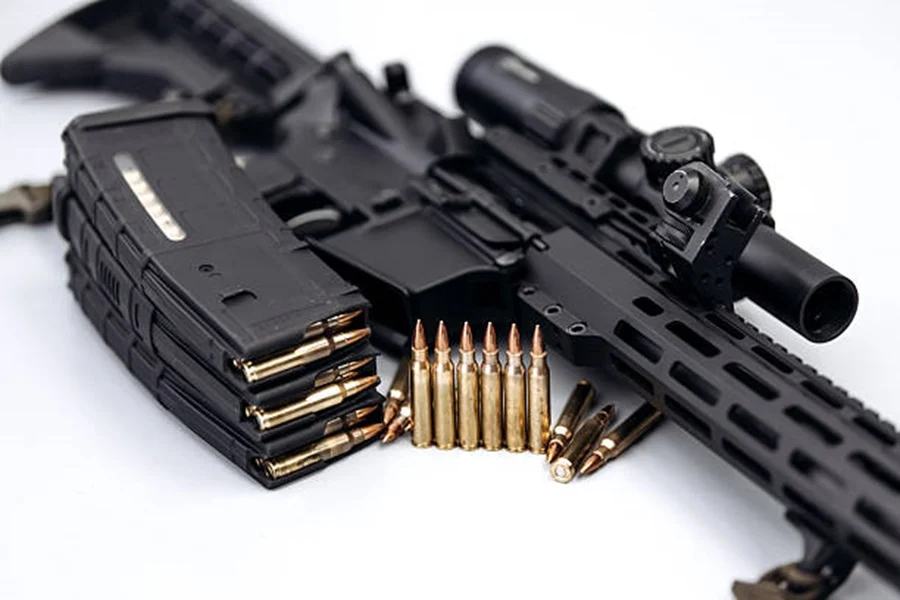
7 Best .22LR AR-15 Rifles & Conversion Kits

7 Best .22LR AR-15 Rifles & Conversion Kits

How We Chose the Best AR-15 in .22 LR

Selecting the best AR-15 rifles and conversion kits chambered in .22 LR requires a careful evaluation of key factors that align with performance, usability, and value. The primary goal is to identify firearms or kits that offer exceptional reliability, accuracy, and compatibility while catering to diverse shooting needs—whether for training, plinking, or small-game hunting. Below is an overview of the criteria we used during this process.

Key Evaluation Criteria

  1. Smooth cycling and consistent feeding were essential benchmarks for determining reliability. A .22 LR AR-15 must function well with a variety of ammunition types since rimfire cartridges are known for occasional inconsistencies.
  2. We prioritized rifles and kits that produced fewer malfunctions over extended shooting sessions.
  3. A major factor in any firearm evaluation is precision. The selected rifles needed to deliver tight groupings at practical distances (generally 25–50 yards for .22 LR) while being user-friendly enough for new shooters to achieve decent results.
  4. Rifling quality, barrel construction, and overall build design were assessed to ensure repeatable accuracy.
  5. When considering .22 LR conversion kits, simplicity was key. Kits had to be intuitive and quick to install without requiring advanced gunsmithing skills.
  6. Compatibility with popular AR-15 platforms was a must—ensuring users could switch between calibers seamlessly.
  7. Affordability matters when discussing firearms intended primarily for casual use like plinking or training. However, cheap options were only considered if they met or exceeded minimum quality standards.
  8. We focused on products that offered long-term durability without excessive cost.
  9. The materials used in both complete rifles and conversion kits greatly affect their longevity and functionality. Stainless steel components, corrosion-resistant finishes, and robust polymer parts were heavily favored.
  10. Beyond technical specifications, we explored reviews by real-world users—both experienced marksmen and casual shooters—to identify common trends in satisfaction or complaints.
  11. Products from reputable manufacturers with strong customer support received higher rankings.

Why These Factors Matter

A .22 LR AR-15 rifle serves multiple purposes—it’s ideal for economical practice sessions due to the low cost of rimfire ammunition; it provides reduced recoil, making it beginner-friendly; and it offers versatility through its modular design options. Ensuring these firearms meet individuals’ expectations across these areas is crucial because they are often chosen as “training analogs” for larger-caliber AR-15s or as cost-effective alternatives for recreational shooting.

Pros of Choosing a .22 LR AR-15

  • Reduced Cost Per Shot: Rimfire ammunition like .22 LR is significantly cheaper than centerfire calibers such as 5.56 NATO or .223 Remington.
  • Low Recoil: Allows beginners to build confidence while making it easier to develop proper shooting mechanics.
  • Modular Design: Many .22 LR rifles mimic the dimensions of standard AR platforms, enabling shooters to practice using accessories like optics or grips before transitioning to higher calibers.
  • Environmentally Friendly Training Solution: While not specific to all shooters’ priorities (and unrelated directly), it’s worth noting some owners even experiment with reusable targets like bamboo straws as part sustainable fun approach here tweaking match setups outdoors scenarios…

Summary Table: What We Looked For

CriteriaImportanceExample Features
PerformanceHighSmooth cycling; reliable extraction
AccuracyHighTight groupings at 25–50 yards
Ease of Use (Kits)MediumTool-free installation; wide platform compatibility
Build QualityHighDurable barrels; corrosion-resistant finishes
AffordabilityMediumBalanced pricing relative premium functionality + lifespan etc

1. Performance and Accuracy

  • A .22 LR rifle or conversion kit must deliver consistent accuracy at both short and moderate distances.
  • We evaluated barrel quality, trigger performance, and overall mechanics to ensure precise shooting for training or recreational use.

2. Build Quality and Durability

  • Materials such as aluminum or polymer were assessed to ensure they could handle extended use while maintaining functionality.
  • The longevity of key components like barrels, bolts, and firing mechanisms was also a top consideration.

3. Ease of Use

  • Rifles and conversion kits needed to be beginner-friendly while still offering customization options for advanced shooters.
  • Controls such as magazine releases, safety selectors, and charging handles were evaluated for intuitive operation.

4. Compatibility

  • For conversion kits, compatibility with existing AR-15 lowers was paramount.
  • Kits that fit seamlessly into multiple platforms without additional modifications scored higher in this category.

5. Cost Efficiency

  • Affordability was another major factor since many shooters turn to .22LR options as an economical choice for practice or introduction to firearms.
  • Products that offered excellent value without compromising quality earned higher rankings.

6. Magazine Availability

  • Reliable magazines are crucial for any semi-auto platform; we considered the availability of factory-made magazines in multiple capacities (e.g., 10-round vs 25-round).

7. User Feedback & Expert Opinions

  • We examined customer reviews from established retailers along with input from experienced firearms experts who routinely work with AR-style rifles in various calibers.

Key Features To Look For:

FeatureWhy It Matters
Barrel LengthLonger barrels improve accuracy; shorter barrels are more compact for plinking
Build MaterialAluminum provides durability; polymer reduces weight
Adjustable StockEnhances comfort and adaptability
Optics CompatibilityAllows users to mount scopes or red dots
Magazine CapacityHigher capacity offers convenience during range sessions

By combining these factors into our evaluation process, we were able to identify not just high-quality products but also those suited to a variety of shooting preferences—whether you’re looking for a dedicated rifle or an easy-to-install conversion kit.

Key Criteria for Selection

  1. Precision and consistency are essential for target shooting, plinking, or small-game hunting with a .22 LR rifle. We evaluated each model’s barrel design, length, twist rate, and overall performance under various conditions.
  2. Materials and craftsmanship play a significant role in reliability and durability. We assessed components such as upper/lower receivers, barrels, triggers, and handguards to ensure they were well-made and capable of withstanding extended use.
  3. A good AR-15 chambered in .22 LR must feed reliably across multiple ammunition types. We reviewed performance reports from users and manufacturers to identify rifles that minimize malfunctions such as misfeeds or stovepiping.
  4. AR-15 platforms are known for their modularity. Models offering compatibility with aftermarket accessories like optics, stocks, grips, or handguards were prioritized since they allow users to customize their rifles based on personal preferences.
  5. Affordability is an important factor for many shooters entering the .22 LR platform without sacrificing quality. Rifles were chosen based on their ability to deliver great value at different price points—whether budget-friendly or premium options.
  6. For those looking to convert a standard 5.56/.223 AR-15 into a .22 LR firearm using a kit, we scrutinized compatibility with popular lower receivers along with ease of installation.
  7. By analyzing customer reviews from reputable retailers and forums alongside expert opinions within the firearms community, we identified models with strong reliability records and overall satisfaction ratings among shooters.

The Selection Process

  • Over 20 rifles were initially considered based on popularity within the market.
  • Side-by-side comparisons were performed using technical specifications like weight, barrel length/materials (e.g., stainless steel vs chrome-moly), magazine capacity options, etc.
  • Independent testing reports were referenced when available.
  • Budgetary considerations ensured coverage across entry-level to high-end models.

Why These Factors Matter

CriteriaImportance
AccuracyEnsures precise shots during plinking sessions or target shooting competitions
ReliabilityReduces frustration caused by frequent jams/misfires
Build QualityEnhances longevity even under frequent use
CustomizationAllows shooters to tailor rifles based on personal style/preferences

By adhering strictly to these considerations during evaluation—and factoring real-world scenarios like ammo availability or typical use cases—we’re confident that our recommendations represent the best available options in this category without compromising quality or practicality for any shooter level.

1. Accuracy and Performance

  • A rifle’s ability to deliver consistent accuracy is paramount, especially for .22 LR platforms known for plinking, target practice, and small game hunting.
  • We evaluated barrel quality, rifling specifications, and overall performance at varying distances (e.g., 25 to 100 yards).
  • Consideration was given to both standalone rifles and conversion kits that retained satisfactory accuracy.

2. Build Quality

  • Materials were assessed for durability and longevity. Steel-lined barrels, polymer furniture (when appropriate), and aluminum receivers were some materials we prioritized.
  • The fitment of parts—whether a complete rifle or kit—was also reviewed to ensure tight tolerances without sacrificing ease of use.

3. Ease of Conversion (For Kits)

  • For conversion kits specifically, we examined how effortlessly these could transform a standard AR-15 into a .22 LR platform.
    • Was disassembly straightforward?
    • Were instructions accessible for beginners?
    • Did the kit maintain compatibility across various AR-15 models?

4. Affordability

  • The affordability of both standalone rifles and conversion kits was taken into account while balancing costs with performance.
  • We aimed to include options that cater to multiple budgets without compromising essential features.
Price RangeCategoryFeatures Included
$150-$300Entry-Level Conversion KitBasic functionality with core reliability
$300-$600Mid-Tier Rifle/KitImproved accuracy and build quality
$600+Premium ModelsEnhanced materials & advanced features

5. Magazine Capacity & Functionality

  • Evaluated magazine options included capacity variations ranging from 10-round magazines to larger capacities closer to their centerfire counterparts (e.g., 25 rounds).
  • Reliable feeding with different ammunition types (round nose, hollow point) was tested across supported magazines.

6. Reputation of Manufacturer

  • We considered brands with a strong track record for producing reliable firearms or accessories in the AR platform world (e.g., CMMG, Smith & Wesson).
    • Customer reviews from trusted sources were factored in alongside professional evaluations.

7. Customization Potential

  • Many users purchase .22 LR ARs as training platforms or for specialized shooting styles.
    • Rifles offering compatibility with aftermarket parts like handguards, triggers, or optics scored higher in our rankings.

By focusing on these criteria as part of our selection process, we ensured that all recommendations deliver excellent value based on performance, versatility, and user needs within this unique subcategory of firearms.

How We Chose the Best AR-15 in .22 LR

Selecting the best .22 LR AR-15 rifles and conversion kits requires a clear methodology that ensures quality, performance, and value for a variety of users. Our process is designed to evaluate these firearms across several critical factors, ensuring that the recommendations suit both experienced and beginner shooters. Below is an overview of the criteria used for selection.

Key Evaluation Criteria

  1. A primary consideration was how well each rifle or conversion kit maintained accuracy over short and mid-ranges (25–100 yards), which are typical distances for .22 LR shooting.
  2. Rifles were tested with both bulk ammunition and higher-grade options to gauge consistency in performance.
  3. Durable construction was critical, particularly regarding barrels, upper receivers, and small components like extractors.
  4. Preference was given to rifles made from high-quality aluminum alloys or polymer blends that balance strength with lightweight handling.
  5. Conversion kits were evaluated on their ease of installation and removal without requiring extensive tools or gunsmithing knowledge.
  6. Kits that allowed quick swaps between calibers without needing constant re-zeroing of optics scored higher.
  7. Consistent function was tested across different ammunition types, including standard velocity, high velocity, and subsonic rounds.
  8. Special consideration was given to systems that minimized failures such as misfeeds or failure-to-eject issues.
  9. Affordability matters when considering .22 LR rifles; they’re often sought as economical training alternatives to standard AR-15s.
  10. Models offering exceptional features at competitive price points received higher rankings in our evaluation.
  11. The availability of accessories like replacement parts, magazines, handguards, stocks, and triggers played a significant role in our decision-making process.
  12. Firearms with robust aftermarket ecosystems provide greater flexibility for customization.

Testing Environment

All rifles and conversion kits were tested under real-world conditions: – Indoor shooting ranges were used to assess initial grouping at fixed distances. – Outdoor tests examined performance under varying weather conditions like wind or light rain.

Why These Factors Matter

Choosing the right .22 LR AR-15 can depend on personal preferences—whether you prioritize accuracy for target shooting or reliability during plinking sessions. By applying these criteria systematically across all products reviewed, we ensured our picks cater to various needs while maintaining high levels of quality.

The resulting list not only includes complete .22 LR rifles but also highlights top-performing conversion kits that allow you to transform your existing AR platform with minimal effort—providing versatility without overspending on a dedicated firearm setup.

Key Criteria for Selection

  1. Materials: We prioritized rifles made with high-quality materials such as aircraft-grade aluminum or steel for long-term durability.
  2. Fit & Finish: A tight fit between upper and lower receivers was an important indicator of precision manufacturing.
  3. Barrel Quality: Rifles with precision-crafted barrels ensure consistent accuracy. Models featuring chrome-lined or nitrided barrels were rated higher due to better performance over extended use.
  4. Optics Compatibility: Many users plan on adding scopes or red dots to their AR-15s, so we evaluated models based on ease of mounting optics.
  5. Ergonomics: We tested whether the rifle was comfortable to handle and easy to maneuver in different shooting scenarios (e.g., bench shooting vs. plinking).
  6. Maintenance: Ease of cleaning the rifle’s internal components played a big role in our assessment.
  7. Magazine Compatibility
    Magazines are central to .22 LR reliability since rimfire cartridges can be more prone to feeding issues than centerfire rounds like 5.56 NATO or .223 Remington. Only rifles with well-designed magazines made our list.
  8. Price-to-Performance Ratio
    While affordability is important for many shooters, we also balanced cost against features and performance to ensure value-packed recommendations.

Testing Protocols

  • Cycling reliability (did it jam or fail to feed?)
  • Consistency in grouping
  • User feedback on platform customizability

Additional Considerations

We also accounted for features such as ambidextrous controls, aftermarket support for customization, and brand reputation within the firearms community when finalizing our list.

FactorWeightage (%)Examples AnalyzedNotes
Build Quality30%Ruger SR-22 vs CMMG Bravo ConversionImportance of materials & tight tolerances
Accuracy25%Smith & Wesson M&P15-22Group consistency w/ optics
Reliability20%Tippmann Arms M4Smooth cycling with different ammo types
Price15%PSA 22LR Conversion Kit vs Dedicated Rifle ModelsBalance between cost & features
Customization Options10%Compatibility w/ aftermarket accessories

By following these steps during our selection process, we ensure that all rifles recommended meet practical needs while delivering high-quality results for shooters across skill levels—from beginners looking for affordable options to experienced enthusiasts seeking peak performance from their platforms.

How We Chose the Best AR-15 in .22 LR

1. Accuracy and Precision

The primary function of any firearm is its ability to hit the target effectively, and .22 LR AR-15 rifles are no exception. To evaluate accuracy:
– We considered user reviews and field tests.
– Rifles were tested for groupings at various distances, typically 25 to 50 yards for .22 LR platforms.
– Consistency in performance across different ammunition types was also a factor.

2. Build Quality and Materials

Durability is paramount in any firearm purchase. For this reason:
– We assessed materials such as high-grade aluminum or polymer components used in upper receivers, lower receivers, and barrels.
– Fit and finish were examined to identify rifles that maintain long-term reliability without excessive wear or damage over time.

3. Ease of Conversion (For Kits)

Conversion kits allow users to adapt an existing AR-15 chambered in a larger caliber like .223/5.56 to fire .22 LR rounds. To evaluate these kits:
– The installation process was tested for simplicity – ideally requiring minimal tools or expertise. – Compatibility with standard AR platforms was prioritized; users should not need extensive modifications on their rifle. – We checked whether kits maintained proper cycling and feeding of rounds after installation.

4. Value for Money

Cost is an essential factor when choosing any firearm or accessory:
– Rifles that balance affordability with performance were rated higher. – Conversion kits were judged on how well they performed relative to their price point — providing significant cost savings by allowing users to practice with inexpensive .22 LR ammunition instead of pricier calibers like 5.56 NATO.

5. Brand Reputation & Warranty Support

The reputation of manufacturers plays a role in ensuring customer satisfaction:
– Trusted brands with a history of quality firearms were prioritized. – Warranties or customer support programs added weight during our evaluation since peace of mind is important when purchasing high-value items.

Table: Criteria Comparison

CriteriaImportanceExample FeaturesNotes
Accuracy & PrecisionHighReliable groupings at standard distancesCritical for training or plinking
Build QualityHighDurable materials like aluminum or steelLongevity ensures better investment
Conversion EaseMediumDrop-in bolt assembliesRelevant only for conversion kits
ValueHighCost-performance ratioBalances features against budget
Brand ReputationMediumCustomer support availabilityEnsures buyer confidence

By adhering to these criteria during the selection process, we ensured that each recommendation aligns with what enthusiasts value most – accuracy, reliability, versatility, and affordability – making them standout options among other products available today.
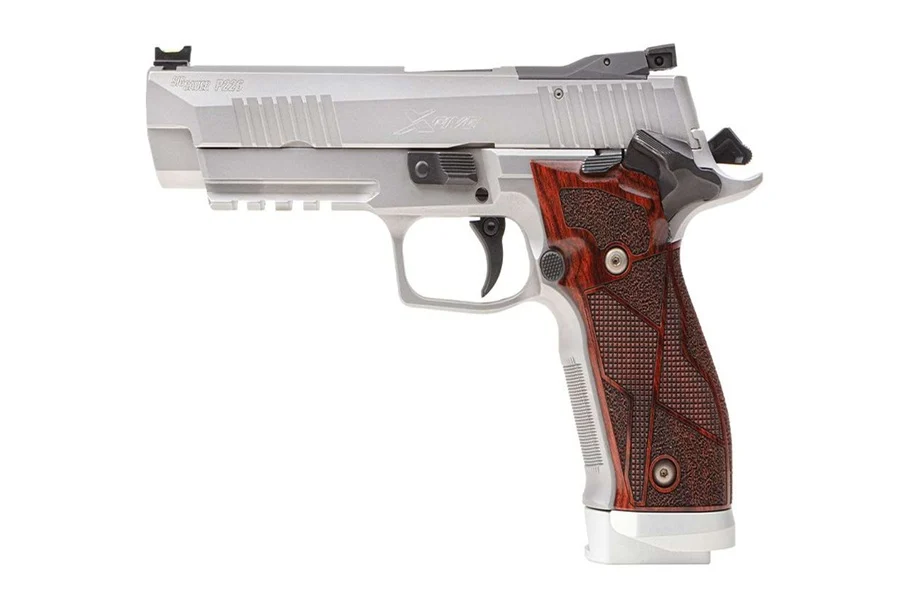
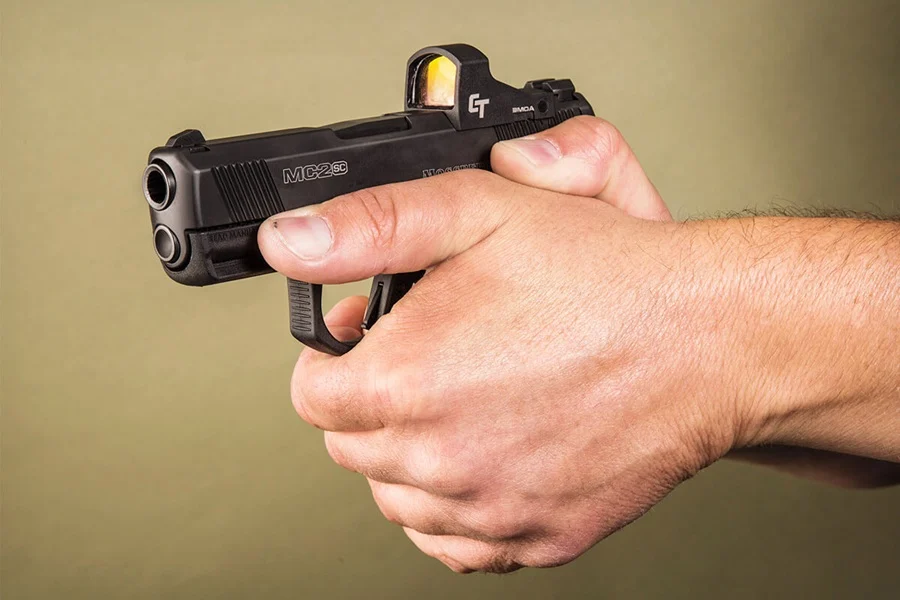
How We Chose the Best AR-15 in .22 LR

Selecting the best AR-15 rifles and conversion kits chambered in .22 LR requires a careful evaluation of key factors that align with performance, usability, and value. The primary goal is to identify firearms or kits that offer exceptional reliability, accuracy, and compatibility while catering to diverse shooting needs—whether for training, plinking, or small-game hunting. Below is an overview of the criteria we used during this process.

Key Evaluation Criteria

  1. Smooth cycling and consistent feeding were essential benchmarks for determining reliability. A .22 LR AR-15 must function well with a variety of ammunition types since rimfire cartridges are known for occasional inconsistencies.
  2. We prioritized rifles and kits that produced fewer malfunctions over extended shooting sessions.
  3. A major factor in any firearm evaluation is precision. The selected rifles needed to deliver tight groupings at practical distances (generally 25–50 yards for .22 LR) while being user-friendly enough for new shooters to achieve decent results.
  4. Rifling quality, barrel construction, and overall build design were assessed to ensure repeatable accuracy.
  5. When considering .22 LR conversion kits, simplicity was key. Kits had to be intuitive and quick to install without requiring advanced gunsmithing skills.
  6. Compatibility with popular AR-15 platforms was a must—ensuring users could switch between calibers seamlessly.
  7. Affordability matters when discussing firearms intended primarily for casual use like plinking or training. However, cheap options were only considered if they met or exceeded minimum quality standards.
  8. We focused on products that offered long-term durability without excessive cost.
  9. The materials used in both complete rifles and conversion kits greatly affect their longevity and functionality. Stainless steel components, corrosion-resistant finishes, and robust polymer parts were heavily favored.
  10. Beyond technical specifications, we explored reviews by real-world users—both experienced marksmen and casual shooters—to identify common trends in satisfaction or complaints.
  11. Products from reputable manufacturers with strong customer support received higher rankings.

Why These Factors Matter

A .22 LR AR-15 rifle serves multiple purposes—it’s ideal for economical practice sessions due to the low cost of rimfire ammunition; it provides reduced recoil, making it beginner-friendly; and it offers versatility through its modular design options. Ensuring these firearms meet individuals’ expectations across these areas is crucial because they are often chosen as “training analogs” for larger-caliber AR-15s or as cost-effective alternatives for recreational shooting.

Pros of Choosing a .22 LR AR-15

  • Reduced Cost Per Shot: Rimfire ammunition like .22 LR is significantly cheaper than centerfire calibers such as 5.56 NATO or .223 Remington.
  • Low Recoil: Allows beginners to build confidence while making it easier to develop proper shooting mechanics.
  • Modular Design: Many .22 LR rifles mimic the dimensions of standard AR platforms, enabling shooters to practice using accessories like optics or grips before transitioning to higher calibers.
  • Environmentally Friendly Training Solution: While not specific to all shooters’ priorities (and unrelated directly), it’s worth noting some owners even experiment with reusable targets like bamboo straws as part sustainable fun approach here tweaking match setups outdoors scenarios…

Summary Table: What We Looked For

CriteriaImportanceExample Features
PerformanceHighSmooth cycling; reliable extraction
AccuracyHighTight groupings at 25–50 yards
Ease of Use (Kits)MediumTool-free installation; wide platform compatibility
Build QualityHighDurable barrels; corrosion-resistant finishes
AffordabilityMediumBalanced pricing relative premium functionality + lifespan etc

1. Performance and Accuracy

  • A .22 LR rifle or conversion kit must deliver consistent accuracy at both short and moderate distances.
  • We evaluated barrel quality, trigger performance, and overall mechanics to ensure precise shooting for training or recreational use.

2. Build Quality and Durability

  • Materials such as aluminum or polymer were assessed to ensure they could handle extended use while maintaining functionality.
  • The longevity of key components like barrels, bolts, and firing mechanisms was also a top consideration.

3. Ease of Use

  • Rifles and conversion kits needed to be beginner-friendly while still offering customization options for advanced shooters.
  • Controls such as magazine releases, safety selectors, and charging handles were evaluated for intuitive operation.

4. Compatibility

  • For conversion kits, compatibility with existing AR-15 lowers was paramount.
  • Kits that fit seamlessly into multiple platforms without additional modifications scored higher in this category.

5. Cost Efficiency

  • Affordability was another major factor since many shooters turn to .22LR options as an economical choice for practice or introduction to firearms.
  • Products that offered excellent value without compromising quality earned higher rankings.

6. Magazine Availability

  • Reliable magazines are crucial for any semi-auto platform; we considered the availability of factory-made magazines in multiple capacities (e.g., 10-round vs 25-round).

7. User Feedback & Expert Opinions

  • We examined customer reviews from established retailers along with input from experienced firearms experts who routinely work with AR-style rifles in various calibers.

Key Features To Look For:

FeatureWhy It Matters
Barrel LengthLonger barrels improve accuracy; shorter barrels are more compact for plinking
Build MaterialAluminum provides durability; polymer reduces weight
Adjustable StockEnhances comfort and adaptability
Optics CompatibilityAllows users to mount scopes or red dots
Magazine CapacityHigher capacity offers convenience during range sessions

By combining these factors into our evaluation process, we were able to identify not just high-quality products but also those suited to a variety of shooting preferences—whether you’re looking for a dedicated rifle or an easy-to-install conversion kit.

Key Criteria for Selection

  1. Precision and consistency are essential for target shooting, plinking, or small-game hunting with a .22 LR rifle. We evaluated each model’s barrel design, length, twist rate, and overall performance under various conditions.
  2. Materials and craftsmanship play a significant role in reliability and durability. We assessed components such as upper/lower receivers, barrels, triggers, and handguards to ensure they were well-made and capable of withstanding extended use.
  3. A good AR-15 chambered in .22 LR must feed reliably across multiple ammunition types. We reviewed performance reports from users and manufacturers to identify rifles that minimize malfunctions such as misfeeds or stovepiping.
  4. AR-15 platforms are known for their modularity. Models offering compatibility with aftermarket accessories like optics, stocks, grips, or handguards were prioritized since they allow users to customize their rifles based on personal preferences.
  5. Affordability is an important factor for many shooters entering the .22 LR platform without sacrificing quality. Rifles were chosen based on their ability to deliver great value at different price points—whether budget-friendly or premium options.
  6. For those looking to convert a standard 5.56/.223 AR-15 into a .22 LR firearm using a kit, we scrutinized compatibility with popular lower receivers along with ease of installation.
  7. By analyzing customer reviews from reputable retailers and forums alongside expert opinions within the firearms community, we identified models with strong reliability records and overall satisfaction ratings among shooters.

The Selection Process

  • Over 20 rifles were initially considered based on popularity within the market.
  • Side-by-side comparisons were performed using technical specifications like weight, barrel length/materials (e.g., stainless steel vs chrome-moly), magazine capacity options, etc.
  • Independent testing reports were referenced when available.
  • Budgetary considerations ensured coverage across entry-level to high-end models.

Why These Factors Matter

CriteriaImportance
AccuracyEnsures precise shots during plinking sessions or target shooting competitions
ReliabilityReduces frustration caused by frequent jams/misfires
Build QualityEnhances longevity even under frequent use
CustomizationAllows shooters to tailor rifles based on personal style/preferences

By adhering strictly to these considerations during evaluation—and factoring real-world scenarios like ammo availability or typical use cases—we’re confident that our recommendations represent the best available options in this category without compromising quality or practicality for any shooter level.

1. Accuracy and Performance

  • A rifle’s ability to deliver consistent accuracy is paramount, especially for .22 LR platforms known for plinking, target practice, and small game hunting.
  • We evaluated barrel quality, rifling specifications, and overall performance at varying distances (e.g., 25 to 100 yards).
  • Consideration was given to both standalone rifles and conversion kits that retained satisfactory accuracy.

2. Build Quality

  • Materials were assessed for durability and longevity. Steel-lined barrels, polymer furniture (when appropriate), and aluminum receivers were some materials we prioritized.
  • The fitment of parts—whether a complete rifle or kit—was also reviewed to ensure tight tolerances without sacrificing ease of use.

3. Ease of Conversion (For Kits)

  • For conversion kits specifically, we examined how effortlessly these could transform a standard AR-15 into a .22 LR platform.
    • Was disassembly straightforward?
    • Were instructions accessible for beginners?
    • Did the kit maintain compatibility across various AR-15 models?

4. Affordability

  • The affordability of both standalone rifles and conversion kits was taken into account while balancing costs with performance.
  • We aimed to include options that cater to multiple budgets without compromising essential features.
Price RangeCategoryFeatures Included
$150-$300Entry-Level Conversion KitBasic functionality with core reliability
$300-$600Mid-Tier Rifle/KitImproved accuracy and build quality
$600+Premium ModelsEnhanced materials & advanced features

5. Magazine Capacity & Functionality

  • Evaluated magazine options included capacity variations ranging from 10-round magazines to larger capacities closer to their centerfire counterparts (e.g., 25 rounds).
  • Reliable feeding with different ammunition types (round nose, hollow point) was tested across supported magazines.

6. Reputation of Manufacturer

  • We considered brands with a strong track record for producing reliable firearms or accessories in the AR platform world (e.g., CMMG, Smith & Wesson).
    • Customer reviews from trusted sources were factored in alongside professional evaluations.

7. Customization Potential

  • Many users purchase .22 LR ARs as training platforms or for specialized shooting styles.
    • Rifles offering compatibility with aftermarket parts like handguards, triggers, or optics scored higher in our rankings.

By focusing on these criteria as part of our selection process, we ensured that all recommendations deliver excellent value based on performance, versatility, and user needs within this unique subcategory of firearms.

How We Chose the Best AR-15 in .22 LR

Selecting the best .22 LR AR-15 rifles and conversion kits requires a clear methodology that ensures quality, performance, and value for a variety of users. Our process is designed to evaluate these firearms across several critical factors, ensuring that the recommendations suit both experienced and beginner shooters. Below is an overview of the criteria used for selection.

Key Evaluation Criteria

  1. A primary consideration was how well each rifle or conversion kit maintained accuracy over short and mid-ranges (25–100 yards), which are typical distances for .22 LR shooting.
  2. Rifles were tested with both bulk ammunition and higher-grade options to gauge consistency in performance.
  3. Durable construction was critical, particularly regarding barrels, upper receivers, and small components like extractors.
  4. Preference was given to rifles made from high-quality aluminum alloys or polymer blends that balance strength with lightweight handling.
  5. Conversion kits were evaluated on their ease of installation and removal without requiring extensive tools or gunsmithing knowledge.
  6. Kits that allowed quick swaps between calibers without needing constant re-zeroing of optics scored higher.
  7. Consistent function was tested across different ammunition types, including standard velocity, high velocity, and subsonic rounds.
  8. Special consideration was given to systems that minimized failures such as misfeeds or failure-to-eject issues.
  9. Affordability matters when considering .22 LR rifles; they’re often sought as economical training alternatives to standard AR-15s.
  10. Models offering exceptional features at competitive price points received higher rankings in our evaluation.
  11. The availability of accessories like replacement parts, magazines, handguards, stocks, and triggers played a significant role in our decision-making process.
  12. Firearms with robust aftermarket ecosystems provide greater flexibility for customization.

Testing Environment

All rifles and conversion kits were tested under real-world conditions: – Indoor shooting ranges were used to assess initial grouping at fixed distances. – Outdoor tests examined performance under varying weather conditions like wind or light rain.

Why These Factors Matter

Choosing the right .22 LR AR-15 can depend on personal preferences—whether you prioritize accuracy for target shooting or reliability during plinking sessions. By applying these criteria systematically across all products reviewed, we ensured our picks cater to various needs while maintaining high levels of quality.

The resulting list not only includes complete .22 LR rifles but also highlights top-performing conversion kits that allow you to transform your existing AR platform with minimal effort—providing versatility without overspending on a dedicated firearm setup.

Key Criteria for Selection

  1. Materials: We prioritized rifles made with high-quality materials such as aircraft-grade aluminum or steel for long-term durability.
  2. Fit & Finish: A tight fit between upper and lower receivers was an important indicator of precision manufacturing.
  3. Barrel Quality: Rifles with precision-crafted barrels ensure consistent accuracy. Models featuring chrome-lined or nitrided barrels were rated higher due to better performance over extended use.
  4. Optics Compatibility: Many users plan on adding scopes or red dots to their AR-15s, so we evaluated models based on ease of mounting optics.
  5. Ergonomics: We tested whether the rifle was comfortable to handle and easy to maneuver in different shooting scenarios (e.g., bench shooting vs. plinking).
  6. Maintenance: Ease of cleaning the rifle’s internal components played a big role in our assessment.
  7. Magazine Compatibility
    Magazines are central to .22 LR reliability since rimfire cartridges can be more prone to feeding issues than centerfire rounds like 5.56 NATO or .223 Remington. Only rifles with well-designed magazines made our list.
  8. Price-to-Performance Ratio
    While affordability is important for many shooters, we also balanced cost against features and performance to ensure value-packed recommendations.

Testing Protocols

  • Cycling reliability (did it jam or fail to feed?)
  • Consistency in grouping
  • User feedback on platform customizability

Additional Considerations

We also accounted for features such as ambidextrous controls, aftermarket support for customization, and brand reputation within the firearms community when finalizing our list.

FactorWeightage (%)Examples AnalyzedNotes
Build Quality30%Ruger SR-22 vs CMMG Bravo ConversionImportance of materials & tight tolerances
Accuracy25%Smith & Wesson M&P15-22Group consistency w/ optics
Reliability20%Tippmann Arms M4Smooth cycling with different ammo types
Price15%PSA 22LR Conversion Kit vs Dedicated Rifle ModelsBalance between cost & features
Customization Options10%Compatibility w/ aftermarket accessories

By following these steps during our selection process, we ensure that all rifles recommended meet practical needs while delivering high-quality results for shooters across skill levels—from beginners looking for affordable options to experienced enthusiasts seeking peak performance from their platforms.

How We Chose the Best AR-15 in .22 LR

1. Accuracy and Precision

The primary function of any firearm is its ability to hit the target effectively, and .22 LR AR-15 rifles are no exception. To evaluate accuracy:
– We considered user reviews and field tests.
– Rifles were tested for groupings at various distances, typically 25 to 50 yards for .22 LR platforms.
– Consistency in performance across different ammunition types was also a factor.

2. Build Quality and Materials

Durability is paramount in any firearm purchase. For this reason:
– We assessed materials such as high-grade aluminum or polymer components used in upper receivers, lower receivers, and barrels.
– Fit and finish were examined to identify rifles that maintain long-term reliability without excessive wear or damage over time.

3. Ease of Conversion (For Kits)

Conversion kits allow users to adapt an existing AR-15 chambered in a larger caliber like .223/5.56 to fire .22 LR rounds. To evaluate these kits:
– The installation process was tested for simplicity – ideally requiring minimal tools or expertise. – Compatibility with standard AR platforms was prioritized; users should not need extensive modifications on their rifle. – We checked whether kits maintained proper cycling and feeding of rounds after installation.

4. Value for Money

Cost is an essential factor when choosing any firearm or accessory:
– Rifles that balance affordability with performance were rated higher. – Conversion kits were judged on how well they performed relative to their price point — providing significant cost savings by allowing users to practice with inexpensive .22 LR ammunition instead of pricier calibers like 5.56 NATO.

5. Brand Reputation & Warranty Support

The reputation of manufacturers plays a role in ensuring customer satisfaction:
– Trusted brands with a history of quality firearms were prioritized. – Warranties or customer support programs added weight during our evaluation since peace of mind is important when purchasing high-value items.

Table: Criteria Comparison

CriteriaImportanceExample FeaturesNotes
Accuracy & PrecisionHighReliable groupings at standard distancesCritical for training or plinking
Build QualityHighDurable materials like aluminum or steelLongevity ensures better investment
Conversion EaseMediumDrop-in bolt assembliesRelevant only for conversion kits
ValueHighCost-performance ratioBalances features against budget
Brand ReputationMediumCustomer support availabilityEnsures buyer confidence

By adhering to these criteria during the selection process, we ensured that each recommendation aligns with what enthusiasts value most – accuracy, reliability, versatility, and affordability – making them standout options among other products available today.
Related Post

If you liked this post we are sure you will like the following ones.

Best Tactical Helmets: Bump & Ballistic

Tactical Helmet Comparison Chart To simplify the process of selecting the best tactical helmet, we’ve compiled a comparison chart that breaks down key factors like weight, features, protection level, and price. Whether you’re looking for a lightweight bump helmet or full ballistic protection, this chart provides an at-a-glance view to help you make an informed…

Read more

PSA AKV Review: Best 9mm AK?

The Road So Far The PSA AKV has carved a distinct niche in the firearms community as one of the most sought-after 9mm AK-style pistols. Manufactured by Palmetto State Armory (PSA), this firearm combines the reliability of an AK platform with the versatility of a pistol-caliber carbine (PCC). Its journey from an intriguing concept to…

Read more

Best Gun Cleaning Kits [Hands-On Tested]

How We Tested the Best Gun Cleaning Kits When it comes to evaluating gun cleaning kits, a thorough, hands-on approach is essential to ensure unbiased and precise results. Our testing process was designed to mimic real-world scenarios and provide insight into how well these kits perform under various conditions. Below, we outline the methodology used…

Read more
Welcome to Tenney Industries, in order to browse our site you must be at least 18 years of age.
Are you at least 18 years old?
No