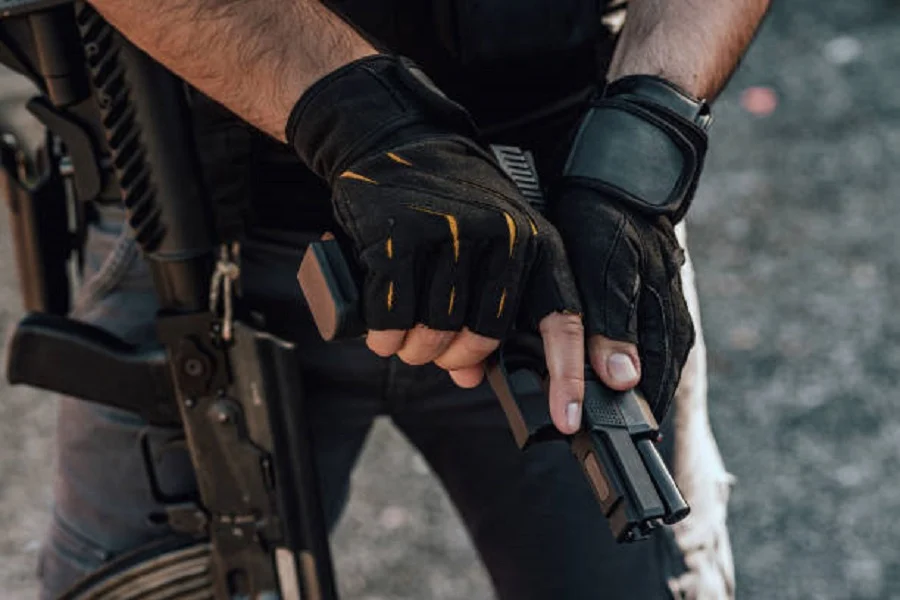
5 Best Shooting Gloves [Hands-On Tested]

5 Best Shooting Gloves [Hands-On Tested]

How We Tested The Best Shooting Gloves

When it comes to evaluating shooting gloves, a thorough and consistent testing process is key to ensuring reliable recommendations. Our hands-on approach was designed to assess key factors like comfort, durability, grip quality, and overall performance under various conditions.

1.Range Performance Testing

  • Grip in Real Scenarios: Each glove was tested during multiple range sessions, using different firearms, including pistols, rifles, and shotguns. We evaluated how well the gloves allowed for a secure grip on gunstocks, triggers, and magazines.
  • Dexterity: We tested tasks such as reloading magazines, using safety mechanisms, and operating optics to understand how the gloves affect fine motor skills.
  • Material Response: Both bare steel grips and polymer textures were used to see how the glove materials interacted with different surfaces.

2.Comfort Assessment

We wore each pair of gloves for extended periods—ranging from 30 minutes to several hours—to determine if they caused discomfort or irritation during prolonged use. Key factors we focused on included: – Fit across various hand sizes (adjustability where applicable). – Padding placement for pressure points. – Breathability in warm conditions.

3.Durability Checks

To simulate long-term use: – Gloves were subjected to repeated manipulations like gripping metal objects and loading magazines. – Abrasion tests were conducted by handling rough surfaces such as concrete blocks or wood splinters.

We also looked for signs of wear after exposure to elements like water (to mimic rain), dirt/mud from outdoor environments, and sweat during high activity levels.

4.Environmental Conditions

Since shooters may encounter a range of environments: – We tested these gloves in different weather conditions—cold mornings outdoors vs. warm indoor ranges—to assess insulation properties or overheating risks.

For cold-weather tests specifically: – We checked if the gloves maintained sufficient warmth without sacrificing control or response time when engaging firearm triggers.

5.Ease of Maintenance

Post-use cleaning is an important aspect of any gear’s practicality: – Gloves were washed according to their care instructions (hand-washable vs machine-washable) and evaluated for shrinkage or loss of elasticity.

We also noted whether stains from gunpowder residue or mud could be easily removed.

Summary Table: Testing Metrics

FeatureTesting MethodKey Observations
GripRange sessionsPerformance with various firearms
DexterityReloading tasksFine motor skill evaluation
ComfortLong wear durationsPressure-point assessment
DurabilityAbrasion/weather testsSigns of wear & tear
Environment SuitabilityCold/heat exposureInsulation & breathability
MaintenanceCleaning testsPracticality post-use

Our goal was not just to identify premium shooting glove options but also to provide insights into which features matter most depending on your intended use—whether you’re hunting in harsh environments or spending hours at an indoor range perfecting your aim. This systematic approach ensures only the most practical and high-performing gloves make the final list.

Fit Comparison

A poorly fitting glove can hinder dexterity, reduce comfort, and ultimately impact your performance. Below is an in-depth discussion of how we compared fits across different types of shooting gloves and what you should look for when choosing your ideal pair.

Key Factors in Evaluating Fit

  1. Gloves must allow seamless finger movement for precise trigger control and weapon handling.
  2. Overly snug gloves can restrict movement, while loose ones may reduce tactile sensitivity.
  3. We measured how accurately each glove adheres to standard sizing charts.
  4. Some brands run smaller or larger than expected, so it’s vital to consult size guides before purchasing.
  5. Proper finger length ensures no excessive material at the ends that could interfere with pulling the trigger.
  6. Gloves with elastic or articulated finger zones scored higher as they adapted better to varied hand proportions.
  7. Adjustable closures (e. g.

Fit Comparison Table

Brand/ModelSizing AccuracyDexterity RatingFinger Length ComfortAdjustable Wrist Closure
Glove ATrue-to-sizeExcellentPerfectYes
Glove BRuns smallGoodSlightly longYes
Glove CTrue-to-sizeGoodComfortableNo
Glove DRuns largeExcellentLooseYes

Tips for Choosing the Right Fit

  • Measure Your Hands Properly:Use a tape measure around your palm and fingers (excluding the thumb) to determine your size accurately before purchasing.
  • Check Return Policies:If you’re shopping online, choose retailers with flexible return/exchange policies for peace of mind.
  • Try Before You Buy:If possible, visit a local store to test the gloves in person. Pay attention to how well they adapt when gripping objects similar in size to your firearm.

Well-fitted shooting gloves not only enhance comfort but also contribute significantly to safety and performance during extended sessions at the range or in outdoor conditions.

Key Factors in Fit Assessment

  • Material Stretch:Gloves made from stretchable materials, such as synthetic blends or leather with elastic inserts, adapt better to varying hand sizes without compromising comfort.
  • Finger Dexterity:The ability to move fingers freely in gloves is crucial for precise trigger control and quick reloading. Gloves with pre-curved fingers often offer superior dexterity.
  • Cuff Style:Options like hook-and-loop closures or elastic wristbands are common features in well-designed shooting gloves.
  • Seam Placement:Poorly placed seams can cause irritation over extended use. We examined whether the seams were positioned away from high-contact points like knuckles and finger joints.

Testing Process

Each glove was tested under real-world conditions, including both indoor range shooting and outdoor environments.

  1. Grip Retention:How well does the glove maintain its grip on firearms, even after extended wear? This was tested by handling various types of firearms (rifles, pistols) under both dry and wet conditions.
  2. Tactile Feedback:Does the glove allow enough sensitivity for accurate trigger pulls? Thin but durable materials generally outperformed bulkier designs here.
  3. Hand Fatigue Prevention:Comfort over time was evaluated by wearing each pair of gloves for prolonged periods—sometimes over four-hour sessions—to assess whether pressure points developed.

Fit Comparison Table

Brand/ModelMaterialFit Rating (1-5)Dexterity Rating (1-5)Grip Retention (1-5)Cuff Style
Glove ASynthetic Blend454Elastic Band
Glove BLeather543Hook & Loop
Glove CNeoprene335Adjustable Strap

Practical Tips for Finding Your Best Fit

  • Always refer to sizing charts provided by manufacturers; sizes can vary significantly across brands.
  • Try them on while holding your firearm to ensure they provide adequate grip without slipping or bunching up.
  • If you’re shopping online, look for reviews from users with similar hand sizes or needs as yours for additional insights.

A proper-fitting glove enhances performance while reducing fatigue and discomfort during use. It’s worth investing time into finding a pair that feels tailor-made for your hands.

Why Wear Shooting Gloves?

Shooting gloves are an essential part of a shooter’s gear, whether you’re heading to the range, hunting in the wild, or participating in competitive shooting. While they might seem like a secondary consideration compared to firearms and ammunition, their role in enhancing performance and comfort cannot be underestimated. This section explores the practical reasons for wearing shooting gloves and how they can benefit shooters of all levels.

Protection Against Harsh Conditions

  • Temperature Extremes: Shooting outdoors often exposes your hands to extreme weather conditions. Gloves provide insulation during cold weather, preventing numb or stiff fingers that can compromise your accuracy.
  • Hot Barrels and Parts: After repeated firing, firearms heat up significantly. A good pair of shooting gloves protects your hands from burns caused by contact with hot barrels, suppressors, or other components.
  • Rough Terrain: Hunting or tactical scenarios often involve crawling, climbing, or navigating through rugged environments. Gloves safeguard your hands against cuts, scrapes, and blisters caused by sharp surfaces or rough handling.

Enhanced Grip and Control

  • Sweat Management: Sweaty palms can lead to a loss of grip on your firearm. Gloves with moisture-wicking materials keep your hands dry while ensuring a secure hold on the weapon.
  • Recoil Absorption: Some shooting gloves are designed with padded palms to reduce recoil impact. This feature minimizes hand fatigue during extended sessions at the range or when using high-caliber firearms.
  • Improved Handling: Many gloves come with textured surfaces or anti-slip materials on the palms and fingers. These features enhance control over your firearm’s grip for better precision.

Improved Hygiene

Handling firearms frequently exposes you to dirt, gunpowder residue, and oils that can stain or irritate bare skin over time. Wearing gloves keeps these substances away from your skin while making cleanup easier after shooting sessions.

Reduced Wear & Tear on Hands

Shooting regularly can take a toll on one’s hands: – Calluses may form due to repetitive gripping motions. – Friction from firearm components may cause irritation over time. Wearing gloves adds an extra layer of comfort while reducing the risk of injury.

Types of Shooters Who Benefit Most

Shooting gloves aren’t just for professionals; they cater to multiple use cases: | Shooter Type | Key Benefits | |————————|——————————-| | Hunters | Weather protection & stealth | | Range Enthusiasts | Comfort & improved accuracy | | Tactical Shooters | Durability & superior control |

Key Features To Look For in Shooting Gloves

When choosing shooting gloves tailored to your needs: 1.Material Matters:Look for materials like neoprene, leather, or synthetic blends that balance durability with flexibility. 2.Dexterity First:Ensure thin enough fabric around trigger fingers for precise control without sacrificing protection. 3.Breathability Counts:Perforated designs help keep hands cool during prolonged use.

By addressing these factors comprehensively within their design framework — protection across impact points down!

Final Thoughts

When selecting the best shooting gloves, it’s essential to consider your specific needs, shooting activities, and personal preferences. Finding the right pair can make a significant difference in terms of comfort, safety, and performance. Investing time into choosing the proper gloves ensures that you’ll benefit from improved grip, protection, and durability during extended sessions at the range or in the field.

Key Takeaways

  • Material Matters: Leather, synthetic blends, or specialized materials like Kevlar each offer unique advantages. Choose based on your environment (hot vs. cold weather), frequency of use, and need for added protection.
  • Durability: High-quality construction with reinforced stitching ensures your gloves last through extensive use. Durable gloves may cost more upfront but save money over time.
  • Activity-Specific Features: Look for features tailored to your shooting style:
  • Padded palms for absorbing recoil
  • Ventilated panels for hot-weather comfort
  • Trigger finger sensitivity for better control

Tips for Long-Term Maintenance

To keep your shooting gloves in peak condition:
1.Clean Regularly: – For leather gloves: Use a damp cloth to remove dirt and apply leather conditioner to maintain flexibility. – For synthetic materials: Wash according to manufacturer instructions; usually hand-washing is preferred. 2.Store Properly: – Avoid folding or crumpling gloves when storing them. – Keep them in cool, dry areas away from direct sunlight. 3.Inspect Before Use: – Check for wear-and-tear such as frayed stitching or thinning material that could compromise effectiveness.

Balancing Cost vs Value

While premium shooting gloves may have a higher upfront cost, they often provide superior comfort, functionality, and longevity compared to cheaper options. Consider making an investment if you plan on frequent use or need specialized features like heat resistance or additional padding.

FeatureBudget GlovesPremium Gloves
Material QualityBasic synthetic blendsHigh-grade leather/Kevlar
DurabilityModerateHigh
ComfortBasic fitErgonomic and tailored
Specialized FeaturesMinimalAdvanced (touchscreen compatibility, enhanced recoil pads)

Being mindful of these factors will help you select gloves that truly cater to your needs while offering long-term value.

Ultimately, it’s about finding the perfect balance between comfort, protection, functionality—and staying safe while enjoying your sport.

Why Wear Shooting Gloves?

Shooting gloves are not merely an accessory for enthusiasts or professionals; they are an essential piece of gear designed to enhance performance, ensure safety, and provide comfort in various shooting scenarios. Whether you’re a competitive shooter, a hunter, or just someone who enjoys recreational target practice, wearing shooting gloves offers several advantages that can significantly improve your overall experience.

Enhanced Grip and Control

  • Improved firearm handling: Shooting gloves often have textured or rubberized surfaces on the palm and fingers that help you maintain a firm grip, even in wet or sweaty conditions.
  • Reduced slippage: Gloves improve control by limiting the chances of your hands slipping off the firearm while aiming or firing.
  • Consistency: A solid grip translates into more consistent accuracy during extended shooting sessions.

Protection from Recoil and Harsh Conditions

  • Recoil absorption: High-quality shooting gloves provide padding in key areas such as the palms. This reduces the impact of recoil, especially when firing high-caliber firearms over long periods.
  • Weather resistance: Shooting outdoors exposes you to varying weather conditions. Gloves act as a barrier against cold temperatures, rain, or heat.
  • In cold weather: Insulated gloves keep hands warm and responsive.
  • In hot weather: Breathable materials prevent sweat accumulation and discomfort.

Skin Protection

  • Abrasion resistance: Handling firearms can cause blisters, cuts, or abrasions over time. Shooting gloves shield your skin from potential damage caused by repetitive motions or rough metal surfaces.
  • Burn protection: During prolonged use, firearm barrels may heat up. Gloves protect against accidental burns when touching hot parts of a gun.

Improved Dexterity Without Sacrificing Safety

Modern shooting gloves are designed to offer protection without limiting fine motor skills.

  • Thin yet durable material for precise trigger control.
  • Flexible fabrics that allow natural hand movements.
  • Pre-curved finger construction for better ergonomics during use.

This balance ensures you maintain full control over your firearm while still benefiting from added safety measures.

Hygienic Advantages

  • Prevents sweat buildup on your firearm’s surface.
  • Keeps dirt and oil from transferring between your hands and the gun’s mechanisms.
BenefitImpact on Shooting Experience
Enhanced GripConsistent accuracy across different settings
Recoil ReductionBetter comfort during extended shooting
Weather ResistanceReliable performance in all climates
Skin ProtectionPrevents injuries like blisters & abrasions

By understanding these benefits, you’ll recognize why investing in high-quality shooting gloves is not only practical but also essential for anyone serious about improving their skills while ensuring safety and comfort during every session.

Why Wear Shooting Gloves?

Shooting gloves are a vital piece of gear for anyone handling firearms, whether for hunting, competitive shooting, or recreational use. They serve multiple purposes beyond just comfort and can significantly enhance your shooting experience. Below, we’ll explore why investing in a quality pair of shooting gloves is not only practical but also essential.

Enhanced Grip and Control

Shooting gloves are designed to improve your grip on firearms, especially in challenging conditions such as wet or cold weather. Bare hands can easily slip on metal surfaces, particularly if they’re sweaty or damp. Gloves with textured palm materials provide extra traction to ensure you maintain optimum control over your weapon.

  • Reinforced palm areas for better firearm handling
  • Rubberized or silicone grips for non-slip performance
  • Special coatings to resist water and sweat

By enhancing grip, gloves allow for more precise aim and handling, which is critical during high-stakes situations such as hunting or competition.

Protection from Recoil and Abrasion

Frequent shooting sessions can expose your hands to repeated recoil impact and friction from firearm components like triggers or slides. Over time, this can lead to blisters, calluses, or even minor injuries. Shooting gloves act as a barrier between your skin and the harsh surface of the firearm.

  • Cushioned materials absorb recoil force
  • Protects against slide bites during rapid fire
  • Reduces wear on sensitive skin areas during repetitive actions

For shooters using high-caliber firearms with more significant recoil impact, padded gloves make a noticeable difference in comfort levels.

Weather Resistance

Weather conditions can have a direct impact on your shooting ability. Cold weather can lead to numb fingers that make trigger control difficult, while heat may cause excessive sweating that affects grip stability.

ConditionGlove Features NeededExample Material
Cold WeatherThermal insulationFleece-lined neoprene
Hot WeatherBreathable fabricsLightweight mesh
Wet ConditionsWater-resistant outer layersSynthetic leather

By choosing the right type of glove based on climate considerations, you ensure better performance year-round.

Improved Hygiene

If you share firearms at ranges or facilities with other shooters, wearing gloves provides a hygienic barrier against dirt and sweat transfer. This not only protects your hands but also keeps the firearm clean from contaminants like oils from your skin.

Extended Firearm Lifespan

Using gloves minimizes direct contact between your hands and the metal surfaces of firearms. Over time, natural oils from your skin can cause corrosion or tarnishing on unprotected metal parts. A good pair of shooting gloves acts as an additional safeguard to preserve the longevity of your equipment.

Summary Table: Why Wear Shooting Gloves?

BenefitDescription
Enhanced GripPrevents slipping under wet/sweaty conditions
Recoil ProtectionReduces hand fatigue & injuries
Weather AdaptabilityImproves performance in various climates
HygieneKeeps shared equipment cleaner
Firearm PreservationPrevents corrosion caused by skin oils

The right pair of shooting gloves combines all these benefits into one seamless design tailored for shooters’ needs. Whether you’re spending hours at the range or braving extreme outdoor conditions during hunts, these accessories are essential tools that elevate both safety and performance without sacrificing comfort.
How We Tested The Best Shooting Gloves

When it comes to evaluating shooting gloves, a thorough and consistent testing process is key to ensuring reliable recommendations. Our hands-on approach was designed to assess key factors like comfort, durability, grip quality, and overall performance under various conditions.

1.Range Performance Testing

  • Grip in Real Scenarios: Each glove was tested during multiple range sessions, using different firearms, including pistols, rifles, and shotguns. We evaluated how well the gloves allowed for a secure grip on gunstocks, triggers, and magazines.
  • Dexterity: We tested tasks such as reloading magazines, using safety mechanisms, and operating optics to understand how the gloves affect fine motor skills.
  • Material Response: Both bare steel grips and polymer textures were used to see how the glove materials interacted with different surfaces.

2.Comfort Assessment

We wore each pair of gloves for extended periods—ranging from 30 minutes to several hours—to determine if they caused discomfort or irritation during prolonged use. Key factors we focused on included: – Fit across various hand sizes (adjustability where applicable). – Padding placement for pressure points. – Breathability in warm conditions.

3.Durability Checks

To simulate long-term use: – Gloves were subjected to repeated manipulations like gripping metal objects and loading magazines. – Abrasion tests were conducted by handling rough surfaces such as concrete blocks or wood splinters.

We also looked for signs of wear after exposure to elements like water (to mimic rain), dirt/mud from outdoor environments, and sweat during high activity levels.

4.Environmental Conditions

Since shooters may encounter a range of environments: – We tested these gloves in different weather conditions—cold mornings outdoors vs. warm indoor ranges—to assess insulation properties or overheating risks.

For cold-weather tests specifically: – We checked if the gloves maintained sufficient warmth without sacrificing control or response time when engaging firearm triggers.

5.Ease of Maintenance

Post-use cleaning is an important aspect of any gear’s practicality: – Gloves were washed according to their care instructions (hand-washable vs machine-washable) and evaluated for shrinkage or loss of elasticity.

We also noted whether stains from gunpowder residue or mud could be easily removed.

Summary Table: Testing Metrics

FeatureTesting MethodKey Observations
GripRange sessionsPerformance with various firearms
DexterityReloading tasksFine motor skill evaluation
ComfortLong wear durationsPressure-point assessment
DurabilityAbrasion/weather testsSigns of wear & tear
Environment SuitabilityCold/heat exposureInsulation & breathability
MaintenanceCleaning testsPracticality post-use

Our goal was not just to identify premium shooting glove options but also to provide insights into which features matter most depending on your intended use—whether you’re hunting in harsh environments or spending hours at an indoor range perfecting your aim. This systematic approach ensures only the most practical and high-performing gloves make the final list.

Fit Comparison

A poorly fitting glove can hinder dexterity, reduce comfort, and ultimately impact your performance. Below is an in-depth discussion of how we compared fits across different types of shooting gloves and what you should look for when choosing your ideal pair.

Key Factors in Evaluating Fit

  1. Gloves must allow seamless finger movement for precise trigger control and weapon handling.
  2. Overly snug gloves can restrict movement, while loose ones may reduce tactile sensitivity.
  3. We measured how accurately each glove adheres to standard sizing charts.
  4. Some brands run smaller or larger than expected, so it’s vital to consult size guides before purchasing.
  5. Proper finger length ensures no excessive material at the ends that could interfere with pulling the trigger.
  6. Gloves with elastic or articulated finger zones scored higher as they adapted better to varied hand proportions.
  7. Adjustable closures (e. g.

Fit Comparison Table

Brand/ModelSizing AccuracyDexterity RatingFinger Length ComfortAdjustable Wrist Closure
Glove ATrue-to-sizeExcellentPerfectYes
Glove BRuns smallGoodSlightly longYes
Glove CTrue-to-sizeGoodComfortableNo
Glove DRuns largeExcellentLooseYes

Tips for Choosing the Right Fit

  • Measure Your Hands Properly:Use a tape measure around your palm and fingers (excluding the thumb) to determine your size accurately before purchasing.
  • Check Return Policies:If you’re shopping online, choose retailers with flexible return/exchange policies for peace of mind.
  • Try Before You Buy:If possible, visit a local store to test the gloves in person. Pay attention to how well they adapt when gripping objects similar in size to your firearm.

Well-fitted shooting gloves not only enhance comfort but also contribute significantly to safety and performance during extended sessions at the range or in outdoor conditions.

Key Factors in Fit Assessment

  • Material Stretch:Gloves made from stretchable materials, such as synthetic blends or leather with elastic inserts, adapt better to varying hand sizes without compromising comfort.
  • Finger Dexterity:The ability to move fingers freely in gloves is crucial for precise trigger control and quick reloading. Gloves with pre-curved fingers often offer superior dexterity.
  • Cuff Style:Options like hook-and-loop closures or elastic wristbands are common features in well-designed shooting gloves.
  • Seam Placement:Poorly placed seams can cause irritation over extended use. We examined whether the seams were positioned away from high-contact points like knuckles and finger joints.

Testing Process

Each glove was tested under real-world conditions, including both indoor range shooting and outdoor environments.

  1. Grip Retention:How well does the glove maintain its grip on firearms, even after extended wear? This was tested by handling various types of firearms (rifles, pistols) under both dry and wet conditions.
  2. Tactile Feedback:Does the glove allow enough sensitivity for accurate trigger pulls? Thin but durable materials generally outperformed bulkier designs here.
  3. Hand Fatigue Prevention:Comfort over time was evaluated by wearing each pair of gloves for prolonged periods—sometimes over four-hour sessions—to assess whether pressure points developed.

Fit Comparison Table

Brand/ModelMaterialFit Rating (1-5)Dexterity Rating (1-5)Grip Retention (1-5)Cuff Style
Glove ASynthetic Blend454Elastic Band
Glove BLeather543Hook & Loop
Glove CNeoprene335Adjustable Strap

Practical Tips for Finding Your Best Fit

  • Always refer to sizing charts provided by manufacturers; sizes can vary significantly across brands.
  • Try them on while holding your firearm to ensure they provide adequate grip without slipping or bunching up.
  • If you’re shopping online, look for reviews from users with similar hand sizes or needs as yours for additional insights.

A proper-fitting glove enhances performance while reducing fatigue and discomfort during use. It’s worth investing time into finding a pair that feels tailor-made for your hands.

Why Wear Shooting Gloves?

Shooting gloves are an essential part of a shooter’s gear, whether you’re heading to the range, hunting in the wild, or participating in competitive shooting. While they might seem like a secondary consideration compared to firearms and ammunition, their role in enhancing performance and comfort cannot be underestimated. This section explores the practical reasons for wearing shooting gloves and how they can benefit shooters of all levels.

Protection Against Harsh Conditions

  • Temperature Extremes: Shooting outdoors often exposes your hands to extreme weather conditions. Gloves provide insulation during cold weather, preventing numb or stiff fingers that can compromise your accuracy.
  • Hot Barrels and Parts: After repeated firing, firearms heat up significantly. A good pair of shooting gloves protects your hands from burns caused by contact with hot barrels, suppressors, or other components.
  • Rough Terrain: Hunting or tactical scenarios often involve crawling, climbing, or navigating through rugged environments. Gloves safeguard your hands against cuts, scrapes, and blisters caused by sharp surfaces or rough handling.

Enhanced Grip and Control

  • Sweat Management: Sweaty palms can lead to a loss of grip on your firearm. Gloves with moisture-wicking materials keep your hands dry while ensuring a secure hold on the weapon.
  • Recoil Absorption: Some shooting gloves are designed with padded palms to reduce recoil impact. This feature minimizes hand fatigue during extended sessions at the range or when using high-caliber firearms.
  • Improved Handling: Many gloves come with textured surfaces or anti-slip materials on the palms and fingers. These features enhance control over your firearm’s grip for better precision.

Improved Hygiene

Handling firearms frequently exposes you to dirt, gunpowder residue, and oils that can stain or irritate bare skin over time. Wearing gloves keeps these substances away from your skin while making cleanup easier after shooting sessions.

Reduced Wear & Tear on Hands

Shooting regularly can take a toll on one’s hands: – Calluses may form due to repetitive gripping motions. – Friction from firearm components may cause irritation over time. Wearing gloves adds an extra layer of comfort while reducing the risk of injury.

Types of Shooters Who Benefit Most

Shooting gloves aren’t just for professionals; they cater to multiple use cases: | Shooter Type | Key Benefits | |————————|——————————-| | Hunters | Weather protection & stealth | | Range Enthusiasts | Comfort & improved accuracy | | Tactical Shooters | Durability & superior control |

Key Features To Look For in Shooting Gloves

When choosing shooting gloves tailored to your needs: 1.Material Matters:Look for materials like neoprene, leather, or synthetic blends that balance durability with flexibility. 2.Dexterity First:Ensure thin enough fabric around trigger fingers for precise control without sacrificing protection. 3.Breathability Counts:Perforated designs help keep hands cool during prolonged use.

By addressing these factors comprehensively within their design framework — protection across impact points down!

Final Thoughts

When selecting the best shooting gloves, it’s essential to consider your specific needs, shooting activities, and personal preferences. Finding the right pair can make a significant difference in terms of comfort, safety, and performance. Investing time into choosing the proper gloves ensures that you’ll benefit from improved grip, protection, and durability during extended sessions at the range or in the field.

Key Takeaways

  • Material Matters: Leather, synthetic blends, or specialized materials like Kevlar each offer unique advantages. Choose based on your environment (hot vs. cold weather), frequency of use, and need for added protection.
  • Durability: High-quality construction with reinforced stitching ensures your gloves last through extensive use. Durable gloves may cost more upfront but save money over time.
  • Activity-Specific Features: Look for features tailored to your shooting style:
  • Padded palms for absorbing recoil
  • Ventilated panels for hot-weather comfort
  • Trigger finger sensitivity for better control

Tips for Long-Term Maintenance

To keep your shooting gloves in peak condition:
1.Clean Regularly: – For leather gloves: Use a damp cloth to remove dirt and apply leather conditioner to maintain flexibility. – For synthetic materials: Wash according to manufacturer instructions; usually hand-washing is preferred. 2.Store Properly: – Avoid folding or crumpling gloves when storing them. – Keep them in cool, dry areas away from direct sunlight. 3.Inspect Before Use: – Check for wear-and-tear such as frayed stitching or thinning material that could compromise effectiveness.

Balancing Cost vs Value

While premium shooting gloves may have a higher upfront cost, they often provide superior comfort, functionality, and longevity compared to cheaper options. Consider making an investment if you plan on frequent use or need specialized features like heat resistance or additional padding.

FeatureBudget GlovesPremium Gloves
Material QualityBasic synthetic blendsHigh-grade leather/Kevlar
DurabilityModerateHigh
ComfortBasic fitErgonomic and tailored
Specialized FeaturesMinimalAdvanced (touchscreen compatibility, enhanced recoil pads)

Being mindful of these factors will help you select gloves that truly cater to your needs while offering long-term value.

Ultimately, it’s about finding the perfect balance between comfort, protection, functionality—and staying safe while enjoying your sport.

Why Wear Shooting Gloves?

Shooting gloves are not merely an accessory for enthusiasts or professionals; they are an essential piece of gear designed to enhance performance, ensure safety, and provide comfort in various shooting scenarios. Whether you’re a competitive shooter, a hunter, or just someone who enjoys recreational target practice, wearing shooting gloves offers several advantages that can significantly improve your overall experience.

Enhanced Grip and Control

  • Improved firearm handling: Shooting gloves often have textured or rubberized surfaces on the palm and fingers that help you maintain a firm grip, even in wet or sweaty conditions.
  • Reduced slippage: Gloves improve control by limiting the chances of your hands slipping off the firearm while aiming or firing.
  • Consistency: A solid grip translates into more consistent accuracy during extended shooting sessions.

Protection from Recoil and Harsh Conditions

  • Recoil absorption: High-quality shooting gloves provide padding in key areas such as the palms. This reduces the impact of recoil, especially when firing high-caliber firearms over long periods.
  • Weather resistance: Shooting outdoors exposes you to varying weather conditions. Gloves act as a barrier against cold temperatures, rain, or heat.
  • In cold weather: Insulated gloves keep hands warm and responsive.
  • In hot weather: Breathable materials prevent sweat accumulation and discomfort.

Skin Protection

  • Abrasion resistance: Handling firearms can cause blisters, cuts, or abrasions over time. Shooting gloves shield your skin from potential damage caused by repetitive motions or rough metal surfaces.
  • Burn protection: During prolonged use, firearm barrels may heat up. Gloves protect against accidental burns when touching hot parts of a gun.

Improved Dexterity Without Sacrificing Safety

Modern shooting gloves are designed to offer protection without limiting fine motor skills.

  • Thin yet durable material for precise trigger control.
  • Flexible fabrics that allow natural hand movements.
  • Pre-curved finger construction for better ergonomics during use.

This balance ensures you maintain full control over your firearm while still benefiting from added safety measures.

Hygienic Advantages

  • Prevents sweat buildup on your firearm’s surface.
  • Keeps dirt and oil from transferring between your hands and the gun’s mechanisms.
BenefitImpact on Shooting Experience
Enhanced GripConsistent accuracy across different settings
Recoil ReductionBetter comfort during extended shooting
Weather ResistanceReliable performance in all climates
Skin ProtectionPrevents injuries like blisters & abrasions

By understanding these benefits, you’ll recognize why investing in high-quality shooting gloves is not only practical but also essential for anyone serious about improving their skills while ensuring safety and comfort during every session.

Why Wear Shooting Gloves?

Shooting gloves are a vital piece of gear for anyone handling firearms, whether for hunting, competitive shooting, or recreational use. They serve multiple purposes beyond just comfort and can significantly enhance your shooting experience. Below, we’ll explore why investing in a quality pair of shooting gloves is not only practical but also essential.

Enhanced Grip and Control

Shooting gloves are designed to improve your grip on firearms, especially in challenging conditions such as wet or cold weather. Bare hands can easily slip on metal surfaces, particularly if they’re sweaty or damp. Gloves with textured palm materials provide extra traction to ensure you maintain optimum control over your weapon.

  • Reinforced palm areas for better firearm handling
  • Rubberized or silicone grips for non-slip performance
  • Special coatings to resist water and sweat

By enhancing grip, gloves allow for more precise aim and handling, which is critical during high-stakes situations such as hunting or competition.

Protection from Recoil and Abrasion

Frequent shooting sessions can expose your hands to repeated recoil impact and friction from firearm components like triggers or slides. Over time, this can lead to blisters, calluses, or even minor injuries. Shooting gloves act as a barrier between your skin and the harsh surface of the firearm.

  • Cushioned materials absorb recoil force
  • Protects against slide bites during rapid fire
  • Reduces wear on sensitive skin areas during repetitive actions

For shooters using high-caliber firearms with more significant recoil impact, padded gloves make a noticeable difference in comfort levels.

Weather Resistance

Weather conditions can have a direct impact on your shooting ability. Cold weather can lead to numb fingers that make trigger control difficult, while heat may cause excessive sweating that affects grip stability.

ConditionGlove Features NeededExample Material
Cold WeatherThermal insulationFleece-lined neoprene
Hot WeatherBreathable fabricsLightweight mesh
Wet ConditionsWater-resistant outer layersSynthetic leather

By choosing the right type of glove based on climate considerations, you ensure better performance year-round.

Improved Hygiene

If you share firearms at ranges or facilities with other shooters, wearing gloves provides a hygienic barrier against dirt and sweat transfer. This not only protects your hands but also keeps the firearm clean from contaminants like oils from your skin.

Extended Firearm Lifespan

Using gloves minimizes direct contact between your hands and the metal surfaces of firearms. Over time, natural oils from your skin can cause corrosion or tarnishing on unprotected metal parts. A good pair of shooting gloves acts as an additional safeguard to preserve the longevity of your equipment.

Summary Table: Why Wear Shooting Gloves?

BenefitDescription
Enhanced GripPrevents slipping under wet/sweaty conditions
Recoil ProtectionReduces hand fatigue & injuries
Weather AdaptabilityImproves performance in various climates
HygieneKeeps shared equipment cleaner
Firearm PreservationPrevents corrosion caused by skin oils

The right pair of shooting gloves combines all these benefits into one seamless design tailored for shooters’ needs. Whether you’re spending hours at the range or braving extreme outdoor conditions during hunts, these accessories are essential tools that elevate both safety and performance without sacrificing comfort.
Related Post

If you liked this post we are sure you will like the following ones.

Best Tactical Helmets: Bump & Ballistic

Tactical Helmet Comparison Chart To simplify the process of selecting the best tactical helmet, we’ve compiled a comparison chart that breaks down key factors like weight, features, protection level, and price. Whether you’re looking for a lightweight bump helmet or full ballistic protection, this chart provides an at-a-glance view to help you make an informed…

Read more

PSA AKV Review: Best 9mm AK?

The Road So Far The PSA AKV has carved a distinct niche in the firearms community as one of the most sought-after 9mm AK-style pistols. Manufactured by Palmetto State Armory (PSA), this firearm combines the reliability of an AK platform with the versatility of a pistol-caliber carbine (PCC). Its journey from an intriguing concept to…

Read more

Best Gun Cleaning Kits [Hands-On Tested]

How We Tested the Best Gun Cleaning Kits When it comes to evaluating gun cleaning kits, a thorough, hands-on approach is essential to ensure unbiased and precise results. Our testing process was designed to mimic real-world scenarios and provide insight into how well these kits perform under various conditions. Below, we outline the methodology used…

Read more
Welcome to Tenney Industries, in order to browse our site you must be at least 18 years of age.
Are you at least 18 years old?
No