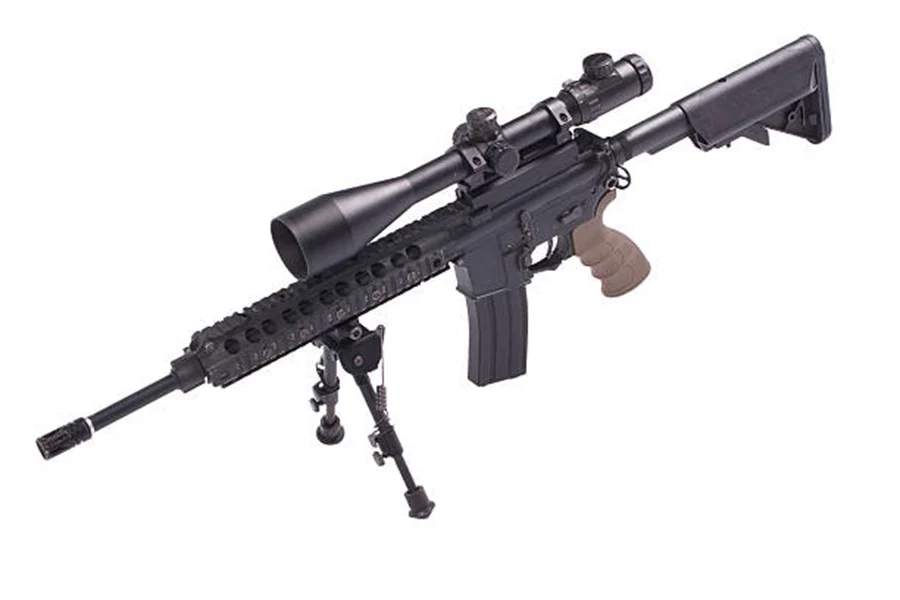
4 Best AR-10 Stocks [Hands-On Tested]

4 Best AR-10 Stocks [Hands-On Tested]

How We Chose The Best AR-10 Stocks

When evaluating the best AR-10 stocks, a thorough and hands-on approach ensures that only the most reliable, durable, and functional options make it to the list. Our selection process involved several key steps designed to assess performance, quality, and usability under real-world conditions. Here’s an in-depth look at the criteria and methods used to determine our top picks.

1. Comprehensive Research and Market Analysis

Before testing any products, we conducted extensive research to identify the most frequently recommended AR-10 stocks by experts, manufacturers, and experienced users. This phase included:
– Reviewing product specifications from trusted manufacturers.
– Analyzing customer reviews to identify common pros and cons of each stock model.
– Filtering out lesser-known brands with questionable reputations for quality or consistency.

2. Hands-On Testing

Once a curated list of AR-10 stocks was created, we acquired the reviewed models for hands-on testing in various real-life scenarios. Each stock was evaluated on:
– Durability: Stress-tested materials to ensure they could withstand recoil forces and prolonged use without cracking, warping, or loosening over time.
– Adjustability: Assessed how easy it was to customize length-of-pull (LOP), cheek weld height adjustments, or other features that improve shooting comfort and accuracy for different body types or shooting styles. – Ease of Installation: Evaluated how straightforward it was to attach each stock without requiring specialized tools or excessive expertise. – Weight: Measured whether the stock struck the right balance between being lightweight enough for maneuverability while still providing sufficient support for improved shot control.

3. Field Performance Evaluation

We tested each stock on an actual AR-10 platform in outdoor ranges and controlled environments to simulate diverse conditions such as different weather settings and firing stances (prone, standing). Key performance indicators included: – Recoil Management: Observed how well each stock reduced felt recoil during repeated firings. – Stability: Checked how consistently stocks provided a solid foundation when aiming.

4. Value Assessment

Balancing performance with price is critical when recommending products to readers with varying budgets. During this phase: – We compared similar features across competitors within similar price ranges. – Premium stocks were examined closely for whether their advanced features justified higher costs relative to budget options.

Evaluation FactorWeight / Priority (%)
Durability30%
Adjustability25%
Ease of Installation15%
Field Performance20%
Value10%

What Sets Great AR-10 Stocks Apart?

Through meticulous testing processes like these combined with user feedback channels online/offline its clear…

How We Chose The Best AR-10 Stocks

1. Performance Testing

Each stock was subjected to rigorous range testing with various shooting positions and calibers to evaluate: – Recoil Management: How well the stock absorbs recoil and maintains target acquisition. – Precision & Stability: Whether the stock allows for consistent accuracy when paired with different optics or iron sights. – Adaptability: Performance in varied environments, including outdoor ranges and controlled settings.

2. Durability

The AR-10 is a robust rifle platform often used for precision shooting, hunting, or tactical applications—so durability is non-negotiable. During our tests, we assessed: – Material Construction: Stocks made from high-quality materials such as reinforced polymer or aircraft-grade aluminum were prioritized. – Impact Resistance: We simulated rough handling to ensure the stocks could withstand scratches, drops, and other wear-and-tear. – Weather Resistance: Stocks were tested under conditions involving moisture and extreme temperatures to evaluate resilience against corrosion or warping.

3. Ergonomics

Comfort plays a critical role in prolonged shooting sessions. We evaluated: – Adjustability Options: Stocks offering customizable features like length of pull (LOP) and cheek risers scored higher. – Grip Texture & Design: A slip-resistant texture was essential for secure handling.

4. Weight-to-Balance Ratio

Weight is important for both maneuverability and balance on an AR-10 platform: – Lightweight stocks were noted for tactical purposes where mobility is key. – Heavier stocks offering improved stability were rated favorably for precision shooters.

5. Compatibility

We tested each stock on multiple AR-10 platforms to ensure universal fitment (or compatibility with minimal modifications). Specific areas examined included: – Buffer tube compatibility (commercial vs. mil-spec) – Ease of installation

Stock FeatureImportance LevelTesting Criteria Examples
Recoil ManagementHighRange testing with .308 Winchester loads
AdjustabilityMediumCheek rest height, LOP
Material DurabilityHighImpact resistance under field conditions

6. Value For Money

Finally, price-to-performance ratio guided our recommendations: – Premium stocks were assessed based on advanced functionality justifying their cost. – Budget-friendly options were included if they delivered solid performance without compromising reliability.

By combining these factors during hands-on evaluation, we ensured each recommendation aligns with real-world usability while catering to different budgets and applications.

How To Choose The Best AR-10 Stock

Selecting the right stock for your AR-10 is essential for comfort, accuracy, and overall performance. With a variety of options on the market, identifying the ideal stock requires evaluating specific factors that align with your shooting style and intended use. Below, we outline key considerations to guide your decision.

1. Material and Construction

The material of an AR-10 stock directly impacts its weight, durability, and feel. Common materials include:
– Polymer: Lightweight and corrosion-resistant; ideal for general use.
– Aluminum: Durable and rigid; better suited for precision shooting applications.
– Hybrid Designs: Combine materials (e.g., polymer with metal reinforcements) to balance weight and strength.

When choosing a material, consider whether you prioritize light carry weight or enhanced stability under heavy recoil.

2. Weight Considerations

The stock’s weight can influence how you handle your rifle in different scenarios:
– A lightweight stock is preferable for hunters or anyone planning to carry their rifle over long distances.
– A heavier stock, often made of metal or reinforced polymer, may enhance balance and reduce felt recoil during stationary or precision shooting.

We recommend striking a balance between portability and stability based on how you intend to use your AR-10.

3. Adjustability Features

Look for stocks that provide customizable options to accommodate different body types, shooting styles, and positions:
– Length of Pull (LOP) Adjustment: Allows fine-tuning the distance between the buttstock and trigger to fit individual arm lengths. – Cheek Rest Height Adjustability: Essential for maintaining proper cheek weld when using optics. – Telescoping designs allow quick adjustments in dynamic environments where flexibility is key.

Adjustable stocks are especially valuable if multiple users will be handling the rifle or if you plan to shoot from varying positions (e.g., prone vs. standing).

4. Fixed vs Collapsible Stocks

AR-10 stocks are typically available in two main categories:
| Type | Pros | Cons |
|——————|————————————|———————————–|
| Fixed Stocks | – Stable platform for precision shooting
– Simple construction reduces points of failure | – Less versatile in dynamic situations
– Bulkier for transport |
| Collapsible Stocks | – Adjustable LOP fits various users
– Compact design enhances portability | – May sacrifice some rigidity compared to fixed stocks |

Your choice will depend on whether you value mobility over precision or vice versa.

5. Recoil Management

AR-10 rifles chamber larger calibers than their smaller cousin, the AR-15, which means recoil management becomes an important factor when selecting a stock: – Look for stocks with built-in recoil pads or rubber buttplates designed to absorb shock. – Consider stocks specifically engineered with buffer tube systems or spring-loaded mechanisms that help reduce felt recoil further.

These features not only improve comfort but also make follow-up shots more accurate by reducing muzzle rise.

6. Ergonomics & Grip Texture

Comfortable ergonomics are vital for extended use of any firearm: – Ensure the stock aligns naturally with your shoulder position. – Textured surfaces help prevent slipping during adverse conditions like wet weather. – Some stocks come with modular grip panels allowing users to customize feel based on personal preference.

Taking these into account can lead to better control over your rifle during intense shooting sessions.

Final Thoughts

Choosing an AR-10 stock involves balancing personal preference with practical considerations like material type, adjustability features, weight distribution, and recoil control capabilities. By carefully evaluating these factors against your specific needs—whether hunting game in rugged terrain or aiming downrange at a target—you’ll ensure optimal performance from your rifle setup while enhancing overall user experience.

How To Choose The Best AR-10 Stock

Selecting the right AR-10 stock is a critical step in optimizing your rifle’s performance, comfort, and usability. With numerous options on the market, understanding the key factors that differentiate stocks will help you make an informed choice. Below are the key considerations to guide your purchasing decision.

Ergonomics and Comfort

The stock directly affects how comfortable your rifle feels during extended shooting sessions. A well-designed stock should provide a comfortable cheek weld, proper shoulder fit, and adjustable features where necessary. Consider:
– Adjustable Length of Pull (LOP): Ensures the rifle fits users of different arm lengths and provides flexibility when wearing body armor or heavy clothing.
– Cheek Rest Adjustability: Stocks with an adjustable cheek riser are ideal for ensuring proper alignment with optics.
– Grip Angle: A natural grip angle can improve comfort, especially during prolonged shooting sessions or tactical use.

Material and Durability

The material of the stock determines its durability, weight, and general feel. Common materials include:
– Polymer: Lightweight and resistant to damage from environmental factors like moisture or heat.
– Aluminum: Offers superior strength while remaining relatively lightweight but can be more expensive.
– Composite Materials: Combine lightweight construction with robust structural integrity for rugged use cases.

Make sure to choose a material that matches your intended application—whether it’s hunting in harsh weather conditions or competitive shooting where reliability is paramount.

Weight Balance

AR-10 rifles are generally heavier than their AR-15 counterparts due to the larger caliber (.308/7.62 NATO). The stock can influence overall weight distribution:
– Lightweight stocks reduce fatigue during extended carrying or physical movement but may lack some adjustability features.
– Heavier stocks can balance out front-heavy rifles equipped with larger barrels or attachments like suppressors.

Evaluate how the added weight impacts overall handling for your specific setup.

Fixed vs. Adjustable Stocks

Your choice between fixed and adjustable stocks depends heavily on how you plan to use your AR-10:
| Type | Benefits | Drawbacks | |——————-|——————————————-|——————————————-| | Fixed Stocks | – Simple design with fewer moving parts
– Durable and robust | – Limited adjustability
– May not suit all users’ body types | | Adjustable Stocks | – Customizable fit for various shooters
– Ideal for different shooting styles | – More moving parts prone to wear
– Heavier in some cases |

For general-purpose versatility, adjustable stocks are often preferred by most users.

Mounting Options

Many modern AR-10 stocks come equipped with integrated sling mounts (e.g., QD points) or compatibility with aftermarket accessories such as monopods or cheek risers. Check if these features align with how you intend to configure your rifle.

Price vs Performance

While it’s tempting to opt for budget-friendly options, don’t sacrifice quality for cost if you’re serious about long-term reliability and efficiency. High-end stocks often come at premium prices but offer better ergonomics, durability, and precision adjustments that may justify their cost.

Personal Preferences

Ultimately, personal preferences regarding aesthetics, brand reputation, and customization potential will play a significant role in choosing an AR-10 stock that resonates with you as a shooter.

By evaluating these factors carefully, you’ll ensure that your chosen stock complements both your rifle’s performance goals and personal needs effectively without compromise.

Other Relevant Information

When selecting an AR-10 stock, there are several additional factors and related information to keep in mind beyond the core features of durability, adjustability, and comfort. These considerations ensure that the stock not only fits your rifle but also enhances its functionality for your specific needs.

Compatibility with Buffer Systems

One of the most critical aspects to consider is whether the stock is compatible with your AR-10’s buffer system. AR-10 rifles can feature either mil-spec or commercial-spec buffer tubes, and knowing which one your rifle uses is essential when purchasing a stock.

  • Mil-Spec Buffer Tubes: Slightly smaller in diameter (1.14 inches) and more widely used, offering more aftermarket options.
  • Commercial-Spec Buffer Tubes: Larger in diameter (1.17 inches) with a slanted rear end, less common but still available for certain models.

Make sure to match the stock type to your buffer tube specification to avoid issues during installation or operation.

Material Considerations

  • Polymer Stocks: Lightweight yet durable, ideal for reducing overall rifle weight.
  • Aluminum Stocks: Heavier but more robust; often preferred by precision shooters seeking increased stability.

Certain stocks also include reinforced materials like fiberglass or carbon fiber for added durability without excessive weight gain.

MaterialWeightDurabilityBest Use Case
PolymerLightweightModerateGeneral-purpose or hunting
AluminumHeavyHighBenchrest shooting or precision rifles
Carbon FiberUltralightHighLong treks or tactical applications

Length of Pull (LOP)

Length of pull refers to the distance from the buttstock’s end to the trigger. Having an adjustable LOP can make a significant difference in how comfortable and effective your shooting stance feels. Adjustable stocks are especially useful if multiple users share the same firearm or if you’re wearing bulky gear like body armor.

Sling Mounting Options

  • QD (Quick Detach) sling swivel mounts
  • Fixed sling loops
  • Ambidextrous attachment options

These features allow greater flexibility in how you carry your rifle during extended field use.

Price vs Performance

While it might be tempting to opt for budget options, investing in a high-quality AR-10 stock often pays off by improving accuracy, reducing recoil impact on shoulder fatigue, and increasing overall satisfaction with firearm handling. Some premium stocks may come with added features like cheek risers or storage compartments that justify their higher price tag.

Ergonomics Testing

It’s always a good idea to physically handle a potential AR-10 stock before purchasing if possible. Features such as textured gripping areas, rubberized butt pads for recoil absorption, and cheek weld compatibility can only truly be evaluated in person—or through detailed hands-on reviews from trusted sources.

By considering these secondary factors alongside essential performance traits (like adjustability and durability), you’ll maximize both comfort and utility when choosing an upgrade for your AR-10 rifle. Ensure every aspect aligns with how you plan to use your firearm: whether it’s precision target shooting at long range or carrying it over uneven terrain during extended hunting trips.

FAQs

When selecting and installing a stock for your AR-10, it’s normal to have a few questions about compatibility, performance, and installation. Below are some of the most frequently asked questions regarding AR-10 stocks. These answers are designed to help you make informed decisions as you upgrade or customize your rifle.

1. Are AR-1 stocks the same as AR-1 stocks?

No, AR-10 stocks and AR-15 stocks are not necessarily the same, but they can be compatible depending on the buffer system used in your rifle. While both platforms share similarities in design, the AR-10 often requires a longer or heavier buffer tube and spring due to its larger caliber (.308 or 6.5 Creedmoor). This means you need to confirm compatibility before purchasing a stock labeled for an “AR platform.”

Key differences between AR-10 and AR-15 stocks may include: – Buffer tube size: Most AR-10s use either A5-length buffer tubes or proprietary designs. – Recoil management: Heavier calibers in an AR-10 may benefit more from adjustable or recoil-dampening stock designs.

To ensure proper fitment: 1. Check your rifle’s manufacturer specifications. 2. Confirm whether your buffer tube is commercial-spec or mil-spec.

2. What is the difference between fixed and adjustable stocks?

Fixed Stocks: – Known for durability and simplicity. – Often preferred by precision shooters aiming for maximum stability.

Adjustable Stocks: – Provide flexibility in length of pull (LOP) adjustments. – Ideal for tactical applications where multiple shooters may share the same firearm.

Choose based on your shooting preferences: | Parameter | Fixed Stock | Adjustable Stock | |————————|——————————–|——————————–| | Adjustability | None | High | | Weight | Generally heavier | Lighter | | Best Use | Precision shooting | Tactical/multi-user setups |

3. What materials are commonly used in AR-3 stocks?

AR-10 stocks are typically made from high-strength materials such as: 1. Polymer – Lightweight yet durable, common among adjustable stocks. 2. Aluminum – Stronger but heavier; frequently used in precision-focused designs. 3. Carbon Fiber – Lightweight with excellent strength-to-weight ratio; often seen in premium models.

Each material serves specific purposes depending on weight requirements, shooting conditions, and personal preference.

4. Do I need any special tools to install an AR-4 stock?

In most cases, installing a new stock does not require specialized tools beyond basic gunsmithing equipment such as: 1. Armorer’s wrench (for buffer tube nuts). 2. Torque wrench (to ensure secure installation). 3. Screwdrivers or Allen wrenches (depending on the manufacturer).

Always follow the instructions provided by the stock manufacturer to avoid improper installation that could affect performance.

5. Can I use my existing buffer system with a new stock?

This depends largely on whether your current setup matches the specifications of the new stock you’re planning to install: 1. Confirm if your buffer tube is commercial-spec or mil-spec – they aren’t interchangeable without adapters. 2. Verify compatibility with A5-length systems if applicable in certain .308 builds.

If upgrading both stock and buffer at once, consider buying a complete kit designed specifically for an AR-10 platform to simplify compatibility concerns.

By addressing these common questions about compatibility, design, and best practices when selecting an AR-10 stock, you can confidently move forward with enhancing your rifle setup without unnecessary complications or guesswork.

How To Choose The Best AR-10 Stock

When selecting the best stock for your AR-10, it’s essential to consider several factors that directly impact comfort, performance, and adaptability. Below is a breakdown of key considerations to help guide your decision-making process.

6. Material Composition

  • Polymer: Lightweight, cost-effective, and resistant to weather elements. Polymer stocks are a popular choice for general use.
  • Aluminum: Offers high strength while maintaining relatively low weight. Ideal for those who prioritize durability without sacrificing portability.
  • Composite: A mix of materials designed to combine strength with reduced weight. Often seen as a middle-ground option.
MaterialKey AdvantageDrawback
PolymerLightweight & affordableCan feel less solid
AluminumHighly durableSlightly heavier
CompositeBalanced characteristicsHigher price point

7. Adjustable vs Fixed Stocks

Your shooting style will largely determine whether an adjustable or fixed stock is better suited to your needs.

  • Adjustable Stocks: Provide flexibility for varying shooting positions and body types. They allow users to modify length of pull (LOP) or cheek weld height on the go.
    • Best for dynamic shooters or those sharing their rifle with others.
    • Examples include collapsible or precision-adjustable stocks.
  • Fixed Stocks: Offer consistency and rigidity—ideal for marksmen focusing on stability over adaptability.
    • Tend to be more robust with fewer moving parts.
    • A great option for durability-focused applications or long-range shooting setups.

8. Weight Considerations

  • A lightweight stock improves maneuverability and reduces fatigue during mobile shooting scenarios (e.g., hunting).
  • Heavier stocks can enhance balance in rifles with heavier barrels but may hinder mobility over time.

9. Ergonomics & Comfort

  • Look for features like rubberized butt pads to reduce recoil impact.
  • Cheek rests can improve alignment between your eye and optic setup.
  • Textured grip areas add control, especially in wet or sweaty conditions.

10. Compatibility With Your Setup

Ensure the stock you choose is compatible with both your rifle’s buffer system (e.g., carbine vs rifle-length) and any additional accessories you plan to use (e.g., sling mounts). Some stocks come pre-equipped with QD swivel mounts or storage compartments, which add versatility.

Practical Tips When Shopping For An AR-10 Stock

  1. Test the fit if possible—comfort is subjective and personal.
  2. Assess your shooting needs: Are you focused on precision shots or rapid deployment? Your priorities will influence whether adjustability or rigidity is better suited for you.
  3. Factor in budget considerations but avoid compromising on quality—durable materials often justify their higher price over time.

By considering these factors carefully, you’ll be able to select an AR-10 stock that matches both your personal preferences and intended use case effectively without unnecessary trade-offs.

How We Chose The Best AR-10 Stocks

When evaluating the best AR-10 stocks, a thorough and hands-on approach ensures that only the most reliable, durable, and functional options make it to the list. Our selection process involved several key steps designed to assess performance, quality, and usability under real-world conditions. Here’s an in-depth look at the criteria and methods used to determine our top picks.

1. Comprehensive Research and Market Analysis

Before testing any products, we conducted extensive research to identify the most frequently recommended AR-10 stocks by experts, manufacturers, and experienced users. This phase included:
– Reviewing product specifications from trusted manufacturers.
– Analyzing customer reviews to identify common pros and cons of each stock model.
– Filtering out lesser-known brands with questionable reputations for quality or consistency.

2. Hands-On Testing

Once a curated list of AR-10 stocks was created, we acquired the reviewed models for hands-on testing in various real-life scenarios. Each stock was evaluated on:
– Durability: Stress-tested materials to ensure they could withstand recoil forces and prolonged use without cracking, warping, or loosening over time.
– Adjustability: Assessed how easy it was to customize length-of-pull (LOP), cheek weld height adjustments, or other features that improve shooting comfort and accuracy for different body types or shooting styles. – Ease of Installation: Evaluated how straightforward it was to attach each stock without requiring specialized tools or excessive expertise. – Weight: Measured whether the stock struck the right balance between being lightweight enough for maneuverability while still providing sufficient support for improved shot control.

3. Field Performance Evaluation

We tested each stock on an actual AR-10 platform in outdoor ranges and controlled environments to simulate diverse conditions such as different weather settings and firing stances (prone, standing). Key performance indicators included: – Recoil Management: Observed how well each stock reduced felt recoil during repeated firings. – Stability: Checked how consistently stocks provided a solid foundation when aiming.

4. Value Assessment

Balancing performance with price is critical when recommending products to readers with varying budgets. During this phase: – We compared similar features across competitors within similar price ranges. – Premium stocks were examined closely for whether their advanced features justified higher costs relative to budget options.

Evaluation FactorWeight / Priority (%)
Durability30%
Adjustability25%
Ease of Installation15%
Field Performance20%
Value10%

What Sets Great AR-10 Stocks Apart?

Through meticulous testing processes like these combined with user feedback channels online/offline its clear…

How We Chose The Best AR-10 Stocks

1. Performance Testing

Each stock was subjected to rigorous range testing with various shooting positions and calibers to evaluate: – Recoil Management: How well the stock absorbs recoil and maintains target acquisition. – Precision & Stability: Whether the stock allows for consistent accuracy when paired with different optics or iron sights. – Adaptability: Performance in varied environments, including outdoor ranges and controlled settings.

2. Durability

The AR-10 is a robust rifle platform often used for precision shooting, hunting, or tactical applications—so durability is non-negotiable. During our tests, we assessed: – Material Construction: Stocks made from high-quality materials such as reinforced polymer or aircraft-grade aluminum were prioritized. – Impact Resistance: We simulated rough handling to ensure the stocks could withstand scratches, drops, and other wear-and-tear. – Weather Resistance: Stocks were tested under conditions involving moisture and extreme temperatures to evaluate resilience against corrosion or warping.

3. Ergonomics

Comfort plays a critical role in prolonged shooting sessions. We evaluated: – Adjustability Options: Stocks offering customizable features like length of pull (LOP) and cheek risers scored higher. – Grip Texture & Design: A slip-resistant texture was essential for secure handling.

4. Weight-to-Balance Ratio

Weight is important for both maneuverability and balance on an AR-10 platform: – Lightweight stocks were noted for tactical purposes where mobility is key. – Heavier stocks offering improved stability were rated favorably for precision shooters.

5. Compatibility

We tested each stock on multiple AR-10 platforms to ensure universal fitment (or compatibility with minimal modifications). Specific areas examined included: – Buffer tube compatibility (commercial vs. mil-spec) – Ease of installation

Stock FeatureImportance LevelTesting Criteria Examples
Recoil ManagementHighRange testing with .308 Winchester loads
AdjustabilityMediumCheek rest height, LOP
Material DurabilityHighImpact resistance under field conditions

6. Value For Money

Finally, price-to-performance ratio guided our recommendations: – Premium stocks were assessed based on advanced functionality justifying their cost. – Budget-friendly options were included if they delivered solid performance without compromising reliability.

By combining these factors during hands-on evaluation, we ensured each recommendation aligns with real-world usability while catering to different budgets and applications.

How To Choose The Best AR-10 Stock

Selecting the right stock for your AR-10 is essential for comfort, accuracy, and overall performance. With a variety of options on the market, identifying the ideal stock requires evaluating specific factors that align with your shooting style and intended use. Below, we outline key considerations to guide your decision.

1. Material and Construction

The material of an AR-10 stock directly impacts its weight, durability, and feel. Common materials include:
– Polymer: Lightweight and corrosion-resistant; ideal for general use.
– Aluminum: Durable and rigid; better suited for precision shooting applications.
– Hybrid Designs: Combine materials (e.g., polymer with metal reinforcements) to balance weight and strength.

When choosing a material, consider whether you prioritize light carry weight or enhanced stability under heavy recoil.

2. Weight Considerations

The stock’s weight can influence how you handle your rifle in different scenarios:
– A lightweight stock is preferable for hunters or anyone planning to carry their rifle over long distances.
– A heavier stock, often made of metal or reinforced polymer, may enhance balance and reduce felt recoil during stationary or precision shooting.

We recommend striking a balance between portability and stability based on how you intend to use your AR-10.

3. Adjustability Features

Look for stocks that provide customizable options to accommodate different body types, shooting styles, and positions:
– Length of Pull (LOP) Adjustment: Allows fine-tuning the distance between the buttstock and trigger to fit individual arm lengths. – Cheek Rest Height Adjustability: Essential for maintaining proper cheek weld when using optics. – Telescoping designs allow quick adjustments in dynamic environments where flexibility is key.

Adjustable stocks are especially valuable if multiple users will be handling the rifle or if you plan to shoot from varying positions (e.g., prone vs. standing).

4. Fixed vs Collapsible Stocks

AR-10 stocks are typically available in two main categories:
| Type | Pros | Cons |
|——————|————————————|———————————–|
| Fixed Stocks | – Stable platform for precision shooting
– Simple construction reduces points of failure | – Less versatile in dynamic situations
– Bulkier for transport |
| Collapsible Stocks | – Adjustable LOP fits various users
– Compact design enhances portability | – May sacrifice some rigidity compared to fixed stocks |

Your choice will depend on whether you value mobility over precision or vice versa.

5. Recoil Management

AR-10 rifles chamber larger calibers than their smaller cousin, the AR-15, which means recoil management becomes an important factor when selecting a stock: – Look for stocks with built-in recoil pads or rubber buttplates designed to absorb shock. – Consider stocks specifically engineered with buffer tube systems or spring-loaded mechanisms that help reduce felt recoil further.

These features not only improve comfort but also make follow-up shots more accurate by reducing muzzle rise.

6. Ergonomics & Grip Texture

Comfortable ergonomics are vital for extended use of any firearm: – Ensure the stock aligns naturally with your shoulder position. – Textured surfaces help prevent slipping during adverse conditions like wet weather. – Some stocks come with modular grip panels allowing users to customize feel based on personal preference.

Taking these into account can lead to better control over your rifle during intense shooting sessions.

Final Thoughts

Choosing an AR-10 stock involves balancing personal preference with practical considerations like material type, adjustability features, weight distribution, and recoil control capabilities. By carefully evaluating these factors against your specific needs—whether hunting game in rugged terrain or aiming downrange at a target—you’ll ensure optimal performance from your rifle setup while enhancing overall user experience.

How To Choose The Best AR-10 Stock

Selecting the right AR-10 stock is a critical step in optimizing your rifle’s performance, comfort, and usability. With numerous options on the market, understanding the key factors that differentiate stocks will help you make an informed choice. Below are the key considerations to guide your purchasing decision.

Ergonomics and Comfort

The stock directly affects how comfortable your rifle feels during extended shooting sessions. A well-designed stock should provide a comfortable cheek weld, proper shoulder fit, and adjustable features where necessary. Consider:
– Adjustable Length of Pull (LOP): Ensures the rifle fits users of different arm lengths and provides flexibility when wearing body armor or heavy clothing.
– Cheek Rest Adjustability: Stocks with an adjustable cheek riser are ideal for ensuring proper alignment with optics.
– Grip Angle: A natural grip angle can improve comfort, especially during prolonged shooting sessions or tactical use.

Material and Durability

The material of the stock determines its durability, weight, and general feel. Common materials include:
– Polymer: Lightweight and resistant to damage from environmental factors like moisture or heat.
– Aluminum: Offers superior strength while remaining relatively lightweight but can be more expensive.
– Composite Materials: Combine lightweight construction with robust structural integrity for rugged use cases.

Make sure to choose a material that matches your intended application—whether it’s hunting in harsh weather conditions or competitive shooting where reliability is paramount.

Weight Balance

AR-10 rifles are generally heavier than their AR-15 counterparts due to the larger caliber (.308/7.62 NATO). The stock can influence overall weight distribution:
– Lightweight stocks reduce fatigue during extended carrying or physical movement but may lack some adjustability features.
– Heavier stocks can balance out front-heavy rifles equipped with larger barrels or attachments like suppressors.

Evaluate how the added weight impacts overall handling for your specific setup.

Fixed vs. Adjustable Stocks

Your choice between fixed and adjustable stocks depends heavily on how you plan to use your AR-10:
| Type | Benefits | Drawbacks | |——————-|——————————————-|——————————————-| | Fixed Stocks | – Simple design with fewer moving parts
– Durable and robust | – Limited adjustability
– May not suit all users’ body types | | Adjustable Stocks | – Customizable fit for various shooters
– Ideal for different shooting styles | – More moving parts prone to wear
– Heavier in some cases |

For general-purpose versatility, adjustable stocks are often preferred by most users.

Mounting Options

Many modern AR-10 stocks come equipped with integrated sling mounts (e.g., QD points) or compatibility with aftermarket accessories such as monopods or cheek risers. Check if these features align with how you intend to configure your rifle.

Price vs Performance

While it’s tempting to opt for budget-friendly options, don’t sacrifice quality for cost if you’re serious about long-term reliability and efficiency. High-end stocks often come at premium prices but offer better ergonomics, durability, and precision adjustments that may justify their cost.

Personal Preferences

Ultimately, personal preferences regarding aesthetics, brand reputation, and customization potential will play a significant role in choosing an AR-10 stock that resonates with you as a shooter.

By evaluating these factors carefully, you’ll ensure that your chosen stock complements both your rifle’s performance goals and personal needs effectively without compromise.

Other Relevant Information

When selecting an AR-10 stock, there are several additional factors and related information to keep in mind beyond the core features of durability, adjustability, and comfort. These considerations ensure that the stock not only fits your rifle but also enhances its functionality for your specific needs.

Compatibility with Buffer Systems

One of the most critical aspects to consider is whether the stock is compatible with your AR-10’s buffer system. AR-10 rifles can feature either mil-spec or commercial-spec buffer tubes, and knowing which one your rifle uses is essential when purchasing a stock.

  • Mil-Spec Buffer Tubes: Slightly smaller in diameter (1.14 inches) and more widely used, offering more aftermarket options.
  • Commercial-Spec Buffer Tubes: Larger in diameter (1.17 inches) with a slanted rear end, less common but still available for certain models.

Make sure to match the stock type to your buffer tube specification to avoid issues during installation or operation.

Material Considerations

  • Polymer Stocks: Lightweight yet durable, ideal for reducing overall rifle weight.
  • Aluminum Stocks: Heavier but more robust; often preferred by precision shooters seeking increased stability.

Certain stocks also include reinforced materials like fiberglass or carbon fiber for added durability without excessive weight gain.

MaterialWeightDurabilityBest Use Case
PolymerLightweightModerateGeneral-purpose or hunting
AluminumHeavyHighBenchrest shooting or precision rifles
Carbon FiberUltralightHighLong treks or tactical applications

Length of Pull (LOP)

Length of pull refers to the distance from the buttstock’s end to the trigger. Having an adjustable LOP can make a significant difference in how comfortable and effective your shooting stance feels. Adjustable stocks are especially useful if multiple users share the same firearm or if you’re wearing bulky gear like body armor.

Sling Mounting Options

  • QD (Quick Detach) sling swivel mounts
  • Fixed sling loops
  • Ambidextrous attachment options

These features allow greater flexibility in how you carry your rifle during extended field use.

Price vs Performance

While it might be tempting to opt for budget options, investing in a high-quality AR-10 stock often pays off by improving accuracy, reducing recoil impact on shoulder fatigue, and increasing overall satisfaction with firearm handling. Some premium stocks may come with added features like cheek risers or storage compartments that justify their higher price tag.

Ergonomics Testing

It’s always a good idea to physically handle a potential AR-10 stock before purchasing if possible. Features such as textured gripping areas, rubberized butt pads for recoil absorption, and cheek weld compatibility can only truly be evaluated in person—or through detailed hands-on reviews from trusted sources.

By considering these secondary factors alongside essential performance traits (like adjustability and durability), you’ll maximize both comfort and utility when choosing an upgrade for your AR-10 rifle. Ensure every aspect aligns with how you plan to use your firearm: whether it’s precision target shooting at long range or carrying it over uneven terrain during extended hunting trips.

FAQs

When selecting and installing a stock for your AR-10, it’s normal to have a few questions about compatibility, performance, and installation. Below are some of the most frequently asked questions regarding AR-10 stocks. These answers are designed to help you make informed decisions as you upgrade or customize your rifle.

1. Are AR-1 stocks the same as AR-1 stocks?

No, AR-10 stocks and AR-15 stocks are not necessarily the same, but they can be compatible depending on the buffer system used in your rifle. While both platforms share similarities in design, the AR-10 often requires a longer or heavier buffer tube and spring due to its larger caliber (.308 or 6.5 Creedmoor). This means you need to confirm compatibility before purchasing a stock labeled for an “AR platform.”

Key differences between AR-10 and AR-15 stocks may include: – Buffer tube size: Most AR-10s use either A5-length buffer tubes or proprietary designs. – Recoil management: Heavier calibers in an AR-10 may benefit more from adjustable or recoil-dampening stock designs.

To ensure proper fitment: 1. Check your rifle’s manufacturer specifications. 2. Confirm whether your buffer tube is commercial-spec or mil-spec.

2. What is the difference between fixed and adjustable stocks?

Fixed Stocks: – Known for durability and simplicity. – Often preferred by precision shooters aiming for maximum stability.

Adjustable Stocks: – Provide flexibility in length of pull (LOP) adjustments. – Ideal for tactical applications where multiple shooters may share the same firearm.

Choose based on your shooting preferences: | Parameter | Fixed Stock | Adjustable Stock | |————————|——————————–|——————————–| | Adjustability | None | High | | Weight | Generally heavier | Lighter | | Best Use | Precision shooting | Tactical/multi-user setups |

3. What materials are commonly used in AR-3 stocks?

AR-10 stocks are typically made from high-strength materials such as: 1. Polymer – Lightweight yet durable, common among adjustable stocks. 2. Aluminum – Stronger but heavier; frequently used in precision-focused designs. 3. Carbon Fiber – Lightweight with excellent strength-to-weight ratio; often seen in premium models.

Each material serves specific purposes depending on weight requirements, shooting conditions, and personal preference.

4. Do I need any special tools to install an AR-4 stock?

In most cases, installing a new stock does not require specialized tools beyond basic gunsmithing equipment such as: 1. Armorer’s wrench (for buffer tube nuts). 2. Torque wrench (to ensure secure installation). 3. Screwdrivers or Allen wrenches (depending on the manufacturer).

Always follow the instructions provided by the stock manufacturer to avoid improper installation that could affect performance.

5. Can I use my existing buffer system with a new stock?

This depends largely on whether your current setup matches the specifications of the new stock you’re planning to install: 1. Confirm if your buffer tube is commercial-spec or mil-spec – they aren’t interchangeable without adapters. 2. Verify compatibility with A5-length systems if applicable in certain .308 builds.

If upgrading both stock and buffer at once, consider buying a complete kit designed specifically for an AR-10 platform to simplify compatibility concerns.

By addressing these common questions about compatibility, design, and best practices when selecting an AR-10 stock, you can confidently move forward with enhancing your rifle setup without unnecessary complications or guesswork.

How To Choose The Best AR-10 Stock

When selecting the best stock for your AR-10, it’s essential to consider several factors that directly impact comfort, performance, and adaptability. Below is a breakdown of key considerations to help guide your decision-making process.

6. Material Composition

  • Polymer: Lightweight, cost-effective, and resistant to weather elements. Polymer stocks are a popular choice for general use.
  • Aluminum: Offers high strength while maintaining relatively low weight. Ideal for those who prioritize durability without sacrificing portability.
  • Composite: A mix of materials designed to combine strength with reduced weight. Often seen as a middle-ground option.
MaterialKey AdvantageDrawback
PolymerLightweight & affordableCan feel less solid
AluminumHighly durableSlightly heavier
CompositeBalanced characteristicsHigher price point

7. Adjustable vs Fixed Stocks

Your shooting style will largely determine whether an adjustable or fixed stock is better suited to your needs.

  • Adjustable Stocks: Provide flexibility for varying shooting positions and body types. They allow users to modify length of pull (LOP) or cheek weld height on the go.
    • Best for dynamic shooters or those sharing their rifle with others.
    • Examples include collapsible or precision-adjustable stocks.
  • Fixed Stocks: Offer consistency and rigidity—ideal for marksmen focusing on stability over adaptability.
    • Tend to be more robust with fewer moving parts.
    • A great option for durability-focused applications or long-range shooting setups.

8. Weight Considerations

  • A lightweight stock improves maneuverability and reduces fatigue during mobile shooting scenarios (e.g., hunting).
  • Heavier stocks can enhance balance in rifles with heavier barrels but may hinder mobility over time.

9. Ergonomics & Comfort

  • Look for features like rubberized butt pads to reduce recoil impact.
  • Cheek rests can improve alignment between your eye and optic setup.
  • Textured grip areas add control, especially in wet or sweaty conditions.

10. Compatibility With Your Setup

Ensure the stock you choose is compatible with both your rifle’s buffer system (e.g., carbine vs rifle-length) and any additional accessories you plan to use (e.g., sling mounts). Some stocks come pre-equipped with QD swivel mounts or storage compartments, which add versatility.

Practical Tips When Shopping For An AR-10 Stock

  1. Test the fit if possible—comfort is subjective and personal.
  2. Assess your shooting needs: Are you focused on precision shots or rapid deployment? Your priorities will influence whether adjustability or rigidity is better suited for you.
  3. Factor in budget considerations but avoid compromising on quality—durable materials often justify their higher price over time.

By considering these factors carefully, you’ll be able to select an AR-10 stock that matches both your personal preferences and intended use case effectively without unnecessary trade-offs.
Related Post

If you liked this post we are sure you will like the following ones.

Best Tactical Helmets: Bump & Ballistic

Tactical Helmet Comparison Chart To simplify the process of selecting the best tactical helmet, we’ve compiled a comparison chart that breaks down key factors like weight, features, protection level, and price. Whether you’re looking for a lightweight bump helmet or full ballistic protection, this chart provides an at-a-glance view to help you make an informed…

Read more

PSA AKV Review: Best 9mm AK?

The Road So Far The PSA AKV has carved a distinct niche in the firearms community as one of the most sought-after 9mm AK-style pistols. Manufactured by Palmetto State Armory (PSA), this firearm combines the reliability of an AK platform with the versatility of a pistol-caliber carbine (PCC). Its journey from an intriguing concept to…

Read more

Best Gun Cleaning Kits [Hands-On Tested]

How We Tested the Best Gun Cleaning Kits When it comes to evaluating gun cleaning kits, a thorough, hands-on approach is essential to ensure unbiased and precise results. Our testing process was designed to mimic real-world scenarios and provide insight into how well these kits perform under various conditions. Below, we outline the methodology used…

Read more
Welcome to Tenney Industries, in order to browse our site you must be at least 18 years of age.
Are you at least 18 years old?
No